
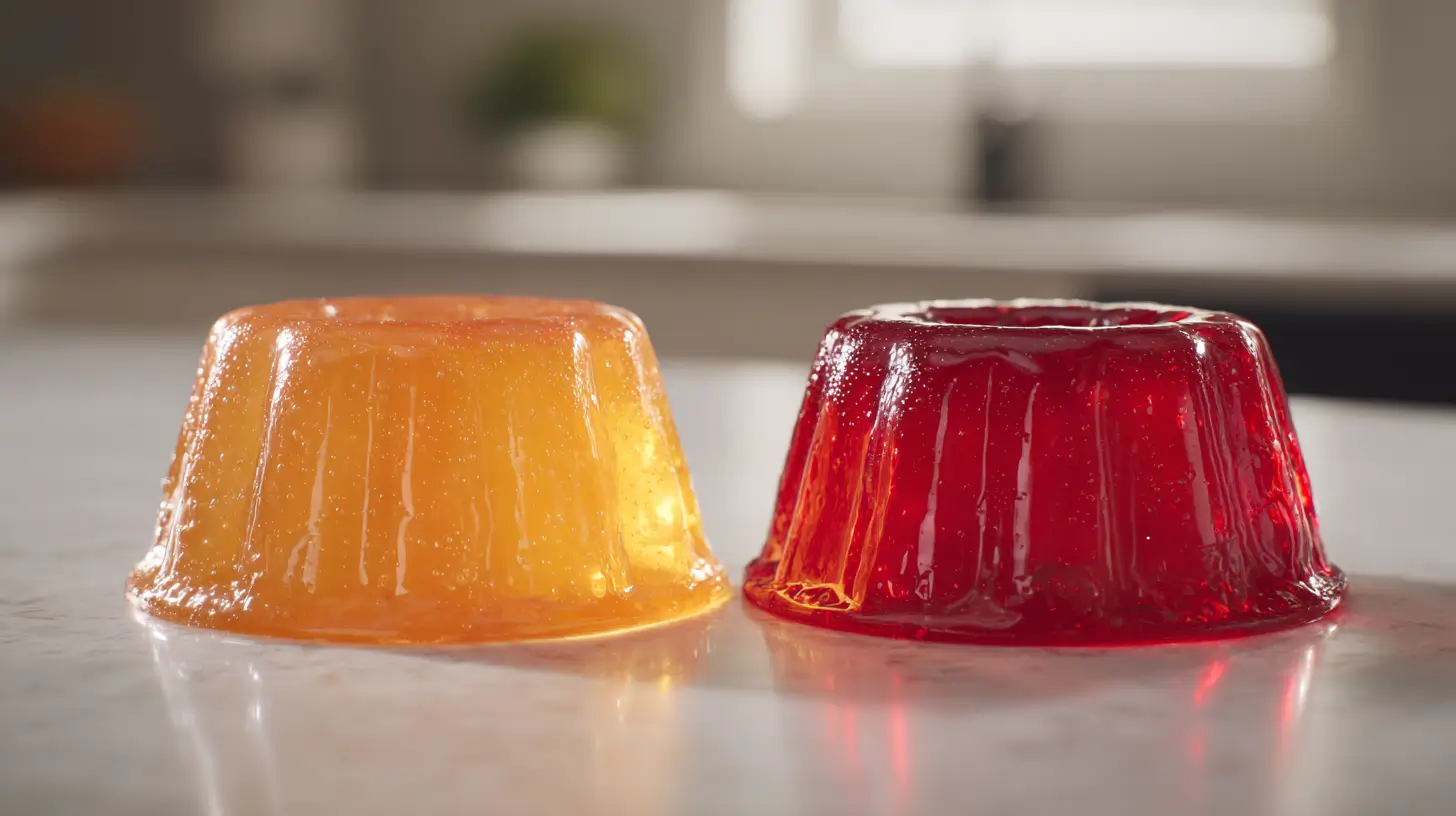
Many people searching for bariatric gelatin vs regular gelatin come across mixed explanations online, which makes the topic feel more complicated than it really is. At first glance, both terms seem to describe two completely different products. However, when you look closer, the difference is usually not about the gelatin itself, but about how it is prepared, portioned, and used in recipes.
Regular gelatin has been a staple ingredient in classic desserts for decades. It’s commonly used in puddings, molded desserts, and layered treats that focus on sweetness, texture, and presentation. Bariatric gelatin, on the other hand, is a recipe style that has emerged around specific eating routines, where portion size, ingredient simplicity, and ease of digestion matter more than decorative flair.
This comparison breaks down what truly separates bariatric gelatin recipes from traditional gelatin recipes in everyday use. Instead of focusing on marketing labels, it explains how preparation methods, serving size, and ingredient choices shape the final result. That way, you can clearly understand whether these two approaches are fundamentally different or simply adapted versions of the same base ingredient.
For practical recipe examples, this comparison is connected to our main bariatric gelatin recipes
What is regular gelatin?

Regular gelatin is the form most people recognize from everyday cooking and store-bought dessert mixes. In the context of bariatric gelatin vs regular gelatin, it represents the traditional way gelatin has been used for years, mainly in recipes designed for general consumption rather than portion-controlled eating.
Common ingredients in regular gelatin recipes
Most regular gelatin recipes start with unflavored gelatin powder or sheets combined with a liquid base. That liquid is often water, fruit juice, milk, or cream. Sugar is usually added to enhance taste, and many recipes also include flavorings or colorings to make the dessert more appealing.
Because these recipes are created for flavor and presentation, they often include:
- Added sugars or sweeteners
- Fruit juices with natural or added sugar
- Dairy products such as milk or cream
- Packaged flavor mixes in commercial gelatin products
These ingredient choices make regular gelatin desserts enjoyable but often richer and more filling.
Typical uses of regular gelatin in desserts
Regular gelatin is widely used in classic desserts like molded gelatin, layered parfaits, cheesecakes, and chilled pies. In these dishes, gelatin provides structure while maintaining a soft, springy texture.
Portions are usually larger and meant to be eaten as a standalone dessert or part of a full meal. Flavor tends to be bold enough to stand on its own, and visual presentation often plays a key role. This traditional approach sets the baseline for comparison when discussing bariatric gelatin vs regular gelatin.
What is bariatric gelatin?

Bariatric gelatin is not a special type of gelatin with a unique formula. Instead, it describes a way of preparing gelatin recipes to suit smaller portions and simpler eating patterns. When comparing bariatric gelatin vs regular gelatin, the main difference lies in how the gelatin is used rather than what it contains.
Why the term “bariatric” is used in recipe contexts
The term “bariatric” is often used in food discussions to signal recipes that are adapted for controlled portions and gentle textures. In the case of gelatin, it helps distinguish these recipes from traditional desserts that are richer or served in larger amounts.
Using this label makes it clear that the recipe is intended to be light, easy to consume, and straightforward. It sets expectations about portion size and preparation style rather than suggesting a different ingredient.
How bariatric gelatin recipes are usually adapted
Bariatric gelatin recipes are adapted mainly through preparation choices. Portions are kept small, sweetness is usually reduced, and ingredient lists are kept minimal. Water or lightly flavored liquids are often used instead of sugary juices or dairy-based liquids.
Texture is another key adjustment. Bariatric-style gelatin is often set slightly softer, making it easier to eat without feeling heavy. These changes create a familiar dessert that aligns better with a more measured eating routine, highlighting the practical contrast in bariatric gelatin vs regular gelatin.
Key differences between bariatric gelatin and regular gelatin
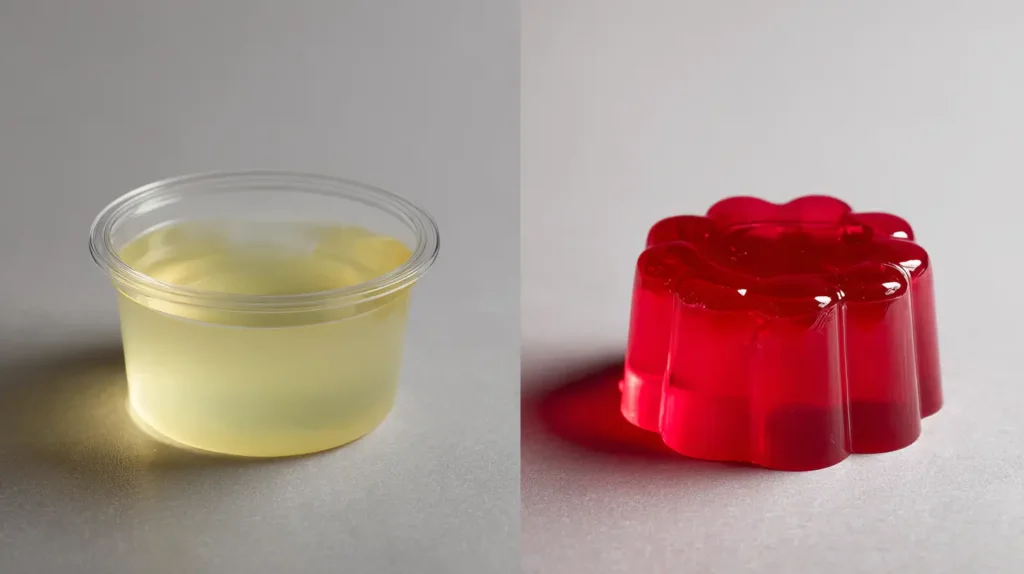
When comparing bariatric gelatin vs regular gelatin, the differences become clear once you look beyond the ingredient label. Both rely on the same base gelatin, but the way they are portioned, prepared, and flavored creates two very different eating experiences.
Portion size and serving style
One of the most noticeable differences is portion size. Regular gelatin desserts are usually served in larger bowls or molds and are meant to feel like a complete dessert. They’re often enjoyed slowly and sometimes paired with other rich foods.
Bariatric gelatin, by contrast, is typically served in much smaller portions. The goal is to provide structure and flavor without heaviness. Serving styles are simple, often individual cups or small molds, making it easier to manage portions consistently.
Texture and consistency
Texture also varies between the two styles. Regular gelatin is often set firmly so it holds its shape well, especially in layered or decorative desserts. This firmer texture works well for presentation but can feel dense when eaten in larger quantities.
Bariatric gelatin is usually set a bit softer. This lighter consistency makes it easier to eat and more comfortable in small servings. The gelatin still holds together, but it melts more smoothly in the mouth.
Ingredient and flavor choices
Flavor is another area where bariatric gelatin vs regular gelatin differs. Regular gelatin recipes often rely on bold flavors, added sugars, and sometimes dairy to create a rich taste. Visual appeal and sweetness are key priorities.
Bariatric gelatin recipes typically keep flavors subtle. Sweeteners are reduced or omitted, and ingredients are chosen for simplicity rather than intensity. This results in a cleaner taste that doesn’t overpower the dish, reinforcing the practical differences between the two approaches.
Are the ingredients actually different?
At first glance, the terms used in bariatric gelatin vs regular gelatin may suggest that the products themselves are different. In most cases, however, the ingredient list tells a much simpler story.
Base gelatin is usually the same
The core ingredient in both bariatric and regular gelatin recipes is standard unflavored gelatin. It’s typically derived from the same sources and behaves the same way when mixed with liquid and cooled.
There is no separate category of “bariatric gelatin” sold as a fundamentally different product. What changes is how that gelatin is incorporated into a recipe. The same gelatin powder or sheets used in traditional desserts can be used for bariatric-style preparations without modification.
Differences come from preparation and ratios
Most of the perceived differences come from how much gelatin is used, how much liquid is added, and what type of liquid is chosen. Regular gelatin recipes may use higher sugar ratios or richer liquids to enhance flavor and texture.
Bariatric gelatin recipes usually adjust these ratios. Less sweetener, more water, and smaller serving sizes create a lighter final dish. These preparation choices, rather than the gelatin itself, explain why the two styles feel different when eaten.
Which one should you choose?
Choosing between bariatric gelatin vs regular gelatin depends less on the product itself and more on how you plan to use it. Since the base ingredient is usually the same, the right choice comes down to portion size, texture preference, and how the gelatin fits into your daily routine.
When regular gelatin recipes make more sense
Regular gelatin recipes are a good option when you’re preparing a dessert meant to be shared or enjoyed as a full serving. They work well for family meals, gatherings, or situations where flavor and presentation are priorities.
If you enjoy richer tastes, firmer textures, and larger portions, traditional gelatin recipes may feel more satisfying. They also offer more flexibility for layered desserts, decorative molds, and recipes that include fruit, cream, or other additions.
When bariatric gelatin recipes may be preferred
Bariatric gelatin recipes are often preferred when portion control and simplicity are important. These recipes are designed to be light, easy to eat, and quick to prepare, making them practical for everyday use.
If you prefer smaller servings, milder flavors, and a softer texture, bariatric-style gelatin may fit better into your routine. The focus is less on indulgence and more on consistency, making it easier to enjoy gelatin regularly without feeling weighed down.
Frequently asked questions
Is bariatric gelatin healthier than regular gelatin?
Bariatric gelatin is not automatically healthier than regular gelatin in terms of the base ingredient. Both are usually made from the same type of unflavored gelatin. The difference comes from how the recipe is prepared. Bariatric gelatin recipes often contain less sugar, fewer additives, and smaller portions, which can make them feel lighter and more balanced for some people.
Regular gelatin recipes, on the other hand, may include more sweeteners or richer ingredients. Whether one feels “healthier” depends largely on the recipe choices rather than the gelatin itself.
Can regular gelatin recipes be adapted to bariatric style?
Yes, most regular gelatin recipes can be adapted quite easily. The key adjustments usually involve reducing portion size, cutting back on sweeteners, and simplifying the ingredient list. Using more water or lightly flavored liquids instead of sugary juices can also help shift a recipe toward a bariatric style.
This flexibility is why the discussion around bariatric gelatin vs regular gelatin focuses more on preparation than on buying a different product.
Do you need special gelatin for bariatric recipes?
No special gelatin is required for bariatric recipes. Standard unflavored gelatin works perfectly well. What matters is how it’s measured, mixed, and served.
By adjusting ratios, sweetness, and texture, the same gelatin used in traditional desserts can be transformed into a bariatric-style preparation without needing any specialty ingredients.
Conclusion
When comparing bariatric gelatin vs regular gelatin, the key takeaway is that both are built on the same basic ingredient. There is usually no special gelatin reserved for bariatric recipes. Instead, the real difference comes from how the gelatin is prepared, portioned, and flavored.
Regular gelatin recipes focus on traditional dessert qualities such as richer flavors, firmer textures, and larger servings. Bariatric gelatin recipes emphasize smaller portions, simpler ingredient choices, and a lighter consistency. Neither approach is inherently better; each serves a different purpose depending on the situation and personal preferences.
Understanding these practical distinctions makes it easier to decide which style fits your needs. For recipes and practical examples, refer to the main bariatric gelatin recipes guide.