
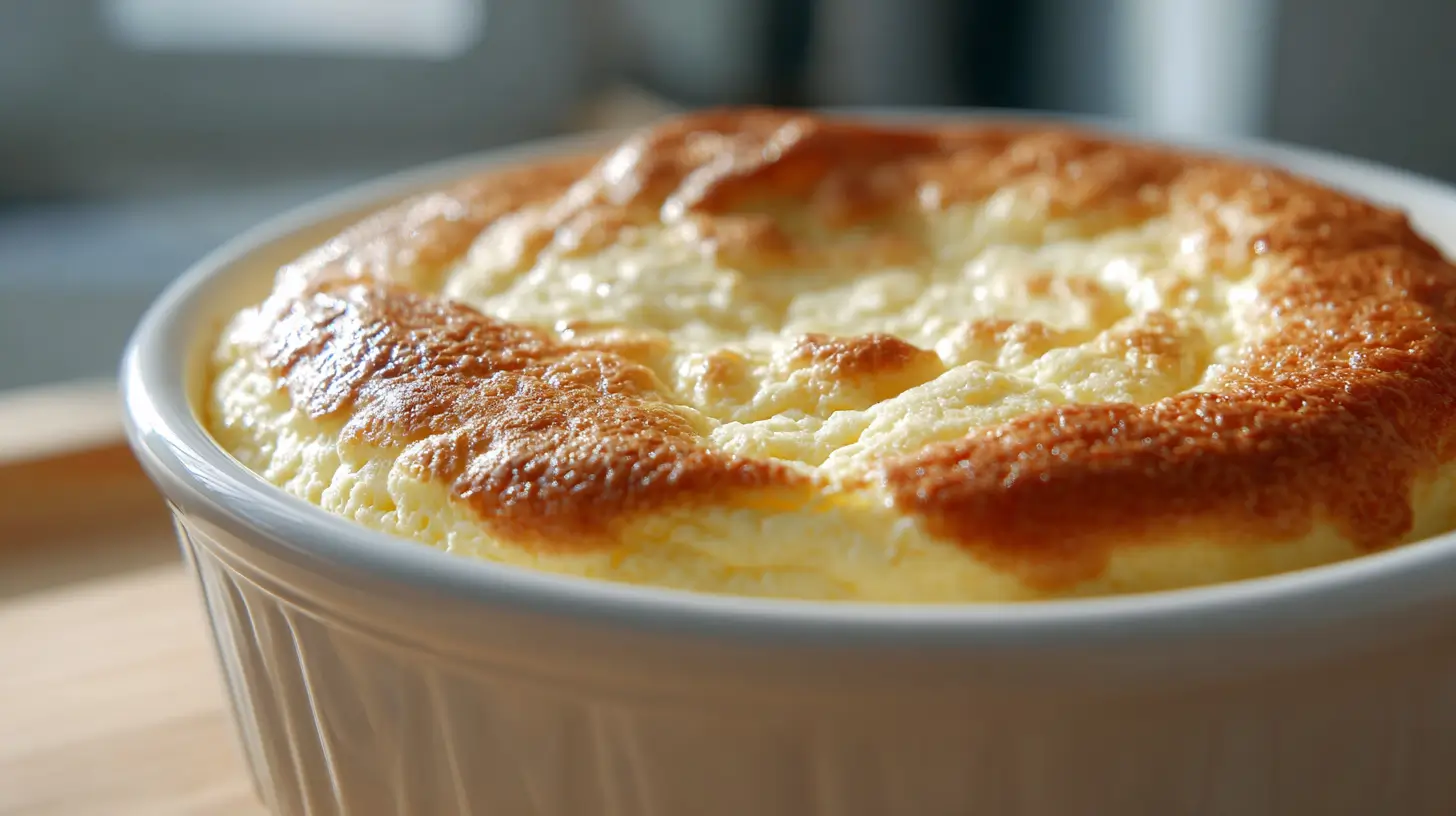
Finding meals that are gentle on digestion, rich in protein, and still enjoyable can be challenging after bariatric surgery. That’s where this bariatric ricotta bake truly shines. Creamy, soft, and easy to customize, this dish is designed to support healing, satiety, and long-term weight loss without feeling restrictive.
This bariatric ricotta bake is one of those bariatric soft food recipes that focuses on protein, gentle texture, and easy digestion.
Whether you’re in the puree or soft food stage, or simply looking for a high protein bariatric recipe that works for breakfast or lunch, this ricotta-based dish fits seamlessly into a post-surgery lifestyle. It can be prepared plain for early stages, adapted into a bariatric ricotta casserole, or enhanced later with lean protein for more advanced meal plans.
In this guide, you’ll learn exactly why ricotta works so well for bariatric diets, how to prepare the best bariatric ricotta bake safely, and how to adapt it for weight loss, keto, or high-protein needs—without compromising texture or comfort.
What Is a Bariatric Ricotta Bake?
Understanding the Bariatric Ricotta Bake Recipe
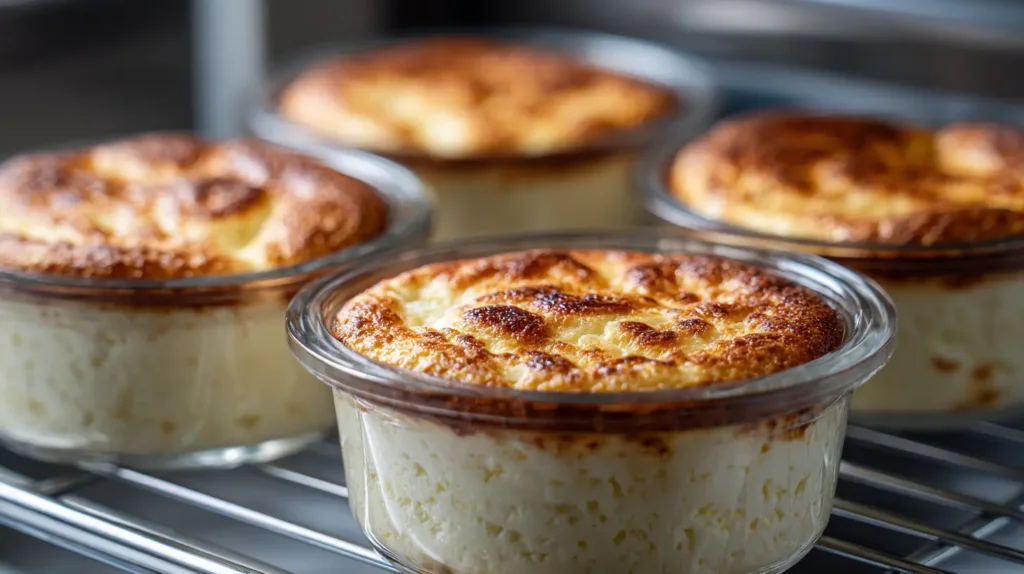
A bariatric ricotta bake is a soft, protein-focused dish designed specifically for people following post-bariatric surgery guidelines. Unlike traditional casseroles that rely on heavy starches or fats, this recipe centers on ricotta cheese for its smooth texture and easy digestibility. When baked gently, ricotta becomes light, fluffy, and comforting—ideal for sensitive stomachs.
This type of bariatric ricotta bake recipe is commonly used during the puree and soft food stages, but it also works well as a long-term high protein bariatric recipe for weight maintenance. Because it’s mild in flavor, it can be eaten plain early on or adjusted later with herbs, eggs, or lean protein.
How a Bariatric Ricotta Casserole Fits Post-Surgery Diets
After bariatric surgery, meals need to meet several goals at once: high protein, low sugar, easy digestion, and controlled portions. A bariatric ricotta casserole checks all of those boxes. It delivers protein without dryness, fat without heaviness, and structure without requiring chewing effort.
This makes it especially useful for patients who struggle with dense meats early on. Since ricotta naturally blends well, the dish can be adapted into a bariatric soft food recipe or even adjusted into bariatric puree recipes when needed. That flexibility is exactly why it’s considered a staple in many post-bariatric meal plans.
Bariatric Ricotta Bake vs Traditional Ricotta Casseroles
While traditional ricotta bakes often include pasta, breadcrumbs, or sugary sauces, a bariatric version removes unnecessary fillers. The focus stays on protein, texture, and tolerance rather than bulk or calories.
A simple ricotta bake recipe bariatric patients rely on usually avoids flour, excess cheese blends, or processed ingredients. As a result, it supports steady weight loss and reduces the risk of discomfort, dumping symptoms, or stalls. That’s what separates the best bariatric ricotta bake from standard oven-baked ricotta dishes.
Why Ricotta Is Ideal for Bariatric Diets
Nutritional Benefits of Ricotta for Bariatric Patients
Ricotta cheese is often recommended after bariatric surgery because it delivers high-quality protein in a form that’s easy to tolerate. Unlike firmer cheeses, ricotta has a naturally soft consistency that becomes even smoother when baked. This makes it ideal for patients who need nourishment without stressing digestion.
As part of a high protein bariatric recipe, ricotta helps support muscle maintenance, healing, and satiety. It’s also lower in sodium than many aged cheeses, which is helpful for managing water retention and overall comfort during recovery.
Ricotta as a Bariatric-Friendly High-Protein Food
One of the biggest advantages of ricotta is how efficiently it provides protein without heaviness. Ricotta is often included in bariatric-friendly high-protein foods because it provides nourishment without heaviness.
This balance is especially important in the early stages after surgery, when eating too much fat or dense protein can cause discomfort. A bariatric ricotta bake recipe allows patients to meet protein goals while keeping portions small and manageable.
Ricotta Texture and Digestion After Bariatric Surgery
Texture matters just as much as nutrition after bariatric surgery. Ricotta’s creamy structure makes it suitable for the puree and soft food phases, and baking it gently helps eliminate excess moisture while keeping it tender.
For patients transitioning between stages, a ricotta bake bariatric puree stage adaptation can be made by blending the mixture before baking. Later on, the same base recipe can evolve into a bariatric ricotta casserole with added ingredients, without losing its digestibility.
Is Bariatric Ricotta Bake Safe After Gastric Sleeve or Bypass?
Can I Eat Ricotta Cheese After Gastric Sleeve?
Yes, ricotta cheese is commonly allowed after gastric sleeve surgery once your care team clears you for puree or soft foods. Because ricotta is mild, low in fiber, and easy to digest, it’s often one of the first dairy-based proteins reintroduced.
A bariatric ricotta bake works especially well at this stage because baking gently firms the texture while keeping it soft enough to tolerate. When eaten slowly and in small portions, ricotta can help patients meet protein goals without triggering discomfort, nausea, or pressure.
Ricotta Bake Bariatric Puree Stage Guidelines
During the puree stage, texture is critical. Foods should be smooth, lump-free, and easy to swallow. A ricotta bake bariatric puree stage version can be prepared by blending ricotta with egg or liquid egg whites before baking, or by blending the finished bake to achieve a spoon-smooth consistency.
At this stage, it’s best to avoid add-ins like meat or vegetables. A simple ricotta bake recipe bariatric patients use early on focuses on plain ingredients to minimize irritation and improve tolerance.
When to Introduce a Bariatric Soft Food Recipe
As you move into the soft food stage, a bariatric soft food recipe like ricotta bake becomes even more versatile. The texture can be slightly firmer, and mild seasonings or finely minced protein can be added gradually.
This is often when a post bariatric ricotta recipe transitions from survival food to a satisfying meal. Whether eaten for breakfast or lunch, the dish remains gentle while offering enough protein to support healing and steady weight loss.
High-Protein Bariatric Ricotta Bake Recipe
Simple Ricotta Bake Recipe Bariatric Patients Love
This bariatric ricotta bake recipe is designed to be gentle, filling, and easy to prepare. It works for the puree stage (with minor adjustments) and transitions smoothly into the soft food stage. The flavor stays mild, while the protein content supports healing and weight loss.
Unlike complex casseroles, this recipe keeps ingredients minimal to avoid digestive stress. That simplicity is what makes it one of the best bariatric ricotta bake options for long-term success.
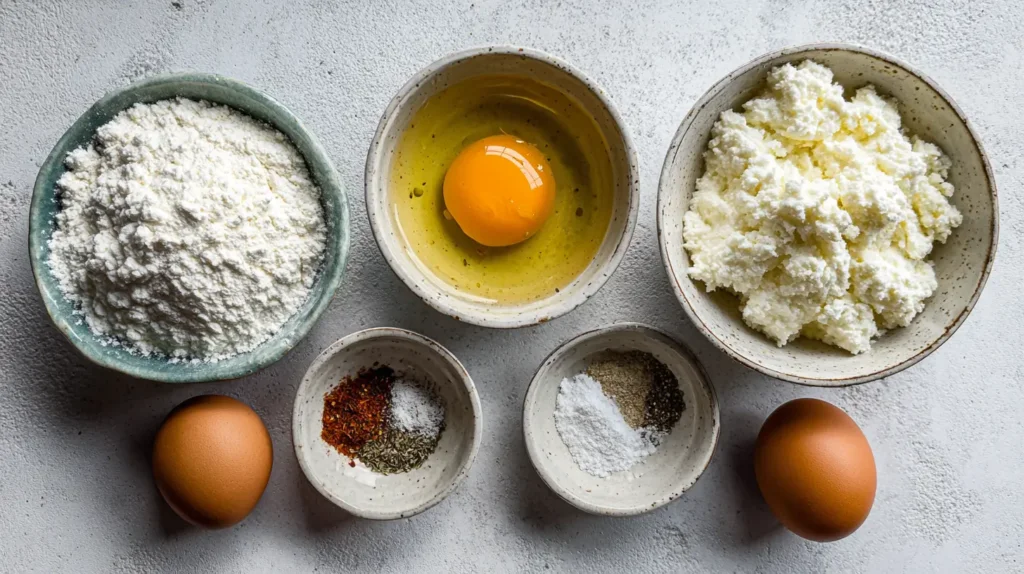
Ingredients for a High Protein Bariatric Recipe
This base version focuses on texture and protein. Variations will be covered in the next section.
| Ingredient | Purpose |
|---|---|
| Whole-milk ricotta cheese | Primary protein source, creamy texture |
| Egg or liquid egg whites | Structure and added protein |
| Grated parmesan (optional) | Flavor boost, small amount |
| Salt (pinch, optional) | Enhances taste without heaviness |
| Garlic powder or Italian seasoning (optional) | Flavor, no texture impact |
Notes for bariatric stages:
- Puree stage: Use egg whites only and blend mixture until completely smooth.
- Soft food stage: One whole egg is usually well tolerated.
- Avoid breadcrumbs, flour, or vegetables at early stages.
Step-by-Step Instructions for a Ricotta Bake Recipe Easy
- Preheat your oven to 350°F (175°C).
- In a bowl, combine ricotta cheese and egg (or egg whites). Mix until smooth.
- Add seasonings if tolerated and stir gently.
- Transfer mixture into a small oven-safe dish or ramekin.
- Bake uncovered for 25–30 minutes, until set but still soft in the center.
- Let rest for 5 minutes before eating to allow the texture to stabilize.
This ricotta bake recipe easy method produces a soft, spoonable dish that’s comforting without being heavy. Portion size matters—start with a few bites and stop at the first sign of fullness.
Why This Recipe Supports Weight Loss
As a ricotta bake for weight loss, this dish works because it emphasizes protein over volume. The creamy texture promotes satiety, while the lack of refined carbs helps stabilize blood sugar. It’s also flexible enough to grow with you as your tolerance improves, which makes it a reliable staple rather than a short-term fix.
Print
Bariatric Ricotta Bake: High-Protein Soft Food Recipe for Weight Loss
- Total Time: 35 minutes
- Yield: 2 small bariatric servings 1x
Description
This bariatric ricotta bake is a soft, high-protein recipe designed for puree and soft food stages after bariatric surgery. Easy to digest, gentle on the stomach, and ideal for weight loss, it works well for breakfast or lunch while supporting post-op nutrition goals.
Ingredients
- 1 cup whole-milk ricotta cheese
- 1 large egg or 2 egg whites
- Pinch of salt (optional, based on tolerance)
- Optional: garlic powder or Italian seasoning (very small amount)
Instructions
- Preheat the oven to 350°F (175°C).
- In a bowl, mix ricotta cheese and egg (or egg whites) until smooth.
- Add seasoning if tolerated and stir gently.
- Pour the mixture into a small oven-safe dish or ramekin.
- Bake uncovered for 25–30 minutes, until set but still soft in the center.
- Let cool for 5 minutes before eating. Eat slowly and stop at the first sign of fullness.
Notes
Puree stage: Blend the mixture until completely smooth before baking, or blend after baking if needed. Soft food stage: Texture should be spoon-soft and moist, never dry. Avoid breadcrumbs, flour, pasta, or vegetables in early stages. Portion size is critical—start with a few spoonfuls.
- Prep Time: 5 minutes
- Cook Time: 30 minutes
- Category: Bariatric Recipes
- Method: Baking
- Cuisine: American
Nutrition
- Serving Size: ½ cup
- Calories: 140 kcal
- Sugar: 2 g
- Sodium: 90 mg
- Fat: 7 g
- Saturated Fat: 4 g
- Unsaturated Fat: 2.5 g
- Trans Fat: 0 g
- Carbohydrates: 3 g
- Fiber: 0 g
- Protein: 14 g
- Cholesterol: 65 mg
Keywords: bariatric ricotta bake, bariatric ricotta bake recipe, high protein bariatric recipe, bariatric soft food recipe, ricotta bake for weight loss, post bariatric ricotta recipe
Bariatric Ricotta Bake Variations
Bariatric Ricotta Bake with Ground Beef
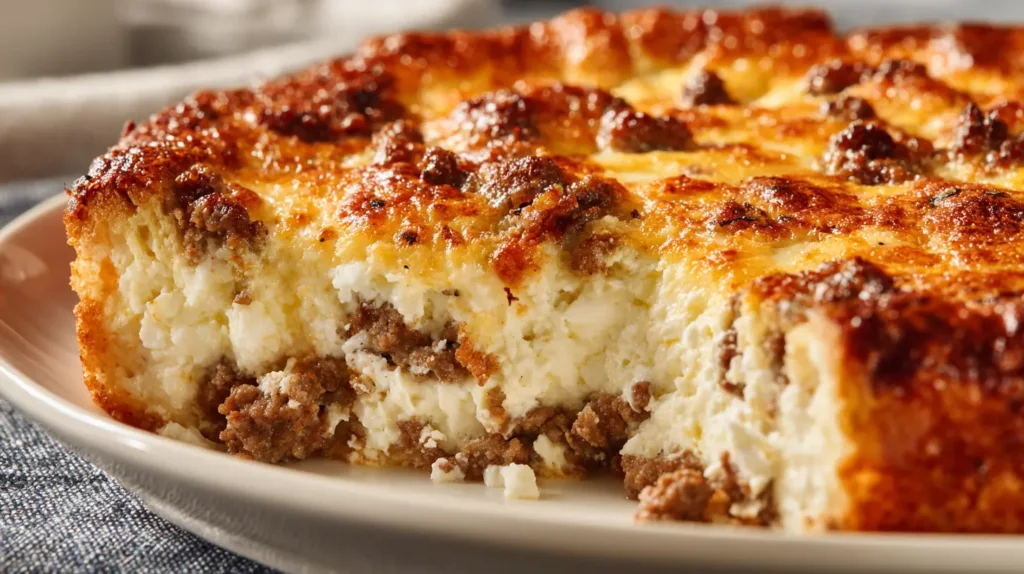
Once you’re fully comfortable in the soft food stage, you can turn this dish into a more filling meal by adding finely cooked lean protein. A bariatric ricotta bake with ground beef works best when the meat is very soft, well-drained, and finely crumbled.
Use extra-lean ground beef, cook it thoroughly, and season lightly. For best tolerance, mix a small amount directly into the ricotta base rather than layering it. This creates a ricotta bake with meat that stays moist and easy to digest while significantly boosting protein content.
Ricotta Bake with Meat vs Meatless Options
Both versions have a place in a bariatric lifestyle. A meatless bariatric ricotta bake recipe is often better tolerated earlier on and works well for breakfast or light lunches. It’s also ideal during times when dense proteins feel heavy.
On the other hand, adding meat transforms the dish into a more complete meal, suitable for later stages or higher protein needs. The key is listening to your body and choosing the version that supports digestion, energy, and weight loss without discomfort.
Bariatric Breakfast or Lunch Recipe Ideas
This recipe’s versatility makes it a smart choice for multiple meals. As a bariatric breakfast or lunch recipe, it can be served plain in the morning or paired with a soft savory side later in the day.
For breakfast, keep it simple and mild. For lunch, add lean protein or gentle seasonings. These adaptations turn the dish into one of the most practical bariatric meal ideas, especially for patients who prefer warm, soft foods that don’t require much chewing.
Is Bariatric Ricotta Bake Keto or Low Carb?
Carb Count and Protein Breakdown
A well-prepared bariatric ricotta bake is naturally low in carbohydrates and high in protein, especially when it’s made without fillers like breadcrumbs or flour. Ricotta contains some natural carbs from dairy, but the overall carb count remains modest when portions are controlled.
As a high protein bariatric recipe, this dish prioritizes protein first, which supports satiety and helps prevent blood sugar spikes—an important factor for post-bariatric and weight loss diets.
Ricotta Bake for Weight Loss and Keto Adjustments
With a few simple adjustments, this recipe can fit easily into keto-style eating. Using full-fat ricotta, egg whites or whole eggs, and avoiding starchy add-ins keeps the carb count low while increasing fat and protein.
When prepared with simple ingredients, this dish can easily fit into keto recipes for weight loss as well.
That said, portion size still matters. Even keto-friendly foods should be eaten mindfully after bariatric surgery to avoid discomfort or stalled progress.
Comparing Bariatric Ricotta Bake to Other Low-Carb Options
Compared to many low-carb meals, a ricotta bake for weight loss stands out for its texture and tolerance. Dense meats or fibrous vegetables can be harder to digest early on, while ricotta remains gentle.
This makes it a reliable option for patients transitioning between dietary phases or looking for variety within their bariatric meal ideas—without sacrificing protein or simplicity.
High-Protein Bariatric Meal Ideas Using Ricotta
Post Bariatric Ricotta Recipe Meal Planning
After bariatric surgery, consistency matters more than variety. Having a reliable post bariatric ricotta recipe like this bake makes meal planning much easier. Because the base recipe stays the same, you can adjust portions, texture, and add-ins without relearning how your body reacts.
Many bariatric and GLP-1 plans emphasize high-protein meals for weight loss that help with portion control and satiety.
That’s exactly where a bariatric ricotta bake fits in—it delivers protein in a form that feels light, warm, and comforting.
Bariatric Meal Ideas for Busy Days
On busy days, complicated meals often lead to skipped protein or poor food choices. A bariatric ricotta bake recipe can be prepared ahead of time, stored in small portions, and reheated gently without losing texture.
This makes it one of the most practical bariatric meal ideas for patients juggling work, appointments, or family life. Whether eaten for breakfast or lunch, it helps keep protein intake consistent without relying on shakes or processed options.
Pairing Ricotta Bake with Bariatric Puree Recipes
During earlier stages, this dish pairs well with other bariatric puree recipes that focus on softness and digestion. For example, it can be balanced with smooth vegetables or gentle protein-based sides, depending on tolerance.
As your diet progresses, the same ricotta bake can anchor meals that include more variety, while still keeping protein as the priority. That flexibility is what makes it such a long-term staple in bariatric-friendly eating.
Common Mistakes to Avoid When Making Bariatric Ricotta Bake
Ingredient Choices That May Slow Weight Loss
One of the most common mistakes with a bariatric ricotta bake is adding ingredients that aren’t bariatric-friendly. Breadcrumbs, pasta, sugary sauces, or excessive cheese blends can quickly turn a supportive meal into a calorie-heavy dish that slows progress.
To keep this a true ricotta bake for weight loss, stick to simple, protein-focused ingredients. Ricotta, eggs, and minimal seasoning are enough. Extra ingredients should be added gradually and only when your tolerance allows.
Texture Errors During Puree and Soft Food Stages
Texture is critical after bariatric surgery, and skipping this detail can cause discomfort. A ricotta bake bariatric puree stage version must be completely smooth. Any lumps, dry edges, or uneven baking can make the dish harder to tolerate.
During the soft food stage, the bake should still be moist and easy to break apart with a fork. Overbaking is a common issue and can make even a well-designed bariatric soft food recipe feel heavy or difficult to swallow.
Portion Sizes and Protein Balance
Even healthy foods can cause problems if portions are too large. Because ricotta feels light, it’s easy to eat more than recommended. Start with a few spoonfuls and stop as soon as you feel satisfied.
Maintaining the right protein balance is also key. A high protein bariatric recipe should prioritize protein first, not volume. Eating slowly and mindfully helps prevent discomfort while supporting steady weight loss.
Frequently Asked Questions About Bariatric Ricotta Bake
Can I Eat Ricotta Cheese After Gastric Sleeve?
Yes, ricotta cheese is commonly allowed after gastric sleeve surgery once you reach the puree or soft food stage and have approval from your care team. Its soft texture and mild flavor make it easier to tolerate than many other dairy products.
A bariatric ricotta bake is especially helpful because baking improves structure without making the dish heavy. As always, portions should be small, and eating slowly is key to avoiding discomfort.
Is Baked Ricotta Healthy for Weight Loss?
Baked ricotta can be very supportive of weight loss when prepared correctly. As a ricotta bake for weight loss, it focuses on protein rather than volume, which helps with satiety and portion control.
The key is avoiding unnecessary add-ins like breadcrumbs, pasta, or sugary sauces. When kept simple, this dish fits well into both bariatric and long-term weight management plans.
Can Ricotta Cheese Be Baked in the Oven?
Yes, ricotta cheese bakes beautifully in the oven. When baked at a moderate temperature, it becomes light, fluffy, and spoonable—perfect for bariatric diets.
This method is what makes a ricotta bake recipe easy to digest while still feeling like a comforting, warm meal rather than a clinical diet food.
Which Is Healthier, Cottage Cheese or Ricotta for Weight Loss?
Both cottage cheese and ricotta can support weight loss, but ricotta is often better tolerated after bariatric surgery. Cottage cheese tends to have curds, which can be harder to digest during early stages.
Ricotta’s smooth texture makes it ideal for a high protein bariatric recipe, especially during the puree and soft food phases. The best choice ultimately depends on tolerance and individual nutrition goals.
What Can I Serve With a Bariatric Ricotta Bake?
A bariatric ricotta bake pairs best with light, soft sides that won’t overpower digestion. Light bariatric-friendly dessert options, such as gelatin-based recipes, pair well with this savory ricotta bake.
This combination keeps meals balanced while maintaining comfort and protein focus.
Conclusion
A bariatric ricotta bake is one of those rare recipes that truly grows with you throughout your bariatric journey. From the puree stage to soft foods and beyond, it delivers what post-surgery meals should always prioritize: gentle texture, high protein, and reliable satisfaction without heaviness.
Because it’s simple, customizable, and easy to tolerate, this dish fits seamlessly into daily life—whether you’re focused on healing, steady weight loss, or long-term maintenance. It can stay plain when your stomach needs calm or evolve into a more filling meal as your tolerance improves, making it one of the most dependable bariatric meal ideas you can keep on hand.
Most importantly, this recipe supports consistency. And in bariatric success, consistency always beats perfection. By keeping ingredients clean, portions controlled, and protein first, the bariatric ricotta bake becomes more than just a recipe—it becomes a tool for sustainable progress.