
Creating a homemade horse electrolyte recipe for humans might sound unusual at first, but it’s quickly becoming a smart hydration hack for people who want a simple, powerful, and budget-friendly electrolyte drink. Many equine electrolyte formulas contain the same essential minerals humans need—like sodium, potassium, and magnesium—just in different ratios. When adapted safely, these ingredients can help support hydration, muscle recovery, and overall performance without relying on sugary sports drinks or pricey commercial mixes.
In this guide, you’ll learn exactly how a homemade horse electrolyte recipe for humans works, why some people prefer it, what ingredients are safe, and how to make several variations—including no-sugar versions, high-potassium blends, and a long-lasting electrolyte powder. You’ll also see how DIY mixes compare to brands like LMNT and Liquid I.V., when to drink them, and how to use them safely. Before we dive into the recipes, let’s take a closer look at why horse electrolytes appeal to so many health-focused adults today.
Understanding the Homemade Horse Electrolyte Recipe for Humans
What Makes Horse Electrolytes Different From Regular Human Electrolytes
At first glance, a homemade horse electrolyte recipe for humans might seem like an odd concept, but once you look closer, the similarities become clear. Both humans and horses rely on the same essential minerals—sodium, potassium, magnesium, and chloride—to stay hydrated, support nerve function, and maintain muscular strength. The biggest difference isn’t the ingredients themselves; it’s usually the concentration. Horses lose electrolytes much faster due to their size and workload, which means equine mixes often contain higher sodium and potassium levels than standard human sports drinks.
However, once you adjust the ratios to match human needs, these formulations can work surprisingly well. Many people turn to DIY horse-style electrolytes because they want something cleaner than commercial drinks loaded with sugar, dyes, and fillers. Plus, making your own gives you full control over taste, strength, and mineral balance—something you rarely get with store-bought options.
Why Some Athletes and Outdoor Workers Use Equine Electrolyte Mixes
Endurance athletes, hikers, gym enthusiasts, and even construction workers sometimes reach for horse-inspired electrolyte formulas because they deliver fast, powerful hydration. When you’re sweating heavily, your body loses more than just water—it sheds essential salts too. A DIY electrolyte mix modeled after equine formulas can replace those minerals quickly, keeping your muscles firing and your energy levels steady.
Another big reason people love this approach is cost. Commercial electrolyte packets can get pricey, especially if you use them daily. But a homemade mix using basic salts and minerals costs a fraction of the price while offering comparable performance. And because the recipe is customizable, you can fine-tune it for high-heat environments, intense workouts, or long shifts outdoors.
Key Safety Considerations Before Consuming a Horse Electrolyte Recipe
Even though a homemade horse electrolyte recipe can be adapted safely for humans, you still need to approach it with a bit of caution. Since horse formulas are more concentrated, too much sodium or potassium can overwhelm the body, especially if you’re not losing electrolytes rapidly. That’s why the recipes later in this guide follow human-appropriate ratios instead of equine-strength doses.
It’s also important to avoid any premixed commercial horse electrolytes that contain additives or medications designed for animals. Your DIY version should rely only on pure, human-safe ingredients like sea salt, potassium chloride, magnesium, and natural flavorings. If you have kidney issues, high blood pressure, or any condition that affects mineral processing, talk to a healthcare provider before trying an electrolyte drink—homemade or not.
When used responsibly, though, a homemade horse electrolyte recipe for humans can be an effective, clean, and surprisingly simple way to stay hydrated, especially in situations where plain water simply isn’t enough.
Benefits of a DIY Horse Electrolyte Mix for Human Hydration
Sodium, Potassium, and Magnesium: The Essential Hydration Trio
When you’re exploring a homemade horse electrolyte recipe for humans, it helps to understand why these minerals matter so much. Sodium is the backbone of hydration, because it regulates fluid balance and prevents dangerous dips in blood pressure after sweating. Potassium works alongside sodium to support nerve signaling and muscle contraction, making it crucial for anyone who exercises regularly or spends long hours outdoors. Magnesium, meanwhile, steps in to help with muscle relaxation, energy production, and preventing cramps—something athletes constantly battle.
Together, these three minerals form a powerful hydration system your body depends on. Commercial sports drinks often dilute them or bury them under sugar and artificial flavors. But with a DIY approach, you can create a balanced, clean mix that your body absorbs quickly, especially when you’re losing electrolytes faster than you can replace them.
How Homemade Electrolytes Support Energy, Endurance, and Recovery
A big reason people look for a homemade horse electrolyte recipe for humans is simple: it works. When your electrolyte levels drop, fatigue sets in fast. Muscles tighten, thinking gets cloudy, and endurance falls off a cliff. By restoring electrolyte levels quickly, homemade mixes help maintain steady energy, reduce the risk of cramps, and keep your sweat rate productive instead of draining.
During longer workouts or heavy labor, your body burns through electrolytes as quickly as carbohydrates. Without replacements, even mild dehydration can sabotage performance. But with a properly balanced DIY mix, your muscles stay responsive, and your heart rate stays more stable—two things that dramatically improve how long and how hard you can work.
Comparing Human vs. Equine Electrolyte Ratios
Although both humans and horses rely on the same core minerals, their needs differ significantly. Horses sweat more heavily and lose higher concentrations of sodium and potassium, which is why commercial equine electrolytes are far too strong for the average person. That’s why this guide adapts the ratios to safe human levels while keeping the same effective mineral profile.
A homemade horse electrolyte recipe for humans uses a toned-down version of equine-style mineral blends, focusing on hydration without overload. Instead of equine-strength sodium or potassium, you use measured amounts that match human physiology. The result is a drink that offers power without risk—something you simply can’t achieve by using straight horse products or overly sugary sports drinks.
When balanced correctly, this DIY approach provides all the benefits of a potent hydration formula without the additives, fillers, or extreme concentrations found in some animal blends. It’s cleaner, safer, and surprisingly efficient for everyday use and high-demand situations.
Ingredients Needed for a Natural Homemade Horse Electrolyte Recipe
Safe Human-Approved Ingredients Used in Equine Mixes
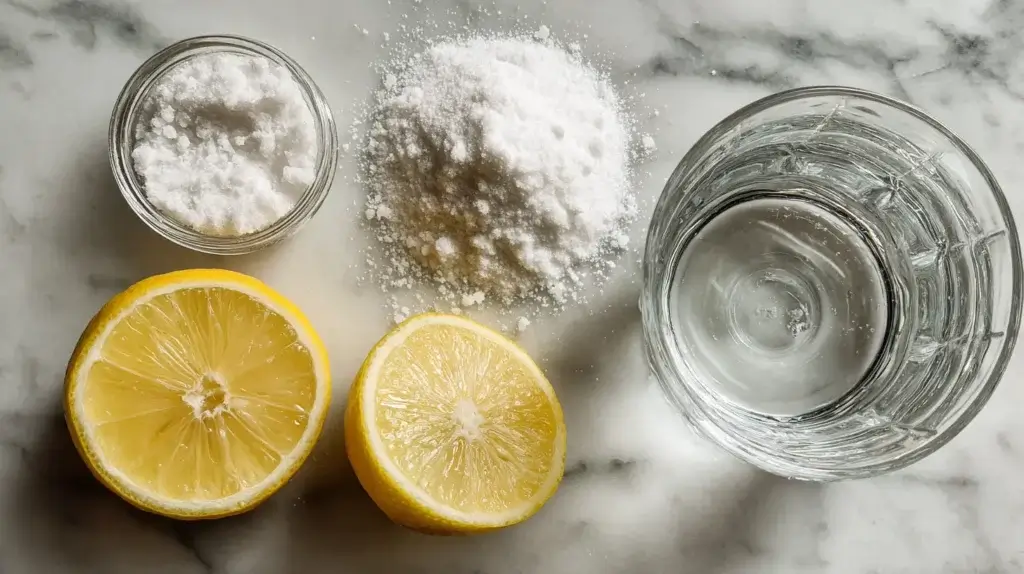
Before you start mixing anything, it’s important to know which ingredients from a horse-style electrolyte blend are actually safe for people. The good news? Most of the core minerals used in equine hydration formulas—sodium chloride, potassium chloride, and magnesium sulfate—are the same minerals found in human electrolyte products. The key difference lies in the dosage, not the ingredient itself. That’s why adapting a homemade horse electrolyte recipe for humans is completely doable as long as you stay within appropriate limits.
For everyday hydration, you’ll rely on basic pantry staples like sea salt, table salt, or Himalayan salt for sodium. Potassium chloride, often labeled as “salt substitute,” adds the potassium your muscles and nerves depend on. A small amount of magnesium powder or magnesium citrate helps prevent cramps and supports recovery. These simple ingredients mimic the essential structure of equine mixes but keep everything at a safe, comfortable level for daily human use.
Choosing the Right Salt Type (Sea Salt vs. Himalayan vs. Blue Salt)
Salt plays a major role in any electrolyte drink, so choosing the right kind matters more than most people realize. While traditional table salt works just fine, some people prefer sea salt or Himalayan salt because they include trace minerals that add a bit more nutritional depth. These minerals—like calcium, zinc, and iron—aren’t present in large enough amounts to dramatically change your electrolyte balance, but they do provide a cleaner, more naturally sourced sodium option.
If you’re curious about flavor differences, sea salt tends to taste milder, while Himalayan salt has a slightly earthy finish. Another interesting option is blue salt, which appears in some mineral-focused recipes and contains naturally occurring sylvite, a potassium-rich compound. When you’re making a homemade horse electrolyte recipe for humans, experimenting with different salts can help you fine-tune the balance and taste you like best.
What you should avoid is iodized salt for recipes you’ll store long-term. Iodine can introduce off-flavors over time, and it doesn’t offer any electrolyte benefit. For fresh batches, it’s fine—but for powders or bulk mixes, stick with pure salts.
Optional Add-Ins for Flavor, Minerals, and Health Benefits
While the core of your electrolyte drink is mineral-based, flavor matters—especially if you’re drinking it during workouts or hot days. A squeeze of lemon or lime not only adds taste but also boosts the drink with natural vitamin C. Ginger gives a gentle kick and supports digestion, which many athletes appreciate. A touch of honey or maple syrup can help with quick energy, though you can skip sweeteners entirely if you’re aiming for a no-sugar electrolyte recipe.
You can also personalize your electrolyte drink with ingredients like:
- Cream of tartar (a natural source of potassium)
- Magnesium glycinate (a gentler, more absorbable form of magnesium)
- Celtic sea salt for added trace minerals
- Electrolyte-friendly herbs like mint, for refreshing flavor
Adding these extras lets you create a drink that fits your taste, your activity level, and your hydration needs. The beauty of tailoring a homemade horse electrolyte recipe for humans is that you’re in complete control—no dyes, no fillers, no mystery formulas.
Step-by-Step — How to Make a Homemade Horse Electrolyte Recipe for Humans
Core Recipe (Balanced Sodium–Potassium Blend)
Now that you understand the essential minerals, it’s time to make a practical homemade horse electrolyte recipe for humans that’s safe, balanced, and surprisingly easy. This core formula offers the ideal sodium–potassium ratio for basic hydration and recovery. It’s strong enough to replace what you lose during exercise or heat exposure, yet gentle enough for everyday use when mixed correctly.
Ingredients (1 serving):
- 1/4 teaspoon sea salt or Himalayan salt (sodium source)
- 1/8 teaspoon potassium chloride (salt substitute)
- 1/16 teaspoon magnesium powder or magnesium citrate
- 1 tablespoon lemon or lime juice
- 8–12 ounces cold water
Instructions:
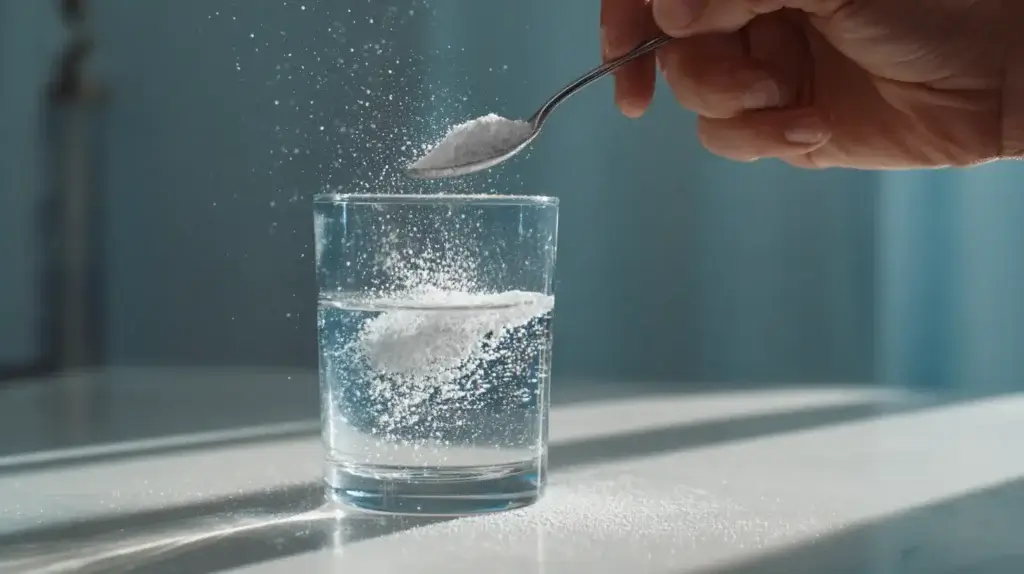
- Add the salt, potassium chloride, and magnesium to a glass.
- Pour in the lemon juice to help dissolve the minerals.
- Add water and stir until everything is fully mixed.
- Taste and adjust—add a little more water if the mix feels too strong.
This base blend gives you fast hydration without unnecessary additives. It’s clean, simple, and designed to mimic the balanced minerals found in safe, human-adapted equine formulas.
No-Sugar Version: Simple Electrolyte Drink Recipe
If you prefer a no-sugar electrolyte recipe, you’re in luck. The core formula above already fits the profile, but here’s an even simpler variation for people who want minimal flavor and zero sweeteners.
Ingredients:
- 1/4 teaspoon pure sea salt
- 1/8 teaspoon potassium chloride
- 1–2 teaspoons apple cider vinegar (optional)
- 10–12 ounces water
How to Make:
- Mix the minerals and vinegar in your bottle.
- Fill with water and shake until dissolved.
Apple cider vinegar adds a slight tang and trace minerals, but you can skip it if you want a clean, neutral drink. This version is great for everyday hydration, especially if you’re cutting sugar or watching carbs.
Powder Version: Homemade Electrolyte Powder for Long-Term Storage
A powder mix is incredibly convenient because you can prep a large batch and scoop it as needed. It’s perfect for traveling, gym bags, road trips, and emergency hydration.
Dry Mix Recipe (makes 20 servings):
- 5 teaspoons sea salt
- 2.5 teaspoons potassium chloride
- 1 teaspoon magnesium citrate powder
- Optional: 1 teaspoon cream of tartar for extra potassium
- Optional: dried lemon powder for flavor
Instructions:
- Combine all dry ingredients in an airtight jar.
- Shake until fully blended.
- Store in a cool, dry place for up to three months.
To use:
– Mix ½ teaspoon of powder into 10–12 ounces of water. Adjust based on taste and hydration needs.
This powder version is modeled after the simplicity of equine mineral blends but adapted for safe human use. It makes staying hydrated effortless, cost-effective, and completely customizable.
Print
Homemade Horse Electrolyte Recipe for Humans
- Total Time: 2 minutes
- Yield: 1 serving 1x
Description
A clean, natural electrolyte drink inspired by simplified equine mineral ratios and adapted safely for human hydration. This DIY electrolyte formula restores sodium, potassium, and magnesium without sugar, dyes, or artificial ingredients—perfect for workouts, heat exposure, or everyday hydration.
Ingredients
- 1/4 teaspoon sea salt (or Himalayan salt)
- 1/8 teaspoon potassium chloride (salt substitute)
- 1/16 teaspoon magnesium citrate powder
- 1 tablespoon lemon juice
- 8–12 ounces cold water
Instructions
- Add the sea salt, potassium chloride, and magnesium powder to a glass.
- Pour in the lemon juice to help dissolve the minerals.
- Add cold water and stir until fully mixed.
- Adjust the flavor by adding more water or lemon as needed.
Notes
For a no-sugar version, follow the recipe as written.
Add a small amount of honey or maple syrup if you prefer light sweetness.
Increase sodium slightly for intense workouts or heavy sweating.
Magnesium glycinate may be used instead of magnesium citrate for a gentler option.
Not suitable for people with kidney issues or potassium/sodium-sensitive medical conditions.
- Prep Time: 2 minutes
- Cook Time: 0 minutes
- Category: Hydration Drink / Electrolyte Drink
- Method: No-cook / Mixed
- Cuisine: American
Nutrition
- Serving Size: 1 drink
- Calories: 2
- Sugar: 0g
- Sodium: 580mg
- Fat: 0g
- Saturated Fat: 0g
- Unsaturated Fat: 0g
- Trans Fat: 0g
- Carbohydrates: 1g
- Fiber: 0g
- Protein: 0g
- Cholesterol: 0mg
Keywords: homemade horse electrolyte recipe for humans, DIY electrolyte drink, natural electrolyte recipe, no-sugar electrolyte drink, homemade electrolyte powder
Variations of the Best Homemade Electrolyte Drink
High-Potassium Formula for Muscle Cramps
If you deal with frequent muscle cramps—whether from workouts, long work shifts, or hot weather—you may benefit from a higher-potassium version of the homemade horse electrolyte recipe for humans. Potassium plays a key role in muscle relaxation and nerve communication, so increasing it slightly can help restore balance when your body is low.
Ingredients:
- 1/4 teaspoon sea salt
- 1/4 teaspoon potassium chloride (double the standard amount)
- 1/16 teaspoon magnesium citrate
- 1 tablespoon lemon juice
- 12 ounces water
Why this variation works:
By boosting potassium, you create a more targeted formula for cramping and twitching muscles. Just make sure not to exceed the recommended amounts if you have kidney issues or take medications that affect potassium levels.
Low-Sodium Mix for Light Hydration Needs
Not every situation calls for a heavy-duty electrolyte drink. If you’re simply maintaining hydration on a mild day, a low-sodium variation may feel cleaner and easier to sip. This version keeps electrolytes balanced while reducing the saltiness that some beginners find overwhelming.
Ingredients:
- 1/8 teaspoon sea salt (half the standard amount)
- 1/8 teaspoon potassium chloride
- 1/16 teaspoon magnesium powder
- 1 teaspoon honey or 1 teaspoon lemon juice (optional)
- 10 ounces water
Benefits:
This gentle blend works well for people who aren’t sweating heavily but still want the mineral boost that a homemade horse electrolyte recipe for humans provides. It’s light, refreshing, and ideal for casual daily hydration.
Natural Citrus Version (Lemon–Ginger Performance Blend)
If you want something that tastes great and provides strong hydration, this citrus-ginger variation delivers a bright, energizing flavor without artificial ingredients. It’s especially popular among runners, cyclists, and people who like a clean, natural taste.
Ingredients:
- 1/4 teaspoon sea salt
- 1/8 teaspoon potassium chloride
- 1/16 teaspoon magnesium
- Juice of ½ lemon or lime
- 2–3 thin slices of fresh ginger or ¼ teaspoon ginger powder
- ½ teaspoon honey or maple syrup (optional)
- 12 ounces cold water
Why athletes love this mix:
Ginger supports digestion and circulation, citrus boosts electrolyte absorption, and the small optional amount of honey provides a quick energy lift. Altogether, this variation feels fresher and more enjoyable than many store-bought sports drinks.
How This Homemade Horse Electrolyte Recipe Compares to Store-Bought Options
Liquid I.V. vs. LMNT vs. Natural DIY Electrolytes
When comparing commercial electrolyte drinks to a homemade horse electrolyte recipe for humans, the biggest difference comes down to ingredients and concentration. Liquid I.V. uses sugar-driven “cellular transport technology,” which can help some people absorb fluids faster—but it also means you’re consuming 11 grams of sugar per serving. LMNT takes the opposite route: zero sugar, very high sodium, and simple minerals. Many people love LMNT because of its clean formula, but its saltiness can feel overwhelming if you’re not used to strong electrolyte blends.
A DIY recipe offers something both brands can’t: complete control. You choose how salty, how sweet, and how strong your drink is. You also skip fillers, dyes, and stabilizers. And, of course, homemade blends cost pennies per serving, making them far more budget-friendly for people who hydrate daily or train intensely.
Learn more about the benefits of LMNT and how it compares to DIY blends here:
Check out: LMNT salt electrolyte drink benefits
Sugar-Free Electrolyte Options vs. Traditional Sports Drinks
Traditional sports drinks like Gatorade rely on sugar not just for taste but also for rapid carbohydrate delivery. While that’s useful during intense athletic events, it’s often unnecessary for everyday hydration. Most people simply don’t need that much sugar to stay hydrated.
That’s why sugar-free electrolyte drinks have become so popular, especially among low-carb, keto, and wellness-focused users. A homemade horse electrolyte recipe for humans fits perfectly into this trend. It delivers the same essential minerals without spiking insulin or loading your body with artificial dyes.
If you’re exploring salt-based hydration options, you may also enjoy:
Discover great ideas like: Homemade horse salt recipe for men
Cost Comparison: Homemade vs. Commercial Mixes
The cost difference is almost shocking once you break it down. A single packet of a premium electrolyte brand can cost $1–$2 per serving. Multiply that by daily use, and the expense climbs quickly. But a homemade electrolyte drink, modeled after equine hydration formulas and adapted safely for humans, usually costs less than 10 cents per serving.
Here’s a quick comparison:
| Electrolyte Option | Cost per Serving | Sugar Content | Customizable? |
|---|---|---|---|
| Liquid I.V. | $1.20–$1.60 | High | No |
| LMNT | $1.00–$1.50 | None | No |
| Typical sports drinks | $0.75 | High | No |
| Homemade horse electrolyte recipe for humans | $0.05–$0.10 | None (optional) | Yes |
Another unexpected perk? Homemade electrolytes avoid the long ingredient lists that come with many store-bought beverages. You get purity and performance without paying for packaging, marketing, or additives.
If you enjoy exploring wellness drinks that support hydration, also check out:
Looking for inspiration? Try: Jello weight loss recipe
And one more delicious functional drink:
Don’t miss our: Coffee ginger lemon honey benefits
When and How to Use a Homemade Horse Electrolyte Drink Safely
Best Times to Drink Electrolytes: Workouts, Heat, Illness
Knowing when to use a homemade horse electrolyte recipe for humans is just as important as knowing how to make it. Electrolytes matter most when your body is losing fluids faster than it can replace them. That usually happens during long workouts, heavy sweating, or illness.
You may benefit from an electrolyte drink when:
- You’re exercising for longer than 45–60 minutes
- You’re outdoors in high heat or humidity
- You’re feeling depleted after yard work, construction, or farm labor
- You’re recovering from vomiting, diarrhea, or dehydration
- You wake up with muscle cramps or fatigue
In these scenarios, plain water won’t restore sodium and potassium fast enough. A homemade horse electrolyte recipe for humans steps in to fill that gap quickly and naturally.
Daily Intake Guidelines for Adults
Most adults don’t need electrolytes every single day, but using them strategically can help maintain stable hydration. As a general rule, one serving per day is enough for moderate activity. If you’re sweating heavily, two servings may be appropriate—just spread them out to avoid overloading your system.
Basic guideline for healthy adults:
- Light days: 0–1 serving
- Workout days: 1–2 servings
- High-heat or high-sweat days: 2–3 servings
- Illness recovery: 1 serving every 4–6 hours (as tolerated)
The beauty of a DIY electrolyte drink is control. You’re not locked into the sodium-heavy formulas of commercial brands. You can adjust your drink like a dial—more salt for hard workouts, less for simple daily hydration.
For people managing specialized diets or salt-based hydration routines, another helpful option is:
Learn more about: Bariatric salt recipe
Warning Signs of Too Much Sodium or Potassium
Even though a homemade horse electrolyte recipe for humans can be incredibly effective, it’s still important to pay attention to your body. Too much sodium or potassium can cause discomfort—or, in rare cases, more serious issues.
Signs you may be overdoing sodium:
- Persistent thirst
- Puffy fingers or bloating
- Headaches
- High blood pressure feelings or pressure in the head
Signs of excess potassium:
- Tingling in hands or feet
- Muscle weakness
- Irregular heartbeats (rare but serious)
If you notice any of these symptoms, reduce your intake, increase your water consumption, and consider adjusting the sodium–potassium ratio in your recipe.
You can also explore alternative mineral blends such as: Check out: Blue salt recipe
Remember: moderation matters. While DIY electrolytes are much cleaner than commercial formulas, they’re still potent, and your body needs the right balance—not simply more minerals.
Frequently Asked Questions (FAQs)
Is it safe for humans to drink a homemade horse electrolyte recipe?
Yes—as long as the recipe is adapted for human needs. The core minerals found in equine electrolytes (sodium, potassium, magnesium, chloride) are the same ones humans rely on for hydration. The key difference is dosage. Horses require much higher concentrations because they sweat far more than humans. A properly modified homemade horse electrolyte recipe for humans uses significantly lower, safer amounts that match human physiology. Just avoid commercial horse electrolyte mixes, since some contain additives meant only for animals.
What ingredients are in a horse electrolyte mix, and which ones are safe for humans?
Typical equine mixes include sodium chloride, potassium chloride, magnesium sulfate, and sometimes calcium or dextrose. Fortunately, these minerals are identical to those in human hydration blends—only the ratio changes. When you prepare a DIY electrolyte drink for humans, you should use pure salts (sea salt, Himalayan salt), potassium chloride, magnesium powder, citrus juice, and optional flavorings. All these ingredients are safe when used in the right quantities.
How do you make a balanced electrolyte drink at home without sugar?
A no-sugar electrolyte recipe is simple and very effective. Combine sea salt for sodium, potassium chloride for potassium, and magnesium powder for muscle support. Add lemon or vinegar for acidity and blend with cold water. This creates a clean, natural electrolyte drink without added sugars, dyes, or artificial flavoring. It’s perfect for people avoiding carbs, following keto diets, or managing blood sugar.
Can humans use equine electrolytes for hydration during workouts?
Humans should not use commercial equine electrolyte products, but they can use a homemade horse electrolyte recipe designed specifically for human consumption. Once the mineral ratios are brought down to safe levels, this type of drink can support hydration during workouts, long runs, hiking, biking, or physically demanding jobs. The benefit is that you control the strength, saltiness, and flavor completely, unlike commercial sports drinks.
What is the best sodium-potassium ratio for a DIY electrolyte drink?
Most research suggests that a 2:1 sodium-to-potassium ratio works best for everyday hydration. That means using roughly twice as much sodium chloride as potassium chloride in your mix. This balance helps support fluid retention, nerve signaling, and muscle function without overwhelming the body. Endurance athletes or heavy sweaters may prefer slightly higher sodium, while mild-activity users may prefer a lower-sodium blend.
How does a homemade horse electrolyte recipe compare to store-bought drinks like Liquid I.V. or LMNT?
A homemade electrolyte drink offers more flexibility and fewer additives than most store-bought options. Liquid I.V. relies on sugar to enhance absorption, while LMNT uses very high sodium to target low-carb athletes. Both can be effective, but neither is customizable. A homemade horse electrolyte recipe for humans gives you complete control over strength, sweetness, and mineral balance—plus it costs pennies per serving. You get the performance benefits without the marketing price tag.
Should You Use a Homemade Horse Electrolyte Recipe for Humans?
Final Thoughts on Safety, Effectiveness, and Taste
After exploring the ingredients, benefits, variations, and safety considerations, it’s clear that a homemade horse electrolyte recipe for humans can be an effective and budget-friendly hydration solution—when properly adapted to human needs. The minerals found in equine-style mixes are identical to what your body requires to maintain fluid balance, muscle function, and energy levels. The difference lies in dosage and personalization. With a DIY recipe, you can fine-tune the balance of sodium, potassium, and magnesium to match your activity level, taste preferences, and health goals.
And unlike traditional sports drinks, you’re not stuck with added sugars, artificial dyes, or mystery ingredients. Everything is clean and transparent, with flavors you control. For many people, that alone is reason enough to switch to a homemade formula.
Who Should and Should Not Use This DIY Electrolyte Formula
This electrolyte drink works especially well for:
- Athletes who sweat heavily
- Outdoor workers exposed to heat
- People recovering from dehydration or illness
- Anyone seeking a natural, lower-cost electrolyte option
- Individuals avoiding sugar or processed sports beverages
However, certain groups should use caution or consult a healthcare professional:
- People with kidney issues
- Anyone on medications that affect sodium or potassium
- Individuals with heart conditions or high blood pressure
- Those following medically supervised electrolyte plans
In other words, this drink is powerful and helpful—but like any electrolyte source, it should match your physical needs and health status.
Additional Resources for Hydration and Wellness
If you enjoy crafting functional drinks and wellness-focused mineral blends, your site already has strong supporting recipes that expand the same hydration cluster. These internal links reinforce authority and help readers explore related topics:
- Learn more about LMNT-style mineral benefits
- Discover natural horse salt hydration blends
- Explore low-calorie wellness drinks
- Try natural beverage recipes designed to support energy and overall health
These guides offer even more clarity on how salt, minerals, and hydration work together to support everyday energy and performance.