

When it comes to fermented drinks, the debate around kefir vs kombucha comes up again and again. Both beverages are well known for their unique fermentation processes, bold flavors, and long culinary traditions. Yet, despite being placed in the same category of probiotic drinks, kefir and kombucha are very different in how they’re made, how they taste, and how they fit into everyday food culture.
In this guide, we’ll take a clear, food-focused look at kefir vs kombucha, breaking down what sets them apart without hype or health exaggeration. We’ll explore their origins, ingredients, fermentation methods, nutritional profiles, and flavor characteristics. Along the way, you’ll also learn how each drink is commonly used at home, from everyday sipping to cooking and baking.
Whether you’re curious about fermented foods, deciding which drink better suits your preferences, or simply want to understand the real differences between kefir and kombucha, this article will give you the practical, easy-to-follow answers you’re looking for—straight from a food knowledge perspective.
Understanding Fermented Drinks: Kefir vs Kombucha
What Are Fermented Beverages and Why They Matter
Fermented beverages are drinks created through a natural process where microorganisms like bacteria and yeast break down sugars and other compounds. This process has been used for centuries, long before refrigeration existed, as a way to preserve foods and enhance flavor. As a result, fermentation doesn’t just change how a drink tastes—it also transforms its texture, aroma, and overall character.
In the context of kefir vs kombucha, fermentation is the common thread that links these two drinks. Still, the microorganisms involved, the ingredients used, and the end results are very different. Kefir relies mainly on lactic acid fermentation, while kombucha is produced through a mix of bacterial and yeast activity in sweetened tea. Because of that, each drink develops its own identity, both nutritionally and sensorially.
Why Kefir vs Kombucha Is a Common Comparison
The comparison of kefir vs kombucha is popular because both are widely labeled as fermented or probiotic drinks and are often found side by side in grocery stores. At first glance, they may seem interchangeable. However, once you look closer, the differences become clear.
Kefir is traditionally thicker and creamier, often compared to drinkable yogurt. Kombucha, on the other hand, is light, fizzy, and tea-based. One is usually dairy-based (though water kefir exists), while the other starts with brewed tea and sugar. These contrasts make people curious about which drink suits their taste preferences, cooking habits, or daily routines better.
Brief History of Kefir and Kombucha
Kefir has its roots in the Caucasus Mountains, where it was made by fermenting milk with kefir grains and passed down through generations. Families valued it not just as a drink but as part of everyday food culture. Kombucha’s history traces back thousands of years to East Asia, where fermented tea was prized for its refreshing taste and long shelf life.
Over time, both drinks traveled across continents, adapting to modern kitchens while keeping their traditional methods intact. Today, many people enjoy making them at home. If you’re curious about the tea-based side of this comparison, you can learn more about brewing kombucha at home and see how simple the process can be.
What Is Kefir? Origins, Ingredients, and Basics
What Is Kefir Made From?
Kefir is a fermented drink traditionally made by adding kefir grains to milk. These grains are not actual grains but a living culture made up of beneficial bacteria and yeast held together in a protein and polysaccharide matrix. Once added to milk, the cultures begin fermenting the natural sugars, slowly transforming the liquid into a tangy, slightly thick beverage.
In the kefir vs kombucha comparison, this ingredient base is one of the biggest differences. Kefir usually starts with milk, which gives it a creamy body and mild sourness. Because of the dairy base, kefir also contains naturally occurring proteins, fats, and minerals that remain part of the final drink.
Milk Kefir vs Water Kefir Explained
While milk kefir is the most traditional form, water kefir has become popular as a dairy-free alternative. Instead of milk, water kefir is made by fermenting sugar water or coconut water with water kefir grains. The result is lighter, clearer, and closer in texture to a soft drink than to yogurt.
This distinction often comes up when people compare kefir vs kombucha, especially for those avoiding dairy. Milk kefir tends to be richer and more filling, while water kefir feels refreshing and mildly sweet. Both versions rely on fermentation, but the base ingredients shape the flavor, texture, and everyday uses of the drink.
How Kefir Is Traditionally Consumed
Traditionally, kefir is enjoyed on its own as a drink, often chilled and served plain. Over time, it has also become a versatile ingredient in the kitchen. Many home cooks use kefir in smoothies, salad dressings, marinades, and baked goods because of its tangy flavor and pourable consistency.
Kefir can even replace milk or buttermilk in recipes, adding depth without overpowering other ingredients. For example, it works well in desserts where a subtle fermented note balances sweetness. If you’re curious about how kefir fits into baking, you can discover creative kefir recipe ideas like this kefir sheet cake and see how adaptable it really is.
What Is Kombucha? Ingredients, Brewing, and Basics
What Is Kombucha Made From?
Kombucha is a fermented drink made from brewed tea, sugar, and a living culture known as a SCOBY. At first, the ingredient list looks simple, but fermentation completely transforms the mixture. The sugar feeds the microorganisms, and over time, the tea develops a tangy, lightly sweet, and refreshing profile.
In the kefir vs kombucha discussion, kombucha stands out because it is always tea-based. Black tea and green tea are the most common choices, although other teas are sometimes used. Unlike kefir, kombucha does not rely on dairy or milk sugars, which is why it’s often seen as a lighter, more beverage-like option.
SCOBY Explained: The Heart of Kombucha
The SCOBY, short for “symbiotic culture of bacteria and yeast,” is essential to kombucha fermentation. It appears as a thick, rubbery disk that floats on top of the tea during brewing. While it may look unusual, the SCOBY is simply the structure that holds the microorganisms responsible for fermentation.
When comparing kefir vs kombucha, the SCOBY plays a role similar to kefir grains, but they are not the same. Kefir grains look like small cauliflower florets, while a SCOBY forms a smooth, flat layer. Each culture creates a distinct fermentation environment, which is why kefir and kombucha taste and behave so differently.
Traditional and Modern Ways to Drink Kombucha
Traditionally, kombucha was consumed plain, with its naturally tart flavor left untouched. Today, it’s commonly flavored with fruits, herbs, or spices after the initial fermentation. This second fermentation often adds carbonation, giving kombucha its signature fizz.
Kombucha is usually enjoyed cold as a refreshing drink, much like iced tea or sparkling water. Because of its crisp texture and acidity, it’s rarely used in cooking the way kefir is. Still, it has found a place in modern food culture as a flavorful alternative to sugary soft drinks, further highlighting the contrast in the kefir vs kombucha comparison.
Kefir vs Kombucha Fermentation Process
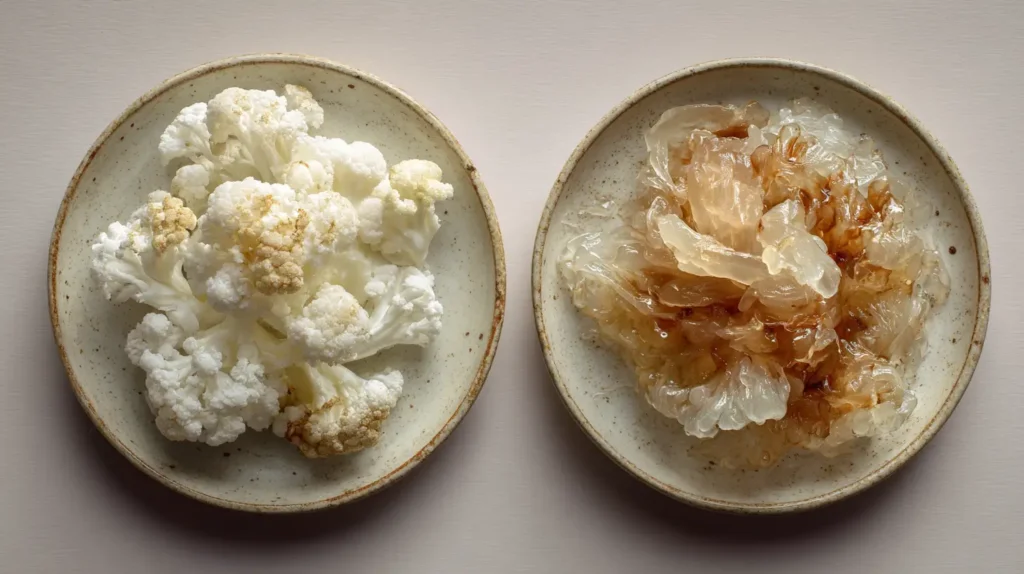
How Kefir Ferments: Kefir Grains and Cultures
Kefir fermentation begins when kefir grains are added to milk or a sugar-water base. These grains contain a complex mix of bacteria and yeast that work together to break down sugars during fermentation. As this happens, the liquid gradually thickens and develops a tangy flavor.
In the kefir vs kombucha comparison, kefir fermentation is usually faster and simpler. Most batches are ready within 24 hours at room temperature. Because the grains are reusable, kefir can be made continuously with minimal effort, making it a practical choice for everyday use in the kitchen.
How Kombucha Ferments: Tea, Sugar, and SCOBY
Kombucha fermentation starts with sweetened tea. Once the SCOBY is added, yeast converts sugar into alcohol, and bacteria then transform that alcohol into organic acids. This two-stage process gives kombucha its distinct tartness and light carbonation.
Compared to kefir, kombucha fermentation takes longer. The first fermentation usually lasts one to two weeks, depending on temperature and taste preference. This extended timeline is one of the reasons kombucha develops a sharper, more complex flavor profile in the kefir vs kombucha discussion.
Differences in Fermentation Time and Conditions
Another key difference between kefir and kombucha lies in fermentation conditions. Kefir prefers stable room temperatures and does not require airflow. Kombucha, however, needs oxygen during fermentation, which is why it’s brewed in a wide-mouth jar covered with a cloth.
Because of these differences, kefir is often considered easier for beginners, while kombucha appeals to those who enjoy experimenting with flavors and fermentation length. Understanding these processes helps clarify why kefir and kombucha, though both fermented, offer such different experiences.
Kefir vs Kombucha Nutrition Comparison
Calories, Sugar, and Macronutrients
When comparing kefir vs kombucha nutritionally, the differences largely come from their base ingredients. Kefir, especially milk kefir, naturally contains protein, fat, and carbohydrates because it starts with milk. Even after fermentation, many of these macronutrients remain, which is why kefir often feels more filling.
Kombucha, by contrast, is much lighter. It begins with tea and sugar, and while fermentation reduces some of that sugar, the final drink is still primarily a flavored beverage rather than a source of protein or fat. As a result, kombucha is typically lower in calories per serving, while kefir provides more nutritional substance.
Vitamins and Minerals in Kefir vs Kombucha
Kefir contains naturally occurring vitamins and minerals that come from milk, including calcium, phosphorus, and certain B vitamins. These nutrients stay largely intact through fermentation, adding to kefir’s reputation as a nutrient-dense fermented food.
Kombucha’s micronutrients depend more on the type of tea used and the fermentation process. Tea contributes small amounts of minerals and antioxidants, but kombucha is generally not consumed for vitamin or mineral content alone. This contrast is important when evaluating kefir vs kombucha from a food-based nutrition perspective rather than a functional beverage mindset.
Alcohol Content: Kefir vs Kombucha
Both kefir and kombucha naturally produce trace amounts of alcohol during fermentation. In kefir, the alcohol content is usually very low due to the short fermentation time. Kombucha can develop slightly higher alcohol levels, especially if fermented longer or bottled for a second fermentation.
For most commercially available versions, alcohol levels remain minimal. Still, this difference often comes up in the kefir vs kombucha conversation, particularly for those sensitive to fermented products or monitoring ingredient labels.
Kefir vs Kombucha Probiotics and Live Cultures
Types of Probiotics Found in Kefir
Kefir is known for containing a wide variety of live cultures. These include different strains of lactic acid bacteria and yeast that develop during fermentation. Because kefir grains hold many microorganisms together, the final drink often reflects this diversity.
In the ongoing kefir vs kombucha comparison, kefir is frequently described as richer in bacterial variety. This diversity is one reason kefir has long been valued in traditional food cultures. Still, the exact strains present can vary depending on the grains used, fermentation time, and storage conditions.
Types of Probiotics Found in Kombucha
Kombucha also contains live cultures, but they differ from those found in kefir. The SCOBY supports a balance of bacteria and yeast that thrive in a tea-based environment. These microorganisms are responsible for kombucha’s acidity and mild effervescence.
Unlike kefir, kombucha’s cultures are more closely tied to yeast activity and acetic acid bacteria. This distinction helps explain why kombucha tastes sharper and more refreshing, while kefir remains creamy and mildly sour in the kefir vs kombucha comparison.
Which Has More Probiotics: Kefir or Kombucha?
This is one of the most common questions surrounding kefir vs kombucha, yet it doesn’t have a simple answer. Kefir often contains a broader range of microorganisms, while kombucha offers a different balance of bacteria and yeast.
Rather than focusing on numbers alone, it’s more useful to look at how each drink fits into your overall diet and taste preferences. Both kefir and kombucha are living foods, and their probiotic content can change depending on how they’re made and stored.
Taste, Texture, and How to Use Kefir vs Kombucha

Kefir Taste and Texture Profile
Kefir has a creamy, slightly thick texture that’s often compared to drinkable yogurt. Its flavor is mildly sour with a gentle tang that develops as fermentation progresses. Depending on how long it ferments, kefir can taste smooth and mellow or sharper and more pronounced.
In the kefir vs kombucha comparison, kefir feels more like a food than a beverage. Because of its texture, it’s commonly consumed plain, blended into smoothies, or used as an ingredient in both savory and sweet recipes.
Kombucha Taste and Fizz Explained
Kombucha is light, crisp, and naturally fizzy. Its taste ranges from gently tart to boldly sour, with subtle tea notes in the background. Many modern versions are flavored with fruit, herbs, or spices, which adds complexity and sweetness.
When discussing kefir vs kombucha, kombucha clearly stands out as the more refreshing, soda-like option. Its carbonation and acidity make it ideal for sipping cold, especially as an alternative to sugary soft drinks.
Cooking, Baking, and Drink Ideas for Both
Kefir’s versatility shines in the kitchen. It can replace milk, yogurt, or buttermilk in recipes, adding moisture and a subtle tang. From pancakes and sauces to baked goods, kefir adapts easily without overpowering other flavors.
Kombucha, on the other hand, is rarely used in cooking. It’s mostly enjoyed as a standalone drink, though some people experiment with it in mocktails or as a vinegar-like splash in dressings. These differences highlight how kefir and kombucha serve distinct roles in everyday food use.
How to Choose Between Kefir and Kombucha

Kefir vs Kombucha for Different Diets
Choosing between kefir vs kombucha often depends on how each drink fits into your daily eating habits. Kefir, especially milk kefir, aligns well with traditional diets that include dairy. It works as a snack, a breakfast component, or a recipe ingredient rather than just a drink.
Kombucha fits more naturally into beverage-focused routines. Since it’s tea-based and dairy-free, it pairs well with meals or serves as a refreshing option between meals. For those following plant-based or dairy-free diets, kombucha or water kefir may feel like the more natural choice.
Dairy Sensitivities and Ingredient Considerations
One of the most practical factors in the kefir vs kombucha decision is dairy tolerance. Milk kefir contains dairy, although fermentation reduces lactose levels. Even so, it may not suit everyone.
Kombucha contains no dairy at all, but it does include tea and small amounts of residual sugar. Ingredient awareness matters, especially for people who prefer simple labels or specific flavor profiles. Reading labels and understanding fermentation basics can make choosing between these drinks much easier.
When Kefir Makes More Sense Than Kombucha (and Vice Versa)
Kefir makes more sense when you want something filling, versatile, and usable in cooking or baking. Its creamy texture and mild tang allow it to blend into meals rather than stand apart from them.
Kombucha is often the better choice when you’re looking for a light, refreshing drink with fizz and flavor. In the kefir vs kombucha comparison, neither is universally better—they simply serve different purposes in the kitchen and at the table.
Kefir vs Kombucha FAQs
What Is the Main Difference Between Kefir and Kombucha?
The main difference in kefir vs kombucha comes from their base ingredients and fermentation style. Kefir is usually made from milk or sugar water and has a creamy texture, while kombucha is made from sweetened tea and is light and fizzy. These foundations shape how each drink tastes and how it’s used.
Is Kefir Healthier Than Kombucha?
Neither drink is universally healthier. In the kefir vs kombucha comparison, kefir offers more protein and minerals due to its dairy base, while kombucha is lighter and more refreshing. The better choice depends on how you plan to consume it and what fits your food preferences.
Which Has More Probiotics, Kefir or Kombucha?
Kefir often contains a wider range of microorganisms, while kombucha provides a different balance of bacteria and yeast. Rather than focusing on counts alone, it’s more useful to see how each fermented drink fits into your overall diet.
Does Kefir Contain Alcohol Like Kombucha?
Both kefir and kombucha can contain small amounts of alcohol due to fermentation. Kefir usually has very low levels because of its short fermentation time. Kombucha may contain slightly more, especially if fermented longer.
Can You Drink Kefir and Kombucha Every Day?
Many people enjoy kefir or kombucha daily as part of a varied diet. In the kefir vs kombucha discussion, moderation and personal preference matter more than strict rules.
Which Tastes Better, Kefir or Kombucha?
Taste is subjective. Kefir is creamy and mildly tangy, while kombucha is crisp and tart with carbonation. The choice often comes down to whether you prefer a drinkable dairy product or a fizzy tea-based beverage.
Conclusion: Kefir vs Kombucha — Which One Should You Choose?
When comparing kefir vs kombucha, it becomes clear that both drinks have unique qualities shaped by their ingredients and fermentation methods. Kefir stands out for its creamy texture, versatility in recipes, and traditional use as a fermented food. Kombucha, meanwhile, offers a light, fizzy experience that works best as a refreshing drink.
Rather than asking which is better, it’s more helpful to ask which one fits your habits and tastes. Some people even enjoy both, using kefir in cooking and kombucha for sipping. Understanding their differences allows you to choose confidently and enjoy each for what it brings to the table.