

A low calorie diet is one of the most searched weight-loss strategies in the U.S., yet it’s also one of the most misunderstood. Some people see it as a quick fix. Others think it automatically slows metabolism or leads to constant hunger. The truth sits somewhere in between.
At its core, a low calorie diet simply means eating fewer calories than your body burns. However, how that calorie reduction is applied — and how your body responds — makes all the difference. While some structured eating approaches focus more on satiety and blood sugar stability, such as GLP-1-style meal ideas, traditional calorie restriction centers primarily on total energy intake. That distinction matters more than most people realize.
Still, reducing calories doesn’t automatically mean starving yourself. In fact, when done properly, a low calorie diet can support gradual fat loss, improved metabolic awareness, and better portion control habits. On the other hand, when done aggressively or without nutritional balance, it may backfire.
So in this guide, we’ll break it all down clearly and honestly. You’ll learn:
- What truly defines a low calorie diet
- How the body adapts to calorie reduction
- The benefits and common mistakes
- Who should be cautious
- And what people often misunderstand
By the end, you’ll have a realistic, science-based understanding — not hype, not fear — just facts explained in simple terms.
What Is a Low Calorie Diet?
A low calorie diet is a structured eating approach that reduces daily energy intake below your body’s usual needs. In simple terms, you eat fewer calories than you burn. As a result, your body uses stored energy — mainly body fat — to make up the difference. That’s what creates weight loss.
However, not all calorie reduction is the same. The amount you cut, your activity level, your protein intake, and even your sleep can change how your body responds. So before jumping into numbers, let’s define what “low calorie” actually means.
Definition of a Low Calorie Diet in Clinical and Everyday Contexts
Clinically speaking, a low calorie diet (often abbreviated LCD) usually provides:
- 1,200–1,500 calories per day for women
- 1,500–1,800 calories per day for men
Of course, those ranges vary depending on height, weight, age, and activity level. For someone petite and sedentary, 1,400 calories might be appropriate. Meanwhile, for a tall, active person, that same intake could be extremely restrictive.
In everyday conversation, though, people often label anything under 2,000 calories as “low.” That’s where confusion begins. A low calorie diet is not a fixed number. Instead, it’s relative to your maintenance calories — the amount your body needs to maintain its current weight.
If your maintenance level is 2,400 calories and you eat 1,900, you’re technically on a low calorie diet. Yet if your maintenance is 1,800 and you drop to 1,200, that’s far more aggressive.
So context matters.
How Many Calories Qualify as “Low”?
To understand whether your intake qualifies as low, you first need an estimate of your Total Daily Energy Expenditure (TDEE). This includes:
- Basal metabolic rate (BMR)
- Daily movement
- Exercise
- Thermic effect of food
Here’s a simplified comparison:
| Category | Women (approx.) | Men (approx.) |
|---|---|---|
| Maintenance | 1,800–2,200 kcal | 2,200–2,800 kcal |
| Moderate Deficit | -300 to -500 kcal | -300 to -500 kcal |
| Low Calorie Diet | 1,200–1,500 kcal | 1,500–1,800 kcal |
| Very Low Calorie Diet | <800 kcal | <800 kcal |
A moderate calorie deficit (300–500 kcal below maintenance) is generally considered sustainable. In contrast, dropping too low too fast may increase fatigue, hunger, and muscle loss.
Low Calorie vs Very Low Calorie Diet (VLCD)
A very low calorie diet (VLCD) typically provides fewer than 800 calories per day. These diets are usually:
- Medically supervised
- Short-term
- Used in clinical obesity treatment
They’re not designed for casual use. In fact, without supervision, extremely low intake can increase the risk of nutrient deficiencies, electrolyte imbalances, and metabolic slowdown.
By comparison, a standard low calorie diet is less aggressive and more adaptable to everyday life.
Is a Low Calorie Diet the Same as “Dieting”?
Not necessarily.
Many people associate “dieting” with restriction, suffering, and short-term fixes. However, technically speaking, any structured eating pattern is a diet. The Mediterranean diet is a diet. High-protein eating is a diet. Balanced calorie control is also a diet.
What separates a healthy low calorie diet from crash dieting is:
- Adequate protein intake
- Sufficient micronutrients
- Real food choices
- A moderate calorie deficit
- A long-term strategy
For example, some people compare strict calorie counting to hydration-focused approaches like simple electrolyte drinks that aim to regulate appetite signals. While hydration can influence hunger perception, it doesn’t replace overall energy balance.
Similarly, high-volume foods often discussed in chia jello preparations are popular because they increase fullness with fewer calories. That’s a strategy within a low calorie diet — not a replacement for it.
So, ultimately, a low calorie diet isn’t about eating as little as possible. Instead, it’s about creating a controlled energy deficit while maintaining nutritional quality.
And that distinction changes everything.
Why People Follow a Low Calorie Diet
A low calorie diet isn’t just about eating less. For many people, it represents structure, control, or even a reset. While weight loss is the most common reason, motivations often go deeper than that.
Understanding why people choose calorie restriction helps clarify expectations — and, just as importantly, limitations.
Weight Loss and Body Fat Reduction
First and foremost, most people start a low calorie diet to lose weight. That’s because fat loss requires a calorie deficit — meaning you consume fewer calories than your body burns.
When this deficit is moderate and consistent, the body begins using stored fat for energy. Over time, this leads to measurable fat reduction. In fact, research consistently shows that sustained energy deficits — regardless of diet style — lead to weight loss.
However, faster isn’t always better. While aggressive calorie cutting may lead to rapid initial results, it often increases:
- Hunger
- Fatigue
- Muscle loss
- Cravings
That’s why many professionals now recommend gradual deficits instead of extreme restriction.
Medical Reasons Doctors Recommend Calorie Restriction
In some cases, a low calorie diet is medically advised. Doctors may suggest calorie reduction for individuals with:
- Obesity
- Prediabetes or type 2 diabetes
- High blood pressure
- High LDL cholesterol
- Fatty liver disease
When excess body fat contributes to metabolic issues, reducing calories — even modestly — can improve markers like blood glucose and triglycerides.
That said, medical supervision becomes important if the calorie level drops significantly. A very low intake without monitoring may increase risks rather than reduce them.
Short-Term vs Long-Term Goals
Some people follow a low calorie diet temporarily. For example:
- Preparing for a medical procedure
- Jumpstarting weight loss
- Resetting portion awareness
Others attempt to maintain low calorie intake long-term. However, sustainability becomes the key factor.
Short-term restriction may feel manageable. But long-term aggressive deficits often lead to metabolic adaptation — where the body reduces energy expenditure to conserve fuel.
As a result, many experts now emphasize balanced approaches rather than perpetual calorie cutting. Structured patterns that prioritize fullness — like GLP-1-style meal ideas — often focus on satiety signals instead of strict numeric restriction.
Psychological Motivation Behind Calorie Cutting
Beyond biology, there’s psychology.
Tracking calories can create a sense of control. Numbers feel measurable and predictable. For some, that clarity is motivating. For others, though, it can become rigid or stressful.
Interestingly, hydration strategies are sometimes discussed as appetite management tools. For instance, simple routines such as using electrolyte drinks are often compared with calorie restriction because both may influence hunger perception. Still, hydration alone does not create fat loss — only a sustained energy deficit does.
Meanwhile, volume-based foods like those used in chia jello preparations are popular in low calorie eating patterns because they increase fullness with fewer calories. That approach can make calorie reduction feel easier.
Ultimately, people follow a low calorie diet for different reasons — appearance, health, confidence, structure, or medical advice. Yet regardless of the motivation, the body responds according to biology, not intention.
And that’s exactly what we’ll explore next.
How the Body Responds to Calorie Reduction
When you begin a low calorie diet, your body doesn’t just quietly burn fat and move on. Instead, it adapts. Sometimes those adaptations support fat loss. Other times, they slow progress down. So understanding what actually happens under the surface helps you set realistic expectations.
Let’s break it down step by step.
Calorie Deficit and Energy Balance Explained
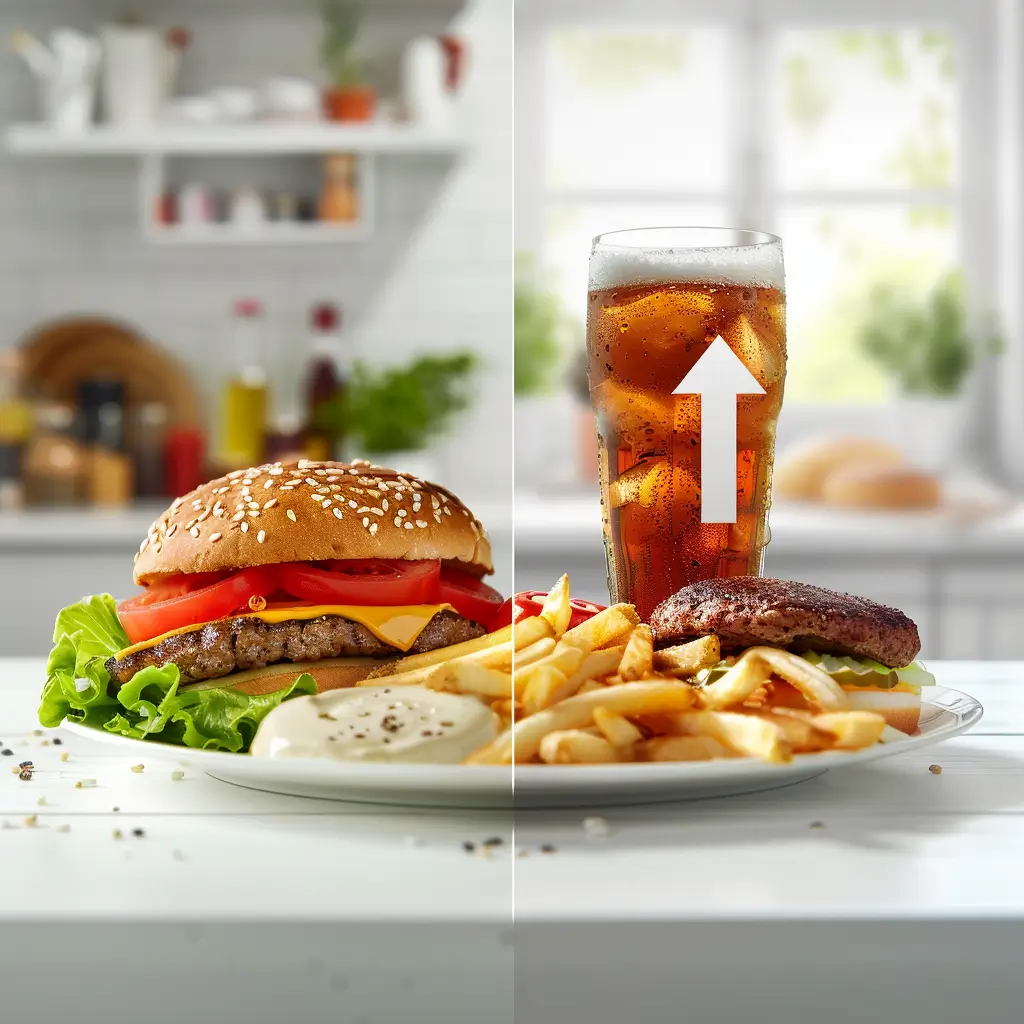
At its simplest, weight change comes down to energy balance:
- Eat more than you burn → weight gain
- Eat less than you burn → weight loss
- Eat the same amount you burn → weight maintenance
A low calorie diet creates a calorie deficit. As a result, the body must find additional energy to function. Initially, it pulls from stored glycogen (carbohydrates stored in muscles and liver). That’s why early weight loss often includes water weight.
However, once glycogen stores drop, the body increasingly relies on fat stores for fuel. Over time, this leads to fat reduction — provided the deficit is consistent.
That said, the size of the deficit matters. Moderate deficits tend to preserve muscle and energy levels better than aggressive cuts.
Metabolic Adaptation and Metabolic Slowdown
Here’s where things get interesting.
When calories stay low for extended periods, the body senses reduced energy availability. In response, it may:
- Lower resting metabolic rate
- Reduce spontaneous movement (NEAT)
- Increase fatigue
- Slow thyroid hormone output
This process is known as metabolic adaptation.
In other words, your body becomes more efficient. While that might sound good, it actually means you burn fewer calories than expected. Therefore, weight loss may slow — even if calorie intake stays the same.
This is why some people feel like their low calorie diet “stopped working.” It’s not magic. It’s biology adjusting.
Hormones Affected by a Low Calorie Diet
Calorie restriction also affects key hormones:
- Leptin (satiety hormone) decreases
- Ghrelin (hunger hormone) increases
- Insulin sensitivity may improve
- Cortisol may rise under stress
Lower leptin levels can increase hunger. Meanwhile, higher ghrelin levels may intensify cravings. Together, these changes explain why prolonged restriction often feels harder over time.
Because of this, strategies that emphasize fullness — like fiber-rich foods or high-volume options similar to those used in chia jello preparations — can help manage appetite during a low calorie diet.
Additionally, hydration plays a subtle role. Some people confuse thirst with hunger, which is why simple routines such as electrolyte drinks are sometimes discussed in appetite awareness conversations. Still, hydration supports comfort — it doesn’t replace adequate nutrition.
Muscle Loss vs Fat Loss During Calorie Restriction
Not all weight loss is fat loss.
If protein intake is too low or the calorie deficit is too aggressive, the body may break down muscle tissue for energy. That’s problematic because muscle mass helps maintain metabolic rate.
To minimize muscle loss during a low calorie diet, research suggests:
- Consuming adequate protein
- Including resistance training
- Avoiding extreme calorie drops
- Maintaining moderate deficits
Here’s a simplified comparison:
| Approach | Fat Loss | Muscle Preservation | Sustainability |
|---|---|---|---|
| Moderate Deficit | High | Better preserved | Higher |
| Aggressive Deficit | Faster initial loss | Higher muscle risk | Lower |
| Very Low Calorie | Rapid short-term | High muscle risk | Medical use only |
So while calorie reduction drives fat loss, the method determines how much muscle you keep — and how sustainable the process becomes.
In short, the body adapts intelligently. Therefore, a low calorie diet works best when it respects that biology rather than fights against it.
Next, we’ll look at the potential benefits — and where they’re often misunderstood.
Benefits and Potential Advantages of a Low Calorie Diet
A low calorie diet often gets labeled as extreme or unsustainable. However, when done properly, it can offer meaningful benefits. The key word here is properly. A moderate, nutrient-dense approach produces very different results compared to aggressive restriction.
Let’s look at the potential advantages — without exaggeration.
Evidence-Based Weight Loss Outcomes
First and foremost, a low calorie diet supports fat loss because it creates a calorie deficit. And consistently, research shows that sustained energy deficits lead to weight reduction over time.
In most cases, a moderate deficit of 300–500 calories per day may lead to:
- 0.5–1 pound of weight loss per week
- Gradual reduction in body fat
- Improved waist circumference
While that pace may feel slow, it tends to be more sustainable. Moreover, gradual fat loss usually preserves more muscle mass compared to crash dieting.
That said, results depend on consistency, not perfection. Even small deviations, if repeated daily, can reduce the overall deficit.
Blood Sugar and Cardiovascular Markers
Beyond weight loss, calorie reduction may improve metabolic markers — especially in individuals with excess body fat.
A structured low calorie diet may help:
- Lower fasting blood glucose
- Improve insulin sensitivity
- Reduce triglycerides
- Decrease LDL cholesterol
However, the quality of food still matters. Cutting calories from ultra-processed foods may not deliver the same benefits as prioritizing whole foods rich in fiber and protein.
In other words, calorie quantity and nutrient quality work together — not separately.
Appetite Awareness and Portion Control Skills
Interestingly, one overlooked benefit of a low calorie diet is behavioral awareness.
Tracking intake, at least temporarily, often teaches people:
- True portion sizes
- Hidden liquid calories
- Snacking patterns
- Emotional eating triggers
For example, some people discover that hunger cues fluctuate with hydration. That’s partly why strategies like simple electrolyte drinks are sometimes discussed in appetite awareness conversations. Hydration alone won’t cause fat loss, but recognizing thirst versus hunger can improve eating decisions.
Similarly, incorporating high-volume foods — such as fiber-rich options similar to those used in chia jello preparations — can make calorie control feel less restrictive.
Over time, these skills often outlast the strict tracking phase.
Structured Eating and Behavioral Reset
For individuals coming from chaotic eating patterns, a low calorie diet can create structure. Scheduled meals, intentional portions, and planned snacks may reduce impulsive eating.
However, structure should not mean rigidity.
Balanced approaches — including those that prioritize satiety like GLP-1-style meal ideas — often focus on fullness rather than severe restriction. When fullness improves, adherence typically improves as well.
Here’s a simplified comparison:
| Factor | Moderate Low Calorie | Aggressive Restriction |
|---|---|---|
| Hunger Levels | Manageable | High |
| Muscle Retention | Better | Lower |
| Metabolic Impact | Mild adaptation | Strong adaptation |
| Sustainability | Higher | Lower |
So yes, a low calorie diet can work. In fact, it works because of biology. But the benefits depend heavily on execution.
And unfortunately, that’s where many people go wrong.
Next, we’ll examine the most common mistakes — and why they often sabotage progress.
Common Mistakes in Low Calorie Dieting
A low calorie diet can be effective. However, when it’s misunderstood or misapplied, it often leads to frustration instead of progress. In many cases, the problem isn’t calorie reduction itself — it’s how aggressively or carelessly it’s done.
Let’s break down the most common mistakes.
Cutting Calories Too Aggressively
This is, without question, the biggest error.
Many people assume that if a 500-calorie deficit works, a 1,000-calorie deficit must work faster. Technically, yes — at first. But biologically, extreme restriction often backfires.
When calories drop too low:
- Hunger hormones increase
- Energy levels crash
- Muscle loss accelerates
- Metabolism adapts faster
As a result, adherence drops. Then, rebound overeating may occur. Over time, this cycle becomes exhausting.
A moderate deficit is usually more sustainable. Slow progress may feel boring, but it’s far more predictable.
Ignoring Protein and Nutrient Density
Not all calories are equal in terms of satiety and muscle preservation.
If a low calorie diet lacks adequate protein, the risk of muscle loss increases. At the same time, insufficient micronutrients may lead to fatigue, hair thinning, mood changes, or poor recovery.
Here’s what often happens:
- Calories are cut
- Protein intake unintentionally drops
- Hunger increases
- Muscle mass declines
To avoid this, protein intake should remain relatively high, even when calories decrease. Additionally, fiber-rich vegetables, whole foods, and balanced fats help maintain nutrient density.
Relying Only on “Low-Calorie” Packaged Foods

The word “low calorie” on a label doesn’t automatically mean healthy.
Many packaged low-calorie snacks are highly processed. They may contain artificial sweeteners, low fiber, and minimal protein. While they fit within a calorie target, they may not provide lasting fullness.
By contrast, whole foods with volume — like options similar to those used in chia jello preparations — can create greater satiety with fewer calories.
Volume and fiber matter. Chewing, digestion time, and stomach expansion all influence hunger signals.
Not Accounting for Liquid Calories
Liquid calories are easy to overlook.
Sugary coffee drinks, juices, smoothies, and even alcohol can significantly impact total intake. Because liquids digest quickly and don’t trigger the same fullness signals as solid food, they may increase overall hunger later.
That’s why some people shift toward hydration-focused routines, such as simple electrolyte drinks, to improve appetite awareness. While hydration doesn’t replace food, it may help distinguish thirst from hunger.
Still, the core principle remains: calories count — even when you drink them.
Confusing Low Calorie with Low Nutrition
Perhaps the most damaging mistake is equating low calorie with low intake overall.
A well-structured low calorie diet reduces energy intake while maintaining:
- Adequate protein
- Sufficient vitamins and minerals
- Balanced macronutrients
- Proper hydration
Extreme restriction, on the other hand, often sacrifices nutrition.
Some individuals eventually move toward more satiety-focused patterns — like GLP-1-style meal ideas — because fullness improves adherence. In many cases, eating slightly more nutrient-dense food leads to better long-term results than eating as little as possible.
Here’s a quick comparison:
| Mistake | Short-Term Effect | Long-Term Outcome |
|---|---|---|
| Extreme calorie cuts | Rapid initial loss | Burnout & regain |
| Low protein intake | Scale drops fast | Muscle loss |
| Liquid calorie overload | Hidden surplus | Slower progress |
| Processed low-cal foods | Fits target | Increased hunger |
Ultimately, a low calorie diet isn’t dangerous by default. However, when executed without balance, it becomes difficult to sustain.
Next, we’ll compare low calorie dieting with more balanced eating patterns — and why sustainability matters more than speed.
Low Calorie Diet vs Balanced Eating Patterns
A low calorie diet focuses primarily on reducing total energy intake. That’s the central mechanism. However, not all structured eating approaches rely on strict calorie counting. Some emphasize satiety, blood sugar stability, or portion awareness instead.
So how do these methods compare? And more importantly, which one tends to last?
Low Calorie Diet vs GLP-1 Style Eating Approaches
Traditional calorie restriction centers on numbers: calories in versus calories out. While effective, this method requires consistent tracking and portion measurement.
In contrast, structured satiety-focused approaches — such as GLP-1-style meal ideas — prioritize:
- Protein density
- Fiber-rich foods
- Slower digestion
- Stable blood sugar
Instead of aggressively cutting calories, these patterns often reduce intake indirectly by increasing fullness. When satiety improves, spontaneous calorie reduction may follow naturally.
Here’s the key difference:
- Low calorie diet → Direct calorie reduction
- Satiety-focused pattern → Indirect calorie reduction through fullness
Both can create a calorie deficit. However, the psychological experience often differs.
Volume Eating and High-Satiety Foods
Volume eating is frequently discussed within low calorie diet strategies. The concept is simple: choose foods that provide large portions for fewer calories.
High-volume foods often include:
- Leafy greens
- Vegetables
- Lean proteins
- High-fiber foods
- Gel-based or water-rich foods
For example, fiber-rich options similar to those used in chia jello preparations expand in the stomach and increase fullness without dramatically increasing calorie intake.
Because stomach stretch receptors respond to physical volume, eating more low-calorie bulk can make restriction feel less restrictive.
However, volume alone isn’t enough. Protein and overall nutrient density must still remain adequate.
Hydration, Electrolytes, and Appetite Signals
Hydration also plays a subtle but important role.
Sometimes thirst is mistaken for hunger. Therefore, basic hydration habits may improve appetite awareness. Simple routines like using electrolyte drinks are occasionally discussed in appetite management conversations.
Still, hydration does not replace calories. It may reduce false hunger cues, but it cannot compensate for an overly aggressive calorie deficit.
In other words, hydration supports — it does not substitute — proper nutrition.
Sustainability Comparison Table
Ultimately, sustainability determines success.
Here’s a simplified comparison:
| Factor | Moderate Low Calorie Diet | Satiety-Focused Pattern | Extreme Restriction |
|---|---|---|---|
| Primary Focus | Calorie numbers | Fullness & balance | Rapid weight loss |
| Hunger Levels | Moderate | Lower | High |
| Tracking Required | Often | Sometimes | Strict |
| Muscle Retention | Depends on protein | Typically better | Often compromised |
| Sustainability | Moderate to high | High | Low |
While a low calorie diet works through energy balance, balanced eating patterns often improve adherence through comfort and fullness.
That’s why many professionals now recommend combining strategies:
- Maintain a moderate calorie deficit
- Prioritize protein and fiber
- Use volume wisely
- Avoid extreme restriction
The goal isn’t simply eating less. The goal is eating smarter while maintaining a manageable deficit.
Who Should Be Cautious with a Low Calorie Diet?
Although a low calorie diet can be effective for fat loss, it isn’t appropriate for everyone. In fact, certain groups should approach calorie restriction carefully — or avoid it altogether without medical supervision.
Because while energy balance governs weight change, health context always comes first.
Pregnant or Breastfeeding Individuals
During pregnancy and breastfeeding, energy and nutrient demands increase. Reducing calories too aggressively during this period may:
- Limit essential nutrient intake
- Affect fetal development
- Reduce milk supply
- Increase fatigue
Therefore, calorie restriction during pregnancy or lactation should only occur under medical guidance. In most cases, nutrient adequacy matters more than calorie reduction.
Teens and Growing Adolescents
Teenagers are still growing. Their bodies require sufficient energy to support:
- Bone development
- Hormonal regulation
- Brain growth
- Muscle development
An unsupervised low calorie diet during adolescence may interfere with these processes. Moreover, restrictive dieting at a young age may increase the risk of disordered eating patterns later in life.
For teens, balanced eating habits and activity levels are typically more appropriate than structured calorie cutting.
Individuals with a History of Eating Disorders
For those with past or present eating disorders, strict calorie tracking can become psychologically triggering.
Although a low calorie diet may appear structured and logical, it can sometimes:
- Reinforce obsessive behaviors
- Increase food anxiety
- Lead to binge-restrict cycles
In such cases, approaches that prioritize hunger cues, balanced meals, and professional guidance are safer than numeric restriction.
Athletes and Highly Active Individuals
Active individuals burn more calories daily. Therefore, aggressive restriction may impair:
- Performance
- Recovery
- Hormonal balance
- Muscle preservation
If an athlete follows a low calorie diet without adjusting for training demands, the result may be fatigue, plateaued progress, or even injury risk.
In many cases, structured but balanced eating patterns — including protein-forward strategies similar to GLP-1-style meal ideas — may support body composition goals without severe deficits.
Individuals with Medical Conditions
Certain conditions require careful monitoring during calorie reduction, including:
- Type 1 diabetes
- Advanced type 2 diabetes
- Thyroid disorders
- Cardiovascular disease
- Chronic kidney disease
Additionally, very low calorie diets (under 800 kcal/day) should only be implemented under medical supervision.
Hydration also becomes especially important when calories drop. While simple strategies like electrolyte drinks are sometimes used to maintain fluid balance, they do not replace medical oversight in high-risk individuals.
When Medical Supervision Is Necessary
Medical supervision is strongly recommended if:
- BMI is significantly elevated and rapid weight loss is planned
- Calorie intake drops below 1,200 kcal per day
- Fatigue, dizziness, or irregular heart rate develops
- Menstrual cycles stop
- Significant muscle loss occurs
Here’s a quick overview:
| Group | Low Calorie Diet Recommended? | Notes |
|---|---|---|
| Healthy adults | Often appropriate | Use moderate deficit |
| Pregnant individuals | Not without supervision | Focus on nutrient density |
| Teens | Generally not recommended | Growth requires energy |
| Athletes | Use caution | Protect performance |
| Eating disorder history | Use extreme caution | Psychological support advised |
In short, a low calorie diet works best for healthy adults seeking gradual fat loss — not for everyone in every situation.
Next, we’ll discuss how to approach calorie reduction safely and sustainably, without triggering metabolic or psychological backlash.
How to Approach a Low Calorie Diet Safely
A low calorie diet does not need to feel extreme, punishing, or unsustainable. In fact, when done correctly, it should feel structured but manageable. The goal is not to eat as little as possible. Instead, it’s to create a controlled, moderate calorie deficit while preserving muscle, energy, and nutritional balance.
Here’s how to approach it intelligently.
Determine Your Estimated Calorie Needs
Before reducing calories, you need a rough idea of your maintenance level. This is often called Total Daily Energy Expenditure (TDEE).
TDEE includes:
- Basal metabolic rate (BMR)
- Daily movement
- Exercise
- Digestion
While online calculators provide estimates, they’re only starting points. Tracking your intake and body weight for 2–3 weeks often gives a more realistic baseline.
Without knowing maintenance, a low calorie diet becomes guesswork.
Create a Moderate Calorie Deficit (300–500 Rule)
Once maintenance is estimated, a moderate deficit of 300–500 calories per day is generally recommended.
Why?
Because moderate deficits:
- Preserve muscle mass better
- Reduce extreme hunger
- Limit metabolic adaptation
- Improve long-term adherence
By contrast, aggressive deficits may lead to rapid initial weight loss, but they often increase fatigue and cravings.
Here’s a simple comparison:
| Deficit Size | Weekly Loss (Approx.) | Sustainability |
|---|---|---|
| 300 kcal/day | ~0.5 lb | High |
| 500 kcal/day | ~1 lb | Moderate to High |
| 1,000+ kcal/day | Rapid early drop | Low |
Slow progress may feel frustrating. However, sustainability almost always wins.
Prioritize Protein, Fiber, and Micronutrients

Not all calories impact the body the same way.
During a low calorie diet, protein becomes especially important because it:
- Supports muscle retention
- Increases satiety
- Raises thermic effect of food
Fiber also plays a major role. High-volume, fiber-rich foods increase fullness with fewer calories. For example, volume-based foods similar to those used in chia jello preparations expand in the stomach and promote satiety.
Additionally, whole foods — vegetables, fruits, lean proteins, legumes, whole grains — provide vitamins and minerals that prevent deficiencies.
Remember: low calorie should never mean low nutrition.
Monitor Energy, Mood, and Performance
The body gives feedback.
If a low calorie diet causes:
- Persistent dizziness
- Constant fatigue
- Irritability
- Sleep disruption
- Decreased workout performance
The deficit may be too aggressive.
Similarly, hydration status affects how you feel. Some people incorporate simple hydration habits — such as electrolyte drinks — to support fluid balance while reducing calories. While hydration does not replace calories, it can improve comfort and appetite awareness.
The key is to adjust before burnout occurs.
Combine Satiety and Structure
Although calorie tracking works, pairing it with satiety-focused strategies often improves adherence.
For example, structured patterns like GLP-1-style meal ideas emphasize:
- Protein-first meals
- Fiber-rich vegetables
- Balanced fats
- Reduced ultra-processed foods
When fullness improves, calorie control often becomes easier — and less mentally exhausting.
So instead of obsessing over numbers alone, combine:
- Moderate deficit
- High protein
- High fiber
- Adequate hydration
- Resistance training
That combination supports fat loss while protecting metabolic health.
Know When to Increase Calories Again
A low calorie diet is rarely meant to last forever.
After reaching a goal weight or experiencing prolonged fatigue, gradually increasing calories back toward maintenance can help:
- Restore metabolic rate
- Improve hormone balance
- Increase training performance
- Reduce mental fatigue
This process is often called “reverse dieting” or maintenance transition.
In short, calorie reduction should be a phase — not a permanent state.
Frequently Asked Questions About Low Calorie Diets
A low calorie diet raises a lot of questions — especially around safety, metabolism, and long-term effects. Below are clear, evidence-based answers to the most common concerns.
How many calories are considered a low calorie diet?
A low calorie diet typically provides:
1,200–1,500 calories per day for women
1,500–1,800 calories per day for men
However, “low” depends on your maintenance level. If your body maintains weight at 2,400 calories, then 1,900 calories technically qualifies as low for you.
So rather than focusing on a fixed number, it’s more accurate to define a low calorie diet as eating below your energy needs to create a consistent calorie deficit.
Is a low calorie diet safe long term?
A moderately reduced calorie intake can be safe for many healthy adults. However, aggressive or prolonged restriction may lead to:
Nutrient deficiencies
Hormonal disruption
Muscle loss
Metabolic adaptation
For long-term sustainability, experts often recommend combining moderate calorie control with satiety-focused habits — such as protein-forward meals similar to GLP-1-style meal ideas.
Extreme deficits, especially under 1,200 calories per day without supervision, are not recommended for extended periods.
Can a low calorie diet slow metabolism?
Yes — but context matters.
When calorie intake drops significantly for an extended time, the body may reduce energy expenditure. This process is called metabolic adaptation.
However, the slowdown is usually proportional to:
The size of the deficit
The duration of restriction
The amount of muscle lost
Maintaining adequate protein intake, strength training, and avoiding aggressive cuts can reduce this effect.
In other words, a moderate low calorie diet may slightly lower metabolism due to weight loss — but extreme restriction increases the risk of a larger slowdown.
What are the risks of eating too few calories?
Eating too few calories for too long may lead to:
Fatigue
Dizziness
Hormonal imbalance
Hair thinning
Weakened immune function
Loss of lean muscle mass
Additionally, severe restriction may increase hunger hormones, which often leads to rebound overeating later.
Hydration strategies — including basic routines like electrolyte drinks — may help manage fluid balance, but they cannot compensate for chronically insufficient calorie intake.
The solution is balance, not extremes.
How fast can you lose weight on a low calorie diet?
Weight loss speed depends on the size of the deficit.
A moderate deficit (300–500 calories per day) typically results in:
0.5 to 1 pound per week
Larger deficits may produce faster early results, but they often increase muscle loss and reduce sustainability.
Remember, rapid weight loss is not always better weight loss.
What is the difference between low calorie and low carb diets?
A low calorie diet reduces total energy intake.
A low carb diet reduces carbohydrate intake, but not necessarily total calories.
It’s possible to eat low carb and still consume high calories — which may prevent weight loss. Likewise, someone can eat moderate carbs but lose weight through a calorie deficit.
Ultimately, fat loss depends on energy balance. Macronutrient distribution influences satiety and comfort, but calorie intake determines whether weight changes.
Final Thoughts
A low calorie diet works because of energy balance — not magic, not trends, not hype.
When applied moderately, with adequate protein and nutrient density, it can support gradual fat loss and improved metabolic awareness. However, when pushed too far, it may lead to metabolic adaptation, muscle loss, and burnout.
So the real takeaway isn’t simply “eat less.”
It’s this:
- Create a moderate deficit
- Prioritize protein and fiber
- Protect muscle
- Monitor energy levels
- Adjust when needed
And above all, choose sustainability over speed.
If you’re interested in balanced, structured approaches to eating that focus on fullness rather than extreme restriction, don’t miss our guide to GLP-1-style meal ideas for a deeper look at satiety-based strategies.