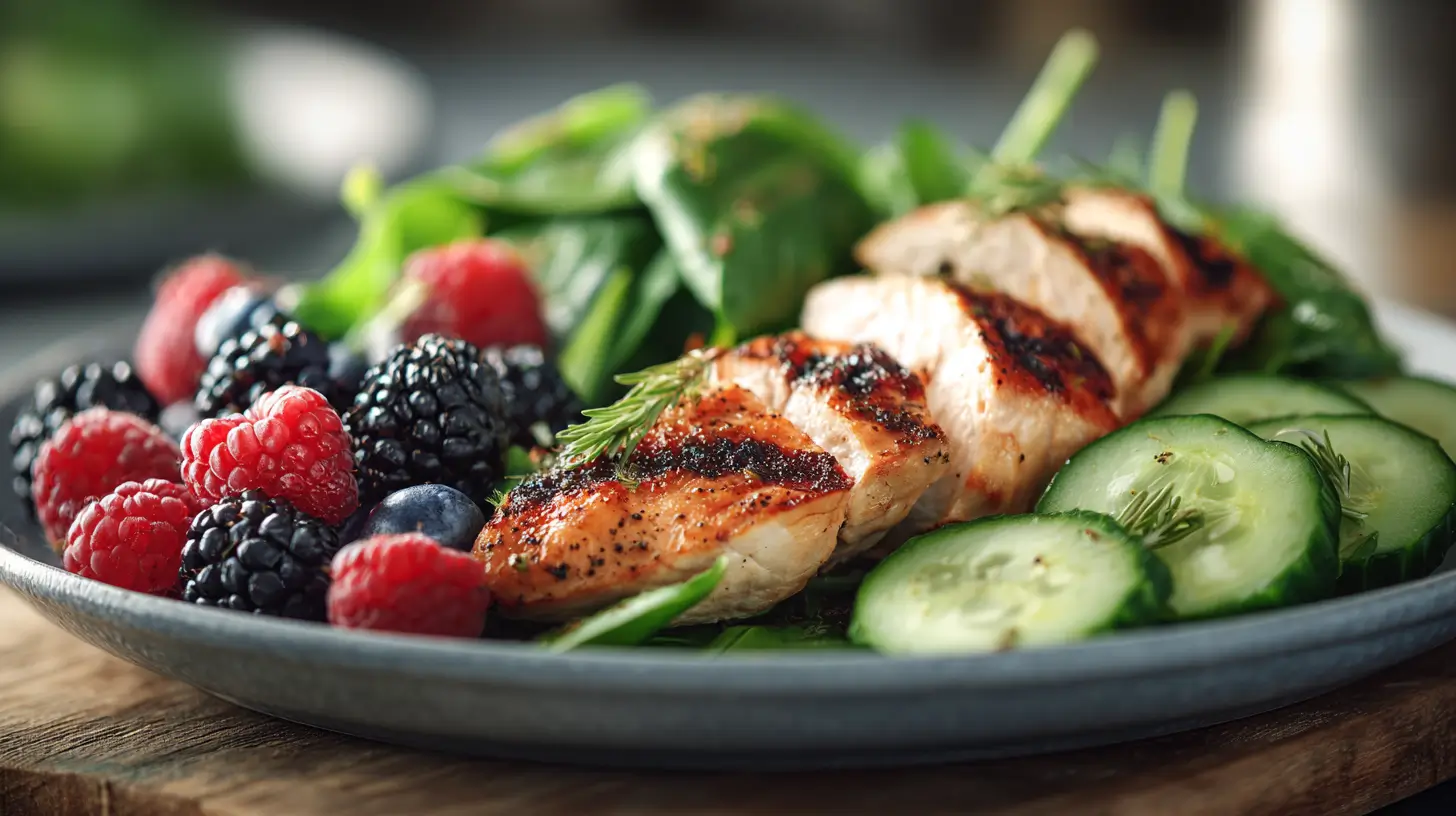
If you’re searching for a low calorie food list for weight loss, you’re probably tired of feeling hungry while trying to slim down. The good news? You don’t have to starve yourself to lose fat. In fact, the right low calorie foods can help you eat more volume, feel satisfied longer, and still stay in a calorie deficit.
That’s where smart food choices make all the difference. Instead of focusing only on eating less, you can focus on eating better — meaning foods that are high in water, fiber, or protein but naturally low in calories. These options allow you to fill your plate without overloading it. As a result, you stay full, energized, and consistent.
In this complete low calorie food list for weight loss, you’ll discover:
- Vegetables that add bulk with almost no calories
- Fruits that satisfy sweet cravings without spiking calories
- Lean proteins that protect muscle while burning fat
- Drinks that support appetite control
- Foods that seem low calorie but secretly aren’t
- A practical way to build a daily plate for sustainable fat loss
And if you want the full framework behind structured calorie control, don’t miss our complete guide to the low-calorie diet, which explains how these foods fit into a balanced plan.
Additionally, many people combine these high-volume foods with structured approaches like GLP-1-style meals to improve portion awareness and hunger regulation. Hydrating options such as chia jello are also popular because they add fullness with very few calories.
So, whether you’re just starting your weight loss journey or refining your routine, this guide will help you build smarter meals without feeling deprived. Let’s dive in.
Why a Low-Calorie Food List for Weight Loss Works
Understanding why a low calorie food list for weight loss works makes it much easier to stick with it long term. After all, weight loss isn’t about magic foods — it’s about energy balance, hunger control, and smart food volume. Once you grasp these basics, everything starts to click.
The Science Behind Calorie Density and Satiety
First, let’s talk about calorie density. Simply put, calorie density refers to how many calories a food contains relative to its weight or volume. Foods high in water and fiber tend to be low in calorie density, while foods high in fat are much more calorie dense.
For example:
| Food | Portion | Calories | Why It Matters |
|---|---|---|---|
| Spinach | 3 cups | ~20 | High volume, very low calories |
| Broccoli | 1 cup | ~30 | Fiber-rich and filling |
| Olive oil | 1 tbsp | ~120 | Small portion, high calories |
| Peanut butter | 1 tbsp | ~95 | Easy to overeat |
As you can see, you can eat several cups of vegetables for the same calories found in just one tablespoon of oil. Therefore, when you prioritize low calorie foods, you naturally eat more volume while consuming fewer calories.
Additionally, high-volume foods stretch the stomach slightly, which sends fullness signals to the brain. Because of this, meals built from a smart low calorie food list for weight loss tend to reduce hunger between meals.
Volume Eating vs. Restriction Dieting
Many people think losing weight means eating tiny portions. However, extreme restriction often backfires. When meals are too small, hunger hormones rise, cravings increase, and overeating becomes more likely later in the day.
On the other hand, volume eating focuses on:
- Filling half your plate with low calorie vegetables
- Adding lean protein for satiety
- Including moderate portions of whole-food carbs
- Limiting high-calorie fats
As a result, you feel physically satisfied while still maintaining a calorie deficit. In fact, this approach is often easier to sustain because you don’t feel deprived.
Moreover, when your meals look full and abundant, your brain perceives satisfaction more quickly. That psychological effect matters more than most people realize.
How Low-Calorie Foods Support Fat Loss Safely
Fat loss happens when you consistently consume fewer calories than you burn. However, cutting calories too aggressively can slow metabolism, reduce energy, and increase muscle loss.
That’s why a low calorie food list for weight loss works best when it includes:
- High-fiber vegetables
- Lean protein sources
- Water-rich fruits
- Smart beverage choices
Protein, in particular, plays a major role. It preserves muscle mass during weight loss and increases satiety. Meanwhile, fiber slows digestion and stabilizes blood sugar, which helps control cravings.
Furthermore, low calorie foods often contain essential vitamins, minerals, and antioxidants. So instead of simply “eating less,” you’re improving diet quality at the same time.
In short, this strategy allows you to:
- Eat larger portions
- Stay full longer
- Maintain muscle
- Support steady, sustainable fat loss
And now that you understand the foundation, let’s move on to the most powerful category of all — vegetables with the lowest calories.
Vegetables with the Lowest Calories (High Volume, Low Energy Density)
When building a low calorie food list for weight loss, vegetables should be your foundation. They’re naturally low in calories, high in water, and packed with fiber. Because of that, they allow you to eat large portions without exceeding your daily calorie target.
In fact, most non-starchy vegetables contain fewer than 50 calories per cup. That means you can fill half your plate — or more — and still stay comfortably within a calorie deficit.
Let’s break down the best options.
Leafy Greens Under 20 Calories Per Cup
Leafy greens are the ultimate high-volume food. They’re light, hydrating, and extremely low in calorie density.
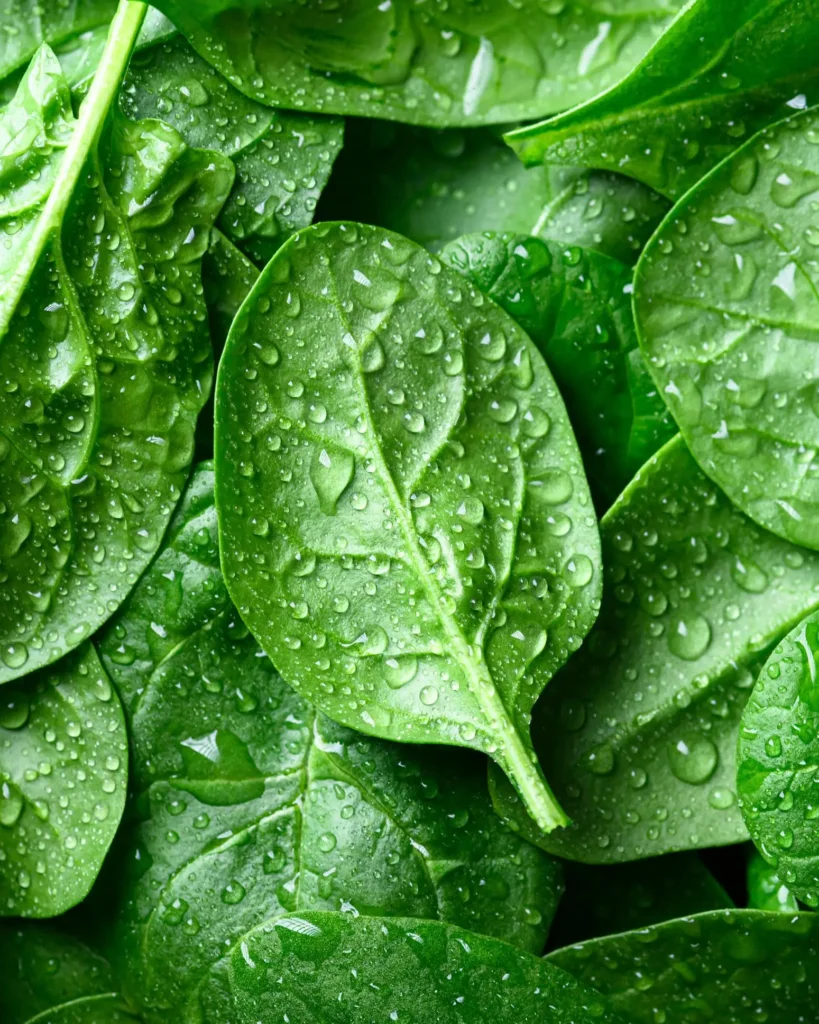
Top leafy greens to prioritize:
| Vegetable | Calories (1 cup raw) | Why It’s Great |
|---|---|---|
| Spinach | ~7 | Iron-rich, mild flavor |
| Romaine lettuce | ~8 | Crunchy, high water content |
| Arugula | ~5 | Peppery taste, nutrient-dense |
| Mixed greens | ~10 | Easy salad base |
Because these greens are mostly water, you can eat several cups for under 30 calories. Therefore, they’re perfect for large salads, wraps, or meal bowls.
Additionally, leafy greens pair well with lean proteins, which improves fullness even more. Just be careful with high-calorie dressings — those can quickly cancel out the calorie savings.
Crunchy Vegetables That Increase Fullness
Next, let’s look at vegetables that add texture and crunch. These are slightly higher in calories than leafy greens, but they’re still extremely low overall.
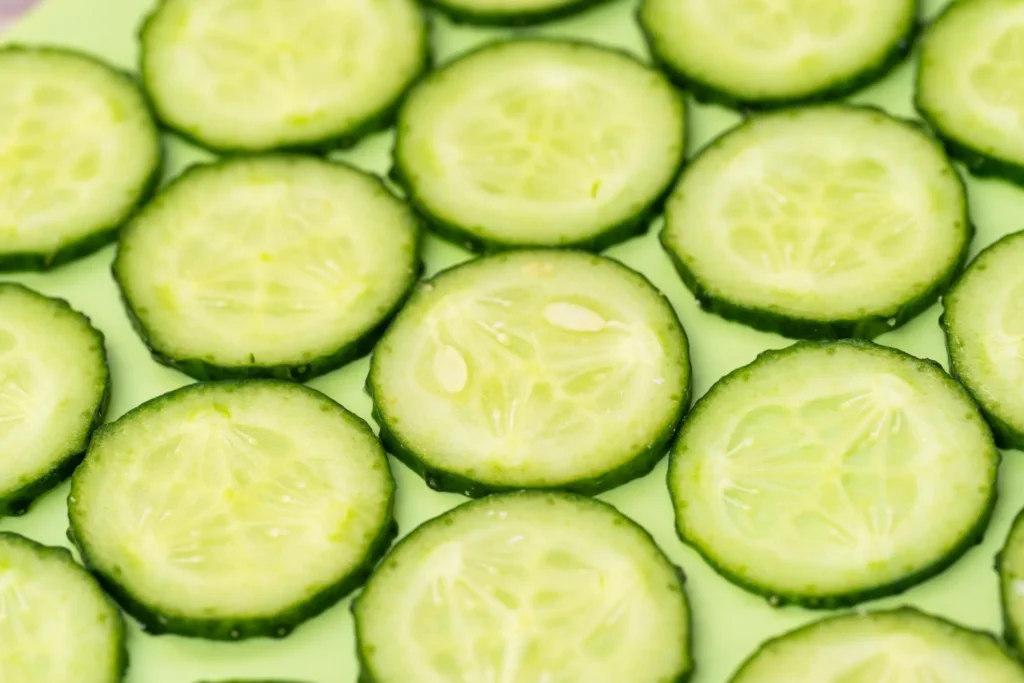
Great high-volume, low calorie vegetables:
| Vegetable | Calories (1 cup) | Benefit |
|---|---|---|
| Cucumber | ~16 | Very high water content |
| Celery | ~14 | Adds crunch with almost no calories |
| Broccoli | ~31 | High fiber and micronutrients |
| Zucchini | ~20 | Versatile for cooking or raw |
Because these vegetables require more chewing, they also slow down eating. As a result, your brain has more time to register fullness.
Furthermore, broccoli and zucchini contain fiber that supports digestion. So not only do they help reduce calorie intake, but they also promote gut health.
Best Low-Calorie Vegetables for Meal Prep
If consistency is your goal, meal prep makes everything easier. Fortunately, many vegetables hold up well when cooked and stored.
Best options for weekly prep:
- Cauliflower (roasted or steamed)
- Green beans
- Bell peppers
- Mushrooms
- Cabbage
Cauliflower, for example, can replace rice or mashed potatoes. That simple swap alone can reduce a meal by 150–300 calories. Similarly, cabbage adds bulk to stir-fries without significantly increasing energy intake.
Because these vegetables are flexible, you can rotate flavors while keeping calories stable. That variety helps prevent diet boredom.
Frozen vs. Fresh: Does Calorie Content Change?
You might wonder whether frozen vegetables are higher in calories. The answer is no — frozen vegetables contain nearly identical calories compared to fresh ones.
In fact, frozen options are often picked and flash-frozen at peak ripeness. Therefore, they can be just as nutritious, sometimes even more so.
However, watch out for:
- Added butter sauces
- Cheese blends
- Cream-based frozen mixes
Plain frozen vegetables remain one of the easiest, budget-friendly additions to a low calorie food list for weight loss.
Why Vegetables Anchor Every Low-Calorie Food List for Weight Loss
At the end of the day, vegetables allow you to:
- Eat bigger portions
- Reduce overall calorie density
- Increase fiber intake
- Improve fullness
That’s why most successful fat-loss plans encourage filling at least 50% of your plate with non-starchy vegetables.
Now that your plate has volume covered, let’s move on to the next category: fruits that add sweetness without blowing your calorie budget.
Fruits with High Volume but Fewer Calories
Fruit often gets a bad reputation in weight loss circles. However, when chosen wisely, fruit is an essential part of a smart low calorie food list for weight loss. Because most fruits are rich in water and fiber, they provide natural sweetness without excessive calories.
That said, portion size still matters. While fruit is nutritious, calories can add up quickly if servings double or triple. So the goal isn’t to avoid fruit — it’s to choose high-volume, lower-calorie options.
Let’s break it down.
Best Fruits Under 100 Calories Per Serving
Many fruits naturally fall under 100 calories per standard serving, making them ideal for weight loss.
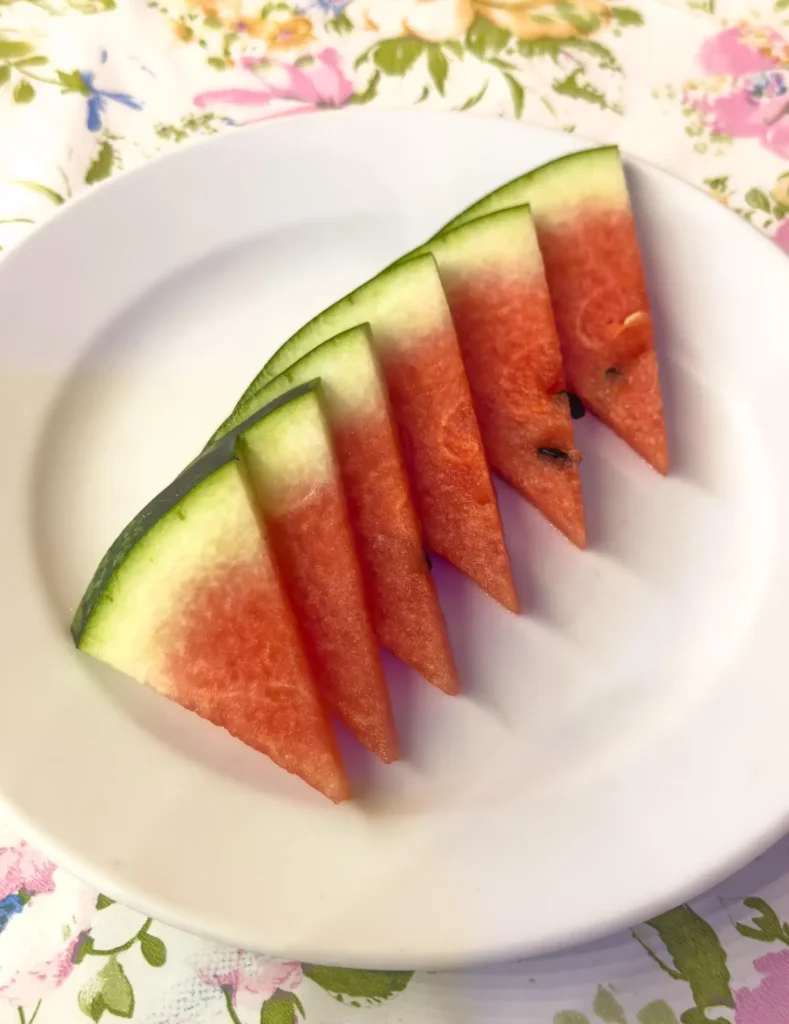
| Fruit | Serving Size | Calories | Why It Works |
|---|---|---|---|
| Strawberries | 1 cup | ~50 | High water, high fiber |
| Watermelon | 1 cup | ~45 | Extremely hydrating |
| Blueberries | 1 cup | ~85 | Antioxidant-rich |
| Grapefruit | ½ large | ~50 | Slows digestion |
Because these fruits contain a lot of water, they create volume in the stomach. As a result, they help control appetite between meals.
Additionally, their natural sweetness can reduce cravings for higher-calorie desserts. Instead of reaching for ice cream, a bowl of strawberries with Greek yogurt often satisfies just as well — for a fraction of the calories.
Water-Rich Fruits for Appetite Control
If hunger is your biggest struggle, water-rich fruits are your secret weapon. They increase stomach fullness without significantly increasing calorie intake.
Top hydrating fruits include:
- Watermelon
- Cantaloupe
- Oranges
- Pineapple
For example, one cup of watermelon weighs about 150 grams but contains fewer than 50 calories. That’s a lot of chewing and volume for minimal energy intake.
Moreover, the fiber in fruits slows digestion. Consequently, blood sugar rises more gradually compared to processed sweets.
Still, whole fruit works better than juice. Once fiber is removed, calories become concentrated and easier to overconsume.
Low Sugar Fruits for Weight Loss
While fruit sugar is natural, some fruits are lower in total sugar and calories than others. If you’re watching carbs or aiming for steady blood sugar, these options work well:
- Berries (strawberries, raspberries, blackberries)
- Kiwi
- Grapefruit
- Peaches
Berries, in particular, are ideal because they offer high fiber relative to their sugar content. Therefore, they rank high on most low calorie food lists for weight loss.
On the other hand, bananas, mangoes, and grapes are slightly higher in calories per serving. That doesn’t mean you must avoid them — it simply means portion awareness matters.
Portion Size Tips to Avoid Hidden Calories
Even healthy foods can slow weight loss if portions grow too large. So here are practical fruit portion tips:
- Stick to 1 cup of berries
- Choose one medium apple or orange
- Limit dried fruit to 1–2 tablespoons
- Avoid drinking calories in fruit juices
Dried fruit, especially, is calorie-dense because water is removed. For example, one cup of grapes contains about 100 calories — but one cup of raisins can exceed 400 calories.
Therefore, when building your low calorie food list for weight loss, prioritize whole, fresh fruit with high water content.
Why Fruit Belongs in a Low-Calorie Food List for Weight Loss
Fruit supports weight loss because it:
- Adds natural sweetness
- Provides fiber and micronutrients
- Increases meal volume
- Helps manage cravings
When paired with protein — such as cottage cheese or Greek yogurt — fruit becomes even more satisfying.
Now that we’ve covered vegetables and fruits, it’s time to move to the next critical category: protein foods that stay low calorie while protecting muscle and boosting fullness.
Protein Foods That Stay Low Calorie
If vegetables and fruits control volume, protein controls hunger. In fact, no low calorie food list for weight loss is complete without lean protein sources. That’s because protein increases satiety, preserves muscle, and slightly boosts calorie burn through digestion.
However, not all protein is equal. Some sources are surprisingly high in fat and calories. Therefore, choosing lean, lower-calorie options makes a major difference.
Let’s explore the smartest picks.
Lean Meats Under 150 Calories Per Serving
Animal protein can fit perfectly into a weight loss plan — as long as you select lean cuts.
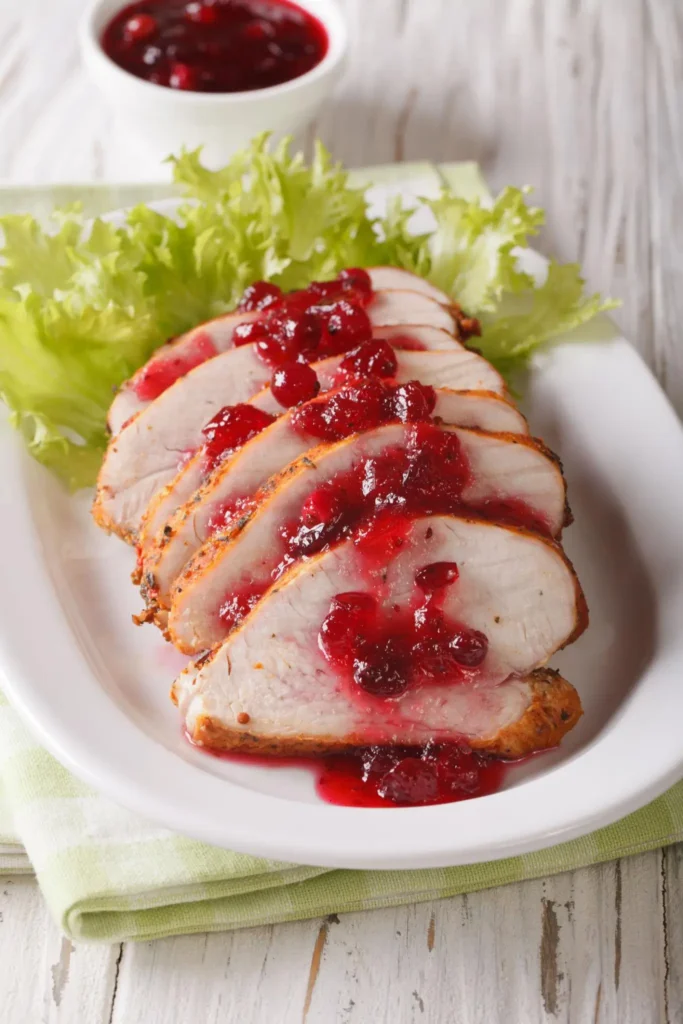
| Protein | Serving (3–4 oz) | Calories | Why It Works |
|---|---|---|---|
| Chicken breast | ~120 | High protein, very lean | |
| Turkey breast | ~125 | Low fat, filling | |
| White fish (cod, tilapia) | ~110 | Light and easy to digest | |
| Lean ground turkey (93%) | ~150 | Good balance of protein |
Because these options are lower in fat, they contain fewer calories per ounce compared to fattier cuts like ribeye or sausage.
Additionally, protein requires more energy to digest than carbs or fats. As a result, you burn slightly more calories processing it — a small but helpful bonus.
Plant-Based Protein Options with Low Calories
Plant-based eaters can absolutely build a strong low calorie food list for weight loss. Still, it’s important to distinguish between high-protein plants and high-calorie plant fats.
Smart plant-based protein options:
- Tofu (firm, drained)
- Tempeh (in moderation)
- Lentils
- Edamame
- Black beans
For example, half a cup of cooked lentils contains around 115 calories and about 9 grams of protein. Plus, it provides fiber, which further increases fullness.
However, nuts and seeds, while healthy, are calorie-dense. Therefore, they should be measured carefully rather than eaten freely.
Greek Yogurt, Cottage Cheese, and High-Protein Dairy
Dairy can be incredibly effective for fat loss when chosen wisely.
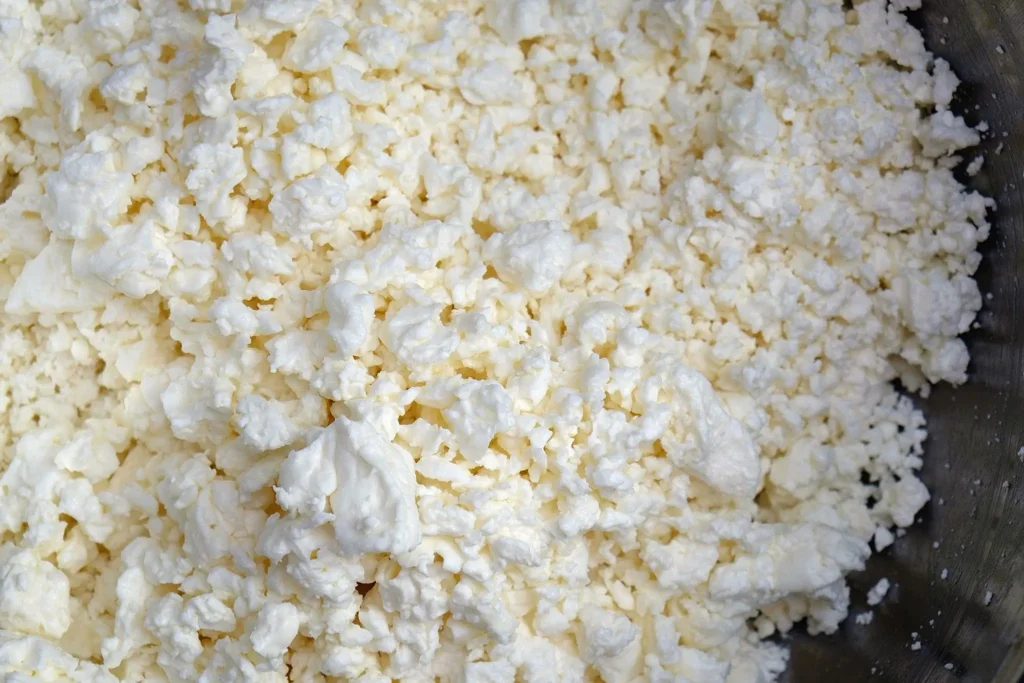
| Dairy Option | Serving | Calories | Protein |
|---|---|---|---|
| Nonfat Greek yogurt | ¾ cup | ~100 | 17g |
| Low-fat cottage cheese | ½ cup | ~90 | 12g |
| Skyr (plain) | ¾ cup | ~110 | 18g |
Because these foods are high in protein and relatively low in calories, they’re ideal for breakfast or snacks.
Moreover, pairing Greek yogurt with berries creates a sweet, filling option that fits easily into a low calorie food list for weight loss.
Just be sure to avoid flavored versions loaded with added sugars.
How Protein Improves Satiety and Metabolism
Protein helps weight loss in several ways:
- It increases fullness hormones.
- It reduces hunger hormones.
- It preserves lean muscle during a calorie deficit.
- It slightly increases thermogenesis (calorie burn from digestion).
Consequently, higher-protein diets often lead to better adherence and reduced cravings.
For most people, aiming for 20–30 grams of protein per meal helps stabilize hunger. Of course, exact needs vary depending on body weight and activity level.
Why Protein Is Essential in a Low-Calorie Food List for Weight Loss
Without enough protein, weight loss can lead to muscle loss and constant hunger. On the other hand, when meals contain lean protein, vegetables, and fiber-rich carbs, satiety improves dramatically.
So while vegetables add bulk and fruit satisfies sweetness, protein anchors the meal.
Next, let’s explore drinks that fit into a low-calorie routine — because sometimes the hidden calories aren’t on your plate, but in your glass.
Drinks That Fit a Low-Calorie Routine
When people follow a low calorie food list for weight loss, they often focus on solid food. However, drinks can quietly add hundreds of calories per day. In fact, beverages are one of the biggest hidden sources of calorie surplus.
The good news? Smart beverage choices can actually reduce hunger, improve hydration, and support fat loss.
Let’s break it down.
Zero-Calorie Beverages That Reduce Cravings
First and foremost, hydration matters. Sometimes what feels like hunger is actually mild dehydration. Therefore, drinking enough fluids can naturally reduce unnecessary snacking.
Best zero- or near-zero-calorie options:
- Water (still or sparkling)
- Unsweetened iced tea
- Black coffee
- Herbal tea
- Flavored water (no added sugar)
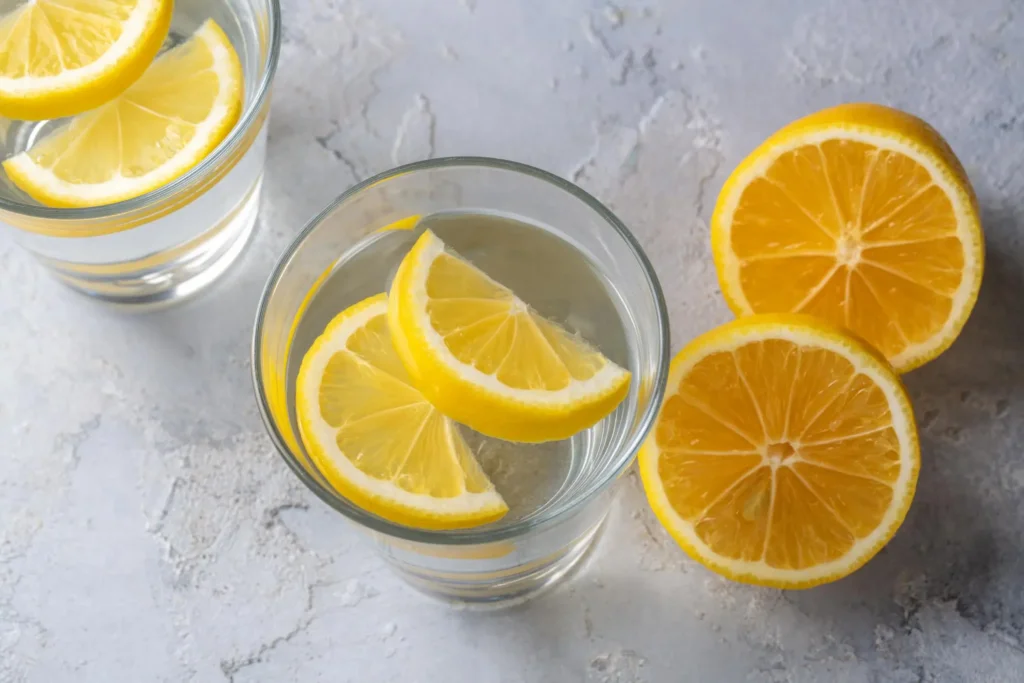
For example, swapping a 150-calorie soda for sparkling water daily could reduce over 1,000 calories per week. Over time, those small changes compound.
Additionally, caffeine in moderate amounts may slightly suppress appetite. However, avoid adding heavy cream, flavored syrups, or sugar — those quickly increase calorie intake.
Hydrating Foods and Drinks That Add Volume
Interestingly, some drinks and semi-liquid foods can increase fullness without significantly increasing calories.
Examples include:
- Vegetable broth
- Clear soups
- Infused water
- Gel-based hydration options
Clear vegetable soup before a meal has been shown to reduce total calorie intake. Because it adds volume to the stomach, you may naturally eat less afterward.
Similarly, high-volume hydration options like chia-based gel drinks can add thickness and satiety with minimal calories when prepared carefully.
Smart Swaps: What to Drink Instead of Soda
If soda is part of your daily routine, switching doesn’t have to feel drastic.
Instead of:
- Regular soda → Try sparkling water with lemon
- Sweet tea → Try unsweetened tea with a splash of fruit
- Flavored latte → Try black coffee with cinnamon
- Juice → Try whole fruit + water
Because liquid sugar doesn’t trigger fullness signals the same way solid food does, sugary drinks often lead to excess calorie intake without reducing hunger.
Therefore, replacing calorie-dense beverages is one of the easiest ways to strengthen a low calorie food list for weight loss.
When “Healthy Drinks” Add Hidden Calories
Not all “healthy” drinks are low calorie. In fact, some are surprisingly high.
Watch out for:
- Smoothies with nut butters and sweeteners
- Store-bought green juices
- Protein shakes with added sugars
- Specialty coffee drinks
For example, a large smoothie can easily exceed 400–600 calories — which is closer to a meal than a snack.
That doesn’t mean smoothies are bad. It simply means portion control and ingredient awareness matter.
Why Beverage Choices Matter in a Low-Calorie Food List for Weight Loss
Liquid calories add up fast. Yet because they don’t require chewing, they often don’t create lasting fullness.
By focusing on zero-calorie or low-calorie drinks, you can:
- Reduce daily calorie intake
- Improve hydration
- Control appetite
- Avoid hidden sugars
Now that we’ve covered vegetables, fruits, protein, and drinks, it’s time to address something equally important — foods that seem low calorie but secretly aren’t.
Foods That Seem Low-Calorie but Aren’t
When building a low calorie food list for weight loss, it’s easy to assume that anything labeled “healthy” must also be low in calories. Unfortunately, that’s not always true.
In fact, some foods that sound diet-friendly are surprisingly calorie-dense. Therefore, understanding hidden calories can protect your progress and prevent frustration.
Let’s uncover the most common traps.
Hidden Fats in “Healthy” Snacks
Foods marketed as natural, organic, or plant-based often create a health halo. However, calorie content doesn’t disappear just because a product is labeled wholesome.
Common examples:
- Granola
- Trail mix
- Nut butters
- Energy bars
- Avocado toast with heavy spreads
For instance, just ¼ cup of granola can contain 120–150 calories. Because portions are small, it’s easy to pour double or triple that amount.
Similarly, nuts are nutritious but calorie-dense. One small handful (about 1 ounce) contains roughly 160–200 calories. While they can fit into a low calorie food list for weight loss, they must be measured carefully.
Restaurant Salads and Dressing Traps
Salads seem like the obvious weight loss choice. Yet, restaurant salads can easily exceed 700–1,000 calories once toppings are added.
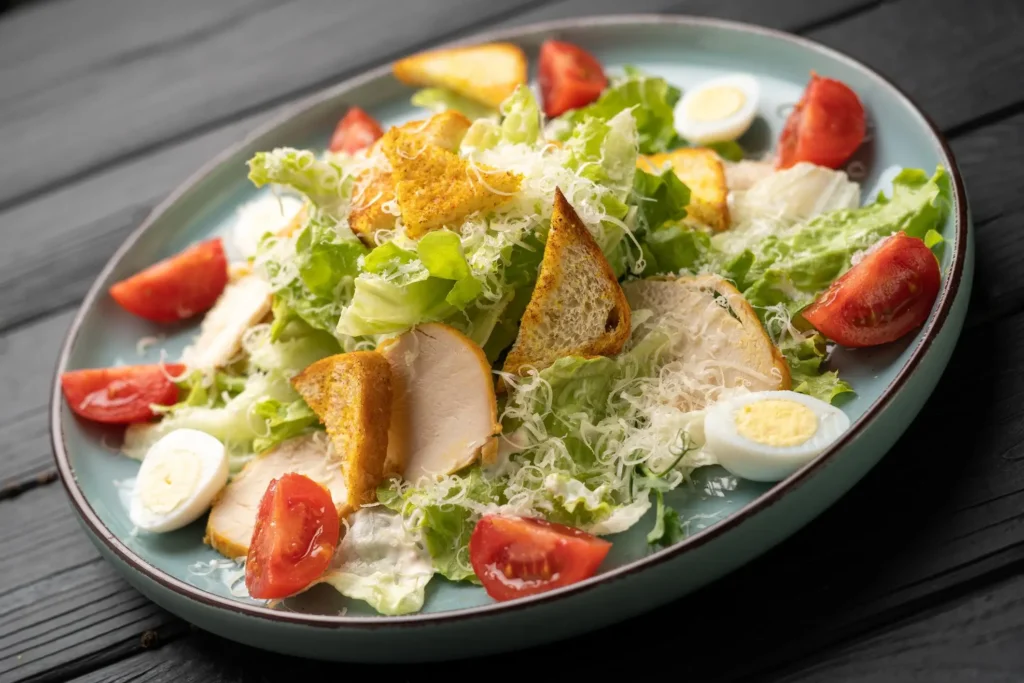
Hidden calorie boosters include:
- Creamy dressings
- Cheese
- Fried chicken strips
- Candied nuts
- Croutons
For example, two tablespoons of ranch dressing can add 140–160 calories. If you’re not measuring, that number can double quickly.
Therefore, asking for dressing on the side and using half can dramatically lower total calorie intake.
Smoothies That Sabotage a Calorie Deficit
Smoothies can absolutely fit into a weight loss plan. However, many versions are essentially liquid desserts.
High-calorie smoothie ingredients include:
- Nut butters
- Coconut milk
- Honey
- Large banana portions
- Full-fat yogurt
Because smoothies are blended, volume shrinks and calories become easy to consume quickly. As a result, you might drink 500 calories without feeling fully satisfied.
To keep smoothies aligned with a low calorie food list for weight loss:
- Use unsweetened almond milk
- Add protein powder
- Include berries instead of multiple bananas
- Limit added fats
Portion Distortion and Calorie Creep
Even healthy foods can slow weight loss when portions grow gradually. This phenomenon, often called “calorie creep,” happens when servings slowly increase without awareness.
Examples:
- Pouring cereal without measuring
- Free-pouring olive oil
- Eating directly from snack bags
- Oversized restaurant portions
Because calorie-dense foods pack more energy into smaller amounts, portion awareness becomes critical.
A tablespoon of olive oil contains about 120 calories. If you drizzle generously instead of measuring, you could easily double that.
Why Awareness Strengthens a Low-Calorie Food List for Weight Loss
The goal isn’t to fear food. Instead, it’s to understand energy density and portion control.
When you:
- Measure calorie-dense foods
- Choose lighter cooking methods
- Watch added sauces
- Prioritize high-volume options
You create a sustainable calorie deficit without extreme restriction.
Now that you know what to avoid, let’s move on to something practical: how to build a daily plate using this low calorie food list for weight loss.
How to Build a Daily Plate Using This Low-Calorie Food List
Now that you’ve seen the best options — and the hidden traps — it’s time to put everything together. A low calorie food list for weight loss only works if you know how to build balanced meals with it.
The goal isn’t to eat random low-calorie foods all day. Instead, you want structure. When meals combine volume, protein, fiber, and smart carbs, fat loss becomes much easier to sustain.
Let’s simplify the process.
The 50% Vegetable Rule
One of the easiest frameworks is the 50% vegetable rule.
At each main meal:
- 50% non-starchy vegetables
- 25% lean protein
- 25% smart carbohydrates
Because vegetables are low in calorie density, they create fullness without pushing calories too high.
4
For example, a dinner plate might look like:
- Half plate: roasted broccoli and zucchini
- Quarter plate: grilled chicken breast
- Quarter plate: quinoa or sweet potato
This structure naturally lowers total calories while maintaining balance.
Balancing Protein, Fiber, and Carbs
Although calories matter most for weight loss, food quality strongly affects hunger control.
Here’s how each component works:
- Protein reduces hunger and preserves muscle
- Fiber slows digestion and improves fullness
- Carbohydrates provide energy
- Healthy fats support hormone function (in moderation)
Because protein and fiber are especially filling, meals built around them reduce cravings later.
For example:
Breakfast idea:
- Greek yogurt
- Berries
- Chia seeds
Lunch idea:
- Large salad with lean turkey
- Mixed greens
- Chickpeas
- Light vinaigrette
Dinner idea:
- Baked white fish
- Steamed green beans
- Small baked potato
Each meal follows the low calorie food list for weight loss principles while staying satisfying.
Sample 1,200–1,500 Calorie Meal Framework
While calorie needs vary, many weight loss plans fall between 1,200–1,500 calories per day for smaller adults (always adjust based on personal needs).
Here’s a simple example:
| Meal | Example | Approx. Calories |
|---|---|---|
| Breakfast | Greek yogurt + berries | 250 |
| Lunch | Chicken salad bowl | 400 |
| Snack | Apple + cottage cheese | 200 |
| Dinner | White fish + vegetables + small carb | 450 |
| Total | ~1,300 |
Notice how vegetables appear at nearly every meal. That’s intentional. They increase volume without dramatically increasing calories.
Grocery List Template for Weight Loss
To make this practical, here’s a basic grocery framework:
Vegetables
- Spinach
- Broccoli
- Zucchini
- Bell peppers
- Cucumbers
Fruits
- Strawberries
- Blueberries
- Apples
- Grapefruit
Proteins
- Chicken breast
- Turkey
- White fish
- Greek yogurt
- Cottage cheese
Smart Carbs
- Oats
- Quinoa
- Sweet potatoes
- Brown rice
Low-Calorie Extras
- Mustard
- Salsa
- Vinegar-based dressings
- Unsweetened almond milk
By shopping with intention, you reduce impulse buys and make sticking to a low calorie food list for weight loss much easier.
Why Structure Makes Weight Loss Sustainable
Without structure, even healthy eating can drift. However, when you use:
- Portion balance
- Plate division
- Meal planning
- Grocery organization
You reduce decision fatigue and improve consistency.
And consistency — not perfection — drives fat loss.
Now that you know how to build your meals, let’s put everything into one comprehensive printable low calorie food list for weight loss table.
Complete Low-Calorie Food List for Weight Loss (Printable Table)
Now it’s time to bring everything together. Below is your structured, easy-to-reference low calorie food list for weight loss. You can bookmark it, screenshot it, or use it to build your weekly grocery list.
The foods are grouped by category and calorie range to make meal planning simple. Because calorie density matters most, you’ll notice that vegetables dominate the lowest ranges.
Vegetables Under 50 Calories (Per Cup, Raw or Cooked)
These foods form the backbone of any low calorie food list for weight loss.
| Food | Calories | Key Benefit |
|---|---|---|
| Spinach | ~7 | Extremely low calorie, nutrient-dense |
| Romaine lettuce | ~8 | High water content |
| Cucumber | ~16 | Hydrating and crunchy |
| Celery | ~14 | Adds volume with minimal calories |
| Zucchini | ~20 | Versatile and filling |
| Broccoli | ~31 | High fiber |
| Cauliflower | ~27 | Great rice substitute |
| Mushrooms | ~15 | Low calorie umami flavor |
| Green beans | ~31 | Fiber-rich and satisfying |
| Cabbage | ~22 | High volume, great for slaws |
Because these foods are mostly water and fiber, you can eat large portions while staying in a calorie deficit.
Fruits Under 100 Calories (Per Standard Serving)
Fruit supports appetite control and satisfies sweet cravings naturally.
| Fruit | Serving | Calories |
|---|---|---|
| Strawberries | 1 cup | ~50 |
| Watermelon | 1 cup | ~45 |
| Blueberries | 1 cup | ~85 |
| Grapefruit | ½ large | ~50 |
| Peach | 1 medium | ~60 |
| Kiwi | 1 medium | ~45 |
| Apple | 1 medium | ~95 |
Whole fruits rank high on a low calorie food list for weight loss because their fiber slows digestion and increases fullness.
Proteins Under 200 Calories (3–4 oz or Standard Portion)
Protein protects muscle and reduces hunger during fat loss.
| Protein | Serving | Calories | Protein |
|---|---|---|---|
| Chicken breast | 3 oz | ~120 | 21g |
| Turkey breast | 3 oz | ~125 | 22g |
| White fish (cod) | 3 oz | ~110 | 20g |
| Lean ground turkey (93%) | 3 oz | ~150 | 22g |
| Nonfat Greek yogurt | ¾ cup | ~100 | 17g |
| Cottage cheese (low-fat) | ½ cup | ~90 | 12g |
| Tofu (firm) | 3 oz | ~80 | 9g |
| Lentils | ½ cup | ~115 | 9g |
Because protein increases satiety hormones, including it at every meal makes weight loss far more manageable.
Low-Calorie Snacks Under 100 Calories
Smart snacks prevent overeating later in the day.
| Snack | Portion | Calories |
|---|---|---|
| Baby carrots | 1 cup | ~50 |
| Air-popped popcorn | 3 cups | ~90 |
| Hard-boiled egg | 1 | ~70 |
| Apple slices | 1 small | ~80 |
| Greek yogurt (plain) | ½ cup | ~80 |
| Cucumber slices + salsa | 1 cup | ~40 |
These snacks fit easily into a low calorie food list for weight loss because they provide either volume, protein, or fiber — sometimes all three.
How to Use This Low-Calorie Food List for Weight Loss
To make this practical:
- Fill half your plate with vegetables from the under-50-calorie list.
- Add one protein source from the under-200-calorie section.
- Include one fruit or smart carb portion.
- Choose water, tea, or black coffee as your beverage.
When you repeat this structure daily, maintaining a calorie deficit becomes much easier — without extreme hunger.
Now that you have the full printable list, let’s answer the most common questions people ask about following a low calorie food list for weight loss.
Frequently Asked Questions About a Low-Calorie Food List for Weight Loss
Even with a complete low calorie food list for weight loss, questions naturally come up. After all, sustainable fat loss isn’t just about knowing what to eat — it’s about understanding how everything works together.
Let’s answer the most common concerns.
What foods are lowest in calories but filling?
Foods lowest in calories yet highly filling are typically:
Leafy greens (spinach, romaine)
Cucumbers and zucchini
Broccoli and cauliflower
Strawberries and watermelon
Nonfat Greek yogurt
Because these foods contain high amounts of water and fiber, they create stomach stretch and trigger fullness signals. Additionally, pairing vegetables or fruit with lean protein increases satiety even more.
In short, high-volume, high-fiber, and protein-rich foods are the most effective.
Can I lose weight eating only low-calorie foods?
Technically, weight loss happens when you maintain a calorie deficit. However, eating only extremely low-calorie foods is neither balanced nor sustainable.
Your body still needs:
Protein for muscle
Healthy fats for hormones
Carbohydrates for energy
Micronutrients for overall health
Therefore, a low calorie food list for weight loss works best when it includes variety and balance — not extreme restriction.
How many calories should I eat to lose weight?
Calorie needs depend on:
Age
Height
Weight
Activity level
Metabolism
Generally, a moderate deficit of 300–500 calories per day leads to gradual, sustainable fat loss.
For many adults, that often falls between 1,200–1,800 calories per day. However, individualized calculations are always better than guessing.
The key is consistency over time, not aggressive short-term restriction.
Are low-calorie foods always healthy?
Not necessarily.
Some low-calorie foods, such as diet sodas or ultra-processed snack packs, may be low in energy but offer little nutritional value.
Ideally, your low calorie food list for weight loss should emphasize:
Whole vegetables
Whole fruits
Lean proteins
Minimally processed foods
That way, you reduce calories and improve diet quality.
What is the best low-calorie snack at night?
A good nighttime snack should contain protein and be under 150 calories.
Great options include:
Greek yogurt with berries
Cottage cheese with cinnamon
A hard-boiled egg
Air-popped popcorn
Because protein reduces nighttime hunger, it can prevent late-night overeating.
Do low-calorie foods boost metabolism?
Low-calorie foods alone do not “boost” metabolism dramatically. However, high-protein foods slightly increase thermogenesis, meaning your body burns more calories during digestion.
Additionally, maintaining muscle mass through adequate protein supports a healthier metabolic rate.
Ultimately, the biggest driver of fat loss is a consistent calorie deficit supported by smart food choices.
Conclusion: Building Sustainable Fat Loss with a Low-Calorie Food List for Weight Loss
A well-structured low calorie food list for weight loss makes dieting feel less like deprivation and more like strategy.
When you:
- Prioritize high-volume vegetables
- Include lean protein at every meal
- Choose water-rich fruits
- Limit hidden calorie traps
- Structure your daily plate
You naturally reduce calorie density while staying satisfied.
Most importantly, this approach encourages sustainability. Instead of chasing extreme restriction, you focus on smart substitutions and portion balance.
Weight loss doesn’t require eating tiny meals. It requires consistency, awareness, and better food choices.
If you build your meals around this low calorie food list for weight loss, you’ll not only support fat loss — you’ll create habits that last.