
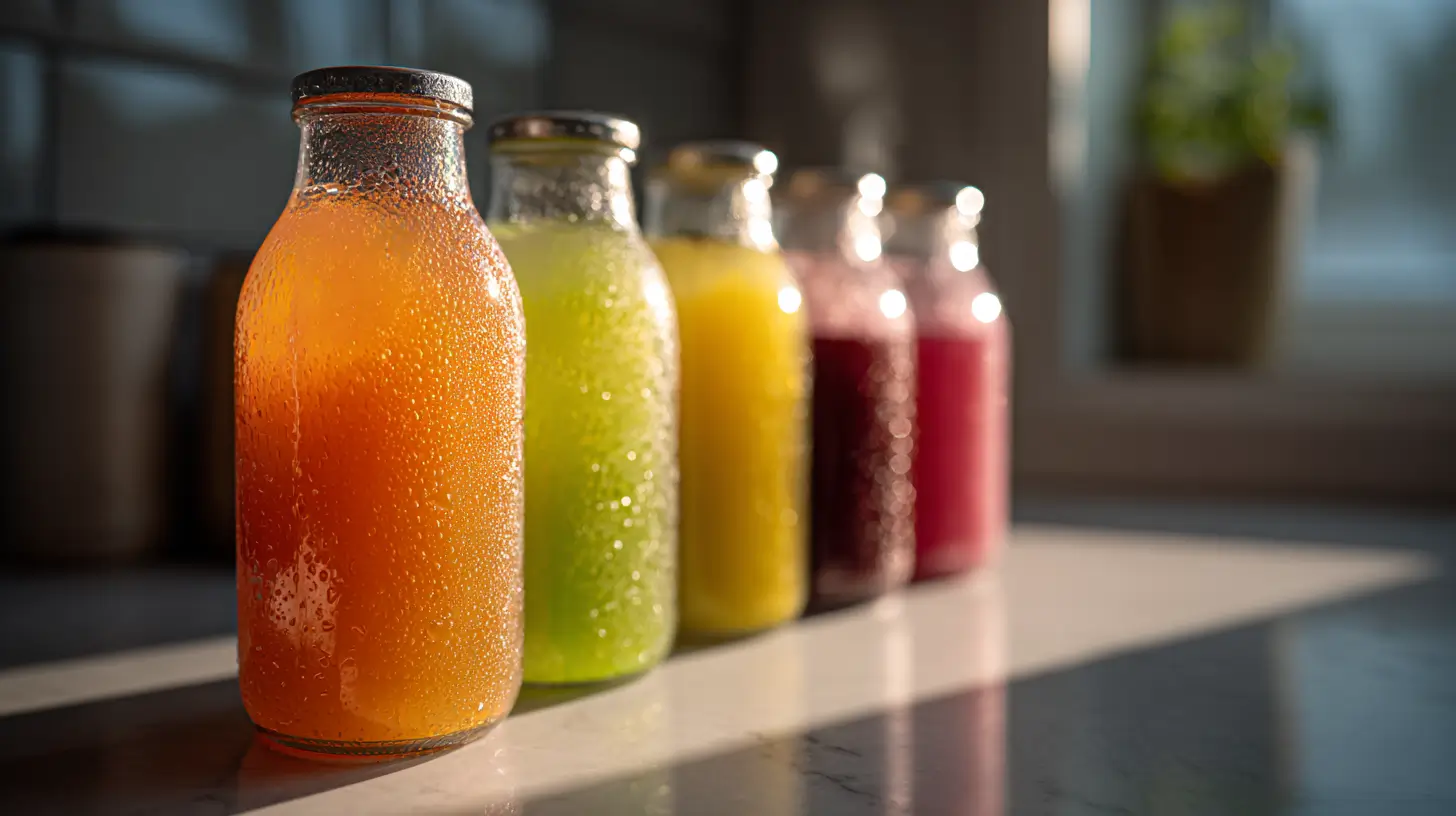
The probiotic drink trend is everywhere right now. Scroll through social media, walk into any grocery store, or browse wellness blogs, and you’ll see colorful bottles promising better digestion, improved gut health, and even stronger immunity. But what is a probiotic drink, really? And why has this category of beverages suddenly become such a huge part of modern lifestyle culture?
Over the past few years, probiotic drinks have shifted from niche health store products to mainstream staples. At first, they were mostly associated with fermented dairy like kefir or yogurt drinks. However, today the market includes probiotic water, probiotic sodas, Japanese probiotic drinks, and even trendy fermented teas. Because of that expansion, many people are confused about what actually qualifies as a probiotic drink and which ones truly contain live beneficial bacteria.
At the same time, wellness routines have changed dramatically. Consumers are now focused on hydration, gut balance, and daily functional habits. As a result, probiotic drinks are often marketed as part of a simple morning ritual — something you sip for overall digestive support. Yet, while probiotic drinks benefits are widely advertised, not all products are created equal. Some contain meaningful live cultures, whereas others rely more on branding than science.
So, in this article, we’ll break everything down clearly and honestly. First, we’ll answer the basic question: what is a probiotic drink? Then, we’ll explore why the probiotic drink trend is exploding, what the best probiotic drink options might look like, whether kombucha is really a probiotic, and how homemade probiotic drink versions compare to store-bought products. We’ll also examine probiotic water, Japanese probiotic drink styles, and what you should realistically expect from probiotic drinks benefits.
By the end, you won’t just understand the probiotic drink trend — you’ll know how to navigate it smartly, safely, and without falling for overhyped marketing claims.
What is a probiotic drink?
The term probiotic drink sounds simple. However, once you look closer, it becomes clear that not every beverage labeled “probiotic” works the same way. So before diving into trends and marketing claims, we need to answer the basic question: what is a probiotic drink?
What is a probiotic?
First, let’s start with the word probiotic. Probiotics are live microorganisms — often called “good bacteria” — that may help support the balance of bacteria in your gut. Your digestive system naturally contains trillions of microbes, collectively known as the gut microbiome. When this ecosystem stays balanced, digestion usually runs smoothly. However, stress, antibiotics, diet changes, and illness can disrupt that balance.
That’s where probiotics come in. They are typically strains of bacteria such as Lactobacillus or Bifidobacterium. When consumed in adequate amounts, they may help restore or maintain microbial balance. However, it’s important to understand that not all probiotics are the same. Different strains serve different functions, and more doesn’t always mean better.
Because of that, simply seeing the word “probiotic” on a label doesn’t automatically guarantee strong probiotic drinks benefits. The type of strain, the number of live cultures, and the way the drink is stored all matter.
What is a probiotic drink exactly?
A probiotic drink is a beverage that contains live microorganisms intended to support gut health. These drinks are usually made through fermentation, although some are fortified with added probiotic cultures after processing.
Traditionally, probiotic drinks came from fermented dairy products like kefir or yogurt drinks. During fermentation, beneficial bacteria feed on sugars and produce acids that create a tangy flavor. As a result, the beverage naturally contains live cultures.
Today, however, the category has expanded. You’ll now find:
- Fermented tea drinks like kombucha
- Dairy-based kefir drinks
- Yogurt-based probiotic smoothies
- Probiotic water infused with added cultures
- Even sparkling probiotic sodas
Because of this expansion, many consumers wonder: is kombucha a probiotic? Or does probiotic water really contain live bacteria? We’ll explore those questions in detail later.
What matters for now is this: a true probiotic drink must contain live and active cultures at the time of consumption. If heat-treated after fermentation or stored improperly, the bacteria may no longer be alive — which changes its potential effect entirely.
How probiotic drinks differ from probiotic supplements
Although both probiotic drinks and probiotic capsules aim to support gut health, they’re not the same thing.
Probiotic supplements usually deliver concentrated strains in controlled doses. In contrast, probiotic drinks are food-based and often part of a broader hydration or wellness routine. Therefore, many people choose them because they feel more natural or easier to incorporate into daily life.
However, there’s a trade-off. While a supplement may list specific strains and colony-forming units (CFUs), many probiotic drinks don’t clearly specify that information. Instead, they focus on lifestyle branding and flavor.
That’s why understanding what is a probiotic drink goes beyond the label. You need to consider:
| Factor | Why It Matters |
|---|---|
| Strain type | Different strains support different functions |
| CFU count | Indicates quantity of live bacteria |
| Sugar content | Some drinks contain high added sugar |
| Storage method | Refrigeration helps preserve live cultures |
| Fermented vs fortified | Fermented drinks naturally develop cultures |
So, while probiotic drink marketing often emphasizes digestive balance, the reality depends on formulation and quality. And because the probiotic drink trend continues to grow, knowing these basics helps you avoid confusion.
Why the probiotic drink trend is exploding right now
If probiotic drinks have existed for decades, why does the probiotic drink trend feel brand new? The answer isn’t just about health — it’s about culture, branding, and lifestyle shifts. In fact, several forces have collided at once, pushing the probiotic drink into the spotlight.
Social media, wellness influencers, and gut health culture
First of all, gut health became mainstream. A few years ago, “microbiome” was a scientific term rarely discussed outside medical circles. Now, it’s all over TikTok, Instagram, and wellness podcasts. As influencers share morning routines and “what I drink in a day” videos, probiotic drinks often take center stage.
Because of that visibility, consumers started associating probiotic drinks benefits with glowing skin, better digestion, and overall balance. Even though scientific evidence varies depending on the claim, the perception of probiotics as essential to wellness has grown rapidly.
At the same time, people are increasingly skeptical of heavily processed foods. So, fermented beverages — which feel traditional and natural — fit perfectly into the clean-eating narrative. As a result, drinks labeled as fermented, raw, or containing live cultures tend to generate more trust.
The rise of hydration rituals and daily gut routines
Another major driver is the shift toward functional hydration. Water alone no longer feels exciting. Today, consumers want beverages that “do something.” Whether it’s electrolytes, collagen, or probiotics, functionality sells.
Consequently, probiotic water and sparkling probiotic sodas have entered the market as alternatives to sugary soft drinks. While traditional soda consumption has declined in some demographics, functional beverages have surged. That’s not a coincidence.
Moreover, morning and evening routines have become almost ceremonial. Many people now start their day with a structured ritual: lemon water, supplements, or a probiotic drink. Because routines create consistency, probiotic beverages have become part of that daily habit.
In other words, the probiotic drink is no longer just a product — it’s part of an identity.
From soda replacement to functional beverages
Interestingly, many brands position the best probiotic drink as a healthier swap for soda. They use bright packaging, playful flavors, and low-calorie claims to attract younger consumers. However, unlike traditional soda, these drinks emphasize live cultures and gut support.
That said, not all products in this category are equal. Some are fermented naturally, while others simply add probiotic strains to flavored water. Therefore, when people ask, “what is a probiotic drink?” the answer depends heavily on formulation.
Here’s how the market has evolved:
| Old Beverage Trend | New Functional Trend |
|---|---|
| Sugary soda | Probiotic soda |
| Flavored juice | Probiotic water |
| Yogurt cup | Drinkable yogurt |
| Sweet tea | Kombucha-style fermented tea |
Because of these shifts, probiotic drinks now sit at the intersection of wellness, convenience, and lifestyle branding. And since consumers crave products that feel both healthy and enjoyable, this category continues to expand.
What are the most popular probiotic drinks right now?

Now that the probiotic drink trend has gone mainstream, the market feels crowded. However, not all probiotic drinks are the same. In fact, the category includes several very different types of beverages, each with its own fermentation method, bacterial strains, and health positioning.
So, what are people actually drinking when they search for the best probiotic drink? Let’s break it down clearly.
Japanese probiotic drinks and Yakult-style products
One of the earliest commercial probiotic drink formats came from Japan. Small, sweet dairy-based bottles containing specific bacterial strains became widely popular in Asia long before the U.S. market caught on.
These Japanese probiotic drinks typically contain a controlled strain of Lactobacillus and are consumed in small daily servings. Because they’re standardized, they often specify the strain and CFU count more clearly than trendy Western beverages.
However, they’re also usually sweetened. So while they’re marketed for probiotic drinks benefits, consumers should still check the sugar content.
Probiotic water and probiotic sodas
More recently, probiotic water and sparkling probiotic sodas have entered the scene. These drinks target people who want a soda alternative but still enjoy carbonation and flavor.
Unlike traditional fermented beverages, many probiotic waters are not fermented. Instead, manufacturers add shelf-stable probiotic strains after production. As a result, they’re often easier to store and distribute.
Still, this raises a key question: do added probiotics survive long enough to provide benefits? The answer depends on storage conditions and strain stability.
Because of aggressive marketing and colorful packaging, probiotic sodas are often labeled as the best probiotic drink option for younger audiences. Yet, effectiveness depends less on branding and more on live culture viability.
Yogurt drinks and kefir drinks
Dairy-based probiotic drinks remain among the most traditional options. Yogurt drinks and kefir beverages are created through fermentation, which naturally produces live cultures.
Kefir, in particular, contains multiple strains of bacteria and yeast. Therefore, it’s often considered more diverse than standard yogurt drinks. While many people associate kefir with thick dairy beverages, it can also be used in cooking and baking. For example, fermented dairy ingredients appear in simple preparations like this kefir-based recipe, showing how versatile cultured dairy can be.
However, as always, not every product on the shelf guarantees high live culture counts. Pasteurization after fermentation can reduce or eliminate active bacteria.
Kombucha and fermented tea drinks
Kombucha has become one of the most recognizable probiotic drink options in the U.S. This fermented tea beverage is made by combining sweetened tea with a SCOBY (symbiotic culture of bacteria and yeast). During fermentation, sugar is partially consumed, and organic acids are produced.
Many probiotic drinks discussed online are fermented beverages, such as kombucha, which is explained step by step in our guide on how to brew kombucha.
That said, not all kombucha contains active live cultures by the time it reaches the store shelf. Some brands pasteurize their product for safety and shelf stability. So when people ask, “is kombucha a probiotic?” the answer is: sometimes — but not always.
Are probiotic drinks actually good for you?
Now that we’ve defined what a probiotic drink is and explored the most popular types, the big question remains: are probiotic drinks actually good for you?
The short answer is — it depends. While probiotic drinks benefits are heavily promoted, the real impact varies based on strain type, dosage, sugar content, and individual health conditions. So, before assuming every probiotic drink improves gut health, it’s important to look at expectations versus evidence.
What people usually expect from probiotic drinks
Most consumers turn to probiotic drinks for digestive support. Common expectations include:
- Reduced bloating
- Improved regularity
- Better nutrient absorption
- Stronger immunity
- Overall gut balance
Because gut health has become central to wellness culture, probiotic drinks are often marketed as daily essentials. In many cases, people assume that simply drinking probiotic water or a fermented beverage will automatically improve their microbiome.
However, the gut microbiome is complex. It contains trillions of microorganisms interacting in ways researchers are still studying. Therefore, a single probiotic drink — even the best probiotic drink on the shelf — may not dramatically change that ecosystem overnight.
That doesn’t mean probiotic drinks are useless. Instead, it means their impact is usually subtle and gradual.
What science really says about gut bacteria
Research suggests that certain probiotic strains may support digestion, especially after antibiotic use or during specific digestive imbalances. However, benefits tend to be strain-specific.
For example:
- Some strains may help with temporary digestive discomfort
- Others may support lactose digestion
- A few may help maintain microbial diversity
Yet, not all probiotic drinks list strain details clearly. As a result, consumers often rely on branding rather than scientific specificity.
Moreover, survival matters. Probiotics must remain alive through processing, storage, and digestion. If a probiotic drink is heat-treated or stored improperly, the bacteria may no longer be viable. In that case, probiotic drinks benefits may be limited.
Why not all probiotic drinks are the same
This is where confusion increases. Two probiotic drinks sitting side by side can be completely different in composition.
Here’s a simplified comparison:
| Feature | Fermented Probiotic Drink | Fortified Probiotic Drink |
|---|---|---|
| Production | Natural fermentation | Added probiotic strains |
| Culture diversity | Often multiple strains | Usually limited strains |
| Shelf stability | Often refrigerated | Sometimes shelf-stable |
| Sugar levels | Varies widely | Varies widely |
| Transparency | May list live cultures | May or may not list strain details |
Because of this variation, asking “are probiotic drinks good for you?” is similar to asking if yogurt is healthy — it depends on the specific product.
In addition, sugar content is a major factor. Some probiotic sodas and yogurt drinks contain significant added sugar. While they may contain live cultures, high sugar intake can counteract overall wellness goals.
Therefore, the key is not just drinking a probiotic beverage, but choosing one thoughtfully.
Probiotic drink benefits: what is realistic and what is marketing?
When you look at labels, probiotic drink benefits often sound impressive. Words like “immune support,” “gut reset,” and “microbiome balance” appear everywhere. However, while some benefits may be reasonable, others lean heavily into marketing language.
So let’s separate realistic expectations from hype.
Digestive support and microbiome balance
First and foremost, digestive support is the most common reason people try a probiotic drink. Because probiotics are live microorganisms, they may help maintain microbial balance in the gut — especially after disruptions like antibiotics or dietary changes.
That said, results vary. Some people report reduced bloating or more regular digestion after consistently consuming fermented beverages such as kefir or kombucha. Others notice little to no change.
Importantly, the term “microbiome balance” is often used broadly. While certain strains have been studied for digestive support, a single probiotic drink does not permanently reshape your gut ecosystem. Instead, it may temporarily introduce beneficial bacteria that support overall balance.
Consistency matters more than one-time use. Therefore, probiotic drinks tend to work best when part of a broader gut-friendly routine that includes fiber, hydration, and diverse whole foods.
Bloating, immunity, and energy claims
This is where marketing sometimes stretches beyond evidence.
Some probiotic drinks claim to:
- Boost immunity
- Increase energy
- Improve skin clarity
- Enhance mood
Although there is emerging research connecting gut health to immune and mental health pathways, these connections are complex. Probiotic drinks benefits in these areas are not guaranteed, and effects are typically modest.
For example, while certain strains may support immune response, that doesn’t mean every probiotic water or yogurt drink strengthens immunity significantly. Similarly, improved digestion may indirectly improve how you feel overall, but energy claims are often exaggerated.
Therefore, when evaluating the best probiotic drink, focus on realistic digestive support rather than dramatic transformations.
Sugar content and hidden ingredients
One of the most overlooked aspects of probiotic drinks is sugar content. Some fermented beverages naturally contain residual sugar from fermentation. Others add sweeteners to improve taste.
Here’s a quick comparison:
| Type of Drink | Typical Sugar Level | Consideration |
|---|---|---|
| Traditional kefir | Moderate | Often naturally occurring lactose |
| Kombucha | Low to moderate | Depends on fermentation time |
| Probiotic soda | Varies widely | May contain added sweeteners |
| Japanese probiotic drink | Often higher | Small serving size |
Because gut health is often associated with overall wellness, high sugar content can undermine perceived benefits. Consequently, checking labels is essential.
Also, not every probiotic drink contains live cultures at the time of purchase. Pasteurization after fermentation may extend shelf life but reduce probiotic activity. So when someone asks, “what is a probiotic drink that actually works?” the answer includes proper storage and viable strains.
In short, probiotic drinks can support digestion. However, they are not miracle beverages. The real benefit depends on strain quality, sugar levels, and consistent use within a balanced diet.
Is kombucha really a probiotic drink?

One of the most common questions in the probiotic drink trend is simple: is kombucha a probiotic? The answer sounds straightforward — but in reality, it depends on how the kombucha is made and stored.
Is kombucha a probiotic?
Kombucha is a fermented tea made using a SCOBY (symbiotic culture of bacteria and yeast). During fermentation, the microorganisms consume sugar and produce organic acids, carbonation, and trace amounts of alcohol.
Because the process involves live bacteria and yeast, kombucha can qualify as a probiotic drink. However, that only applies if the beverage still contains live and active cultures at the time of consumption.
Some commercial kombucha brands pasteurize their product after fermentation to improve shelf stability. While pasteurization makes distribution easier, it can significantly reduce or eliminate live probiotic cultures. Therefore, not every bottle labeled kombucha delivers probiotic drinks benefits in the same way.
Fermentation, live cultures, and storage issues
Fermented beverages are sensitive. Heat, light, and improper storage can affect microbial viability. That’s why many authentic probiotic drinks require refrigeration.
When kombucha is stored cold and unpasteurized, it’s more likely to contain viable live cultures. However, even then, strain types and bacterial counts can vary widely.
For readers curious about the fermentation process itself, the steps involved in making this fermented tea are explained clearly in our guide on how to brew kombucha. Understanding the process helps clarify why some kombucha contains probiotics while others may not.
When kombucha may not contain active probiotics
Interestingly, labeling laws don’t always require detailed strain disclosure. So, while kombucha is often marketed as the best probiotic drink for gut health, the actual probiotic content may not be standardized.
Here are scenarios where kombucha might not function as a strong probiotic drink:
- It has been heat-treated after fermentation
- It has been stored at room temperature for extended periods
- It contains very low viable culture counts
- It has been filtered extensively
In these cases, kombucha may still provide organic acids and flavor, but probiotic drinks benefits related to live bacteria could be minimal.
So, is kombucha a probiotic drink? Yes — sometimes. But as with most probiotic drinks, effectiveness depends on how it’s produced and handled.
Kefir drinks and fermented dairy options
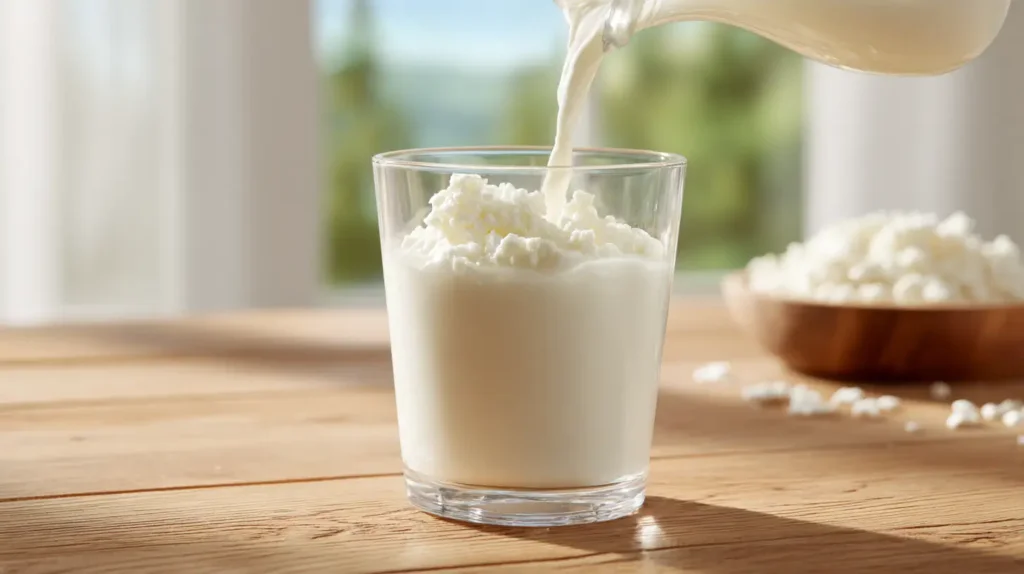
While kombucha often dominates social media, fermented dairy beverages have been part of traditional diets for centuries. In fact, when many experts discuss a reliable probiotic drink, kefir is usually part of the conversation.
What makes kefir different from yogurt drinks
Although both yogurt drinks and kefir are fermented dairy products, they’re not identical.
Kefir is produced using kefir grains — a combination of bacteria and yeast that ferment milk over time. Because of this mixed fermentation process, kefir typically contains a wider diversity of microorganisms than standard yogurt.
Yogurt drinks, on the other hand, are usually fermented with specific bacterial strains such as Lactobacillus bulgaricus and Streptococcus thermophilus. While they may still qualify as a probiotic drink, their microbial diversity is often narrower.
Here’s a simplified comparison:
| Feature | Kefir Drink | Yogurt Drink |
|---|---|---|
| Fermentation | Bacteria + yeast | Primarily bacteria |
| Culture diversity | High | Moderate |
| Texture | Thin, tangy | Smooth, creamy |
| Lactose content | Often reduced | Reduced but present |
Because kefir fermentation is more complex, many people consider it one of the more robust probiotic drinks available.
Dairy vs non-dairy probiotic drinks
Not everyone tolerates dairy well. Therefore, non-dairy probiotic drinks have grown in popularity. Options now include coconut-based kefir, almond-based yogurt drinks, and probiotic water.
However, fermentation quality still matters. A non-dairy probiotic drink can be effective — but only if it contains viable live cultures. Some plant-based beverages are simply flavored drinks with added probiotic strains rather than naturally fermented products.
As always, checking labels is essential. Look for clear statements about live and active cultures, refrigeration requirements, and strain transparency.
Fermented milk drinks and digestive tolerance
Interestingly, many people who struggle with lactose digestion find kefir easier to tolerate than regular milk. That’s because fermentation reduces lactose content over time.
Additionally, fermented dairy ingredients can be incorporated into food in creative ways. For example, cultured dairy appears in light baked goods such as this kefir-based recipe, showing how fermented ingredients extend beyond just beverages.
Still, probiotic drinks benefits vary from person to person. Some individuals may notice improved digestion with kefir, while others experience sensitivity. Therefore, gradual introduction is usually recommended.
Overall, kefir and fermented dairy options remain among the most traditional forms of probiotic drink. Because they are naturally fermented, they often contain diverse microbial communities — which may offer broader digestive support compared to some fortified alternatives.
Homemade probiotic drink: what people usually mean
As the probiotic drink trend continues to grow, more people are searching for a homemade probiotic drink. However, this phrase can mean different things depending on who you ask. For some, it refers to brewing kombucha at home. For others, it means fermenting kefir, culturing vegetables, or creating simple fermented fruit drinks.
So what are people actually looking for when they search for a homemade probiotic drink?
Fermentation at home: kombucha, kefir, cultured drinks
Most homemade probiotic drinks are based on fermentation. This process allows naturally occurring or added cultures to break down sugars and produce beneficial bacteria.
Common homemade options include:
- Kombucha (fermented sweet tea)
- Milk kefir
- Water kefir
- Fermented lemonade-style drinks
- Cultured vegetable juices
Because fermentation happens naturally when the environment is right, many people are drawn to the idea of controlling ingredients themselves. In addition, making a probiotic drink at home can reduce added sugars and artificial flavors found in commercial products.
However, fermentation requires precision. Temperature, hygiene, and fermentation time all influence safety and bacterial growth.
Safety, hygiene, and contamination risks
Although homemade fermentation can be rewarding, it also carries risks. Unlike commercial probiotic drinks, home batches are not lab-tested for strain concentration or contamination.
Improper sterilization, incorrect storage, or cross-contamination can lead to unwanted microbial growth. Therefore, beginners should follow trusted, detailed instructions and maintain strict cleanliness.
It’s also important to understand that homemade probiotic drink batches may vary widely in bacterial concentration. One batch might contain robust live cultures, while another may be weaker.
Because of that variability, people who have compromised immune systems or serious medical conditions should consult a healthcare professional before regularly consuming homemade fermented beverages.
Is homemade probiotic drink better than store-bought?
The answer depends on your priorities.
Here’s a quick comparison:
| Factor | Homemade Probiotic Drink | Store-Bought Probiotic Drink |
|---|---|---|
| Ingredient control | High | Moderate |
| Consistency | Variable | More standardized |
| Strain transparency | Often unknown | Sometimes listed |
| Convenience | Requires time | Ready-to-drink |
| Safety regulation | Self-managed | Commercial oversight |
Homemade versions allow flexibility and lower sugar control. However, store-bought options may offer more predictable strain information and quality control.
Ultimately, whether homemade probiotic drink options are “better” depends on preparation, hygiene, and personal preference. The probiotic drinks benefits remain linked to viable live cultures — regardless of where the beverage is produced.
Probiotic drinks vs gut-friendly hydration routines
Although the probiotic drink trend focuses heavily on live bacteria, gut health is not built on probiotics alone. In fact, hydration, fiber intake, and overall diet often play a bigger long-term role than a single daily beverage.
So how do probiotic drinks compare to other gut-friendly routines?
Hydration, fiber, and prebiotics
First, hydration itself supports digestion. Water helps move food through the digestive tract and supports overall metabolic processes. Therefore, even without probiotics, consistent hydration can improve digestive comfort.
Second, fiber acts as a prebiotic. Unlike probiotics (which are live bacteria), prebiotics are compounds that feed beneficial bacteria already present in your gut. Foods rich in fiber — such as vegetables, fruits, and seeds — may indirectly support microbiome balance more consistently than occasional probiotic drinks.
That’s why many nutrition experts recommend combining approaches:
- Adequate daily water intake
- Fiber-rich whole foods
- Fermented foods or probiotic drinks
- Moderate sugar consumption
In other words, a probiotic drink works best as part of a broader routine, not as a standalone solution.
Chia-based drinks and textured hydration trends
Interestingly, some people exploring gut health alternatives focus less on live cultures and more on gentle hydration habits. For example, chia-based drinks have become popular because they combine water absorption with soluble fiber.
For readers interested in simple hydration-based routines, light options such as chia jello are often explored alongside probiotic drink trends. While chia drinks are not probiotic drinks, they support digestion through fiber and fluid balance rather than bacterial supplementation.
This comparison highlights an important point: not every gut-friendly beverage needs to contain probiotics to be beneficial.
Building a realistic daily gut routine
Instead of asking “what is the best probiotic drink?” a more helpful question might be: what does a balanced gut routine look like?
Here’s a practical framework:
| Component | Why It Matters |
|---|---|
| Hydration | Supports digestion and nutrient movement |
| Fiber | Feeds beneficial gut bacteria |
| Fermented foods | Introduce live cultures |
| Balanced diet | Maintains microbial diversity |
| Moderate sugar | Prevents excessive fermentation imbalance |
Because the microbiome thrives on diversity, relying exclusively on probiotic drinks may be limiting. However, when combined with fiber-rich foods and proper hydration, probiotic drinks benefits are more likely to complement overall digestive health.
Who should be careful with probiotic drinks?
Although the probiotic drink trend often feels harmless and wellness-focused, probiotic drinks are not automatically safe for everyone. In most healthy individuals, moderate consumption is well tolerated. However, certain groups should approach probiotic drinks more cautiously.
Because probiotics involve live microorganisms, individual health status matters.
People with compromised immune systems
Individuals with weakened immune systems should consult a healthcare professional before regularly consuming probiotic drinks. This includes people undergoing chemotherapy, organ transplant recipients, and those with severe chronic illnesses.
While rare, cases of infections linked to probiotic strains have been reported in vulnerable populations. Therefore, even though probiotic drinks benefits may be mild for healthy individuals, risks may be higher in immunocompromised patients.
Additionally, homemade probiotic drink preparations carry greater variability in bacterial concentration. For high-risk individuals, this unpredictability increases concern.
Digestive disorders and sensitivities
Some people with digestive conditions may experience discomfort when introducing probiotic drinks. For example:
- Individuals with small intestinal bacterial overgrowth (SIBO)
- People prone to histamine intolerance
- Those sensitive to fermentation byproducts
Fermented beverages like kombucha can contain trace alcohol and organic acids. Although levels are typically low, sensitive individuals may react to these compounds.
Therefore, if someone experiences bloating, discomfort, or digestive upset after consuming a probiotic drink, reducing intake or stopping altogether may be appropriate.
Children, pregnancy, and medical conditions
In general, many probiotic drinks are considered safe during pregnancy and for children. However, dosage and strain specificity matter. Pediatric use should always be guided by a healthcare provider.
Additionally, individuals with chronic gastrointestinal conditions — such as inflammatory bowel disease — should discuss probiotic use with their doctor. While certain strains may offer support, others may not be suitable depending on disease activity.
FAQ – probiotic drink trend
Below are clear, evidence-based answers to the most common questions people ask about probiotic drinks.
What is a probiotic drink?
A probiotic drink is a beverage that contains live microorganisms intended to support gut health. These microorganisms — often strains of beneficial bacteria — may help maintain balance in the digestive system when consumed in adequate amounts.
However, not all drinks labeled “probiotic” contain the same strains or concentrations. Some are naturally fermented (like kefir or kombucha), while others are fortified with added cultures.
What is the best probiotic drink?
There is no single best probiotic drink for everyone. The right choice depends on your goals, dietary preferences, and tolerance.
Generally, look for:
• Live and active cultures
• Clear strain information (when available)
• Moderate sugar levels
• Proper refrigeration if required
Fermented options such as kefir often contain a broader range of strains, whereas probiotic water and sodas may focus on convenience and taste.
Is yogurt drink a probiotic?
Yes, many yogurt drinks qualify as a probiotic drink because they contain live bacterial cultures used during fermentation.
However, effectiveness depends on whether the cultures remain active at the time of consumption. Some yogurt drinks are heat-treated after fermentation, which may reduce live probiotic content.
Always check the label for “live and active cultures.”
What is probiotic water?
Probiotic water is a non-dairy beverage infused with probiotic strains. Unlike traditional fermented drinks, probiotic water is often not fermented. Instead, manufacturers add shelf-stable probiotic cultures during production.
Because of this, the survival of bacteria depends on formulation and storage conditions. Some probiotic water products are refrigerated, while others are shelf-stable.
What are probiotic drinks benefits?
Probiotic drinks benefits are most commonly linked to digestive support. Some people report reduced bloating, improved regularity, and better overall gut comfort.
However, benefits are strain-specific and typically modest. Probiotic drinks are not cure-alls. Their impact depends on consistent use, strain quality, and overall diet.
Conclusion: should you follow the probiotic drink trend?
The probiotic drink trend reflects a broader shift toward gut health awareness, hydration routines, and functional beverages. While probiotic drinks can support digestion, they are not magic solutions.
Understanding what is a probiotic drink helps you move beyond marketing claims. Whether you choose kefir, kombucha, probiotic water, or even explore a homemade probibiotic drink approach, the key factors remain the same: live cultures, reasonable sugar content, and realistic expectations.
Ultimately, probiotic drinks benefits are most meaningful when paired with fiber-rich foods, balanced nutrition, and consistent hydration. Instead of chasing the trend blindly, focus on building sustainable habits that support your microbiome long term.
When chosen thoughtfully, a probiotic drink can be a helpful addition to a well-rounded lifestyle — just not the entire foundation of it.