

What is bariatric gelatin is a question many readers ask when they come across light dessert ideas or simplified recipe content online. Although the word “bariatric” may sound medical, its use in food-related articles is usually practical and focused on how recipes are prepared rather than on a special ingredient.
In most cases, bariatric gelatin refers to gelatin prepared in a lighter, portion-conscious way. It does not describe a different product or a modified form of gelatin. Instead, it reflects an approach to preparation that favors simplicity, smaller servings, and minimal additions. This is why the term appears so often in adapted dessert guides and recipe collections designed for easy, mindful eating.
Understanding the meaning of bariatric gelatin helps readers interpret recipes correctly and avoid confusion. It sets clear expectations and makes it easier to decide whether a recipe fits your needs or preferences.
Learn more about the full recipe guide in our bariatric gelatin recipes.
What does “bariatric gelatin” mean?
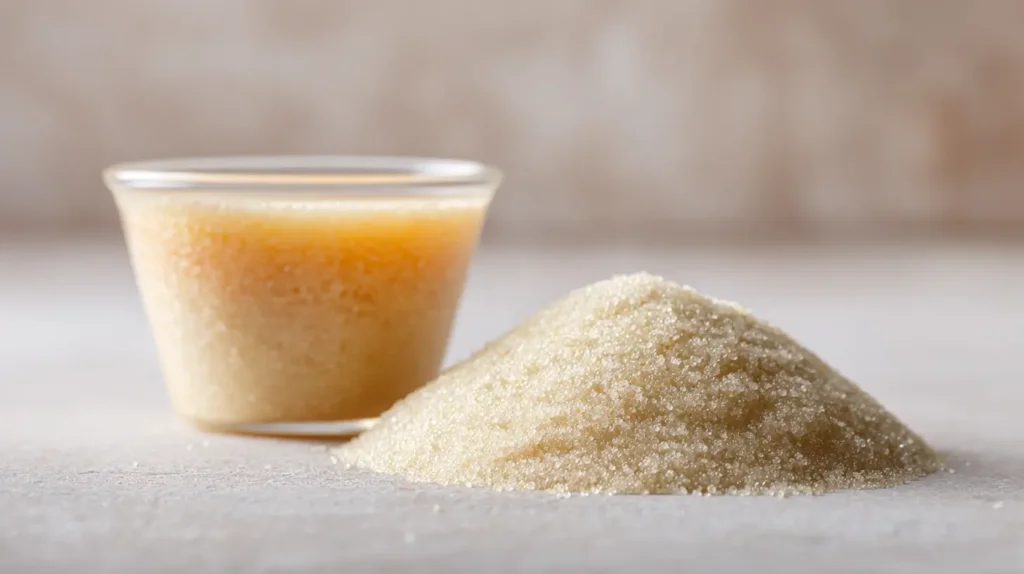
Meaning of the term in recipe contexts
In recipe content, bariatric gelatin is not a technical or regulated food term. Instead, it’s a descriptive phrase used to signal how a gelatin recipe is intended to be prepared and consumed. The word “bariatric” points to an approach that emphasizes light textures, simple ingredients, and controlled portions rather than richness or complexity.
Most of the time, the gelatin used is standard, store-bought gelatin. What makes it “bariatric” is the context of use. Recipes labeled this way are usually easy to follow, quick to prepare, and designed to fit routines where moderation and simplicity matter. This helps readers quickly identify recipes that match those expectations.
Why the word “bariatric” appears in food content
The word “bariatric” appears frequently in food and recipe content because it helps categorize recipes by intent. Content creators use it to indicate that a dish is adapted, lighter, or more mindful in its structure. Over time, the term has become part of common recipe language, especially for desserts that are simple and portion-focused.
Because of this, bariatric gelatin has become less about a strict definition and more about clear communication. It tells readers what kind of experience to expect from the recipe: uncomplicated, gentle, and easy to fit into a simplified eating routine.
How is bariatric gelatin usually prepared?

Basic preparation principles
Bariatric gelatin is usually prepared using very simple steps and minimal ingredients. The goal is not to create a complex dessert but to keep the process easy, predictable, and adaptable. Most recipes follow the same basic structure: dissolve gelatin in hot liquid, mix gently, then allow it to set in the refrigerator.
What sets bariatric gelatin apart is the focus on lightness and balance. Recipes often avoid heavy add-ins or layered components. Sweetness, when included, is kept subtle, and flavors are usually clean and straightforward. This makes the gelatin easy to portion and simple to adjust based on preference.
Another key principle is consistency. Bariatric gelatin is typically set to a soft, smooth texture rather than a firm or rubbery one. This texture aligns with the overall idea of gentle, easy-to-handle foods that don’t feel dense or overwhelming.
Common serving formats
Bariatric gelatin is most often served in small, individual portions. Single-serving cups, small bowls, or molds are commonly used to keep portions clear and controlled. This presentation makes it easier to manage quantities and keeps the dessert visually simple.
Some recipes present bariatric gelatin as plain and unadorned, while others may add light flavor variations or simple toppings. Regardless of the format, the emphasis remains on clarity and moderation, not decoration or richness. The result is a dessert that feels intentional, straightforward, and easy to enjoy.
Is bariatric gelatin different from regular gelatin?
Ingredient similarities
From an ingredient standpoint, bariatric gelatin is not different from regular gelatin. Both use the same base product, whether it’s powdered gelatin or gelatin sheets. There is no special formulation, no added processing, and no unique ingredient that makes gelatin “bariatric” on its own.
What often confuses readers is the name itself. The term does not indicate a separate category of gelatin sold in stores. Instead, it reflects how standard gelatin is used within a specific recipe style. In other words, the difference is not what’s in the package, but how the gelatin is prepared and served.
Preparation and portion differences
Where bariatric gelatin truly differs is in preparation and portioning. Recipes labeled as bariatric typically use smaller quantities, fewer mix-ins, and simpler flavor profiles. The goal is to keep the gelatin light, easy to handle, and straightforward to consume.
Portion size is another key distinction. Regular gelatin desserts are often made in large molds or shared dishes, while bariatric gelatin is usually prepared in single servings. This approach supports clarity, moderation, and ease of use. As a result, bariatric gelatin feels less like a traditional dessert and more like a deliberately simple option.
Who usually looks for bariatric gelatin recipes?

People following bariatric-friendly eating routines
One group that often searches for bariatric gelatin recipes includes people following bariatric-friendly or portion-conscious eating routines. These readers are usually looking for foods that feel light, simple, and easy to manage. Gelatin fits well into this approach because it’s flexible, straightforward, and easy to portion.
For these readers, bariatric gelatin is appealing because it aligns with routines that prioritize clarity and moderation. The recipes are predictable, easy to repeat, and don’t rely on complicated steps or heavy ingredients. That consistency makes gelatin a practical choice within structured eating habits.
People looking for lighter dessert options
Another common audience includes people who simply want lighter dessert alternatives. They may not be following any specific program, but they prefer desserts that don’t feel heavy or overly rich. Bariatric gelatin recipes often show up in searches for minimal, low-effort sweets that still feel satisfying.
For this group, the word “bariatric” signals that the recipe is likely to be simple and restrained. It suggests smaller portions, fewer ingredients, and a focus on ease rather than indulgence. As a result, bariatric gelatin attracts a broader audience than the name alone might suggest.
How does this page relate to bariatric gelatin recipes?
Role of this guide inside the recipe cluster
This page is designed to clarify the meaning of bariatric gelatin before readers move on to actual recipes. Many people land on recipe pages without fully understanding what the term implies. By explaining the concept first, this guide removes uncertainty and helps readers approach recipes with clearer expectations.
Rather than offering instructions or ingredient lists, this page focuses on context. It explains how and why the term bariatric gelatin is used in food content, how it differs from traditional dessert framing, and what kind of preparation style readers can expect. That makes it a natural starting point within a broader recipe cluster.
For practical ideas, variations, and step-by-step instructions, readers can then move confidently to the main recipe guide. Learn more about preparation ideas and serving formats in our bariatric gelatin recipes, where the concepts explained here are applied in real examples.
Disclaimer: The content in this article is for informational and
educational purposes only. It is not medical advice and does not
replace consultation with a qualified healthcare provider. Always
consult your doctor before starting any new dietary routine,
especially if you have health conditions or take medications.
Individual results may vary.
Frequently asked questions
What is bariatric gelatin made of?
Bariatric gelatin is made from the same ingredients as regular gelatin. Most recipes use standard powdered gelatin or gelatin sheets combined with water or another light liquid. There is no special “bariatric” version of gelatin as an ingredient. The term refers to how the gelatin is prepared, not what it’s made from.
In bariatric-style recipes, the ingredient list is usually kept short and simple. This helps maintain a light texture and makes the recipe easy to follow without unnecessary additions.
Is bariatric gelatin only for people after surgery?
No, bariatric gelatin is not limited to people who have had surgery. While the term originally became common in certain adapted eating contexts, it is now widely used to describe lighter, portion-controlled recipes in general.
Many people who simply prefer gentle or minimalist desserts look for bariatric gelatin recipes. The appeal comes from the simplicity and ease of the preparation, not from a medical requirement.
Can bariatric gelatin be flavored?
Yes, bariatric gelatin can be flavored in many ways. Light flavorings such as fruit-based liquids, mild extracts, or subtle sweeteners are commonly used. The key is that flavors are usually kept soft and balanced, rather than intense or heavy.
Flavor flexibility is one reason gelatin works well in this style of recipe. It allows for variety while still maintaining the overall goal of simplicity and moderation.
Conclusion
Bariatric gelatin mainly refers to a way of preparing gelatin recipes rather than a unique ingredient or product. The term is used to describe desserts that are simple, light, and portion-focused, making them easy to prepare and easy to understand. Once this distinction is clear, the phrase becomes much less confusing when seen in recipe titles or guides.
Understanding what bariatric gelatin means helps readers navigate recipe content with confidence. It sets realistic expectations and makes it easier to choose recipes that match a preference for simplicity, moderation, and clarity.
For practical ideas, variations, and step-by-step instructions, visit the main guide dedicated to real examples and preparation tips in our bariatric gelatin recipes.