
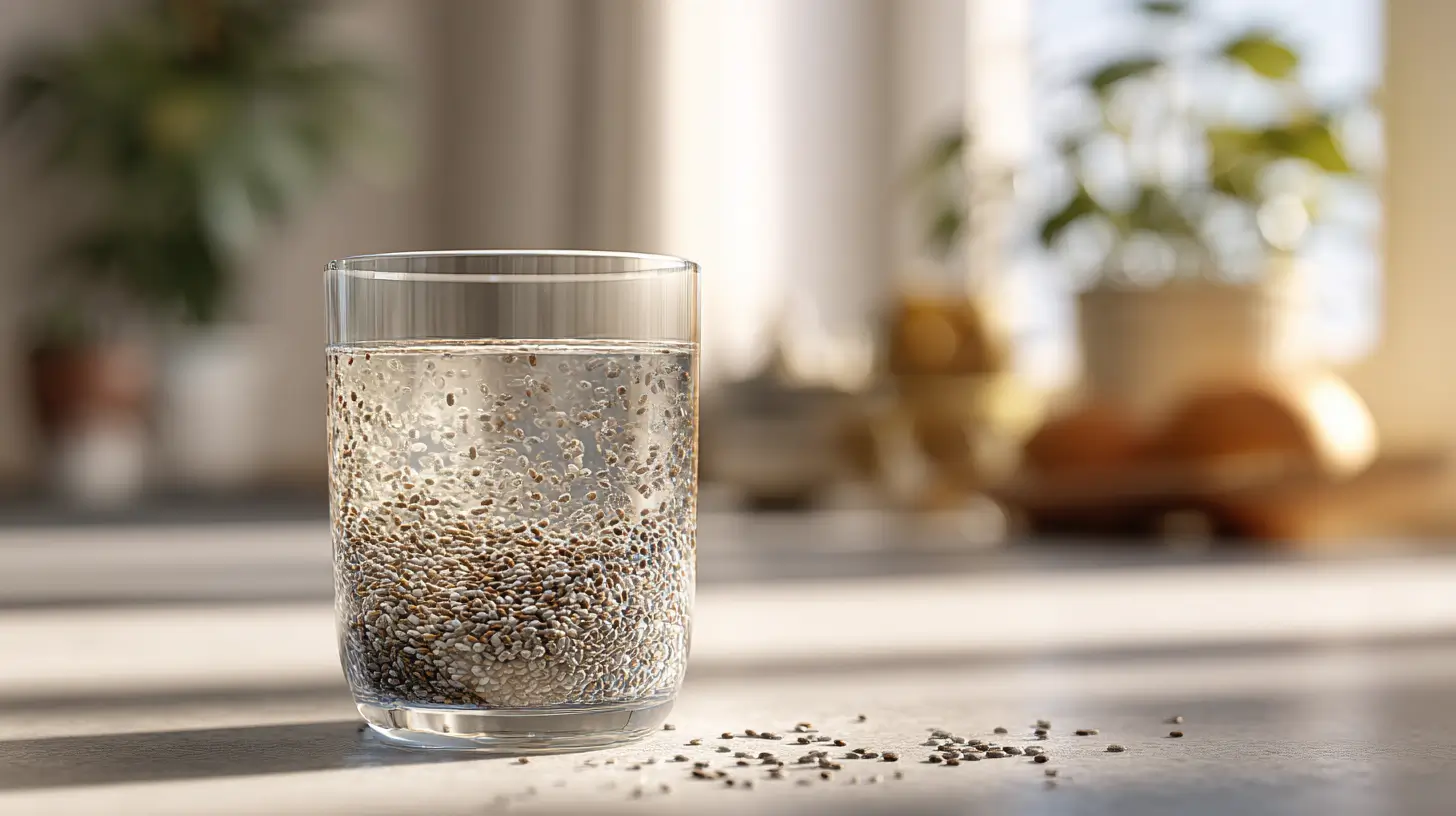
Appetite suppressing drinks are often talked about as quick fixes, yet most people searching for them are really looking for something else: a calmer, more structured way to manage hunger without extremes. Instead of pills, stimulants, or aggressive promises, these drinks usually work through simple mechanisms like volume, hydration, temperature, and timing.
In this article, we’ll take a clear, food-first look at appetite suppressing drinks—what they are, how they work, and where they genuinely fit into everyday routines. Rather than “shutting down” hunger, the focus here is on appetite awareness and control, helping you feel satisfied between meals and avoid unnecessary grazing.
Many appetite-focused drink routines are discussed today in the context of structured eating, including approaches inspired by GLP-1–friendly meal planning. For a broader overview, you can explore GLP-1 recipes for weight loss, where appetite awareness is approached through food structure rather than quick fixes.
As we move forward, you’ll see how different types of drinks compare, why some approaches are more sustainable than others, and how appetite suppressing drinks can support—not replace—a balanced eating routine.
What Are Appetite Suppressing Drinks?
Appetite suppressing drinks are beverages designed to support hunger control, not by blocking appetite, but by working with how the body naturally responds to volume, digestion, and routine. They’re often misunderstood as “shortcuts,” yet in practice, most of them rely on very ordinary food principles.
Instead of forcing appetite down, these drinks help create conditions where hunger feels calmer and more predictable. That’s an important distinction, especially for people looking for sustainable habits rather than short-lived results.
Appetite Suppression vs Appetite Management
The term appetite suppressing can be misleading. True suppression suggests eliminating hunger altogether, which isn’t realistic—or healthy—over the long term. What most drinks in this category actually do is manage appetite signals.
Appetite management focuses on:
- Reducing sudden hunger spikes
- Increasing feelings of fullness between meals
- Supporting meal timing and structure
- Slowing down eating-related decisions
In contrast, appetite suppression implies:
- Ignoring hunger cues
- Using stimulants or extreme restriction
- Relying on temporary effects
The drinks discussed in this article clearly fall into the management category. They don’t override hunger; they help smooth it out.
What These Drinks Are—and What They Are Not
Appetite suppressing drinks are usually:
- Water-based or lightly structured
- Built around fiber, protein, warmth, or volume
- Low in stimulants
- Easy to integrate into daily routines
They are not:
- Meal replacements by default
- Fat-burning solutions
- Medical treatments
- Long-term substitutes for eating
This distinction matters because expectations shape outcomes. When used as part of a structured routine, these drinks can support appetite control. When treated as magic fixes, they tend to disappoint.
Why Drinks Can Influence Hunger at All
Liquids interact with appetite differently than solid foods, but that doesn’t make them ineffective. Certain drinks influence hunger by:
- Taking up space in the stomach
- Slowing digestion when fiber or protein is present
- Creating a pause between eating decisions
- Reinforcing routine through timing and ritual
In other words, appetite suppressing drinks work best when they’re intentional, not reactive. They’re most helpful when used to support structure—between meals, before eating, or during moments when hunger is more habitual than physical.
How Appetite Signals Work (Food-First Explanation)
Appetite isn’t a switch you turn off. It’s a system built on signals that respond to volume, digestion speed, timing, and routine. Understanding this makes appetite suppressing drinks easier to evaluate—because their role isn’t to fight hunger, but to work with these signals in a predictable way.
When people struggle with constant hunger, it’s rarely about lack of discipline. More often, it’s about missing structure or misreading cues.
Hunger vs Satiety: Two Different Signals
Hunger and satiety are often treated as opposites, but they don’t work like a simple on–off button.
- Hunger is the body’s request for incoming energy or volume
- Satiety is the body’s signal that intake has been sufficient
You can be “not hungry” without feeling satisfied, and you can feel full without feeling settled. Appetite suppressing drinks typically support the transition from hunger to satiety, especially in the space between meals.
This is where drinks that add volume, warmth, or texture can help slow the process and make appetite feel less urgent.
The Role of Volume and Stomach Feedback
One of the strongest appetite signals comes from physical stretch in the stomach. Drinks that increase volume—especially when paired with fiber or thickness—can temporarily reduce hunger simply by occupying space.
This doesn’t mean “tricking” the body. It means:
- Giving the digestive system time to respond
- Reducing rapid eating decisions
- Creating a buffer before the next meal
Water alone can help, but structured drinks tend to be more effective because they last longer in the stomach.
Digestion Speed and Why Slower Feels Better
Fast digestion often leads to fast hunger rebound. Drinks that include:
- Soluble fiber
- Protein-based structure
- Thicker textures
tend to slow digestion slightly, which can make appetite feel more stable. This is why some appetite suppressing drinks are more about consistency than strength.
Slower digestion doesn’t mean heavy or uncomfortable—it simply means hunger doesn’t rush back as quickly.
Timing and Routine Matter More Than Ingredients
When appetite feels chaotic, timing is often the missing piece. Drinks used:
- Between meals
- Before a meal
- In the evening as a calming ritual
can help anchor appetite to predictable moments. Over time, this reduces impulsive snacking and reactive eating.
This idea aligns naturally with structured, food-first approaches often discussed in GLP-1–friendly eating—not as medication, but as meal rhythm and consistency. In that context, appetite suppressing drinks act as support tools, not replacements.
Types of Appetite Suppressing Drinks
Not all appetite suppressing drinks work the same way. Some rely on volume, others on structure, and some simply slow the eating process through warmth and ritual. Comparing these types side by side helps clarify what actually supports hunger control—and what tends to fade quickly.
Rather than ranking them as “stronger” or “weaker,” it’s more useful to understand how each category influences appetite signals.
Volume-Based Drinks (Fiber & Hydration)
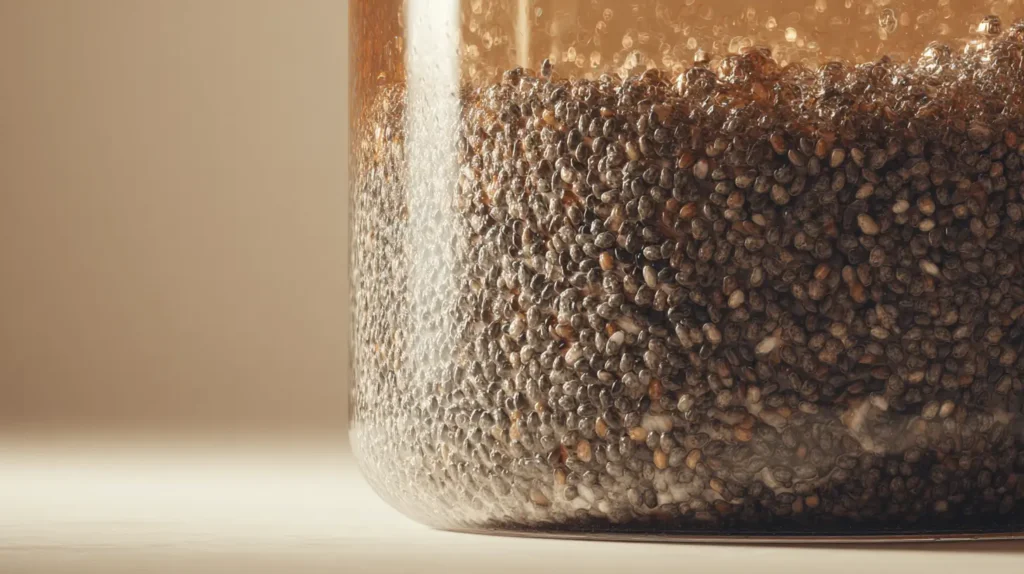
Volume-based drinks focus on one simple principle: space matters. When the stomach senses volume, hunger signals often quiet down—at least temporarily.
These drinks usually combine:
- Water or broth
- Ingredients that absorb liquid
- Texture that slows consumption
Fiber-based options are especially common because soluble fiber expands when hydrated. This creates a feeling of fullness that lasts longer than plain water.
Some appetite suppressing drinks in this category feel almost spoonable rather than drinkable, which naturally slows intake and reinforces satiety. They work best when used between meals or shortly before eating, helping reduce urgency without suppressing appetite entirely.
Protein-Focused Drinks

Protein-forward drinks influence appetite through digestion speed and satiety signaling. Protein tends to digest more slowly than simple liquids, which can help stabilize hunger between meals.
These drinks are often:
- Simple in composition
- Low in sweetness
- Used as part of a routine rather than a substitute
Unlike aggressive protein shakes, appetite suppressing drinks in this category usually prioritize light structure over high calorie content. The goal isn’t to replace a meal, but to add enough substance to make hunger feel less sharp.
Used correctly, protein-based drinks can support appetite awareness—especially during longer gaps between meals.
Warm Drinks & Appetite Awareness

Warm drinks don’t rely on fiber or protein at all. Instead, they influence appetite through pace and perception.
Warmth can:
- Slow drinking speed
- Encourage mindful pauses
- Create a sense of comfort and completion
Tea, warm water, or lightly flavored hot drinks are often used in the evening or during habitual snacking times. Their effect isn’t about fullness—it’s about interrupting automatic eating patterns.
In many routines, warm drinks act as a signal that eating is paused, helping appetite settle without force.
Why Combining Types Often Works Better
Some of the most effective appetite suppressing drinks combine more than one approach:
- Volume + warmth
- Fiber + routine
- Protein + timing
This layered strategy supports appetite in a gentler, more sustainable way. Instead of chasing intensity, it builds consistency—which is often what hunger management really needs.
Appetite Suppressing Drinks vs “Weight Loss Tricks”
Appetite suppressing drinks are often grouped together with quick weight loss tricks, but the two approaches are fundamentally different. One is built around structure and consistency. The other is built around short-term disruption.
Understanding this difference helps set realistic expectations—and prevents frustration.
Why Most “Tricks” Don’t Last
Weight loss tricks usually rely on intensity:
- Strong stimulants
- Extreme restriction
- Artificial appetite blocking
- Rapid, noticeable effects
At first, these methods can feel powerful. Hunger drops quickly, energy spikes, and results seem fast. The problem is that these effects are rarely stable. Once the trick stops working—or becomes uncomfortable—appetite often rebounds harder than before.
This cycle isn’t a failure of willpower. It’s a mismatch between how appetite systems work and how tricks attempt to control them.
How Appetite Suppressing Drinks Take a Different Path
Appetite suppressing drinks, when used correctly, don’t aim to overpower hunger. Instead, they:
- Add volume or structure
- Slow eating decisions
- Support predictable timing
- Reduce urgency rather than eliminate appetite
Because of this, their effects tend to feel subtler. There’s no dramatic “off switch.” Instead, hunger feels more manageable and less reactive.
That subtlety is often why these drinks work better long term.
Structure vs Stimulation
A useful way to compare the two approaches is to look at what they rely on:
- Tricks rely on stimulation and restriction
- Structured drinks rely on routine and physical cues
Stimulation fades. Structure compounds.
Over time, appetite suppressing drinks can become part of a rhythm—used at the same times, in the same context—making appetite easier to anticipate and respond to.
Why This Matters for Sustainable Appetite Control
Sustainable appetite control isn’t about fighting hunger. It’s about reducing chaos. When hunger shows up in predictable ways, decisions get easier and less emotional.
This is why appetite suppressing drinks fit better into long-term routines than aggressive hacks. They don’t promise fast results. They support steadier ones.
How These Drinks Fit Into GLP-1–Friendly Eating
Appetite suppressing drinks often make the most sense when viewed through the lens of structured eating, not as standalone solutions. In GLP-1–friendly approaches, the emphasis isn’t on eliminating hunger, but on creating predictable appetite patterns that make meals feel calmer and more intentional.
This is where these drinks naturally fit.
Structure Over Suppression
GLP-1–friendly eating, in a food-first sense, prioritizes:
- Consistent meal timing
- Balanced intake
- Reduced decision fatigue
- Slower eating rhythms
Appetite suppressing drinks support these goals by filling the spaces around meals, not by replacing them. Used correctly, they help reduce erratic hunger without flattening appetite altogether.
Instead of skipping meals, the focus stays on supporting the lead-up to eating.
Drinks as Complements, Not Replacements
One of the most common mistakes is using appetite suppressing drinks as meal substitutes. In GLP-1–aligned routines, that’s rarely the goal.
These drinks work best when they:
- Bridge long gaps between meals
- Set the stage before eating
- Support calm evenings or transitions
They’re complements—small tools that reinforce structure already in place.
This approach mirrors how appetite awareness is framed in broader GLP-1–friendly meal planning, where food choices and timing do most of the work.
Reducing Appetite Noise, Not Appetite Itself
Many people don’t struggle with hunger itself, but with appetite noise—the constant mental pull toward eating, even when physical hunger is low.
Appetite suppressing drinks can help quiet that noise by:
- Creating physical fullness
- Adding ritual and pause
- Supporting predictable routines
This doesn’t suppress appetite. It makes it easier to listen to.
Why This Alignment Feels More Sustainable
When appetite support tools match the body’s natural signals, they feel easier to maintain. There’s less resistance, less rebound, and less need to “start over.”
That’s why appetite suppressing drinks tend to work better as part of GLP-1–friendly eating patterns focused on structure, consistency, and awareness—not urgency.
When to Use Appetite Suppressing Drinks
Timing plays a bigger role in appetite control than most people realize. The same drink can feel helpful in one moment and ineffective in another. Appetite suppressing drinks work best when they’re used proactively, not reactively.
Instead of responding to intense hunger, they’re most effective when they support transitions in the day.
Between Meals
One of the most common uses for appetite suppressing drinks is between meals, especially when there’s a long gap.
At this point, the goal isn’t to replace food. It’s to:
- Reduce urgency
- Prevent mindless snacking
- Hold appetite steady until the next meal
Volume-based or lightly structured drinks tend to work well here, as they create a temporary sense of fullness without disrupting hunger for the upcoming meal.
Before a Meal
Using appetite suppressing drinks shortly before eating can help slow the start of a meal. This can be useful for people who tend to eat quickly or arrive at meals feeling overly hungry.
A small, structured drink before a meal may:
- Reduce overeating driven by urgency
- Encourage slower eating
- Make portion awareness easier
The key is moderation. The drink should support the meal, not compete with it.
Evening and Late-Day Use
Evening hunger is often less about physical need and more about habit, stress, or routine. Appetite suppressing drinks used at this time are usually about calm, not fullness.
Warm drinks, in particular, can:
- Signal the end of eating
- Create a soothing ritual
- Reduce late-night grazing
In this context, the benefit comes from pace and intention rather than ingredients.
Moments of Habitual Hunger
Some hunger shows up out of routine rather than need—same time, same place, same behavior. Appetite suppressing drinks can interrupt this pattern by creating a pause.
That pause is often enough to:
- Reassess hunger
- Choose whether to eat
- Shift attention without force
When used this way, these drinks support awareness rather than restriction.
Next, we’ll cover common mistakes to avoid, including why overusing appetite suppressing drinks can backfire.
Common Mistakes to Avoid
Appetite suppressing drinks can be helpful, but only when they’re used with the right expectations. Many frustrations come not from the drinks themselves, but from how they’re used. Avoiding a few common mistakes can make the difference between steady appetite support and ongoing disappointment.
Using Too Many Drinks
More isn’t better. Stacking multiple appetite suppressing drinks throughout the day can dull hunger cues and make appetite feel confusing rather than calm.
When drinks are used too often:
- Hunger signals become harder to read
- Meals feel less satisfying
- Appetite rebounds later
A few well-timed drinks tend to work better than constant sipping.
Replacing Meals Instead of Supporting Them
One of the biggest pitfalls is using appetite suppressing drinks as meal replacements. While this may reduce hunger short term, it often leads to:
- Increased cravings later
- Lower meal satisfaction
- Disrupted routines
These drinks are meant to support eating patterns, not eliminate meals. Skipping food repeatedly tends to make appetite less stable over time.
Chasing Stronger Effects
It’s easy to assume that if a drink helps a little, something stronger will help more. This often leads to adding stimulants, sweeteners, or aggressive ingredients.
The problem is that stronger effects usually fade faster. Appetite support that relies on intensity tends to be volatile, while structure-based support compounds.
Ignoring Context and Timing
The same drink can feel helpful or useless depending on when it’s used. Drinking something structured when hunger is already high may not help much, while using it earlier can make a noticeable difference.
Context matters:
- Time of day
- Proximity to meals
- Emotional state
Appetite suppressing drinks work best when they’re part of a predictable routine.
Expecting Appetite to Disappear
Finally, expecting hunger to vanish entirely sets an unrealistic goal. Hunger isn’t the enemy—it’s information.
These drinks aren’t meant to erase appetite. They’re meant to make it easier to manage.
Who Benefits Most From This Approach
Appetite suppressing drinks aren’t universal solutions, but they tend to work especially well for people who are looking for structure rather than control. The biggest benefits show up when the goal is stability, not rapid change.
Understanding who this approach fits best helps align expectations and avoid misuse.
People Seeking Predictable Routines
Those who do well with appetite suppressing drinks often value routine. They like knowing:
- When they’ll eat
- How hunger usually shows up
- What supports them between meals
For these individuals, drinks become part of a rhythm—used at similar times each day to support appetite consistency. Over time, this predictability can reduce food-related stress.
Post-Diet or Post-Restriction Eaters
After periods of dieting or restriction, appetite can feel noisy or unpredictable. Appetite suppressing drinks can help reintroduce structure without returning to rigid rules.
They’re especially useful for:
- Managing hunger between meals
- Reducing fear of overeating
- Creating gentler transitions
In this context, the goal isn’t suppression—it’s rebuilding trust in appetite signals.
People Struggling With Habitual Snacking
Some hunger is driven more by habit than by physical need. Appetite suppressing drinks can interrupt automatic snacking patterns by adding:
- Volume
- Pause
- Ritual
This makes them helpful for people who snack out of routine, boredom, or stress rather than true hunger.
Those Wanting Support Without Extremes
People who avoid stimulants, aggressive hacks, or strict plans often respond well to this approach. Appetite suppressing drinks feel low-pressure and adaptable, which makes them easier to maintain long term.
They’re not about pushing harder—they’re about smoothing edges.
Who This Approach Is Not For
These drinks may be less helpful for people who:
- Expect immediate or dramatic appetite shutdown
- Prefer highly structured meal replacements
- Are looking for medical or therapeutic interventions
For them, appetite suppressing drinks may feel too subtle.
Final Thoughts: Appetite Control Without Extremes
Appetite suppressing drinks work best when they’re understood for what they are: support tools, not solutions. They don’t eliminate hunger, override biology, or replace meals. Instead, they help shape the conditions around eating so appetite feels calmer, more predictable, and easier to respond to.
Throughout this article, one theme stays consistent—structure beats intensity. Drinks that rely on volume, warmth, protein, or routine tend to support appetite in ways that last, precisely because they don’t push too hard. They fit into daily life without demanding constant adjustment or discipline.
Used thoughtfully, appetite suppressing drinks can:
- Reduce urgency between meals
- Support steadier eating patterns
- Interrupt habitual or reactive snacking
- Reinforce calm, food-first routines
What they offer isn’t control in the strict sense. It’s breathing room—space to notice hunger, decide intentionally, and eat with less friction.
For people seeking long-term stability rather than short-term tricks, that breathing room matters. Appetite doesn’t need to be fought. It needs to be understood, supported, and guided gently.
When appetite suppressing drinks are used this way, they stop being hacks and start becoming part of a sustainable rhythm—one that prioritizes awareness, consistency, and balance over extremes.
FAQs About Appetite Suppressing Drinks
Do appetite suppressing drinks actually work?
Appetite suppressing drinks can work when the goal is appetite management, not elimination. They help reduce urgency by adding volume, slowing digestion, or creating a pause before eating. Their effect is subtle but often more sustainable than aggressive methods.
What drinks help you feel full without suppressants?
Drinks that rely on hydration, fiber, protein, or warmth tend to promote fullness naturally. These options don’t block hunger; they support satiety through physical cues like stomach volume and slower intake.
Are appetite suppressing drinks safe to use daily?
When based on simple, food-first ingredients and used in moderation, these drinks are generally suitable for daily routines. The key is using them to support meals, not replace them, and avoiding excessive reliance throughout the day.
Can drinks really reduce hunger between meals?
Yes, especially between meals. Appetite suppressing drinks can help bridge longer gaps by calming hunger signals and reducing impulsive snacking, making it easier to wait for the next planned meal.
What’s the difference between appetite control and appetite suppression?
Appetite control focuses on managing hunger signals so they feel predictable and manageable. Appetite suppression implies shutting hunger down entirely. Most drinks discussed for appetite support work through control, not suppression.
How do appetite suppressing drinks fit into structured eating routines?
They fit best as complements—used between meals, before eating, or during habitual snacking times. In structured routines, they support timing and awareness rather than acting as standalone solutions.