

Ashwagandha tea is a traditional herbal drink that has been enjoyed for generations as part of warm beverage rituals. Made by gently preparing the root of the ashwagandha plant in water, this tea is valued for its earthy flavor and comforting nature rather than for quick or stimulating effects.
In recent years, ashwagandha tea has become increasingly popular in the U.S., especially among people interested in herbal teas, traditional drinks, and simple wellness-inspired routines. Unlike supplements or concentrated products, this tea is prepared and enjoyed as food — slowly, mindfully, and often warm.
People are often curious about what ashwagandha tea actually is, how it tastes, and how it’s traditionally prepared. Some enjoy it on its own, while others blend it with familiar kitchen spices to create a more balanced flavor.
This article explores ashwagandha tea from a food and cultural perspective. You’ll learn what it is, how people traditionally make and drink it, what it tastes like, and how it fits into everyday herbal tea routines — without focusing on supplements, measurements, or medical claims.
What Is Ashwagandha?
Ashwagandha is a small shrub that has been traditionally used in food and drink preparations across parts of India, the Middle East, and North Africa. The plant is especially known for its root, which is dried and incorporated into warm beverages and other traditional recipes.
In many cultures, plants like ashwagandha were valued not as quick remedies, but as everyday ingredients that fit naturally into meals and drinks. Ashwagandha was commonly prepared slowly, often combined with warm water or spices, and enjoyed as part of a broader lifestyle centered on balance and routine.
This article focuses specifically on ashwagandha tea. For a broader introduction to the plant itself and how it is traditionally consumed, you can explore our complete ashwagandha guide.
The Ashwagandha Plant and Its Origins
The ashwagandha plant grows in dry regions and produces small green leaves, red berries, and a sturdy root system. Historically, the root became the most commonly used part in traditional preparations because of its deep flavor and ability to hold up well when simmered.
Over time, ashwagandha became associated with warm drinks prepared at home, especially during cooler parts of the day. These drinks were often simple, using just water and the root, and were consumed slowly rather than rushed.
Root, Powder, and Tea: What’s the Difference?
Ashwagandha can appear in several forms, but they’re not all used the same way:
- Whole root: Typically dried and gently simmered in water to make tea
- Powdered root: A ground version of the root, often mixed into hot water and strained
- Tea preparation: A food-based drink made at home, not a concentrated product
This article focuses only on ashwagandha tea and drink preparations. It does not cover capsules, extracts, gummies, or other non-food forms, keeping the discussion centered on traditional, kitchen-friendly uses.
What Is Ashwagandha Tea?
Ashwagandha tea is a warm herbal drink made by gently preparing the root of the ashwagandha plant in water. Unlike modern packaged teas, this drink is traditionally made at home using simple ingredients and a slow preparation method that allows the flavor to develop naturally.
At its core, ashwagandha tea is not a commercial blend or a quick infusion. Instead, it’s a traditional-style beverage that reflects how people have historically used roots and herbs in everyday drinks. The process is unhurried, and the result is a mild, earthy tea that’s meant to be enjoyed slowly.
How Ashwagandha Tea Is Traditionally Prepared
Traditionally, ashwagandha tea is made by simmering dried ashwagandha root or powder in water over low heat. This gentle preparation helps release the root’s natural flavor without overpowering the drink. Once ready, the liquid is strained and served warm.
In many households, the tea is prepared fresh rather than stored, reinforcing its role as a simple, home-based drink rather than a processed product. Some people keep the recipe plain, while others lightly adjust it with familiar kitchen ingredients for taste.
When People Usually Drink Ashwagandha Tea
Ashwagandha tea is commonly enjoyed in the evening or during quiet moments of the day. Because it contains no caffeine, it fits easily into nighttime routines or relaxed afternoons when people want a warm beverage without stimulation.
Culturally, it’s often grouped with other traditional herbal drinks that are associated with comfort, warmth, and routine. Rather than being consumed for a specific outcome, ashwagandha tea is typically enjoyed as part of a broader habit of drinking herbal teas and warm beverages.
What Does Ashwagandha Tea Taste Like?
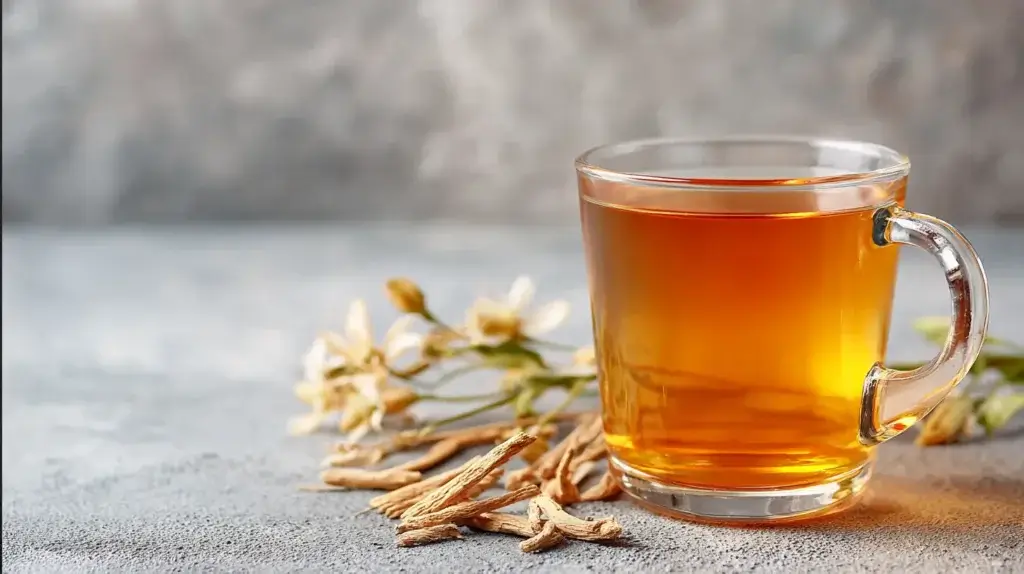
Ashwagandha tea has a flavor that many people describe as earthy and grounding. The taste comes directly from the root, which gives the tea a natural depth that’s different from floral or fruity herbal teas.
On its own, the tea has a slightly bitter edge, especially when prepared using whole root or powder without any added ingredients. However, the bitterness is usually mild and balanced by the warmth of the drink rather than sharp or unpleasant.
Flavor, Aroma, and Texture
The flavor profile of ashwagandha tea is often described as:
- Earthy and root-like
- Warm and slightly woody
- Mildly bitter, especially when plain
The aroma tends to be subtle, with a warm, herbal scent that becomes more noticeable as the tea cools. In terms of texture, the tea is typically smooth and light, though powdered versions may feel slightly thicker if not fully strained.
How the Taste Changes with Added Ingredients
Many people adjust the flavor of ashwagandha tea by blending it with familiar kitchen ingredients. Spices like cinnamon or ginger can add warmth and balance, while naturally sweet ingredients can soften the bitterness.
When combined with other herbs or spices, the earthy base of ashwagandha tea becomes more rounded and approachable. These additions don’t change the nature of the drink but allow people to tailor the taste to their personal preferences while keeping it rooted in traditional preparation methods.
How to Make Ashwagandha Tea (Traditional Method)
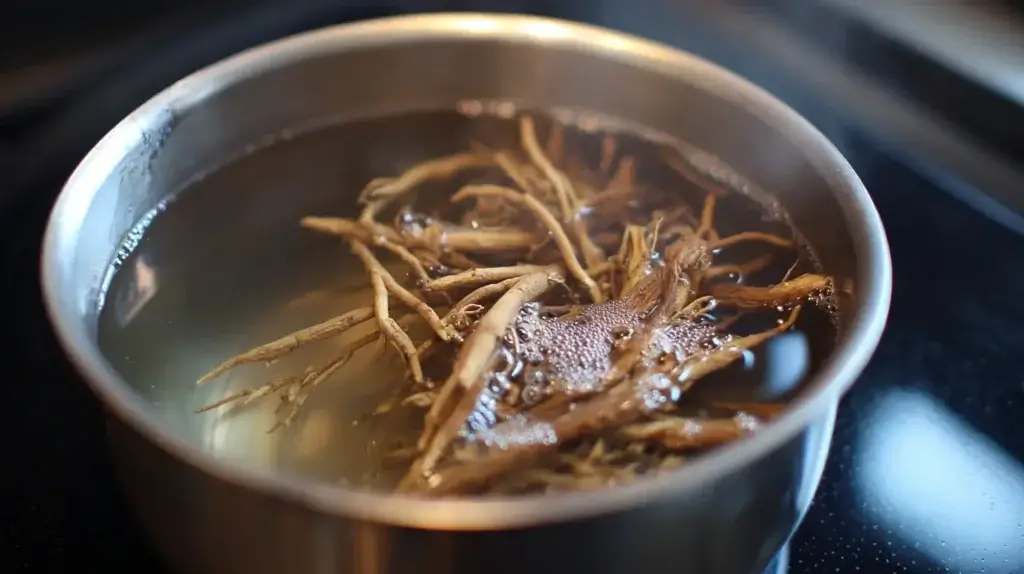
Ashwagandha tea is traditionally prepared using a slow, gentle method that reflects how root-based drinks have been made for generations. The goal isn’t speed or strength, but a warm, well-rounded flavor that’s easy to enjoy as part of a daily routine.
This preparation stays firmly in the kitchen realm — simple ingredients, no concentrates, and no focus on measurements beyond basic cooking practice.
Ingredients Used in Traditional Ashwagandha Tea
Traditional ashwagandha tea is made with just a few basic components:
- Ashwagandha root or powdered root
- Water
Some people choose to include optional, food-based additions for flavor, such as:
- Cinnamon sticks
- Fresh ginger
- Clove
- A small amount of natural sweetener
These additions are used purely for taste and comfort, not for potency or concentration.
Simple Traditional Preparation
The traditional method focuses on gentle heat rather than boiling aggressively:
- Add water to a small pot and bring it to a light simmer.
- Add the ashwagandha root or powder to the water.
- Let it simmer gently for a short period, allowing the flavor to infuse slowly.
- Strain the liquid to remove solids.
- Serve warm in a cup or mug.
The tea is usually enjoyed fresh and warm. Some people prefer to drink it plain, while others adjust the flavor with mild spices or a touch of sweetness, depending on personal preference.
Prepared this way, ashwagandha tea fits naturally into everyday cooking habits, much like other traditional herbal drinks that are made and enjoyed at home.
Print
Ashwagandha Tea: What It Is, Taste, Traditional Uses & How to Prepare It
- Total Time: 15 minutes
- Yield: 1 cup
Description
Ashwagandha tea is a traditional herbal drink made by gently simmering the ashwagandha root in water. This warm, earthy beverage is commonly enjoyed as part of calm daily routines and traditional tea rituals.
Ingredients
- Dried ashwagandha root or ground ashwagandha powder
- Water
- Optional (for flavor only):
- Cinnamon stick
- Fresh ginger slices
- Clove
- Natural sweetener (optional)
Instructions
- Add water to a small saucepan and place it over low heat.
- Once the water begins to gently simmer, add the ashwagandha root or powder.
- Allow the mixture to simmer slowly so the flavor can infuse.
- Remove from heat and strain the tea into a cup.
- Serve warm and enjoy slowly.
Notes
This tea is traditionally prepared fresh and served warm. Optional ingredients may be added to adjust flavor based on personal preference. This recipe is intended as a food-based herbal drink, not a supplement.
- Prep Time: 5 minutes
- Cook Time: 10 minutes
- Category: Beverage
- Method: Simmering
- Cuisine: Traditional
Nutrition
- Serving Size: 1 cup
- Calories: 5
- Sugar: 0 g
- Sodium: 0 mg
- Fat: 0 g
- Saturated Fat: 0 g
- Unsaturated Fat: 0 g
- Trans Fat: 0 g
- Carbohydrates: 1 g
- Fiber: 0 g
- Protein: 0 g
- Cholesterol: 0 mg
Keywords: ashwagandha tea, herbal tea, traditional herbal drink, ashwagandha drink, caffeine-free tea
Turmeric Ashwagandha Tea (Trending Combination)
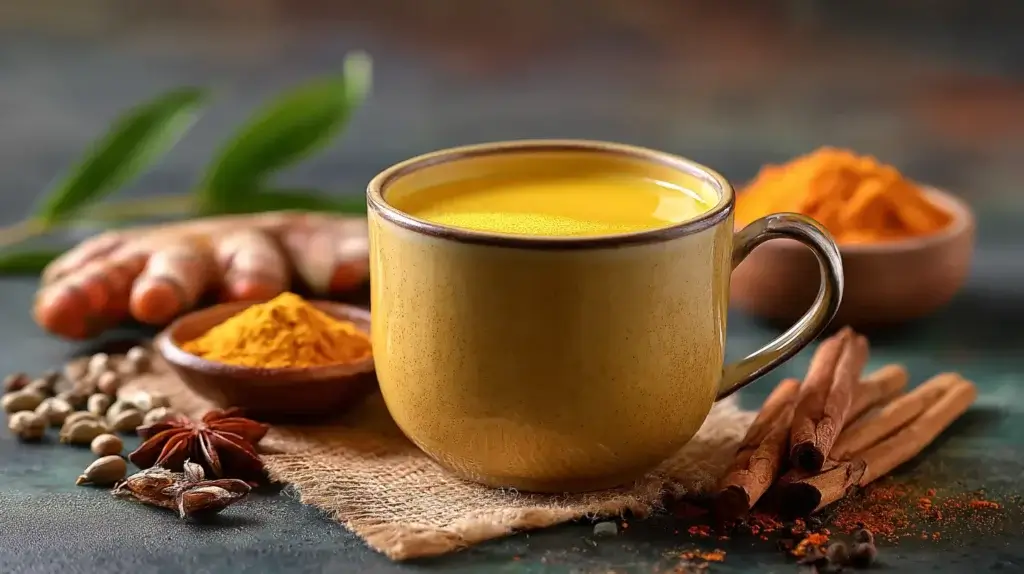
Turmeric ashwagandha tea has become a popular variation of traditional herbal drinks, especially among people who enjoy warm, spice-forward beverages. This combination brings together two roots that are commonly used in kitchens around the world, creating a drink that feels both familiar and comforting.
Rather than being a modern invention, pairing roots and spices in warm drinks reflects long-standing culinary traditions. Turmeric and ashwagandha are often included together because their flavors naturally complement each other.
Why Turmeric Is Often Paired with Ashwagandha
Ashwagandha on its own has an earthy, slightly bitter flavor. Turmeric adds a warm, mildly peppery note that helps round out the taste. When combined, the drink feels smoother and more balanced, especially when enjoyed warm.
Many people also like the visual appeal of turmeric ashwagandha tea. Turmeric gives the drink a golden color, which adds to the overall experience of drinking something warm and thoughtfully prepared.
When People Enjoy This Combination
Turmeric ashwagandha tea is often enjoyed during cooler evenings or as part of a slow morning routine. Because both ingredients are traditionally prepared in warm drinks, the combination feels natural rather than forced. <p>Turmeric and ginger are often paired together in traditional warm drinks. This is similar to other popular ginger-based recipes that combine spices for flavor and comfort.</p>
Some people keep this tea simple with just turmeric and ashwagandha, while others add familiar kitchen spices to suit their taste. However it’s prepared, the focus remains on flavor, warmth, and tradition rather than intensity or concentration.
Turmeric and ginger are often paired together in traditional warm drinks. This is similar to other popular ginger-based recipes that combine spices for flavor and comfort.
Ashwagandha Drink Variations
One of the reasons ashwagandha tea has remained popular across different cultures is its flexibility. While the traditional preparation is simple, many people enjoy adapting the drink by adding other familiar herbs and spices to suit their taste.
These variations don’t replace the classic tea. Instead, they build on its earthy base and allow people to enjoy it in slightly different ways, depending on the season or personal preference.
Some people enjoy blending ashwagandha tea with warming spices like clove. If you’re curious about how clove is traditionally used in herbal drinks, this clove tea guide offers a helpful overview.
Popular Ashwagandha Tea Combinations
Ashwagandha tea is often blended with other kitchen-friendly ingredients, such as:
- Ginger: Adds warmth and a gentle spicy note
- Cinnamon: Brings a subtle sweetness and comforting aroma
- Chamomile: Softens the earthy flavor and creates a mild, floral balance
Each combination keeps the drink grounded in traditional herbal tea culture while offering a slightly different taste experience.
Warm vs. Lightly Cooled Versions
Ashwagandha tea is most commonly enjoyed warm, especially in the evening or during cooler months. However, some people allow the tea to cool slightly before drinking, which can soften the bitterness and make the flavor more subtle.
Lightly cooled versions are still prepared the same way but served at a lower temperature. This approach is often preferred by those who enjoy herbal teas but want a gentler taste without additional ingredients.
No matter the variation, ashwagandha tea remains a simple, adaptable drink that fits easily into everyday routines.
Ashwagandha Tea Benefits (Explained Carefully)
Ashwagandha tea is often included in traditional drink routines because of how it fits into a calm, balanced lifestyle. Rather than being consumed for quick or targeted effects, it has historically been enjoyed as part of everyday habits centered on warmth, comfort, and consistency.
When people talk about the benefits of ashwagandha tea, they’re usually referring to traditional associations and general wellness perceptions, not medical outcomes or specific results.
Traditionally Associated With Relaxed Routines
In many cultures, warm herbal teas are closely tied to moments of rest. Ashwagandha tea is commonly prepared in the evening or during quiet parts of the day, which naturally links it with relaxation rituals.
The act of slowly preparing and sipping the tea plays an important role. Like many traditional drinks, its value comes as much from the routine as from the ingredients themselves.
Commonly Included in Wellness-Inspired Lifestyles
Ashwagandha tea is often mentioned alongside other herbal drinks that people include in wellness-focused routines. These routines may involve:
- Taking time to unwind
- Choosing warm, caffeine-free beverages
- Creating simple daily rituals
Rather than being viewed as a solution or treatment, the tea is usually enjoyed as one small part of a broader lifestyle that values balance, simplicity, and mindful eating and drinking.
Throughout history, herbal teas like ashwagandha tea have been appreciated not for dramatic effects, but for how naturally they fit into everyday life as comforting, familiar drinks.
Ashwagandha Tea for Women: Traditional Wellness Uses
Across many cultures, herbal teas have long been part of daily routines for women, especially as warm drinks enjoyed during quiet or reflective moments. Ashwagandha tea is often included in these routines not as a remedy, but as a comforting beverage that fits naturally into everyday life.
Rather than being tied to specific outcomes, ashwagandha tea is traditionally enjoyed for its warmth, flavor, and role in creating small moments of pause throughout the day.
Herbal Teas and Everyday Rituals
For generations, women have incorporated herbal teas into evening wind-down rituals or calm breaks between daily activities. Preparing a warm cup of tea can be as much about the experience as the drink itself — boiling water, waiting patiently, and sipping slowly.
Ashwagandha tea fits easily into these traditions. Its earthy taste and caffeine-free nature make it suitable for relaxed routines, especially later in the day when lighter, soothing drinks are preferred.
A Food-Based, Non-Medical Perspective
From a food and lifestyle standpoint, ashwagandha tea is simply another option among many traditional herbal drinks. Women who enjoy herbal teas often rotate between different flavors and ingredients depending on mood, season, or personal taste.
In this context, ashwagandha tea isn’t treated differently from other herbal beverages. It’s prepared in the kitchen, enjoyed in moderation, and appreciated for how it complements a balanced, thoughtful approach to everyday eating and drinking.
Many people include herbal teas like chamomile as part of a relaxing evening routine. Ashwagandha tea is often compared to these traditional nighttime drinks in terms of how it fits into daily rituals. Learn more in our chamomile tea guide.
Ashwagandha Tea vs Other Herbal Teas
Ashwagandha tea is often compared to other popular herbal teas, especially by people who enjoy exploring different flavors and traditional drinks. While each herbal tea has its own character, they all share a common role as warm, caffeine-free beverages that fit into daily routines.
The main differences usually come down to taste, aroma, and when people prefer to drink them, rather than how they’re prepared.
For example, hibiscus tea is known for its bright, tangy flavor and is often enjoyed as a refreshing herbal drink. You can learn more about its traditional uses and taste profile in our guide to hibiscus tea.
Comparing Taste and Flavor Profiles
Ashwagandha tea has a distinctly earthy and root-forward flavor. It’s deeper and more grounding than many floral or fruity herbal teas.
By comparison:
- Hibiscus tea is bright, tangy, and slightly tart
- Chamomile tea is mild, floral, and gently sweet
- Ginger tea is warm, spicy, and sharp
Each of these teas appeals to different preferences. Some people enjoy rotating between them depending on mood or time of day.
When People Typically Drink These Teas
Ashwagandha tea is most often enjoyed in the evening or during calm moments because of its warm, grounding nature. Chamomile is also commonly associated with nighttime routines, while ginger tea may be enjoyed earlier in the day or after meals.
Hibiscus tea, on the other hand, is frequently served warm or chilled and is often chosen for its refreshing taste rather than its warmth.
Ultimately, ashwagandha tea stands out for its earthy flavor and traditional root-based preparation, making it a unique option among the wide variety of herbal teas people enjoy at home.
Is Ashwagandha Tea the Same as Supplements?
Ashwagandha tea is very different from ashwagandha supplements, even though they come from the same plant. The key difference lies in how they’re prepared, how they’re used, and the role they play in everyday life.
This article focuses only on ashwagandha tea as a food-based drink, not on capsules, extracts, or concentrated products.
Tea vs Capsules, Powders, and Gummies
Ashwagandha tea is prepared in the kitchen using water and the root or powdered root. It’s made slowly, consumed as a warm beverage, and enjoyed much like other herbal teas.
Supplements, on the other hand, are manufactured products designed to be taken in specific amounts. They often come in forms such as:
- Capsules
- Gummies
- Extracts
These products are typically used with different intentions and fall outside the scope of food and beverage traditions.
A Clear Food & Drink Focus
When people choose ashwagandha tea, they’re usually looking for a warm, comforting drink rather than a concentrated product. The tea fits naturally into meals, evening routines, or moments of relaxation.
By keeping the focus on tea, this guide stays aligned with traditional food practices and avoids discussions around measurements, potency, or medical use. Ashwagandha tea is best understood as part of a broader world of herbal drinks enjoyed for flavor, warmth, and routine.
Frequently Asked Questions About Ashwagandha Tea
Is ashwagandha tea caffeinated?
No, ashwagandha tea is naturally caffeine-free. Since it’s made from the root of the ashwagandha plant and not from tea leaves, it doesn’t contain caffeine. This is one reason many people enjoy it in the evening or during relaxed moments of the day.
Can you drink ashwagandha tea daily?
From a food-based perspective, many people include ashwagandha tea as part of their regular herbal tea rotation. Like other traditional herbal drinks, it’s typically enjoyed in moderation and as part of a varied routine rather than consumed exclusively.
Is ashwagandha tea bitter?
Ashwagandha tea does have a slightly bitter, earthy taste, especially when prepared plain. However, the bitterness is usually mild. Many people soften the flavor by adding familiar kitchen ingredients like cinnamon, ginger, or a touch of natural sweetness.
When do people usually drink ashwagandha tea?
Ashwagandha tea is most commonly enjoyed in the evening or during quiet parts of the day. Because it’s warm and caffeine-free, it fits well into nighttime routines or moments when people want a comforting herbal drink without stimulation.
Conclusion
Ashwagandha tea is a traditional herbal drink that continues to appeal to people who enjoy simple, warm beverages made at home. Prepared from the ashwagandha root and water, it offers an earthy flavor and a comforting experience that fits naturally into everyday routines.
Its growing popularity in the U.S. reflects a broader interest in herbal teas and traditional drinks that emphasize flavor, warmth, and mindful preparation. Whether enjoyed plain or blended with familiar spices, ashwagandha tea remains rooted in food culture rather than supplements or concentrated products.
If you enjoy learning about traditional herbal drinks, you may also like exploring other recipes such as jamu juice, which is another popular wellness-inspired beverage made with roots and spices.
For those who enjoy exploring herbal beverages, ashwagandha tea is just one option among many. Each traditional drink brings its own taste and cultural background, offering new ways to enjoy warm, kitchen-made refreshments. <p>If you enjoy learning about traditional herbal drinks, you may also like exploring other recipes such as jamu juice, which is another popular wellness-inspired beverage made with roots and spices.</p>