
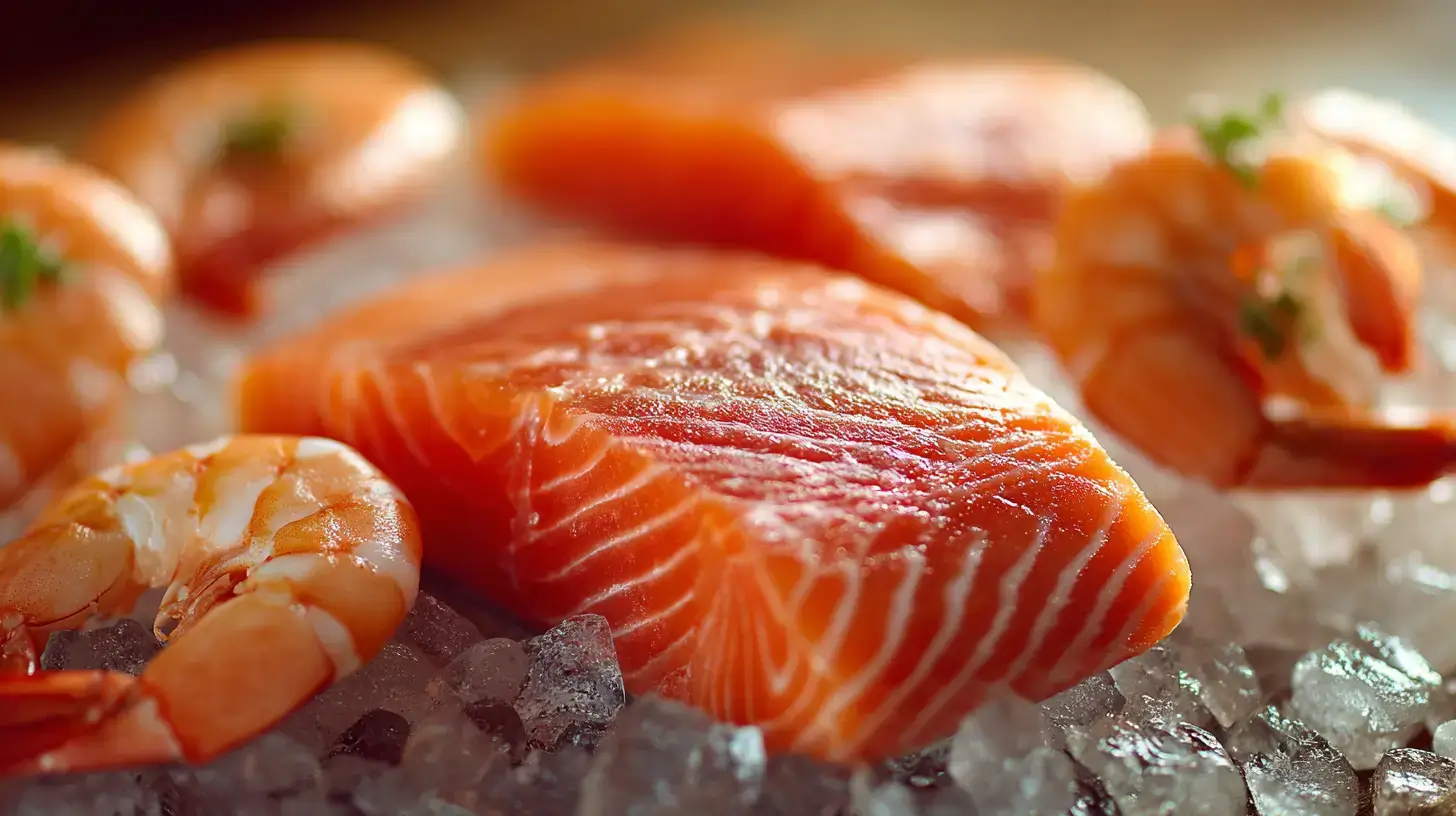
Astaxanthin foods are easy to recognize once you know what to look for. That eye-catching pink or red color in salmon, shrimp, lobster, and crab doesn’t come from seasoning or cooking tricks—it comes from a natural food pigment found in the ocean.
Astaxanthin is responsible for many of the vibrant colors seen in seafood. It’s part of a group of natural pigments that develop through the marine food chain, starting with microscopic algae and moving up to fish and shellfish. As a result, foods rich in astaxanthin stand out visually, both raw and cooked.
In this article, you’ll learn what foods contain astaxanthin, why salmon is pink, why shrimp change color when cooked, and how heat affects the appearance of astaxanthin-rich seafood. We’ll focus purely on food science and natural color—no supplements, no nutrition claims—just a clear explanation of how nature colors some of our most popular seafood.
What Is Astaxanthin?
Astaxanthin is a natural pigment found in certain foods, especially seafood. It belongs to a group of color compounds that give plants and animals their red, orange, or pink shades. In foods, astaxanthin’s role is simple and visible—it provides color.
In the ocean, astaxanthin is produced by tiny algae and microorganisms. These organisms are eaten by small marine animals, which are then eaten by larger fish and shellfish. Over time, the pigment moves up the food chain and becomes part of the seafood we see at markets and on our plates.
What makes astaxanthin foods stand out is how clearly the pigment shows itself. Salmon, shrimp, lobster, and crab owe much of their distinctive appearance to this natural coloring. Unlike artificial dyes, astaxanthin develops naturally through diet and environment, which is why its presence varies between species and even between wild and farmed seafood.
Most importantly, astaxanthin is discussed here strictly as a food pigment. It explains why some seafood is pink or red while other fish remain white or pale. Understanding what astaxanthin is helps make sense of seafood color, cooking changes, and the visual differences you notice at the fish counter.
Foods That Naturally Contain Astaxanthin
Astaxanthin appears naturally in a small but well-defined group of foods, most of them coming from marine environments. Unlike many other food pigments that are widespread in fruits and vegetables, astaxanthin is closely tied to ocean life and the way marine species feed.
Foods rich in astaxanthin get their color through a natural process rather than from cooking, processing, or added dyes. The pigment originates in microscopic algae and plankton. When these organisms are eaten by marine animals, astaxanthin accumulates in their bodies and becomes visible in their flesh or shells.
This is why astaxanthin foods are mostly seafood. Fish and shellfish that feed directly or indirectly on algae tend to show pink, red, or orange coloring. The deeper and more consistent the exposure in their diet, the more noticeable the color becomes.
Another key point is that astaxanthin is not evenly distributed across all seafood. Many popular fish, such as cod, haddock, or tilapia, remain white because their diets do not include astaxanthin-producing organisms. In contrast, species like salmon and shrimp are well known for their distinctive color because of what they eat in the wild.
Understanding which foods contain astaxanthin makes it easier to see seafood color as a natural signal of diet and environment rather than a result of cooking or preparation methods.
Astaxanthin in Salmon
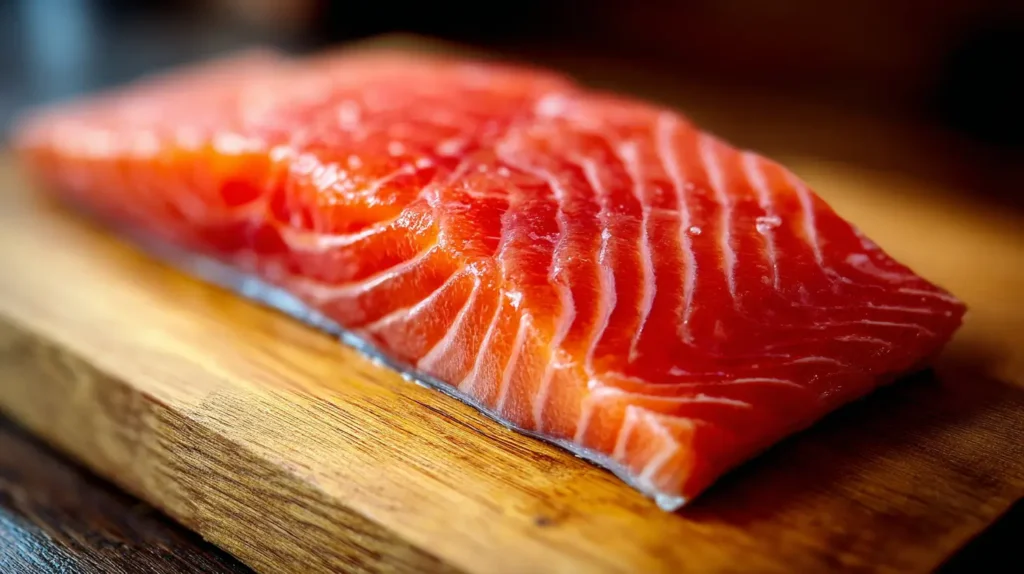
Salmon is one of the most recognizable astaxanthin foods, mainly because of its pink to reddish flesh. This color is not natural to all fish—it’s the direct result of astaxanthin in salmon’s diet.
Why Salmon Is Pink
In the wild, salmon feed on small marine organisms such as krill and plankton that already contain astaxanthin. As salmon consume these foods over time, the pigment builds up in their muscle tissue. This gradual accumulation is what gives wild salmon their characteristic pink or red color.
Without astaxanthin in their diet, salmon would have pale or grayish flesh, similar to many white fish. The color, therefore, is a visual clue tied directly to what the fish eats rather than to the species alone.
Wild vs. Farmed Salmon Color Differences
Wild salmon usually show deeper, more varied shades of pink or red. That’s because their natural diet consistently includes astaxanthin-rich organisms. Farmed salmon, on the other hand, may display lighter or more uniform coloring, depending on what they are fed.
This difference in appearance is one of the reasons consumers often notice color variation at seafood counters. The shade does not come from cooking or processing—it reflects diet and environment.
How Diet Affects Salmon Color
The more astaxanthin present in a salmon’s food, the stronger the color tends to be. When the diet changes, the color changes too. This makes salmon an easy example of how natural food pigments move through the marine food chain and end up on our plates.
Astaxanthin in salmon is a clear reminder that food color often starts long before cooking—right at the source of what the animal eats.
Astaxanthin in Shrimp, Lobster, and Crab
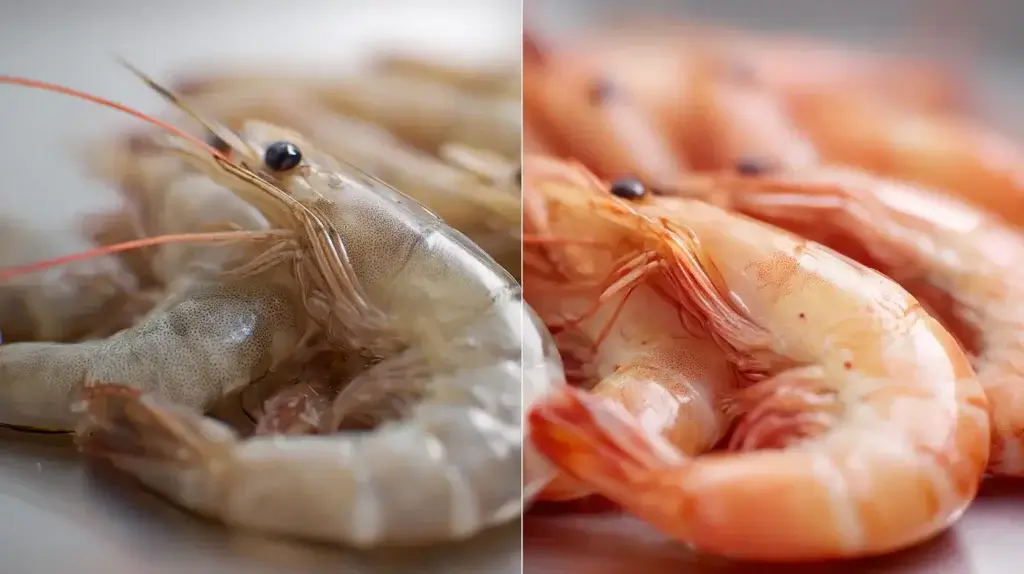
Shrimp, lobster, and crab are classic examples of astaxanthin foods, especially because their color changes so dramatically during cooking. While they may look dull, gray, or bluish when raw, the pink and red tones appear once heat is applied.
Astaxanthin in Shrimp and Shellfish
In raw shrimp, astaxanthin is already present, but it’s bound to proteins in the shell and flesh. This binding masks the bright color, making raw shrimp appear translucent or gray. The pigment itself is there—it’s just not visible yet.
Shellfish such as lobster and crab also contain astaxanthin in their shells. Before cooking, the pigment is hidden behind darker tones that dominate the shell’s appearance.
Why Shrimp Turn Pink When Cooked
When shrimp are cooked, heat causes the proteins holding astaxanthin to break down. Once those proteins loosen, the pigment is released and its natural pink or orange color becomes visible. This is why shrimp change color so quickly and evenly during cooking.
The same process explains why overcooked shrimp can look intensely pink but lose their appealing texture.
Why Lobster and Crab Change Color During Cooking
Lobster and crab shells undergo a similar transformation. Heat disrupts the protein structure in the shell, allowing astaxanthin to show through as a bright red color. This is why lobsters turn red almost instantly when placed in boiling water.
These color changes are purely physical reactions to heat, not signs of added coloring or seasoning. They highlight how astaxanthin behaves naturally in seafood.
Why Is Salmon Pink but Other Fish Are White?
The difference between pink fish and white fish comes down to diet and natural pigments, not cooking methods or species alone. Astaxanthin plays a key role in this contrast.
The Ocean Food Chain: From Algae to Seafood
Astaxanthin starts at the very bottom of the marine food chain. Microscopic algae and plankton produce this natural pigment. Small marine animals eat the algae, larger fish eat those animals, and the pigment moves upward with each step.
Salmon are part of this chain. By feeding on astaxanthin-containing organisms like krill, they naturally accumulate the pigment in their flesh. Over time, this creates the pink or red color people associate with salmon.
Why White Fish Don’t Have the Same Color
White fish such as cod, haddock, pollock, or flounder eat different types of food that don’t contain astaxanthin. Since the pigment never enters their diet, their flesh remains white or pale even after cooking.
This explains why two fish living in similar waters can look completely different once they’re on your plate.
Natural Pigments vs. No Pigments
Fish that consume pigment-rich foods tend to show color. Fish that don’t, don’t. It’s that simple. The presence or absence of astaxanthin determines whether a fish develops pink tones or stays white throughout its life.
Understanding this difference helps explain seafood color as a natural outcome of environment and feeding habits—not something added later in the kitchen.
Does Cooking Change the Color of Astaxanthin-Rich Foods?
Yes, cooking plays a major role in how astaxanthin foods look on the plate. While the pigment is already present in raw seafood, heat changes how visible that color becomes.
What Happens to Astaxanthin During Cooking
In raw seafood, astaxanthin is often bound to proteins. These protein structures can dull or hide the pigment, making raw fish or shellfish look gray, blue, or muted. When heat is applied, the proteins begin to break apart and unfold.
As this happens, astaxanthin is released from its protein bonds. Once free, its natural pink, red, or orange color becomes much more noticeable. This is why cooked seafood often looks brighter and more vibrant than when it was raw.
Shellfish such as crab are also used in creative dishes like this savory crab brulee recipe, where their natural color and texture stand out after cooking.
Why Heat Makes Seafood Colors Brighter
Heat doesn’t add color—it reveals it. The brighter appearance of shrimp, lobster, and crab after cooking is simply astaxanthin becoming visible. This reaction happens quickly, which is why color change is one of the first signs that seafood is cooking.
Fish like salmon also deepen in color as they cook, although the change is usually more subtle than in shellfish.
Raw vs. Cooked Color Differences
Raw astaxanthin-rich foods tend to look dull or translucent. Cooked versions appear opaque and colorful. This contrast helps explain why seafood displays such dramatic visual changes from preparation to plate.
Color change is a natural physical reaction, not an indicator of seasoning, flavor, or added ingredients.
How to Cook Astaxanthin-Rich Seafood
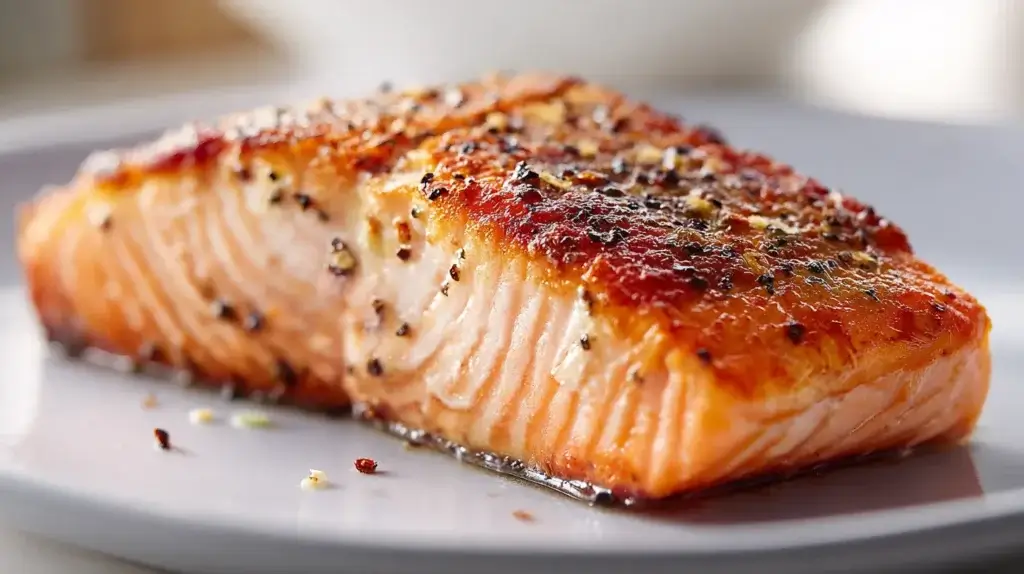
Cooking methods can influence how appealing the natural color of astaxanthin foods appears. While heat reveals the pigment, the way seafood is cooked affects brightness, texture, and overall presentation.
Baking, Grilling, and Pan-Searing Seafood
Baking is a gentle method that allows astaxanthin-rich seafood, especially salmon, to develop an even color without excessive drying. Grilling adds surface heat, which can deepen color quickly and create contrast on the outside while keeping the inside moist.
Pan-searing produces strong visual results, particularly for salmon fillets and shrimp. Direct contact with heat helps bring out rich pink and orange tones, but timing is important to avoid overcooking.
If you enjoy cooking seafood at home, these natural pigments are best appreciated in simple preparations, such as baked or grilled fish found in our seafood recipes.
Tips to Avoid Dull or Dry Color
Overcooking can cause seafood to lose moisture, which may make colors look flat or chalky. Cooking just until opaque helps preserve both texture and appearance. Using moderate heat rather than extreme temperatures also prevents uneven color changes.
Turning seafood only once during cooking helps maintain a clean, consistent look.
Seasonings That Highlight Natural Color
Simple seasonings work best with astaxanthin foods. Salt, pepper, lemon, and light herbs allow the natural pink and red tones to stand out. Heavy coatings or dark sauces can mask the visual impact of the pigment.
The goal is to let astaxanthin’s natural color remain the focal point on the plate.
Astaxanthin vs Other Natural Food Pigments
Astaxanthin is just one of many natural pigments found in foods, but it behaves differently from others you may already recognize. Comparing it to common food pigments helps explain why seafood colors stand out so clearly.
Astaxanthin vs Beta-Carotene
Beta-carotene is a natural pigment found mainly in fruits and vegetables such as carrots, sweet potatoes, and squash. It gives foods an orange or yellow color and comes from land-based plants.
Astaxanthin, by contrast, is most visible in marine foods. While both pigments create warm tones, astaxanthin produces deeper pinks and reds, especially in seafood. The source of the pigment—ocean algae rather than plants—is what sets it apart visually.
Astaxanthin vs Chlorophyll
Chlorophyll is the green pigment found in leafy vegetables and plants. It plays a role in photosynthesis and gives foods like spinach and parsley their green color.
Astaxanthin works very differently. Instead of green tones, it produces red and pink shades, and instead of appearing in leaves, it shows up in fish and shellfish through the marine food chain.
Why Seafood Pigments Are Unique
Seafood pigments are shaped by ocean ecosystems, diet, and heat reactions during cooking. Astaxanthin’s ability to stay hidden when raw and become vibrant when cooked makes it especially distinctive among food pigments.
This uniqueness is why astaxanthin foods are often associated with dramatic color changes and visual appeal, unlike many plant-based pigments that look similar before and after cooking.
Frequently Asked Questions About Astaxanthin Foods
What foods naturally contain astaxanthin?
Astaxanthin is found mainly in seafood. The most common astaxanthin foods include salmon, shrimp, lobster, and crab. These foods get their color from a natural pigment that originates in marine algae and moves up the ocean food chain.
Why does salmon have a pink color?
Salmon are pink because they eat organisms that contain astaxanthin, such as krill and plankton. Over time, the pigment builds up in the salmon’s flesh, giving it a pink or red appearance. Without astaxanthin in their diet, salmon would be pale like many white fish.
Does cooking seafood change its color?
Yes, cooking makes the color more visible. Heat breaks down proteins that hide astaxanthin in raw seafood. Once those proteins loosen, the pigment is released, causing shrimp to turn pink and lobster to turn red during cooking.
Is astaxanthin found only in seafood?
Astaxanthin is mostly associated with seafood, but it begins in microscopic algae. While algae produce the pigment, people typically encounter astaxanthin through marine foods that eat those algae rather than through plants or land animals.
Conclusion
Astaxanthin foods stand out because of their natural color, not because of added dyes or cooking tricks. From salmon and shrimp to lobster and crab, the pink and red tones you see in these foods come from a pigment that begins in ocean algae and moves through the marine food chain.
Understanding astaxanthin as a natural food pigment makes seafood color easier to appreciate. It explains why salmon is pink, why shrimp turn pink when cooked, and why some fish remain white no matter how they’re prepared. Cooking doesn’t create these colors—it simply reveals what’s already there.
Understanding how natural pigments influence the look of food can also help explain why certain dishes taste and appear more appealing, as explored in our guide on how ingredients affect flavor and appearance.
By focusing on how astaxanthin works in foods, you can start to see seafood color as part of nature’s design. The next time you’re cooking or choosing seafood, those vibrant hues tell a story about diet, environment, and the natural pigments found in the ocean.