
Birria is a Mexican meat dish closely associated with Jalisco, made with chiles, spices and slow cooking. Goat is a traditional choice, while beef is also widely used. Birria tacos put the cooked meat into tortillas; quesabirria adds melted cheese. The seasoned cooking broth is commonly called consommé and can be served alongside the meat or tacos.

If you are trying birria for the first time, the most useful questions are which meat is used, how spicy the preparation is, whether cheese is included, and whether broth comes with the order. The answers vary by cook and restaurant; the name alone does not tell you every ingredient.
Ready to cook? Use our birria tacos recipe with ingredients and step-by-step directions. You will find measured ingredients, cooking times and directions for making the filling, broth and tacos at home.
Jump to: Birria meat · Birria vs tacos vs quesabirria · Flavor and heat · Consommé · Make birria tacos.
What Is Birria?
Birria is the seasoned meat preparation itself, not just the crispy taco photographed with a dipping cup. It can be served as meat with broth, as a soup-like dish, or as a taco filling. Slow cooking brings the meat to a tender texture, while the chiles and aromatics create a distinctive savory sauce or broth.
The dish is strongly linked with Jalisco, where birria de chivo means goat birria. There is no single ingredient list that represents every household or region. Meat, chile blends, cooking vessels and serving styles differ, so it is more useful to understand the basic components than to judge every variation against one recipe.
Beef versions are often called birria de res. Lamb or mutton can also be used. A restaurant serving beef birria is not necessarily offering goat, and a taco containing birria is not necessarily filled with cheese. Ask when the distinction matters to you.
Birria, Birria Tacos and Quesabirria at a Glance
| Term | What it describes | Is cheese required? |
|---|---|---|
| Birria | The seasoned cooked meat preparation, often served with broth | No |
| Birria tacos | Tortillas filled with birria meat, with different finishing styles | No |
| Quesabirria | Birria with melted cheese in a tortilla preparation | Yes, cheese defines the style |
| Birria consommé | The seasoned cooking broth, served with meat or for dipping | No |
These terms describe related foods rather than interchangeable names for one exact plate. A menu may use quesabirria for a cheese-filled taco, a larger folded tortilla, or another local presentation. The ingredient distinction is more useful than assuming every restaurant uses the same shape.
What Meat Is Birria Made From?
Birria meat is the meat used to make birria, not a specific animal or cut. Goat is a traditional choice closely associated with Jalisco; beef birria is called birria de res. For a shredded beef filling, chuck and short ribs are common braising choices. Cooks may use one cut or combine cuts with different amounts of fat and connective tissue.
For beef, chuck and short ribs are examples of cuts suited to a long, gentle braise. The important cooking outcome is tenderness: meat should pull apart easily rather than remain chewy. A lean steak intended for quick searing does not behave the same way as a braising cut.
Bone-in meat can contribute body and flavor to the cooking liquid, but bones should be removed before serving a shredded filling. Fat content, cut size and cooking equipment affect the finished texture and time. The label beef birria does not identify a specific cut or guarantee a fixed cooking time.
Chicken versions are adaptations that use a different protein and need a different cooking approach. They should not be assigned the same timetable as goat or beef. If ordering or following a recipe, identify the meat first rather than assuming that every birria dish cooks identically.
What Does Birria Taste Like?
Birria is usually savory, chile-forward and aromatic, with flavor from the meat, dried chiles and spices. Some versions have earthy or lightly smoky notes. Garlic, onion, oregano, cumin, cloves or cinnamon may appear in a recipe, but not every cook uses all of them.
The broth and meat should work together. Tender meat supplies a rich base, while the chile preparation adds color and depth. Lime, onion, cilantro and salsa can change the impression of each bite, adding freshness, acidity or extra heat at the table.
Birria is not defined by extreme spiciness. A deep red broth may have a mild chile profile, and a paler-looking salsa can still be hot. If you prefer less heat, ask about the chile blend and keep optional hot salsa on the side. Color alone is an unreliable guide.
What Are Birria Tacos Made Of?
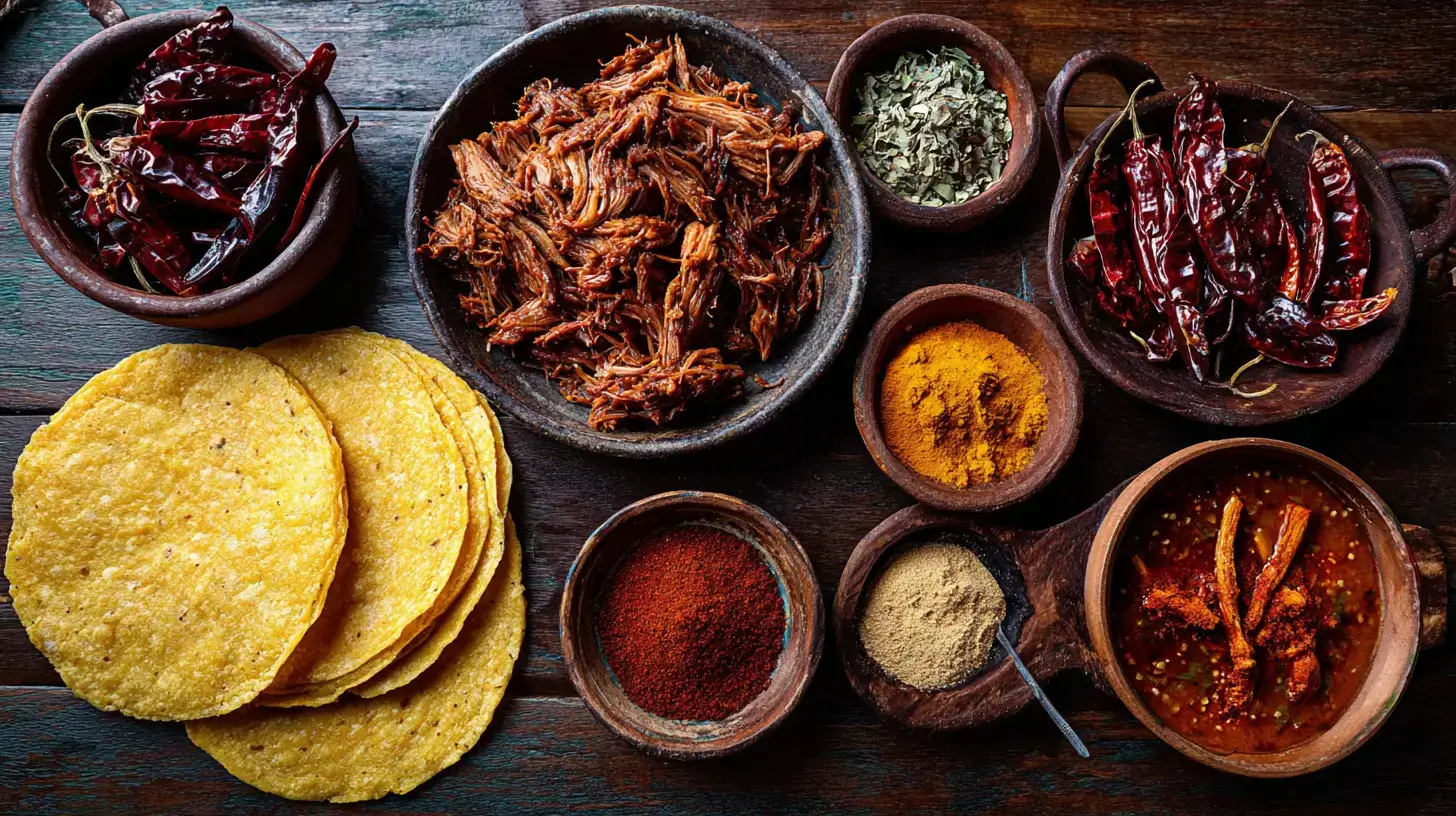
The core is cooked birria meat plus tortillas. Many versions use corn tortillas, though menus and home recipes may offer other choices. A taco can be soft, griddled or crisp depending on the preparation; crispy finishing is common but should not be presented as a universal requirement.
Dried chiles form an important part of many birria preparations. Guajillo and ancho are common examples, while hotter chiles may be added in smaller amounts. A cook may toast or hydrate them and blend them with aromatics before combining the chile mixture with the meat.
Typical accompaniments include diced onion, cilantro, lime and salsa. Cheese is optional for a birria taco and central to the quesabirria style. When cheese is included, the quantity and variety affect both flavor and how the tortilla folds and crisps.
Broth can be part of the serving, but it is worth confirming whether it comes with a taco order or is sold separately. A photo showing a dipping bowl does not guarantee that every menu item includes one. The same is true of rice, beans and other sides.
How Is Birria Made?
Birria preparation usually begins with a chile mixture and meat chosen for the cooking method. Depending on the recipe, the meat may be marinated, braised, roasted in a covered vessel, or cooked using another slow method. The exact quantities and timing belong to a recipe for the particular cut and equipment.
As the meat cooks, the liquid takes on flavors from the chiles, spices, aromatics and meat. Tenderness is more useful than the clock alone when checking a braised filling. Meat that is still difficult to shred may need more time and appropriate moisture, rather than being pulled out solely because a recipe’s approximate time has elapsed.
For tacos, the cooked meat is removed from bones where necessary and shredded or chopped. Tortillas may be briefly coated with chile-tinted surface fat or cooking liquid, filled and cooked on a skillet or griddle. Too much liquid can soften or tear a tortilla instead of helping it crisp.
The finished tacos are served promptly, often with a cup of warm broth and fresh toppings. For measured ingredients, preparation steps and home-cooking instructions, follow our dedicated birria tacos recipe rather than treating this overview as a complete recipe.
What Is Birria Consommé?
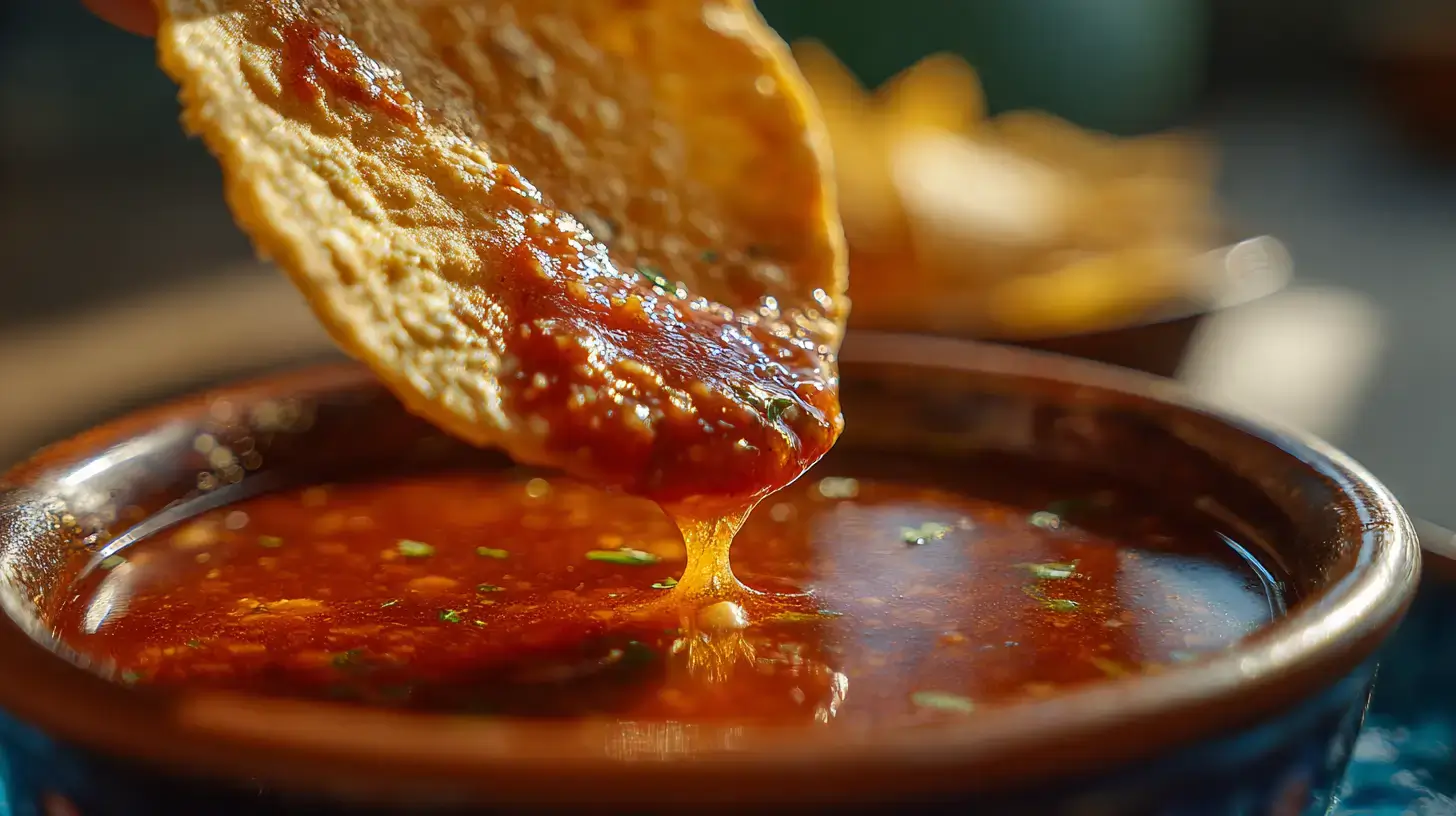
In birria menus, consommé commonly refers to the seasoned cooking broth served with the meat or alongside tacos. It carries chile, spice and meat flavors and may have some fat on the surface. It is not automatically the same as a clear, classically clarified French consommé.
The broth may be served with onion, cilantro and lime, or those toppings may be offered separately. It can be sipped as well as used for dipping. Dipping adds moisture and flavor, so a crisp taco changes texture once it enters the liquid.
If preparing tacos at home, distinguish the relatively fatty surface layer used to coat the tortilla from a large amount of watery broth. Soaking tortillas thoroughly makes assembly harder. Keep the broth intended for serving warm, and use a clean portion when handling finished food.
Birria Tacos vs Quesabirria
The clearest distinction is melted cheese. A birria taco can consist of the meat and tortilla without cheese. Quesabirria combines birria meat with cheese, commonly in a tortilla cooked on a griddle. Both may be served with broth.
Cheese adds richness and changes the texture of the filling. It does not make the meat itself a different dish, and it is not required to recognize a preparation as birria. If you are avoiding dairy, order a cheese-free version and confirm how the kitchen prepares it.
Menu names are not perfectly standardized. Ask whether an order is several small tacos or one larger folded tortilla and whether consommé is included. That is a more reliable way to choose than relying only on the word quesabirria.
Birria vs Barbacoa
Birria and barbacoa can both involve slow-cooked meat, but the terms refer to different culinary traditions and preparations. Barbacoa is associated with methods of slow cooking that vary regionally; birria is especially associated with a seasoned chile preparation and the meat-and-broth serving discussed here.
The two can share ingredients or cuts, so the difference cannot always be reduced to beef versus goat. A cook may prepare either with different meats. Likewise, a red sauce or a soft tortilla is not enough by itself to identify one dish.
When comparing menu items, ask about the meat, seasoning and serving style. If you want a chile-rich broth for dipping, check whether that is included rather than assuming every slow-cooked meat taco comes with it.
Why Crispy Birria Tacos Are Appealing
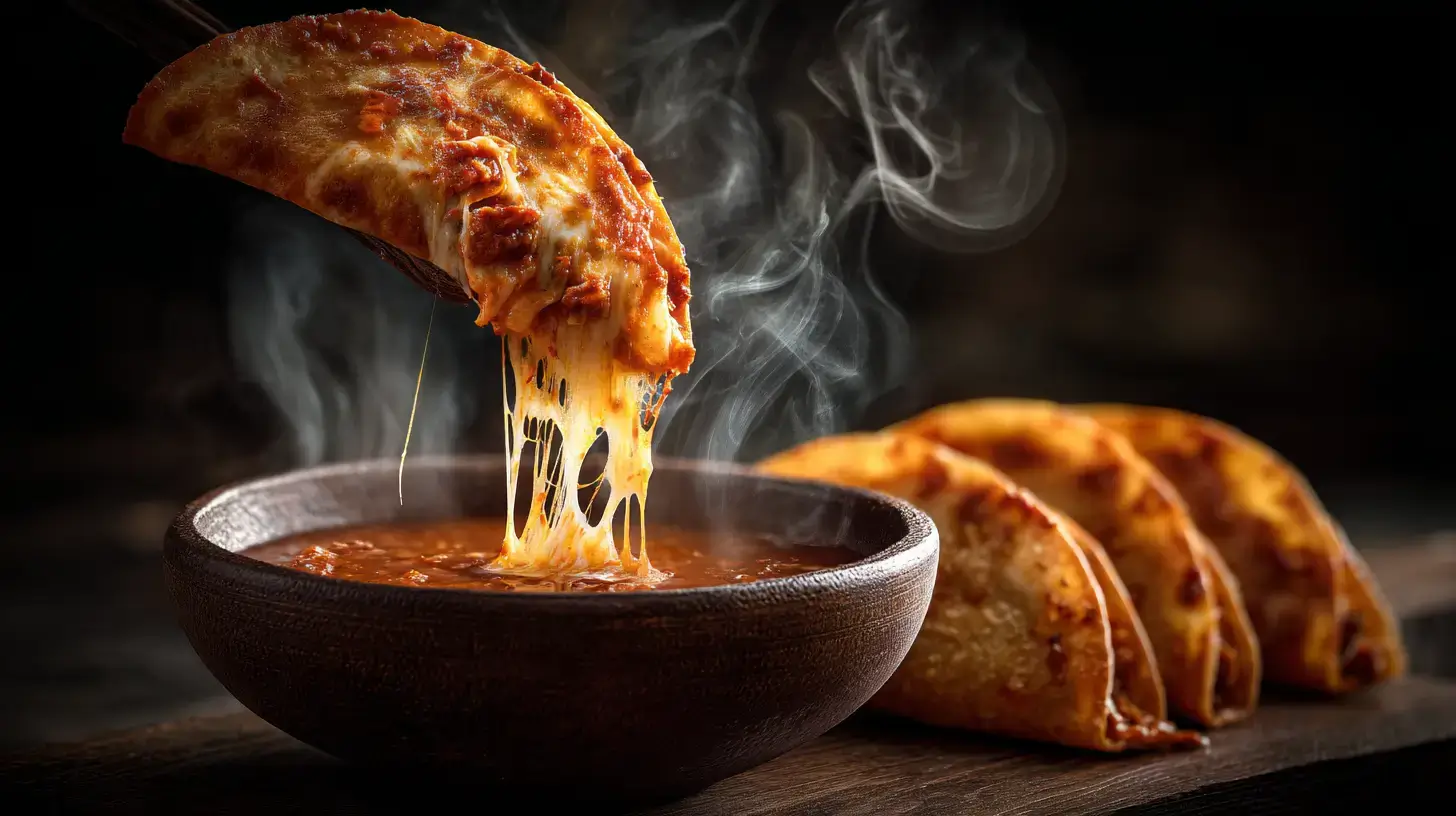
A well-prepared crisp taco brings together contrasting textures: the tortilla is firm at the edges, the shredded meat is tender, and the broth adds moisture when you dip it. Onion, herbs and lime provide a fresh contrast to the rich filling.
A visible cheese pull or red broth can make the dish distinctive in photographs, but appearance alone does not tell you the quality or ingredients. A useful description should identify the meat and whether the taco is cheese-filled, rather than treating every red, crispy taco as exactly the same food.
For the best texture, assembled tacos are normally most enjoyable soon after cooking. Leaving them stacked while steam collects softens the tortillas. If making several batches, the recipe and serving plan should account for how to bring them to the table without trapping too much moisture.
How to Order Birria for the First Time
Start by choosing the serving style you actually want. A bowl of birria with broth offers a different eating experience from a plate of griddled tacos. Quesabirria is a useful choice if you want cheese; a cheese-free taco may suit someone who wants the meat and chile flavor to stand out more directly.
Ask which meat is used and how spicy the preparation is. If ordering tacos, ask how many come in the portion, whether cheese is included and whether the broth is part of the price. Keep optional salsa separate if you are uncertain about heat.
If you have an allergy or dietary requirement, describe it specifically to the restaurant. Menu words such as corn tortilla or beef filling do not establish that the broth, cheese, cooking surface and other ingredients meet all of your requirements. Ingredient confirmation is particularly important when recipes use premade stocks or seasoning blends.
Serving Ideas and Portion Considerations
Onion, cilantro and lime are common accompaniments that let diners adjust the finished plate. Add them gradually so you can taste the meat and broth before changing the balance. Salsa can be served separately for people who prefer different heat levels.
Rice, beans or a vegetable side may be offered, but the dish does not require the same set of sides everywhere. A smaller taco portion with a side can be a different meal from several cheese-filled tacos. Choose according to appetite and preferences rather than assuming that the name implies a fixed portion.
There is no single calorie number for birria tacos. Meat cuts, tortilla size, cheese, cooking fat, broth and serving count all change the total. This definition guide does not assign a generic nutrition value to every restaurant plate or claim that birria is a weight-loss food.
Can Birria Be Halal or Gluten-Free?
A halal version can use halal-certified beef, goat or lamb, suitable broth and seasonings, with no pork or alcohol. Do not assume a restaurant’s birria meets that standard simply because the main meat is beef. Confirm stocks, cooking fats, cheese where relevant and preparation practices.
Corn tortillas may be suitable for a gluten-free version, but the complete meal still needs an ingredient and cross-contact check. Some tortillas contain other ingredients, and stocks or seasoning blends may differ. Cheese-free and dairy-free are also different claims unless the full preparation has been checked.
These checks concern the actual recipe and kitchen, not the dish’s cultural identity. Birria can be adapted to dietary requirements while still being described honestly by its meat, seasoning and serving style.
Storing and Reheating Birria Leftovers
Store cooked meat and broth promptly in shallow containers rather than leaving a large pot out to cool for hours. USDA guidance is to refrigerate perishables within two hours, or within one hour above 90°F/32°C. Keep the refrigerator at 40°F/4°C or colder and use properly handled refrigerated leftovers within three to four days.
Reheat leftovers to 165°F/74°C throughout. Keeping meat and broth separate from tortillas makes it easier to rebuild tacos with a better texture. Warm the filling and broth, then prepare the tortillas just before serving rather than expecting a previously dipped taco to remain crisp.
Freeze portions you will not use soon and thaw them safely in the refrigerator. Reheating does not correct unsafe storage. These storage principles apply whether the filling was made with beef, goat or another meat.
Common Misunderstandings About Birria
Birria is not simply a synonym for any beef taco. The chile-seasoned preparation and cooking approach matter. At the same time, not every birria taco needs cheese, intense heat or a brittle tortilla shell.
Goat is a traditional choice, but it is not the only meat used. Beef versions should be identified as beef instead of being presented as goat by implication. A bowl of broth on the side also does not mean the taco filling itself is a soup.
To make the dish at home, follow the step-by-step birria tacos recipe for measured ingredients, the chile sauce, cooking the meat and assembling the tacos.
FAQS
What is birria?
Birria is a Mexican meat preparation associated with Jalisco, using chiles, spices and slow cooking. It can be served with broth or used as a taco filling.
What is birria meat?
The phrase usually means the meat cooked for birria. Goat is a traditional choice, while beef, lamb and other versions also exist. Ask which meat a particular recipe or restaurant uses.
Are birria tacos always made with beef?
No. Beef is common, but goat and other meats can also be used. The menu should identify the meat when that distinction matters.
What is the difference between birria and quesabirria?
Birria is the meat preparation. Quesabirria combines that meat with melted cheese in a tortilla dish. Birria tacos can be made without cheese.
What is the broth served with birria tacos?
It is commonly called birria consommé: the chile-seasoned cooking broth served with the meat or as a dipping accompaniment.
Is birria very spicy?
Not necessarily. Heat depends on the chile blend and any added salsa. A red color does not establish how spicy the dish will taste.
Do all birria tacos have crispy tortillas?
No. Crispy or griddled versions are common, but the finishing style varies. The defining filling is birria meat rather than a particular level of crunch.
Can I make halal birria?
Yes, with halal-certified meat, suitable broth and other ingredients, and no pork or alcohol. Confirm ingredients and preparation rather than assuming all beef birria is halal.
Sources and Further Reading
For cultural context, Mexico’s Secretaría de Cultura description of Jalisco cuisine identifies birria de chivo among the state’s characteristic dishes. The Secretaría de Agricultura’s discussion of goat preparations describes chile-marinated birria in Jalisco. Leftover handling follows USDA guidance on leftovers and food safety.