
Chia seed water is everywhere right now — and for good reason. This simple drink, made by soaking chia seeds in water, has exploded as a functional wellness trend, often appearing alongside its thicker cousin, chia jello. From TikTok routines to morning hydration hacks, people are turning to chia seed water for appetite control, hydration support, and an easy way to add fiber to their day.
That said, confusion is common. Is chia seed water the same as chia jello? Which one is safer? And why do some people swear by it while others experience discomfort? In this guide, we’ll break down the real differences between chia seed water and chia jello, explain why the trend took off, and show you how to prepare both correctly and safely — without the common mistakes that can ruin the experience.
We’ll also look at how chia seed water compares to other viral hydration drinks, like okra water benefits, and whether it truly supports fullness and hydration or if the hype is overstated. By the end, you’ll know exactly which option fits your routine and how to use it the right way.
What Is Chia Seed Water?
Definition of chia seed water
Chia seed water is a simple drink made by soaking chia seeds in water until they expand and form a light gel. Once hydrated, the seeds become soft, slippery, and easy to swallow, turning plain water into a fiber-rich functional drink. Because chia seeds absorb many times their weight in liquid, even a small amount can change the texture and feel of the drink.
At its core, chia seed water is not a juice, tea, or supplement. Instead, it’s a hydration-based preparation that relies on time and water to activate the seeds’ natural properties. That simplicity is exactly why the trend has taken off so fast.
How soaking chia seeds changes their texture and function
When dry chia seeds hit water, they immediately start absorbing liquid. Within minutes, a gel-like coating forms around each seed. After enough soaking time, this creates a suspended texture rather than seeds sinking to the bottom or floating on top.
This soaking process matters because unsoaked chia seeds can swell after swallowing, which is why proper preparation is essential. Once hydrated, the seeds are gentler on digestion and easier for the body to handle. The gel also slows down how quickly the drink moves through the stomach, which explains why many people report feeling fuller after drinking chia seed water.
Why chia seed water is considered a functional drink
Chia seed water is called a functional drink because it does more than hydrate. It combines water with fiber, plant-based nutrients, and a texture that can influence appetite and digestion. Unlike flavored wellness drinks, it doesn’t rely on additives or stimulants. Instead, the function comes from how the seeds interact with liquid inside the body.
That combination of hydration plus fullness is what places chia seed water in the same conversation as other trending functional drinks. People aren’t just drinking it for taste; they’re using it intentionally, often in the morning or before meals, to support hydration habits and appetite awareness.
What Is Chia Jello and How Is It Different?
What people mean by “chia jello”
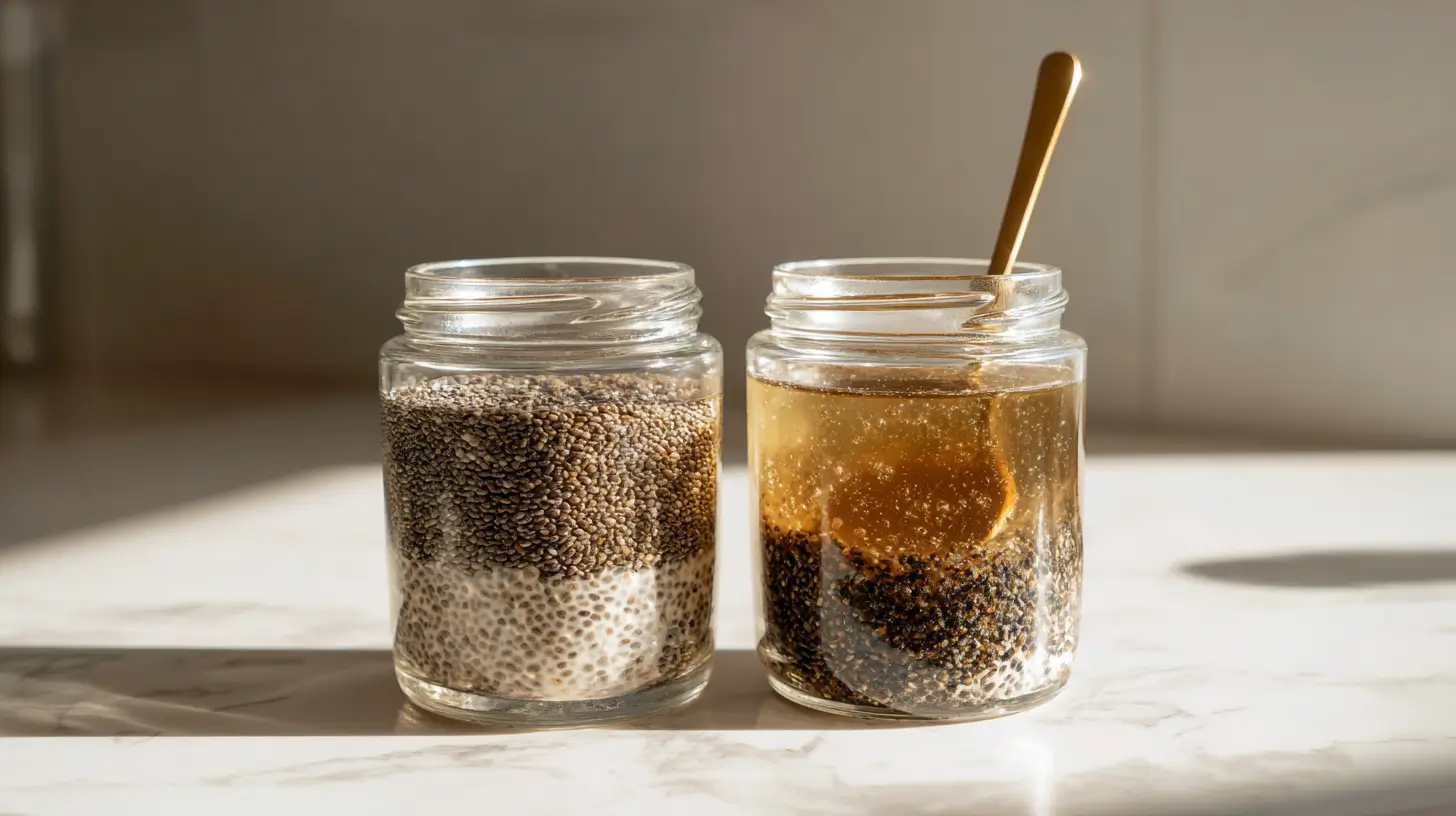
Chia jello isn’t a packaged product or an official recipe. It’s a nickname people use to describe chia seed water after it has fully thickened into a gel-like consistency. Instead of seeds floating freely in water, the liquid becomes dense, spoonable, and closer to soft jelly than a drink.
This usually happens when chia seeds are left to soak longer or when a higher seed-to-water ratio is used. As a result, chia jello feels more like food than a beverage, even though it’s made with the same two ingredients.
Texture, thickness, and gel formation explained
The longer chia seeds sit in liquid, the more water they absorb. Over time, the gel surrounding each seed overlaps with others, creating a uniform texture throughout the container. At this stage, the mixture no longer pours easily and often needs to be eaten with a spoon.
This thickness is what separates chia jello from chia seed water. While chia seed water remains drinkable and fluid, chia jello holds its shape and moves slowly. That difference in texture can affect how satisfying it feels and how people use it in their routine.
When chia seed water turns into chia jello
Chia seed water typically turns into chia jello when one of two things happens: the soaking time becomes too long, or the seed quantity is too high for the amount of water used. Overnight soaking is the most common reason people wake up to a jar of gel instead of a drink.
For some, this is intentional. Others are surprised by the result. Understanding this shift helps prevent frustration and makes it easier to decide whether you want a light hydration drink or a thicker, more filling option.
Chia Seed Water vs Chia Jello: Key Differences
Consistency, digestion, and absorption
The most obvious difference between chia seed water and chia jello is consistency. Chia seed water stays fluid and easy to sip, while chia jello becomes thick and spoonable. That texture change can affect how quickly each one moves through the digestive system.
Because chia seed water is lighter, it tends to feel gentler on digestion, especially for beginners. Chia jello, on the other hand, sits heavier in the stomach and can feel more filling. Some people prefer that sensation, while others find it uncomfortable if they’re not used to high-fiber foods.
Hydration impact: liquid vs gel
From a hydration standpoint, chia seed water behaves more like a drink. The water content is immediately available, which makes it appealing for morning routines or between meals. The seeds still provide fiber, but the overall effect leans more toward hydration than fullness.
Chia jello shifts the balance. Since much of the liquid is locked into a gel, it feels less like drinking water and more like eating a soft food. That doesn’t make it bad, but it does change its role. For hydration-focused goals, chia seed water usually fits better.
Which one is easier for beginners
For most people new to chia seeds, chia seed water is the easier starting point. It’s simpler to prepare, easier to drink, and less likely to cause digestive discomfort. The lighter texture also makes it easier to adjust portions and tolerance.
Chia jello is better suited for those who already know how their body responds to chia seeds. Its thickness can be satisfying, but it requires careful preparation and portion control. Choosing between the two comes down to comfort, goals, and experience level.
Why Chia Seed Water Is Trending Right Now
TikTok and social media influence
Chia seed water didn’t become popular overnight by accident. Social media, especially TikTok and short-form video platforms, played a huge role in pushing it into the spotlight. Simple morning routines, “what I drink in a day” clips, and wellness challenges helped turn chia seed water into a repeatable habit people could copy easily.
Because the recipe looks minimal and natural, it fits perfectly with content that promotes simple, low-effort health habits. Viewers see a glass, a spoonful of seeds, and water — nothing complicated — which makes the trend feel accessible rather than intimidating.
Rise of functional drinks and natural appetite aids
Another reason chia seed water is trending is the broader shift toward functional drinks. People are moving away from sugary beverages and looking for drinks that do something, whether that’s supporting hydration, digestion, or appetite awareness.
Chia seed water sits right in that space. It’s often grouped with other plant-based hydration trends, including drinks like okra water benefits, which are also promoted for fullness and digestive support. The common theme is function over flavor, with simplicity driving adoption.
Why this trend feels different from past fads
Unlike many wellness fads, chia seed water doesn’t rely on exotic ingredients or bold claims. Chia seeds are widely available, inexpensive, and already familiar to many people. That familiarity makes the trend feel safer and more sustainable.
Instead of promising dramatic results, chia seed water is usually framed as a small daily habit. That positioning — modest, practical, and repeatable — is what keeps people experimenting with it long after the initial hype fades.
This trend is often discussed alongside GLP-1-friendly eating patterns, where structure and volume matter more than extreme restriction. You can see how gelatin fits into this approach in our GLP-1 gelatin diet guide, which explains the role of simple, structured foods in appetite-aware routines.
Potential Benefits of Chia Seed Water and Chia Jello
Hydration support and fluid retention
One of the main reasons people reach for chia seed water is hydration. Because the seeds absorb and hold onto liquid, they create a slow-release effect once consumed. This can help some people feel hydrated for longer compared to plain water, especially when drinking it earlier in the day.
Chia seed water works best here because it remains fluid. The body can access the water quickly, while the gel-like coating around the seeds helps slow down digestion just enough to extend hydration. This is why it often appears in the same category as other plant-based hydration trends like okra water benefits, which are also used to support fluid balance.
Appetite control and fullness
Both chia seed water and chia jello are commonly associated with appetite awareness. As the hydrated seeds expand in the stomach, they take up space, which may contribute to feeling fuller for longer. This effect tends to be more noticeable with chia jello due to its thicker consistency.
That said, fullness doesn’t automatically mean weight loss. The benefit here is more about helping people pause between meals or reduce mindless snacking. This is why chia-based drinks are often discussed alongside structured eating approaches and meal strategies, including concepts found in GLP-1 recipes for weight loss.
Fiber, omega-3s, and digestive support
Chia seeds are naturally rich in soluble fiber, which is activated during soaking. This fiber feeds beneficial gut bacteria and helps regulate digestion when consumed in reasonable amounts. The soaking process also makes the seeds easier to tolerate compared to eating them dry.
In addition, chia seeds contain plant-based omega-3 fatty acids. While chia seed water isn’t a concentrated nutrient supplement, it does offer a simple way to include these nutrients in a daily routine without adding extra calories or processed ingredients.
How to Prepare Chia Seed Water Safely
Correct chia-to-water ratio
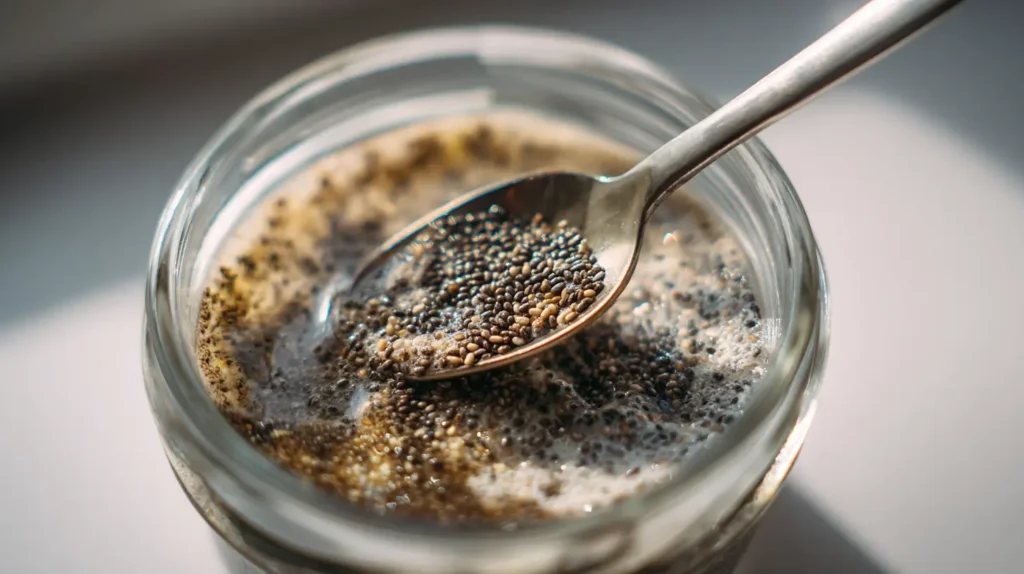
The most important safety rule with chia seed water is using the right ratio. Too many seeds and not enough water can cause the mixture to thicken too much, increasing the risk of discomfort. A common, beginner-friendly ratio is 1 tablespoon of chia seeds to at least 1–1½ cups of water.
This amount allows the seeds to fully hydrate without forming an overly dense gel. If your goal is a drinkable chia seed water, staying within this range helps maintain a smooth, easy-to-sip texture.
Ideal soaking time for safe consumption
Soaking time matters just as much as quantity. Chia seeds should soak for at least 10–15 minutes, though many people prefer 20–30 minutes for a smoother texture. During this time, stirring once or twice prevents clumping and ensures even hydration.
Drinking chia seeds before they’ve fully expanded can lead to bloating or discomfort. Once soaked, the seeds become soft and coated in gel, making them much safer and easier to consume.
Chia seed water vs chia jello preparation methods
The difference between chia seed water and chia jello often comes down to soaking time and water volume. Chia seed water uses more liquid and shorter soaking, keeping the mixture fluid. Chia jello uses less water, longer soaking, or both, resulting in a thick, spoonable consistency.
Knowing which result you want before you start makes preparation more predictable. If hydration is your priority, lean toward chia seed water. If fullness is your goal, chia jello may feel more satisfying — as long as portions stay reasonable.
Common Mistakes People Make With Chia Seed Water
Drinking dry or insufficiently soaked chia seeds
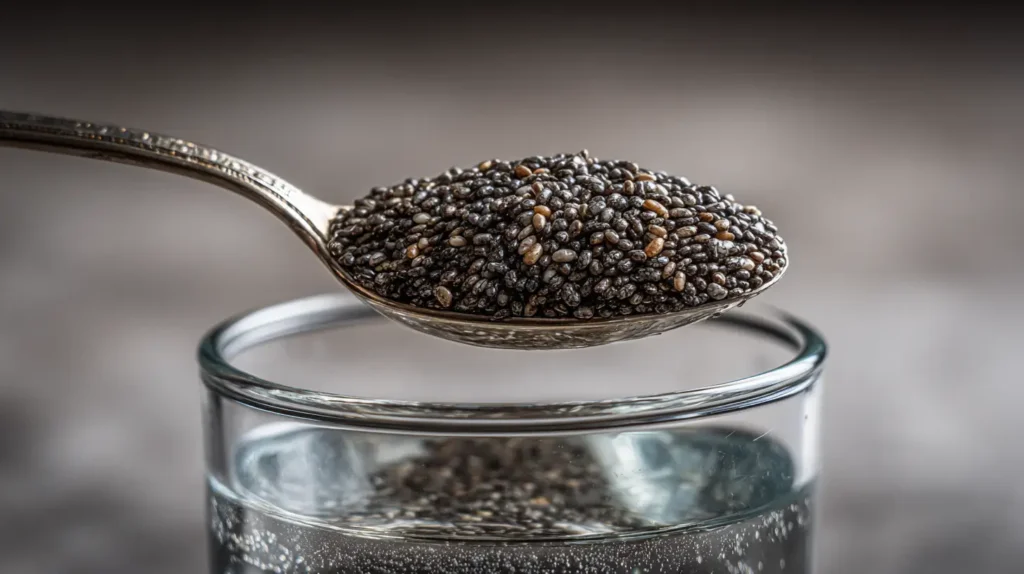
One of the biggest mistakes is adding chia seeds to water and drinking them immediately. Dry or partially soaked chia seeds can continue expanding after swallowing, which may cause discomfort or a feeling of pressure in the throat or stomach.
Proper soaking allows the seeds to fully absorb liquid before consumption. This step isn’t optional — it’s essential for both safety and comfort when drinking chia seed water.
One common mistake is mixing chia-based drinks with viral shortcuts or unproven hacks. For example, claims around baking soda and weight loss are often misleading—this is explained clearly in our baking soda weight loss myth article.
Using too many chia seeds at once
More is not better when it comes to chia seeds. Using excessive amounts can turn chia seed water into an overly thick gel that’s hard to drink and heavy on digestion. It can also increase the risk of bloating, especially for people new to high-fiber foods.
Starting with a small amount and increasing slowly helps the body adjust. Chia seed water works best as a light, supportive drink rather than something consumed in large quantities.
Ignoring digestive tolerance and hydration needs
Another common issue is treating chia seed water as a replacement for regular water. While it can support hydration, it shouldn’t be the only fluid you drink throughout the day. Fiber needs water to move smoothly through the digestive system.
Paying attention to how your body responds is key. If discomfort appears, adjusting the ratio, soaking time, or frequency usually solves the problem.
Next, we’ll explore the appetite and hydration angle, including when to drink chia seed water and how it fits into structured eating routines.
Chia Seed Water for Appetite Control and Hydration
How chia gel expands in the stomach
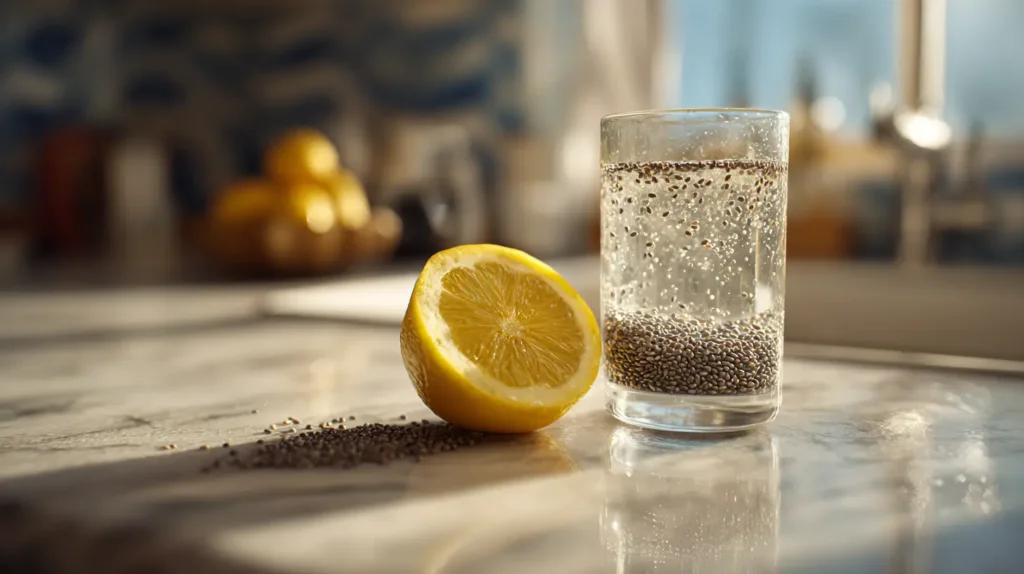
Once consumed, fully soaked chia seeds continue to hold onto water as they move through the digestive system. This creates a gentle expanding effect that can slow digestion slightly and promote a feeling of fullness. The key is that this happens after proper soaking, not from dry seeds expanding inside the body.
This is why many people describe chia seed water as calming rather than heavy. The gel provides bulk without density, which helps explain its role in appetite awareness rather than aggressive appetite suppression.
Timing: when to drink chia seed water
Timing can influence how chia seed water feels. Many people prefer drinking it in the morning to support hydration after sleep or about 20–30 minutes before a meal to help reduce overeating. Others use it between meals as a way to stay hydrated without snacking.
There’s no single best time, but consistency matters. Drinking chia seed water at the same time each day helps the body adapt to the added fiber and reduces digestive discomfort.
Pairing chia seed water with structured eating habits
Chia seed water is often used alongside intentional eating routines rather than on its own. Because it promotes fullness, it pairs well with structured meal plans that emphasize protein, fiber, and balanced portions.
This is why it’s sometimes mentioned in conversations around appetite-regulating approaches, including ideas found in GLP-1 recipes for weight loss. In these cases, chia seed water isn’t a solution by itself, but a small habit that supports broader dietary structure.
Frequently Asked Questions About Chia Seed Water
What is chia seed water and why is it popular?
Chia seed water is a drink made by soaking chia seeds in water until they form a light gel. It’s popular because it’s simple, inexpensive, and aligns with the growing interest in functional drinks that support hydration and fullness without added sugars or artificial ingredients.
Is chia seed water the same as chia jello?
They use the same ingredients, but they’re not the same. Chia seed water is thinner and drinkable, while chia jello is thicker and often eaten with a spoon. The difference comes from soaking time and the amount of water used.
Can you drink chia seed water every day?
Yes, many people drink chia seed water daily. The key is moderation, proper soaking, and adequate overall water intake. Starting with small amounts helps the body adjust to the added fiber.
Does chia seed water help with appetite control?
Chia seed water may help with appetite awareness by promoting fullness. The hydrated seeds take up space in the stomach, which can reduce the urge to snack between meals. Results vary depending on portion size and individual digestion.
How long should chia seeds soak before drinking?
Chia seeds should soak for at least 10–15 minutes, though 20–30 minutes is often preferred. Fully soaked seeds are softer, safer to consume, and easier on digestion.
What are common mistakes people make with chia seed water?
The most common mistakes include drinking unsoaked seeds, using too many seeds, and relying on chia seed water instead of regular hydration. All of these can lead to discomfort rather than benefits.
Conclusion: Should You Choose Chia Seed Water or Chia Jello?
Chia seed water and chia jello aren’t competing trends — they’re two versions of the same idea. If hydration and simplicity are your goals, chia seed water is usually the better choice. It’s lighter, easier to drink, and more beginner-friendly.
Chia jello, on the other hand, may appeal to those looking for a thicker, more filling option and who already tolerate fiber well. The key in both cases is preparation. Proper soaking, reasonable portions, and listening to your body make all the difference.
When used intentionally, chia seed water can fit naturally alongside other plant-based hydration habits, such as those explored in okra water benefits. It can also support structured eating approaches when paired thoughtfully with balanced meals and ideas found in GLP-1 recipes for weight loss.
In the end, the best option is the one that feels comfortable, sustainable, and easy to maintain in your daily routine.