
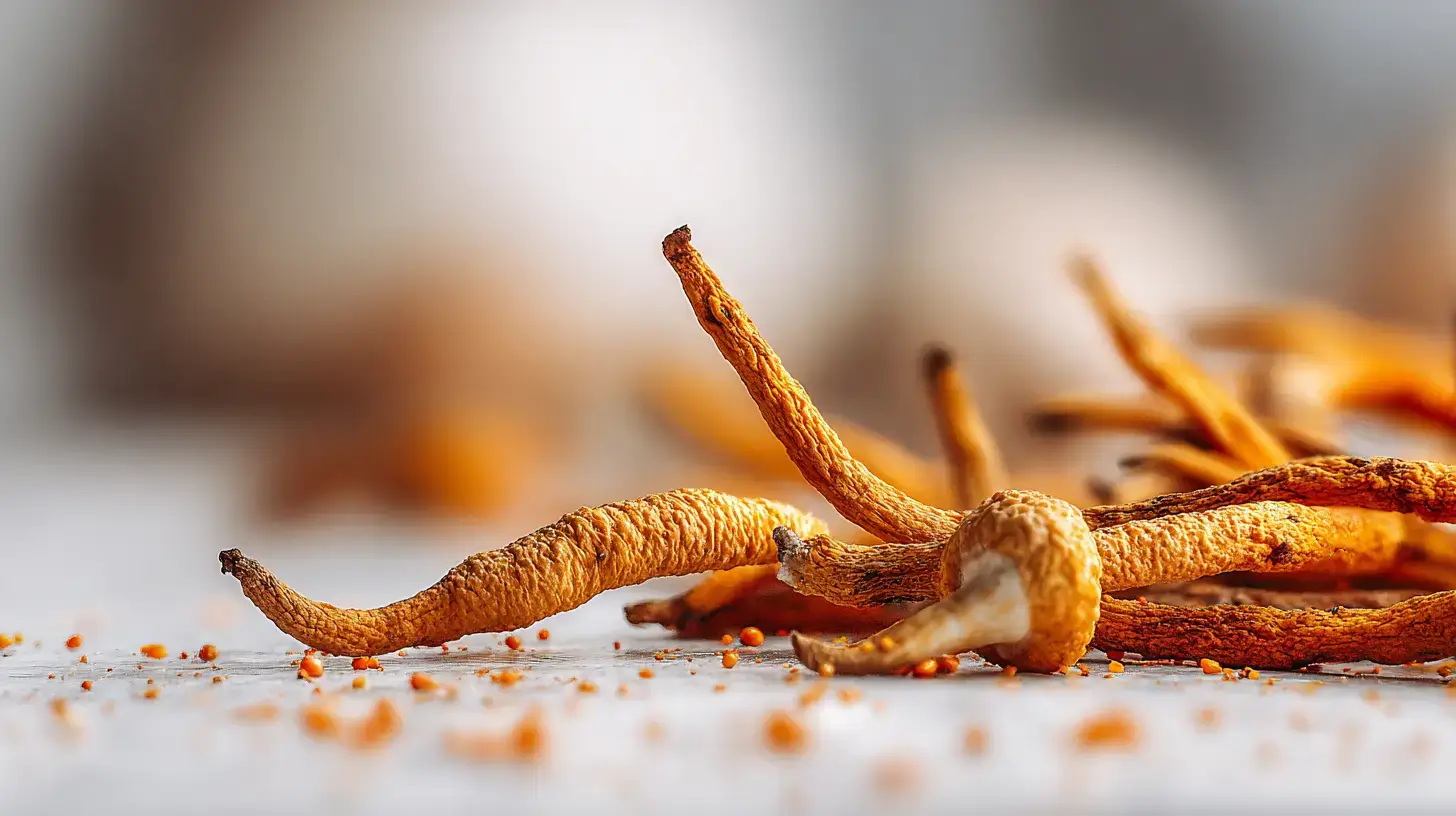
If you’ve been curious about trying a cordyceps militaris trick recipe, you’re in the right place. This bright-orange functional mushroom has become one of the most talked-about ingredients in modern wellness cooking, and for good reason. It’s easy to use, surprisingly flavorful, and incredibly versatile in both savory and simple “hack-style” recipes that take just minutes to prepare.
In this guide, you’ll learn exactly how to cook cordyceps militaris so it tastes amazing—not earthy or bitter—and how to turn it into a fast trick recipe you can use in meals, broths, drinks, and even quick weeknight dishes. We’ll break down the different forms of cordyceps (fresh, dried, powdered, and flower varieties), explain which one works best in each recipe, and show you step-by-step how to master the signature kitchen “trick” that brings out its aroma and color.
Along the way, we’ll look at common cooking mistakes, the best flavor pairings, easy variations like the popular chicken version, and smart storage tips so your cordyceps stays fresh longer. You’ll also find answers to the most asked questions—like how much to use, whether the powder works the same as whole mushrooms, and the simplest way to add cordyceps to everyday meals.
Understanding Cordyceps Militaris and Why It Works in Trick Recipes
What Makes Cordyceps Militaris Unique?
Cordyceps militaris might look unusual at first glance, but once you understand what sets it apart, its popularity in quick kitchen hacks makes total sense. Unlike many functional mushrooms, cordyceps militaris has a mild, almost nutty flavor that blends easily into soups, broths, sautés, and warm drinks. That’s exactly why so many people look for a cordyceps militaris trick recipe—the mushroom adapts well to shortcuts, simple techniques, and fast flavor-boosting methods.
It also cooks faster than firmer mushroom varieties. Its soft, thread-like form absorbs seasoning quickly, giving you stronger flavor without long simmer times. That’s a huge reason it works so well in “trick” or “hack-style” recipes that rely on quick extraction and simple prep.
Cordyceps Militaris Morphology and Flavor Profile
Cordyceps militaris has a bright orange color, thin stems, and a lightweight, spongy texture. When dried, it becomes crisp and easily rehydrated. When fresh, it stays tender even after sautéing or simmering. This morphology is what lets heat, oil, and aromatics absorb quickly into the mushroom.
Flavor-wise, cordyceps militaris has a gentle earthiness—not as intense as shiitake or reishi. You’ll notice warm, lightly toasted notes once cooked correctly. This mellow profile is ideal for recipes where you want depth without overpowering the main dish.
Wild vs. Farmed Cordyceps Militaris for Cooking
Both wild and farmed cordyceps militaris work in cooking, but they behave differently:
- Wild cordyceps militaris tends to have more irregular shapes and deeper color. It carries slightly stronger earthy tones.
- Farmed cordyceps militaris is more consistent in size, milder in flavor, and easier to blend into recipes.
For a trick recipe—where speed and simplicity matter—farmed cordyceps works best. It softens quickly, cooks evenly, and offers predictable flavor results.
Why Trick Recipes Are Popular for Functional Ingredients
Trick recipes exploded because they simplify ingredients that once felt intimidating. Cordyceps militaris used to be something you found only in specialty shops, but now it appears in powders, flowers, whole dried strands, and easy-to-cook fresh clusters. That accessibility opened the door to kitchen hacks that maximize flavor without requiring advanced culinary skills.
A cordyceps militaris trick recipe usually focuses on three things: fast prep, optimized heat control, and minimal ingredients. By applying the right technique, you can bring out the mushroom’s aroma and color in minutes. It’s a shortcut that works for busy cooks, beginners, and anyone curious about functional mushrooms.
The Core Cordyceps Militaris Trick Recipe Explained
What a Cordyceps Trick Recipe Actually Means
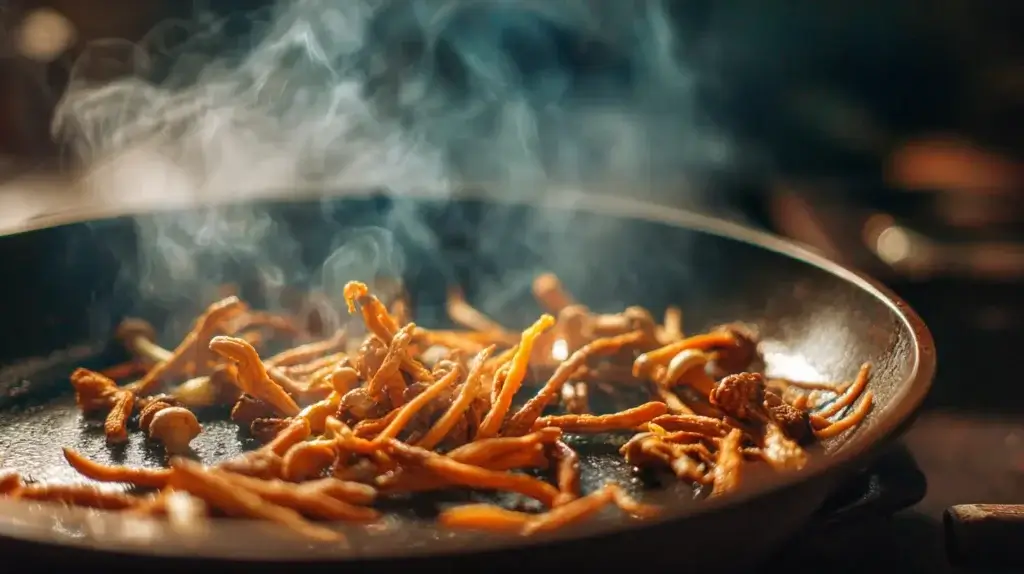
When people search for a cordyceps militaris trick recipe, they’re usually looking for a simple method that transforms this bright-orange mushroom into a flavorful ingredient without complicated steps. A “trick recipe” isn’t about doing something unusual—it’s about using a smart shortcut that unlocks cordyceps’ aroma and color quickly.
Instead of long simmering, the trick relies on controlled heat, quick blooming in oil or broth, and the right ratio of liquid to mushroom strands. This helps cordyceps release its natural flavor faster while maintaining its delicate texture.
Key Ingredients Needed for the Trick
Luckily, you don’t need exotic ingredients to make this recipe work. Most kitchens already have what’s required:
- Fresh or dried cordyceps militaris
- A neutral oil (or sesame oil for a deeper note)
- A warm aromatic like ginger or garlic
- A splash of broth or water
- Optional: soy sauce, miso, coconut aminos, or light seasoning
The power of the trick lies in how you combine these basic items. With the right timing, they come together to create a rich, subtly savory base that pairs with almost anything.
How to Prepare Cordyceps Militaris for Cooking
Prep depends on the form you’re using:
- Fresh cordyceps militaris: Rinse gently and trim any woody ends.
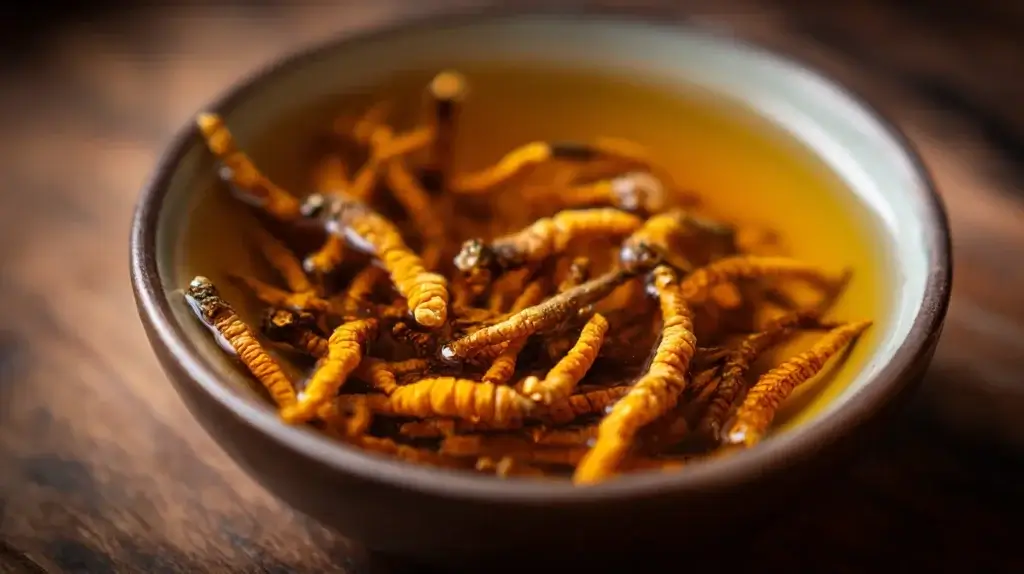
- Dried cordyceps militaris: Soak in warm water for 10–15 minutes until pliable.
- Powder: No prep needed—just whisk into broth or add during seasoning.
- Cordyceps flowers: Rinse lightly; these cook quickly and absorb flavor fast.
No matter which form you use, avoid over-soaking or over-handling. Cordyceps militaris is soft, so keeping it intact helps it cook evenly while holding onto its natural texture.
Common Mistakes to Avoid
Even though a cordyceps militaris trick recipe is simple, a few missteps can dull the flavor or lead to bitterness:
- Using too high heat: This can dry out fresh strands or scorch powdered versions.
- Adding too much oil: Cordyceps absorbs oil quickly—use just enough to coat.
- Cooking it alone: It develops more flavor when bloomed with aromatics.
- Skipping rehydration for dried forms: They cook unevenly without a quick soak.
When you avoid these mistakes, you’ll get a richer, more balanced result with minimal effort—which is the whole point of a trick recipe.
How to Use Cordyceps Militaris in Everyday Cooking
Cordyceps How to Eat: Simple Methods for Beginners
If you’ve never cooked with cordyceps before, don’t worry—it blends into everyday meals far more easily than most people expect. The simplest way to start is by adding a small handful of fresh or rehydrated strands to warm dishes you’re already familiar with. Because the flavor is mild, you won’t overpower anything, and you’ll begin to understand how it behaves in heat.
The easiest beginner methods include:
- Tossing cordyceps into soups or broths
- Stirring it into a quick sauté
- Adding it at the end of a noodle dish
- Steeping it briefly in hot water for a warm infusion
These low-effort approaches help you get comfortable before trying a full cordyceps militaris trick recipe.
Using Cordyceps Powder in Recipes
Cordyceps powder is the fastest option when you want a quick flavor boost without prepping whole strands. It dissolves well into both hot and warm liquids, making it ideal for simple “hack-style” recipes.
Common uses include:
- Whisking into broth or miso soup
- Stirring into oatmeal or warm cereal
- Adding to marinades or dressings
- Mixing into rice or grain bowls
- Blending into warm beverages
The trick is to start small. Cordyceps powder has a concentrated flavor, so a little goes a long way. Most cooks begin with ¼ to ½ teaspoon per serving and adjust up from there.
Cordyceps Flower Recipes You Can Make Fast
Cordyceps flowers—those slightly larger, softer clusters—are perfect when you want something that absorbs flavor quickly. They’re especially good in recipes that rely on fast heat and quick blooming.
Here are a few dishes where cordyceps flowers shine:
- Light stir-fries
- 10-minute noodle bowls
- Brothy soups
- Quick rice toppings
- Simple steamed dishes with soy and ginger
Because they soften easily, cordyceps flowers are one of the best forms for a fast trick recipe. They react quickly to aromatics, pick up seasoning well, and maintain a tender texture.
Firefly Cordyceps Militaris and Other Variants
You may come across versions like firefly cordyceps militaris—these differ slightly in shape and color, but the cooking method stays the same. Firefly versions are often brighter and more delicate, making them ideal for light recipes that rely on fast infusion rather than long simmering.
No matter which variation you choose, they all follow the same principles: gentle heat, quick blooming, and minimal ingredients. As long as you stick to those guidelines, you’ll get great results every time.
Step-by-Step Cordyceps Militaris Trick Recipe (Main Version)
Ingredients List and Substitutions
The beauty of a cordyceps militaris trick recipe is that it doesn’t require a long shopping list. Most of the ingredients are pantry staples, and you can swap things out depending on what’s available. Here’s the simple base you’ll need:
Core Ingredients:
- 1 handful fresh or rehydrated cordyceps militaris
- 1–2 teaspoons neutral oil (avocado, grapeseed, or light olive oil)
- 1 thin slice of ginger or 1 small garlic clove
- ¼ cup broth or hot water
- 1 teaspoon soy sauce, coconut aminos, or miso (optional)
Easy Substitutions:
- Use sesame oil for a deeper, toasty flavor.
- Swap ginger for shallots if you prefer a milder aroma.
- Replace broth with a pinch of bouillon dissolved in hot water.
- Add a splash of rice vinegar if you want brightness.
This minimalist setup is what makes the trick so appealing—it works with nearly any dish, any time of day.
Step 1: Prepping Cordyceps Militaris
Before you begin, make sure your cordyceps is clean and evenly sized.
- Fresh cordyceps: Rinse lightly and trim fibrous ends.
- Dried cordyceps: Soak for 10–15 minutes in warm water until soft.
- Cordyceps flowers: Rinse and pat dry; they soften very quickly.
This quick prep ensures everything cooks evenly once it hits the pan.
Step 2: Building the Base Flavor
This is where the “trick” begins. Many people toss cordyceps directly into a dish, but blooming it first is what unlocks its aroma.
- Heat a small amount of oil on medium-low.
- Add ginger or garlic and let it sizzle gently.
- Once fragrant, add the cordyceps and toss lightly.
This step creates a warm, aromatic coating that boosts the mushroom’s taste dramatically. You’ll notice the strands turn slightly more golden and pick up the seasoning immediately.
Step 3: Finishing the Trick Recipe
Here’s where the magic happens—the step that turns a basic prep into a cordyceps militaris trick recipe.
- Add a splash of broth or hot water.
- Stir in soy sauce, miso, or another seasoning of choice.
- Let everything simmer for 60–90 seconds.
That’s it. In under two minutes, you get a flavorful, soft, aromatic batch of cordyceps militaris you can use in:
- soups
- noodles
- stir-fries
- rice bowls
- marinades
- warm drinks
Because the simmer is short, the texture remains tender and the aroma stays intact.
Timing, Heat, and Texture Tips
To get the best results, a few small adjustments make a big difference:
- Keep the heat moderate—too high and cordyceps becomes brittle.
- Don’t over-simmer—you want the strands soft, not mushy.
- Taste early—cordyceps absorbs seasoning quickly.
- Use minimal oil—it soaks up oil faster than most mushrooms.
Once you practice this technique a couple of times, it becomes second nature—and you can apply it to meals all week long.
Print
Cordyceps Militaris Trick Recipe: The Ultimate Guide to Cooking This Functional Mushroom
- Total Time: 8 minutes
- Yield: 1–2 servings 1x
Description
A quick and flavorful cordyceps militaris trick recipe that uses simple aromatics and a fast simmer technique to deepen aroma, enhance color, and create a naturally savory base you can use in soups, stir-fries, bowls, and warm infusions.
Ingredients
- 1 handful fresh or rehydrated cordyceps militaris
- 1–2 teaspoons neutral oil (avocado, grapeseed, or light olive oil)
- 1 slice ginger or 1 small garlic clove
- 1/4 cup broth or hot water
- 1 teaspoon soy sauce, miso, or coconut aminos (optional)
Instructions
- Heat oil in a small pan over medium-low heat.
- Add ginger or garlic and bloom until lightly fragrant.
- Add cordyceps militaris and toss to coat in the aromatics.
- Pour in broth or hot water.
- Stir in soy sauce, miso, or coconut aminos if using.
- Simmer for 60–90 seconds, until softened and aromatic.
- Serve over rice, noodles, vegetables, or use as a base for soups and quick meals.
Notes
Dried cordyceps should be soaked for 10–15 minutes before cooking. Use sesame oil instead of neutral oil for a stronger toasted flavor. Add cordyceps powder at the end of cooking if you want a deeper, richer taste. Avoid high heat to prevent bitterness.
- Prep Time: 5 minutes
- Cook Time: 3 minutes
- Category: Side Dish / Functional Ingredient / Quick Recipe
- Method: Stovetop
- Cuisine: Asian-Inspired
Nutrition
- Serving Size: 1 small bowl (approx. 1/2 cup prepared)
- Calories: 45
- Sugar: 0.5g
- Sodium: 200mg
- Fat: 2g
- Saturated Fat: 0.3g
- Unsaturated Fat: 1.6g
- Trans Fat: 0g
- Carbohydrates: 4g
- Fiber: 1g
- Protein: 2g
- Cholesterol: 0mg
Keywords: cordyceps militaris trick recipe, cordyceps recipe, cordyceps mushroom cooking, cordyceps militaris chicken version, cordyceps flower recipe, cordyceps kitchen hack
Variations of the Cordyceps Militaris Trick Recipe
Cordyceps Militaris Trick Recipe Chicken Version
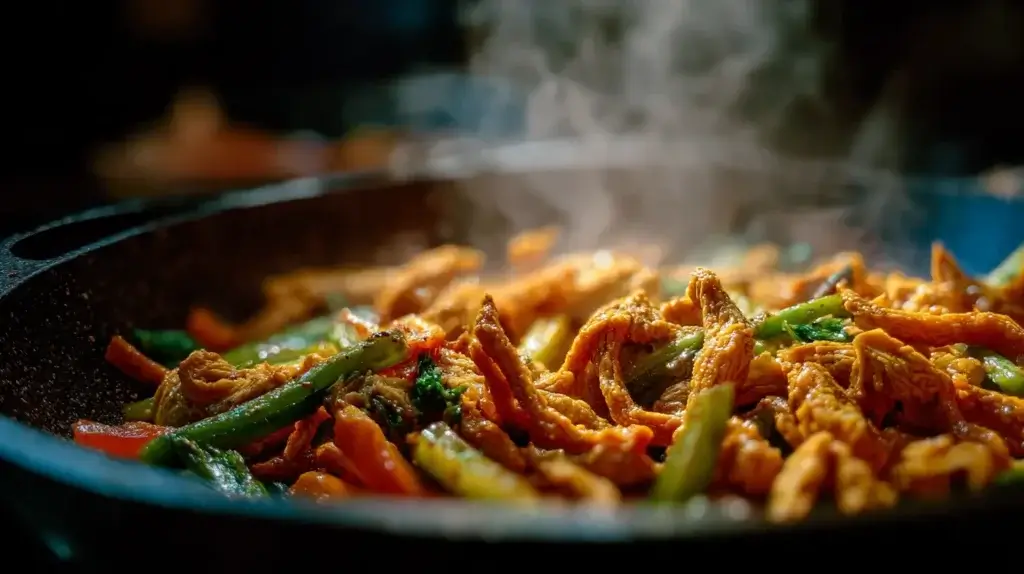
One of the most popular variations is the chicken version, mainly because cordyceps militaris pairs beautifully with light proteins. Chicken absorbs flavor quickly, which makes this dish ideal when you want something that tastes layered without needing a long cook time.
To make the chicken variation, simply prepare the core cordyceps militaris trick recipe and add thinly sliced chicken breast or chicken tenders directly into the pan after blooming the aromatics. Because the cordyceps is already infused with flavor, the chicken cooks in a savory, aromatic coating that forms in minutes. This method works especially well in:
- stir-fry bowls
- noodle soups
- rice dishes
- one-pan meals
If you prefer darker meat, chicken thighs add even more richness without complicating the recipe.
Vegan Cordyceps Militaris Hack Recipe
For a completely plant-based version, cordyceps militaris can be paired with tofu, mushrooms, or vegetables that hold their shape under quick heat. The trick is the same: bloom aromatics, add cordyceps, then introduce your main ingredient while simmering briefly for flavor infusion.
Great vegan pairings include:
- firm tofu or air-fried tofu
- baby bok choy
- carrots and snow peas
- king oyster mushrooms
- cabbage or greens
A touch of sesame oil, miso, or coconut aminos brings everything together without losing the simplicity of the original trick recipe.
Cordyceps Flower Stir-Fry Hack
If you’re craving something fast and bright in flavor, a cordyceps flower stir-fry is one of the quickest variations. Cordyceps flowers soften faster than whole strands, so you can build a full dish in under 10 minutes.
Here’s how it works:
- Bloom ginger or garlic in a little oil.
- Add cordyceps flowers and toss for 20–30 seconds.
- Add your vegetables or protein of choice.
- Finish with soy sauce, rice vinegar, or a light stir-fry sauce.
This method preserves color and texture while giving you a naturally flavorful base that tastes more complex than it is.
Cold Brew or Beverage-Style Cordyceps Trick
Cordyceps isn’t just for savory dishes—you can also use it to create warm infusions or lightly flavored beverages. This variation is perfect when you want something gentle, aromatic, and not overly sweet.
To make a drink-style version:
- Steep cordyceps militaris in hot water with ginger.
- Add a splash of honey or citrus.
- Mix in a small amount of cordyceps powder for stronger flavor.
- Let it sit for 3–5 minutes before serving.
This method extracts subtle earthiness without overpowering the drink, giving you a lighter version of the popular mushroom-based beverages trending online.
When to Use Cordyceps Militaris in Food (Timing, Pairing, Serving)
Flavor Pairings That Work Best with Cordyceps
Cordyceps militaris has a mild, naturally toasty flavor that blends easily with everyday ingredients. That’s why it works so well in fast meals and simple “hack-style” dishes. If you understand what pairs well with it, you’ll get richer results from any cordyceps militaris trick recipe.
Here are the best pairing categories:
- Aromatics: ginger, garlic, shallots, green onion
- Light sauces: soy sauce, miso, coconut aminos
- Broths: chicken, vegetable, mushroom
- Proteins: chicken, tofu, white fish, shrimp
- Veggies: bok choy, spinach, carrots, mushrooms
- Grains: rice, quinoa, noodle soups
Because its flavor is subtle, cordyceps supports a dish rather than dominating it, making it extremely flexible.
Best Times to Enjoy Cordyceps Recipes
Cordyceps works at nearly any time of day because you can prep it in different ways depending on what you’re cooking. Its versatility is one reason why so many people use it in trick recipes—they fit into busy schedules easily.
- Morning: Add a spoonful of cordyceps powder to warm cereal, broth, or a light soup base.
- Lunch: Try it in quick stir-fries, noodle bowls, or rice dishes.
- Dinner: Pair cordyceps with chicken, tofu, or vegetables for a simple skillet meal.
- Anytime: A warm infusion or broth-style version takes just a few minutes.
The key is choosing the form (fresh, dried, powder, or flowers) that works best with your meal.
How to Store Fresh, Dried, or Powdered Cordyceps
Proper storage keeps cordyceps fresh longer and maintains its mild flavor. Because it absorbs moisture easily, it’s important to store each form correctly:
- Fresh cordyceps militaris:
Keep in a breathable container in the fridge. Use within 4–6 days. - Dried cordyceps militaris:
Store in an airtight jar away from heat or sunlight. Lasts several months. - Cordyceps powder:
Keep tightly sealed to prevent clumping. Store in a cool, dry cabinet. - Cordyceps flowers:
Treat like dried mushrooms—sealed, dry, and cool. They soften very quickly when cooked.
When stored properly, the flavor stays clean and the texture remains ready for quick cooking.
How Much Cordyceps Militaris to Use in Recipes
Because it absorbs flavor rapidly, you don’t need much cordyceps militaris to make a noticeable difference. Start small and adjust to taste:
- Fresh or rehydrated strands: 1 small handful per serving
- Cordyceps flowers: 1–2 tablespoons
- Cordyceps powder: ¼–½ teaspoon
In a typical cordyceps militaris trick recipe, the goal isn’t to overpower the dish—it’s to add a warm, aromatic layer that complements your base ingredients.
Tips, Hacks, and Pro Techniques for Better Cordyceps Recipes
Boosting Flavor Without Overpowering the Dish
Cordyceps militaris has a gentle, almost nutty flavor, so the goal isn’t to drown it out—it’s to lift it. One of the easiest ways to do this is by balancing aromatics with a tiny splash of umami. Even a few drops of soy sauce, miso, or coconut aminos create a deeper base that helps the mushroom shine. This is especially helpful when you’re preparing a cordyceps militaris trick recipe, where every step is intentionally simple.
Another quiet trick: add a small amount of oil at two stages—once at the beginning to bloom aromatics, and a second micro-drizzle at the end to finish the dish. This gives cordyceps a silkier texture without making it greasy.
The Secret Trick for Maximizing Aroma
Cordyceps militaris releases its best aroma when cooked gently. Instead of cranking up the heat, keep it on medium-low and allow the mushroom to warm through evenly. A short bloom in oil followed by a quick splash of broth is the “signature combo” that enhances both smell and flavor.
Professionals sometimes use an added micro-step:
After blooming, cover the pan for 10–15 seconds to trap steam. This softens the strands and boosts the aroma dramatically without overcooking.
What to Do If Your Cordyceps Tastes Bitter
Bitterness usually means one of three things happened:
- The heat was too high.
- The strands were over-toasted.
- Powder was added too early and scorched.
Thankfully, it’s easy to fix:
- Lower the heat and add 1–2 tablespoons of broth.
- Stir gently until the flavor balances.
- Add a drop of soy sauce or a pinch of miso to round out any sharp notes.
If you’re making a cordyceps militaris trick recipe, remember: quick, low heat is the key. Cordyceps doesn’t like aggressive cooking.
How to Enhance Texture Using Cordyceps Flowers
Cordyceps flowers have a uniquely soft texture that becomes silky when cooked correctly. To take advantage of this, introduce them at slightly different moments depending on your dish:
- For stir-fries: add them early so they absorb seasoning.
- For soups: add them late so they stay tender.
- For rice bowls: bloom them quickly, then fold them in just before serving.
If you want a firmer bite, sauté them for 20–30 seconds before adding liquid. If you prefer softer strands, simmer them a bit longer. Their versatility is one of the reasons cordyceps flowers show up so often in fast kitchen hacks.
Cordyceps Militaris Trick Recipe Questions Answered
What is the easiest cordyceps militaris trick recipe to make at home?
The simplest version uses just oil, ginger, cordyceps militaris, and a splash of broth. Bloom the aromatics, toss in the cordyceps, then simmer briefly. This approach gives you quick flavor without complicated prep. Beginners often start here because the method works with any dish—soups, noodles, rice bowls, or stir-fries.
If you like easy functional beverages, you might also enjoy warm infusions.
Learn more about herbal energy drinks with this Costa Rican tea recipe: https://yumarecipes.com/costa-rican-tea-for-weight-loss/
How do you cook cordyceps militaris for the best flavor?
Use medium-low heat and avoid over-toasting. Cordyceps has a delicate structure that absorbs flavor fast, so short cooking times work best. Blooming in oil first enhances aroma, then adding a little broth gives the mushroom a depth that stays balanced and smooth.
Can you use cordyceps powder in recipes, and how much should you add?
Yes—cordyceps powder is the fastest version to use. Start with ¼ to ½ teaspoon per serving. Add it near the end of cooking to avoid scorching, which can turn the flavor bitter. Powder blends especially well into broths, warm drinks, miso soup, marinades, and rice dishes.
What are the best ways to use cordyceps flowers in cooking?
Cordyceps flowers soften quickly and take on seasoning fast, making them ideal for:
10-minute stir-fries
Brothy noodle bowls
Quick rice toppings
Light sautés
They’re easy for beginners because they adapt to nearly any cooking style and pick up flavor instantly.
If you enjoy energizing morning ingredients,
check out this energy-boosting coffee drink: https://yumarecipes.com/coffee-ginger-lemon-honey-benefits/
Does cordyceps militaris taste good in savory dishes like chicken recipes?
Yes—cordyceps militaris pairs beautifully with chicken because the mushroom adds warmth and mild richness without overwhelming the protein. It works well in skillet meals, soups, and one-pan chicken dishes. Many people say the chicken version is the most flavorful take on a cordyceps militaris trick recipe.
What’s the difference between fresh, dried, and powdered cordyceps militaris when cooking?
Fresh cordyceps militaris: tender, fast-cooking, slightly nutty flavor.
Dried cordyceps militaris: must be rehydrated but develops a deeper taste.
Powder: strongest flavor, blends quickly into liquids, best for beverages and broths.
Cordyceps flowers: soft, fast-cooking clusters ideal for stir-fries and quick “hack” recipes.
Each form works, but fresh or flowers are easiest for beginners, while powder is perfect for fast drinks or broths.
Final Thoughts on the Cordyceps Militaris Trick Recipe
Why This Trick Works in So Many Dishes
The reason a cordyceps militaris trick recipe has become so popular is simple: the technique is fast, flexible, and works with nearly any cooking style. Cordyceps militaris absorbs flavor quickly, responds beautifully to gentle heat, and blends into both savory meals and light beverages without overpowering the dish. By blooming the aromatics first and adding a small splash of broth, you unlock a deeper aroma in minutes—no special tools or complicated steps required.
This makes the recipe ideal for busy cooks, beginners, and anyone curious about functional mushrooms but unsure where to start. Whether you choose fresh strands, dried pieces, flowers, or powder, the trick adapts perfectly.
How to Continue Experimenting with Cordyceps in Cooking
Once you master the base method, you can take cordyceps militaris in countless directions:
- Add it to chicken for a deeper, richer skillet dish
- Mix it into noodle bowls or soups for quick flavor
- Pair it with tofu or vegetables for easy plant-based meals
- Use the powder in drinks, marinades, and broths
- Try cordyceps flowers when you want softer, faster-cooking clusters
Because the process is so forgiving, you can experiment with different seasonings, aromatics, and textures without worrying about ruining the dish.
Best Internal Link for Next Steps
If you want to explore another functional mushroom recipe that pairs perfectly with the ideas in this guide,
don’t miss our mushroom coffee recipe:
https://yumarecipes.com/ryze-mushroom-coffee/
It’s a great next step for anyone building a functional food routine using simple, approachable “wellness hacks.”