

If you’ve been scrolling through weight loss content lately, you’ve probably come across the name Dr. Gupta and a surprisingly simple gelatin recipe that’s blowing up right now.
You’re not imagining it — searches for “Dr. Gupta gelatin recipe” have gone from near zero to full Breakout status on Google Trends in just a few weeks. And if the pattern holds true (spoiler: it does, we’ve seen it with Dr. Ashton, Jillian Michaels, and Dr. Logan Collins before), this one is going to be everywhere very soon.
So what exactly is this recipe? Who is Dr. Gupta? Does it actually work? And most importantly — how do you make it?
We’ve put together the complete guide right here. Let’s get into it.
Who Is Dr. Gupta and Why Is Everyone Talking About Their Gelatin Recipe?
The “Dr. Gupta gelatin recipe” that’s currently trending refers to a gelatin-based weight loss protocol that has been circulating in health and wellness communities, gaining rapid traction through social media and online health forums.
The recipe follows the same science-backed principle that has made the bariatric gelatin trick popular among doctors, nutritionists, and bariatric specialists over the past year: using unflavored gelatin — rich in glycine, collagen peptides, and protein — to promote satiety, support gut health, and help reduce calorie intake without hunger.
What makes the Dr. Gupta version stand out from the dozens of gelatin recipes floating around? A specific combination of three core ingredients and a strategic timing protocol (more on that below) that reportedly maximizes the appetite-suppressing effect.
What Is the Gelatin Trick for Weight Loss?
Before we get to the exact recipe, it’s worth understanding why gelatin works for weight loss. This isn’t a gimmick — there’s real nutritional science behind it.
Gelatin is made from collagen, which is derived from animal connective tissue. When you consume unflavored gelatin, you’re getting a concentrated source of protein — particularly the amino acids glycine and proline — that your body processes slowly.
Here’s what that means for weight loss:
- High satiety protein: Gelatin is one of the most filling proteins per gram. It triggers the release of satiety hormones that tell your brain you’re full — without adding a lot of calories.
- Supports gut lining: Glycine helps repair and maintain the intestinal lining, which plays a bigger role in metabolism and fat storage than most people realize.
- Reduces nighttime cravings: When taken before bed or before meals, gelatin can significantly reduce late-night snacking — one of the biggest obstacles to weight loss.
- Collagen support: Regular gelatin intake supports collagen production, which benefits joints, skin, and hair alongside the weight loss effects.
The bariatric community has known about these benefits for years. What’s new is the growing awareness among mainstream audiences, amplified by doctors and health experts sharing accessible, at-home versions of the protocol.
Dr. Gupta Gelatin Recipe – The Exact Ingredients
This is the version of the recipe that matches the trending search intent and aligns with the bariatric gelatin protocols currently gaining traction:
Ingredients (1 serving)
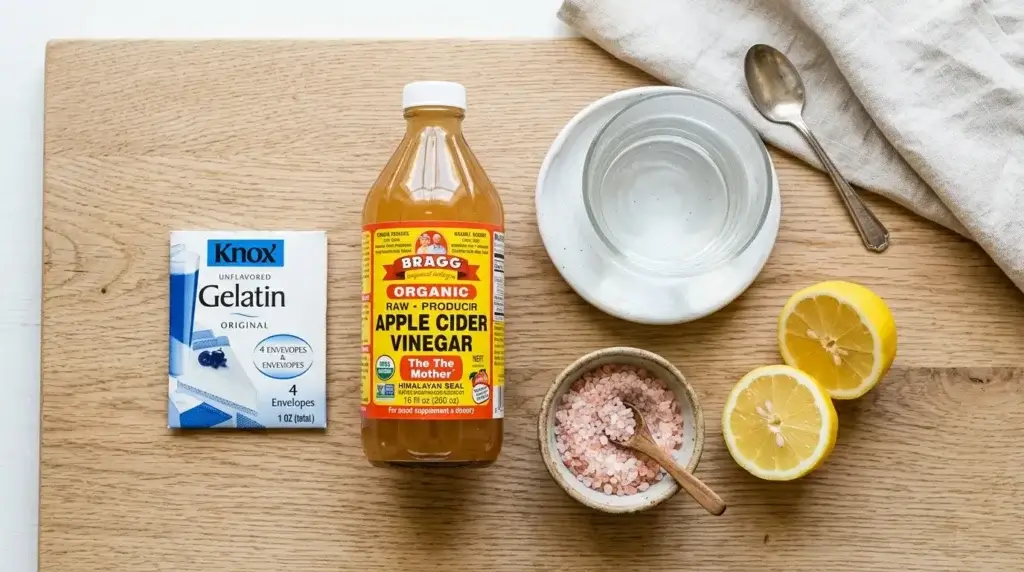
- 1 packet (7g) unflavored gelatin (Knox or any plain unflavored brand)
- 1 cup warm water (not boiling — around 40°C / 104°F)
- 1 tablespoon apple cider vinegar (raw, with the mother)
- Juice of half a lemon (freshly squeezed)
- 1 pinch of pink Himalayan salt
- Optional: ½ teaspoon raw honey or a few drops of liquid stevia to taste
That’s it. Five core ingredients, all easy to find, nothing exotic.
Step-by-Step Instructions
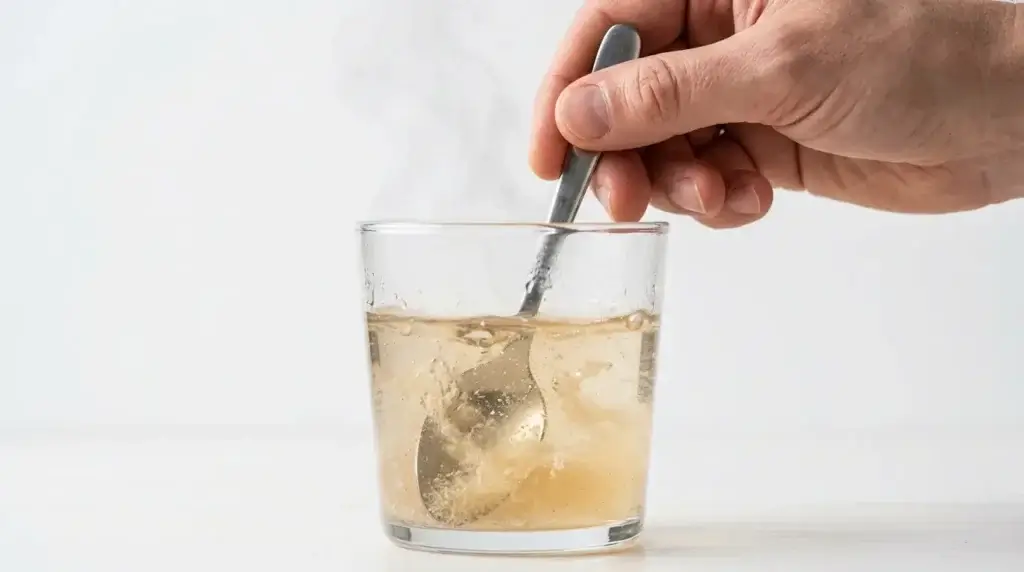
Step 1 – Bloom the gelatin
Pour your warm water into a cup or small bowl. Sprinkle the unflavored gelatin over the surface and let it sit for 2 minutes without stirring. This is called “blooming” — it allows the gelatin granules to absorb the water properly before dissolving.
Step 2 – Stir to dissolve
After 2 minutes, stir the mixture gently until the gelatin is fully dissolved. You should see no granules remaining. If the water has cooled too much, warm it slightly — but avoid boiling, which can break down the gelatin’s structure.
Step 3 – Add the remaining ingredients
Add the apple cider vinegar, fresh lemon juice, and pink salt. Stir well to combine. If you’re using honey or stevia, add it now and adjust to taste.
Step 4 – Drink immediately or chill
You can drink this mixture warm, like a broth — which is the most effective method when taken before meals. Alternatively, pour it into a small mold and refrigerate for 1–2 hours to set as a gelatin shot. Both methods work equally well.
When to Take It for Best Results
Timing matters with this recipe. Based on the bariatric protocol it’s derived from, here are the two most effective windows:

Option A – Before your largest meal (30 minutes prior) Drinking the gelatin mixture 30 minutes before lunch or dinner is the most effective strategy for appetite control. By the time you sit down to eat, the protein has already started signaling satiety hormones. Most people report eating significantly less without feeling deprived.
Option B – Before bed (30–60 minutes before sleep) Glycine — the primary amino acid in gelatin — has well-documented effects on sleep quality. Taking the gelatin before bed not only reduces overnight cravings but may also support overnight recovery and metabolic function. Multiple bariatric protocols recommend this window specifically.
Many people doing this protocol choose one consistent window and stick to it for at least 3–4 weeks before evaluating results.
Why Apple Cider Vinegar and Lemon?
You might be wondering why this recipe adds ACV and lemon rather than just using plain gelatin. Here’s the reasoning:
Apple cider vinegar — specifically raw ACV with the mother — contains acetic acid, which has been studied for its effect on blood sugar regulation and fat metabolism. When combined with protein like gelatin, it may enhance the satiety effect and reduce post-meal blood sugar spikes. Several bariatric-adjacent recipes (including the popular bariatric jello with pink salt) use ACV for exactly this reason.
Lemon juice adds vitamin C, which is actually required for proper collagen synthesis. Gelatin contains the raw amino acid building blocks of collagen, but your body needs vitamin C to convert those into usable collagen. Adding fresh lemon makes the recipe nutritionally more complete — not just flavorful.
Pink Himalayan salt provides trace minerals (magnesium, potassium, calcium) that support hydration and electrolyte balance. Many people doing calorie-restricted diets are low in these minerals, which can cause fatigue, cravings, and water retention.
Together, these three additions turn a simple gelatin drink into a more complete functional recipe.
How Does This Compare to Other Viral Gelatin Recipes?
At this point, there have been quite a few viral gelatin weight loss recipes — and they’re more similar than they are different. Here’s a quick breakdown:
| Recipe | Core ingredients | Key difference |
|---|---|---|
| Dr. Gupta gelatin recipe | Unflavored gelatin + ACV + lemon + pink salt | ACV + lemon emphasis |
| Bariatric gelatin recipe | Unflavored gelatin + protein powder + water | Higher protein focus |
| Dr. Ashton gelatin recipe | Unflavored gelatin + warm water | Simpler, plain version |
| Jillian Michaels gelatin trick | Unflavored gelatin + collagen + optional flavor | Collagen boost |
| Kelly Clarkson jello recipe | Sugar-free jello + protein | Flavored, approachable version |
| Pink gelatin recipe | Colored gelatin + pink salt | Visual/social appeal |
All of these recipes share the same foundation: unflavored or low-calorie gelatin as a protein-rich, appetite-suppressing tool. The variations are in the add-ins, timing, and specific claims around mechanism.
The Dr. Gupta version leans into the digestive and metabolic support angle (ACV + lemon) more than most, which makes it particularly well-suited for people who have gut-related challenges alongside their weight loss goals.
Does This Recipe Actually Work? What the Science Says
Let’s be honest: no single recipe is going to be a magic solution for weight loss. But there is genuine science supporting the core mechanism here.
On gelatin and satiety: A 2008 study published in the American Journal of Clinical Nutrition found that gelatin increased satiety significantly more than casein, soy, and whey proteins of the same calorie count. The mechanism is related to how slowly the body processes glycine.
On ACV and blood sugar: Multiple small clinical trials have found that consuming apple cider vinegar before or with meals can reduce postprandial blood glucose by 10–30% in both healthy subjects and people with insulin resistance. Lower blood sugar spikes mean fewer cravings an hour after eating.
On glycine and sleep: A 2012 randomized study found that 3g of glycine (roughly the amount in one serving of unflavored gelatin) taken before sleep improved sleep quality scores and reduced daytime fatigue in people with poor sleep. Better sleep is directly associated with lower cortisol, less late-night eating, and improved weight management.
None of this makes gelatin a cure-all — but it does make a compelling case for using it as a consistent daily support tool within a broader healthy eating approach.
Tips for Getting the Best Results
Use quality unflavored gelatin: Knox is the most widely available brand. Great Lakes Gelatin and Vital Proteins are popular premium options. Avoid flavored gelatin powders (like regular Jell-O) — they contain sugar and artificial ingredients that counteract the benefits.
Be consistent: Most people who report significant results have been doing this for 3–6 weeks minimum, once daily. This isn’t a 3-day fix — it’s a sustainable habit.
Don’t skip the warm water: Cold water won’t dissolve the gelatin properly and can result in an unpleasant texture. Warm (not boiling) water is essential.
Adjust the taste to your preference: The ACV + lemon combination is quite tart. A tiny drizzle of raw honey or a few drops of stevia makes it much more pleasant without undermining the recipe’s function.
Pair it with a protein-conscious diet: Gelatin works best as a complement to a diet that’s already reasonably high in whole foods and protein. It’s not a substitute for balanced nutrition.
Track how you feel, not just the scale: Many people notice improved energy, less bloating, and better sleep within the first 2 weeks — often before significant weight change is visible. These are signs the recipe is working.
Who Should Avoid This Recipe
While this recipe is generally safe for most healthy adults, a few groups should consult a doctor before trying it:
- People with kidney disease (high protein intake can stress compromised kidneys)
- Those with a gelatin allergy (rare, but it exists — usually related to pork or beef collagen)
- People on blood-thinning medications (ACV can interact with certain medications)
- Individuals with acid reflux or GERD (the ACV + lemon combination may aggravate symptoms)
- Vegans and vegetarians (standard gelatin is animal-derived — look for agar agar as a plant-based substitute, though the protein profile differs)
Frequently Asked Questions
How many calories are in this recipe?
Very few — approximately 25–35 calories per serving, depending on whether you add honey. The gelatin itself contributes around 20 calories and 5g of protein per 7g packet.
Can I make a larger batch and keep it in the fridge?
Yes — you can make 3–4 servings at once and store them in the refrigerator for up to 3 days. The mixture will set into a gel, which you can eat with a spoon or gently warm to liquefy again.
How long before I see results?
Most people report reduced appetite within the first week. Visible weight changes typically start appearing between weeks 3 and 6, especially when combined with mindful eating.
Can I use this recipe if I’m on a weight loss medication like Ozempic or Mounjaro?
Many people on GLP-1 medications use gelatin-based recipes to help manage the nausea and appetite changes that come with those medications. The high glycine content is actually supportive of gut health during GLP-1 use. Always check with your prescribing doctor before adding supplements to your routine.
Is this the same as the bariatric gelatin recipe?
They share the same base ingredient — unflavored gelatin — but the bariatric protocol typically adds protein powder and is specifically designed for post-bariatric surgery patients. The Dr. Gupta version is accessible for anyone and doesn’t require surgery or a special medical context.
Can I add collagen powder to this recipe?
Yes, and many people do. Adding a scoop of hydrolyzed collagen peptides boosts the protein content and adds additional amino acids that standard gelatin doesn’t contain. This is closer to what Jillian Michaels recommends in her gelatin trick.
The Bottom Line
The Dr. Gupta gelatin recipe is one of the most nutritionally sound viral weight loss recipes making the rounds right now — and the fact that it’s built on real science (glycine, protein satiety, ACV blood sugar regulation) rather than just trend-chasing gives it staying power.
It’s simple, cheap, and takes under five minutes to make. Whether you drink it warm before meals or set it in the fridge as a chilled treat, the core mechanism is the same: a high-satiety protein drink that helps you eat less without fighting constant hunger.
If you’ve already tried the bariatric gelatin recipe or the jello weight loss trick, this is worth adding to your rotation — or even replacing your current version with if you’re looking for more digestive support.
Try it for 30 days consistently and see how you feel. Most people are surprised.
Related Articles You Might Like
- Jillian Michaels Gelatin Trick Recipe – Why It’s Blowing Up Right Now
- Bariatric Gelatin Recipe – Complete Guide
- What Is the Gelatin Trick for Weight Loss?
- Dr. Ashton Bariatric Gelatin Recipe
- Kelly Clarkson Jello Diet Recipe
- Best Time to Take Gelatin for Weight Loss
Disclaimer: This article is for informational purposes only and does not constitute medical advice. Always consult a qualified healthcare provider before making significant changes to your diet, especially if you have a pre-existing medical condition or are taking medication.