

Gelatin has become a popular addition to many weight loss plans, especially among people looking for low-calorie, filling foods that are easy to prepare and budget-friendly. You’ll often see it recommended in sugar-free desserts, bariatric diets, and short-term appetite-control strategies. But that leads to a much bigger and more important question: is gelatin safe for long-term weight loss, or is it just another diet trend that works briefly and then backfires?
At first glance, gelatin seems almost too good to be true. It’s low in calories, virtually fat-free, and contains protein that may help you feel full. Because of this, many people use gelatin daily as a snack replacement or dessert alternative while dieting. If you’re curious about practical ways people use it, check out this gelatin-based weight loss recipe to see how it’s commonly prepared in low-calorie diets.
However, long-term weight loss isn’t just about cutting calories. It’s about nutrition balance, metabolic health, and sustainability over months or even years. Relying too heavily on one food—even a low-calorie one—can sometimes do more harm than good.
In this article, we’ll take a deep, practical look at gelatin and long-term weight loss. We’ll explore how gelatin works in the body, what nutrients it provides (and what it lacks), the potential benefits for appetite control, and the possible risks of relying on it too often. By the end, you’ll have a clear, evidence-based answer to whether gelatin can safely support long-term weight loss—and how to use it wisely if you choose to include it in your diet.
Understanding Gelatin and Its Role in Weight Loss
What Is Gelatin and How Is It Made?
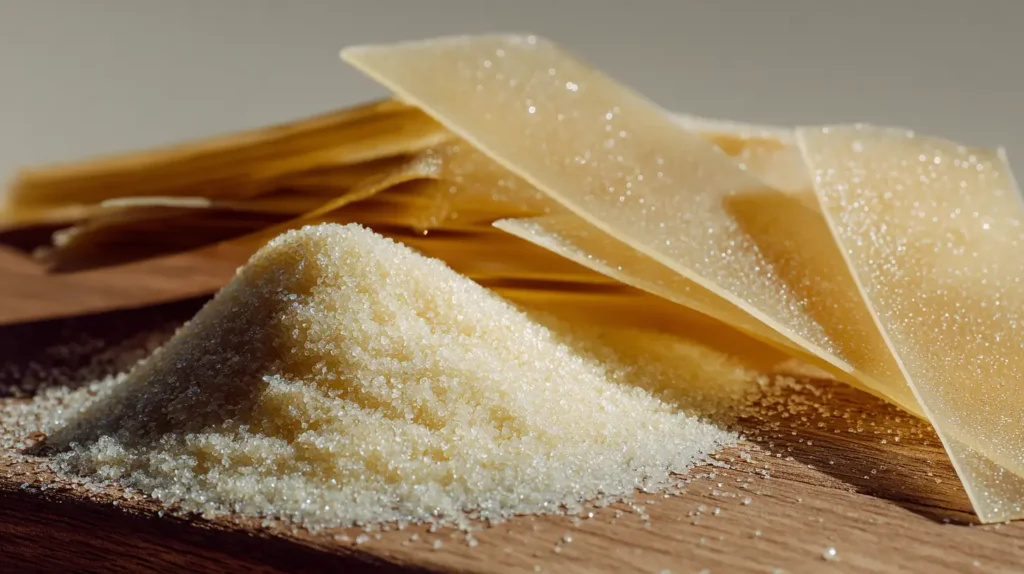
Gelatin is a protein-rich substance made from collagen, which comes from animal connective tissues such as bones, skin, and cartilage. During production, collagen is slowly heated and broken down, turning it into gelatin. The result is a colorless, flavorless ingredient that dissolves in hot liquid and firms up as it cools.
From a nutritional perspective, gelatin is almost entirely protein when it’s unsweetened. It contains very few calories, no fat, and no carbohydrates, which explains why it often shows up in weight loss diets. Compared to many snack foods, plain gelatin is simple and minimally processed, making it easier to fit into calorie-controlled eating plans.
Gelatin is commonly sold in powdered form or as ready-made desserts. For anyone focused on long-term weight loss, plain powdered gelatin is usually the better choice because it allows full control over sugar, portions, and added ingredients.
Why Gelatin Is Popular in Weight Loss Diets
Gelatin appeals to people trying to lose weight for several practical reasons. First, it’s low in calories, which makes it useful as a replacement for higher-calorie desserts and snacks. Second, the protein content may help increase feelings of fullness, especially when eaten between meals or in the evening.
Convenience also plays a role. Gelatin is inexpensive, easy to prepare, and widely available. It’s often included in structured eating plans, including soft-food or medically supervised diets, where digestion and portion control matter. Because of this, many people use gelatin daily without thinking much about long-term effects.
However, popularity doesn’t always equal effectiveness. While gelatin may help reduce calorie intake in the short term, its true value for long-term weight loss depends on how often it’s consumed and what other foods make up the rest of the diet.
For people following medically supervised or soft-food diets, learn more about bariatric-friendly food options that often include gelatin-based foods during recovery.
Gelatin vs Collagen: Key Differences for Dieters
Gelatin and collagen are closely related, but they aren’t the same. Collagen is the original structural protein found in the body, while gelatin is collagen that has been cooked and processed. Both provide amino acids, but neither is considered a complete protein because they lack certain essential amino acids needed for muscle maintenance and overall health.
For weight loss, gelatin is often preferred because it thickens and sets foods, which can slow eating and promote a sense of fullness. Collagen, by contrast, dissolves easily in liquids and is commonly added to drinks like coffee or smoothies. While both can contribute to protein intake, neither should replace high-quality protein sources such as lean meats, eggs, dairy, or plant-based proteins.
This distinction matters when asking whether gelatin is safe for long-term weight loss. Gelatin can support a weight loss plan, but it works best as a supplement to a balanced diet rather than a main source of nutrition.
How Gelatin Supports Weight Loss
Gelatin Protein and Appetite Control
One of the main reasons gelatin is linked to weight loss is its effect on appetite. Gelatin is made almost entirely of protein, and protein is well known for helping people feel fuller for longer. When you eat protein, it slows digestion and can reduce hunger hormones, which may lead to eating fewer calories overall.
Gelatin protein is especially useful as a snack or dessert replacement. For example, choosing a small serving of sugar-free gelatin instead of cookies or ice cream can significantly cut calories while still satisfying the desire for something sweet. Over time, this kind of substitution can support steady weight loss, especially for people who struggle with snacking between meals.
That said, gelatin protein is not as effective at appetite control as complete proteins like eggs or lean meat. It can help take the edge off hunger, but it shouldn’t be relied on as the main protein source in a weight loss diet.
Low-Calorie Density and Satiety Benefits
Another way gelatin may support weight loss is through its low-calorie density. You can eat a relatively large portion of gelatin for very few calories, which can create a sense of fullness without a high energy cost. This can be helpful for people who prefer larger portion sizes or who feel unsatisfied on very restrictive diets.
Foods with low calorie density often play an important role in sustainable weight loss. Gelatin fits into this category because it adds volume to the diet without adding much fat or sugar, especially when it’s prepared at home using plain gelatin and low-calorie flavorings.
However, satiety from gelatin is usually short-lived compared to meals that contain fiber, fat, and complete proteins. For best results, gelatin works well as a complement to balanced meals rather than a replacement for them.
Does Gelatin Help Reduce Cravings?
Many people report that gelatin helps reduce sweet cravings, particularly in the evening. This is likely because it provides flavor and texture without the sugar and fat found in most desserts. By satisfying the desire for something sweet, gelatin may help prevent overeating or late-night snacking.
There’s also some evidence that the amino acids in gelatin, such as glycine, may have a calming effect, which could indirectly reduce stress-related eating. While this doesn’t mean gelatin directly burns fat, it may support better eating habits over time.
Still, it’s important to be realistic. Gelatin can help manage cravings, but it doesn’t address the root causes of overeating, such as emotional eating, poor sleep, or nutrient deficiencies. Used wisely, it can be a helpful tool, but it’s not a standalone solution for long-term weight loss.
Nutritional Profile of Gelatin
Amino Acids in Gelatin Explained
Gelatin is made up of several amino acids, with glycine, proline, and hydroxyproline being the most prominent. These amino acids play roles in connective tissue health, joint support, and digestion. Glycine, in particular, is often discussed for its potential calming effects on the nervous system, which may indirectly support better eating habits and sleep.
However, while gelatin does provide amino acids, it does not offer the full spectrum needed for optimal muscle maintenance or metabolic health. This limitation becomes more important when gelatin is consumed frequently over a long period, especially during weight loss when preserving lean muscle mass is essential.
Protein Quality: Is Gelatin a Complete Protein?
Despite being high in protein by percentage, gelatin is considered an incomplete protein. It lacks several essential amino acids, including tryptophan, which the body cannot produce on its own. Because of this, gelatin cannot fully support muscle repair, immune function, or long-term metabolic health when used alone.
For people trying to lose weight, protein quality matters just as much as protein quantity. Relying too heavily on gelatin while neglecting complete protein sources may increase the risk of muscle loss, which can slow metabolism and make weight maintenance harder over time.
This doesn’t mean gelatin has no place in a healthy diet. It simply means it should be paired with other protein-rich foods such as lean meats, fish, eggs, dairy, or plant-based proteins to maintain nutritional balance.
Gelatin vs Other Protein Sources for Weight Loss
When compared to other protein sources, gelatin is unique. It’s extremely low in calories and fat, which can be helpful for calorie control. However, it falls short in terms of overall nutrition. Foods like chicken, Greek yogurt, beans, or tofu provide complete proteins along with vitamins, minerals, and sometimes fiber.
For sustainable weight loss, most experts recommend building meals around complete proteins and using gelatin as a supplemental food rather than a foundation. For example, gelatin can work well as a light snack or dessert, while main meals focus on nutrient-dense, balanced options.
Understanding gelatin’s nutritional profile helps answer the bigger question: is gelatin safe for long-term weight loss? It can be safe and helpful when used in moderation, but it should never crowd out foods that the body relies on for long-term health.
Is Gelatin Safe for Long-Term Weight Loss?

What Happens When You Eat Gelatin Every Day?
Eating gelatin every day isn’t automatically harmful, but the effects depend on how much you consume and how balanced the rest of your diet is. In small to moderate amounts, gelatin is generally safe for most healthy adults. It’s easy to digest, low in calories, and unlikely to cause major side effects on its own.
Problems can arise when gelatin becomes a daily staple that replaces more nutritious foods. Because it lacks essential amino acids, vitamins, minerals, and fiber, relying on it too heavily may lead to nutrient gaps over time. For long-term weight loss, this matters because deficiencies can affect energy levels, metabolism, and overall health.
In short, daily gelatin can fit into a weight loss plan, but it should be treated as a supporting food—not a dietary cornerstone.
Recommended Intake for Long-Term Use
There’s no official guideline for how much gelatin is “safe” for weight loss, but moderation is key. Most people who use gelatin successfully for dieting stick to one serving per day, often as a snack or dessert. This amount is usually enough to help with appetite control without displacing nutrient-dense foods.
Using plain, unsweetened gelatin is especially important. Many flavored or packaged gelatin products contain artificial sweeteners, colors, or additives that may cause digestive discomfort for some people when consumed frequently.
For long-term weight loss, it’s best to think of gelatin as an occasional tool rather than a daily requirement. Rotating it with other low-calorie, high-protein snacks helps maintain balance and variety in the diet.
What Science Says About Long-Term Gelatin Consumption
Research on gelatin specifically for long-term weight loss is limited. Most studies focus on protein intake in general rather than gelatin alone. While protein is known to support satiety and muscle preservation, gelatin’s incomplete amino acid profile makes it less effective than other protein sources in this role.
Some studies suggest that gelatin may temporarily increase fullness and reduce short-term calorie intake. However, there’s little evidence that it leads to sustained fat loss when used alone over months or years. This suggests that gelatin works best as part of a broader, well-structured eating plan rather than as a standalone solution.
From a safety standpoint, gelatin is generally well tolerated. The main concern isn’t toxicity or harm, but nutritional imbalance if it’s overused.
Does Gelatin Really “Burn” Fat?
The phrase “gelatin burn” has become popular online, leading many people to believe that gelatin can actively burn body fat. In reality, gelatin does not burn fat in a direct or metabolic way like exercise or calorie deficit.
What gelatin may do instead is support weight loss indirectly. Because gelatin is low in calories and contains protein, it can help promote a feeling of fullness when consumed before meals. This sense of satiety may lead some people to eat less overall, which is why gelatin is often associated with fat loss.
It’s important to understand that any weight change linked to gelatin comes from reduced calorie intake rather than fat-burning properties. Gelatin works best as part of a balanced eating routine, not as a standalone solution or a quick fat-burning trick.
If you’re looking for safe and realistic ways to include gelatin in a weight-focused routine, understanding how and when to use it matters more than expecting it to “burn” fat on its own.
Potential Risks and Side Effects of Long-Term Gelatin Use
Digestive Issues and Nutrient Imbalances
For most people, gelatin is easy to digest and rarely causes serious problems. However, when consumed frequently or in large amounts, some individuals may experience bloating, gas, or a feeling of heaviness. These issues are more common with packaged gelatin products that contain artificial sweeteners or additives.
A bigger concern with long-term use is nutrient imbalance. Gelatin provides protein, but it lacks essential vitamins, minerals, fiber, and several key amino acids. If gelatin replaces meals or nutrient-dense snacks too often, it may crowd out foods the body needs for energy, hormone balance, and metabolic health. Over time, this can make weight loss harder rather than easier.
Blood Sugar, Insulin, and Artificial Sweeteners
Plain gelatin has no effect on blood sugar because it contains no carbohydrates. This makes it appealing for people trying to control insulin levels or reduce sugar intake. However, many sugar-free gelatin products rely on artificial sweeteners, which can affect people differently.
Some individuals experience increased cravings, digestive discomfort, or changes in appetite when they consume artificial sweeteners regularly. While this doesn’t happen to everyone, it’s something to watch for if gelatin becomes a daily habit. Choosing unflavored gelatin and sweetening it lightly at home can help reduce this risk.
Who Should Be Cautious Using Gelatin for Weight Loss
Although gelatin is generally safe, certain groups should be more cautious. People with kidney disease may need to monitor protein intake closely, even from low-calorie sources. Those with food allergies or sensitivities should also check how gelatin is sourced and processed.
Anyone with a history of disordered eating should be especially careful. Because gelatin is very low in calories, it can sometimes reinforce overly restrictive eating patterns. For long-term weight loss, mental and emotional health are just as important as physical results.
Overall, the risks of gelatin are less about direct harm and more about overuse and imbalance. Used thoughtfully, it can be safe, but it shouldn’t dominate a long-term weight loss strategy.
If you’re combining gelatin with trending drinks, compare expectations with okra water benefits and keep your routine grounded using GLP-1 recipes for weight loss.
Gelatin for Special Diets and Medical Conditions
Gelatin in Bariatric and Post-Surgery Diets
Gelatin is commonly used in bariatric and post-surgery diets, especially during soft-food phases. Its smooth texture and easy digestibility make it a practical option when solid foods aren’t yet tolerated. In these situations, gelatin can help patients stay hydrated and consume small amounts of protein without stressing the digestive system.
However, even in bariatric diets, gelatin is meant to be temporary or supplemental. Long-term success after surgery depends on gradually introducing complete proteins and nutrient-dense foods. Gelatin can support the transition, but it shouldn’t remain a primary food choice once regular eating resumes.
Is Gelatin Safe for Diabetics or People With Kidney Disease?
For people with diabetes, plain gelatin can be a safer dessert option because it doesn’t raise blood sugar levels. That said, attention should be paid to sweeteners. Some sugar substitutes may still trigger cravings or digestive discomfort, so moderation is important.
People with kidney disease should be more cautious. Even though gelatin is low in calories, it is still a protein source. Excess protein intake can be problematic for those with compromised kidney function. Anyone in this category should talk with a healthcare provider before using gelatin regularly for weight loss.
Animal-Based Concerns and Dietary Restrictions
Gelatin is derived from animal sources, which makes it unsuitable for vegetarians and vegans. It may also conflict with certain religious or ethical dietary restrictions, depending on how it’s sourced. For individuals following plant-based diets, alternatives like agar or pectin may provide similar textures but offer different nutritional profiles.
Understanding these limitations is essential when deciding if gelatin fits into your lifestyle long term. Weight loss strategies work best when they align with personal values, medical needs, and cultural preferences.
Best Ways to Use Gelatin for Sustainable Weight Loss

Choosing Sugar-Free Gelatin Options
If you’re using gelatin for weight loss, choosing the right type makes a big difference. Plain, unflavored gelatin is usually the best option because it contains no sugar, dyes, or artificial additives. This gives you full control over what goes into your food and helps avoid unnecessary ingredients that may cause digestive issues or cravings.
Many store-bought gelatin desserts are labeled “sugar-free,” but they often contain artificial sweeteners. While these may be fine in small amounts, using them daily can backfire for some people by increasing appetite or sweet cravings. Preparing gelatin at home with natural flavorings or minimal sweeteners is usually a smarter long-term strategy.
Healthy Gelatin Recipes for Weight Loss
Gelatin works best when it’s part of a balanced eating pattern rather than a meal replacement. It can be used as a light dessert after a protein-rich meal or as a planned snack to prevent overeating later in the day. Adding fruit, herbs, or small amounts of dairy can improve flavor while still keeping calories low.
Using gelatin creatively also helps prevent diet boredom, which is a common reason people abandon weight loss plans. When gelatin is treated as an occasional, enjoyable addition instead of a daily requirement, it’s more likely to support consistency over time.
If you want a simple, low-calorie dessert idea, looking for inspiration? Try this gelatin weight loss recipe that fits easily into a calorie-controlled plan.
How Often Should You Eat Gelatin?
For most people, eating gelatin a few times per week is enough to gain its benefits without risking imbalance. Some may tolerate daily use well, but it’s rarely necessary. Weight loss is driven by overall calorie intake, protein quality, and dietary variety, not by any single food.
Listening to your body is important. If gelatin helps you manage cravings and stay within your calorie goals, it can be a useful tool. If it starts replacing nutritious foods or feels restrictive, it may be time to cut back. Sustainable weight loss always favors flexibility over rigid rules.
Print
Is Gelatin Safe for Long-Term Weight Loss?
- Total Time: 10 minutes
- Yield: 2 1x
Description
A light, sugar-free gelatin dessert perfect for weight loss and refreshing snacks.
Ingredients
- 1 cup water
- 1 packet unflavored gelatin
- Sugar-free flavoring or fresh lemon juice
- Optional: fresh berries
Instructions
- Heat water until warm, not boiling.
- Add gelatin and stir until fully dissolved.
- Add flavoring and mix well.
- Pour into molds and refrigerate until set.
Notes
Use unflavored gelatin to avoid added sugars and artificial colors.
- Prep Time: 5 minutes
- Cook Time: 5 minutes
Nutrition
- Serving Size: 1
- Calories: 15
- Sugar: 0g
- Protein: 4g
Keywords: Sugar-Free Gelatin Dessert for Weight Loss
Gelatin Compared to Other Weight Loss Supplements
Gelatin vs Whey and Plant-Based Proteins
When comparing gelatin to other protein supplements, the biggest difference comes down to protein quality. Whey and most plant-based protein powders are complete proteins, meaning they contain all essential amino acids needed to preserve muscle mass during weight loss. This is critical because maintaining muscle helps keep metabolism strong.
Gelatin, while technically high in protein, lacks several essential amino acids. As a result, it doesn’t support muscle maintenance as effectively as whey, soy, or pea protein. However, gelatin is much lower in calories and often easier to digest. For people who struggle with heavy protein shakes or want a light, low-calorie option, gelatin can still play a supporting role.
In practice, gelatin works best alongside complete proteins rather than in place of them.
Gelatin vs Taurine and Other Popular Supplements
Unlike many weight loss supplements, gelatin isn’t a stimulant. Supplements such as taurine are often marketed for energy, fat burning, or workout performance. While taurine may offer certain metabolic or exercise-related benefits, it doesn’t directly replace food or support satiety the way gelatin does.
Some people compare gelatin with amino-acid supplements, so discover how taurine compares to gelatin for weight loss and whether it offers different benefits.
Gelatin’s strength lies in appetite management, not metabolism boosting. It helps by reducing calorie intake through fullness and substitution, rather than by increasing energy expenditure. This makes it a gentler option, especially for people sensitive to stimulants or who prefer food-based strategies over pills and powders.
Why Gelatin Is Safer Than Stimulant-Based Weight Loss Aids
Many weight loss products rely on caffeine or other stimulants to suppress appetite or increase energy. While these may produce short-term results, they can also lead to side effects such as anxiety, sleep problems, heart palpitations, or dependency.
Gelatin doesn’t affect the nervous system in the same way. It doesn’t raise heart rate, spike blood pressure, or interfere with sleep. From a safety perspective, this makes gelatin a lower-risk option for long-term weight loss when used in moderation.
That said, “safer” doesn’t mean “better” in every situation. Gelatin is best viewed as a simple, supportive food choice rather than a powerful weight loss solution.
This safety discussion focuses on food-based gelatin and how it’s commonly approached in bariatric gelatin routines.
For a full overview of what bariatric gelatin refers to, see this guide.
FAQs About Gelatin and Long-Term Weight Loss
Is gelatin safe to eat every day for weight loss?
For most healthy adults, gelatin is safe to eat daily in small to moderate amounts. The key issue isn’t safety, but balance. Gelatin is low in calories and easy to digest, which makes it helpful for appetite control. However, because it lacks essential nutrients and complete protein, eating it every day should not replace balanced meals. Long-term weight loss works best when gelatin is used as a supplement to a nutritious diet, not a foundation.
Can gelatin cause side effects if used long term?
Gelatin itself rarely causes serious side effects. Some people may experience bloating, gas, or digestive discomfort, especially if they consume large amounts or use products with artificial sweeteners. Over the long term, the main risk is nutritional imbalance if gelatin crowds out foods that provide vitamins, minerals, fiber, and complete protein.
Does gelatin help reduce appetite or cravings?
Gelatin can help reduce appetite in the short term by promoting fullness and satisfying sweet cravings with very few calories. Many people find it useful in the evening when cravings are strongest. That said, its effects are usually mild and temporary. Gelatin supports better eating habits, but it doesn’t eliminate hunger or emotional eating on its own.
Is gelatin better than collagen for weight loss?
Neither gelatin nor collagen is inherently better for weight loss. They come from the same source and have similar nutritional limitations. Gelatin is often preferred for weight loss because it creates volume and texture, which can help with satiety. Collagen is easier to add to drinks but doesn’t provide the same filling effect. In both cases, they should complement, not replace, complete protein sources.
Can gelatin replace protein supplements?
Gelatin should not replace protein supplements or whole-food protein sources. While it contains protein, it is incomplete and does not support muscle preservation as effectively as whey, soy, or plant-based protein blends. For long-term weight loss, maintaining muscle mass is essential, and that requires high-quality protein.
Who should avoid gelatin for dieting purposes?
People with kidney disease, certain digestive disorders, or a history of disordered eating should be cautious with gelatin-based weight loss strategies. Vegetarians and vegans will also need alternatives, as gelatin is animal-derived. Anyone with medical conditions or concerns about protein intake should consult a healthcare professional before using gelatin regularly.
Conclusion: Should You Use Gelatin for Long-Term Weight Loss?
Gelatin can be a helpful addition to a weight loss plan, but it’s not a magic solution. Its biggest strengths are that it’s low in calories, easy to digest, and useful for managing appetite and sweet cravings. When used occasionally—as a snack or light dessert—it can make calorie control feel more manageable and sustainable.
However, when asking is gelatin safe for long-term weight loss, the answer depends on how it’s used. Gelatin is an incomplete protein and lacks essential nutrients needed for overall health. If it starts replacing balanced meals or high-quality protein sources, it may lead to nutrient gaps, muscle loss, and stalled progress over time.
The most effective approach is moderation. Gelatin works best as a supporting tool within a well-rounded diet that includes complete proteins, fiber-rich foods, healthy fats, and a variety of vitamins and minerals. Used this way, gelatin is generally safe and can complement long-term weight loss efforts without unnecessary risk.
If you’re following a structured or medical weight loss plan, explore more safe, low-calorie food options here to support long-term success.
In short, gelatin can support long-term weight loss—but only when it supports a balanced diet rather than replacing it.