

The GLP-1 diet explained in practical terms is not about trends, shortcuts, or extreme rules. It focuses on understanding how the body naturally regulates hunger and fullness—and how structured eating patterns can support that process through consistency and food choices. GLP-1 is a hormone released in the gut during digestion, playing a key role in satiety, portion awareness, and how long you feel satisfied after a meal.
If you’re building a GLP-1-friendly routine, start with practical meal ideas in GLP-1 recipes for weight loss, and keep expectations realistic by reviewing gelatin weight loss safety.
As interest in natural GLP-1 support continues to grow, food-based strategies have moved to the forefront. Protein-forward meals, low-sugar routines, and volume-based foods are commonly described as GLP-1-friendly because they align with how digestion and fullness signals work. Within this context, gelatin stands out for its simplicity, protein content, and ability to fit easily into structured eating routines.
Gelatin is most effective when used with intention—not as a miracle solution, but as part of a consistent, structured gelatin-focused routine. Its value lies in repetition and purpose rather than hype, especially when integrated thoughtfully into real-life eating patterns.
In the sections below, you’ll see how the GLP-1 diet works from a nutrition-first perspective, how gelatin for appetite control fits naturally into this framework, and who may benefit most from this structured, food-focused approach—without medical claims, exaggeration, or unrealistic promises.
What Is GLP-1 and Why It Matters for Weight Loss
Understanding GLP-1 is essential to understanding why certain eating patterns feel easier to maintain than others. The GLP-1 diet explained through nutrition—not medicine—starts with how the body naturally responds to food during digestion.
GLP-1 is not a trend or a hack. It’s a natural signal already built into the digestive system, influencing how quickly you feel full and how long that fullness lasts.
Gelatin-based foods are sometimes discussed alongside broader eating routines, including those labeled as bariatric gelatin.
You can read a clear, food-based explanation of bariatric gelatin here.
What Does GLP-1 Do in the Body?
GLP-1 is a hormone released in the intestines when you eat. Its main role is to help coordinate digestion and satiety. Once released, it sends signals that slow down digestion, allowing food to stay in the stomach longer. As a result, meals feel more satisfying, even when portions are reasonable.
This is why GLP-1 is often associated with natural appetite regulation rather than willpower. When digestion slows, fullness builds gradually, making it easier to recognize when you’ve had enough. Foods that digest more slowly—especially protein-based ones—tend to support this response more effectively.
From a food-first perspective, this is where natural GLP-1 support becomes relevant. The goal isn’t to force the body to behave differently, but to work with its existing signals through smarter food structure.
Why GLP-1 Affects Appetite and Fullness
Appetite isn’t just about hunger—it’s about timing, signals, and satisfaction. GLP-1 plays a key role in connecting what you eat to how full you feel afterward. When this signal is supported, people often notice fewer sudden cravings and less urge to snack shortly after meals.
This matters for weight-focused routines because portion control becomes more intuitive. Instead of relying on restriction, eating patterns begin to align with natural satiety cues. That’s why GLP-1 friendly foods are often described as foods that promote fullness without excess calories.
In this context, structured eating matters more than specific ingredients. Foods that provide volume, protein, and slow digestion help reinforce the body’s natural rhythm—setting the stage for tools like gelatin, which we’ll explore next.
Natural GLP-1 Support vs Medications
When people hear about GLP-1, the conversation often turns quickly toward medications. However, a GLP-1 diet explained through food and digestion follows a very different logic. The goal here is not to replace or compete with medical treatments, but to understand how everyday eating patterns influence natural appetite signals.
This distinction is important for readers looking for natural GLP-1 support without entering a clinical or prescription-based discussion.
How GLP-1 Medications Work (High-Level Overview)
At a very high level, GLP-1–related medications are designed to mimic or amplify the body’s natural GLP-1 response. They are typically discussed in medical settings and are prescribed under professional supervision.
From a nutrition perspective, what matters is not the medication itself, but the mechanism: slower digestion, earlier satiety, and reduced appetite between meals. These effects help explain why GLP-1 has become such a widely discussed topic—but they don’t define the only way GLP-1 can be supported.
This article does not provide guidance on medications. Instead, it focuses on food-based strategies that work with the body’s natural processes rather than altering them.
How Diet and Digestion Influence GLP-1 Naturally
Food structure plays a major role in how GLP-1 is released during digestion. Meals that emphasize protein, volume, and slower digestion tend to promote stronger satiety signals. This is why protein-forward routines are often associated with better appetite awareness and fewer impulsive eating moments.
Unlike medications, dietary strategies rely on consistency. Eating patterns that slow digestion—such as combining protein with low-sugar, low-calorie foods—help the body recognize fullness more gradually. Over time, this can make appetite feel more predictable rather than reactive.
This is where GLP-1 friendly foods come into focus. They aren’t defined by labels or supplements, but by how they behave during digestion. Gelatin fits into this category because it offers protein with volume, minimal sugar, and easy integration into structured routines—making it a practical bridge between theory and real-life eating.
Gelatin-based foods are sometimes discussed alongside broader eating routines, including those labeled as bariatric gelatin.
You can read a clear, food-based explanation of bariatric gelatin here.
How Gelatin Supports GLP-1 Naturally

Gelatin fits into a GLP-1 diet not because it triggers a shortcut, but because it supports the same digestion patterns that encourage natural satiety. Its value comes from how it behaves in the stomach—slow digestion, noticeable volume, and protein content—all of which align with natural GLP-1 support strategies.
Rather than acting alone, gelatin works best as part of a structured gelatin weight loss routine, especially when used consistently and intentionally.
Protein Digestion and Satiety
Protein is one of the strongest dietary signals for fullness, and gelatin is almost entirely protein. What makes it unique is how that protein is delivered. When prepared properly, gelatin adds volume without heaviness, creating a sense of fullness that builds gradually during digestion.
In structured routines—particularly those aligned with bariatric-friendly strategies—gelatin is often used as a deliberate appetite-support tool. Its slow digestion and added volume contribute to a gradual sense of fullness rather than abrupt restriction, as illustrated in this bariatric-focused gelatin preparation.
Because gelatin digests steadily, it pairs well with eating patterns designed to reduce grazing and emotional snacking—two challenges commonly addressed in GLP-1 friendly foods frameworks.
Blood Sugar Stability and Appetite Signals
Another advantage of gelatin is what it doesn’t contain. Plain gelatin is naturally sugar-free and very low in carbohydrates, which means it doesn’t contribute to rapid blood sugar spikes. Stable blood sugar plays an indirect but important role in appetite regulation, helping prevent sudden hunger swings shortly after eating.
This makes it particularly useful in structured routines that prioritize simplicity and control, as shown in this bariatric-style gelatin example.
From a GLP-1 diet explained perspective, gelatin doesn’t “activate” hormones—it supports the conditions in which natural satiety signals function more effectively. That’s what makes it a useful tool rather than a gimmick.
Gelatin vs Collagen vs Fiber for GLP-1 Support
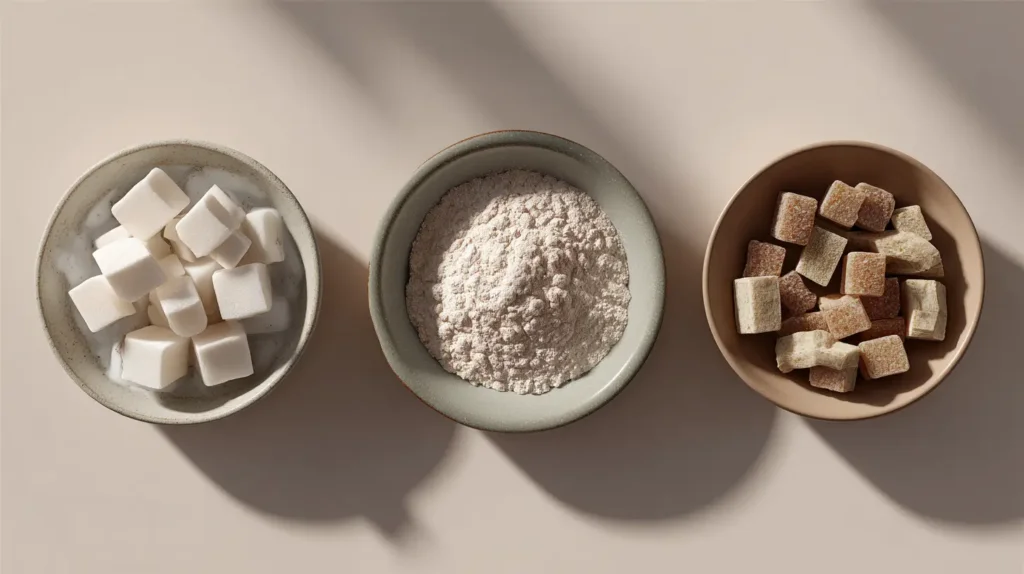
When building a GLP-1 diet, not all appetite-supporting foods work the same way. Protein source, structure, and digestion speed all matter. Gelatin, collagen, and fiber are often mentioned together, but they play very different roles when it comes to satiety and appetite awareness.
Understanding these differences helps explain why gelatin is frequently used in gelatin for appetite control routines, especially in structured or bariatric-friendly contexts.
Gelatin: Structure and Fullness
Gelatin provides a rare combination of protein plus volume. When it sets, it creates physical structure in the stomach, which contributes to a noticeable feeling of fullness. This volume-based effect supports slower digestion, aligning well with natural GLP-1 support principles.
Gelatin’s advantage lies in its physical structure. When prepared properly, it adds volume that directly contributes to fullness, reinforcing satiety cues through digestion. This basic unflavored gelatin preparation demonstrates how gelatin can be used effectively without sugar, additives, or unnecessary complexity.
This structural quality is what makes gelatin particularly effective in a gelatin weight loss routine, where consistency and portion awareness matter more than intensity.
Collagen: Protein Without Volume
Collagen is also a protein, but it behaves very differently from gelatin. When dissolved into drinks or foods, collagen adds protein but very little physical volume. As a result, it may support protein intake but doesn’t contribute much to stomach fullness.
For this reason, collagen is often better suited as a nutritional supplement rather than a satiety tool. In the context of a GLP-1 diet explained through digestion, collagen supports protein goals but doesn’t strongly influence appetite signals on its own.
This distinction is central to the gelatin vs collagen for weight loss discussion: one builds structure and fullness, the other simply adds protein.
Fiber: Indirect GLP-1 Stimulation
Fiber works through a different pathway. It slows digestion and feeds gut bacteria, which can indirectly influence satiety hormones over time. Fiber-rich foods are widely recognized as GLP-1 friendly foods, but their effects are often gradual rather than immediate.
While fiber plays an important role in balanced eating, it doesn’t always provide the immediate fullness that gelatin offers. That’s why many structured approaches combine fiber-rich meals with gelatin-based snacks or routines, rather than relying on fiber alone.
These approaches follow the same preparation principles used in structured bariatric routines, as outlined in our bariatric gelatin recipe, which explains the standard gelatin framework in detail.
Together, these tools can complement each other—but when appetite control and structure are the priority, gelatin’s physical presence makes it uniquely effective.
Who Can Benefit From a GLP-1-Focused Gelatin Diet

A GLP-1-focused gelatin diet isn’t designed for one specific profile. Its strength comes from flexibility and structure, which makes it relevant for different people seeking appetite control without extreme restriction. Rather than promising outcomes, this approach emphasizes consistency, digestion awareness, and realistic routines.
Bariatric and Post-Surgery Routines
Gelatin has long been used in bariatric-friendly eating phases because of its simplicity, digestibility, and low calorie load. In post-surgery routines, structure matters more than variety, and gelatin fits naturally into soft-food and transition stages.
In post-surgery routines, texture and digestion speed are critical. Gelatin fits naturally into these phases by offering structure without heaviness or irritation. These bariatric soft-food examples illustrate how gelatin supports recovery-focused eating patterns.
This is why gelatin often appears in bariatric gelatin diet discussions—it respects both physical limitations and appetite signals.
People Seeking Appetite Control Without Extremes
Not everyone following a GLP-1 diet explained approach is post-surgery. Many people simply want better appetite awareness, fewer cravings, and more predictable eating patterns.
For those who struggle with constant snacking or portion creep, gelatin can introduce structure between meals. Its volume and protein content help create a pause—a moment where hunger signals slow down instead of escalating. This makes gelatin appealing for people who want gelatin for appetite control without cutting entire food groups or tracking obsessively.
Doctor-Inspired and Structured Wellness Approaches
Gelatin-based routines are also popular in doctor-inspired gelatin diet frameworks that emphasize simplicity and repetition. These approaches don’t rely on novelty—they rely on habits.
Doctor-inspired wellness routines prioritize repetition and familiarity over novelty, favoring simple, predictable formats that are easy to maintain over time. Gelatin-based preparations fit naturally into this structure, supporting appetite awareness through consistency rather than indulgence or constant variation. This structured gelatin dessert-style approach illustrates how familiar formats can reinforce mindful portions without drifting into treat-based habits. At the same time, subtle adjustments in flavor or presentation can help sustain long-term adherence without altering the core structure of the routine, as shown in this popular pink gelatin variation.
Some online discussions reference weight loss or gelatin-based routines attributed to individuals such as “Doctor Miguel.” These mentions typically reflect informal interpretations shared on social platforms rather than a defined medical protocol. In this article, the focus remains on how gelatin supports appetite awareness and structured eating through nutritional mechanisms—not on named personalities or endorsements.
Across all these profiles, the common thread is not weight loss promises—but structure, consistency, and respect for how appetite actually works.
Safety, Frequency, and Best Practices
A GLP-1-focused gelatin diet works best when it’s approached with moderation, consistency, and common sense. Gelatin is simple, but structure still matters. This section focuses on practical guidelines—not rules—to help gelatin fit smoothly into everyday routines.
Can Gelatin Be Consumed Daily?
For most people, gelatin can be included daily as part of a balanced eating pattern. Because it’s low in calories and easy to digest, it’s often used regularly in structured routines without overwhelming the diet.
That said, gelatin is a supportive food, not a meal replacement. Using it once or twice a day—often between meals or alongside lighter meals—helps maintain appetite awareness without crowding out whole foods. This is especially important in bariatric-aligned routines, where balance and texture are prioritized.
In structured eating contexts—especially those aligned with bariatric-friendly routines—simple preparations help maintain consistency without excess. This bariatric-focused gelatin recipe illustrates how controlled portions and minimal ingredients can support daily use while respecting digestion and appetite cues.
How Much Gelatin Is Reasonable?
Moderation is key. Gelatin works because of its structure and volume—not because of high intake. Small, consistent portions tend to be more effective than large servings used occasionally.
In most gelatin weight loss routine approaches, gelatin is used as:
- A structured snack
- A light pre-meal option
- A controlled dessert alternative
The goal is to support satiety signals, not to rely on gelatin as a primary calorie source. Overuse can reduce variety and may limit overall nutrient intake if it replaces balanced meals.
Common Mistakes to Avoid
The most common mistake is turning gelatin into a sweetened treat rather than a functional food. Adding excessive sugar, syrups, or frequent flavor enhancers can undermine its role in natural GLP-1 support.
Another common pitfall is stacking too many appetite-focused strategies at once. When gelatin is combined with multiple supplements or overly aggressive routines, eating patterns can quickly feel rigid rather than supportive. Discussions around ingredients such as taurine and citric acid reinforce an important principle: individual tools are most effective when used thoughtfully and intentionally, not layered without a clear purpose.
Finally, skipping meals and relying on gelatin alone can backfire. Gelatin supports structure, but balanced meals remain essential for long-term consistency.
Used correctly, gelatin acts as a stabilizer—not a shortcut—in a GLP-1 diet explained through real-world habits.
How This Fits Into a GLP-1 Weight Loss Strategy
A GLP-1 diet works best when it’s built around habits, not isolated foods. Gelatin fits into this strategy as a supportive tool, helping reinforce satiety and structure without replacing balanced meals or whole-food nutrition.
Gelatin’s role in a GLP-1 diet explained through food is simple: it helps create pauses. By adding volume and protein with minimal calories, gelatin can reduce the urgency to snack, overeat, or rush into the next meal.
However, gelatin is not meant to replace meals. It doesn’t provide the full range of nutrients needed for daily nourishment. Instead, it supports appetite awareness so that meals feel more intentional and portions more intuitive.
When incorporated thoughtfully, gelatin can complement balanced meals rather than replace whole foods. Structured approaches show how gelatin-based preparations can work alongside protein-rich foods and mindful portions.
You can explore practical examples in our collection of GLP-1 recipes for weight loss.
Combining Gelatin With Balanced Meals
The most effective GLP-1-friendly routines combine gelatin with meals that include protein, fiber, and whole foods. Gelatin can be used:
- Between meals to reduce grazing
- Before meals to slow eating pace
- As a structured dessert alternative
This approach allows gelatin to complement—not compete with—real food. Practical meal ideas that follow this philosophy are presented in a curated collection of GLP-1-friendly recipes, where gelatin-based options are thoughtfully integrated into balanced eating patterns.
When viewed this way, gelatin becomes part of a GLP-1-friendly ecosystem—one that prioritizes digestion, consistency, and realistic habits over extremes.
Frequently Asked Questions (FAQ)
Is a GLP-1 gelatin diet safe?
A GLP-1 gelatin diet is generally approached as a food-structure strategy, not a medical plan. When used in moderation and alongside balanced meals, gelatin is commonly included in everyday routines. It should support eating habits—not replace meals or professional guidance.
Does gelatin increase GLP-1 naturally?
Gelatin does not directly increase GLP-1 levels. Instead, it supports digestion patterns—such as slower gastric emptying and increased fullness—that align with how GLP-1 functions naturally in the body. Its benefit comes from structure and satiety, not stimulation.
Can gelatin replace GLP-1 medications?
No. Gelatin is a food, not a medication. A GLP-1 diet explained through nutrition focuses on habits and digestion, while medications operate in a medical context. Gelatin may support appetite awareness but should never be viewed as a replacement for prescribed treatments.
How long before gelatin helps with appetite control?
Some people notice improved fullness quickly, while others benefit over time as routines stabilize. Gelatin works best when used consistently as part of a gelatin weight loss routine, rather than occasionally or in large amounts.
Is gelatin better than collagen for fullness?
For appetite control, gelatin is often more effective because it provides both protein and physical volume. Collagen adds protein but lacks structure. This difference is central to the gelatin vs collagen for weight loss discussion focused on satiety.
Can bariatric patients use gelatin daily?
Gelatin is commonly used in bariatric-friendly routines because it’s easy to digest and portion-controlled. However, frequency and timing should align with individual dietary stages and professional recommendations, especially after surgery.
Conclusion
A GLP-1 diet doesn’t rely on trends, extremes, or shortcuts. At its core, it’s about understanding how digestion, satiety, and structure influence everyday eating decisions. Gelatin fits into this framework not as a solution on its own, but as a practical tool that supports appetite awareness and consistency.
By focusing on natural GLP-1 support, gelatin-based routines offer a simple way to introduce structure without complexity. Whether used in bariatric-friendly phases or general wellness routines, gelatin works best when paired with balanced meals and realistic habits.
If you’re exploring how gelatin and structured eating can complement a GLP-1-friendly approach, you’ll find practical ideas and meal integrations in our GLP-1 recipes for weight loss guide where gelatin is used as part of a broader, sustainable strategy.
Written by Janet – Yuma Recipes
Janet focuses on functional recipes, wellness drinks, and structured, doctor-inspired dietary approaches.
How this information was researched
This article was created based on culinary research, traditional food uses, and publicly available nutrition information. No medical claims are made.