
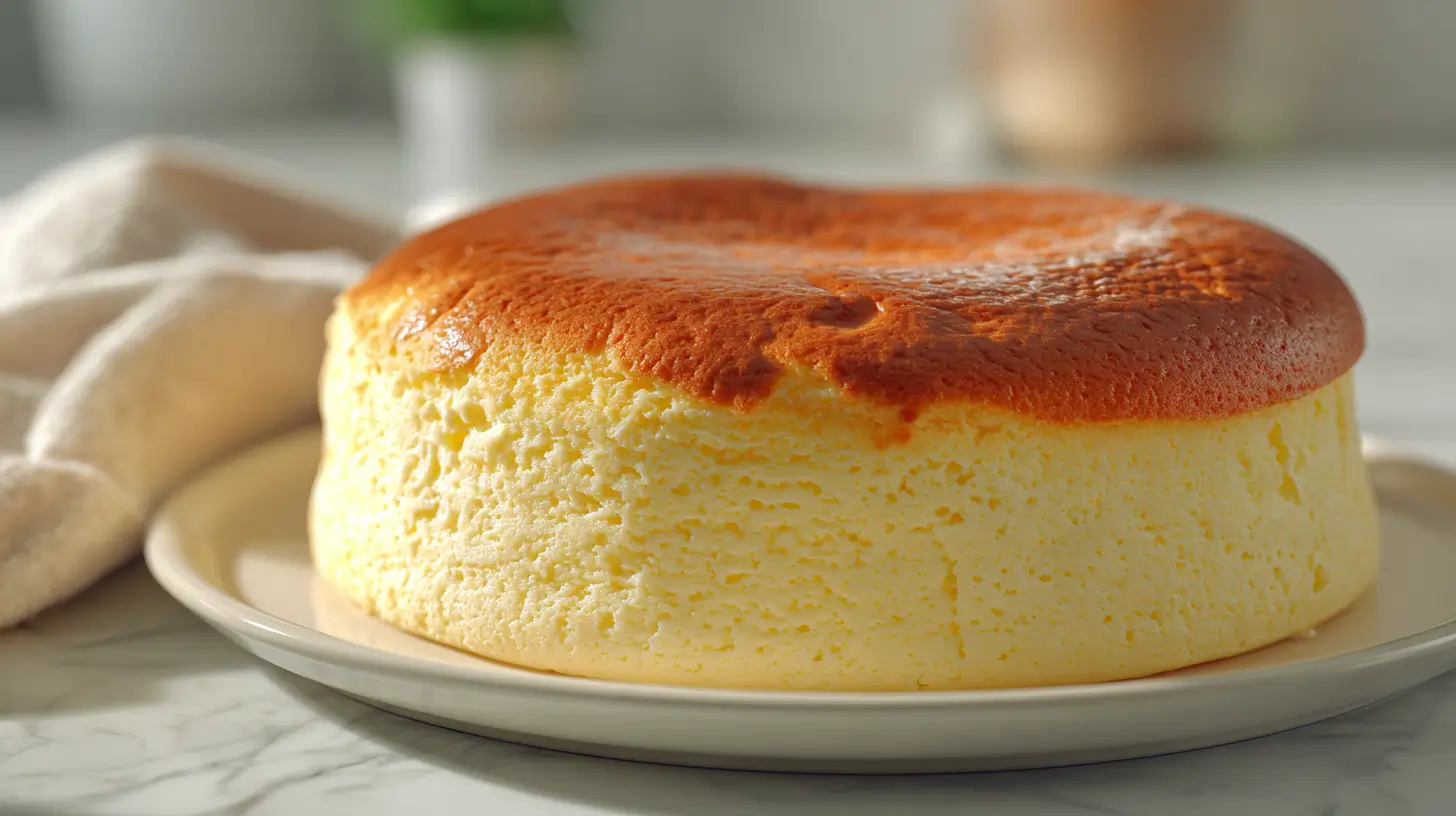
Japanese cheesecake is already famous for its airy, cloud-like texture, but the greek yogurt japanese cheesecake takes things one step further. This lighter variation swaps part of the traditional cream cheese for Greek yogurt, creating a dessert that feels just as fluffy yet noticeably fresher on the palate. As a result, it has quickly become a favorite among home bakers looking for a modern twist on a classic.
In recent months, this version has exploded online, especially alongside the viral Japanese yogurt cheesecake, which proved that yogurt-based cheesecakes can be both beautiful and irresistibly soft. However, the Greek yogurt Japanese cheesecake stands out because it balances indulgence and lightness without sacrificing structure or flavor.
Unlike a dense New York–style cheesecake, this recipe focuses on gentle mixing, whipped egg whites, and careful baking. Thanks to Greek yogurt, the cake gains a subtle tang and a smoother finish, making each bite feel less heavy and more refined. In other words, it’s the kind of dessert you can enjoy after a full meal without feeling overwhelmed.
In the sections below, we’ll break down what makes this version different, why Greek yogurt works so well in Japanese cheesecake, and what you should expect in terms of taste, texture, and overall results. Whether you’re following the trend or simply curious, this lighter take is well worth trying.
What Makes the Greek Yogurt Version Different?
At first glance, a greek yogurt japanese cheesecake looks very similar to the classic version. It’s tall, pale, and softly golden on top. However, once you cut into it, the difference becomes clear almost immediately. The crumb is lighter, the interior feels slightly creamier, and the overall bite is less rich, yet still deeply satisfying.
The biggest change comes from the dairy base. Traditional Japanese cheesecake relies heavily on cream cheese, butter, and milk. In contrast, this version replaces part of that richness with Greek yogurt. Because Greek yogurt is strained, it contains less moisture and more protein than regular yogurt. As a result, it supports the structure of the cake while keeping the batter noticeably lighter.
Another key difference is how the flavor develops. Instead of a purely sweet, milky taste, the Greek yogurt adds a gentle tang. This subtle acidity balances the sugar and eggs, so the cheesecake tastes fresher and less heavy. For many people, that’s exactly what makes this version easier to enjoy, especially after a big meal.
Texture-wise, the change is just as important. The cake still relies on whipped egg whites for its signature soufflé-like lift. However, Greek yogurt creates a smoother, silkier mouthfeel once baked. The cheesecake jiggles when warm, then sets into a soft, airy sponge as it cools, without becoming dry or dense.
In short, this isn’t just a “healthier swap” for the sake of it. The Greek yogurt version genuinely changes how the cheesecake feels and tastes, while staying true to what makes Japanese cheesecake so special. Next, let’s look more closely at why Greek yogurt works so well in this recipe.
Why Greek Yogurt Works in Japanese Cheesecake
The Role of Greek Yogurt in Structure
One of the main reasons greek yogurt japanese cheesecake works so well is structure. Greek yogurt is strained, which means excess whey is removed. Because of that, it behaves more like a soft cheese than a liquid dairy product. When folded into the batter, it helps the cheesecake hold its shape without weighing it down.
Unlike heavy cream or full cream cheese, Greek yogurt adds protein without extra fat. This protein supports the airy network created by whipped egg whites, allowing the cake to rise evenly and stay tall. As a result, the cheesecake looks just as impressive as the classic version but feels lighter when sliced.
How Greek Yogurt Affects Flavor Balance
Flavor is another area where Greek yogurt shines. Japanese cheesecake is known for its mild sweetness, and Greek yogurt fits perfectly into that profile. Its natural tang cuts through sugar and egg richness, creating a more balanced taste from the first bite to the last.
Because of this, you don’t need to overload the recipe with lemon juice or vanilla to add depth. The yogurt already brings a gentle brightness that makes the cheesecake taste cleaner and less cloying. For many bakers, this is what separates a good cheesecake from a great one.
Moisture Control and Creaminess
Moisture is critical in Japanese cheesecake. Too much liquid, and the cake collapses. Too little, and it dries out. Greek yogurt hits the sweet spot. It adds creaminess without excess water, which helps the cheesecake bake evenly and cool without shrinking dramatically.
This controlled moisture is also what gives the cake its signature jiggle when warm. Once cooled, the interior remains soft and smooth rather than spongy or rubbery. In other words, Greek yogurt helps maintain that delicate balance between fluffy and creamy that defines Japanese cheesecake.
Why It’s Ideal for a Lighter Cheesecake
Finally, Greek yogurt simply aligns with the idea of a lighter dessert. Compared to traditional recipes, this version reduces overall fat while keeping the same visual appeal and texture. That’s why it pairs so naturally with trends like the viral Japanese yogurt cheesecake, which proved that yogurt-based cheesecakes can still feel indulgent.
Up next, we’ll move from theory to practice and walk through a simple Greek yogurt Japanese cheesecake recipe, step by step.
Simple Greek Yogurt Japanese Cheesecake Recipe
Print
Greek Yogurt Japanese Cheesecake: The Lighter Viral Version
- Total Time: 80 minutes
- Yield: 8 slices 1x
Description
This Greek yogurt Japanese cheesecake is light, fluffy, and delicately tangy. Inspired by viral Japanese cheesecake trends, it delivers an airy texture and soft jiggle while using Greek yogurt for a lighter, more balanced finish.
Ingredients
- 200 g cream cheese, softened
- 150 g full-fat Greek yogurt (strained if needed)
- 40 g unsalted butter
- 100 ml milk
- 4 large eggs, separated
- 100 g granulated sugar, divided
- 60 g cake flour (or 50 g all-purpose flour + 10 g cornstarch)
- 1/4 tsp salt
Instructions
- Preheat the oven to 320°F (160°C). Line an 8-inch round pan and prepare a water bath.
- In a heatproof bowl, gently melt the cream cheese, butter, and milk until smooth. Let cool slightly.
- Whisk in the Greek yogurt until fully incorporated and silky.
- Add egg yolks one at a time, mixing gently after each addition.
- Sift in the flour and salt, then mix just until smooth.
- In a separate bowl, beat egg whites until foamy. Gradually add sugar and whip to soft, glossy peaks.
- Gently fold the egg whites into the batter in three additions, taking care not to deflate the mixture.
- Pour the batter into the prepared pan. Place the pan in the water bath.
- Bake for 60 minutes, then turn off the oven and leave the door slightly open for 15 minutes.
- Remove and cool completely before unmolding. Chill for best texture before serving.
Notes
Use full-fat Greek yogurt for best structure and creaminess. Avoid overmixing once the egg whites are added to preserve the airy texture. Minor shrinkage during cooling is normal for Japanese cheesecake.
- Prep Time: 20 minutes
- Cook Time: 60 minutes
- Category: Dessert
- Method: Baking (Water Bath)
- Cuisine: Japanese
Nutrition
- Serving Size: 1 slice
- Calories: 210
- Sugar: 14 g
- Sodium: 180 mg
- Fat: 9 g
- Saturated Fat: 5 g
- Unsaturated Fat: 3 g
- Trans Fat: 0 g
- Carbohydrates: 22 g
- Fiber: 1 g
- Protein: 9 g
- Cholesterol: 115 mg
Keywords: greek yogurt japanese cheesecake, japanese cheesecake with greek yogurt, greek yogurt cheesecake, light japanese cheesecake, viral japanese cheesecake
Ingredients You’ll Need
This greek yogurt japanese cheesecake uses simple, easy-to-find ingredients. The key is balance rather than quantity, so precise measuring matters.

Main ingredients:
- Greek yogurt (full-fat works best for texture)
- Cream cheese (reduced amount compared to classic recipes)
- Eggs (separated into whites and yolks)
- Sugar
- Cake flour or cornstarch
- Milk
- Butter
Because Greek yogurt already adds tang and creaminess, you’ll notice this ingredient list feels lighter than traditional versions. If you want to compare it to a more classic approach, you can also check out this easy Japanese cheesecake recipe to see how the ratios differ.
Step-by-Step Overview
The process is very similar to a classic Japanese cheesecake, with just a few adjustments to account for Greek yogurt.
- Prepare the base batter
Melt the cream cheese, butter, and milk gently until smooth. Once slightly cooled, whisk in the Greek yogurt until fully incorporated. - Add yolks and dry ingredients
Mix in egg yolks, then sift in the flour or cornstarch. Stir gently to avoid overworking the batter. - Whip the egg whites
Beat egg whites with sugar until soft, glossy peaks form. This step is crucial for the signature airy texture. - Fold, don’t stir
Gently fold the egg whites into the yogurt batter in batches. This keeps the mixture light and prevents deflation. - Bake in a water bath
Pour the batter into a lined pan and bake using a hot water bath. This ensures even heat and prevents cracking.
Baking Tips for Best Results
Small details make a big difference with Japanese cheesecake. Always bake at a lower temperature and avoid opening the oven door too early. Sudden temperature changes can cause the cake to collapse.
After baking, let the cheesecake cool gradually inside the oven with the door slightly open. This slow cooling helps the structure set properly and preserves that soft, fluffy interior.
Common Mistakes to Avoid
One of the most common mistakes is using Greek yogurt that’s too thin. If it’s watery, strain it first. Another issue is overmixing the batter, which can knock out the air from the egg whites.
Finally, rushing the bake or skipping the water bath often leads to a dense or cracked cake. Patience is key here, and the results are well worth it.
Texture, Taste, and Expectations

What the Texture Is Really Like
The first thing most people notice with a greek yogurt japanese cheesecake is the texture. It’s soft, airy, and visibly jiggly when warm. Unlike dense Western-style cheesecakes, this one almost trembles when you move the pan, which is exactly what you want to see.
Once cooled, the jiggle settles into a light sponge-like structure. The crumb stays moist and smooth, not dry or rubbery. Thanks to Greek yogurt, the interior feels slightly creamier than a fully traditional Japanese cheesecake, while still holding enough air to feel cloud-like.
How It Tastes Compared to the Classic Version
Flavor-wise, expectations should be realistic. This isn’t meant to taste rich or heavy. Instead, it’s gently sweet with a mild tang from the Greek yogurt. That subtle acidity balances the eggs and sugar, making each bite feel clean and refreshing.
Compared to a full cream cheese version, the dairy flavor is softer and less buttery. Many people actually prefer this, especially if they find classic cheesecake too rich. It pairs beautifully with fresh fruit, a light dusting of powdered sugar, or even on its own.
Why It Feels Lighter Without Feeling “Diet”
One of the biggest surprises with this cheesecake is that it doesn’t feel like a compromise. Even though it uses less cream cheese, the structure remains stable and the mouthfeel stays satisfying. Greek yogurt adds body without heaviness, so the dessert feels lighter but still indulgent.
This balance is also why it fits so well with modern baking trends. Similar to the viral Japanese yogurt cheesecake, it proves that lighter ingredients can still produce a visually stunning and delicious result.
Managing Expectations Before Baking
It’s important to remember that Japanese cheesecake behaves differently from other cakes. Slight shrinkage after cooling is normal, and small surface wrinkles don’t mean failure. What matters is the interior texture and overall softness.
If you’re expecting a firm, sliceable cheesecake, this isn’t it. Instead, think of it as a cross between a soufflé and a sponge cake, with the added creaminess of Greek yogurt. When approached with the right expectations, the result is incredibly rewarding.
How This Version Fits the Viral Trend

Over the past year, Japanese-style cheesecakes have taken over social media feeds. Short videos showing tall, jiggly cakes cooling on kitchen counters rack up millions of views. Within that wave, the greek yogurt japanese cheesecake fits naturally, because it responds to what viewers actually want: something viral and doable at home.
What made the trend explode wasn’t just the look. It was the idea that cheesecake could feel light, almost airy, instead of heavy and dense. Yogurt-based versions pushed that idea even further. Recipes like the viral Japanese yogurt cheesecake showed that you don’t need extreme amounts of cream cheese to achieve that iconic wobble.
This Greek yogurt version builds on that momentum but adds stability. Many viral recipes look impressive on camera yet fail in real kitchens. They collapse, bake unevenly, or taste flat. By using Greek yogurt instead of regular yogurt, this recipe keeps the visual appeal while improving structure and consistency. In other words, it’s trend-inspired but not trend-dependent.
Another reason it works so well online is accessibility. Greek yogurt is easy to find, familiar to most home bakers, and already associated with lighter desserts. That makes the recipe feel less intimidating, even for beginners. As a result, more people actually try it, share results, and keep the trend alive beyond a single post.
Ultimately, this cheesecake sits at the sweet spot between viral content and reliable baking. It looks stunning in photos and videos, delivers the jiggle everyone loves, and still tastes balanced and refined. That’s exactly why it continues to circulate long after many viral recipes fade out.
Frequently Asked Questions About Greek Yogurt Japanese Cheesecake
Can you use Greek yogurt instead of cream cheese in Japanese cheesecake?
Yes, you can partially replace cream cheese with Greek yogurt in Japanese cheesecake. While cream cheese is still used for structure and richness, Greek yogurt lightens the batter and adds a mild tang. The result is a softer, airier cake that stays true to the Japanese cheesecake style without becoming dense.
Does Greek yogurt change the texture of Japanese cheesecake?
Absolutely. Greek yogurt makes the texture slightly creamier while keeping it fluffy. Because it’s strained and higher in protein, it supports the whipped egg whites instead of weighing them down. This helps the cheesecake maintain its signature jiggle and soft sponge-like interior.
Is Greek yogurt Japanese cheesecake healthier than the classic version?
In most cases, yes. A greek yogurt japanese cheesecake typically contains less fat than a traditional recipe because it uses less cream cheese and butter. While it’s still a dessert, it’s often perceived as lighter and easier to digest, especially after a heavy meal.
Can I use low-fat Greek yogurt for this recipe?
You can, but full-fat Greek yogurt gives the best results. Low-fat versions contain more moisture, which can affect structure and cause the cheesecake to sink. If you use low-fat Greek yogurt, straining it first is highly recommended to remove excess liquid.
Why is my Greek yogurt Japanese cheesecake not fluffy?
The most common causes are overmixing the batter or deflating the egg whites during folding. Another issue can be baking temperature. Japanese cheesecake needs gentle, even heat, usually with a water bath. Rushing the process often leads to a flatter result.
Is this the same as the viral Japanese yogurt cheesecake?
Not exactly. While both rely on yogurt for a lighter texture, Greek yogurt versions are usually more stable and less watery. That’s why many bakers prefer them after trying recipes inspired by the viral Japanese yogurt cheesecake.
Conclusion: Why Greek Yogurt Japanese Cheesecake Is Worth Trying
The greek yogurt japanese cheesecake proves that lighter doesn’t have to mean boring. By blending the airy technique of Japanese cheesecake with the subtle tang of Greek yogurt, this version delivers a dessert that feels modern, balanced, and surprisingly satisfying. It keeps the iconic jiggle, the soft crumb, and the gentle sweetness, while cutting back on heaviness.
What really sets this recipe apart is reliability. Unlike many trend-driven desserts, it doesn’t rely on gimmicks or extreme shortcuts. Instead, it builds on solid baking principles, using Greek yogurt to improve texture, flavor balance, and overall consistency. That’s why it works just as well for first-time bakers as it does for those already familiar with Japanese cheesecake.
If you’ve been curious about yogurt-based cheesecakes or inspired by social media videos, this is a great place to start. It captures the spirit of the trend while offering results you can confidently recreate at home. And if you want to explore where this movement began, don’t miss the viral Japanese yogurt cheesecake, which helped spark this lighter approach in the first place.
In the end, this cheesecake isn’t about following a fad. It’s about enjoying a dessert that feels fresh, elegant, and easy to love. If you value texture, balance, and a lighter finish, this version is absolutely worth a spot in your baking rotation.