
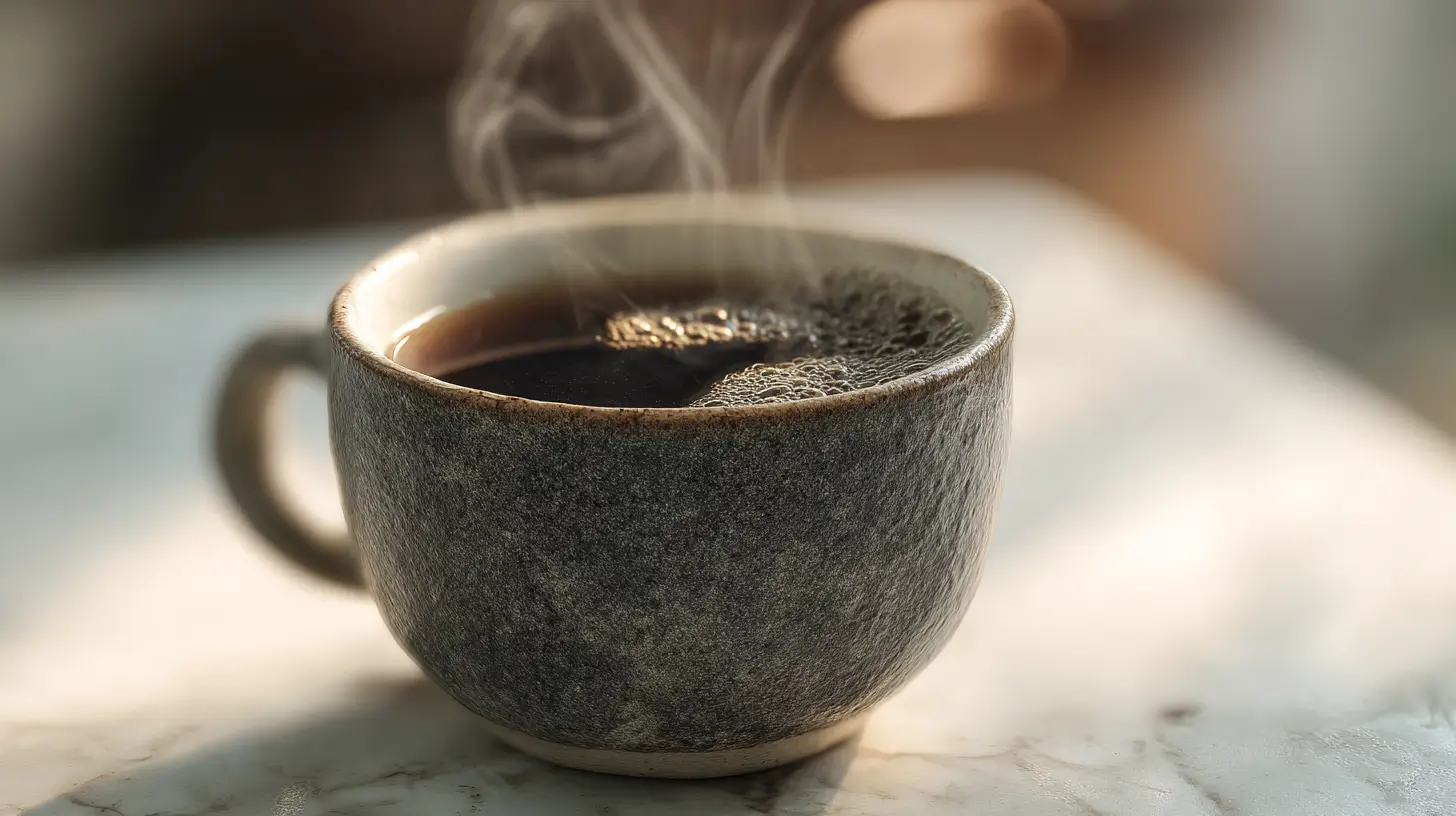
Tartary buckwheat tea is gaining attention as a more intense, traditional alternative to classic buckwheat tea, and it’s showing up more often in wellness routines, tea shops, and online searches. While many people are already familiar with mild, nutty buckwheat tea, this lesser-known version stands out for its bolder taste, darker infusion, and deep roots in Asian and Himalayan traditions.
Over the past few years, interest in tartary buckwheat tea has surged alongside a broader return to heritage teas and caffeine-free drinks. Consumers looking for comforting, roasted flavors are increasingly exploring how it compares to more familiar options, such as buckwheat tea, and why it’s often described as stronger and more complex.
In this guide, we’ll break down exactly what tartary buckwheat tea is, why it’s trending now, how it differs from regular buckwheat tea, and what you can realistically expect in terms of taste, everyday use, and drinking habits—without exaggeration or hype.
What Is Tartary Buckwheat Tea?
What Is Tartary Buckwheat?
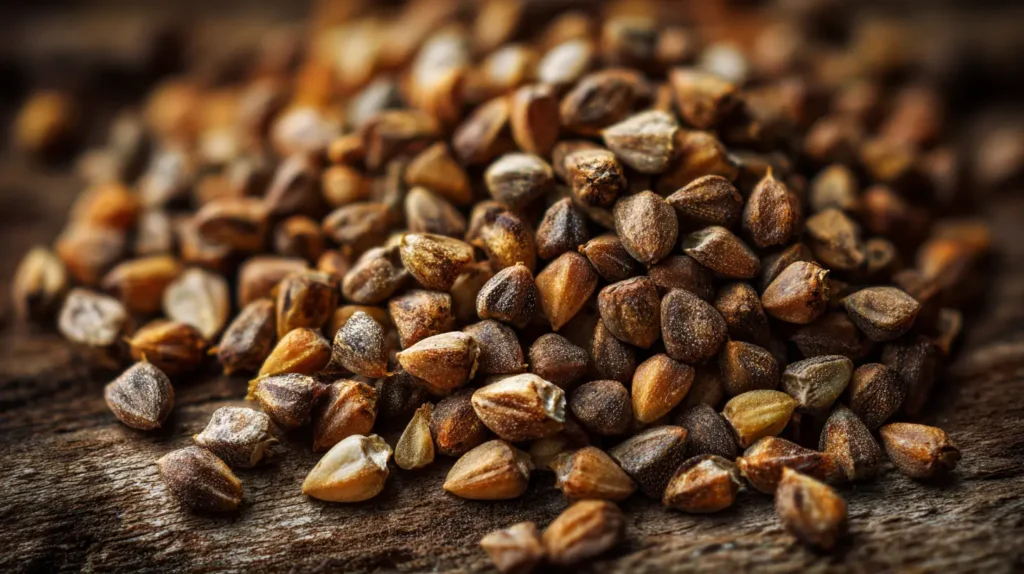
Tartary buckwheat is a traditional variety of buckwheat that’s known for its stronger character and deeper flavor. Unlike common buckwheat, which is often mild and neutral, tartary buckwheat has a naturally more intense profile. For that reason, it has long been used in mountainous regions of Asia, where hearty grains and warming drinks are part of daily life.
Although the name includes the word “wheat,” tartary buckwheat is not wheat at all. It’s a seed, which explains why people who avoid gluten often compare it to other grain-free options. Because of its bold taste, tartary buckwheat is typically roasted before use, a step that brings out its signature aroma and darker color.
Many people first encounter it while learning about buckwheat tea, then discover that tartary buckwheat offers a noticeably different experience.
How Tartary Buckwheat Is Used for Tea
To make tartary buckwheat tea, the seeds are cleaned, roasted, and then infused in hot water. This process is similar to regular buckwheat tea, but the result is usually richer and more robust. The roasted grains release a deeper color and a more pronounced flavor, especially when steeped for several minutes.
Unlike leaf-based teas, tartary buckwheat tea doesn’t rely on delicate brewing techniques. Instead, it’s forgiving and easy to prepare, which is one reason it fits well into everyday routines. Some people drink it as a warm morning beverage, while others prefer it in the evening because it’s naturally caffeine-free.
At its core, tartary buckwheat tea is simply a roasted grain infusion—but one with a long tradition, a stronger taste, and a growing presence in modern tea culture.
Why Is Tartary Buckwheat Tea Trending?
Growing Interest in Traditional and Functional Teas
One major reason tartary buckwheat tea is trending is the renewed interest in traditional, grain-based teas. More people are moving away from overly processed drinks and looking instead for simple infusions with cultural roots. Roasted teas, in particular, fit perfectly into this shift because they feel familiar, comforting, and easy to understand.
At the same time, caffeine-free options are gaining ground. Many tea drinkers want something warm and satisfying without relying on stimulants, especially later in the day. That’s where roasted buckwheat teas naturally stand out, offering depth and aroma without the buzz often associated with black or green tea.
This trend often starts with curiosity around classic buckwheat tea, then expands as people discover stronger, more traditional variations like tartary buckwheat.
Why People Are Searching for Tartary Buckwheat Tea Now
Search interest in tartary buckwheat tea has grown quickly because it sits at the crossroads of several consumer habits. On one hand, it appeals to people exploring Asian tea culture and traditional drinks. On the other, it attracts those building calmer daily routines centered around warm beverages rather than coffee or sugary drinks.
Another factor is comparison-driven curiosity. Once people learn about roasted grain teas, they naturally want to understand the differences—especially when terms like “tartary,” “sobacha,” and regular buckwheat tea appear side by side. That often leads them to related topics such as sobacha tea, where tartary buckwheat is sometimes mentioned as a stronger or more rustic alternative.
In short, tartary buckwheat tea is trending not because it’s new, but because it fits modern habits surprisingly well—simple, traditional, and easy to drink on a daily basis.
Tartary Buckwheat Tea vs Regular Buckwheat Tea

Taste and Aroma Differences
The most noticeable difference between tartary buckwheat tea and regular buckwheat tea is the taste. Tartary buckwheat tea tends to have a stronger, slightly bitter edge, balanced by roasted, earthy notes. The flavor feels deeper and more assertive, especially for people who enjoy bold teas or darker roasts.
Regular buckwheat tea, by comparison, is usually milder and more nutty, with a smoother finish that’s easier for beginners. This is why many people start with classic buckwheat tea and only later explore tartary buckwheat once they’re comfortable with roasted grain flavors.
Color and Brewing Differences
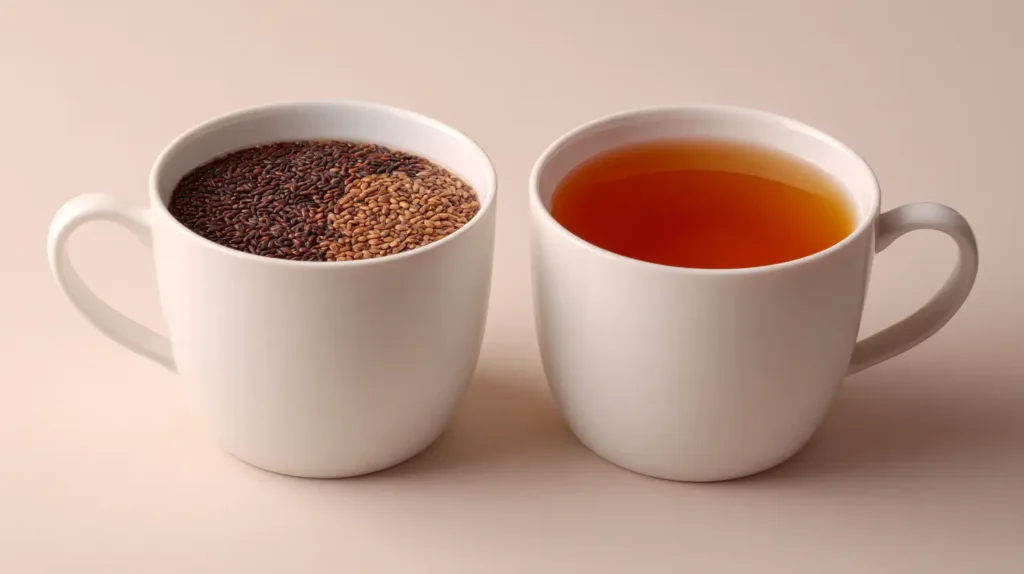
Visually, the difference is just as clear. Tartary buckwheat tea typically brews into a darker, richer infusion, especially when steeped a bit longer. Regular buckwheat tea often produces a lighter, golden-brown color.
Brewing methods are similar for both, but tartary buckwheat responds more noticeably to roasting level and steeping time. A longer infusion brings out more intensity, while a shorter steep keeps the bitterness in check.
Which One Do People Usually Prefer?
Preference often comes down to experience and taste expectations. People who enjoy subtle flavors usually prefer regular buckwheat tea, while those looking for a more pronounced, traditional profile gravitate toward tartary buckwheat tea.
For many drinkers, the choice isn’t about replacing one with the other but understanding how they fit into different moments. Those exploring broader comparisons between grain-based teas often end up reading guides like buckwheat tea vs barley tea to decide which flavor profile matches their daily habits.
Himalayan Tartary Buckwheat Tea Explained
Himalayan Origin
Himalayan tartary buckwheat tea is closely linked to high-altitude regions where tartary buckwheat has been cultivated for generations. In these mountainous areas, the climate is cooler, the growing season is shorter, and crops tend to be hardier. As a result, tartary buckwheat has traditionally played an important role in local diets and warm beverages.
Because of this origin, Himalayan tartary buckwheat tea is often associated with authenticity and tradition. The idea of grains grown in remote, elevated environments also adds to its appeal for people looking for teas with a clear sense of place.
Why “Himalayan” Tartary Buckwheat Stands Out
When people see the word “Himalayan” attached to tartary buckwheat tea, they usually expect a more robust and distinctive character. This perception comes from both the growing conditions and the traditional processing methods used in these regions, including careful roasting.
While not every product labeled “Himalayan” is identical, many drinkers report a deeper aroma and slightly stronger taste compared to standard tartary buckwheat tea. That reputation has helped position Himalayan versions as a more premium option within the category.
Is Himalayan Tartary Buckwheat Tea Different?
In practical terms, Himalayan tartary buckwheat tea isn’t a completely different drink, but it often delivers subtle differences in flavor and intensity. The infusion may taste a bit richer, and the roasted notes can feel more pronounced.
For tea drinkers who already enjoy tartary buckwheat tea, exploring Himalayan varieties is usually about nuance rather than transformation. It’s less about changing what the tea is, and more about experiencing how origin and tradition can shape the final cup.
Tartary Buckwheat Tea Benefits (Without Exaggeration)
Naturally Caffeine-Free Tea Option
One of the main reasons people choose tartary buckwheat tea is that it’s naturally caffeine-free. This makes it easy to enjoy at any time of day, including the evening, without worrying about sleep disruption. For people trying to cut back on coffee or strong teas, roasted grain infusions offer a gentler alternative.
Because it doesn’t rely on tea leaves, tartary buckwheat tea fits well into routines where warmth and flavor matter more than stimulation. Many drinkers rotate it alongside other caffeine-free options rather than treating it as a direct replacement for green or black tea.
Why People Include It in Wellness Routines
Tartary buckwheat tea is often included in wellness routines for simple, practical reasons. It’s warm, comforting, and easy to prepare, which makes it appealing during slower moments of the day. For some, it becomes part of a daily ritual focused on relaxation rather than performance.
Unlike trend-driven beverages that promise dramatic effects, tartary buckwheat tea is usually appreciated for its everyday usability. People tend to drink it because it feels familiar and grounding, not because they expect immediate results.
Comfort and Warm Beverage Habits
Warm drinks play an important role in many daily habits, especially in colder seasons or evening routines. Tartary buckwheat tea fits naturally into this pattern, offering a roasted flavor that feels satisfying without being heavy.
For those exploring caffeine-free alternatives, it often appears alongside other grain-based teas, such as sobacha tea, which shares a similar roasted profile. Together, these teas highlight how simple ingredients can create comforting, repeatable habits without unnecessary complexity.
What Does Tartary Buckwheat Tea Taste Like?
Bitter vs Nutty Flavor Profile
The taste of tartary buckwheat tea is often described as deeper and more assertive than regular buckwheat tea. While both share roasted and nutty notes, tartary buckwheat usually introduces a slight bitterness that gives the tea more character. This bitterness isn’t sharp or overwhelming, but it’s noticeable enough to set it apart.
People who enjoy darker roasts or bold flavors tend to appreciate this profile more quickly. For others, the taste can feel intense at first, especially if they’re used to lighter, smoother grain teas. Over time, many drinkers come to see this bitterness as part of the tea’s traditional charm.
How Roasting Affects Taste
Roasting plays a major role in how tartary buckwheat tea tastes. A lighter roast brings out softer, grain-forward flavors, while a darker roast emphasizes bitterness and smoky, toasted notes. This means the same type of tea can taste quite different depending on how it’s processed.
Steeping time also matters. A shorter infusion keeps the flavor rounder and milder, while longer steeping allows the roasted elements to fully develop. For anyone new to tartary buckwheat tea, adjusting roast level and brewing time is often the easiest way to fine-tune the taste to personal preference.
How to Drink Tartary Buckwheat Tea Safely
How Often People Drink It
Most people drink tartary buckwheat tea as a daily or occasional beverage rather than on a strict schedule. Because it’s naturally caffeine-free, it can be enjoyed once or several times a day, depending on personal habits. Some drink it in the morning as a warm start, while others prefer it in the evening as part of a wind-down routine.
In many cultures, roasted grain teas are consumed regularly but in moderate amounts. Tartary buckwheat tea fits well into this pattern, especially when treated as a comforting drink rather than something consumed for intensity or stimulation.
Who May Need to Be Cautious
While tartary buckwheat tea is generally well tolerated, moderation still matters. People who are new to roasted grain teas may want to start with lighter brews to see how their body responds, especially because tartary buckwheat has a stronger flavor than regular buckwheat.
Anyone with known sensitivities to buckwheat should be cautious and avoid it altogether. As with any food or drink, listening to personal tolerance is more important than following trends.
Simple Preparation Notes
Preparing tartary buckwheat tea is straightforward. The roasted grains are typically steeped in hot water for several minutes, then strained or left in the cup, depending on preference. Using boiling water brings out a fuller flavor, while slightly cooler water can soften the bitterness.
Many people adjust the amount of grains and steeping time to match their taste. This flexibility is part of what makes tartary buckwheat tea easy to incorporate into everyday routines without overthinking the process.
Frequently Asked Questions About Tartary Buckwheat Tea
Is Tartary Buckwheat Tea Stronger Than Regular Buckwheat Tea?
Yes, tartary buckwheat tea is generally considered stronger in both flavor and aroma. Compared to regular buckwheat tea, it tends to brew darker and deliver a more pronounced, roasted taste with a mild bitterness. This is why many people describe it as more intense, especially if they’re used to smoother grain teas.
Does Tartary Buckwheat Tea Contain Caffeine?
No, tartary buckwheat tea is naturally caffeine-free. Because it’s made from roasted buckwheat seeds rather than tea leaves, it doesn’t contain caffeine at all. This makes it suitable for evening drinking or for people who are sensitive to stimulants.
Is Tartary Buckwheat Tea Gluten-Free?
Tartary buckwheat tea is naturally gluten-free, since buckwheat is not a type of wheat despite its name. However, people with severe gluten intolerance or celiac disease should always check product labels to ensure there’s no cross-contamination during processing.
Is Tartary Buckwheat Tea the Same as Sobacha?
Not exactly. Sobacha is a general term for roasted buckwheat tea and is most commonly made from regular buckwheat. Tartary buckwheat tea uses a different variety of buckwheat and typically has a stronger, more bitter profile. For a deeper comparison between roasted grain teas, many readers also explore buckwheat tea vs barley tea to better understand how these drinks differ.
Conclusion
Tartary buckwheat tea stands out as a bolder, more traditional take on roasted buckwheat tea, offering a deeper flavor and darker infusion than most people expect. Its growing popularity isn’t about hype or dramatic promises, but about how well it fits into modern habits—simple preparation, comforting warmth, and a naturally caffeine-free profile.
For readers already familiar with buckwheat tea, tartary buckwheat tea feels like a natural next step. It keeps the roasted, nutty base many people enjoy, while adding a stronger, slightly bitter edge that appeals to those who prefer more character in their cup. Others may find it works best as an occasional alternative rather than an everyday drink.
Whether you’re drawn to its Himalayan roots, its traditional processing, or its distinctive taste, tartary buckwheat tea offers a quiet, grounded experience. It’s a reminder that sometimes the most interesting beverages aren’t new inventions, but older traditions rediscovered and enjoyed in a modern way.