
Ashwagandha is a traditional plant that has been used for centuries in everyday cultural practices, especially in food and drink preparation. In recent years, interest in this root has grown far beyond its place of origin, and today many people are curious about what it is, where it comes from, and how it’s commonly enjoyed as part of daily routines.
At the same time, ashwagandha is often misunderstood. Some see it as a modern wellness trend, while others associate it only with supplements. However, long before capsules and powders appeared on store shelves, ashwagandha was mainly used in simple, traditional ways—most often as a warm drink or herbal preparation.
Many people today first discover this traditional plant through simple beverages, especially warm herbal drinks like ashwagandha tea, which remain one of the most common ways it’s prepared.
In this guide, you’ll learn what ashwagandha is, where it comes from, and how people have traditionally consumed it, with a clear focus on food and beverages. We’ll keep things straightforward, practical, and rooted in tradition, so you can understand how this plant fits into everyday drinking culture.
Introduction to Ashwagandha
Ashwagandha as a Traditional Plant Used for Centuries
Ashwagandha is not a new discovery. In fact, it has been part of traditional lifestyles for hundreds of years, especially in regions where herbal plants were commonly prepared at home. Families relied on roots, leaves, and spices found in their natural surroundings, and ashwagandha became one of those familiar plants passed down through generations.
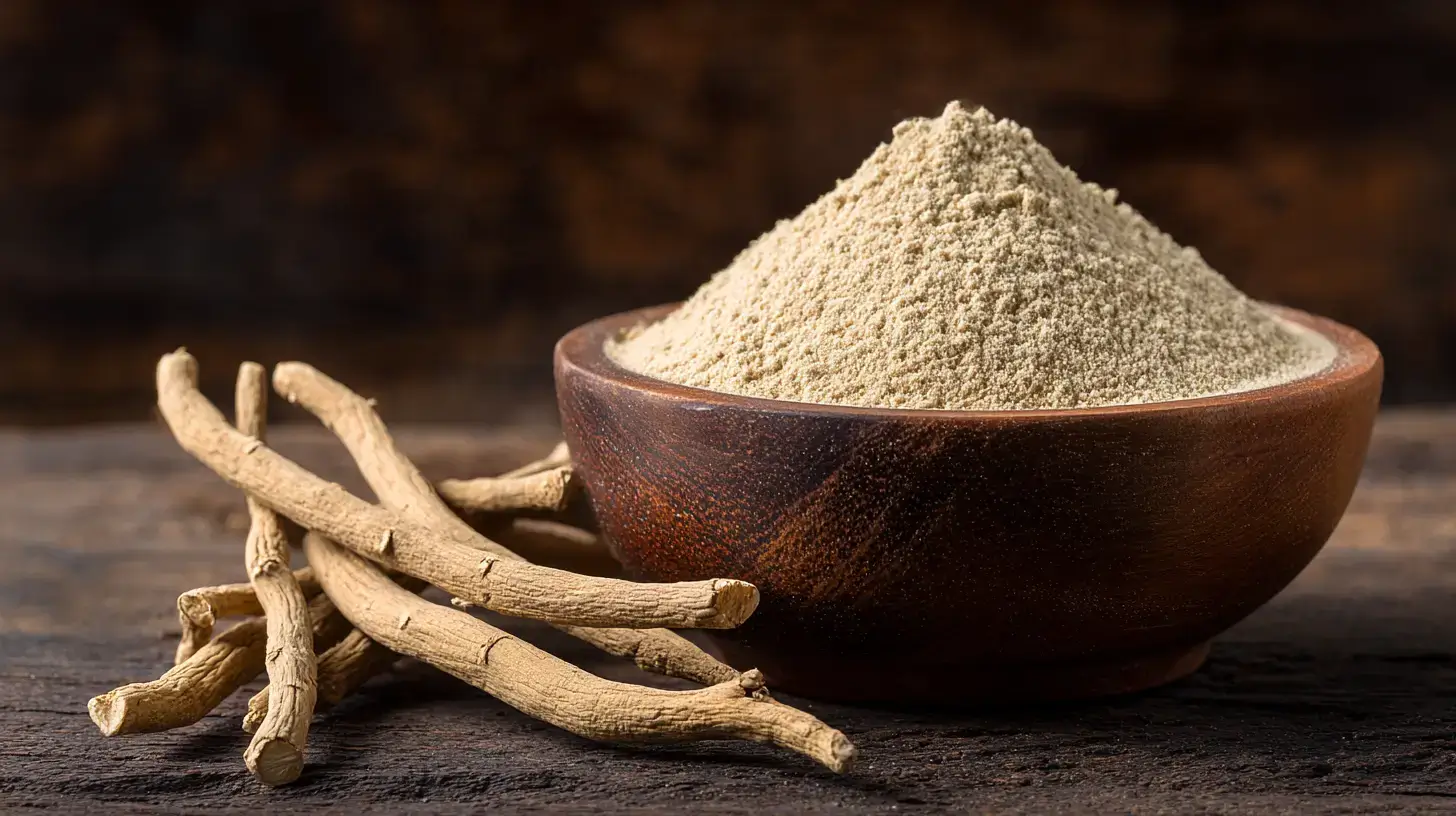
Rather than being treated as something rare or exotic, ashwagandha was often prepared in simple forms. People dried the root, ground it into powder, and mixed it into warm liquids. Because of this, it naturally became associated with calm routines, evening drinks, and traditional household practices.
Why Ashwagandha Is Gaining Popularity in Modern Wellness Culture
Today, ashwagandha is gaining attention again, especially among people exploring herbal teas and plant-based drinks. As interest in traditional ingredients grows, many are looking back at how plants were originally used, instead of focusing only on modern formats.
Warm beverages, herbal infusions, and simple drink recipes are becoming popular again, and ashwagandha fits naturally into this trend. Its earthy character and long history make it appealing to those who enjoy experimenting with traditional roots and spices in their drinks.
What This Guide Will Cover: Definition, Origin, and Traditional Consumption
This article is designed to give you a clear and simple understanding of what ashwagandha is and how it has traditionally been used, without diving into medical or supplement-related discussions. We’ll explore where the plant grows, which parts are used, how it tastes, and why it’s so often prepared as a warm drink.
Most importantly, the focus stays on food and beverages, especially herbal drinks like teas and infusions. By the end, you’ll have a solid foundation that helps you appreciate ashwagandha as a traditional plant enjoyed in everyday drinking culture.
What Is Ashwagandha?
Simple Definition: What Is Ashwagandha
So, what is ashwagandha? Ashwagandha is a traditional herb that comes from the root of a small shrub. It has been used for generations as part of everyday routines, especially in the form of warm drinks and simple herbal preparations. Rather than being treated as a modern invention, it has long been part of traditional food and beverage culture.
When people ask what is ashwagandha, they are usually looking for a clear, basic explanation. At its core, it is a plant-based ingredient made from dried roots that are often ground into a fine powder. This powder is then mixed into liquids, commonly warm water or milk-based drinks, depending on cultural traditions.
The Ashwagandha Plant: Background and Classification
The ashwagandha plant is a hardy shrub that grows close to the ground. It produces small green leaves and round berries, but the root is the most valued part for traditional use. Over time, the root became the focus because it stores much of the plant’s character and flavor.
Ashwagandha is classified as a traditional herb rather than a culinary spice like cinnamon or cloves. Even so, it is often prepared in similar ways, especially when used in drinks. The root is cleaned, dried, and ground, making it easy to blend into warm beverages and herbal infusions.
Common Names and Meaning of Ashwagandha
The name “ashwagandha” comes from ancient languages and roughly translates to “smell of a horse.” This refers to the strong, earthy aroma of the fresh root. While that description may sound intense, the flavor becomes milder once it’s dried and prepared in drinks.
Because of its long history, ashwagandha is sometimes referred to simply as “ashwagandha root” or “ashwagandha herb.” These names usually point to its traditional form rather than modern formats, which helps keep the focus on how it has been used in food and drink over time.
Why Ashwagandha Is Considered a Traditional Herb
Ashwagandha is considered a traditional herb because its use developed naturally within everyday culture. It wasn’t created in laboratories or designed for convenience. Instead, it was prepared at home, shared within families, and enjoyed as part of daily routines.
Most importantly, it was commonly consumed as a drink. Warm infusions, simple teas, and blended beverages allowed people to enjoy the root in a slow, familiar way. That traditional approach is what defines ashwagandha today, especially when discussing it in the context of food and beverages.
Where Does Ashwagandha Come From?
Regions Where Ashwagandha Traditionally Grows
Ashwagandha is native to warm regions where dry soil and plenty of sunlight allow the plant to thrive. Traditionally, it has grown in areas with long summers and mild winters, which help the roots develop slowly underground. These conditions are important because the root is the main part used in traditional preparations.
Over time, the plant became closely associated with regions where herbs were commonly grown for household use. People cultivated ashwagandha near their homes or gathered it from nearby land, making it an accessible and familiar ingredient rather than something rare or imported.
Climate and Natural Environment of the Ashwagandha Plant
The ashwagandha plant prefers a dry, well-drained environment. It grows best in sandy or rocky soil where excess water doesn’t linger around the roots. This natural setting helps explain why the root has such a dense, earthy character when dried and prepared for use.
Because the plant is resilient, it doesn’t require intensive care. This made it especially practical in traditional communities, where herbs needed to grow naturally without complex farming methods. Once harvested, the roots were dried in the sun and stored for later use in drinks and infusions.
Cultural and Historical Background of Ashwagandha Use
Historically, ashwagandha was part of everyday life rather than a specialized ingredient. People didn’t separate it from food culture; instead, they treated it much like other traditional roots and herbs used in warm beverages. Preparing herbal drinks was a common way to enjoy plants, especially during quieter moments of the day.
Ashwagandha’s role in traditional culture was closely tied to routine and simplicity. It was used in homes, shared within families, and prepared using basic tools. This background helps explain why, even today, ashwagandha is most often associated with warm drinks and traditional infusions rather than modern formats.
What Parts of the Ashwagandha Plant Are Used?
Ashwagandha Root: The Most Commonly Used Part
When people talk about ashwagandha, they are almost always referring to the root. While the plant has leaves and berries, the root is the part that has traditionally been used in everyday preparation. Over time, it became the preferred choice because of its texture, flavor, and how well it works in warm drinks.
The root grows thick and sturdy underground, storing the plant’s natural character. Once harvested, it can be cleaned, dried, and stored for long periods, which made it practical for household use. This is one reason ashwagandha became so closely tied to traditional food and drink routines.
How Ashwagandha Root Is Traditionally Prepared
Traditionally, ashwagandha roots are dried in natural conditions, often under the sun. After drying, the root becomes firm and is then ground into a fine powder. This powdered form makes it easy to mix into liquids without complex preparation.
In many cultures, this powder is added to warm water, milk, or herbal blends. The goal isn’t speed or convenience, but rather a slow, familiar preparation that fits into daily life. This traditional method keeps the ingredient close to its original form.
Why the Root Is Preferred for Drinks and Infusions
The root works especially well in drinks because it releases its flavor gradually when heated. Warm liquids help soften the powder and blend it evenly, creating a smooth, earthy beverage. This makes ashwagandha ideal for teas, infusions, and other warm drinks.
Another reason the root is preferred is consistency. Unlike leaves, which can vary in strength and texture, the dried root powder offers a more predictable taste. That reliability made it a trusted ingredient for traditional beverages prepared at home.
Why This Guide Does Not Focus on Capsules or Pills
This guide intentionally avoids capsules, pills, and modern supplement formats. While those exist today, they don’t reflect how ashwagandha was traditionally used. The focus here is on food-based preparation, especially drinks that people make and enjoy as part of daily routines.
By staying focused on roots, powders, and warm beverages, the discussion remains grounded in tradition. This approach helps readers understand ashwagandha as a plant that belongs in the kitchen, not just on a shelf.
How Is Ashwagandha Traditionally Consumed?

Ashwagandha Herbal Teas and Warm Drinks
Traditionally, ashwagandha is most often consumed as part of a warm drink. Rather than being eaten on its own, the dried root or powder is gently mixed into liquids and warmed. This method allows the flavor to anchor into the drink while keeping the preparation simple and familiar.
Herbal teas are one of the most common ways people enjoy ashwagandha. The powder is blended with hot water or milk-based liquids and stirred slowly. This creates a comforting beverage that fits easily into daily routines, especially in the evening or during quieter moments of the day.
Traditional Infusions and Beverage Preparation Methods
In traditional households, ashwagandha drinks were not rushed. The powder was often simmered gently or steeped in hot liquid rather than boiled aggressively. This slower method helped maintain a balanced flavor and smooth texture.
Sometimes, ashwagandha was infused on its own. In other cases, it was combined with other roots or spices commonly found in the kitchen. These infusions were less about exact measurements and more about consistency, warmth, and routine.
Cultural Routines Around Ashwagandha Drinks
Ashwagandha drinks were often part of established daily habits. Preparing a warm beverage in the evening or early morning was a familiar ritual in many cultures. The act of heating, stirring, and sipping played just as important a role as the ingredient itself.
Because of this, ashwagandha became associated with calm, slow-paced moments rather than quick consumption. It was meant to be enjoyed mindfully, often at home, using simple tools and ingredients already on hand.
Modern Interest in Ashwagandha Tea
Today, many people are rediscovering these traditional preparation methods, especially through herbal teas. Warm drinks remain the most popular and accessible way to enjoy ashwagandha in a food-based form.
One of the most common traditional ways people enjoy this plant is by preparing it as a warm herbal drink. You can explore this preparation method in more detail in our guide to ashwagandha tea.
This renewed interest reflects a broader shift toward traditional beverages and simple ingredients, bringing ashwagandha back into everyday drink culture.
What Does Ashwagandha Taste Like?
Earthy and Root-Like Flavor Profile
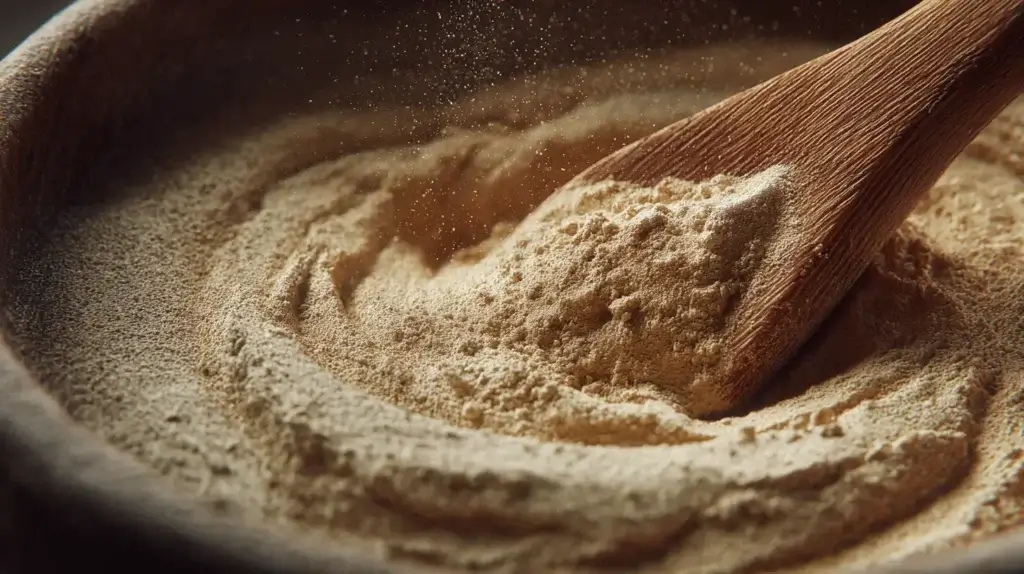
Ashwagandha has a flavor that’s best described as earthy and grounded. Because it comes from a root, its taste is closer to ingredients like ginseng or licorice root rather than sweet herbs or floral teas. When mixed into warm drinks, the flavor feels deep and natural, not sharp or overpowering.
Many people notice that ashwagandha has a slightly woody character. This makes sense given how the root is dried and ground before use. In warm beverages, that earthiness becomes smoother and more rounded, especially when the drink is prepared slowly.
Mild Bitterness and Natural Aftertaste
On its own, ashwagandha can taste mildly bitter. The bitterness isn’t intense, but it’s noticeable, especially if the powder is mixed only with hot water. There’s also a lingering aftertaste that some people describe as chalky or dry.
That said, bitterness is common in many traditional herbs used in drinks. It’s one of the reasons ashwagandha has historically been combined with other ingredients rather than consumed alone.
How People Balance the Taste in Drinks
To balance the natural bitterness, ashwagandha is often paired with ingredients that soften its flavor. Warm milk or plant-based alternatives help smooth the texture, while gentle sweeteners can make the drink more approachable.
This is one reason ashwagandha is often used in warm herbal drinks, including traditional preparations like ashwagandha tea, where the flavor develops more smoothly.
Spices and herbs are also commonly added. These combinations don’t overpower ashwagandha but instead help round out its taste, creating a more pleasant and familiar drinking experience.
Why Ashwagandha Is Often Combined With Other Herbs or Spices
Ashwagandha is rarely used completely on its own in traditional drinks. Combining it with other herbs or spices helps balance flavor and creates depth. This approach reflects traditional kitchen practices, where ingredients were blended intuitively rather than measured precisely.
By pairing ashwagandha with complementary flavors, people were able to enjoy it regularly without the taste becoming overwhelming. This is one reason it fits so naturally into herbal teas and warm beverage blends.
Ashwagandha vs Other Traditional Herbs
Ashwagandha vs Ginger: Taste and Drink Preparation
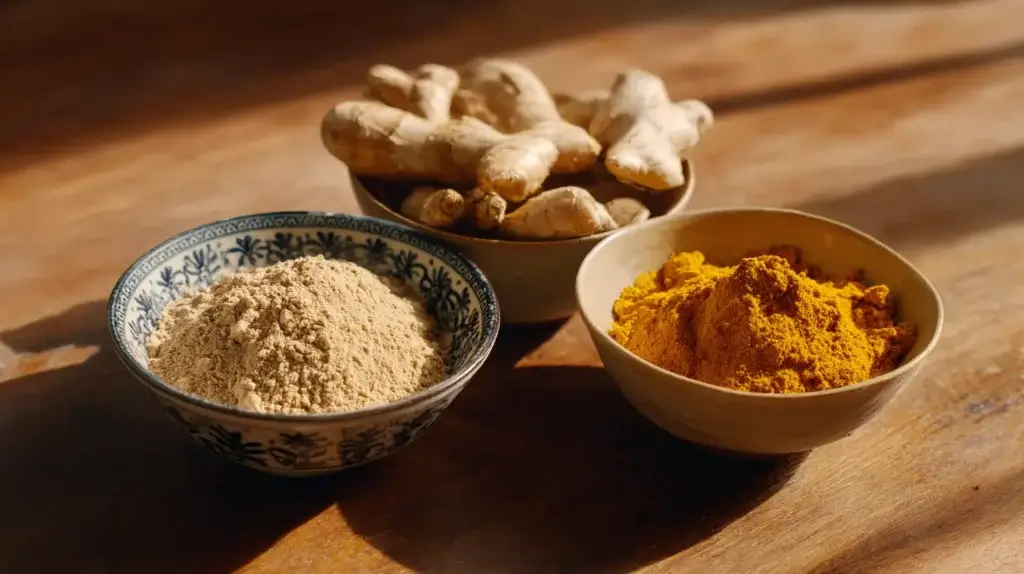
Ashwagandha and ginger are both roots, but their flavors are very different. Ginger has a sharp, spicy heat that’s immediately noticeable, especially in hot drinks. Ashwagandha, on the other hand, has a much milder and earthier taste with no heat.
In terms of preparation, ginger is often sliced or grated and steeped directly in hot water. Ashwagandha is usually dried and ground into powder before being mixed into warm liquids. Culturally, ginger drinks are often consumed for their bold flavor, while ashwagandha drinks tend to be smoother and more subtle.
Ashwagandha vs Turmeric in Traditional Beverages
Turmeric is another root commonly used in warm drinks. Its flavor is slightly bitter but also peppery and bright, with a distinct yellow color. Ashwagandha does not add color in the same way and has a more neutral, muted appearance in beverages.
Preparation methods differ slightly as well. Turmeric is often simmered with spices and fats, while ashwagandha is gently stirred into warm liquids. Culturally, both have been used in traditional drinks, but turmeric beverages are often more spice-forward, whereas ashwagandha drinks are typically softer and more understated.
Ashwagandha vs Chamomile as Herbal Drinks
Chamomile and ashwagandha sit on opposite ends of the flavor spectrum. Chamomile is light, floral, and naturally pleasant, making it easy to drink on its own. Ashwagandha is heavier and more root-like, which is why it’s often blended with other ingredients.
Chamomile is usually prepared by steeping dried flowers, while ashwagandha requires powdering the root first. In traditional use, chamomile drinks are often enjoyed for their gentle taste, whereas ashwagandha drinks are more about routine and warmth than flavor alone.
Cultural Use Differences Between These Herbs
Each of these herbs plays a different role in traditional drink culture. Ginger and turmeric are often used for their bold presence in beverages, while chamomile is valued for its lightness and aroma. Ashwagandha stands out as a grounding ingredient, typically used in slower, more deliberate drink preparation.
Rather than competing with these herbs, ashwagandha complements them. Its mild, earthy profile allows it to blend well into traditional drinks without dominating the flavor, which is why it has remained a quiet but consistent part of herbal beverage culture.
Is Ashwagandha a Food, Herb, or Supplement?
Understanding the Difference Between Foods, Herbs, and Supplements
The terms food, herb, and supplement are often used interchangeably, but they mean different things. Foods are ingredients commonly eaten or drunk as part of meals. Herbs are plants or plant parts traditionally used in cooking or drinks, often in small amounts. Supplements, on the other hand, are modern products designed for convenience, usually in capsule or pill form.
Ashwagandha can fit into more than one of these categories depending on how it’s used. However, the way it has been traditionally prepared places it much closer to herbs used in food and beverages rather than modern supplements.
How Ashwagandha Fits Into Traditional Food and Drink Use
Historically, ashwagandha was treated as a herbal ingredient, not a manufactured product. People used the dried root in the same way they used other traditional herbs—by mixing it into warm liquids or simple preparations at home.
Because it was prepared as a drink, ashwagandha naturally became part of food culture. It wasn’t consumed quickly or separately. Instead, it was blended into beverages that were sipped slowly, often as part of daily routines. This method aligns more closely with how herbs are used in kitchens rather than how supplements are used today.
Why This Article Focuses on Ashwagandha as a Beverage Ingredient
This article focuses entirely on ashwagandha in its traditional, food-based form, especially as a drink. While supplements exist, they don’t reflect how the plant was originally used or how it fits into cultural beverage practices.
By keeping the discussion centered on teas, infusions, and warm drinks, the information stays practical, neutral, and easy to understand. This approach also helps readers see ashwagandha as a simple plant ingredient—one that belongs in traditional drink preparation rather than modern supplement routines.
Frequently Asked Questions About Ashwagandha
Is ashwagandha naturally caffeine-free?
Yes, ashwagandha is naturally caffeine-free. Because it comes from a plant root rather than tea leaves or coffee beans, it does not contain caffeine. This is one reason it’s commonly used in warm herbal drinks, especially those enjoyed later in the day.
Can ashwagandha be used in cooking or drinks?
Ashwagandha is most commonly used in drinks rather than cooked dishes. Traditionally, it’s mixed into warm beverages like herbal teas or milk-based drinks. While it can be added to certain recipes, its earthy taste makes it better suited for liquids than solid foods.
Is ashwagandha bitter on its own?
Ashwagandha does have a mild bitterness when used by itself. The flavor is earthy and slightly dry, which is why it’s often combined with other ingredients. In traditional drinks, this bitterness is usually balanced with warm liquids or complementary herbs and spices.
Why is ashwagandha often used in warm beverages?
Warm beverages help soften the texture and blend the flavor of ashwagandha more smoothly. Heat allows the powdered root to mix evenly, creating a more balanced drink. Culturally, warm drinks have also been the most practical and familiar way to enjoy traditional herbs like ashwagandha.
Conclusion
Ashwagandha is a traditional plant with a long history of everyday use, especially in food and drink. Rather than being a modern invention, it has been part of household routines for generations, most often prepared as a warm beverage using the dried root.
Understanding what ashwagandha is, where it comes from, and how it’s traditionally consumed helps place it in the right context. It’s best viewed as a herbal ingredient used in teas and infusions, not as a modern product or trend.
If you’d like to explore how people still prepare it today, enjoying it as a warm herbal drink such as ashwagandha tea is a natural next step.
If you’re curious about how people prepare it today using traditional methods, exploring ashwagandha as a warm herbal drink is a natural next step. This approach keeps the experience simple, familiar, and rooted in long-standing beverage culture.