

Crafting a cozy chaga mushroom tea recipe at home is easier than most people think. This earthy, slow-brew drink has become a favorite in the wellness world thanks to its smooth flavor, simple ingredients, and calming ritual. Whether you’re using chunks, powder, or tea bags, making homemade chaga tea feels like preparing a warm, grounding beverage that fits into almost any daily routine.
If you enjoy functional, mushroom-based drinks, you might also like this mushroom coffee recipe inspired by Ryze, another earthy wellness-style beverage.
In this guide, you’ll learn exactly how to make chaga mushroom tea, the best brewing methods, how to adjust the flavor, and when to enjoy it. We’ll walk through simmering basics, temperature tips, easy add-ins, and a few variations so you can create the best chaga mushroom tea recipe for your taste.
Let’s dive into what chaga tea really is and why so many people enjoy this simple, natural drink.
What Is Chaga Mushroom Tea?
Origins of Chaga and Why It’s Used in Wellness Drinks
Chaga mushroom tea has become a popular choice among people who enjoy earthy, grounding drinks made with simple ingredients. Chaga itself is a dark, woody growth found on birch trees, traditionally simmered to create a rich, naturally flavored infusion. While it has a long history in cold-weather regions, today it’s appreciated mainly as a cozy, slow-brew drink that fits perfectly into modern wellness routines.
Because it isn’t a typical herbal tea, many people turn to chaga when they want something deeper in taste—something closer to a smooth, earthy broth with a comforting aroma.
What Makes a Chaga Mushroom Tea Recipe Unique?
Unlike most teas that steep in just a few minutes, a chaga mushroom tea recipe relies on a longer, low-temperature simmer to draw out its natural color and flavor. The result is a dark, almost coffee-like brew with a gentle, mellow taste.
Chaga also stands out because it blends well with warm spices like cinnamon, ginger, and vanilla. It’s one of those drinks that feels handcrafted, intentionally brewed, and meant to be enjoyed slowly.
For a lighter option with a completely different profile, you can also try this Costa Rican tea recipe, a simple herbal drink made with pantry ingredients.
Chaga Chunk vs Powder Forms Explained
Chaga comes in several forms, and each one changes how the tea is prepared:
- Chaga chunks: Great for slow simmering, reusable, and ideal if you want a deeper, richer brew.
- Chaga powder: Perfect for quick brewing and fast weekday routines.
- Chaga tea bags: Convenient, mild in flavor, and easy for beginners.
All three can be used for homemade chaga tea, but chunks and powder give you much more control over strength and taste.
How Chaga Fits Into Modern Wellness & Mushroom Drink Trends
Chaga tea sits right beside other trending earthy beverages like mushroom coffee, turmeric-root drinks, and ginger infusions. People gravitate toward it because it feels natural, minimalistic, and comforting—something you make when you want a warm drink with a handcrafted vibe.
It’s also versatile: you can enjoy it plain, spice it up, turn it into an iced drink, or blend it with other flavors. Its deep color and smooth profile make it feel like a tea that’s been part of slow-living rituals for decades.
Ingredients You Need for a Homemade Chaga Tea
Choosing Between Chaga Chunks, Powder, and Tea Bags
When you’re preparing a homemade chaga mushroom tea recipe, the first thing to decide is which form of chaga you want to use. Each option creates a slightly different drinking experience.
- Chaga chunks:
These small, dried pieces are the classic choice for brewing chaga tea. They’re great for slow simmering and can be reused several times. Because they release flavor gradually, they give you a smooth, balanced brew that never feels too intense. - Chaga powder:
Perfect if you want to learn how to make chaga mushroom tea quickly. Powder extracts flavor faster and is ideal for quick stovetop recipes or a fast weekday ritual. It creates a darker color and a deeper taste without long simmering times. - Chaga tea bags:
Mild, convenient, and beginner-friendly. They won’t produce the strongest tea, but they’re great when you want something simple and quick.
Choosing between these really depends on the kind of drinker you are:
chunks for slow brewing, powder for convenience, or tea bags for ease.
Water Type, Ratios, and Optional Flavor Add-Ins
The base of any chaga mushroom tea recipe is just water and chaga, which keeps things wonderfully simple. Still, paying attention to water type can make a difference. If possible, use filtered water for a cleaner flavor—not required, but helpful if your tap water tastes strongly of minerals.
Here’s a simple starting point for ratios:
- Chaga chunks: 1–2 teaspoons of chunks per 2 cups of water
- Chaga powder: ½ to 1 teaspoon of powder per cup of water
- Tea bags: 1 bag per mug
From here, you can adjust based on how deep or light you want the flavor to be.
If you want to build a more aromatic drink, try adding:
- a slice of fresh ginger
- cinnamon stick
- a strip of orange peel
- vanilla bean or vanilla extract
- honey or maple syrup at the end
These ingredients blend well with the natural earthy notes of chaga.
Storage Tips for Keeping Chaga Ready to Brew
To keep your chaga fresh, dry, and flavorful:
- Store chunks or powder in a cool, dark place.
- Use airtight jars or bags to prevent moisture from getting in.
- Keep chaga tea bags in their original sealed packaging.
- Avoid storing chaga near strong spices, as it can absorb aromas over time.
This helps preserve your chaga’s natural scent and makes brewing easier whenever you want a warm, grounding cup.
How to Make Chaga Mushroom Tea (Step-by-Step)
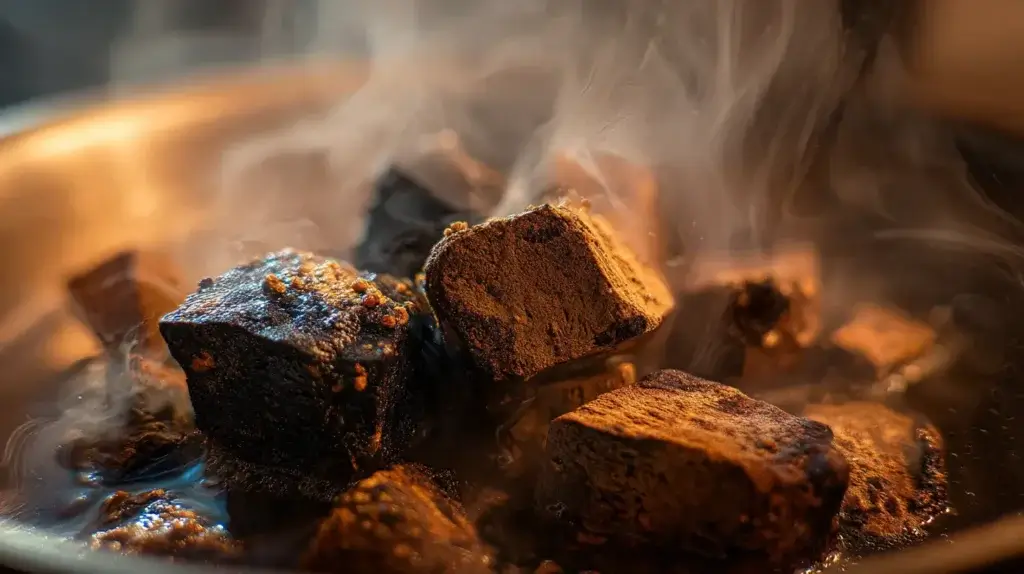
Simple Chaga Tea Recipe for Beginners
Making a chaga mushroom tea recipe at home is surprisingly easy. The only real difference from most teas is the lower temperature and longer brewing time, which help bring out chaga’s smooth, earthy notes.
A simple starting formula looks like this:
- Add 1–2 teaspoons of chaga chunks (or ½–1 teaspoon of powder) to a small pot.
- Pour in 2 cups of water.
- Heat gently until the water is hot but not boiling.
- Simmer on low for 15–20 minutes (or longer if you prefer a deeper color).
- Strain and enjoy warm, or chill for an iced version.
This slow extraction creates a rich, dark tea with a naturally grounding taste.
Brewing Chaga Tea with Chunks
Chaga chunks create the most traditional version of the drink. They’re easy to handle and can be reused several times, making them perfect for anyone who enjoys a slow-brew ritual.
To brew with chunks:
- Keep the heat low—just a gentle simmer.
- Let the chunks steep for 20–40 minutes depending on how strong you want it.
- After brewing, dry the chunks and store them for another round.
The longer you simmer, the deeper the color and fuller the taste.
How to Make Chaga Tea from Powder
Chaga powder works faster because of its fine texture. It’s ideal when you want the benefits of a homemade chaga tea without the longer simmer time.
Here’s a quick method:
- Heat water until it’s hot (but not boiling).
- Add ½ to 1 teaspoon of chaga powder.
- Stir and let it steep for 5–10 minutes.
- Strain through a fine mesh or cheesecloth for a smooth finish.
Chaga powder gives a more intense flavor and a stronger color, especially when you use the higher end of the ratio.
Stovetop Method, Slow Simmering & Optimal Temperatures
One of the most important parts of brewing chaga correctly is controlling the temperature. Chaga should be heated gently, not aggressively boiled, which helps maintain a clean, smooth taste.
To better understand why temperature matters, many readers compare chaga brewing to matcha preparation. Just like matcha, water should remain hot—but not boiling—to preserve smooth flavor and avoid harsh notes. This comparison is explained clearly in our guide on whether matcha can be prepared with hot water.
In short:
- Ideal temperature: around 160°F–180°F
- Avoid rolling boils: they can affect flavor
- Best heat: low and steady
This method keeps your chaga mushroom tea recipe silky, warm, and naturally smooth—exactly how chaga is meant to be enjoyed.
Print
Chaga Mushroom Tea Recipe (Easy, Earthy & Wellness-Friendly)
- Total Time: 22–42 minutes
- Yield: 2 cups (1–2 servings) 1x
Description
A warm, earthy chaga mushroom tea recipe made with simple ingredients. Gently simmer chaga chunks or powder to create a smooth, grounding drink that’s easy to customize with spices, citrus, or natural sweeteners. Enjoy it warm, iced, or latte-style.
Ingredients
- 1–2 teaspoons chaga chunks (or ½–1 teaspoon chaga powder)
- 2 cups water
- Optional: 1 slice fresh ginger
- Optional: 1 cinnamon stick
- Optional: strip of orange peel
- Optional: ¼ teaspoon vanilla extract
- Optional: honey or maple syrup to taste
Instructions
- Add chaga chunks or powder to a small pot.
- Pour in the water and warm it until hot (avoid boiling).
- Simmer on low for 15–40 minutes depending on how strong you want the flavor.
- Strain through a fine mesh sieve (or cheesecloth if using powder).
- Add optional spices, citrus, sweeteners, or vanilla.
- Serve warm, or chill and pour over ice for a refreshing iced version.
Notes
Chaga chunks can usually be reused 3 to 5 times. Longer simmering produces a deeper color and fuller flavor. Avoid boiling the tea to keep the taste smooth and clean. Adjust the strength by increasing or decreasing simmer time. Sweeten lightly if you prefer a softer, rounded flavor.
- Prep Time: 2 minutes
- Cook Time: 20–40 minutes
- Category: Beverages / Tea / Wellness Drinks
- Method: Stovetop simmering
- Cuisine: Natural / Wellness / Herbal-style
Nutrition
- Serving Size: 1 cup (about 8 oz)
- Calories: 5
- Sugar: 0g
- Sodium: 0mg
- Fat: 0g
- Saturated Fat: 0g
- Unsaturated Fat: 0g
- Trans Fat: 0g
- Carbohydrates: 1g
- Fiber: 0g
- Protein: 0g
- Cholesterol: 0mg
Keywords: chaga mushroom tea recipe, how to make chaga tea, homemade chaga tea, brewing chaga tea, chaga mushroom drink, chaga tea recipe, chaga chunks, chaga powder tea
Brewing Techniques: Steeping, Simmering & Reusing Chaga
How Long to Steep or Simmer Chaga Tea
Brewing chaga isn’t like steeping a classic tea bag. It takes a little more time, but the slow process is what gives this drink its dark color and naturally earthy depth.
For chunks:
- Light brew: 15–20 minutes
- Medium brew: 25–35 minutes
- Strong brew: 40+ minutes
For powder:
- Quick steep: 5–10 minutes
Because chaga doesn’t turn bitter easily, longer simmering simply creates a fuller, richer flavor rather than an unpleasant taste. Many people adjust the timing based on their mood—light for mornings, deeper for cozy evenings at home.
Can You Reuse Chaga Chunks?
Yes, absolutely. Reusing chaga chunks is one of the biggest advantages of brewing this tea. The chunks release their flavor gradually, so you can often brew them 3 to 5 times before they lose strength.
How to reuse them:
- After brewing, remove the chunks.
- Allow them to cool completely.
- Pat them dry and store them in an airtight container in the fridge.
- Reuse within 2–3 days for the best flavor.
You’ll notice the tea becoming lighter with each brew, which can be nice if you want a more subtle flavor profile.
Temperature Tips Inspired by Other Teas (Matcha Comparison)
Chaga, like matcha, responds well to gentle heat. High temperatures can dull its smooth taste, so the focus is on maintaining hot but not boiling water.
Many readers find it helpful to think of chaga like a “slow-simmer tea” rather than a rolling-boil herbal tea. This is why, just like matcha, temperature control matters—hot water draws out the flavor, while boiling water can overwhelm it.
Common Mistakes When Brewing Chaga Mushroom Tea
Here are a few issues beginners run into:
- Boiling the tea: Rolling boils can muddy the flavor.
- Using too little chaga: This creates a weak, watery brew.
- Not simmering long enough: Chaga needs time for its natural color to develop.
- Pouring water directly onto powder without stirring: This leads to clumps.
- Not straining properly: Especially with powder, fine mesh is essential.
When you take it slow and let the chaga steep at the right temperature, the result is a smooth, naturally grounding tea that feels intentional and calming.
Flavor Profile: What Chaga Tea Tastes Like
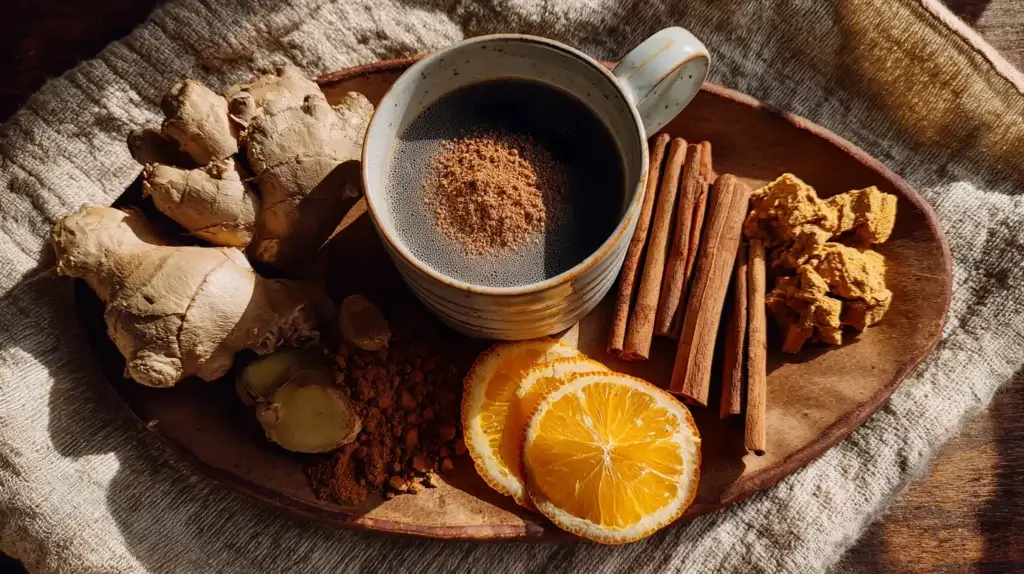
Earthy Notes, Smoothness & Natural Aroma
If you’ve never tasted chaga before, imagine something between a mild, earthy broth and a smooth, roasted herbal tea. It’s not sweet, bitter, or sharp—instead, it has a calm, grounding flavor that feels warm and cozy. Some describe it as slightly woodsy with a hint of vanilla-like softness, which is why it pairs so well with spices or citrus.
A well-brewed chaga mushroom tea recipe has a deep brown color, similar to a light coffee, but the taste is much more subtle.
Best Add-Ins: Ginger, Cinnamon, Citrus, Vanilla
Chaga is incredibly flexible, meaning you can adjust its flavor depending on your mood. Some of the best additions include:
- Fresh ginger for a warm, uplifting kick
- Cinnamon to deepen the earthy notes
- A strip of orange peel for brightness
- Vanilla extract for a softer, smoother finish
- Honey or maple syrup if you prefer a touch of sweetness
These add-ins blend naturally with chaga’s mellow flavor and make the drink feel even more comforting.
Turning Your Chaga Mushroom Drink Into an Iced Tea Version
Chaga tea works surprisingly well served cold. Once you brew a strong batch, let it cool and pour it over ice. Add a squeeze of lemon or a splash of vanilla and maple syrup for a smoother finish.
For a refreshing take:
- Brew a strong concentrate.
- Chill it in the fridge.
- Serve over ice with citrus or ginger.
The chilled version tastes clean and refreshing—perfect for warm days or after a long walk.
When Chaga Pairs Well with Spices (Jamu-Style Inspiration)
Chaga’s earthy flavor makes it a great base for spice-forward recipes. If you enjoy drinks with ginger and turmeric, you’ll find that chaga fits right into that world.
For example, many readers who enjoy grounding, root-based beverages also love this homemade Jamu juice recipe made with turmeric and ginger.
Both drinks share that warm, earthy, slightly spicy profile that feels handcrafted and natural. Adding ginger, turmeric, or even a pinch of black pepper can turn your chaga tea into a richer, more aromatic drink inspired by those flavors.
When to Drink Chaga Tea (Morning vs Evening)
Is Chaga Tea Good in the Morning?
Many people enjoy their chaga mushroom tea recipe first thing in the morning because it feels warm, grounding, and naturally comforting. The earthy flavor is smooth enough to sip on an empty stomach, and the slow-brew process gives it a cozy, ritual-like vibe that pairs well with quiet mornings.
Chaga isn’t overpowering, so it works well as a gentle alternative to strong coffee—or even alongside your breakfast routine.
A Cozy Evening Ritual with a Mushroom-Based Brew
Chaga also fits perfectly into an evening wind-down routine. Since the taste is mild and soothing, people often brew a light version after dinner or before reading or relaxing. A shorter simmer time (15–20 minutes) creates a softer, smoother cup that feels calming without being heavy.
Some people even make a larger batch in the afternoon and reheat a portion later for a slow, cozy nighttime drink.
Wellness-Focused Routines to Enjoy Your Chaga Tea
If you love creating small wellness moments throughout the day, chaga tea blends right in. You can sip it mid-afternoon when you want something warm but not too stimulating, or enjoy it alongside journaling, stretching, or mindful breaks.
For mornings that call for something with a bit more kick, many readers enjoy this coffee with ginger, lemon and honey, a cozy drink that delivers bold flavors and a bright, aromatic lift.
It makes a nice contrast to chaga’s smooth, earthy profile.
Tea Alternatives You May Also Like
If you enjoy experimenting with natural beverages, chaga sits in the same circle as many simple, comforting drinks. Light herbal teas, ginger infusions, citrus-based brews, and root-forward recipes all complement chaga’s smooth character.
These alternatives are great to rotate throughout the week, especially if you love having a warm, handcrafted drink as part of your daily routine.
For those looking to rotate between different caffeine-free infusions, sobacha tea offers a mild, roasted alternative that pairs well with evening or low-stimulation routines.
Chaga Tea Benefits (Wellness, Ritual & Lifestyle Only)
Why People Enjoy a Homemade Chaga Mushroom Tea Recipe
People love brewing a chaga mushroom tea recipe at home because it feels intentional and soothing. The slow simmering process makes the drink feel handcrafted, and the earthy, smooth taste appeals to anyone who enjoys warm, natural beverages. Chaga tea also fits easily into simple wellness habits, where the focus is more on comfort, grounding routines, and mindful sipping.
What makes chaga especially appealing is its versatility—you can brew it strong, light, spiced, or iced.
Chaga Tea as a Mindful, Slow-Brew Drink
Chaga tea naturally encourages a slower pace. Because it simmers rather than steeps, the act of making it becomes part of the experience. Many people use this moment as a short break from screens, work, or noise.
Pouring a cup of warm chaga tea often feels like settling into a calmer space, which is why it’s such a popular evening and mid-afternoon beverage.
Hydration & Daily Wellness Habits
Chaga tea is a water-based drink, so it’s easy to incorporate into hydration-focused routines. Whether you enjoy it warm in the morning, as a mid-day break, or as part of your evening ritual, it simply adds more fluid variety to your day.
People who enjoy hydration-minded drinks often explore other simple beverages as well. For example, many readers also try this LMNT electrolyte drink, especially after workouts or outdoor activities.
It’s a completely different flavor experience but fits into the same wellness-inspired lifestyle.
Simple Functional Beverages Similar to Chaga
Chaga sits comfortably within the trend of natural, minimalist drinks. Other beverages in the same category include:
- ginger infusions
- citrus-based herbal teas
- turmeric-root drinks
- cinnamon-spice blends
- mushroom-based beverages
If you enjoy building small daily rituals around warming, earthy or aromatic drinks, chaga tea blends in beautifully.
Safety, Taste Adjustments & What Not to Mix with Chaga
Culinary Compatibility: Ingredients That Don’t Pair Well
When making a chaga mushroom tea recipe, most flavor additions blend nicely with its earthy profile. Still, a few ingredients don’t complement chaga’s natural taste:
- Strong mint oils can overpower its smooth, woody notes.
- Heavy dairy can mask chaga’s subtle aroma and create a muddy texture.
- Artificial flavor syrups tend to clash with chaga’s natural simplicity.
Keeping things clean and minimal usually works best. Chaga is at its finest when paired with gentle spices, citrus, or vanilla.
Many readers who enjoy simple, natural wellness drinks also explore trends like the pink salt trick, a quick pantry-friendly hack that’s been popular lately.
Both fall into the same “easy, everyday beverage rituals” category.
How to Adjust Strength, Color & Flavor
If your chaga tea tastes too light or too strong, small adjustments make a big difference:
For a stronger brew:
- Simmer longer (30–40+ minutes).
- Use more chunks or powder.
- Reduce water slightly for a richer color.
For a lighter brew:
- Shorten simmering to 15–20 minutes.
- Add a splash of hot water after straining.
- Sweeten with honey or round out the flavor with vanilla.
Remember, chaga rarely becomes bitter, so you can safely experiment with longer brewing times until you find your perfect balance.
How Often to Drink Chaga Tea (Non-Medical Guidance)
You can enjoy chaga tea daily as part of a warm-drink routine, but many people like to alternate it with other teas throughout the week. Some sip it in the morning for a grounding start, while others prefer a lighter version in the evening.
The key is simply listening to your taste and rhythm—treating chaga as a natural, calming beverage rather than something meant to “fix” anything.
Storing Leftover Brew and Reheating Tips
If you brew a large batch, you can store leftover chaga tea in the refrigerator for 2–3 days. Use a glass jar or bottle for the cleanest flavor.
When reheating:
- Warm it slowly on low heat.
- Avoid boiling, which can flatten the flavor.
- Add fresh ginger or citrus if you want to brighten the taste.
Cold chaga also works beautifully as an iced version, especially with lemon or a touch of maple syrup.
Variations: Best Chaga Mushroom Tea Recipe Ideas

Chaga Latte-Style Version
If you prefer creamy, cozy drinks, you can turn your chaga mushroom tea recipe into a latte-style blend. The key is using light, neutral milk alternatives that won’t overpower the earthy flavor.
How to make it:
- Brew a strong chaga concentrate.
- Warm oat milk or almond milk separately (don’t boil).
- Combine 1 part chaga with 1 part warm milk.
- Add vanilla, cinnamon, or maple syrup for extra comfort.
This version tastes smooth and mellow with a naturally roasted undertone.
Chaga with Spices (Ginger, Turmeric, Cinnamon)
Chaga pairs beautifully with spices, especially if you enjoy warm, grounding drinks.
Try simmering your chaga with:
- fresh ginger slices
- a cinnamon stick
- turmeric or a pinch of turmeric powder
- a dash of black pepper for warmth
These additions bring out chaga’s earthy notes while adding a touch of aromatic complexity. It’s perfect for fall or winter evenings.
Iced Chaga Mushroom Drink
Chaga tea transforms into a refreshing cold drink with just a few adjustments.
How to make an iced version:
- Brew a strong batch of chaga.
- Let it cool completely.
- Pour it over ice.
- Add lemon, ginger, or a splash of vanilla.
- Sweeten lightly if desired.
The iced version is crisp, clean, and wonderfully smooth—ideal for warm days or when you want a chilled wellness beverage.
Strong Brew vs Light Brew — Adjusting for Taste
Chaga’s flavor is incredibly flexible. With just small changes, you can customize your drink to fit your mood:
- For a strong brew: simmer longer and use slightly more chaga.
- For a light brew: simmer less and dilute with a little hot water.
- For color control: longer simmering creates a deep brown, almost coffee-like shade.
- For aroma control: add spices early for intensity, or at the end for subtlety.
This versatility makes chaga one of the easiest natural drinks to personalize—every batch can taste slightly different, depending on how you brew it.
Frequently Asked Questions About Chaga Tea
What is the best way to make chaga mushroom tea at home?
The best way to make a homemade chaga mushroom tea recipe is to simmer chaga chunks or powder in hot (not boiling) water. Chunks work well for slow, rich brews, while powder is great for fast weekday versions. A gentle 15–30 minute simmer brings out chaga’s natural color and smooth flavor.
How long should you steep or simmer chaga tea?
It depends on how strong you like your tea.
Chunks: 20–40 minutes for a deep, full flavor
Powder: 5–10 minutes
Longer simmering makes the tea richer, but it won’t turn bitter.
Is it okay to drink chaga tea every day?
Many people enjoy chaga tea regularly as part of their warm-drink routine. Some prefer it in the morning, others in the evening. It’s simply a natural beverage you can rotate with herbal teas, ginger infusions, or citrus-based drinks.
What does chaga tea taste like?
Chaga has an earthy, mild, coffee-like flavor with soft vanilla notes. It’s smooth rather than sharp and pairs well with spices such as ginger, cinnamon, and turmeric. Citrus can also brighten the flavor nicely.
How do you make chaga tea from powder or chunks?
Chunks: Simmer 1–2 teaspoons in 2 cups of water for 20–40 minutes.
Powder: Stir ½–1 teaspoon into hot water and steep for 5–10 minutes.
Both methods create a naturally rich, grounding tea.
When is the best time to drink chaga mushroom tea?
You can drink it anytime. Many people enjoy a stronger brew in the morning and a lighter, smoother cup in the evening. Chaga’s calm flavor makes it easy to enjoy throughout the day.
Do you need to boil chaga or just steep it?
Chaga should be simmered, not boiled. Gentle heat keeps the flavor smooth and prevents the tea from tasting flat. Think “slow simmer,” not rolling boil.
What not to mix with chaga tea?
Some ingredients don’t complement chaga’s earthy profile, such as strong mint oils, heavy dairy, or artificial syrups. Light, natural flavors—ginger, cinnamon, citrus, vanilla—work best.
Can you reuse chaga chunks?
Yes. Chaga chunks can often be reused 3 to 5 times, with the flavor becoming lighter each brew. Just dry them after each use and store them in the fridge.
Is homemade chaga tea stronger than tea bags?
Usually yes. Chaga chunks and powder create deeper flavor and richer color than most chaga tea bags. Tea bags are convenient, but they often make a milder brew.
Conclusion — A Simple, Earthy Chaga Mushroom Tea Recipe to Enjoy Anytime
Crafting a cozy chaga mushroom tea recipe at home is one of the easiest ways to enjoy a warm, earthy drink that fits naturally into your daily routine. With just a few simple ingredients and a slow simmer, you can create a cup that’s smooth, grounding, and completely customizable. Whether you prefer a light brew, a deep concentrate, a latte-style blend, or an iced version, chaga makes it easy to experiment and enjoy your own handcrafted beverage.
The beauty of chaga tea is how effortlessly it blends into everyday wellness habits. You can sip it in the morning for a calm start, brew it in the afternoon as a mindful break, or enjoy a lighter version in the evening. Its subtle flavor also pairs beautifully with spices, citrus, and natural sweeteners, giving you endless room to play with add-ins.
If you’re exploring more earthy or wellness-inspired drinks, here are a few you might enjoy next:
Try this mushroom coffee recipe for another smooth, grounding morning drink.
With all these options, you can build a weekly rotation of warm, natural drinks that feel comforting, simple, and nourishing in their own unique way.