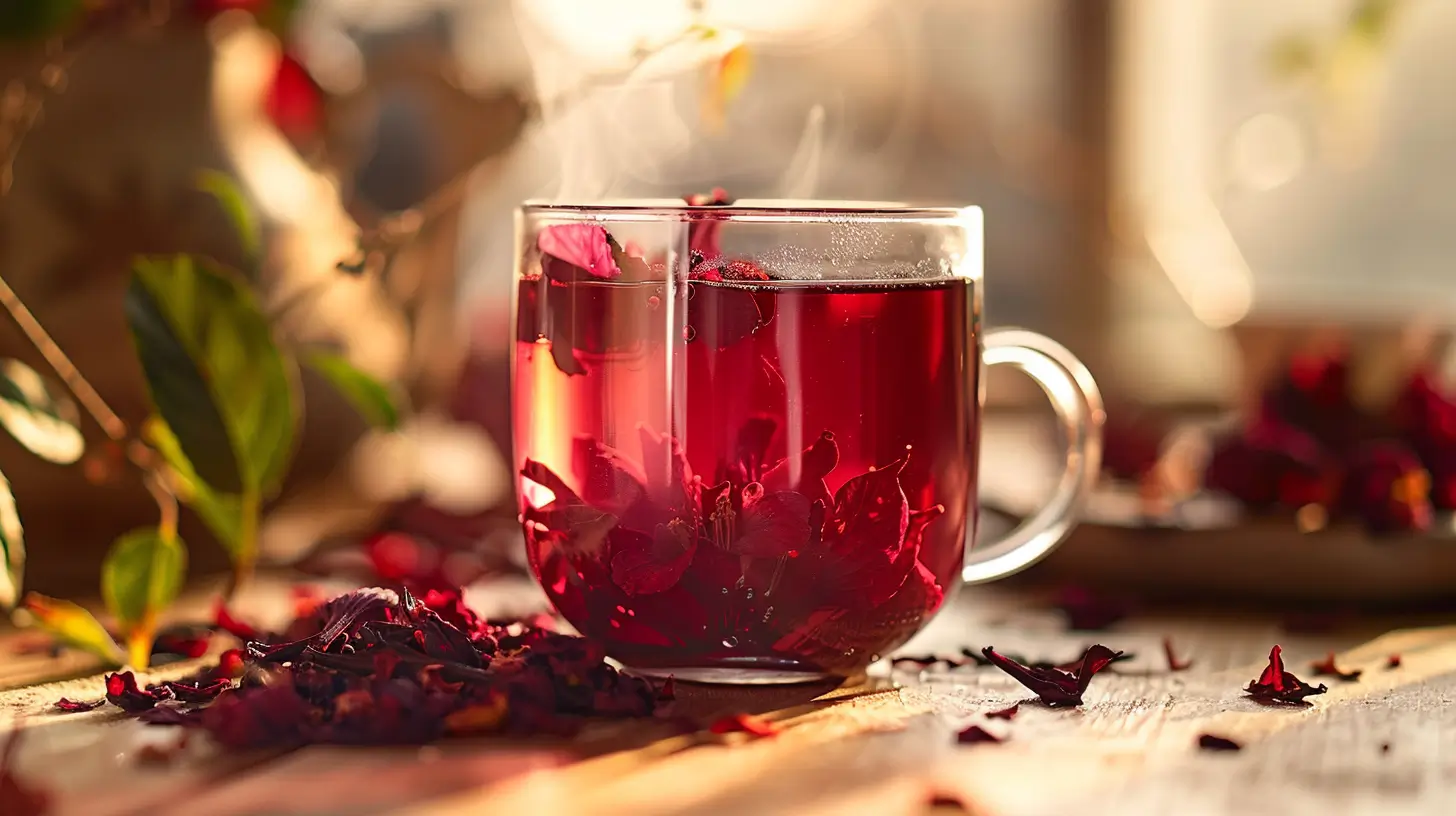
Hibiscus tea benefits have made this vibrant red herbal drink a favorite among people looking for simple, plant-based ways to support everyday wellness. Known for its tangy flavor and deep ruby color, hibiscus tea is enjoyed both hot and iced and has long been part of traditional food and beverage cultures around the world.
Often praised for its antioxidants, refreshing taste, and versatility, hibiscus tea fits easily into modern routines focused on balance, hydration, and mindful choices. Many people turn to it as a caffeine-free option when exploring herbal tea benefits, especially when looking for drinks that feel indulgent yet light. Hibiscus tea is often enjoyed alongside traditional herbal teas for wellness that are known for their refreshing taste and plant-based benefits.
In this guide, we’ll explore the most talked-about hibiscus tea benefits, including how it supports digestion, metabolism, and weight management, why it’s popular among women, and how it compares to other well-known herbal teas. You’ll also learn how to make hibiscus tea at home, whether it’s better iced or hot, and what to consider before drinking it daily.
What Is Hibiscus Tea?
Hibiscus tea is a caffeine-free herbal tea made by steeping dried hibiscus flower petals—most commonly Hibiscus sabdariffa—in hot water. Known for its deep red color and tart, cranberry-like flavor, this tea has been enjoyed for generations across different cultures, both as a daily drink and a refreshing seasonal beverage.
Unlike traditional teas made from tea leaves, hibiscus tea comes entirely from flowers, which places it firmly in the category of herbal tea benefits. Because of this, it’s often chosen by people looking to reduce caffeine while still enjoying a flavorful and satisfying drink.
Origins and Traditional Use of Hibiscus Flowers
Hibiscus flowers have been used in drinks and food traditions in parts of Africa, the Caribbean, Latin America, and Asia. In many cultures, hibiscus tea was prepared not only for its taste but also as a refreshing way to stay hydrated in warm climates.
Over time, hibiscus tea became part of broader wellness traditions, often enjoyed during meals or served chilled as a natural alternative to sugary drinks. Like many plant-based wellness drinks, hibiscus tea is made from dried flowers steeped in hot water.
Today, hibiscus tea is widely available in tea bags, loose-leaf form, and even ready-to-drink bottles, making it easy to incorporate into modern lifestyles.
Why Hibiscus Tea Is Known as a Red Herbal Tea
One of the most recognizable features of hibiscus tea is its striking red hue. This color comes from naturally occurring plant compounds found in the petals, which are also responsible for much of the interest around hibiscus tea antioxidants.
Because of its bold appearance and tangy taste, hibiscus tea is often grouped with other red tea benefits, even though it doesn’t come from traditional tea plants. Its flavor can be enjoyed plain or lightly sweetened, and it pairs well with citrus, cinnamon, or ginger.
Flavor Profile and Nutritional Overview
Hibiscus tea has a crisp, tart flavor that many people compare to cranberries or pomegranate. When brewed lightly, it’s refreshing and smooth. When steeped longer, it becomes bolder and more intense, which is why some prefer it iced, while others enjoy it hot.
From a nutritional standpoint, hibiscus tea is naturally low in calories and contains no caffeine. While it’s not meant to replace meals or supplements, it’s often chosen as part of balanced routines that emphasize hydration and mindful beverage choices. This makes hibiscus tea an appealing option for those exploring simple, plant-forward habits without adding unnecessary sugars or stimulants.
Hibiscus Tea Benefits for Overall Wellness
Hibiscus tea benefits go beyond its bold color and refreshing taste. For many people, this herbal drink fits naturally into everyday wellness routines because it’s simple, plant-based, and easy to enjoy at any time of day. Whether served hot in the morning or iced in the afternoon, hibiscus tea is often chosen as a feel-good beverage that supports balance rather than extremes.
Because it’s caffeine-free, hibiscus tea works well for those looking to reduce stimulants without giving up flavor. This makes it especially appealing to people exploring broader herbal tea benefits as part of a more mindful lifestyle.
Why Hibiscus Tea Fits Into Daily Wellness Routines
One reason hibiscus tea is so popular is its versatility. It can be enjoyed on its own or paired with meals, snacks, or moments of relaxation. Many people drink it as a replacement for sugary beverages, while others include it as part of a hydration-focused routine.
The benefits of hibiscus tea are often discussed in the context of daily habits rather than quick fixes. Instead of being seen as a single-purpose drink, hibiscus tea is valued for how easily it fits into long-term wellness choices. Its naturally bold flavor also makes it satisfying without the need for added sweeteners.
Herbal Tea Benefits Compared to Caffeinated Teas
When comparing hibiscus tea to traditional caffeinated teas, one of the biggest differences is how it feels in the body. Without caffeine, hibiscus tea doesn’t create the highs and lows that some people experience with coffee or strong teas.
This is why it’s often chosen in the evening or during periods of rest. While green tea benefits are commonly linked to energy and focus, hibiscus tea is more often associated with calm, hydration, and balance. Both have a place, but they serve different purposes depending on personal preferences and daily needs.
Hibiscus Tea Iced vs Hot: Does Preparation Matter?
Hibiscus tea can be enjoyed either hot or iced, and the choice often comes down to taste and season. When served hot, it feels soothing and bold, making it a popular option during cooler months. Iced hibiscus tea, on the other hand, is crisp and refreshing, especially in warm weather.
From a wellness perspective, both options offer similar enjoyment. Some people find iced hibiscus tea easier to drink throughout the day, while others prefer the ritual of a warm cup. No matter how it’s prepared, hibiscus tea remains a flavorful way to explore red tea benefits as part of an everyday routine.
Hibiscus Tea Antioxidants and Metabolism Support
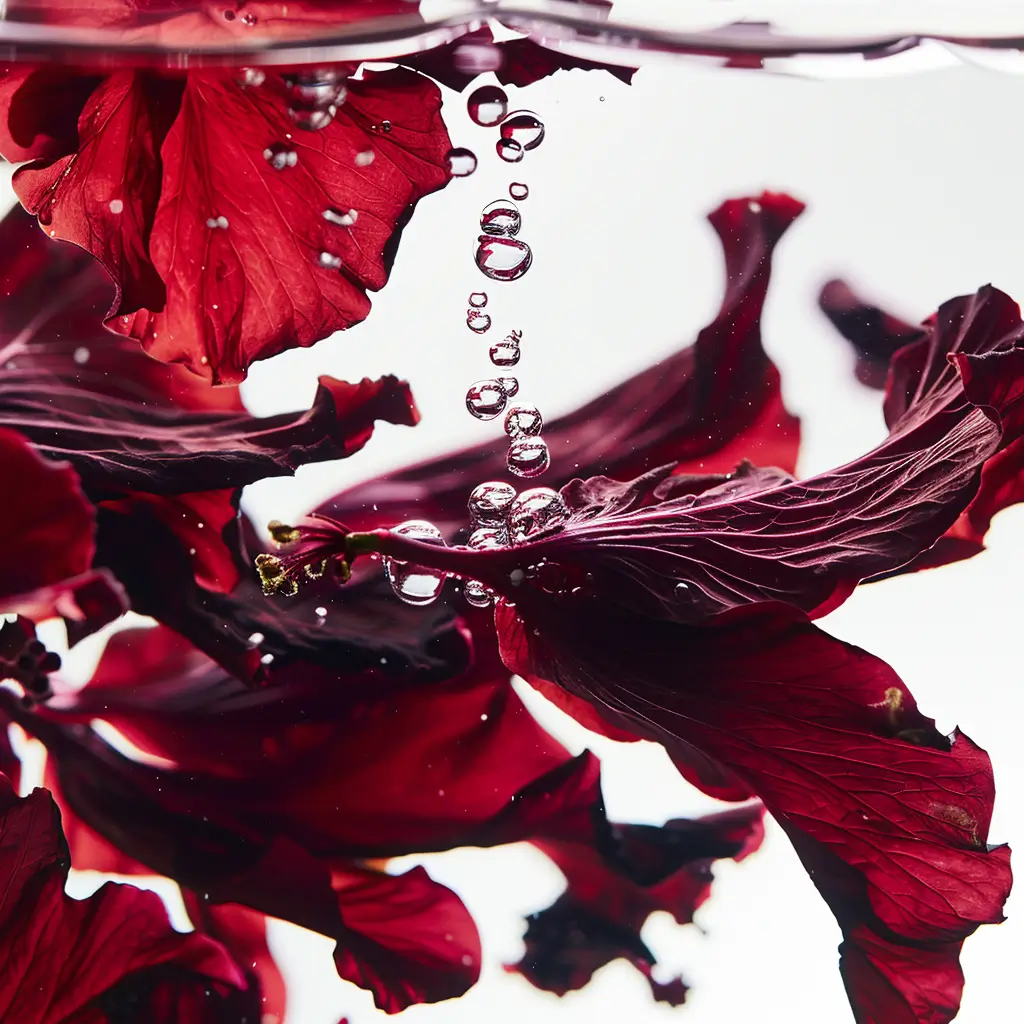
One of the most discussed hibiscus tea benefits is its naturally occurring antioxidants. These plant compounds are found in many colorful fruits, vegetables, and flowers, and hibiscus petals are especially known for their rich pigment and bold color. Because of this, hibiscus tea is often included in conversations around antioxidant-focused wellness habits.
Rather than acting as a quick solution, hibiscus tea antioxidants are usually viewed as part of a broader, balanced lifestyle that emphasizes hydration and plant-based choices.
Understanding Hibiscus Tea Antioxidants
The deep red color of hibiscus tea comes from naturally occurring compounds that are commonly associated with antioxidant properties. These compounds help explain why hibiscus tea is frequently mentioned alongside other antioxidant-rich beverages.
People who enjoy antioxidant-rich teas often rotate hibiscus tea with other herbal infusions as part of their daily routine. Hibiscus tea is frequently compared to other antioxidant-rich teas consumed for everyday wellness.
Because it’s caffeine-free, hibiscus tea offers an alternative for those who want variety without relying on stimulants.
How Antioxidants Support Metabolism Naturally
Antioxidants are often discussed in relation to metabolism because they’re commonly found in foods and drinks associated with active, balanced lifestyles. While hibiscus tea isn’t a metabolism booster on its own, it’s frequently included in routines that focus on hydration, mindful eating, and consistent habits.
This is why hibiscus tea metabolism support is usually framed as indirect. Drinking more fluids, choosing plant-based beverages, and reducing sugary drinks can all contribute to how the body functions day to day. Hibiscus tea fits neatly into that picture.
Alongside other caffeine-free functional drinks such as sobacha tea, hibiscus tea is often included in gentle daily wellness routines.
Hibiscus Tea Metabolism vs Green Tea Benefits
When comparing hibiscus tea metabolism discussions with green tea benefits, the biggest difference is caffeine content. Green tea is often associated with energy and alertness, while hibiscus tea is chosen for its calming, refreshing qualities.
Some people prefer green tea earlier in the day and hibiscus tea later on, creating balance rather than relying on a single drink. Both can coexist in a routine, serving different purposes depending on timing, taste, and personal goals.
Hibiscus Tea for Weight Management
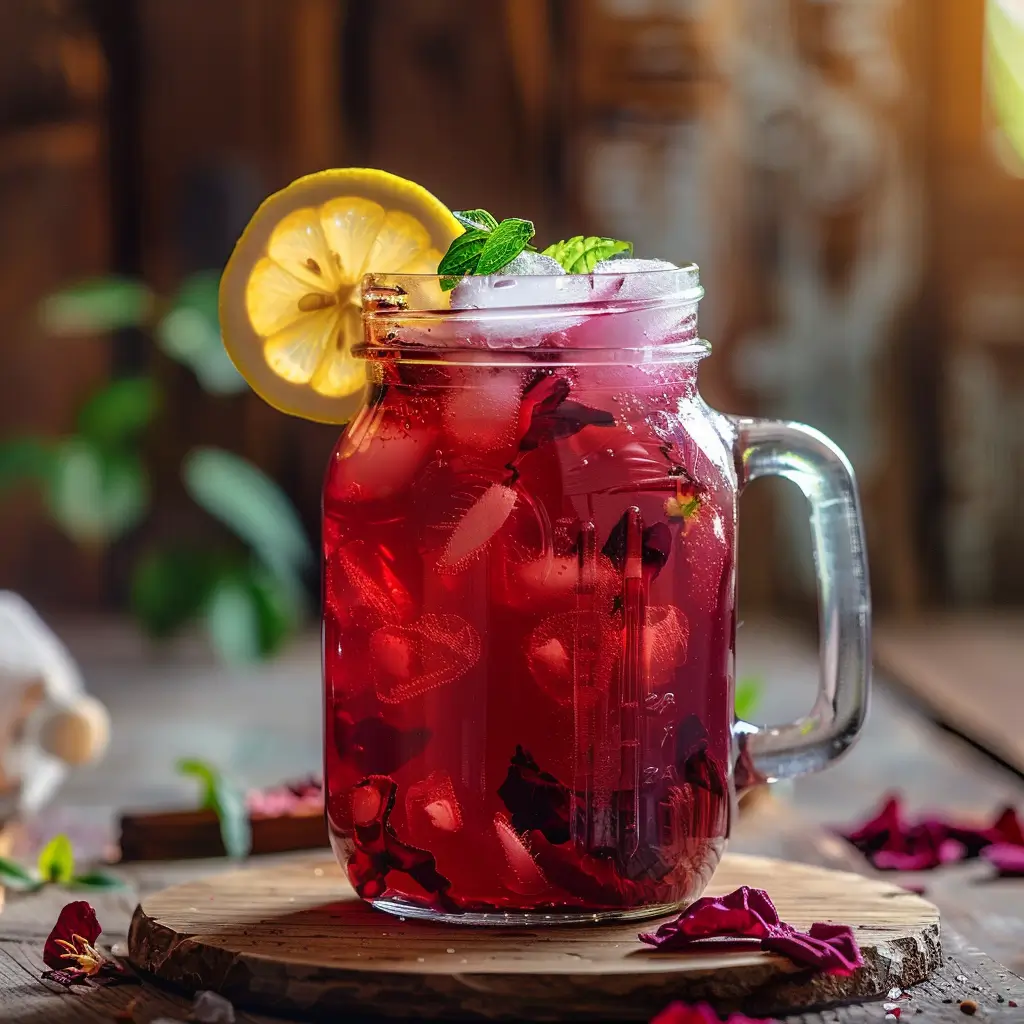
Hibiscus tea for weight loss is one of the most searched topics related to this herbal drink, especially among people looking for gentle, plant-based additions to their daily routine. While hibiscus tea isn’t a magic solution, it’s often included in lifestyle-focused approaches that emphasize hydration, balance, and mindful choices.
Because it’s naturally caffeine-free and low in calories, hibiscus tea can be a refreshing alternative to sweetened beverages, which is one reason it appears frequently in weight-management discussions.
Hibiscus Tea for Weight Loss: How It’s Commonly Used
Many people drink hibiscus tea as part of a broader routine rather than relying on it alone. It’s often consumed between meals, with meals, or in the evening when cravings for flavored drinks tend to appear.
By replacing sugary drinks with hibiscus tea, some people find it easier to stay consistent with their goals. This is why hibiscus tea is commonly mentioned alongside other natural weight loss drinks that focus on long-term habits rather than quick fixes.
Why Hibiscus Tea Appears in Weight-Focused Routines
One reason hibiscus tea fits into weight-focused routines is its bold flavor. The tart taste can feel satisfying on its own, reducing the need for added sweeteners. Additionally, staying hydrated throughout the day is often linked to better food awareness and portion control.
Although hibiscus tea doesn’t directly cause weight loss, it supports routines centered on hydration and consistency, which are key elements in many wellness plans.
Best Time to Drink Hibiscus Tea for Lifestyle Balance
There’s no single best time to drink hibiscus tea, but many people prefer it in the afternoon or evening when they want something flavorful without caffeine. Others enjoy it iced earlier in the day as a refreshing alternative to juice or soda.
Ultimately, the best time is the one that fits naturally into your daily schedule. When enjoyed regularly and paired with balanced meals and movement, hibiscus tea can become a simple, enjoyable part of a sustainable routine.
Digestive and Gut-Friendly Properties of Hibiscus Tea
Digestive comfort is another reason many people explore hibiscus tea benefits as part of their daily habits. While hibiscus tea isn’t a fermented drink, it’s often enjoyed for its light, refreshing nature, especially after meals or during moments of rest. Its naturally tart flavor can feel cleansing, which is why it appears in digestion-focused conversations.
Rather than being used as a treatment, hibiscus tea is typically included in routines that emphasize hydration, balance, and mindful eating.
Hibiscus Tea Digestion Support Explained
Hibiscus tea digestion support is usually discussed in the context of fluid intake. Drinking enough liquids throughout the day helps the body function smoothly, and hibiscus tea offers a flavorful way to stay hydrated without added sugars.
Some people prefer hibiscus tea after meals because it feels light and refreshing. Others enjoy it between meals as a way to avoid snacking on less balanced options. In both cases, it fits naturally into habits focused on digestive comfort rather than quick solutions.
Hydration and Digestion-Focused Routines
Hydration plays a key role in digestion-focused routines, and herbal teas are often chosen for this purpose. Because hibiscus tea is caffeine-free, it can be enjoyed throughout the day without interfering with sleep or energy levels.
This makes it a popular option for people who are mindful about what they drink and when. The goal isn’t to rely on a single beverage, but to build consistent habits that support overall comfort and balance.
Pairing Hibiscus Tea With Gut-Friendly Drinks
While hibiscus tea is not fermented, it’s often paired with gut-friendly drinks in digestion-focused lifestyles.
Some people rotate hibiscus tea with kombucha, herbal infusions, or plain water, depending on the time of day and personal preference. This variety helps keep routines enjoyable and sustainable while supporting hydration and digestive awareness.
Hibiscus Tea Benefits for Women
Hibiscus tea benefits for women are often discussed in the context of daily balance, hydration, and mindful routines. Because this herbal tea is naturally caffeine-free and plant-based, many women enjoy it at different stages of life as a flavorful alternative to sugary or heavily caffeinated drinks.
Rather than focusing on one specific outcome, hibiscus tea is usually appreciated for how easily it fits into everyday habits centered on wellness and consistency.
Hibiscus Tea Benefits for Women at Different Life Stages
Women often choose hibiscus tea for its refreshing taste and versatility. It can be enjoyed hot or iced, in the morning or evening, making it adaptable to changing schedules and preferences. For some, it becomes part of a calming evening routine, while others enjoy it during the day as a light, hydrating option.
The appeal of hibiscus tea benefits for woman lies in its simplicity. It doesn’t require special preparation or timing, and it pairs well with balanced meals and active lifestyles.
Does Hibiscus Tea Increase Estrogen? What to Know
One common question is whether hibiscus tea affects hormones, particularly estrogen. This topic often comes up online, but it’s important to approach it carefully. Hibiscus tea is a herbal beverage, not a hormone treatment, and it’s typically consumed for taste and general wellness rather than hormonal effects.
People who have specific health concerns or sensitivities usually choose to enjoy hibiscus tea in moderation and as part of a varied routine. As with many herbal drinks, individual responses can vary.
Daily Habits Women Use Hibiscus Tea For
Many women include hibiscus tea in simple daily habits, such as staying hydrated, reducing caffeine intake, or replacing sweetened beverages. Its bold flavor makes it satisfying on its own, which can help support mindful drinking choices.
Whether enjoyed alone or alongside meals, hibiscus tea remains a flexible option for women who want a plant-based drink that feels both enjoyable and easy to maintain over time.
Skin and Beauty Benefits of Hibiscus Tea
Skin-related hibiscus tea benefits are often discussed as part of broader beauty and hydration routines. While hibiscus tea isn’t a skincare product, many people enjoy it as a plant-based drink that supports overall wellness habits, which can indirectly reflect on how the skin looks and feels.
Because hydration and daily consistency play a role in skin appearance, herbal teas like hibiscus tea are commonly included in beauty-focused lifestyles.
Benefits of Hibiscus Tea for Skin Health
The benefits of hibiscus tea for skin are usually linked to its place in hydration routines rather than direct effects. Drinking enough fluids throughout the day helps maintain skin comfort, and hibiscus tea offers a flavorful way to support that habit.
Its naturally vibrant color and plant-based profile also make it appealing to people interested in simple, ingredient-focused wellness choices. For many, hibiscus tea becomes part of a routine that emphasizes balance, nourishment, and mindful consumption.
Hibiscus Benefits for Skin and Hydration
Hibiscus benefits for skin are often discussed alongside hydration and antioxidant-focused habits. While hibiscus tea antioxidants are not a replacement for skincare products, they’re frequently mentioned in conversations about plant-rich diets and beverages.
Choosing herbal teas over sugary drinks can also support a more skin-friendly routine by reducing excess sugar intake. In that sense, hibiscus tea fits naturally into lifestyle choices that prioritize both internal balance and external care.
Comparing Hibiscus Tea With Other Herbal Beauty Teas
Hibiscus tea is often compared with other herbal options commonly associated with beauty and relaxation. For example, rose tea benefits are usually linked to aroma and ritual, while chamomile tea benefits are often associated with calm and evening routines. Rooibos tea benefits, on the other hand, are frequently discussed in relation to being caffeine-free and gentle.
Each of these teas offers something different, and many people rotate them based on mood, time of day, or personal preference. Hibiscus tea stands out for its bold flavor and refreshing character, making it a popular choice for those who enjoy vibrant, plant-based drinks as part of their beauty and wellness habits.
If you enjoy gentle, caffeine-free herbal drinks like hibiscus, you may also enjoy the mild roasted flavor of sobacha tea, a warm grain-based drink that fits perfectly into cozy daily routines.
How to Make Hibiscus Tea at Home

Learning how to make hibiscus tea at home is simple, which is one reason this herbal drink is so popular. With just a few ingredients and minimal prep time, you can enjoy hibiscus tea hot or iced, adjusting the flavor to suit your taste.
Because it’s naturally bold and tangy, hibiscus tea doesn’t require sweeteners, although some people like to add honey, citrus, or spices for variety.
How to Make Hibiscus Tea Step by Step
To prepare hibiscus tea, start with dried hibiscus flowers or petals. Add them to hot water and let them steep for several minutes, depending on how strong you like the flavor. The longer it steeps, the deeper the color and the more intense the taste becomes.
Once brewed, the tea can be strained and enjoyed immediately or cooled for later use. This basic method works well whether you’re making a single cup or a larger batch.
Hibiscus Tea Recipe: Hot vs Iced Preparation
A classic hibiscus tea recipe can be enjoyed year-round. For hot hibiscus tea, simply steep the flowers in hot water and serve warm. For iced hibiscus tea, brew it slightly stronger, let it cool, and pour it over ice.
If you enjoy warming herbal drink recipes, hibiscus tea can be served hot or chilled depending on the season.
Some people like to add cinnamon sticks, ginger slices, or a squeeze of lemon to enhance the flavor without overpowering the tea’s natural tartness.
Storage Tips and Flavor Variations
Hibiscus tea stores well in the refrigerator for up to a few days, making it convenient for meal prep or busy schedules. Keeping a pitcher of iced hibiscus tea on hand can make it easier to stay hydrated throughout the day.
Flavor variations are easy to experiment with. Mint, orange peel, or berries can add subtle twists, allowing you to enjoy hibiscus tea in new ways while keeping it simple and refreshing.
Print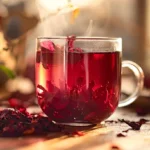
Hibiscus Tea Benefits: Uses, Nutrition, and How to Enjoy It Daily
- Total Time: 12 minutes
- Yield: 1 serving 1x
Description
This refreshing hibiscus tea recipe shows how to make a vibrant, caffeine-free herbal drink using dried hibiscus flowers. Enjoy it hot or iced as part of a balanced, everyday wellness routine.
Ingredients
- 2 cups water
- 1 tablespoon dried hibiscus flowers
- Optional: honey or maple syrup, to taste
- Optional: lemon slice or cinnamon stick
Instructions
- Bring water to a gentle boil in a small saucepan.
- Add dried hibiscus flowers to the hot water.
- Reduce heat and let steep for 5–10 minutes, depending on desired strength.
- Strain the tea into a cup or pitcher.
- Sweeten or flavor if desired, then serve hot or chilled over ice.
Notes
For iced hibiscus tea, brew slightly stronger and pour over ice. Store brewed tea in the refrigerator for up to 3 days. Flavor variations include mint, orange peel, or ginger.
- Prep Time: 2 minutes
- Cook Time: 10 minutes
- Category: Beverage
- Method: Steeping
- Cuisine: Herbal / International
Nutrition
- Serving Size: 1 cup
- Calories: 5
- Sugar: 0 g
- Sodium: 5 mg
- Fat: 0 g
- Saturated Fat: 0 g
- Unsaturated Fat: 0 g
- Trans Fat: 0 g
- Carbohydrates: 1 g
- Fiber: 0 g
- Protein: 0 g
- Cholesterol: 0 mg
Keywords: hibiscus tea benefits, hibiscus tea recipe, how to make hibiscus tea, herbal tea benefits, red tea benefits
Hibiscus Tea Side Effects and Things to Consider
While hibiscus tea benefits are widely discussed, it’s also important to understand a few considerations before making it part of a daily routine. Like most herbal drinks, hibiscus tea is best enjoyed in moderation and as part of a varied, balanced lifestyle.
Being informed helps people enjoy hibiscus tea confidently, especially when trying it regularly for the first time.
Hibiscus Tea Side Effects to Be Aware Of
Hibiscus tea side effects are generally mild for most people, especially when consumed in normal amounts. Some individuals may notice sensitivity if they drink large quantities, particularly due to its naturally tart nature.
Because hibiscus tea is an herbal beverage, personal responses can vary. This is why many people start with small amounts and pay attention to how their body reacts before increasing intake.
Who Should Limit Hibiscus Tea Consumption
Certain individuals may prefer to enjoy hibiscus tea occasionally rather than daily. This includes people who are sensitive to herbal drinks or those who prefer rotating different beverages throughout the week.
As with many herbal options, hibiscus tea works best as part of a diverse routine that includes water, other herbal teas, and nutrient-rich foods. Listening to your body and keeping variety in your choices is key.
What Users Say: Hibiscus Tea Benefits Reddit Discussions
Online discussions, including hibiscus tea benefits Reddit threads, often highlight personal experiences rather than scientific conclusions. Many users describe enjoying hibiscus tea as part of broader routines focused on hydration, weight management, and reducing sugary drinks.
Like many popular weight loss drink recipes, hibiscus tea works best when combined with healthy eating habits.
These shared experiences can be helpful for inspiration, but they’re best viewed as individual stories rather than universal outcomes.
Frequently Asked Questions About Hibiscus Tea
What Happens If I Drink Hibiscus Tea Every Day?
Drinking hibiscus tea every day is generally seen as part of a hydration-focused routine rather than a specific wellness treatment. Many people enjoy it daily because it’s caffeine-free, flavorful, and easy to include in meals or breaks throughout the day.
When consumed in moderation, hibiscus tea fits well into balanced lifestyles that prioritize plant-based drinks and reduced sugar intake. As with any herbal beverage, variety is key, and rotating different teas can help keep routines enjoyable.
What Are 5 Medicinal Uses of Hibiscus?
Traditionally, hibiscus has been used in different cultures for a variety of purposes, mostly related to food and beverage preparation. These traditional uses often include:
Enjoying hibiscus tea as a refreshing drink
Using dried hibiscus flowers in herbal infusions
Including hibiscus in culinary recipes
Drinking hibiscus-based beverages during warm weather
Using hibiscus flowers in cultural or ceremonial drinks
Today, hibiscus tea is mainly enjoyed as a flavorful herbal drink rather than for medicinal purposes, especially in modern wellness routines.
Is Hibiscus Tea Good for Acid Reflux?
Hibiscus tea and acid reflux are sometimes discussed together, but experiences vary from person to person. Because hibiscus tea has a naturally tart flavor, some people find it refreshing, while others may prefer milder herbal teas if they’re sensitive to acidic tastes.
If you’re trying hibiscus tea for the first time, starting with a small amount and observing how your body responds can be helpful.
Does Hibiscus Tea Increase Estrogen?
The question of whether hibiscus tea increases estrogen often comes up online. Hibiscus tea is a plant-based beverage and is not a hormone treatment. It’s typically consumed for taste, hydration, and general wellness rather than hormonal effects.
People with specific concerns usually enjoy hibiscus tea occasionally and as part of a varied routine, rather than relying on any single drink.
Is Hibiscus Tea Good for Weight Loss?
Hibiscus tea for weight loss is usually discussed in the context of lifestyle habits. Because it’s low in calories and caffeine-free, many people use it as a replacement for sweetened drinks.
Like many popular weight loss drink recipes, hibiscus tea works best when combined with healthy eating habits.
Rather than causing weight loss on its own, hibiscus tea supports routines focused on hydration and mindful choices.
Conclusion
Hibiscus tea benefits make this vibrant herbal drink a simple yet enjoyable addition to everyday routines. From its refreshing taste and caffeine-free profile to its versatility when served hot or iced, hibiscus tea fits naturally into wellness-focused lifestyles that value balance and consistency.
Rather than being a quick fix, hibiscus tea works best as part of mindful habits—staying hydrated, choosing plant-based drinks, and reducing excess sugar intake. Whether you’re interested in digestion, weight management, skin-friendly routines, or simply exploring herbal tea benefits, hibiscus tea offers an easy, flavorful option that adapts to different preferences and schedules.
As with any herbal beverage, moderation and variety are key. Enjoying hibiscus tea alongside other teas, water, and nourishing foods helps create a sustainable routine you can stick with long term. Brew it your way, experiment with flavors, and let hibiscus tea become a refreshing part of your daily rhythm rather than a rigid rule.
How this information was researched
This content is based on traditional uses of hibiscus tea and general nutrition references.