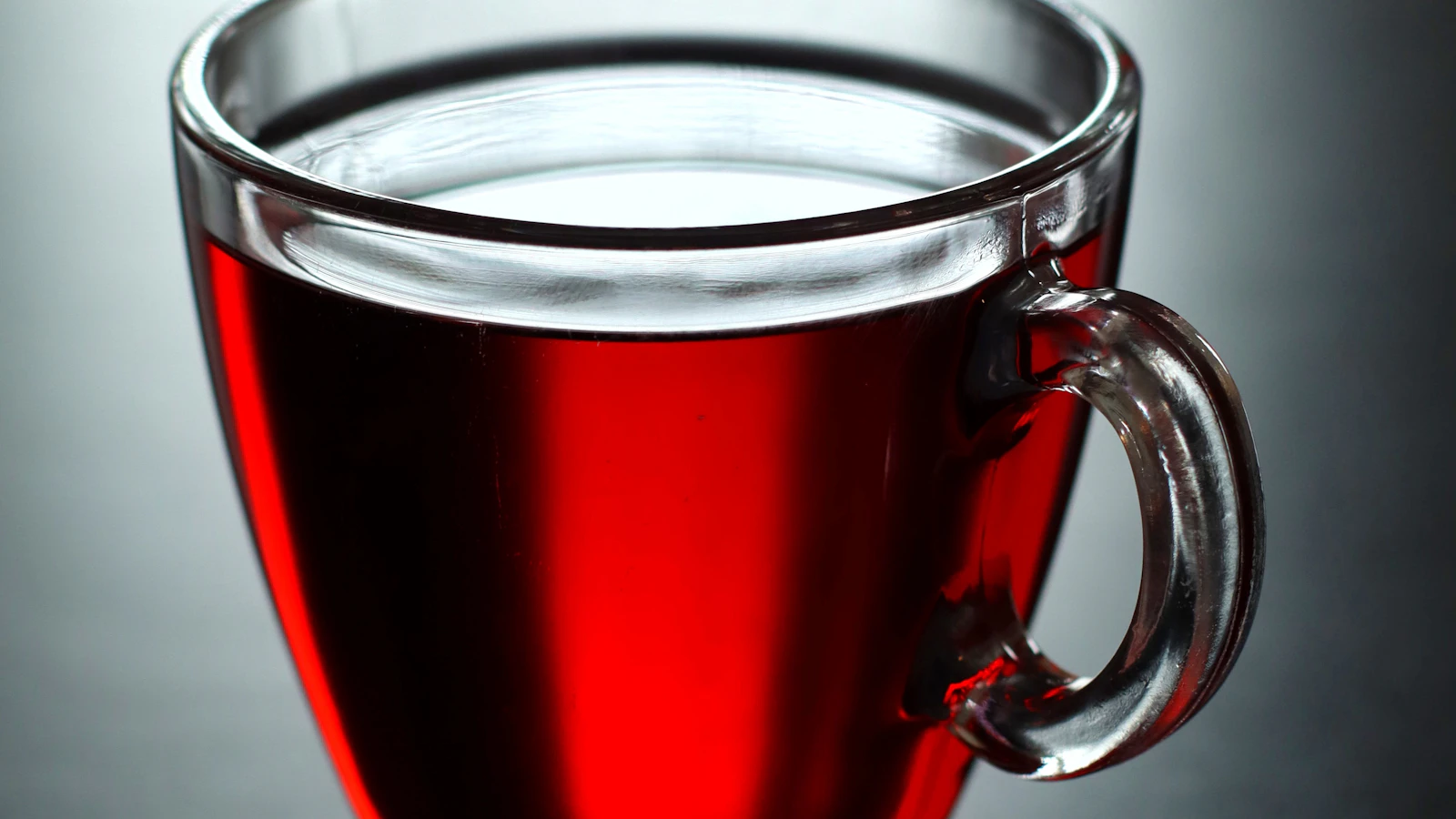
Hibiscus tea for weight loss is trending, but the best current evidence does not show that hibiscus itself causes meaningful weight loss. A 2024 systematic review and meta-analysis of six randomized controlled trials involving 339 participants found no clinically important reduction in body weight, BMI, or waist circumference compared with control groups. That does not make hibiscus tea useless: when you drink it unsweetened, it can be a refreshing, caffeine-free, very low-calorie alternative to soda, sweet tea, juice, or high-calorie coffee drinks.
Interest in this topic is rising quickly. In the Google Trends data you provided for the United States, “hibiscus tea for weight loss” reached the top score of 100 and increased 60%, while “does hibiscus tea help with weight loss” was marked as a breakout query. That makes this a strong topic to cover—but the article should answer the question honestly rather than promise a fat-burning effect that the trials do not support.
If you want the broader wellness picture first, see our guide to hibiscus tea benefits. This article focuses specifically on weight loss, calories, timing, preparation, and what the research actually shows.
Does Hibiscus Tea Help With Weight Loss?
The short answer is: not in a clinically meaningful way based on the best current human evidence.
A 2024 meta-analysis published in Complementary Therapies in Medicine reviewed six randomized controlled trials of Hibiscus sabdariffa. Four trials used hibiscus extract capsules and two used hibiscus tea. Compared with controls, the average difference in body weight was only about 0.27 kg, and the confidence interval crossed zero. The same pattern was seen for BMI and waist circumference. The authors concluded that the evidence did not show a clinical benefit for obesity treatment.
You can read the study on PubMed.
Why Is Hibiscus Tea Linked to Weight Loss Online?
Hibiscus is frequently marketed as a “metabolism tea,” “belly-fat tea,” or “detox tea” because it is colorful, plant-based, caffeine-free, and rich in naturally occurring polyphenols and anthocyanins. Those features sound attractive, but they are not the same as proving that the tea burns body fat.
There are three reasons hibiscus can still appear useful in a weight-management routine:
- It can replace higher-calorie drinks. Unsweetened hibiscus tea contributes very few calories compared with soda, sweetened coffee drinks, bottled juice, or sugary iced tea.
- It is caffeine-free. That makes it easier to drink in the afternoon or evening if caffeine affects your sleep.
- Its tart flavor can make plain hydration more interesting. Some people find it easier to drink enough fluids when the beverage has flavor.
These are practical advantages, but they are different from a direct fat-burning effect.
What the Research Actually Found
Weight-loss claims around hibiscus have often been built from small trials, extract studies, laboratory work, or animal research. When the human randomized trials were combined in the 2024 meta-analysis, the effect on body weight was essentially neutral.
| Outcome | Average difference vs control | What it means |
|---|---|---|
| Body weight | -0.27 kg | No meaningful advantage |
| BMI | -0.06 kg/m² | No meaningful advantage |
| Waist circumference | -0.20 cm | No meaningful advantage |
The important point is not that hibiscus has “zero value.” It is that a cup of hibiscus tea should not be sold as an obesity treatment. If drinking it helps you swap out a 200-calorie beverage for an unsweetened herbal tea, the calorie reduction comes from the substitution—not from hibiscus melting fat.
Can Hibiscus Tea Reduce Belly Fat?
There is no good evidence that hibiscus tea selectively reduces belly fat. The body does not choose where to burn fat based on a specific drink.
Waist circumference was one of the outcomes examined in the 2024 meta-analysis, and the average reduction compared with control was not clinically meaningful. If your goal is to reduce abdominal fat, the larger drivers remain total energy balance, diet quality, physical activity, sleep, and consistency over time.
Hibiscus Tea Calories: Why the Unsweetened Version Matters
Plain brewed hibiscus tea is naturally very low in calories. The calorie count changes quickly when you add sugar, honey, syrups, sweetened fruit juice, or flavored concentrates.
If weight management is the goal, the simplest version is usually best:
- dried hibiscus or a plain hibiscus tea bag
- water
- optional lemon, lime, mint, cinnamon, or ginger for flavor
- little or no added sugar
This is the same principle we use in our guide to the best detox tea for weight loss: the tea is not a shortcut, but choosing an unsweetened beverage can help reduce unnecessary liquid calories.
Best Time to Drink Hibiscus Tea for Weight Loss
There is no scientifically proven “best time” to drink hibiscus tea for fat loss. Morning, afternoon, before meals, and evening have all been promoted online, but there is no good human evidence showing that one timing burns more fat than another.
A more practical approach is to drink it when it helps your routine:
- With breakfast if you want a caffeine-free hot drink.
- Mid-afternoon if you usually reach for soda or sweet coffee.
- With meals if you want a flavorful drink without added sugar.
- In the evening if you want something caffeine-free and your blood pressure is not a concern.
Timing matters less than what the tea replaces.
Hot vs Iced Hibiscus Tea for Weight Loss
Hot and iced hibiscus tea are both reasonable choices. There is no evidence that the temperature changes the weight-loss effect.
An iced version can be especially useful if it helps replace soda or bottled sweet tea. A hot version may feel more satisfying in colder weather. In both cases, the most important detail for calories is whether you add sugar or other caloric ingredients.
How to Make Hibiscus Tea for Weight Loss
This recipe is intentionally simple. It is not a “fat-burning recipe”; it is an unsweetened, low-calorie way to prepare hibiscus tea.

Simple Hibiscus Tea Recipe
Ingredients
- 2 cups water
- 1 to 2 tablespoons dried hibiscus flowers, or 1 to 2 hibiscus tea bags
- Optional: lemon or lime slice
- Optional: fresh mint
- Optional: a small amount of sweetener if needed
Instructions
- Bring the water to a boil.
- Remove from heat and add the hibiscus.
- Steep for about 5 to 10 minutes, depending on how tart you like it.
- Strain if using loose dried hibiscus.
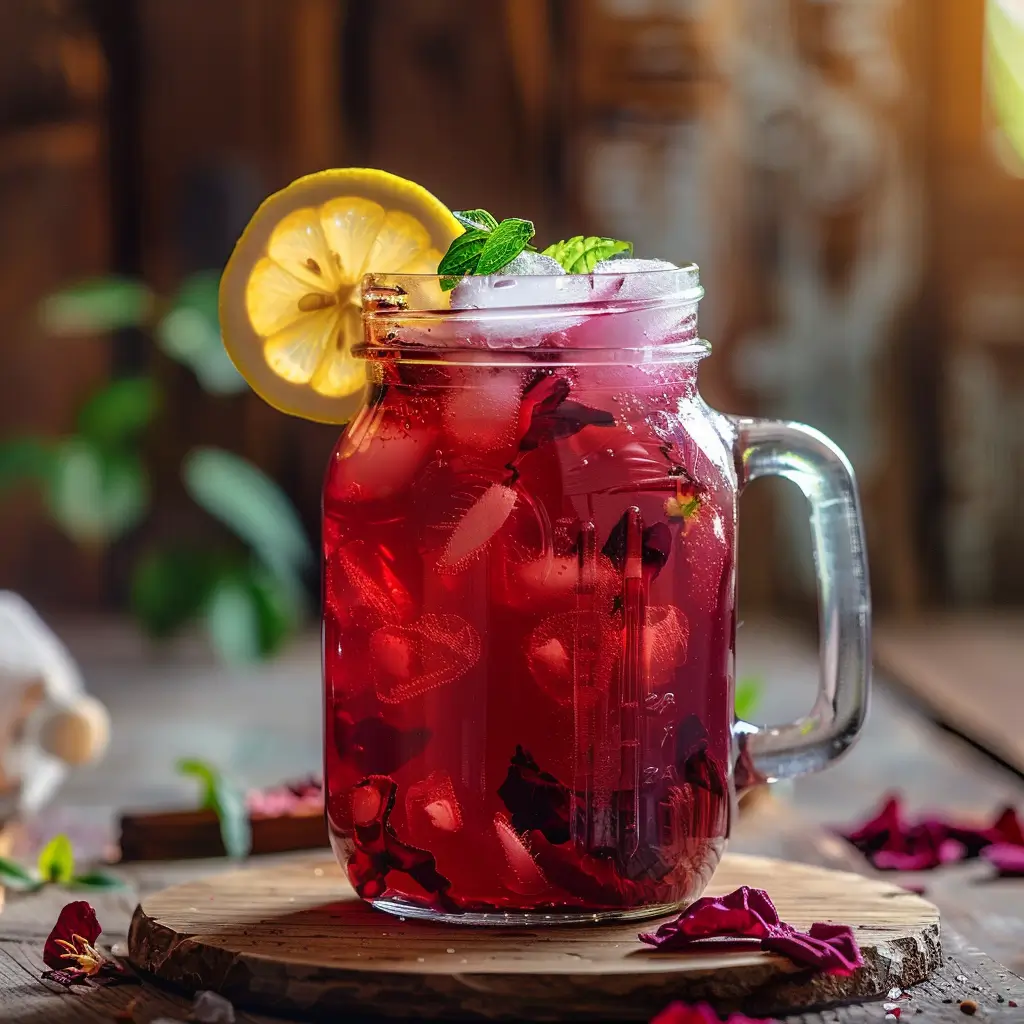
- Drink warm, or cool and serve over ice.
- Add lemon, lime, mint, or a small amount of sweetener if desired.
If your goal is to keep the drink low in calories, taste it before adding sweetener. Hibiscus is naturally tart, but many people get used to the flavor after a few cups.
Can You Add Lemon to Hibiscus Tea?
Yes. Lemon or lime works well with hibiscus because both have bright, tart flavors. Citrus adds very few calories when used as a squeeze or slice.
Adding lemon does not turn the drink into a fat-burning formula. It simply makes an unsweetened tea more appealing for some people, which may make it easier to choose over a sugary drink.
What About Ginger Hibiscus Tea?
Fresh ginger is another useful flavor addition. It adds warmth and spice without requiring sugar. Ginger also works well in many tea routines; see our other tea and drink content if you want more caffeine-free options.
Again, the value is practical rather than magical: flavor can help make a low-calorie drink easier to enjoy consistently.
Does Hibiscus Tea Boost Metabolism?
There is no strong human evidence showing that ordinary hibiscus tea meaningfully increases calorie burning or resting metabolic rate.
Some laboratory and animal studies have explored hibiscus compounds and fat metabolism, but those findings should not be treated as proof that a cup of tea boosts human metabolism enough to cause weight loss.
The 2024 randomized-trial meta-analysis is more relevant because it measured actual human weight outcomes—and those results were not clinically significant.
Hibiscus Tea and Blood Pressure
This is where the evidence for hibiscus is more interesting than the weight-loss evidence.
A randomized controlled trial in adults with prehypertension or mild hypertension found that three daily servings of hibiscus tea for six weeks reduced systolic blood pressure more than a placebo beverage. A later meta-analysis of randomized trials also found reductions in systolic and diastolic blood pressure in adults with elevated blood pressure.
You can read the clinical trial on PubMed and the meta-analysis on PubMed.
That means regular hibiscus use deserves more caution if you already take medication for high blood pressure. A beverage can still be “natural” and have physiologic effects.
Who Should Be Careful With Hibiscus Tea?
For most healthy adults, ordinary food-level amounts of hibiscus tea are generally well tolerated. However, regular or concentrated use deserves more caution in some situations.
- If you take blood-pressure medication: hibiscus can lower blood pressure, so combining it with medication may increase the chance of blood pressure becoming too low.
- If you are pregnant or breastfeeding: evidence on concentrated hibiscus products is limited, so discuss regular medicinal use with your clinician.
- If you use concentrated extracts or supplements: these are not equivalent to a normal cup of tea and can deliver much larger amounts.
- If you feel dizzy or lightheaded: stop and consider checking your blood pressure, especially if you already have low blood pressure.
Is Hibiscus Tea Better Than Green Tea for Weight Loss?
For direct weight-loss evidence, neither should be treated as a stand-alone treatment. Green tea has been studied more extensively and contains caffeine plus catechins, while hibiscus is caffeine-free.
If caffeine bothers you, hibiscus may be the easier daily beverage. If you want a caffeinated tea, green tea may fit better. The difference that matters most for many people is whether either drink replaces a higher-calorie beverage.
Hibiscus Tea vs “Detox” Teas
Plain hibiscus tea is very different from commercial detox teas that contain laxatives, stimulants, or proprietary herbal blends.
Hibiscus does not need to “detox” your body to be useful. Your liver and kidneys already perform detoxification. The practical advantage of plain hibiscus tea is that it can provide flavor and hydration without much energy or caffeine.
If you are comparing herbal products, our guide to Dr Siana herbal tea explains why ingredient lists and safety matter when a product is marketed specifically for weight loss.
How to Use Hibiscus Tea in a Realistic Weight-Loss Routine
If you enjoy hibiscus, use it as one small part of the routine rather than as the routine itself.
- Keep it mostly unsweetened. Added sugar can quickly erase the calorie advantage.
- Use it to replace a higher-calorie drink. This is the most realistic way it can contribute to a calorie deficit.
- Do not skip meals for tea. Tea is a beverage, not a protein or nutrient-dense meal replacement.
- Pair it with filling meals. Protein, fiber-rich vegetables, legumes, whole grains, and healthy fats generally do more for satiety than any herbal drink.
- Watch your blood pressure. This matters especially if you already use medication.
How Much Hibiscus Tea Should You Drink?
There is no proven weight-loss dose. The trials included in the 2024 meta-analysis used different forms, doses, and durations, which is one reason the authors called for better standardized research.
For an ordinary beverage routine, one or two cups of unsweetened hibiscus tea is a practical amount for many adults. More is not automatically better, especially if you have low blood pressure or take medication that affects blood pressure.
What Results Should You Expect?
You should not expect hibiscus tea by itself to produce visible fat loss.
A more realistic benefit is behavioral: if a cup of unsweetened hibiscus tea replaces a sugary drink you normally have every day, that substitution can reduce your calorie intake over time. The effect comes from the calorie difference between the beverages, not from a special fat-burning property of hibiscus.
This is also why sustainable weight management tends to come from a collection of habits rather than one ingredient.
Bottom Line
Hibiscus tea for weight loss is a popular search trend, but current randomized-trial evidence does not show meaningful weight loss from hibiscus itself. The strongest recent meta-analysis found no clinically important change in body weight, BMI, or waist circumference.
That said, unsweetened hibiscus tea can still be a useful low-calorie, caffeine-free drink. If it replaces soda, sweet tea, or another calorie-heavy beverage, it can support a weight-management plan indirectly. It may also affect blood pressure, so regular use deserves extra caution if you take blood-pressure medication.
Use hibiscus for what it does well: flavor, hydration, and a low-calorie alternative to sugary drinks—not as a fat-burning shortcut.
FAQS
Does hibiscus tea help you lose weight?
Current clinical evidence does not show that hibiscus tea causes meaningful weight loss on its own. A 2024 meta-analysis of randomized trials found no clinically important reduction in body weight, BMI, or waist circumference compared with control groups.
How much hibiscus tea should I drink for weight loss?
There is no evidence-based hibiscus tea dose proven to cause weight loss. If you enjoy it, one or two unsweetened cups can be used as a low-calorie beverage, but it should not replace meals or prescribed treatment.
What is the best time to drink hibiscus tea for weight loss?
No specific time of day has been proven to increase fat loss. The most useful timing is whenever hibiscus tea helps you replace a higher-calorie drink or supports your hydration routine.
Should I drink hibiscus tea hot or cold for weight loss?
Hot and iced hibiscus tea can both be low in calories when unsweetened. Temperature does not appear to make one version better for weight loss.
Can I add lemon to hibiscus tea?
Yes. Lemon can add flavor without many calories. It does not turn hibiscus tea into a fat-burning drink, but it can make unsweetened tea more appealing.
Does hibiscus tea reduce belly fat?
There is no good evidence that hibiscus tea selectively reduces belly fat. Changes in abdominal fat occur as part of overall changes in body fat and energy balance.
Can hibiscus tea lower blood pressure?
Randomized trials and meta-analyses suggest hibiscus can lower blood pressure in some adults, especially those with elevated blood pressure. If you take blood-pressure medication, discuss regular hibiscus use with a healthcare professional.
Is hibiscus tea caffeinated?
Pure hibiscus tea is naturally caffeine-free. Check blended tea products, because they may contain black tea, green tea, or other caffeinated ingredients.
1 thought on “Hibiscus Tea for Weight Loss: Does It Work? Benefits, Recipe & Best Time”