
Nigiri and sashimi are not the same thing: nigiri is sushi made with seasoned rice and a topping, while sashimi is sliced fish or seafood served without sushi rice. That single difference explains most of what separates the two—from carbs and calories to texture, serving style, and how they are eaten.
If you are still learning the basic sushi terms, start with our complete guide to what nigiri is. This comparison focuses specifically on nigiri vs sashimi so you can understand what you are ordering and which style may suit you better.
Nigiri vs Sashimi: Quick Answer
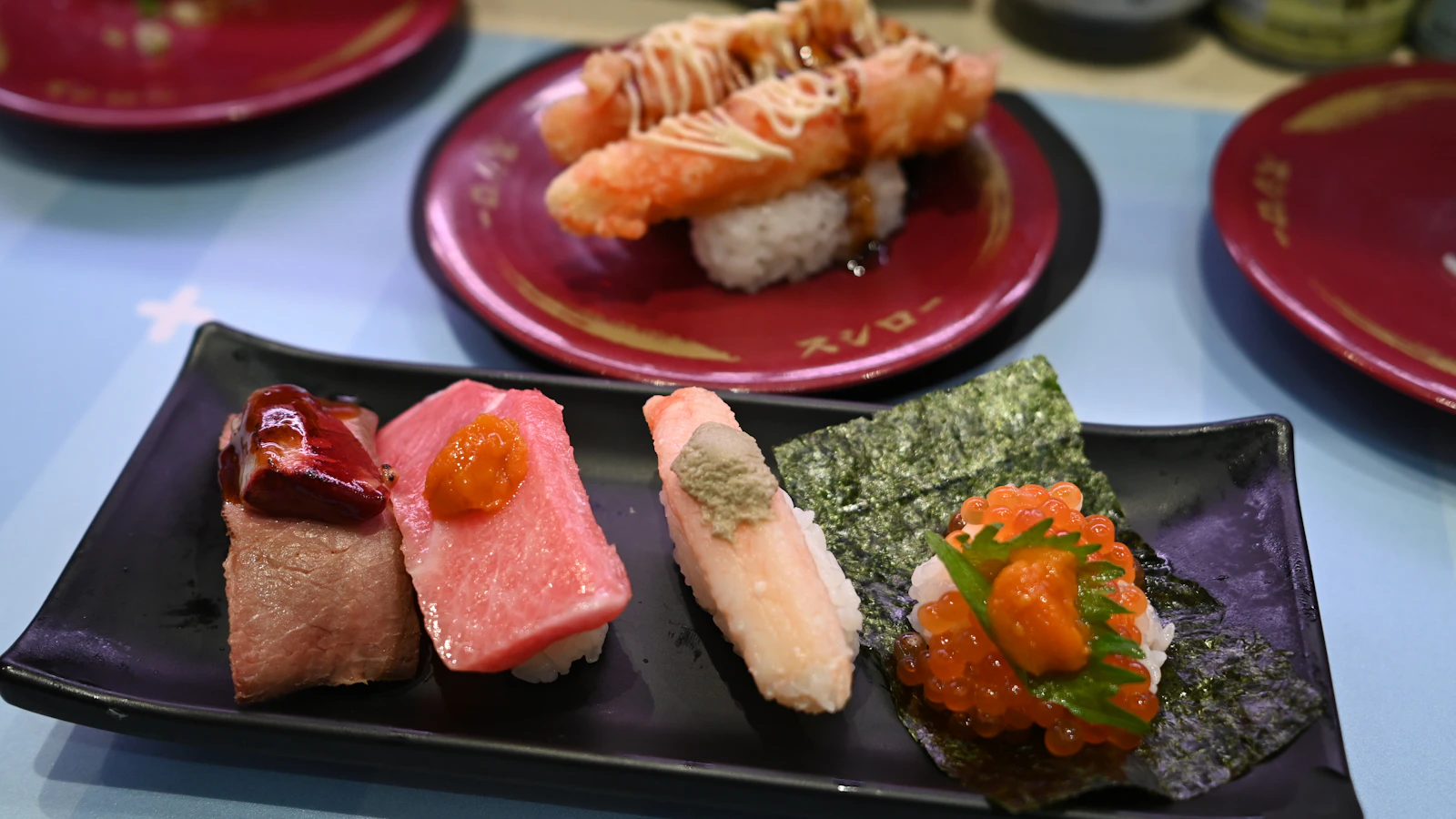
Nigiri is a form of sushi. It usually consists of a small hand-shaped mound of vinegared sushi rice topped with fish, seafood, egg, or another ingredient.
Sashimi is not defined by sushi rice. It is generally thinly sliced raw fish or seafood served on its own, often with soy sauce, wasabi, shredded daikon, or other simple accompaniments.
| Feature | Nigiri | Sashimi |
|---|---|---|
| Rice | Yes, seasoned sushi rice | No |
| Typical form | Hand-shaped rice with a topping | Sliced fish or seafood |
| Raw fish required? | No | Usually raw |
| Carbohydrates | Higher because of rice | Very low unless sauces/sides add carbs |
| Serving style | Individual bite-size pieces | Several slices on a plate |
| Common examples | Salmon, tuna, shrimp, eel, tamago | Salmon, tuna, yellowtail, scallop |
What Is Nigiri?
Nigiri, or nigirizushi, is sushi built around seasoned rice. A small amount of sushi rice is shaped by hand and topped with fish or another ingredient. A tiny amount of wasabi may be placed between the rice and topping.
Japan’s official tourism information describes nigiri as a classic sushi style in which fish or seafood is hand-pressed onto rice. Nigiri developed into a bite-size style closely associated with Edo, the city now known as Tokyo.
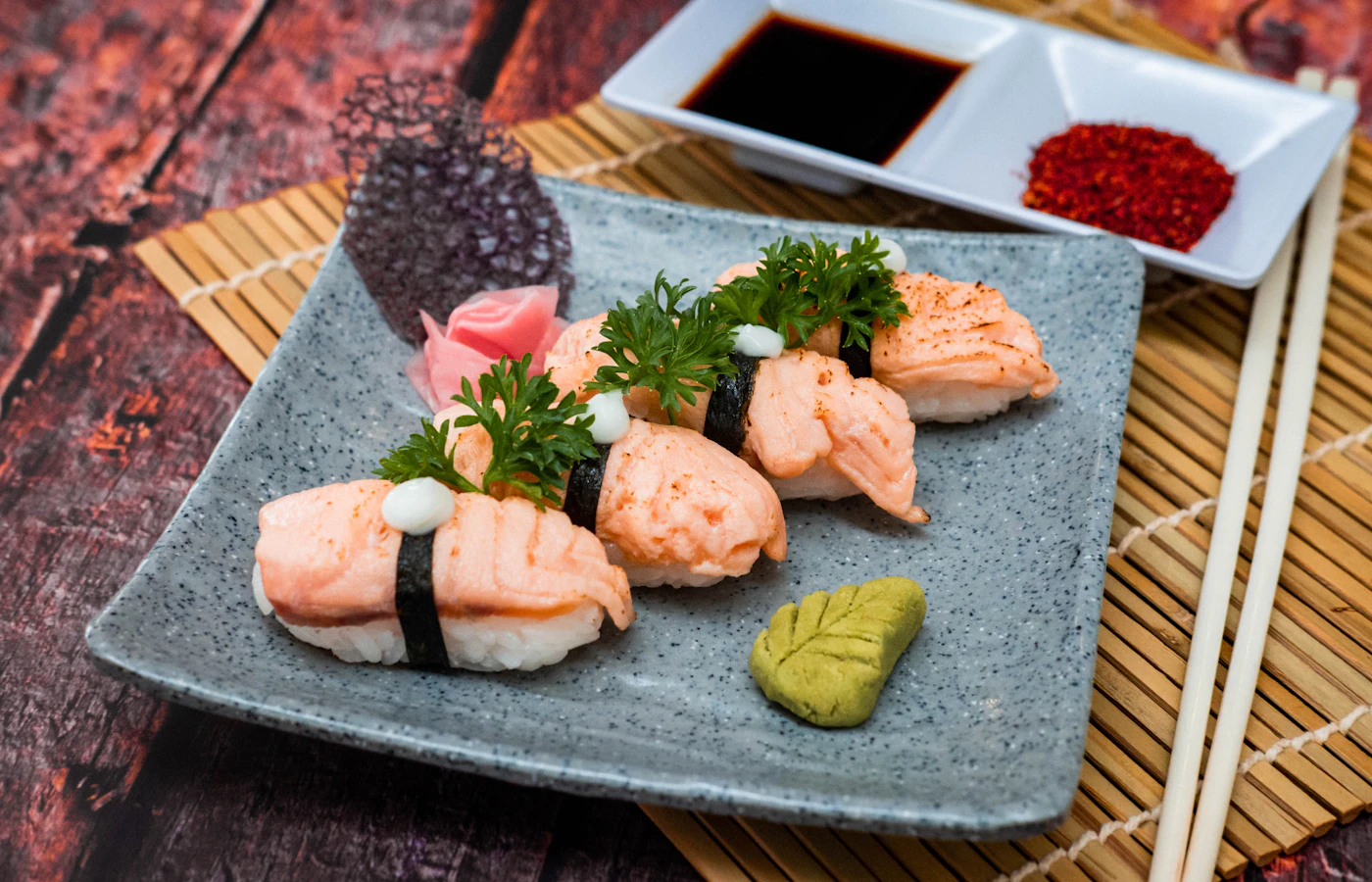
Popular nigiri toppings include:
- salmon
- tuna
- yellowtail
- shrimp
- eel
- scallop
- tamago (Japanese omelet)
- salmon roe
Nigiri does not automatically mean raw fish. Cooked shrimp, eel, and egg are common examples. If you want a cooked salmon meal rather than raw sushi, our hot honey salmon recipe is another easy seafood option.
What Is Sashimi?
Sashimi usually refers to carefully sliced raw fish or seafood served without sushi rice. Because there is no rice underneath, the texture, freshness, cut, and flavor of the fish are even more noticeable.
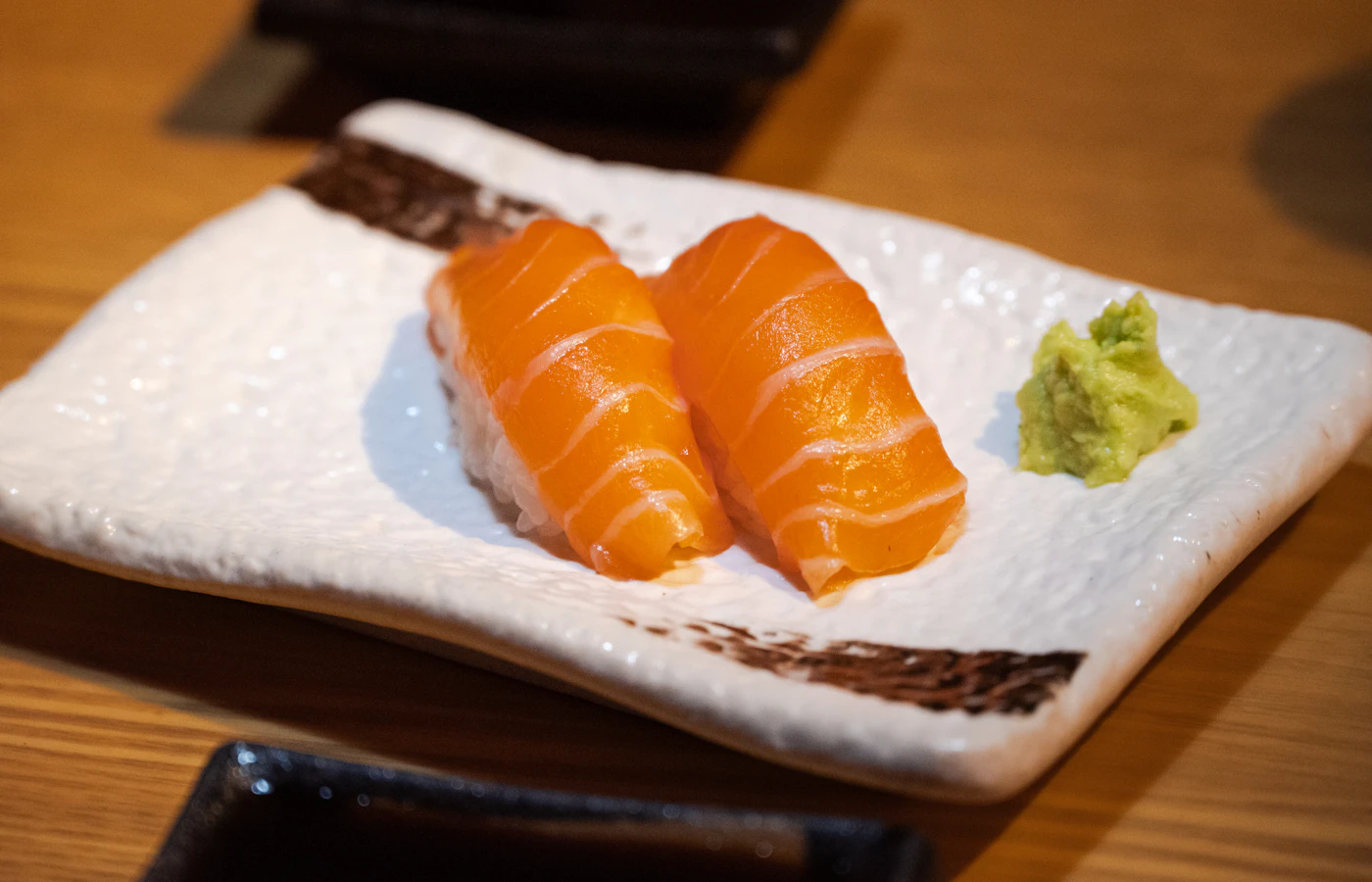
Common sashimi choices include salmon, tuna, yellowtail, scallop, and other seafood. Some restaurants also serve non-fish sashimi-style preparations, but on most sushi menus the term refers to raw seafood.
Is Sashimi Sushi?
Technically, sashimi is usually considered a separate category from sushi because sushi is defined by seasoned rice. Sashimi does not include sushi rice.
This is why the phrase “sushi vs sashimi” can be confusing. Sushi includes many styles—such as nigiri and maki—while sashimi is simply sliced raw fish or seafood without the seasoned rice component.
Nigiri vs Sashimi: The Biggest Difference Is the Rice
The easiest way to identify the two is to look for rice.
If a slice of salmon sits on top of a small mound of seasoned rice, you are looking at salmon nigiri. If the salmon is served as slices with no rice underneath, it is salmon sashimi.
That rice affects more than appearance. It changes the flavor balance, texture, carbohydrate content, and how filling each piece feels.
Nigiri vs Sashimi: Raw vs Cooked
A common misconception is that nigiri and sashimi both always mean raw fish.
Sashimi is typically raw. The raw fish or seafood itself is the focus of the dish.
Nigiri can be raw or cooked. Salmon and tuna nigiri are commonly raw, but shrimp, eel, tamago, and other toppings may be cooked.
So if you prefer sushi but do not want raw seafood, nigiri offers more cooked options than sashimi.
Nigiri vs Sashimi Calories
Sashimi is often lower in calories than a comparable amount of nigiri because it does not include rice. Nigiri adds seasoned rice to every piece, which contributes extra energy and carbohydrate.
However, there is no single calorie number that applies to either dish. The total depends on:
- the type of fish
- the thickness of the slices
- the amount of rice
- the number of pieces
- sauces and toppings
- whether the fish is lean or fatty
Fatty tuna and salmon, for example, naturally contain more fat than very lean fish. This does not make them “bad”; it simply changes the nutrition profile.
Nigiri vs Sashimi Carbs
This difference is much more predictable.
Nigiri contains carbohydrates because of the sushi rice. The rice is typically seasoned with rice vinegar and may include small amounts of sugar and salt.
Sashimi contains very little carbohydrate on its own. Any carbs usually come from sauces, marinades, or side dishes rather than the fish itself.
For people specifically tracking carbohydrate intake, sashimi is therefore generally the lower-carb choice.
Nigiri vs Sashimi Protein
Both can be good sources of protein because fish and seafood provide high-quality protein. Sashimi often provides more fish relative to the total bite because there is no rice taking up part of the portion.
But again, portion size matters. Two small slices of sashimi are not automatically higher in protein than a larger serving of nigiri.
Which Is Healthier: Nigiri or Sashimi?
Neither is universally healthier.
Sashimi may be preferable if you want fewer carbohydrates or want the meal to focus almost entirely on fish. Nigiri may feel more balanced or satisfying for someone who wants both rice and seafood in the same bite.
Important factors include the type of seafood, portion size, sodium from soy sauce, and whether you choose raw or cooked fish.
If you are looking for other balanced seafood meals, our Mediterranean diet lunches include several fish-based options, while our canned sardine recipes offer cooked, pantry-friendly seafood ideas.
Nigiri vs Sashimi: Texture and Taste
Nigiri combines two textures: soft, slightly warm or room-temperature seasoned rice and a cool fish topping. The vinegar-seasoned rice adds mild acidity, sweetness, and saltiness.
Sashimi has no rice to soften or change the flavor. The taste and texture of the fish are more direct. This is one reason sashimi can feel more intense to someone new to raw seafood.
Which Is Better for Beginners?
Nigiri is often easier for beginners because the rice makes the bite more familiar and balances the fish. Cooked nigiri options also allow you to try the format without eating raw fish.
Good beginner choices can include:
- salmon nigiri
- cooked shrimp nigiri
- eel nigiri
- tamago nigiri
Sashimi can be a better choice once you already know you enjoy the taste and texture of raw fish.
How Are Nigiri and Sashimi Served?
Nigiri is normally served as individual pieces, often two at a time when ordered à la carte. Sashimi is usually arranged as several slices on a plate.
Both may come with:
- soy sauce
- wasabi
- pickled ginger
- shredded daikon
- shiso leaves or other garnishes
The accompaniments should support the fish rather than overwhelm it.
Can You Eat Nigiri and Sashimi With Your Hands?
Nigiri can be eaten with chopsticks or clean hands. Historically, nigiri-style sushi was commonly eaten by hand, and that remains acceptable.
Sashimi is normally eaten with chopsticks because the slices are served individually without rice to hold them together.
How to Use Soy Sauce With Nigiri vs Sashimi
With sashimi, lightly dip the fish into soy sauce.
With nigiri, use only a small amount. Soaking the rice in soy sauce can cause it to fall apart and can make the bite overly salty.
In either case, more sauce is not necessarily better. The goal is to taste the seafood.
Is Raw Nigiri or Sashimi Safe?
Raw fish can carry parasites or harmful microorganisms. The FDA notes that raw fish used in sushi or sashimi is more likely to contain parasites or bacteria than cooked fish, and cooking seafood thoroughly is the safest approach.
Previously frozen fish can reduce parasite risk for some species, but freezing does not kill every harmful germ. For homemade raw preparations, sourcing and temperature control matter.
People at higher risk of foodborne illness—including pregnant people, young children, older adults, and people with weakened immune systems—should avoid raw or undercooked fish and shellfish. In those situations, cooked nigiri is a better choice than raw sashimi.
Nigiri vs Sashimi for Weight Loss
If your goal is calorie control, sashimi can make it easier to reduce carbohydrates because it does not include rice. But that does not automatically make it a weight-loss food.
Portion size, sauces, the rest of the meal, and overall eating pattern matter much more than choosing one Japanese dish over another.
A balanced meal might combine sashimi or nigiri with vegetables, miso soup, edamame, or a simple salad rather than relying only on one food.
Nigiri vs Sashimi vs Maki
Maki adds a third style to the comparison. Maki is rolled sushi, usually made by rolling rice and fillings together—often with nori—then slicing the roll into pieces.
| Style | Rice? | How It Is Made |
|---|---|---|
| Nigiri | Yes | Hand-shaped rice topped with fish or another ingredient |
| Sashimi | No | Sliced fish or seafood served without sushi rice |
| Maki | Yes | Rice and fillings rolled and sliced |
Nigiri vs Sashimi: Which Should You Order?
Choose nigiri if you want the complete sushi experience of seasoned rice plus a topping, if you are new to raw fish, or if you want cooked options.
Choose sashimi if you already enjoy raw fish, want to taste the seafood more directly, or want a lower-carb option without sushi rice.
There is no reason you have to choose only one. Many sushi meals include both so you can compare textures and flavors side by side.
Bottom Line
The difference between nigiri and sashimi is straightforward: nigiri is sushi made with seasoned rice and a topping, while sashimi is sliced fish or seafood served without sushi rice.
Nigiri can be raw or cooked and usually contains more carbohydrates because of the rice. Sashimi is usually raw, lower in carbs, and puts more emphasis on the fish itself. Both can fit into a balanced meal when sourced and handled safely.
FAQS
What is the main difference between nigiri and sashimi?
Nigiri is sushi made with seasoned rice and a topping, while sashimi is sliced fish or seafood served without sushi rice.
Is nigiri always raw?
No. Nigiri can use raw fish, but it can also be topped with cooked shrimp, eel, egg, or other cooked ingredients.
Is sashimi always raw?
Sashimi is typically served raw and without sushi rice. It is usually fish or seafood cut into slices and served on its own or with simple accompaniments.
Which has more carbs, nigiri or sashimi?
Nigiri generally has more carbohydrates because it includes seasoned sushi rice. Sashimi contains little or no carbohydrate unless sauces or sides add it.
Which is lower in calories, nigiri or sashimi?
Sashimi is often lower in calories per comparable amount of fish because it does not include sushi rice, but the exact calories depend on the fish, serving size, sauces, and preparation.
Is nigiri or sashimi better for beginners?
Nigiri is often easier for beginners because the seasoned rice softens the flavor and texture of the fish. People who already enjoy raw fish may prefer sashimi.
Can pregnant people eat nigiri or sashimi?
Raw or undercooked fish is a higher-risk food during pregnancy. Cooked nigiri options are the safer choice, while raw sashimi should be avoided according to FDA food-safety guidance.
Can you eat nigiri and sashimi with soy sauce?
Yes, but a small amount is usually enough. Too much soy sauce can overpower the fish and adds extra sodium.
1 thought on “Nigiri vs Sashimi: What’s the Difference?”