Quick Answer
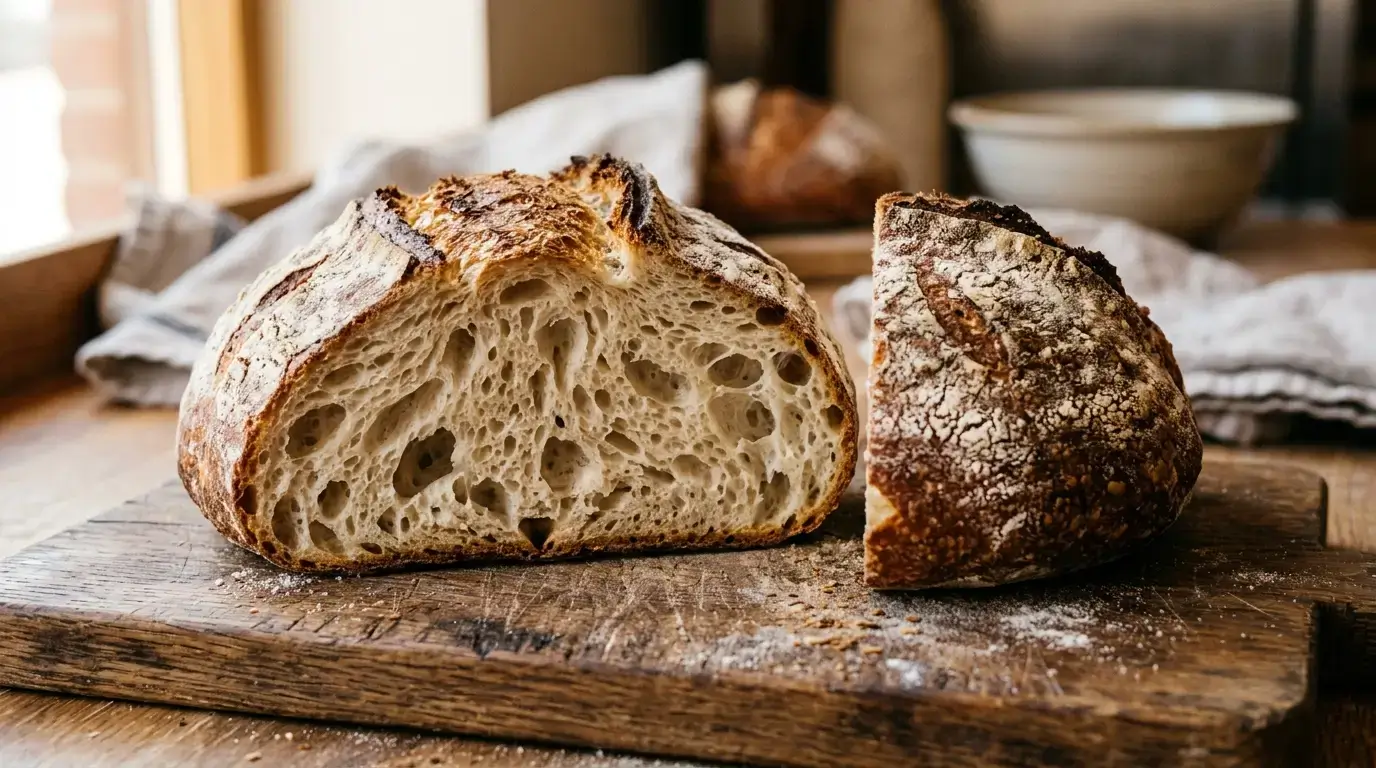
| Kirkland Signature Sourdough Boule | Generally considered authentic — uses a natural sour culture, no added commercial yeast |
| Sourdough bread bowls | Criticized online for containing added yeast and ascorbic acid as production shortcuts |
| Olive and Rosemary Sourdough | Long ingredient list has drawn the same criticism, though many listed items are just enriched flour components |
| What defines “real” sourdough | Traditionally: only flour, water, salt, and a live wild-yeast starter — nothing else |
| How to check | Read the ingredient label — added yeast, dough conditioners, or “sourdough flavor” additives are the red flags |
Is Costco’s sourdough bread actually real sourdough — the honest answer is: it depends on which specific product you’re buying, and this has become a genuine, ongoing debate among shoppers and the online baking community, not just internet noise. Costco sells several different sourdough products, and they don’t all meet the same standard.
What “Real” Sourdough Actually Means
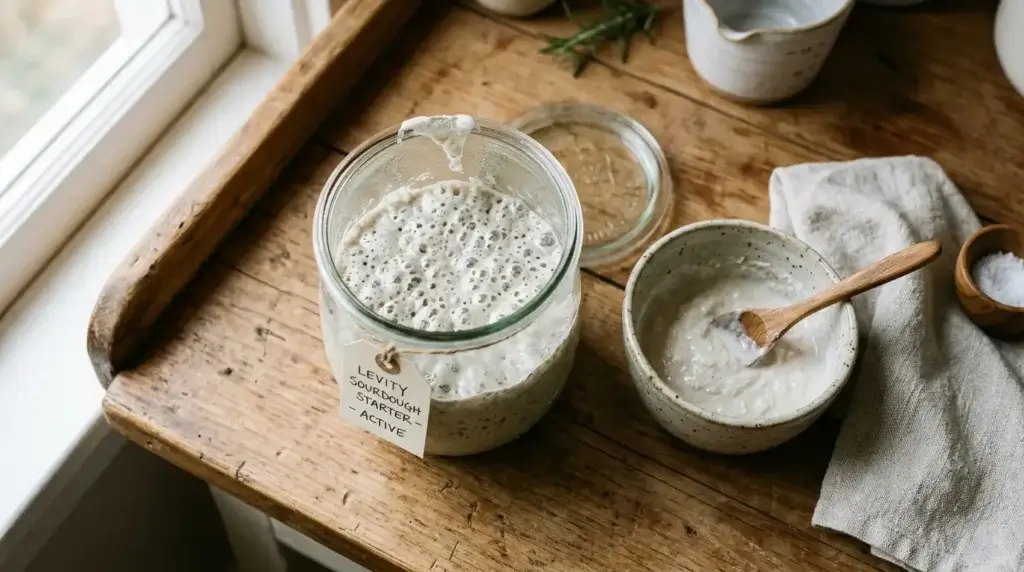
Traditional sourdough bread is defined by its process, not just its tangy flavor. Authentic sourdough is made using only four things: flour, water, salt, and a live sourdough starter (a fermented mixture of flour and water that’s built up wild yeast and bacteria over time). The bread rises and develops its characteristic tang entirely through a long, natural fermentation process — no added commercial yeast, no shortcuts.
This matters because “sourdough” as a word isn’t legally regulated the same way “sourdough” the traditional baking method is. A bread can be labeled sourdough while using shortcuts — added commercial yeast to speed up rising, or acids like citric or ascorbic acid to fake the tangy flavor without the long fermentation that traditionally produces it.
Where the Costco Controversy Actually Comes From
This isn’t one single controversy — it’s really a pattern that’s repeated across several different Costco bakery releases:
The Kirkland Signature Sourdough Boule has generally held up well under scrutiny. Multiple reviewers and shoppers who’ve checked the label report that it uses a natural sour culture rather than added commercial yeast, which is the key marker of genuine sourdough fermentation. It’s also not whole grain, if that matters to your specific dietary goals, but on the authenticity question specifically, it’s held up as one of Costco’s more legitimate sourdough offerings.
The sourdough bread bowls, released more recently, drew significant criticism online. Shoppers pointed out that the ingredient list included added yeast and ascorbic acid — both considered mass-production shortcuts that go against the traditional definition of sourdough fermentation. Some coverage has noted this bread does still follow a 24-hour fermentation process, which complicates a simple “real vs. fake” label — it’s more accurate to call it a hybrid approach than an outright fake.
The Olive and Rosemary Sourdough loaf sparked a similar reaction, with online commenters calling out its long ingredient list. It’s worth noting, though, that a chunk of that list is simply the individual components of enriched flour (niacin, iron, thiamin, and so on) that any packaged bread using enriched flour would list — not necessarily evidence of shortcuts on their own. The more relevant ingredients to actually scrutinize are things like added yeast, dough conditioners, or acids used specifically to mimic sourdough flavor.
Why Long Ingredient Lists Don’t Always Mean What People Assume
This is the nuance that gets lost in a lot of the online outrage: a long ingredient list isn’t automatically proof that a bread isn’t real sourdough. Enriched flour alone accounts for several “ingredients” that are really just vitamin and mineral fortifications required by law in many flour products — niacin, iron, thiamin mononitrate, riboflavin, folic acid. Those don’t affect whether the bread was actually fermented the traditional way.
The ingredients that actually matter for the authenticity question are much more specific: added commercial yeast (a shortcut that bypasses the slow natural rise), dough conditioners, and acids added specifically to fake a sour flavor rather than develop it through fermentation. Those are the terms worth scanning for, not the total ingredient count.
How to Check for Yourself
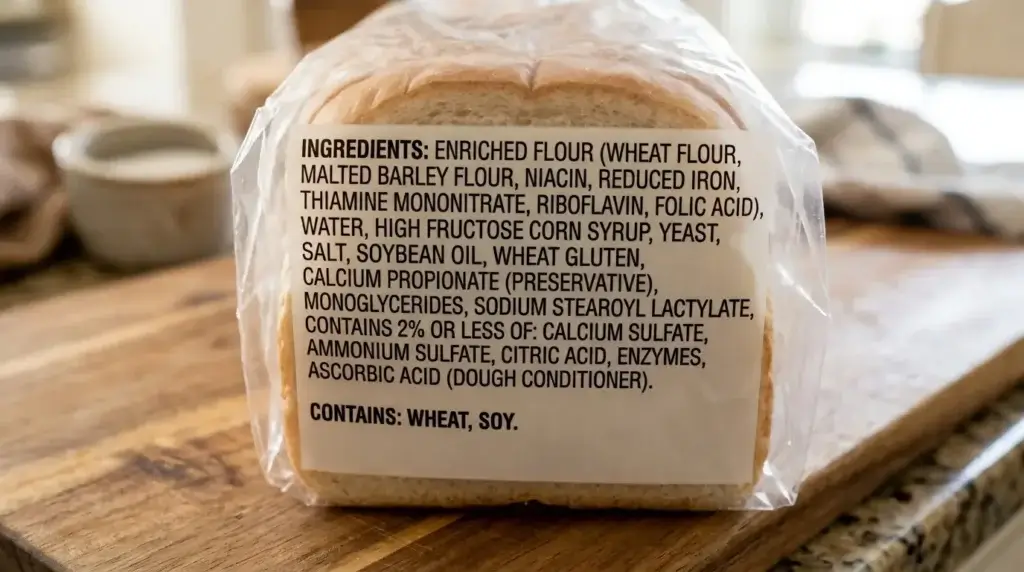
If you want to know whether a specific loaf — from Costco or anywhere else — is genuinely traditional sourdough, here’s what to actually look for on the label:
- Check for a short ingredient base: flour, water, salt, and starter (sometimes listed as “sour culture” or “levain”) should be the core. Additional mix-ins like olives or seeds are fine and don’t affect authenticity.
- Watch for added yeast: if “yeast” appears as a separate ingredient in addition to the starter, that’s a sign of a shortcut, not full traditional fermentation.
- Watch for acids used for flavor, not fermentation: ingredients like citric acid or ascorbic acid used to mimic tanginess (rather than as a minor dough conditioner in tiny amounts) are a red flag for a shortcut process.
- Don’t be scared off by vitamin fortification terms: niacin, iron, folic acid, and similar terms in an ingredient list are standard for enriched flour and don’t indicate a fake sourdough process on their own.
Does It Actually Matter for Taste or Health?
This is worth separating from the authenticity question. Even bread made with some production shortcuts can still taste good and fit into a balanced diet — several reviewers who flagged the ingredient list concerns also noted the bread tasted genuinely good. The distinction mostly matters if you specifically care about traditional fermentation for its own sake, or if you’re looking for the digestive benefits some people associate with a long, natural fermentation process, which shortcut methods don’t fully replicate.
Frequently Asked Questions
Is any Costco sourdough bread 100% traditional?
The Kirkland Signature Sourdough Boule has held up best under scrutiny, generally reported to use a natural sour culture without added commercial yeast — though always check the current label, since formulations can change.
Why does Costco’s ingredient list look so much longer than homemade sourdough?
Much of it comes from listing every component of enriched flour separately, which is standard for packaged bread, not necessarily a sign of shortcuts. The actual red flags are added yeast, dough conditioners, or flavor-mimicking acids.
Is “sourdough flavor” the same as real sourdough?
No — some products use acids or other additives specifically to mimic the tangy taste of sourdough without the traditional fermentation process. This is sometimes called “sourfaux” by baking purists, and it’s worth checking the ingredient list specifically for this distinction.
Does a longer fermentation process always mean better bread?
Not necessarily for flavor or texture, which come down to the specific recipe and bakery. But traditional fermentation is what defines sourdough specifically, so if authenticity to that definition matters to you, it’s worth checking regardless of taste.
Should I make sourdough at home instead if I want the real thing?
If traditional fermentation matters to you and you’re not sure about a specific store product’s process, making your own is the most reliable way to know exactly what went into it — though it does require maintaining a starter and more time than buying a loaf.
Disclaimer: Ingredient formulas can change without notice and may vary by product, region, and time of purchase. Always check the current package label for the most accurate information.
Costco and Kirkland Signature are registered trademarks of Costco Wholesale Corporation. This article is independent and not affiliated with, endorsed by, or sponsored by Costco.
If you’d rather know exactly what’s in your sourdough by making it yourself, our guide to how to brew kombucha covers a similar fermentation process if you’re interested in home fermentation projects more broadly.