
Quick Answer
| Most standard supermarket gelatin | Not reliably kosher — usually made from pork or non-kosher-slaughtered beef |
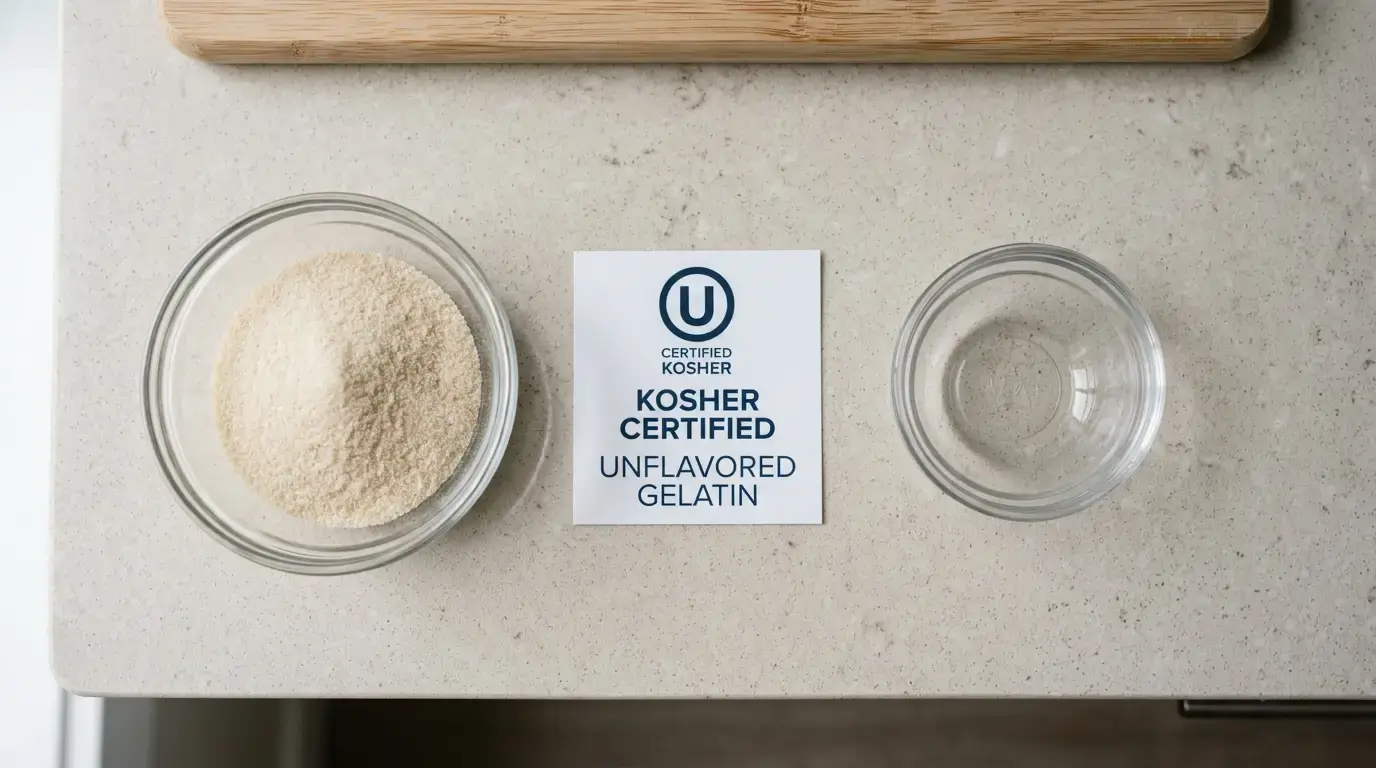
| Certified kosher gelatin | Exists, made from either kosher-slaughtered beef or kosher fish |
| Most widely accepted source | Fish (marine) gelatin — doesn’t require ritual slaughter |
| Bovine (beef) gelatin | More debated — some kosher authorities certify it, others don’t, even from kosher-slaughtered cattle |
| How to know for sure | Look for a kosher certification symbol (hechsher) like OU, OK, or Star-K on the package |
Is gelatin kosher — the honest answer is: it depends entirely on the source, and there’s genuine debate among kosher authorities even when the source seems acceptable. This isn’t a simple yes-or-no question the way it is for some other ingredients, so it’s worth understanding the actual reasoning rather than a quick rule of thumb.
Why Most Commercial Gelatin Isn’t Kosher
Gelatin is made by extracting collagen from animal skin, bones, and connective tissue. Globally, close to half of commercial gelatin production comes from pork, with most of the rest coming from cattle bones and hides — and standard supermarket gelatin, including most name-brand unflavored gelatin sold in the US, isn’t produced under kosher supervision or from kosher-slaughtered animals. That alone rules it out for anyone keeping kosher, regardless of any other consideration.
The Two Paths to Kosher Gelatin

Fish (marine) gelatin is the most widely accepted kosher option among certifying agencies. Fish don’t require the ritual slaughter process (shechita) that mammals do under Jewish law, which simplifies the kosher question significantly — as long as the gelatin comes specifically from kosher fish species, agencies like OK Kosher generally accept it without much debate. Marine gelatin has become the most common source used in kosher-certified gelatin products for exactly this reason.
Beef (bovine) gelatin from kosher-slaughtered cattle is more complicated. Some major certifying agencies, including the OU, do certify bovine gelatin as kosher when it’s made from properly shechted and kashered hides under full rabbinical supervision. But this isn’t universally accepted — the halachic reasoning has been debated for generations, partly because the intense processing gelatin undergoes (extracting collagen through heat and chemical treatment) raises questions about whether the finished product is meaningfully connected to its original, non-kosher-adjacent source material. Some poskim (rabbinical decisors) have historically ruled that even gelatin from non-kosher-slaughtered animals could be considered acceptable, due to this transformation argument — though this is a minority position, and most consumers keeping kosher today rely on certified products rather than that older reasoning.
Is Gelatin Considered Pareve or Meat?
This adds another layer of nuance. Fish gelatin is generally treated as pareve (neutral — can be used with either dairy or meat dishes). Bovine gelatin’s status is less settled: some certifying agencies that do accept kosher bovine gelatin still won’t allow its use in dairy products specifically, treating it more cautiously than a fully pareve ingredient, even though it’s dried and largely flavorless. If you’re keeping kosher and a product’s gelatin source isn’t specified, it’s worth checking the label rather than assuming either way.
What to Actually Look For on a Label
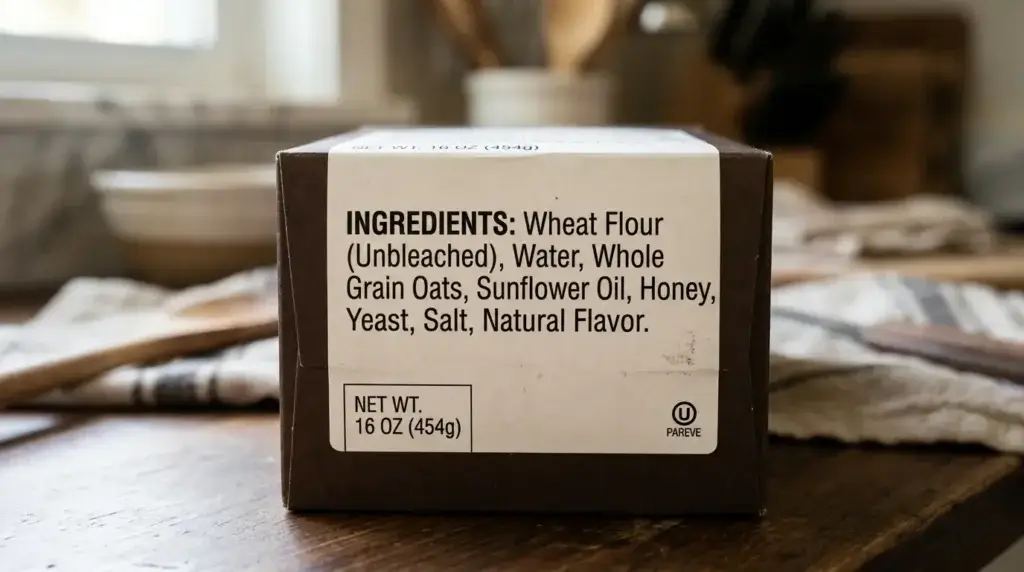
The only reliable way to know if a specific gelatin product or gelatin-containing food is kosher is a certification symbol (hechsher) from a recognized kosher agency — OU, OK, Star-K, and Kof-K are among the most widely recognized in the US. Without one of these symbols specifically on the gelatin or the finished product, it’s safest to assume standard, non-certified status.
If you’d rather sidestep the question entirely, agar-agar — a seaweed-derived gelling agent — is naturally kosher by ingredient, since it’s plant-based, though the finished product it’s used in would still need its own certification to confirm the full recipe is kosher.
Kosher Gelatin vs Halal Gelatin — Not Always the Same Thing

These two overlap but aren’t identical. Halal gelatin must come from animals slaughtered according to Islamic zabiha requirements, and pork is always forbidden regardless of any processing argument. Kosher gelatin can, in some certifying agencies’ views, come from more varied sources depending on the halachic reasoning applied — meaning kosher certification doesn’t automatically guarantee halal status, and vice versa. If you need a product to satisfy both standards, look for both certifications explicitly rather than assuming one implies the other.
Frequently Asked Questions
Is fish gelatin always kosher?
Not automatically — it needs to come specifically from kosher fish species and be processed under proper certification. Non-kosher fish skins are also sometimes used in marine gelatin production, so certification still matters.
Can I trust gelatin with no kosher symbol at all?
No — without a recognized certification symbol, standard commercial gelatin should be assumed non-kosher, even if the source animal happens to be one that’s generally kosher (like cattle), since proper slaughter and supervision are what actually make it acceptable.
Is gelatin in medication or supplements held to the same kosher standard?
This is a separate and more complex question that many kosher authorities treat with more flexibility than food, since medication is evaluated differently under Jewish law. If this matters to you specifically, it’s worth asking a rabbi or the product manufacturer directly rather than assuming either way.
Are gummy candies and marshmallows usually kosher?
Only if they carry a kosher certification symbol. Most mainstream US gummy candy and marshmallow brands use standard, non-certified gelatin.
Is agar-agar a good substitute if I want to avoid the kosher gelatin question entirely?
Yes — agar-agar is plant-based and naturally kosher by ingredient, making it a straightforward substitute in most gelatin-based recipes, though the texture and set can differ slightly.
Disclaimer: This article provides general information and reflects publicly available guidance from kosher certification agencies. It is not religious or legal guidance. For questions about a specific product or personal observance, consult a rabbi or the relevant certifying agency directly.
For a similar breakdown from the halal perspective, see our halal gelatin guide, and for more on where gelatin shows up in food generally, our guide to what foods and products contain gelatin covers dozens of examples. If you’d rather skip the question with a plant-based option, our vegan gelatin substitutes guide covers agar-agar and other alternatives in more depth.