
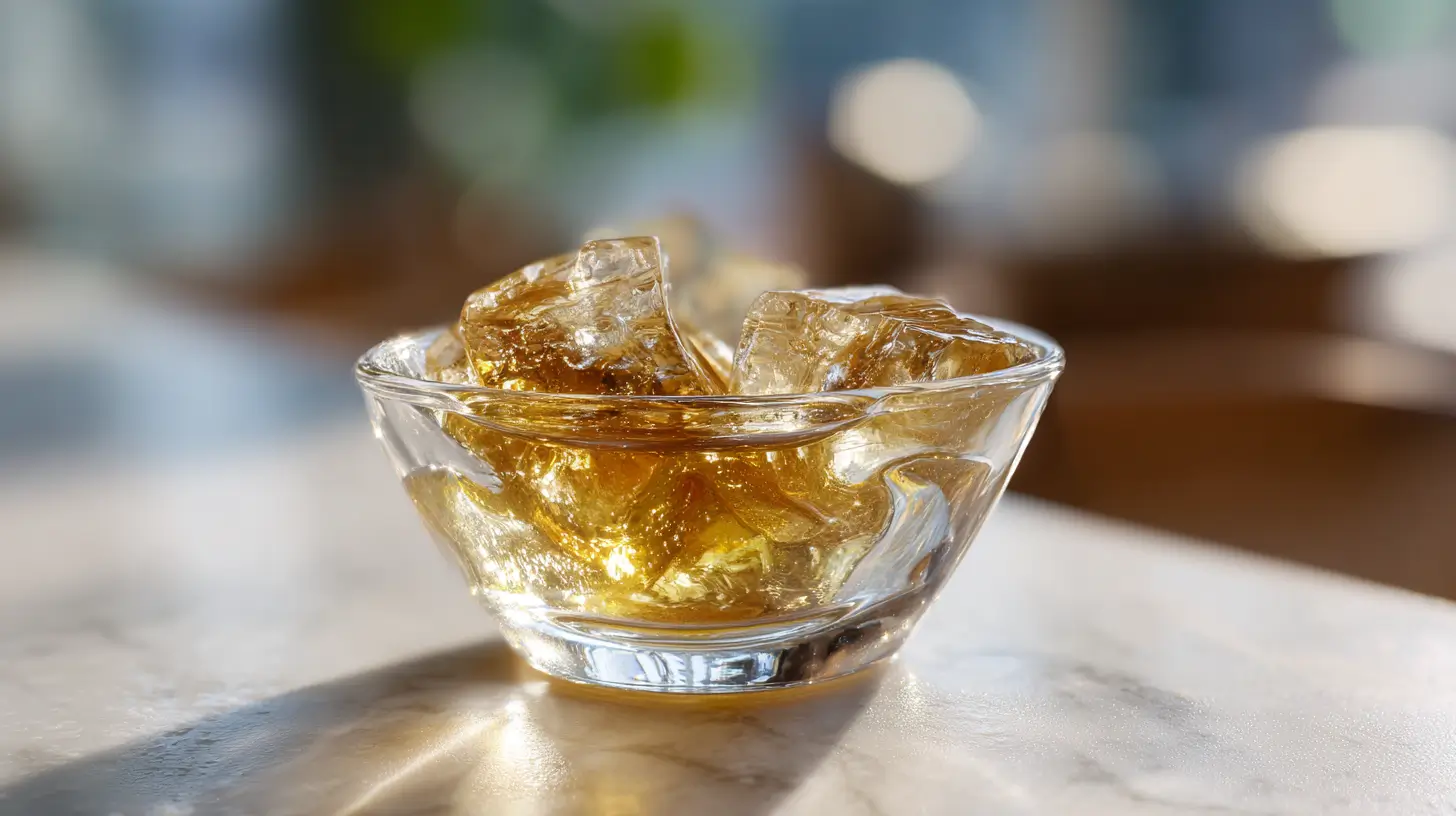
The jello hack recipe is one of those viral trends that seems simple on the surface but raises a lot of questions once you look closer. Scroll through TikTok or Pinterest, and you’ll see people talking about a “gelatin trick” for weight loss, appetite control, or even bariatric-style eating. But what exactly is this so-called hack — and is it really different from regular gelatin?
In most cases, the jello hack recipe refers to a stripped-down, low-calorie gelatin mixture made with unflavored gelatin, water, and a light flavoring option. Because it contains very few ingredients, many people view it as a smart dessert swap instead of sugary snacks. However, others confuse it with structured medical-stage gelatin plans like this detailed bariatric gelatin recipe, even though the two are not exactly the same.
So, what’s going on here?
In this guide, we’ll break down what people really mean when they say “jello hack recipe,” where the trend started, how it connects to bariatric gelatin routines, and whether it actually supports weight loss. We’ll also explain the pink gelatin variation, the popular 3-ingredient version, and how to prepare a simple example step by step.
By the end, you’ll clearly understand whether this viral gelatin hack is just marketing buzz — or a genuinely useful low-calorie dessert alternative.
What Is the Jello Hack Recipe?
The jello hack recipe is a simplified gelatin preparation that went viral through weight-loss communities and social media platforms. At its core, it’s nothing complicated. In fact, it usually contains just unflavored gelatin, water, and a low-calorie flavoring option. However, because it’s framed as a “hack,” many people assume there’s something secret or medically advanced behind it.
In reality, the term mostly refers to a minimal, low-sugar gelatin mixture used as a dessert alternative. While some versions are inspired by structured plans like this detailed bariatric gelatin preparation guide, the viral hack itself is typically more casual and flexible.
So, let’s break it down clearly.
Definition of the Viral Jello Hack Recipe
Simply put, the jello hack recipe is:
- A low-calorie gelatin mixture
- Made with unflavored gelatin powder
- Mixed with water
- Flavored without added sugar
Because it’s high in protein relative to calories, many people use it as a light snack. Additionally, since it contains no heavy fats or refined sugars, it feels like a “smart swap” for traditional desserts.
However, here’s the key point: it’s not an official medical diet. Instead, it’s a simplified adaptation of gelatin-based recipes that have been around for years.
Why the Jello Hack Recipe Is Trending on Social Media
So why did this simple gelatin trick suddenly explode online?
First, short-form video platforms reward quick, visual recipes. Gelatin sets fast, looks aesthetic in glass containers, and appears “clean” and minimal. Therefore, it’s perfect for viral food content.
Second, people love the idea of replacing high-calorie desserts with something lighter. Since the jello hack recipe uses basic pantry ingredients, it feels accessible. No fancy equipment. No complicated prep. Just mix, chill, and eat.
Third, many creators connect it to bariatric routines, intermittent fasting, or collagen trends. For example, some discussions reference structured approaches like this explanation of the Dr. Logan Collins bariatric gelatin method, even though the viral hack itself may not follow the exact same ratios or guidelines.
As a result, the trend grew quickly — even if the base concept wasn’t new.
The Difference Between a “Hack” and a Structured Recipe
The word “hack” implies:
- A shortcut
- A clever trick
- A faster method
- Minimal ingredients
However, a structured recipe — especially in medical or bariatric contexts — usually follows precise measurements and dietary stages. For instance, a clinical-style gelatin plan may control portion size, hydration timing, and protein intake more strictly than the average viral jello hack recipe.
To make the distinction clearer, here’s a simple comparison:
| Jello Hack Recipe | Structured Bariatric Gelatin |
|---|---|
| Flexible ratios | Measured ratios |
| Trend-based | Medically structured |
| Social media driven | Clinical context |
| Flavor freedom | Stage-specific ingredients |
Therefore, while they may look similar on the surface, their purpose can differ significantly.
Still, at the end of the day, the jello hack recipe remains a simple gelatin-based dessert alternative. It’s not magic. It’s not a fat-burning formula. Instead, it’s a low-calorie swap that became popular because it’s easy, cheap, and adaptable.
Origins of the Jello Hack Recipe Trend
Although the jello hack recipe feels like a brand-new discovery, gelatin itself has been used in low-calorie eating plans for decades. So, the concept isn’t revolutionary. However, the branding and positioning absolutely are.
In other words, what changed wasn’t the ingredient — it was the way people talked about it.
How the Gelatin Trick Became Popular
Initially, gelatin-based snacks gained attention in bariatric and post-surgery nutrition stages. Because unflavored gelatin is light, easy to digest, and relatively high in protein compared to calories, it became a practical option in structured eating plans.
Over time, though, home cooks started simplifying those structured versions. Instead of following clinical ratios, they mixed:
- 1 tablespoon unflavored gelatin
- 1 cup hot water
- A zero-calorie flavor element
Soon enough, creators began labeling it a “gelatin hack” or “jello trick.” That small language shift made a big difference. Instead of sounding clinical, it sounded clever and effortless.
Additionally, many blog posts and videos linked the trend back to more detailed frameworks like this complete bariatric gelatin recipe breakdown. However, the viral jello hack recipe typically removes the stricter guidelines and focuses purely on simplicity.
So while the foundation came from structured nutrition, the trend itself evolved into something more casual.
Social Media’s Role in Amplifying the Jello Hack Recipe
Social platforms thrive on three things:
- Speed
- Visual appeal
- Promise of results
The jello hack recipe checks all three boxes.
First, preparation takes only a few minutes before refrigeration. Second, gelatin sets into a clean, glossy texture that looks great on camera. Third, when paired with phrases like “weight-loss trick” or “appetite control,” curiosity skyrockets.
Because of that, engagement multiplied. And once a few creators connected it to bariatric-style routines or referenced variations like this explanation of the pink gelatin for weight loss approach, the topic branched into multiple sub-trends.
Suddenly, people weren’t just searching for gelatin — they were searching for:
- gelatin weight loss recipe
- 3 ingredient jello hack
- bariatric gelatin trick
- pink salt gelatin
As a result, the keyword landscape expanded rapidly.
Why Simple Low-Calorie Recipes Go Viral
Let’s be honest — complicated diet plans rarely trend.
Instead, what spreads is:
- “Only 3 ingredients”
- “No sugar”
- “Takes 5 minutes”
- “Under 50 calories”
The jello hack recipe fits perfectly into that pattern. It feels manageable. It doesn’t require expensive powders. And most importantly, it appears sustainable.
However, here’s the nuance: simplicity doesn’t equal magic. While gelatin can replace higher-calorie desserts, it doesn’t directly cause fat loss. Rather, it may help reduce overall calorie intake if used strategically.
Therefore, the trend thrives because it promises ease — not because it delivers a metabolic breakthrough.
Core Ingredients in a Jello Hack Recipe
At first glance, the jello hack recipe looks almost too simple to analyze. However, once you understand each component, you’ll see why small adjustments can change texture, flavor, and even how filling it feels.
Although there isn’t one official formula, most versions revolve around three foundational elements: gelatin, liquid, and flavor. Still, variations — like pink salt or herbal infusions — continue to appear across social media.
Let’s break it down clearly.
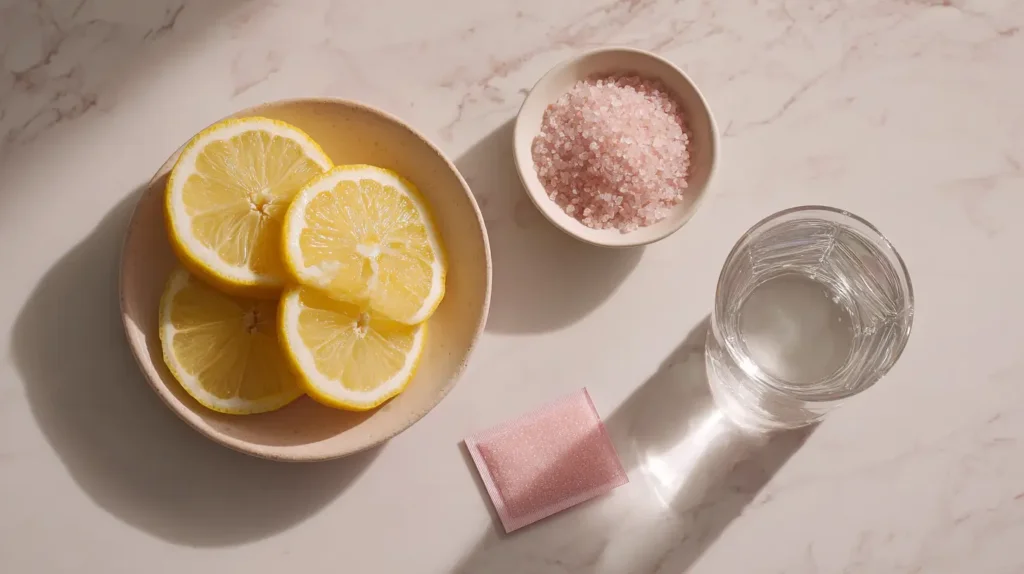
Unflavored Gelatin: The Protein Base
Unflavored gelatin is the structural backbone of any jello hack recipe. Without it, there’s no “set” texture.
Gelatin is derived from collagen, and it forms a gel when dissolved in hot liquid and cooled. Because it contains protein and very few calories, it’s often used in low-calorie dessert swaps.
Here’s why it’s central to the trend:
- Adds structure
- Provides a small protein boost
- Contains no added sugar
- Neutral flavor
However, not all gelatin products behave the same way. Powdered gelatin typically needs blooming before heating. Meanwhile, sheet gelatin requires soaking first.
If you’ve explored structured variations before, you may notice that ratios can differ slightly from viral methods. For example, this detailed clinical-style gelatin preparation method explains more controlled proportions compared to casual hack versions.
So while the ingredient is identical, the approach may vary.
Water Ratios and the Blooming Method
Water plays a bigger role than most people realize.
Too much water? The gelatin becomes soft and loose.
Too little? It turns rubbery.
Most viral jello hack recipe versions follow this general ratio:
| Ingredient | Common Amount |
|---|---|
| Unflavored gelatin | 1 tablespoon |
| Cold water (to bloom) | 2–3 tablespoons |
| Hot water | 1 cup |
Blooming is essential. First, sprinkle gelatin over cold water and let it absorb moisture for about 5 minutes. Then, add hot water and stir until fully dissolved.
Skipping this step often leads to clumps — and that’s where many beginners go wrong.
Because the process is so straightforward, it reinforces the “hack” branding. However, it’s really just standard gelatin science at work.
Flavor Add-Ins: Lemon Juice, Sugar-Free Mix, Herbal Infusions
Since plain gelatin has little taste, flavoring becomes the creative part.
Common additions include:
- Fresh lemon juice
- Apple cider vinegar (in small amounts)
- Sugar-free drink mixes
- Herbal tea concentrates
- Stevia or monk fruit sweetener
Some people prefer citrus for a bright, clean flavor. Others lean toward berry-style sugar-free powders for a more dessert-like feel.
Interestingly, certain variations reference medical-style plans like the Dr. Logan Collins gelatin framework, but the viral jello hack recipe rarely follows strict ingredient timing or portion stages.
Instead, it prioritizes flexibility.
Pink Salt and the “Pink Gelatin” Variation
One of the more talked-about versions includes a pinch of pink Himalayan salt. Supporters claim it enhances minerals and balances electrolytes.
This trend evolved into what many call pink gelatin. While the ingredient change is minor, the marketing impact was significant. As a result, searches for mineral-enhanced gelatin spiked.
If you’re curious how that variation differs, this breakdown of the pink gelatin weight loss concept explains the reasoning behind the salt addition.
Still, it’s important to note: adding pink salt doesn’t transform the jello hack recipe into a fat-burning formula. At most, it slightly alters taste and mineral content.
At the end of the day, the jello hack recipe remains extremely simple:
Gelatin + liquid + flavor.
What changes is the narrative around it.
Jello Hack Recipe vs Bariatric Gelatin Recipe
At this point, many people start wondering: is the jello hack recipe actually the same thing as bariatric gelatin — or are they completely different?
The short answer? They share a similar base, but their purpose and structure can be very different.
Although both rely on unflavored gelatin and water, the context behind each version matters. So let’s break it down carefully.
What Is Bariatric Gelatin?
Bariatric gelatin is typically used in structured post-surgery dietary stages. Because patients must follow precise nutrition guidelines, portion control and ingredient selection are carefully managed.
For example, in detailed guides like this complete bariatric gelatin recipe explained step by step, you’ll notice:
- Specific gelatin-to-water ratios
- Controlled portion sizes
- Stage-based dietary recommendations
- Clear hydration considerations
In contrast, the viral jello hack recipe doesn’t usually follow medical supervision. Instead, it focuses on simplicity and accessibility.
That distinction is important.
Key Differences Between the Jello Hack Recipe and Bariatric Versions
Although the ingredients may look nearly identical, their intent differs. Here’s a clearer comparison:
| Feature | Jello Hack Recipe | Bariatric Gelatin Recipe |
|---|---|---|
| Purpose | Low-calorie dessert swap | Post-surgery dietary stage |
| Structure | Flexible | Strictly measured |
| Supervision | Self-guided | Medical context |
| Flavor options | Wide variety | Often limited |
| Marketing style | Viral trend | Clinical guidance |
As you can see, the biggest difference isn’t the gelatin itself — it’s the framework around it.
While the jello hack recipe is promoted as a clever trick, bariatric gelatin is part of a structured nutrition protocol.
Why People Confuse the Two
So why does confusion happen so often?
First, social media creators frequently reference medical-style routines when presenting the hack. As a result, viewers assume they’re interchangeable.
Second, some variations mention professionals or programs, which blurs the lines further. For instance, certain discussions connect the trend to structured approaches like this overview of the Dr. Logan Collins bariatric gelatin method. However, the viral version rarely mirrors the full structure described in those frameworks.
Finally, the term “gelatin for weight loss” itself creates overlap in search results. Since both concepts appear under similar keywords, searchers assume they are identical.
When to Choose One Over the Other
The choice depends entirely on context.
If someone is following a medically guided bariatric plan, they should stick to structured recipes and professional recommendations.
On the other hand, if someone simply wants a lighter dessert alternative, the jello hack recipe may serve as a low-calorie option — provided it fits within a balanced diet.
However, it’s crucial to understand that neither version is a standalone fat-loss solution. Gelatin alone doesn’t trigger weight reduction. Instead, it may help reduce calorie intake when used strategically.
In short, they look similar — but they’re not interchangeable.
The Dr. Logan Collins Gelatin Version Explained
As the jello hack recipe gained traction, many people began linking it to specific names and structured programs. One name that frequently appears in online discussions is Dr. Logan Collins. However, understanding the difference between a viral trend and a structured approach is essential.
So, let’s clarify what’s actually connected — and what isn’t.
Who Is Dr. Logan Collins?
Dr. Logan Collins is often referenced in discussions about bariatric-friendly gelatin routines. While social media sometimes simplifies his approach into a “hack,” the structured version is typically more intentional.
In fact, detailed explanations like this breakdown of the Dr. Logan Collins bariatric gelatin recipe highlight a more measured strategy, especially within post-surgical dietary phases.
Unlike the casual jello hack recipe, which prioritizes simplicity and flexibility, his version is usually presented within a broader nutritional context.
That distinction matters.
How His Bariatric Gelatin Approach Differs
Although both the jello hack recipe and the Logan Collins version use gelatin as a base, their structure often differs in several ways:
- Portion awareness
- Stage-specific recommendations
- Ingredient timing
- Medical dietary context
In contrast, the viral hack focuses on ease:
- Minimal measuring
- Quick preparation
- Flexible flavor choices
- Social media appeal
Because of that, people often compress the two concepts into one — even though they serve different purposes.
Why His Name Is Associated With the Jello Hack Recipe
So why does his name keep showing up in searches about the jello hack recipe?
There are a few reasons:
- Both involve unflavored gelatin.
- Both are described as low-calorie alternatives.
- Social media tends to simplify structured programs into catchy labels.
As a result, the clinical and the casual became blended online.
However, it’s important to avoid oversimplifying. While the jello hack recipe may resemble certain bariatric gelatin methods, it doesn’t automatically carry the same structured intent or dietary oversight.
In other words, similarity in ingredients does not mean similarity in purpose.
The Pink Gelatin for Weight Loss Variation
As the jello hack recipe continued spreading online, a new twist quickly followed — pink gelatin. Suddenly, people weren’t just talking about plain unflavored gelatin anymore. Instead, they were adding pink Himalayan salt and calling it a metabolism-supporting trick.
But what exactly is pink gelatin, and does it actually change anything?
Let’s break it down calmly and clearly.
What Is Pink Gelatin?
Pink gelatin is simply a variation of the standard jello hack recipe that includes a small amount of pink Himalayan salt. The base formula usually remains the same:
- 1 tablespoon unflavored gelatin
- 1 cup hot water
- Optional lemon juice or sugar-free flavoring
- A pinch of pink salt
That’s it.
The color doesn’t typically come from the salt itself in visible amounts. Instead, the name “pink gelatin” is more of a branding shortcut that connects the recipe to mineral-focused wellness trends.
Some explanations, such as this overview of the pink gelatin for weight loss method, describe how the salt is believed to support hydration balance. However, the actual ingredient difference is minimal.
So, while the name sounds dramatic, the structure is almost identical to the original jello hack recipe.
Why Pink Salt Is Added
Supporters of the pink gelatin variation often claim that:
- Pink salt contains trace minerals
- It supports electrolyte balance
- It enhances hydration
- It improves taste
Now, technically, pink Himalayan salt does contain trace minerals. However, the amount used in a typical gelatin serving is very small. Therefore, the mineral impact is usually minimal.
In many cases, the salt simply enhances flavor. Just like in desserts, a tiny pinch of salt can make sweetness taste brighter.
So while the addition may slightly improve taste, it doesn’t transform the jello hack recipe into a metabolic booster.
Is There Scientific Support Behind It?
Here’s where things get important.
There is no strong scientific evidence showing that adding pink salt to gelatin directly causes fat loss. Weight loss ultimately depends on:
- Overall calorie balance
- Nutritional consistency
- Physical activity
- Long-term dietary habits
Because of that, the pink gelatin trend should be viewed as a flavor variation — not a fat-burning solution.
That said, replacing high-calorie desserts with a lighter gelatin option may reduce total calorie intake. However, that effect comes from substitution, not from the salt itself.
In short, pink gelatin is more about presentation and trend appeal than dramatic nutritional differences.
Is the Jello Hack Recipe the Same as the 3-Ingredient Jello Recipe?
At this point, a common question pops up: is the jello hack recipe just another name for the 3-ingredient jello recipe?
In many cases, yes. However, the way they’re presented online can make them seem different — even when the ingredient list is nearly identical.
Let’s clear up the confusion.
What the 3-Ingredient Version Includes
The classic 3-ingredient gelatin version usually contains:
- Unflavored gelatin
- Water
- A flavor component (lemon juice or sugar-free mix)
That’s it.
Because of its simplicity, it gained popularity as a minimalist weight-loss dessert alternative. In fact, detailed guides like this explanation of the 3-ingredient jello recipe for weight loss walk through the exact proportions and preparation method.
When you compare that structure to the viral jello hack recipe, the overlap is obvious.
So why the two names?
Why the Terms Are Used Interchangeably
The difference often comes down to marketing language.
The phrase “3-ingredient recipe” emphasizes simplicity and minimalism. Meanwhile, the term “jello hack recipe” suggests cleverness or a shortcut.
Although both phrases describe nearly the same gelatin mixture, the emotional appeal differs:
- “3-ingredient” = easy and accessible
- “Hack” = smart and strategic
Because social media thrives on catchy phrasing, the word “hack” tends to spread faster. As a result, people searching for quick dessert swaps often land on the jello hack recipe label — even if the preparation method is identical.
Step-by-Step Comparison Table
To make it crystal clear, here’s how they stack up:
| Element | Jello Hack Recipe | 3-Ingredient Jello Recipe |
|---|---|---|
| Core base | Unflavored gelatin | Unflavored gelatin |
| Liquid | Water | Water |
| Flavor | Lemon or sugar-free mix | Lemon or sugar-free mix |
| Branding | Viral “hack” trend | Minimal ingredient focus |
| Structure | Flexible | Slightly more defined ratios |
As you can see, the foundation is nearly the same.
However, sometimes the 3-ingredient version sticks closer to specific measurements, while the jello hack recipe may be adjusted freely based on taste or texture preference.
So, practically speaking, they are often interchangeable — but conceptually, the branding shapes how people perceive them.
Simple Jello Hack Recipe – Step-by-Step Version
Now that we’ve explored the background, variations, and comparisons, let’s get practical. The jello hack recipe is popular largely because it’s incredibly easy to make. No complicated tools. No baking. No advanced skills.
However, even though it’s simple, following the correct steps ensures a smooth texture and clean set. So let’s walk through it carefully.
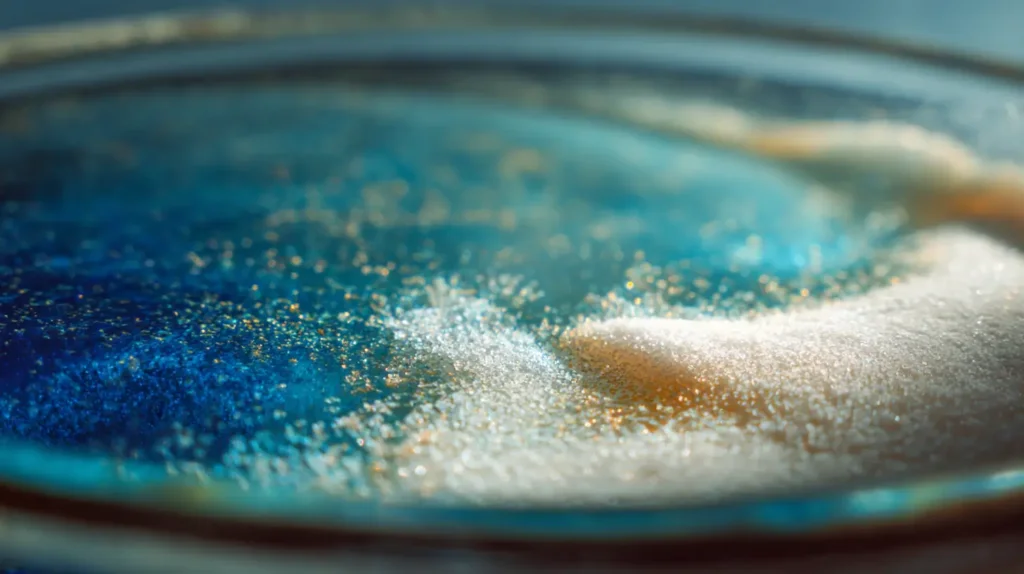
Ingredients List
Here’s a basic example version:
- 1 tablespoon unflavored gelatin powder
- 2–3 tablespoons cold water (for blooming)
- 1 cup hot water
- 1–2 teaspoons lemon juice or sugar-free flavor mix
- Optional: pinch of pink Himalayan salt
That’s it.
Although you can adjust flavor intensity, the gelatin-to-water ratio should stay relatively consistent to avoid a rubbery or watery texture.
Preparation Method
Follow these steps for the best results:
- Bloom the gelatin
First, sprinkle the unflavored gelatin over cold water in a small bowl. Let it sit for 5 minutes. During this time, the gelatin absorbs the water and swells. - Add hot water
Next, pour in 1 cup of hot (not boiling) water. Stir continuously until the gelatin fully dissolves. The mixture should look clear and smooth. - Add flavor
Then, mix in lemon juice, sugar-free flavoring, or your chosen variation. If using pink salt, add just a small pinch. - Refrigerate
Finally, pour the liquid into a small container and refrigerate for at least 2–3 hours, or until fully set.
That’s the full jello hack recipe process. Simple, right?
Pro Tips for Texture and Flavor
Even though this is a minimalist recipe, small details matter.
- Don’t skip blooming. Otherwise, clumps may form.
- Avoid boiling water, as excessive heat can weaken gelatin structure.
- Adjust flavor gradually. It’s easier to add more than to fix an overpowering taste.
- For firmer texture, slightly reduce water. For softer texture, increase water modestly.
Because the recipe is flexible, you can tweak it without breaking the base structure.
Storage and Shelf Life
Proper storage helps maintain texture and freshness.
- Store covered in the refrigerator.
- Consume within 3–4 days.
- Keep away from strong odors, as gelatin absorbs smells easily.
Although the jello hack recipe is low in calories, it should still be part of a balanced eating pattern. It works best as a dessert substitute — not a meal replacement.
Now that you know exactly how to prepare it, the next important question is this:
Does the jello hack recipe actually help with weight loss — or is it simply another viral trend with exaggerated claims?
Does the Jello Hack Recipe Help With Weight Loss?
Now we arrive at the question most people are really asking: does the jello hack recipe actually help with weight loss?
The honest answer is nuanced.
On its own, gelatin does not burn fat. However, when used strategically, it may support calorie control. Therefore, the real benefit depends on context — not magic ingredients.
Let’s look at this carefully.

Calorie Comparison vs Traditional Desserts
One reason the jello hack recipe became popular is simple math.
Traditional desserts often contain:
- Added sugar
- Butter or oil
- Refined flour
- High calorie counts per serving
In contrast, a basic gelatin version made with unflavored gelatin and sugar-free flavoring can contain as little as 30–60 calories per serving.
Here’s a simplified comparison:
| Dessert Type | Approximate Calories |
|---|---|
| Slice of cake | 250–400 |
| Chocolate bar | 200–300 |
| Ice cream (1 cup) | 250–350 |
| Jello hack recipe serving | 30–60 |
As you can see, swapping high-calorie desserts for gelatin may reduce overall daily intake. Over time, consistent calorie reduction can support weight loss.
However, the gelatin itself is not actively causing fat loss — it’s the substitution effect that matters.
The Role of Gelatin Protein in Satiety
Another reason people associate the jello hack recipe with weight management is protein content.
Gelatin contains protein derived from collagen. Although it’s not a complete protein, it can still contribute to feelings of fullness.
Because protein generally increases satiety more than sugar alone, some individuals may feel satisfied with a small gelatin portion instead of craving heavier sweets.
Still, it’s important to note:
- Gelatin protein is limited in certain essential amino acids.
- It should not replace balanced meals.
- It works best as a light snack or dessert swap.
So while the protein content may help slightly, it’s not a miracle appetite suppressant.
What the Science Actually Says
Scientific research supports the idea that calorie balance drives weight loss. In other words:
Calories in vs calories out.
There is no strong evidence that gelatin alone increases metabolism or directly burns fat. Claims suggesting otherwise are usually marketing exaggerations.
That said, replacing calorie-dense foods with lighter options — such as a jello hack recipe — can help create a small daily calorie deficit. And over time, consistency matters more than any single ingredient.
Who Should Be Cautious
Although gelatin is widely consumed, certain individuals should approach trends carefully:
- Those following medically supervised diets
- Individuals with specific dietary restrictions
- Anyone expecting rapid fat loss from a single food
If someone is on a structured bariatric plan, they should follow professional guidance rather than viral interpretations.
Ultimately, the jello hack recipe is best viewed as:
A low-calorie dessert alternative
A simple protein-based snack
A tool — not a solution
Now that we’ve covered the science and practical use, let’s answer the most common questions people ask about this viral gelatin trend in a clear FAQ section.
Frequently Asked Questions
Even though the jello hack recipe looks simple, people still have plenty of questions about how it works, how it compares to other gelatin methods, and whether it’s safe to use regularly. Let’s address the most common ones clearly and directly.
Is the jello hack recipe the same as bariatric gelatin?
Not exactly.
While both use unflavored gelatin as a base, bariatric gelatin is typically part of a medically structured dietary stage. It often includes controlled portions and specific preparation guidelines.
In contrast, the jello hack recipe is a simplified, viral interpretation. It focuses more on convenience and flexibility than medical structure. So although the ingredients may look similar, the intent behind them differs.
Is this the same as the TikTok gelatin trick?
In many cases, yes.
The TikTok gelatin trick usually refers to a low-calorie gelatin mixture made with unflavored gelatin and sugar-free flavoring. That’s essentially the same base used in the jello hack recipe.
However, ingredient combinations can vary slightly depending on the creator. Some versions add lemon juice. Others include pink salt. Still, the foundation remains simple gelatin and water.
Can you eat the jello hack recipe every day?
For most people, moderate daily consumption is generally fine.
Gelatin is widely used in foods and desserts. However, it should not replace balanced meals. Instead, it works best as a light dessert alternative.
As always, overall nutrition matters more than any single food. Therefore, if the jello hack recipe helps you reduce higher-calorie sweets, it may fit into a balanced routine. But it shouldn’t become your primary protein source.
Does gelatin burn fat?
No.
There is no scientific evidence showing that gelatin directly burns fat. Weight loss happens when you maintain a calorie deficit over time.
That said, if the jello hack recipe replaces calorie-dense desserts, it may help reduce total daily calorie intake. The benefit comes from substitution — not from fat-burning properties.
Is unflavored gelatin better than flavored Jello?
It depends on your goal.
Unflavored gelatin gives you more control over ingredients. You can avoid added sugars and artificial dyes if you prefer.
Meanwhile, flavored gelatin products are convenient but may contain sweeteners or additives. Therefore, many people choose unflavored gelatin for flexibility and customization.
How long does homemade gelatin last in the fridge?
Typically, homemade gelatin lasts 3–4 days when stored in an airtight container in the refrigerator.
To maintain quality:
- Keep it covered
- Store away from strong-smelling foods
- Discard if texture or smell changes
Because the jello hack recipe contains water and protein, proper refrigeration is essential.
Now that we’ve covered the most common questions, let’s wrap everything up with a clear summary so you can decide whether this viral gelatin trend fits your lifestyle.
Conclusion
So, what’s the final verdict on the jello hack recipe?
Despite the dramatic name, it’s not a secret fat-burning formula. It’s not a medical breakthrough. And it’s definitely not a magic shortcut to rapid weight loss.
Instead, it’s a simple gelatin-based dessert alternative that gained viral momentum because it’s easy, low in calories, and highly customizable.
Throughout this guide, we’ve seen that:
- The jello hack recipe usually contains unflavored gelatin, water, and a light flavoring.
- It’s often confused with structured bariatric gelatin plans, even though the intent differs.
- Variations like pink gelatin mainly change taste and presentation — not metabolism.
- The 3-ingredient version and the “hack” are usually the same foundation with different branding.
- Any potential weight-loss benefit comes from replacing higher-calorie desserts, not from fat-burning properties.
In other words, the power of this trend lies in substitution and simplicity.
If you enjoy it and it helps you reduce sugary snacks, it can be a practical tool within a balanced eating pattern. However, long-term results will always depend on overall nutrition, consistency, and lifestyle habits.
At the end of the day, the jello hack recipe is just that — a simple, flexible gelatin recipe that went viral because it’s easy to make and easy to share.
If you’re looking for more structured approaches or ingredient breakdowns, you can also explore detailed guides on gelatin variations to better understand which method fits your goals.
Now you have the full picture — no hype, no confusion, just the facts.