
If you’re here, chances are the pink salt trick not working anymore has left you feeling frustrated, confused, or let down. At first, it probably seemed effective. You felt lighter, less bloated, maybe even more in control of cravings. For a while, the scale or your body gave you positive feedback. Then suddenly, things stalled. The results faded, even though you didn’t change much. That moment is discouraging, and it often raises the same question: why did this stop working?
You’re not alone, and more importantly, this isn’t a personal failure. Many people start their journey after learning about the pink salt trick for weight loss, expecting steady progress, only to hit a plateau weeks later. In this article, we’ll break down why the pink salt trick stops working, what’s really happening behind the scenes, and what actually helps when quick tricks lose their impact—without myths, false hope, or unrealistic promises.
Why the Pink Salt Trick Feels Effective at First
Improved Hydration and Water Retention
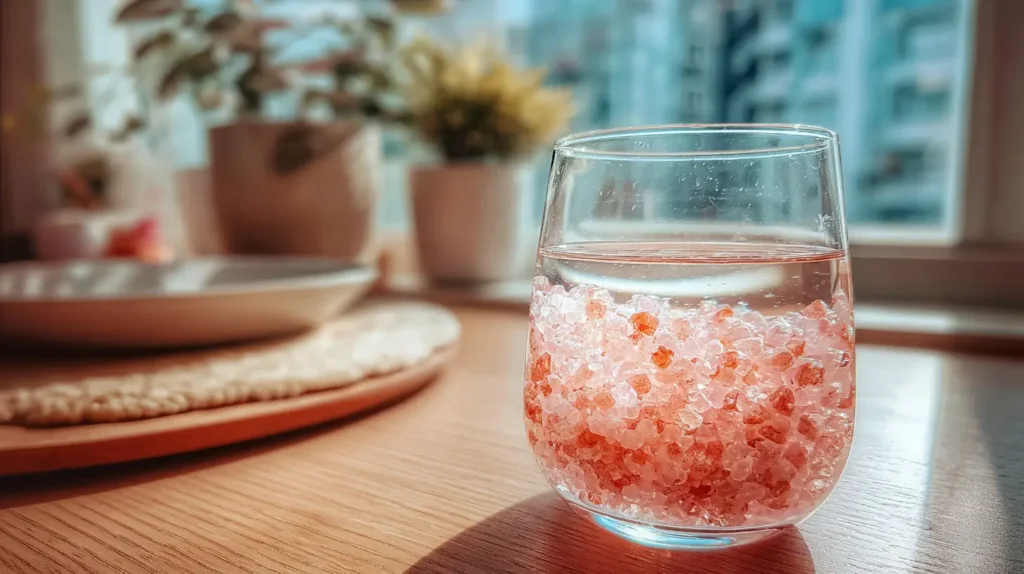
At the beginning, the pink salt trick often does feel like it’s working. One major reason is hydration. When salt is added to water, your body holds onto fluids more efficiently. This can reduce dehydration-related bloating and make you feel lighter and more energized. That early shift is mostly water balance, not fat loss, but it’s noticeable enough to feel encouraging.
Electrolytes and Short-Term Appetite Control
Salt provides sodium, a key electrolyte involved in fluid regulation and nerve signaling. When electrolyte levels are temporarily restored, fatigue may drop and hunger signals can feel quieter. Some people notice fewer cravings or more stable energy during the day. This short-term effect is closely tied to electrolyte balance rather than long-term weight change, which is explained further in electrolyte balance and hydration.
The “New Routine” Effect
There’s also a behavioral factor at play. Starting a new routine increases awareness. You drink more water, think more about what you eat, and snack less without realizing it. That increased attention creates momentum, and momentum feels like progress. But once the routine becomes normal, that effect fades, and the results slow down.
Together, these early changes explain why the pink salt trick seems effective at first. The issue is that none of them alter the deeper mechanisms required for sustainable fat loss, which is why the initial boost rarely lasts.
The Plateau Effect: Why Results Often Fade
Your Body Adapts Faster Than You Think
One of the main reasons the pink salt trick not working becomes noticeable is biological adaptation. Early changes trigger a response, but your body is designed to normalize quickly. Once hydration levels stabilize and electrolyte balance returns to baseline, the initial boost disappears. At that point, there’s no new stimulus pushing progress forward, so results naturally slow down.
No Real Calorie Deficit Is Created
Another key issue is that the pink salt trick doesn’t create a meaningful calorie deficit. While it may reduce appetite briefly or delay hunger, it doesn’t consistently change how much energy you consume versus how much you burn. Without that imbalance, fat loss stalls. This is where many people confuse feeling better with burning fat, even though the two aren’t the same.
Water Weight vs. Fat Loss Confusion
Early “losses” are often tied to water weight. Improved hydration can flush excess sodium or reduce temporary bloating, which shows up quickly on the scale. But once water balance evens out, there’s nothing left to lose unless body fat is being targeted. When the scale stops moving, it feels like failure, even though the initial change was never fat-related to begin with.
Repetition Without Progression
Finally, routines that don’t evolve stop producing results. Doing the same thing daily without increasing structure or changing inputs leads to stagnation. The pink salt trick becomes just another habit, not a driver of change. Without progression—whether in meals, protein intake, or overall routine—the body has no reason to respond differently.
This combination of adaptation, lack of calorie control, and water-weight confusion explains why so many people hit a wall. The plateau isn’t random—it’s predictable.
For those looking for gentler, food-based options, structured snacks like chia jello are sometimes explored as part of appetite-aware routines rather than relying on salt-based tricks.
Common Mistakes That Reduce Its Effectiveness
Overconsumption and False Security
One common mistake is assuming that more salt will lead to better results. When the pink salt trick feels less effective, some people increase the amount, believing the issue is dosage. This often backfires. Excess sodium can increase water retention, create bloating, and reinforce the illusion of “weight gain,” even when body fat hasn’t changed. Instead of helping, overuse turns the trick into a distraction.
Lack of Any Real Food Structure
Another issue is the absence of a structured eating pattern. Relying on a simple salt-and-water habit without clear meals, protein targets, or timing creates inconsistency. Without structure, calories drift upward without notice. The body doesn’t respond to tricks—it responds to patterns. That’s why structured routines matter far more than isolated habits, as shown in structured salt-based routines.
Skipping Protein and Proper Meals
Protein plays a central role in appetite control, muscle preservation, and metabolic health. When meals are unbalanced or skipped in favor of relying on the pink salt trick, hunger eventually rebounds. This leads to overeating later in the day, canceling out any short-term appetite suppression the salt provided.
Becoming Dependent on the “Trick”
Perhaps the biggest mistake is psychological. When people depend on a single trick, they stop adjusting their routine. Progress stalls, frustration grows, and the solution becomes “find another hack.” In reality, sustainable results come from repeatable behaviors, not one-off fixes. The pink salt trick can support a routine, but it can’t replace one.
Pink Salt vs Other Salt-Based Trends
Pink Salt: Perception vs Reality
Pink salt is often marketed as more “natural” or mineral-rich than regular salt. While it does contain trace minerals, the amounts are too small to meaningfully impact weight loss. The early benefits people feel usually come from hydration and sodium intake, not from anything unique to pink salt itself. This creates a strong perception gap between what people expect and what actually happens.
Blue Salt and Other Variations
As interest fades, many people look for alternatives, such as blue salt or other specialty salts. These trends follow the same pattern: new color, new promise, same underlying mechanism. The novelty can restart motivation briefly, but the body responds the same way once adaptation kicks in. A simple comparison of these trends can be found in the blue salt recipe, which highlights how similar the routines really are beneath the surface.
Why Switching Salts Rarely Fixes the Plateau
Changing the type of salt doesn’t address the real issue behind stalled results. Sodium is sodium, regardless of color or origin. Without changes to meal structure, protein intake, or overall habits, the outcome stays the same. The plateau isn’t caused by the “wrong” salt—it’s caused by relying on salt as the main driver of progress.
The Pattern Behind Salt-Based Weight Loss Myths
Most salt-based trends follow a predictable cycle: early relief, short-term appetite control, visible water shifts, then stagnation. When progress slows, the trend is blamed instead of the approach. Understanding this pattern helps explain why the pink salt trick effectiveness feels inconsistent and why salt water weight loss myths keep resurfacing under new names.
What Actually Works Better Than the Pink Salt Trick
Structure Beats Hacks Every Time
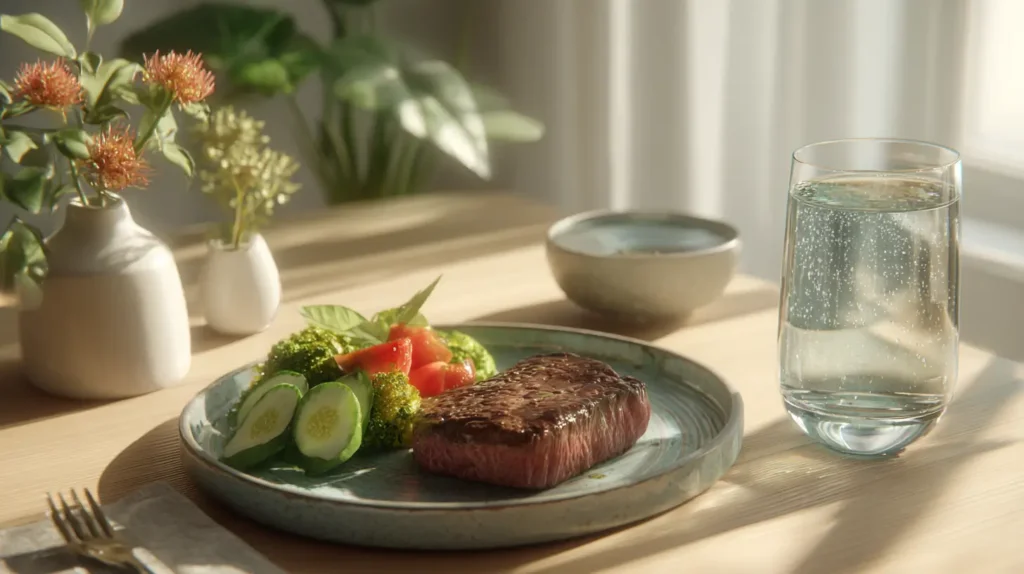
When the pink salt trick not working becomes obvious, the solution isn’t another trick—it’s structure. Consistent routines outperform short-term hacks because they give your body clear signals. Regular meals, predictable timing, and repeatable habits create momentum that doesn’t disappear after a few days. Salt can support hydration, but it can’t replace a structured approach.
Protein as the Real Appetite Regulator
Protein plays a much bigger role in appetite control than salt or electrolytes. Adequate protein helps stabilize blood sugar, reduces rebound hunger, and supports muscle mass. When protein intake is consistent, cravings naturally decrease without relying on tricks. This is one of the most common missing pieces when people experience a pink salt weight loss plateau.
Hydration Paired With Real Meals
Hydration works best when it’s paired with actual food. Drinking salted water without balanced meals creates a disconnect between fluid intake and energy intake. When hydration supports meals—rather than replaces them—energy levels stay steady and hunger is easier to manage. Electrolytes can be helpful, but only as part of a broader routine, not as the centerpiece.
Repeatable Routines Over Motivation
Motivation fades quickly. Routines don’t. The people who move past plateaus aren’t the ones chasing the next trend—they’re the ones building systems they can repeat even on low-energy days. That’s why the most effective approach is boring, predictable, and sustainable. The pink salt trick can fit into that system, but it can’t be the system itself.
Should You Stop Using the Pink Salt Trick?
It’s Not Useless, Just Misunderstood
Stopping entirely isn’t always necessary. The pink salt trick isn’t harmful by default, and for some people, it can still play a small supportive role. The problem starts when it’s treated as a solution instead of a tool. Salted water may help with hydration or routine consistency, but it won’t drive fat loss on its own.
When It Helps and When It Doesn’t
The trick can be useful if dehydration or inconsistent fluid intake is an issue. In that context, it may improve energy or reduce headaches. However, once hydration is normalized, continuing the same habit won’t create new results. At that point, relying on it can actually slow progress by distracting from more important changes.
How to Use It Without Stalling Progress
If you choose to keep using the pink salt trick, it should support a structured routine, not replace one. Pair it with proper meals, adequate protein, and consistent eating patterns. Think of it as background support rather than a driver. When the focus shifts back to fundamentals, plateaus become easier to break.
The Real Question to Ask Yourself
Instead of asking whether you should stop, ask what role the trick is playing. If it’s helping you stay hydrated and consistent, it can stay. If it’s the only thing you’re relying on, it’s time to move on. Progress comes from evolution, not from repeating the same habit and expecting a different outcome.
FAQ
Why did the pink salt trick stop working?
The pink salt trick usually stops working because your body adapts quickly. Early results are often linked to hydration and water balance, not fat loss. Once fluids and electrolytes stabilize, there’s no longer a noticeable change, which makes it feel like progress suddenly stalled.
Is pink salt bad for weight loss?
Pink salt itself isn’t bad for weight loss. The issue is how it’s used. When it replaces structured meals or becomes the main strategy, it can slow progress. Used occasionally for hydration support, it’s neutral—but it won’t drive fat loss on its own.
Can electrolytes cause a weight loss plateau?
Electrolytes don’t directly cause a plateau, but they can mask what’s really happening. Improved hydration may reduce water weight at first, then level off. If no real calorie deficit or routine change exists, fat loss stalls, even though electrolytes are still being consumed.
Is pink salt better than regular salt for weight loss?
No meaningful difference exists when it comes to weight loss. While pink salt contains trace minerals, the amounts are too small to impact fat loss. Sodium functions the same way regardless of color, so switching salts rarely fixes a plateau.
Does salt water help burn fat?
Salt water doesn’t burn fat. This belief is part of the salt water weight loss myth. Any early changes usually come from water shifts or appetite timing, not from increased fat burning.
Conclusion
If the pink salt trick not working has left you discouraged, it’s important to understand that this isn’t a failure—it’s a signal. What worked briefly did so because of hydration, routine, and short-term changes, not because of a hidden fat-loss mechanism. When those effects fade, the body is simply asking for a more evolved approach.
The pink salt trick can still have a place as a support habit, especially for hydration consistency. But real progress comes from structure: balanced meals, enough protein, repeatable routines, and realistic expectations. When those fundamentals are in place, small tools can help—but they no longer need to carry all the weight.
If you’re looking to understand how this habit fits into a broader approach, revisiting the pink salt trick for weight loss can help clarify what it can and cannot do. From there, the path forward isn’t about finding a better trick—it’s about building a system that keeps working long after the hype fades.