Rice cake is a simple food with a surprisingly wide range of uses, meanings, and health claims. From traditional Asian rice cakes served in savory dishes to modern packaged rice cakes eaten as snacks, this staple shows up in many forms around the world. People often ask what a rice cake is made of, how many calories it has, and whether rice cakes are actually healthy. In this complete guide, you’ll learn about the different types of rice cakes, popular rice cake recipes, and the key health and nutrition facts you should know.
What Is a Rice Cake?
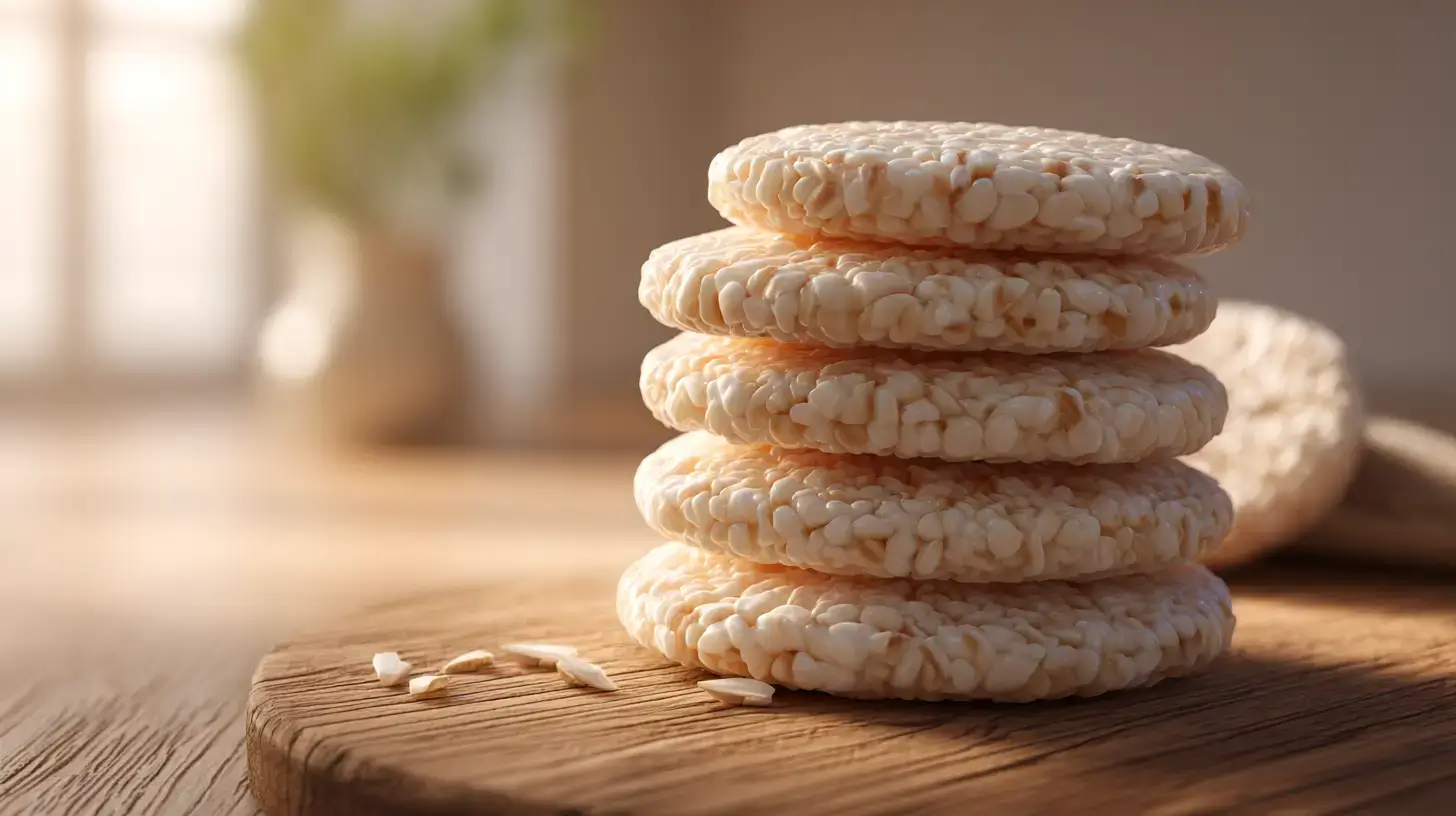
A rice cake is a food made primarily from rice that has been cooked, pressed, puffed, or molded into a flat or shaped form. Depending on the culture and preparation method, rice cakes can be soft and chewy or light and crunchy. Some are eaten fresh as part of a meal, while others are packaged and sold as ready-to-eat snacks.
At its core, a rice cake is made from rice grains or rice flour combined with water. Traditional versions often involve soaking and steaming rice before shaping it, while modern rice cakes are usually produced by puffing rice under high heat and pressure. This process creates the airy texture most people associate with packaged rice cakes.
Rice cakes have a long history in many Asian cuisines, where they are used in soups, stir-fries, and celebratory dishes. Over time, the idea of the rice cake evolved in Western countries into a low-fat snack, often marketed for dieting and weight management. These packaged rice cakes are usually thinner, crispier, and more uniform than traditional varieties.
The main difference between traditional rice cakes and packaged rice cakes lies in texture, ingredients, and purpose. Traditional rice cakes are typically softer, denser, and freshly prepared, while packaged rice cakes are dry, crunchy, and designed for convenience. Both types, however, start with the same basic ingredient: rice.
Types of Rice Cakes
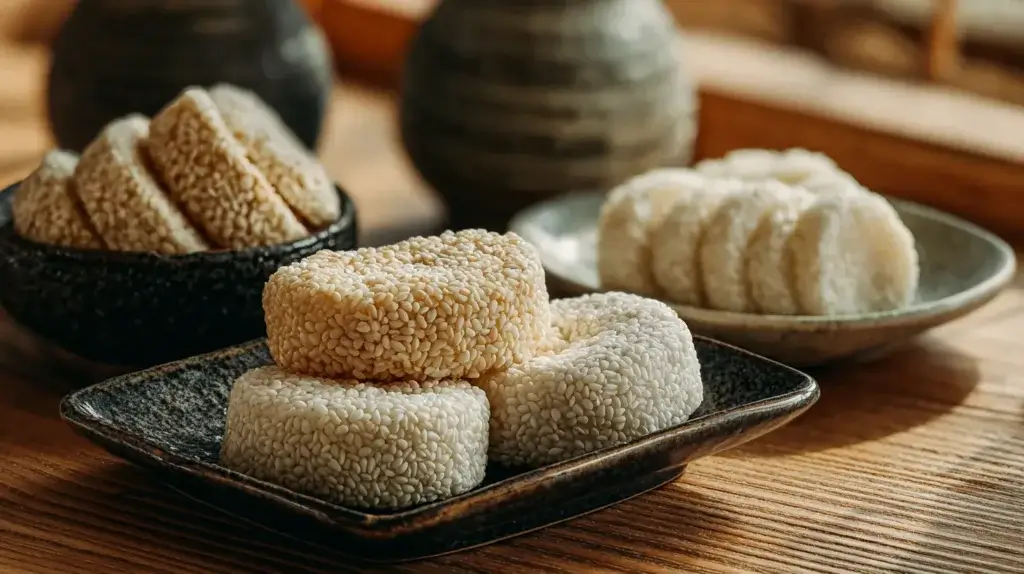
Rice cakes come in many forms, and their texture, flavor, and use depend largely on cultural tradition. While modern rice cakes are often associated with crunchy snack foods, many traditional rice cakes are soft, chewy, or dense and are used as core ingredients in everyday meals. Below are some of the most well-known types of rice cakes, especially those found in Asian cuisines.
Asian Rice Cakes
Asian rice cakes are typically made from rice flour or whole rice that has been soaked, steamed, and shaped. Unlike packaged rice cakes, these versions are often freshly prepared and used in savory dishes, soups, or festive meals. Texture plays a major role, ranging from chewy and elastic to soft and tender.
Korean Rice Cakes (Tteokbokki)
Korean rice cakes are usually cylindrical in shape and made from rice flour. They are known for their chewy texture and ability to absorb sauces and broths. These rice cakes are commonly used in spicy dishes, stir-fries, and soups, making them a staple in many traditional meals from South Korea. While tteokbokki is the most famous preparation, the rice cakes themselves are used in many non-spicy recipes as well.
Japanese Rice Cakes
Japanese rice cakes are often referred to as mochi-style rice cakes. They have a sticky, elastic texture created by pounding steamed rice into a smooth, cohesive dough. These rice cakes can be eaten plain or filled and are commonly associated with sweet dishes and seasonal traditions in Japan. Their soft, chewy consistency makes them very different from crunchy rice cakes sold as snacks.
South Asian Rice Cakes
In South Asian cuisine, rice cakes are usually steamed or pan-cooked rather than baked or puffed. They are often served as savory breakfast foods or light meals, sometimes paired with vegetables, lentils, or sauces. These rice cakes tend to be thicker and softer, emphasizing nourishment and flavor over crunch, and are widely enjoyed across South Asia.
Rice Cake Recipes
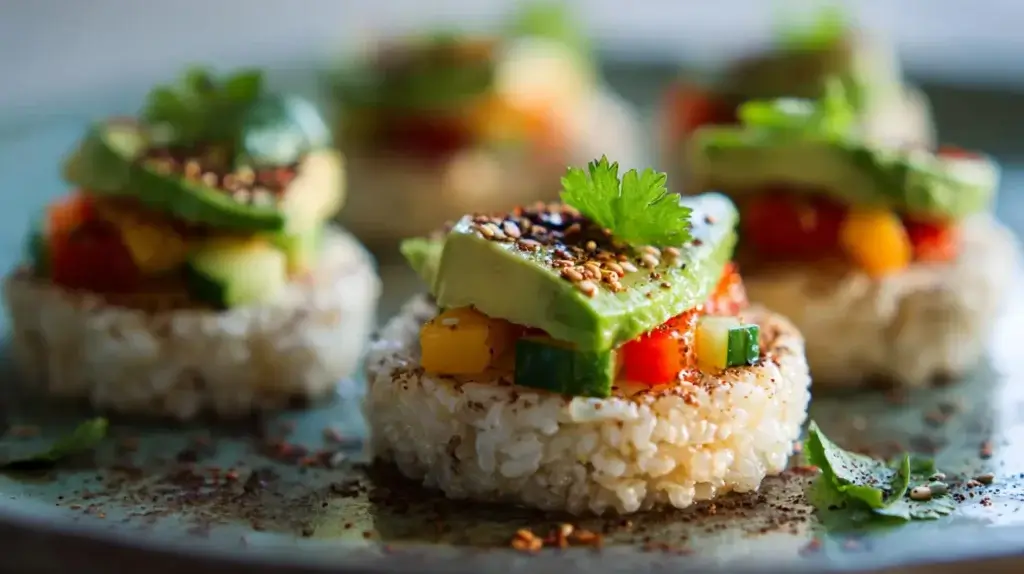
Rice cakes are incredibly versatile and can be used in quick snacks, crispy meals, or even light desserts. Whether you’re using packaged rice cakes or traditional rice cakes, they work well with both sweet and savory flavors. Because they cook quickly and pair easily with toppings, rice cake recipes are popular for busy schedules and simple meals.
Quick & Easy Rice Cake Recipes
Quick rice cake recipes usually rely on packaged rice cakes and minimal ingredients. These recipes are ideal for snacks, light lunches, or post-workout meals. Popular options include topping rice cakes with nut butter, avocado, cottage cheese, or hummus. You can also layer sliced vegetables or lean protein to create a balanced bite.
If you’re short on time and want simple ideas, you can explore more inspiration here:
Learn more about quick rice cake recipes.
These easy rice cake recipes focus on convenience while still allowing room for creativity and flavor.
Crispy & Fried Rice Cake Ideas
For those who enjoy texture, crispy rice cake recipes are a great option. If you’re looking for a simple and reliable version, you can follow this crispy rice cakes recipe to make golden, pan-fried rice cakes with a crunchy outside and a tender center. Pan-frying creates a beautiful crust, while air-fryer rice cakes are another popular choice for extra crunch with less oil.
Crispy rice cakes work well with savory seasonings, dipping sauces, or even as a base for vegetables and proteins. This method is especially common with traditional rice cakes, which hold their shape well when cooked at higher heat.
Sweet Rice Cake Ideas
Rice cakes can also be used in simple dessert-style recipes. Sweet rice cake ideas often include chocolate spreads, fruit slices, honey, or yogurt. These combinations keep the recipe light while satisfying a sweet craving.
Chocolate rice cakes and lightly sweetened toppings are especially popular for snacks and desserts because they balance flavor without adding excessive calories. Sweet rice cake recipes are easy to customize and work well for both adults and kids.
Are Rice Cakes Healthy?
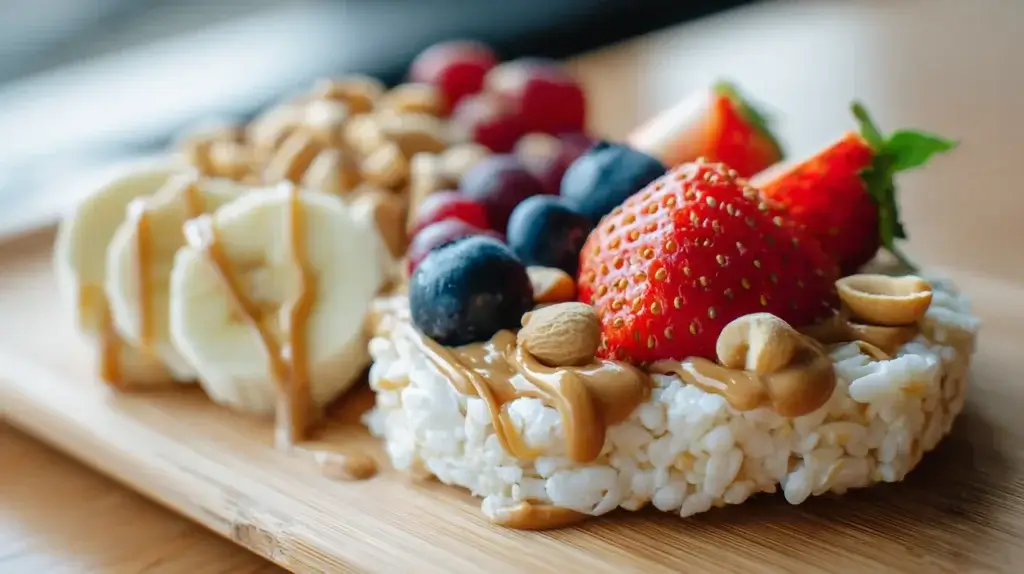
Whether rice cakes are healthy depends on how they’re made and how they’re eaten. Plain rice cakes are generally low in calories and fat, which is why they’re often associated with dieting and weight management. However, being low in calories doesn’t automatically make them filling or nutritionally complete.
Rice cakes are mostly made of carbohydrates and provide quick energy, but they are low in protein, fiber, and healthy fats. Because of this, eating a rice cake on its own may not keep you full for very long. Pairing rice cakes with protein-rich or fiber-rich toppings can improve satiety and make them part of a more balanced diet.
Whole-grain rice cakes, such as those made from brown rice, tend to offer slightly better nutritional value than white rice versions. They may contain more fiber and minerals, which helps slow digestion. On the other hand, flavored or heavily processed rice cakes can contain added sodium, sugar, or artificial ingredients.
Rice cakes can fit into a healthy diet when used intentionally. They work best as a base for nutritious toppings or as a light snack rather than a meal replacement. For a deeper breakdown, you can explore this guide:
Discover more details about rice cake health benefits.
Rice Cake Calories & Nutrition
Rice cake calories are one of the main reasons people choose them as a snack. A plain rice cake is generally low in calories, making it appealing for those watching their intake. On average, one plain rice cake contains between 30 and 40 calories, depending on its size and how it’s made.
Most of the calories in a rice cake come from carbohydrates. Rice cakes are naturally low in fat and contain very little protein, which explains why they provide quick energy but may not keep you full for long. Because they digest quickly, rice cakes are often used as a light snack rather than a complete meal.
Nutritionally, rice cakes offer:
- Mostly carbohydrates
- Minimal fat
- Low protein
- Very little fiber
Brown rice cakes usually contain slightly more fiber and nutrients than white rice cakes, which can help slow digestion. However, the difference is modest, and both types are still considered refined snacks when compared to whole foods like oats or legumes.
Flavored rice cakes may contain additional calories from sugar, oils, or seasonings. While these can improve taste, they may reduce the overall nutritional value. Reading ingredient labels is important if you’re choosing rice cakes for health reasons.
Rice cakes work best nutritionally when paired with foods that add protein, fiber, or healthy fats. This combination helps balance blood sugar levels and improves fullness.
Frequently Asked Questions About Rice Cakes
What is a rice cake made of?
Rice cakes are typically made from rice grains that are steamed, pressed, or puffed, depending on the type. Traditional rice cakes often use rice flour and water, while modern packaged rice cakes are usually made from puffed rice shaped into round or rectangular forms.
Are rice cakes gluten-free?
Most rice cakes are naturally gluten-free because they are made from rice. However, some flavored or packaged rice cakes may include added ingredients or seasonings that contain gluten, so checking the label is important if you have gluten sensitivity or celiac disease.
Are rice cakes eaten sweet or savory?
Rice cakes can be eaten both sweet and savory. In many Asian cuisines, rice cakes are used in savory dishes such as soups and stir-fries. In other regions, rice cakes are commonly topped with sweet ingredients like chocolate, fruit, or honey.
How are rice cakes different from rice crackers?
Rice cakes are generally thicker and softer or airier, made from pressed or puffed rice. Rice crackers, on the other hand, are thinner, crispier, and often baked or fried with added seasonings, giving them a stronger crunch and flavor.
Conclusion
Rice cakes are a simple food with many forms, from traditional soft rice cakes used in cultural dishes to crunchy packaged rice cakes eaten as snacks. Understanding the differences between types, recipes, and nutritional value helps you choose how and when to enjoy them.
Whether you’re looking for easy rice cake recipes or trying to decide if rice cakes fit into a healthy diet, this guide gives you the essential facts. To go further, explore recipe ideas or learn more about how rice cakes can support balanced eating as part of your daily routine.