Quick Answer
| Does it cause weight loss on its own? | No — no food, banana or otherwise, causes weight loss by itself |
| Is there a real nutritional benefit to bananas? | Yes — fiber and potassium genuinely support a healthy diet |
| Is there a special “African banana” mechanism? | No credible evidence supports this specific claim |
| What about the fried fritter version? | It’s a real, tasty recipe — but frying means it isn’t a diet food in the way the name implies |
| Should I be cautious of anything? | Yes — a supplement product using this name makes unverified claims and is worth approaching skeptically |
Does the African banana trick actually work for weight loss — the honest answer is that bananas are a genuinely healthy food, but nothing about this specific viral trend gives them special weight-loss powers beyond what any fiber-rich fruit already offers. The name has picked up a lot of dramatic claims online that go well past what the actual ingredient can do.
What “The African Banana Trick” Actually Refers To
This is where it gets a little messy, because the phrase gets used for more than one thing online. Most commonly, it points to a simple recipe: very ripe bananas mashed with flour and salt, then fried into golden fritters — a preparation inspired by traditional West African banana and plantain fritters, though the specific viral branding is a recent social media addition, not a documented traditional name. Separately, the phrase also gets attached to banana-based smoothies and drinks, without one consistent recipe behind that version. And more concerning, it’s also being used to market a packaged supplement product, which we’ll get to below.
If you’re looking for our actual recipe for the fritter version, see our African banana trick recipe.
What’s Actually True About Bananas and Weight Management
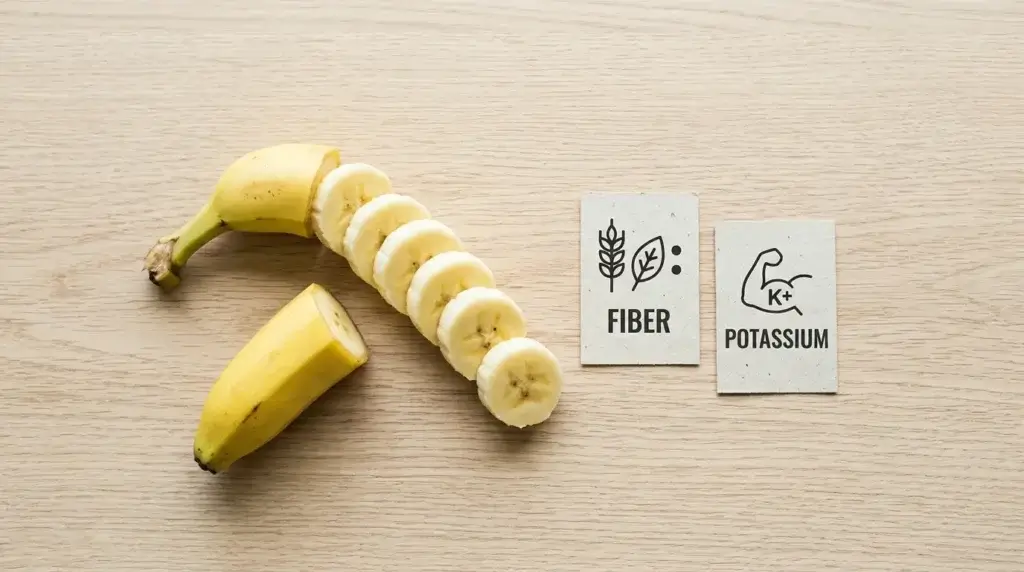
Bananas do have real, legitimate nutritional value that’s worth acknowledging separately from the viral hype:
- Fiber content — a medium banana has around 3 grams of fiber, which supports fullness and healthy digestion
- Potassium — bananas are a well-known source of potassium, important for normal muscle and heart function
- Moderate calorie density — compared to many snack foods, a banana is relatively low in calories for its volume and fiber content
None of this is unique to bananas from Africa specifically, or tied to any particular “trick” — it’s the same nutritional profile any ripe banana offers, wherever it’s grown.
Why the Fried Fritter Version Isn’t Actually a Diet Food
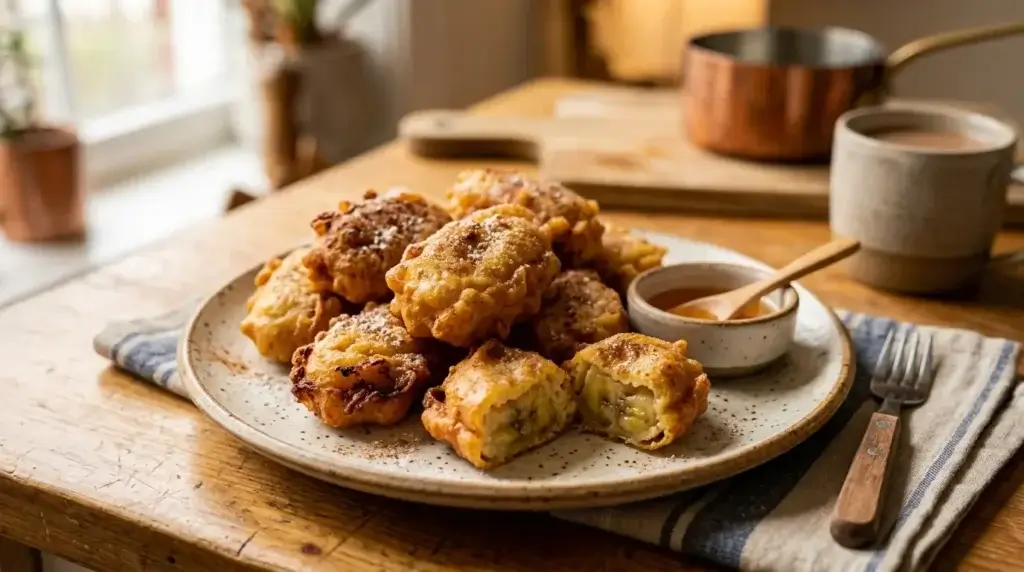
This is worth being direct about: if the “African banana trick” you’ve seen is the fried fritter version, frying in oil adds meaningful calories and fat to what starts as a healthy fruit. That doesn’t make the fritters bad — they’re a genuinely nice treat — but calling a fried food a “weight loss trick” doesn’t hold up. If weight management is your actual goal, eating the same ripe banana on its own delivers the fiber and potassium benefits without the added oil.
The Claim That Doesn’t Hold Up: A Special “African Banana” Mechanism
Where this trend goes furthest past the evidence is in claims that African banana specifically contains some unique, more powerful compound than other bananas — most notably a claim we found attached to a related supplement product describing African banana as an exceptionally rich source of a specific antioxidant compound. That particular claim doesn’t match established nutrition science; green tea remains the food most consistently associated with that compound at meaningful levels, not banana of any origin. There’s no credible research establishing that bananas grown in Africa have a meaningfully different nutritional profile from bananas grown anywhere else.
A Product Worth Real Caution
While researching this trend, we found “African banana” being used as a marketing ingredient in a supplement product marketed specifically toward Black women, built around a claimed — and unsubstantiated — idea that Black bodies process weight-loss hormones differently and need a specially formulated product as a result. That framing isn’t supported by legitimate medical science, and it follows a pattern we’ve flagged before on this site: an exaggerated health claim, attached to a specific demographic, paired with a supplement that doesn’t clearly disclose its ingredient dosages. We’d recommend treating any product making claims like this with real skepticism, and talking to a doctor rather than a marketing page if you have genuine questions about metabolism or weight management specific to your health.
Frequently Asked Questions
Is the African banana trick a real traditional remedy?
The fried banana fritter has real roots in West African cooking traditions, but the specific “trick” branding and the weight-loss claims attached to it are a recent social media addition, not a documented traditional weight-loss method.
Can bananas help with weight loss at all?
In the context of an overall balanced diet, yes — their fiber content can support fullness, which may help with portion control. But no single food causes weight loss on its own.
Is there a difference between African bananas and other bananas nutritionally?
No credible evidence supports a meaningful nutritional difference based on where a banana is grown. Banana nutrition varies more by ripeness and variety than by growing region.
Should I try the fried fritter recipe if I’m trying to lose weight?
It’s fine as an occasional treat, but it isn’t a diet food — frying adds calories and fat beyond what a plain banana provides. If weight management is the specific goal, eating the banana as-is is the more direct choice.
What should I do if I’ve seen a supplement called “Black GLP Freedom” or something similar making these claims?
Approach it with skepticism. Claims that a specific demographic has a unique biological mechanism requiring a specialized product are a common marketing pattern without solid scientific backing. If you have real questions about weight management, a doctor or registered dietitian is a far more reliable source than a product sales page.
Disclaimer: This article is for informational purposes only and does not constitute medical advice. Always consult a qualified healthcare provider before making significant dietary changes or considering any supplement product.
For the actual recipe behind this trend, see our African banana trick recipe, and for another viral “trick” trend we’ve fact-checked in the same way, see is the horse gelatin trick a scam.