
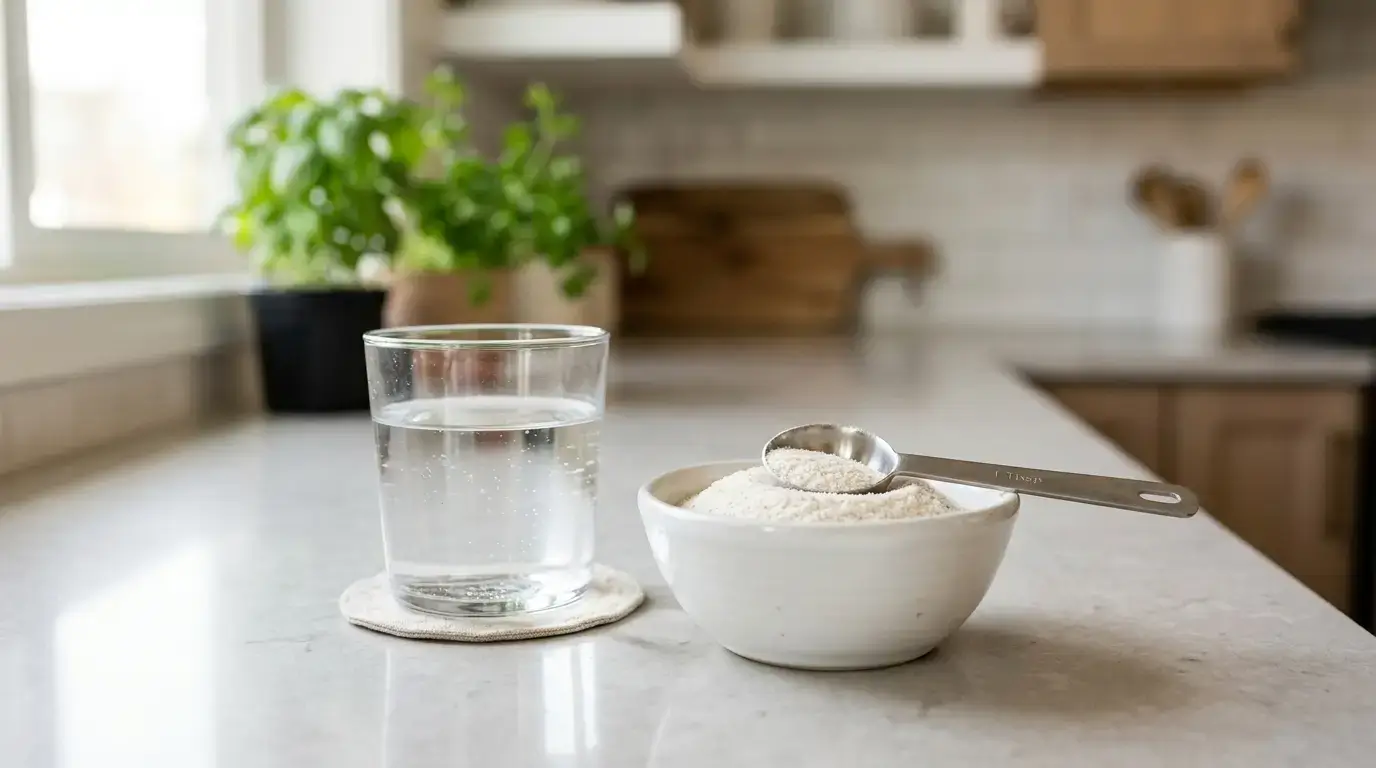
Quick Answer
| What it is | A soluble fiber extracted from the root of the konjac plant |
| Does it cause weight loss? | The evidence is genuinely mixed — one regulatory body approved a weight-loss claim, but a larger meta-analysis found no significant effect versus placebo |
| What it’s better supported for | Modest cholesterol reduction and improved satiety/fullness |
| Typical dosage in studies | Around 1-1.3 grams, taken with a full glass of water, before meals |
| ⚠️ Key safety warning | Tablet forms carry a real choking and esophageal blockage risk if not taken with enough water |
Glucomannan for weight loss is a genuinely more complicated topic than most supplement marketing suggests. This isn’t a case of an obviously fake trend — glucomannan is a real, well-studied dietary fiber — but the actual clinical evidence for weight loss specifically is mixed enough that it’s worth understanding before you spend money on it.
⚠️ The Safety Warning That Matters Most, First
Before anything else: glucomannan tablets carry a documented choking and esophageal obstruction risk. The same property that makes glucomannan work — it absorbs an enormous amount of water and expands dramatically — becomes a real hazard if a tablet begins expanding in your throat or esophagus before it reaches your stomach. This isn’t a theoretical concern; it’s documented in case reports, and it’s part of why some markets restrict glucomannan tablets specifically. Always take it with a full glass of water (or more), and never take it dry or with minimal liquid.
What Glucomannan Actually Is

Glucomannan is a soluble fiber extracted from the root of the konjac plant (Amorphophallus konjac), which has been used in East Asian cooking for centuries — it’s the main ingredient in shirataki noodles and konjac jelly. Mixed with water, it can absorb up to 50 times its own weight, forming a thick, viscous gel. That gel-forming property is the entire basis for both its potential benefits and its safety risk.
If you’re interested in glucomannan through food rather than supplements, our konjac jelly for weight loss recipe covers a food-based way to use the same ingredient.
What the Evidence Actually Shows for Weight Loss

This is where honesty matters more than marketing. The European Food Safety Authority (EFSA) approved a weight-loss claim for glucomannan at 3 grams per day, specifically as part of an energy-restricted diet — meaning the claim was tied to also eating fewer calories overall, not glucomannan working on its own. However, a subsequent systematic review and meta-analysis of nine randomized controlled trials found no statistically significant weight loss compared to placebo. A separate, well-designed 8-week trial on overweight and moderately obese adults similarly found no meaningful difference in weight loss between the glucomannan group and the placebo group.
Put simply: the regulatory approval and the broader body of research evidence don’t fully agree with each other. If you’re expecting dramatic, guaranteed weight loss from glucomannan alone, the evidence doesn’t support that expectation.
What the Evidence Supports More Consistently
Glucomannan’s track record is stronger in a few other areas:
- Modest cholesterol reduction — research shows a real, if moderate, LDL (“bad”) cholesterol-lowering effect
- Improved satiety and fullness — as a fiber that expands in the stomach, it can genuinely help you feel fuller, which may indirectly support eating less
- Mild improvements in blood sugar control — some research points to modest glycemic benefits
- Constipation relief — as a bulk-forming fiber, it has a reasonably well-supported role here
These effects are real, even if the direct “causes weight loss” claim isn’t as strongly backed as marketing often implies.
How It’s Typically Taken (When Used)
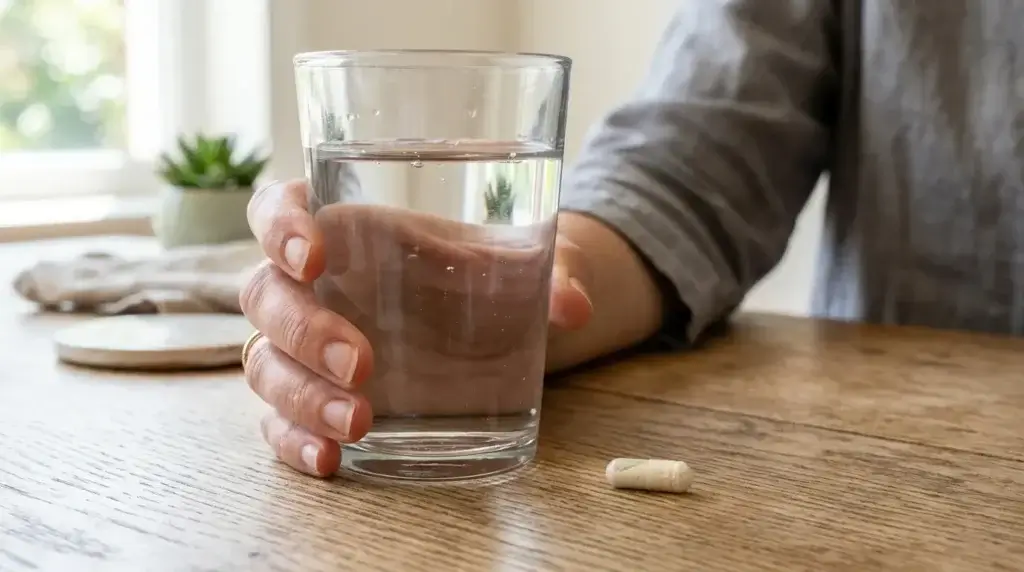
Clinical studies have generally used doses around 1 to 1.33 grams, taken with a full 8-ounce glass of water, roughly 15 minutes to an hour before a meal. Timing matters — glucomannan doesn’t have the same appetite-related effect if it isn’t taken before eating. As always, this is general information about how it’s been studied, not a personal recommendation; talk to a doctor before starting any new supplement, especially if you take other medications or have a swallowing or digestive condition.
A Word About Marketing Claims
It’s worth knowing that the broader weight-loss supplement industry has a documented history of overstating what glucomannan and similar fiber products can do. The FTC has taken enforcement action against several companies for misleading weight-loss claims tied to glucomannan-containing products, including a $1.5 million settlement with one major supplement marketer. That history doesn’t mean glucomannan itself is fraudulent — it’s a real, legitimate dietary fiber — but it’s a good reminder to be skeptical of any specific branded product promising dramatic results beyond what the research actually shows.
Frequently Asked Questions
Is glucomannan safe to take daily?
Generally, yes, for most healthy adults, when taken correctly with plenty of water. The main safety concern is the choking/obstruction risk with tablets specifically, not general daily use of appropriately dosed glucomannan.
Does glucomannan actually suppress appetite?
There’s reasonable evidence that it supports feelings of fullness due to its fiber content and water-absorbing properties, which is different from a direct weight-loss guarantee.
What’s the difference between glucomannan powder and pills?
They contain the same active fiber, but powder mixed thoroughly into a large glass of water may carry less choking risk than swallowing a tablet, since it’s already fully hydrated and dispersed before you drink it. Always follow the product’s specific instructions either way.
Can I get glucomannan from food instead of supplements?
Yes — shirataki noodles and konjac jelly are both food-based sources of the same fiber, and may be a lower-risk way to incorporate it compared to concentrated tablets.
Should I take glucomannan if I’m already on other medications?
Talk to a doctor first. Because glucomannan can slow the absorption of things in the digestive tract, it may affect how well certain oral medications are absorbed if taken too close together.
Disclaimer: This article is for informational purposes only and does not constitute medical advice. Always consult a qualified healthcare provider before starting any new supplement, especially if you take medications or have a pre-existing health condition. Always take glucomannan with a full glass of water to reduce the risk of choking or esophageal blockage.
For a food-based way to use this same fiber, see our konjac jelly for weight loss recipe, and for more on the broader picture of GLP-1-related appetite science, our natural GLP-1 foods guide covers food-based approaches without any supplement involved.