
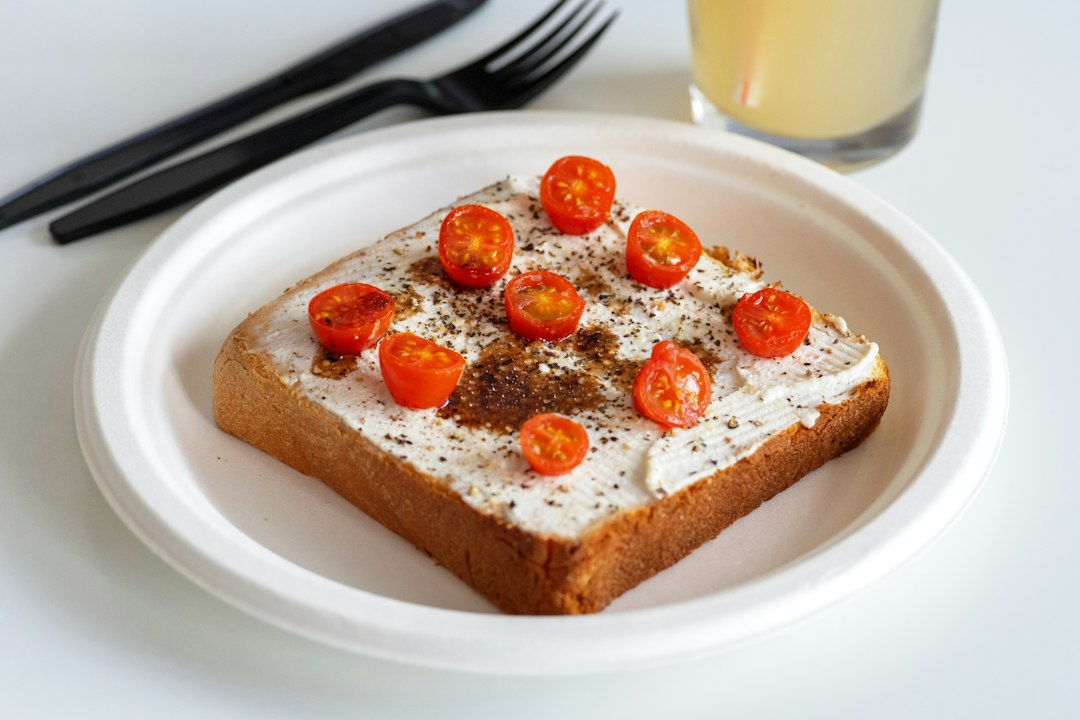
The easiest canned sardine recipes start with foods you already have: toast, beans, pasta, potatoes, rice, or a few crisp vegetables. Add lemon or another bright ingredient, fold the fish in gently, and a small pantry staple becomes a useful lunch or dinner.
This collection includes 15 measured recipes for one person, from five-minute sardine toast to a warm tomato and bean soup. Most need only basic equipment. All use commercially canned, ready-to-eat sardines, so you can focus on preparing the ingredients around them.
“Healthy” here means practical meals with a range of ingredients, not a promise that a recipe causes weight loss. Some options are full meals; others are lighter plates or snacks that you can pair with a side according to your appetite.
Choose Your Sardine Recipe
Each recipe makes one serving and uses 90 g drained sardines. That may be approximately one small can, but weigh the drained fish or check the package: a can’s net weight includes its liquid and does not necessarily equal the weight of fish.
The nutrition ranges below are approximate planning estimates from the listed ingredients, not laboratory measurements. They assume drained oil-packed sardines, standard unsweetened dairy products, and the specified oil amounts. Brand, bread size, bean variety, sauces, and retained packing oil change the result. Optional sides are excluded. Times assume ingredients described as cooked are ready to use.
| Recipe | Approximate time | Calories per serving, estimated | Protein per serving, estimated |
|---|---|---|---|
| Lemon tomato sardine toast | 5 minutes | 390–450 | 27–33 g |
| White bean and cucumber salad | 10 minutes | 350–420 | 28–34 g |
| Cucumber yogurt sardine bowl | 10 minutes | 230–280 | 26–32 g |
| Chickpea and pepper sardine bowl | 10 minutes | 390–460 | 29–35 g |
| Tomato spinach sardine pasta | 20 minutes | 460–530 | 30–36 g |
| Sardine rice bowl with peas | 15 minutes | 440–510 | 27–33 g |
| Warm potato and green bean plate | 25 minutes | 390–460 | 25–31 g |
| Crunchy sardine yogurt wrap | 10 minutes | 400–480 | 28–35 g |
| Lemon sardine couscous | 15 minutes | 410–490 | 27–34 g |
| Sardine and quinoa stuffed pepper | 35 minutes | 360–430 | 27–33 g |
| Sardine bean mash with crispbread | 10 minutes | 380–450 | 29–35 g |
| Sardine and spinach scrambled eggs | 10 minutes | 380–450 | 35–41 g |
| Tomato sardine and bean soup | 20 minutes | 360–430 | 29–35 g |
| Sardine avocado lettuce cups | 10 minutes | 320–390 | 23–29 g |
| Lemon sardine cracker bites | 10 minutes | 340–410 | 23–29 g |
Choose a bowl or pasta when you want something substantial. Try toast or a wrap for a portable lunch, and use the cucumber bowl or cracker bites when a smaller plate suits your day. If you want more combinations beyond fish, explore our high-protein, high-fiber meals.
Before You Open the Can
Choose the packing liquid to suit the recipe
Sardines in olive oil work well on toast and in warm dishes. Water-packed fish is useful when you want to add your own dressing. Tomato-packed sardines can work in pasta or soup, but the sauce changes the recipe’s liquid, seasoning, and nutrition.
Drain oil-packed fish for these recipes. Where a recipe calls for a teaspoon of olive oil, you can measure a teaspoon of suitable packing oil instead; do not add both automatically. Draining does not remove all the oil already retained in the fish.
Check the bones and texture
The softened small bones in canned sardines are generally edible. Mash the fish for a smoother texture, or choose boneless fillets if you prefer. Bone-in and boneless products do not have identical calcium values.
Keep large pieces intact for salads and bowls. Flake the fish more finely for wraps, spreads, eggs, or cracker toppings. Add sardines near the end of cooking so they do not disappear into the sauce.
Build flavor before adding salt
Taste the fish first. Salt levels vary, and ingredients such as canned beans, crackers, and bread contribute their own seasoning. Lemon, parsley, black pepper, and a little finely chopped onion can brighten a dish without automatically reaching for more salt.
For halal-conscious cooking, use plain fish and check any prepared sauces or flavorings for ingredients you avoid. None of the recipes below requires pork or alcohol.
1. Lemon Tomato Sardine Toast
Lemon tomato sardine toast is the quickest recipe in this collection, combining crisp whole-grain bread, juicy tomato, lemon and sardines for a simple 5-minute meal.
Print
Lemon Tomato Sardine Toast
- Total Time: 5 minutes
- Yield: 1 serving 1x
Description
A quick 5-minute sardine toast made with whole-grain bread, juicy tomato, lemon, parsley and canned sardines. An easy lunch or light meal using simple pantry ingredients.
Ingredients
- 90 g canned sardines, drained
- 2 slices whole-grain bread, about 70 g total
- 100 g chopped tomato
- 1 teaspoon olive oil
- 2 teaspoons lemon juice
- 1 tablespoon chopped parsley
- Black pepper, to taste
Instructions
- Toast the whole-grain bread until crisp around the edges.
- In a small bowl, combine the chopped tomato, olive oil, lemon juice, parsley and black pepper.
- Spoon the tomato mixture over the toasted bread.
- Arrange the drained sardine pieces on top.
- Serve immediately so the bread stays crisp.
Notes
For a milder fish flavor, mash the sardines into the tomato mixture before spreading it over the toast. If the tomato is very juicy, leave the excess liquid in the bowl so the toast does not become soggy.
- Prep Time: 5 minutes
- Cook Time: 0 minutes
- Category: Lunch
- Method: Toast & Assemble
- Cuisine: Mediterranean-Inspired
Nutrition
- Serving Size: 2 topped toasts
- Calories: 420
- Protein: 30g
Keywords: canned sardine recipes, sardine toast, lemon tomato sardine toast, easy sardine recipe, healthy sardine lunch
2. White Bean and Cucumber Sardine Salad
Time: about 10 minutes. Makes: one lunch bowl.
Ingredients: 90 g drained sardines; 100 g cooked white beans, drained and rinsed; 75 g diced cucumber; 75 g halved cherry tomatoes; 20 g finely chopped red onion; 1 tablespoon lemon juice; 1 teaspoon olive oil; 1 tablespoon chopped parsley.
Mix the lemon juice, oil, and parsley in a bowl. Add the beans, cucumber, tomatoes, and onion, then toss. Fold in the sardines with a few gentle turns of a spoon or arrange them on top.
Drain the beans well so the dressing does not become watery. If raw onion tastes too strong, soak it in cold water briefly and drain before adding. Serve with bread if you want a larger meal; the bread is additional to the nutrition estimate.
3. Cucumber Yogurt Sardine Bowl
Time: about 10 minutes. Makes: one light bowl.
Ingredients: 90 g drained sardines; 60 g plain nonfat Greek yogurt; 150 g diced cucumber; 2 teaspoons lemon juice; 1 tablespoon chopped dill or parsley; black pepper.
Stir the yogurt, lemon juice, herbs, and pepper together. Pat the cucumber dry if it is very watery, then fold it into the yogurt. Add the sardines in large flakes.
This is one of the lighter options in the collection. Serve with toast, a cooked potato, or another side if you want a fuller lunch. For packing ahead, keep the cucumber separate until you are ready to eat; it releases liquid as it sits.
4. Chickpea and Pepper Sardine Bowl
Time: about 10 minutes. Makes: one bowl.
Ingredients: 90 g drained sardines; 90 g cooked chickpeas, drained and rinsed; 75 g diced bell pepper; 75 g diced cucumber; 15 g finely chopped onion; 1 tablespoon lemon juice; 1 teaspoon olive oil; a pinch of ground cumin; parsley to taste.
Whisk the lemon, oil, and cumin in a bowl. Add the chickpeas and vegetables and toss thoroughly. Fold in the sardines and scatter over the parsley.
For a softer texture, lightly crush about a third of the chickpeas before mixing. The crushed beans help the dressing cling to the ingredients. Increase cumin cautiously: the aim is to complement the fish rather than cover every other flavor.
5. Tomato Spinach Sardine Pasta
Time: about 20 minutes. Makes: one pasta bowl.
Ingredients: 90 g drained sardines; 60 g dry whole-wheat pasta; 150 g plain tomato passata; 50 g spinach; 1 small garlic clove, minced; 1 teaspoon olive oil; 1 teaspoon lemon juice; black pepper.
Cook the pasta according to the package. Meanwhile, warm the oil in a skillet and gently cook the garlic for about 30 seconds without browning it. Add the passata and simmer for five minutes. Stir in the spinach until wilted.
Reserve a little pasta water before draining. Add the pasta to the sauce, then fold in the sardines and lemon. Loosen with a tablespoon or two of pasta water if needed, and warm gently. Avoid stirring vigorously once the fish is added.
6. Sardine Rice Bowl with Peas
Time: about 15 minutes with cooked rice. Makes: one bowl.
Ingredients: 90 g drained sardines; 125 g cooked brown rice; 75 g frozen peas; 50 g grated carrot; 1 teaspoon olive oil; 2 teaspoons lemon juice; black pepper.
Cook the peas according to their package instructions. Heat the oil in a skillet, add the carrot, and cook for two minutes. Stir in the rice and peas with a splash of water and heat thoroughly. Remove from the heat and add the sardines and lemon juice.
Freshly prepared rice or a ready-to-heat pouch keeps this straightforward. If using leftover rice, follow safe rice cooling and reheating guidance; see the storage section below. The 15-minute estimate does not include cooking dry brown rice from scratch.
7. Warm Potato and Green Bean Sardine Plate
Time: about 25 minutes. Makes: one plate.
Ingredients: 90 g drained sardines; 200 g potatoes, cut into bite-size pieces; 100 g trimmed green beans; 1 teaspoon olive oil; 1 tablespoon lemon juice; 1 tablespoon chopped parsley; black pepper.
Simmer the potatoes until tender, usually 12–18 minutes depending on their size. Add the green beans for the final few minutes, or cook separately if you prefer a firmer texture. Drain well.
Toss the warm vegetables with the oil, lemon, parsley, and pepper, then add the sardines. Let the potatoes release some steam before dressing so the plate does not become watery. Taste after mixing: warm potatoes readily take up the lemon dressing.
8. Crunchy Sardine Yogurt Wrap
Time: about 10 minutes. Makes: one large wrap.
Ingredients: 90 g drained sardines; 1 whole-wheat tortilla, about 60 g; 30 g plain Greek yogurt; 50 g shredded carrot; 50 g thinly sliced cucumber; 20 g lettuce; 2 teaspoons lemon juice; black pepper.
Mash the sardines lightly with the yogurt, lemon, and pepper. Warm the tortilla briefly if needed to make it flexible. Place the lettuce down first, add the sardine mixture, and top with carrot and cucumber. Fold in the sides and roll firmly.
Pat the vegetables dry and avoid overfilling the center. For a packed lunch, keep the wrap chilled and prepare it close to eating for the best texture. The lettuce layer helps protect the tortilla from the moist filling.
9. Lemon Sardine Couscous
Time: about 15 minutes. Makes: one bowl.
Ingredients: 90 g drained sardines; 50 g dry couscous; water or low-sodium broth in the quantity required by the package; 75 g diced tomato; 75 g diced cucumber; 1 teaspoon olive oil; 1 tablespoon lemon juice; 1 tablespoon chopped parsley.
Prepare the couscous according to its package. Fluff it with a fork and let it cool slightly. Stir in the oil, lemon, vegetables, and parsley, then add large flakes of sardine.
Do not assume every couscous type uses the same amount of water or cooking method. Instant couscous and pearl couscous behave differently. This timing is intended for quick-cooking couscous; follow the package for other varieties.
10. Sardine and Quinoa Stuffed Pepper
Time: about 35 minutes with cooked quinoa. Makes: one serving, two pepper halves.
Ingredients: 90 g drained sardines; 1 large bell pepper, about 160 g; 100 g cooked quinoa; 100 g plain tomato passata; 30 g chopped spinach; a pinch of dried oregano; black pepper.
Heat the oven to 400°F/200°C. Halve the pepper lengthwise and remove the seeds. Place cut-side up in a small baking dish, add a splash of water to the dish, and bake for ten minutes.
Mix the quinoa, passata, spinach, oregano, and pepper. Gently fold in the sardines. Fill the pepper halves, cover loosely, and bake for another 15–20 minutes until the pepper is tender and the filling is hot throughout. If using chilled leftover quinoa, ensure the filling reaches 165°F/74°C.
11. Sardine Bean Mash with Crispbread
Time: about 10 minutes. Makes: one serving.
Ingredients: 90 g drained sardines; 100 g cooked white beans, drained; 60 g plain Greek yogurt; 30 g finely diced celery; 1 tablespoon lemon juice; 20 g whole-grain crispbread; black pepper.
Mash the beans with the yogurt and lemon juice, leaving a little texture. Add the sardines and mash again gently. Stir in the celery and pepper. Spoon onto the crispbread immediately before eating.
If the mash is thicker than you like, loosen it with a teaspoon of water at a time. Keep the crispbread separate when packing lunch. This mixture also works as a sandwich filling, although replacing crispbread with bread changes the nutrition estimate.
12. Sardine and Spinach Scrambled Eggs
Time: about 10 minutes. Makes: one serving.
Ingredients: 90 g drained sardines; 2 large eggs; 50 g spinach; 100 g chopped tomato; 1 teaspoon olive oil; black pepper.
Beat the eggs with pepper. Heat the oil in a skillet, add the tomato, and cook for two minutes. Stir in the spinach until wilted. Lower the heat and add the eggs, moving them gently around the pan.
When the eggs are almost set, fold in the sardines and continue cooking until the eggs are fully set. For an objective food-safety check, egg dishes should reach 160°F/71°C. Serve immediately. If you prefer a milder fish flavor, keep the sardines in larger pieces rather than stirring them through the entire egg mixture.
13. Tomato Sardine and Bean Soup
Time: about 20 minutes. Makes: one generous bowl.
Ingredients: 90 g drained sardines; 100 g cooked white beans, drained and rinsed; 150 g plain tomato passata; 200 ml low-sodium vegetable broth; 50 g diced carrot; 50 g diced celery; 1 small minced garlic clove; a pinch of dried oregano; lemon juice to taste.
Put the broth, carrot, celery, garlic, and oregano in a saucepan. Simmer for about eight minutes or until the vegetables are tender. Add the passata and beans and simmer for another five minutes. Fold in the sardines and warm gently for a minute or two.
Taste before adding salt; both broth and fish vary considerably. Finish with a little lemon juice if the soup tastes flat. Add extra water for a thinner soup, or mash a spoonful of the beans into the broth for more body.
14. Sardine Avocado Lettuce Cups
Time: about 10 minutes. Makes: one light serving, about four cups.
Ingredients: 90 g drained sardines; 50 g avocado; 70 g cooked sweetcorn, drained; 50 g diced tomato; 4 large lettuce leaves, about 40 g; 1 tablespoon lime or lemon juice; chopped parsley or cilantro to taste.
Mash the avocado with half the citrus juice. Stir in the sweetcorn, tomato, and herbs. Fold in the sardines, then spoon the mixture into the washed, dried lettuce leaves. Add the remaining citrus juice to taste.
Choose sturdy leaves and do not fill them too heavily. For a more substantial meal, serve with bread or rice. Assemble shortly before eating for the freshest texture; lettuce cups become difficult to handle when the leaves soften.
15. Lemon Sardine Cracker Bites
Time: about 10 minutes. Makes: one snack plate.
Ingredients: 90 g drained sardines; 30 g plain cream cheese; 2 teaspoons lemon juice; 1 tablespoon chopped parsley; 30 g whole-grain crackers; black pepper.
Soften the cream cheese with a fork, then stir in the lemon, parsley, and pepper. Add the sardines and mash until spreadable. Divide among the crackers immediately before serving.
Use the crackers’ weight rather than a fixed number because their sizes vary widely. For a smoother spread, mash longer; for more texture, leave visible flakes. If you want to use Greek yogurt instead of cream cheese, add it gradually because the mixture will be looser.
How to Make Sardine Meals Taste Better
Balance rich fish with something crisp, bright, or gently sweet. Lemon and tomato provide acidity; cucumber and celery bring crunch; beans, potatoes, and rice give the fish a milder base.
If you are new to sardines, begin with toast, a wrap, or the bean mash. These distribute the fish through familiar ingredients. If you already enjoy sardines, bowls and warm plates let their texture stand out.
Avoid adding every strong condiment at once. A little onion, citrus, and parsley may be enough. Taste before adding chili, pickles, capers, or salty sauces, especially when the sardines are already flavored.
Meal Prep and Storage
Keep unopened shelf-stable cans according to their labels. Do not use leaking, bulging, or badly damaged cans. Once opened, refrigerate unused sardines promptly in a covered container.
For most of the prepared dishes here, refrigerate at 40°F/4°C or below and use within three to four days, counting from the earliest relevant ingredient preparation or opening date. Follow any shorter product instruction. For the best texture, assemble toast, wraps, lettuce cups, and crackers close to serving. See USDA guidance on canned food storage.
Rice needs particular care. The UK Food Standards Agency advises cooling cooked rice quickly, ideally within one hour, refrigerating it for no more than one day before reheating, and reheating only once until steaming hot throughout. Use that shorter timeline for the rice bowl. Read the rice safety guidance.
For reheated leftovers, use 165°F/74°C as the food-safety target. Perishable food should not sit at room temperature beyond two hours, or one hour when it is above 90°F/32°C. USDA leftover guidance explains cooling and reheating in more detail.
Batch-prep the components rather than assembling five days of fish meals at once. Chop vegetables, prepare a modest amount of grains or beans, and open the fish when you need it. The convenience of canned fish means you do not have to prepare everything on the same day.
Can These Recipes Fit a Weight-Loss Eating Pattern?
They can be adapted to your needs, but their role depends on portions and your overall eating pattern. “Sardine recipes for weight loss” should mean useful meal options, not a guarantee that sardines burn fat.
If you are comparing these meals with a restrictive fish-only challenge, read our evidence-based sardine diet guide for the differences between using sardines in balanced meals and following a short-term sardine-only diet.
Use the drained fish weight, measure oil, and include the accompaniments in any nutrition calculation. A teaspoon of dressing and a generous free-pour are different quantities. Equally, do not choose the smallest dish simply because its number is lower; a light bowl may need a side to be a satisfying meal for you.
For more ways to include beans, vegetables, and whole grains, browse our high-fiber recipes. For a breakfast you can prepare separately from your fish lunches, explore our overnight oats recipes.
FAQs
What can I mix canned sardines with?
Try white beans, chickpeas, tomato, cucumber, plain yogurt, avocado, rice, potatoes, or pasta. Lemon and herbs are useful starting points. Choose two or three complementary ingredients rather than adding every condiment you have.
Can I eat sardines straight from the can?
Commercially canned, ready-to-eat sardines can generally be eaten without further cooking. Follow the package instructions and check the can for damage. Refrigerate any unused portion promptly.
Should I drain canned sardines?
Drain them for the recipes in this collection. You can use a measured amount of suitable packing oil in place of the listed olive oil. If your sardines are packed in sauce, account for that sauce when adjusting seasoning and liquid.
Are sardines in water or olive oil better for these recipes?
Either can work. Water-packed fish gives you more control over the dressing; oil-packed fish adds richness. Compare labels using equivalent portions and check whether the label describes drained fish or contents as packaged.
How do I make sardines taste less fishy?
Use lemon, fresh herbs, and crisp vegetables. Mashing fish into beans or yogurt spreads the flavor through a larger mixture. Choose boneless fillets if texture is your main concern rather than taste.
What is the healthiest way to eat sardines?
There is no single best recipe for everyone. A practical starting point is a portion of sardines with vegetables and beans, potatoes, or a whole grain. Consider your own dietary needs, product sodium, and the ingredients you add.
Do I need to remove canned sardine bones?
The small bones in commercially canned sardines are softened and generally edible. Mash them if you prefer a less noticeable texture, or buy boneless fish. Fresh sardines require different preparation and are not the fish used in these recipes.
Can I double these recipes?
Yes. Double the listed ingredients for two servings and use a pan or bowl large enough to mix gently. Add lemon, pepper, and any extra salt gradually. Larger heated portions may need more time to warm through.
Are these recipes gluten-free?
Some can be made gluten-free, but the collection as a whole is not. Standard bread, wraps, pasta, couscous, crackers, and crispbread usually contain gluten. Choose suitable certified substitutes and check sauces and broth if avoiding gluten.
Can I use fresh sardines instead?
These instructions and estimates are designed for canned, cooked sardines. Fresh sardines need cleaning, suitable cooking, and different handling. Use a recipe developed for fresh fish instead of making a direct raw-for-canned substitution.
Start with the recipe that fits what is already in your kitchen. A can of sardines, a few vegetables, and a familiar base are enough to make a meal worth repeating.