
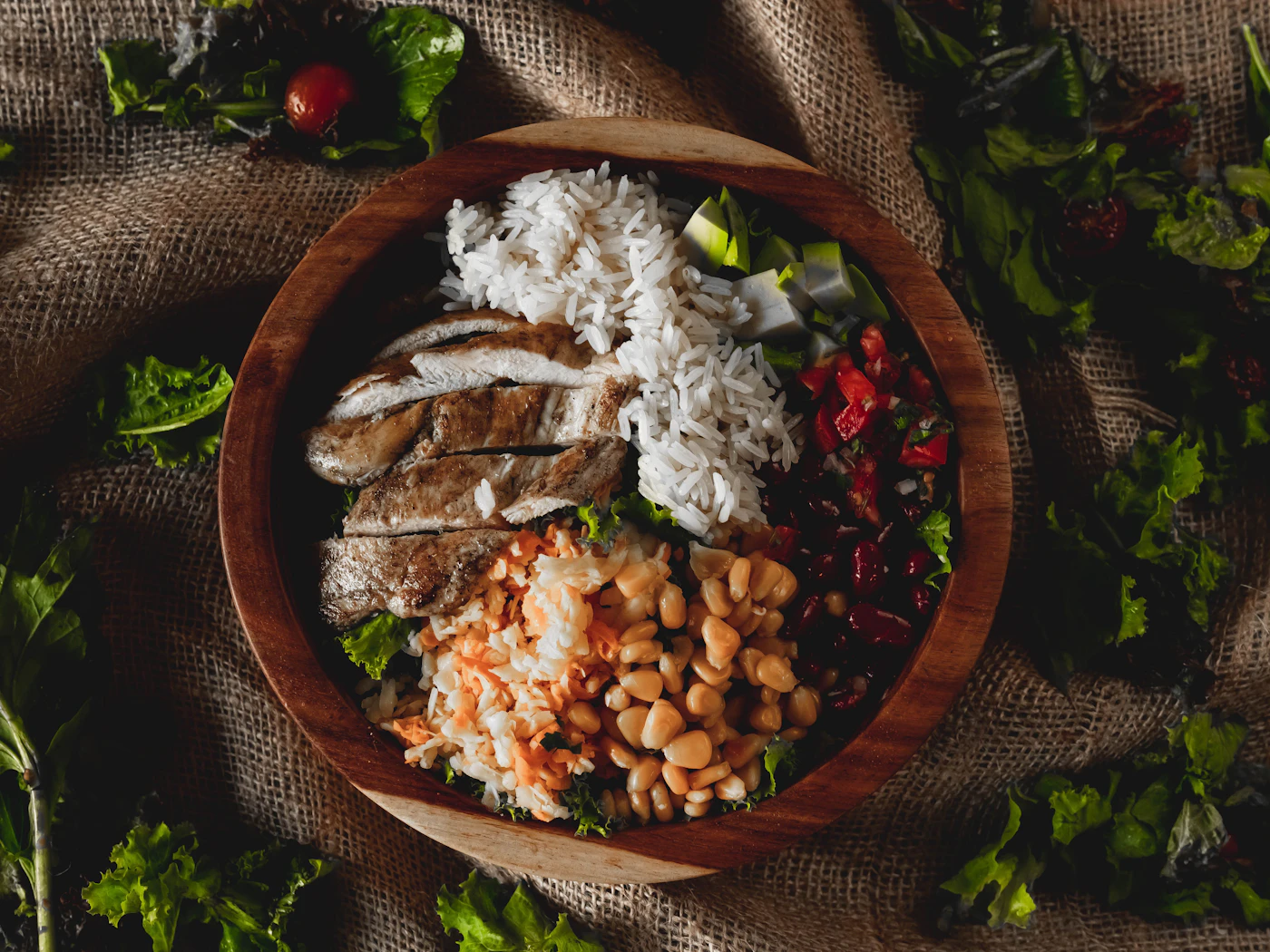
High-protein high-fiber meals can be a practical way to build more filling breakfasts, lunches, and dinners when your goal is weight management. Protein can help support fullness and preserve lean mass, while fiber adds volume, supports digestion, and can make meals more satisfying. The key is not to chase one “perfect” macro number, but to combine protein-rich foods with beans, lentils, whole grains, vegetables, fruit, nuts, and seeds in portions that fit your needs.
This guide gives you 15 high-protein, high-fiber meal ideas with approximate protein and fiber counts, plus easy swaps for meal prep, vegetarian options, and lighter meals. The nutrition numbers are estimates and will vary by brand, portion size, and preparation method.
If you already use our high-fiber recipes for weight loss, this article takes the next step by pairing fiber-rich foods with meaningful protein at the same meal.
What Makes a Meal High in Protein and Fiber?
A useful high-protein, high-fiber meal usually combines at least one substantial protein source with one or more fiber-rich foods. A simple plate might include chicken, fish, eggs, Greek yogurt, cottage cheese, tofu, tempeh, beans, or lentils for protein, then vegetables, fruit, whole grains, legumes, chia, flax, or nuts for fiber.
For many adults, a practical meal-building target is roughly 25–35 grams of protein and 8–12 grams of fiber at a main meal. That is not a universal prescription. Protein needs vary with body size, age, activity, pregnancy, medical conditions, and weight-loss treatment, while fiber tolerance also varies.
Research on weight management suggests that protein and fiber can both contribute to satiety, but neither nutrient guarantees weight loss by itself. Overall calorie intake, food quality, sleep, activity, and consistency still matter. Higher-protein eating patterns may help some people feel fuller, and fiber-rich foods can add volume while improving overall diet quality.
15 High-Protein High-Fiber Meals at a Glance
| Meal | Approx. Protein | Approx. Fiber |
|---|---|---|
| Greek Yogurt Oat Berry Bowl | 30 g | 10 g |
| Egg, Black Bean & Avocado Breakfast Bowl | 29 g | 13 g |
| High-Protein Overnight Oats | 32 g | 11 g |
| Cottage Cheese Toast with Berries & Chia | 31 g | 9 g |
| Protein Smoothie with Berries, Oats & Flax | 30 g | 10 g |
| Chicken, Black Bean & Brown Rice Bowl | 42 g | 12 g |
| Lentil Chicken Soup | 38 g | 14 g |
| Tuna Chickpea Crunch Salad | 37 g | 11 g |
| Turkey Hummus Whole-Wheat Wrap | 35 g | 9 g |
| Tofu Edamame Quinoa Bowl | 32 g | 12 g |
| Salmon, Quinoa & Broccoli Plate | 39 g | 9 g |
| Turkey Chili with Beans | 40 g | 13 g |
| Chicken Lentil Mediterranean Bowl | 43 g | 14 g |
| Shrimp Black Bean Taco Bowl | 38 g | 12 g |
| Tempeh, Brown Rice & Roasted Vegetable Bowl | 31 g | 13 g |
Nutrition values are approximate. Use them as planning estimates rather than exact nutrition-label values.
High-Protein High-Fiber Breakfasts
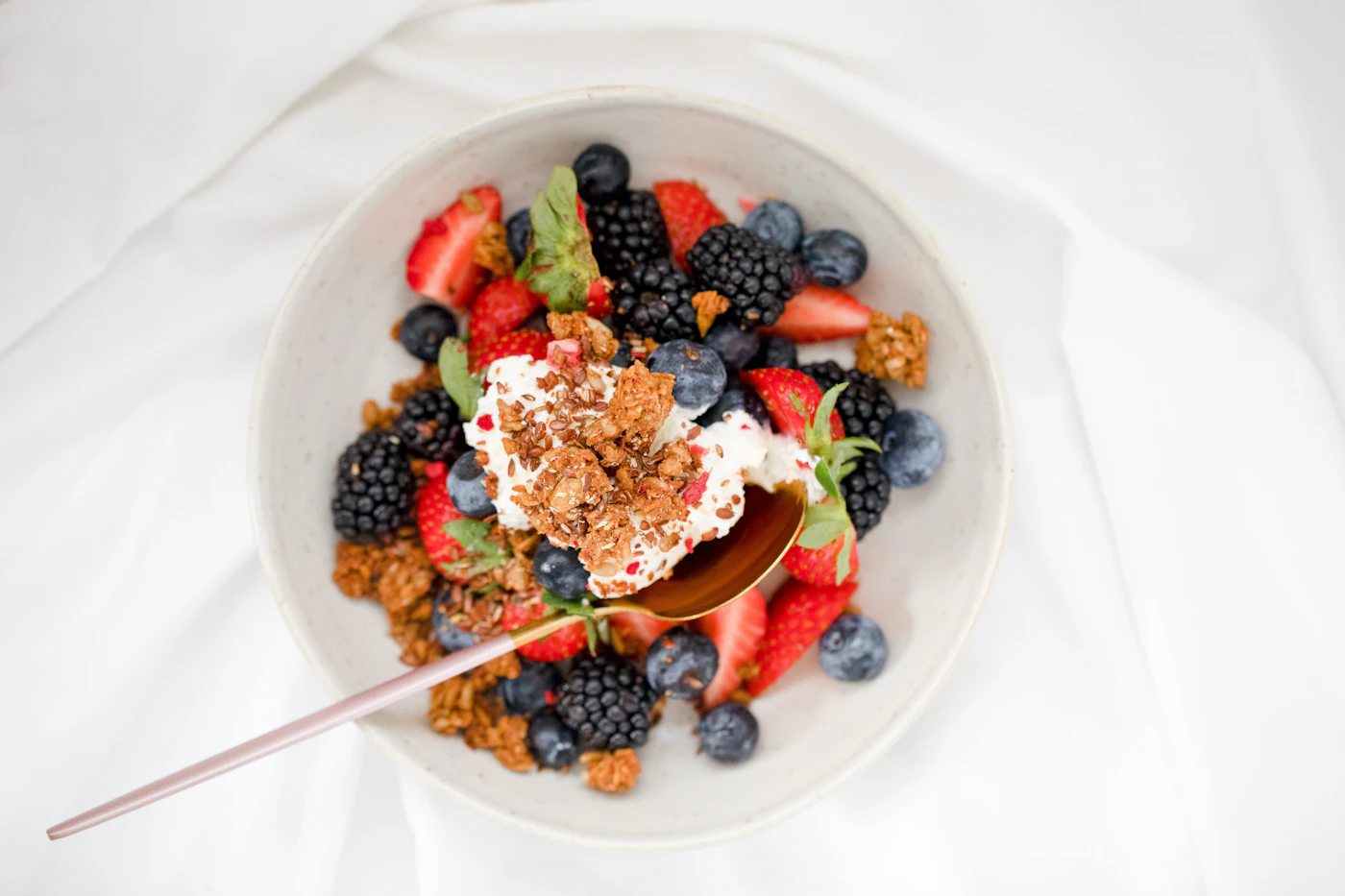
1. Greek Yogurt Oat Berry Bowl
Approx. 30 g protein, 10 g fiber
Start with 1 cup plain Greek yogurt, then add 1/3 cup rolled oats, 1 cup raspberries or mixed berries, 1 tablespoon chia seeds, and a small sprinkle of chopped almonds. The yogurt provides most of the protein, while oats, berries, chia, and nuts build the fiber.
This is especially useful when you want a breakfast that requires no cooking. Choose unsweetened yogurt and add fruit for sweetness. If you prefer a thinner texture, stir in a splash of milk.
2. Egg, Black Bean & Avocado Breakfast Bowl
Approx. 29 g protein, 13 g fiber
Combine 2 eggs, 1/2 cup black beans, sautéed spinach and peppers, 1/4 avocado, and 2 tablespoons salsa. Add a small amount of shredded cheese if desired. Beans do most of the fiber work while eggs and beans combine to raise the protein.
For meal prep, cook the beans and vegetables ahead of time, then reheat and add freshly cooked eggs in the morning.
3. High-Protein Overnight Oats
Approx. 32 g protein, 11 g fiber
Mix 1/2 cup oats, 3/4 cup high-protein milk, 1/2 cup Greek yogurt, 1 tablespoon chia seeds, cinnamon, and berries. Refrigerate overnight. For more variations, use our overnight oats recipes or the high-protein oatmeal guide.
4. Cottage Cheese Toast with Berries & Chia
Approx. 31 g protein, 9 g fiber
Spread 1 cup cottage cheese over 2 slices of whole-grain toast, then top with berries and 1 tablespoon chia seeds. For a savory version, replace berries with tomatoes, cucumber, cracked pepper, and a small side of fruit.
Cottage cheese is also useful in wraps and savory meals. If you like that ingredient, see our cottage cheese wrap recipe.
5. Protein Smoothie with Berries, Oats & Flax
Approx. 30 g protein, 10 g fiber
Blend protein-rich milk or yogurt with mixed berries, 1/4 cup oats, 1 tablespoon ground flaxseed, spinach, and ice. If you use protein powder, choose one that fits your dietary needs and avoid assuming that more protein is always better.
For more combinations, see our best smoothie recipes for weight loss.
High-Protein High-Fiber Lunches
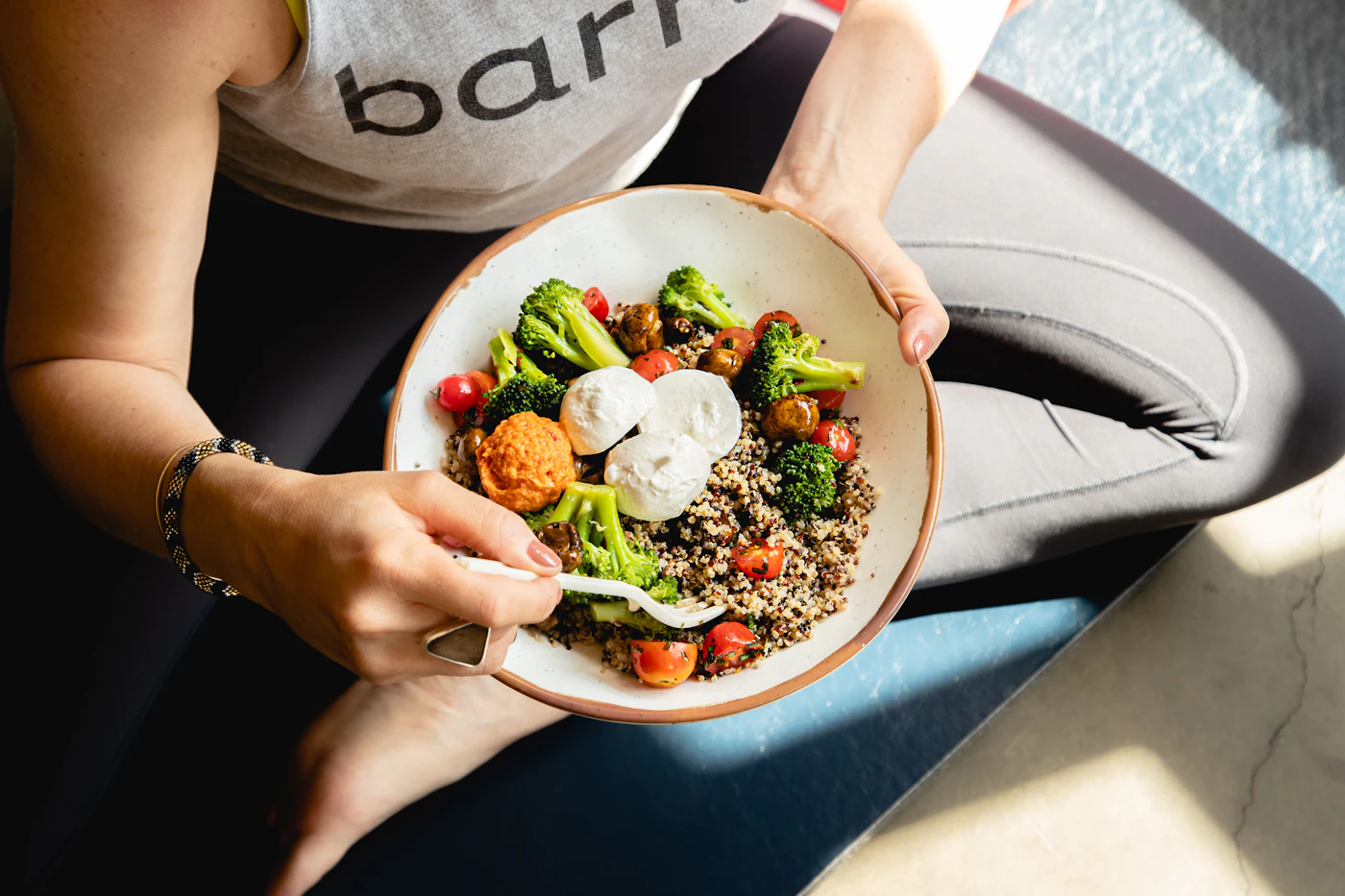
6. Chicken, Black Bean & Brown Rice Bowl
Approx. 42 g protein, 12 g fiber
Layer grilled chicken breast, 1/2 cup black beans, 1/2 cup brown rice, lettuce, tomato, corn, salsa, and a squeeze of lime. The chicken provides lean protein; beans, brown rice, vegetables, and corn contribute fiber.
This is one of the easiest meal-prep options because the components store well separately. Keep salsa and fresh greens apart until serving.
7. Lentil Chicken Soup
Approx. 38 g protein, 14 g fiber
Simmer cooked lentils with shredded chicken, carrots, celery, tomatoes, onion, garlic, and low-sodium broth. Lentils supply both protein and fiber, while chicken raises the protein without needing a huge portion.
If you prefer a fully plant-based version, double the lentils and add white beans or chickpeas.
8. Tuna Chickpea Crunch Salad
Approx. 37 g protein, 11 g fiber
Mix 1 can of tuna with 1/2 cup chickpeas, chopped celery, cucumber, red onion, parsley, lemon juice, and a small amount of olive oil or Greek-yogurt dressing. Serve over greens or stuff into a whole-grain pita.
Choose lower-sodium tuna and rinse canned chickpeas if sodium intake is a concern.
9. Turkey Hummus Whole-Wheat Wrap
Approx. 35 g protein, 9 g fiber
Fill a high-fiber whole-wheat wrap with sliced turkey, hummus, spinach, shredded carrots, cucumber, and tomato. Add a side of berries or an apple to raise the fiber without making the wrap oversized.
If you want smaller snack-style portions instead of a full meal, our high-protein snacks under 200 calories can help with planning.
10. Tofu Edamame Quinoa Bowl
Approx. 32 g protein, 12 g fiber
Combine baked tofu, shelled edamame, 1/2 cup cooked quinoa, cabbage, carrots, cucumber, and a light sesame-lime dressing. This is one of the strongest plant-based options because tofu, edamame, and quinoa all contribute protein.
To keep calories reasonable, measure calorie-dense toppings such as sesame oil, nuts, and seeds rather than pouring them freely.
High-Protein High-Fiber Dinners
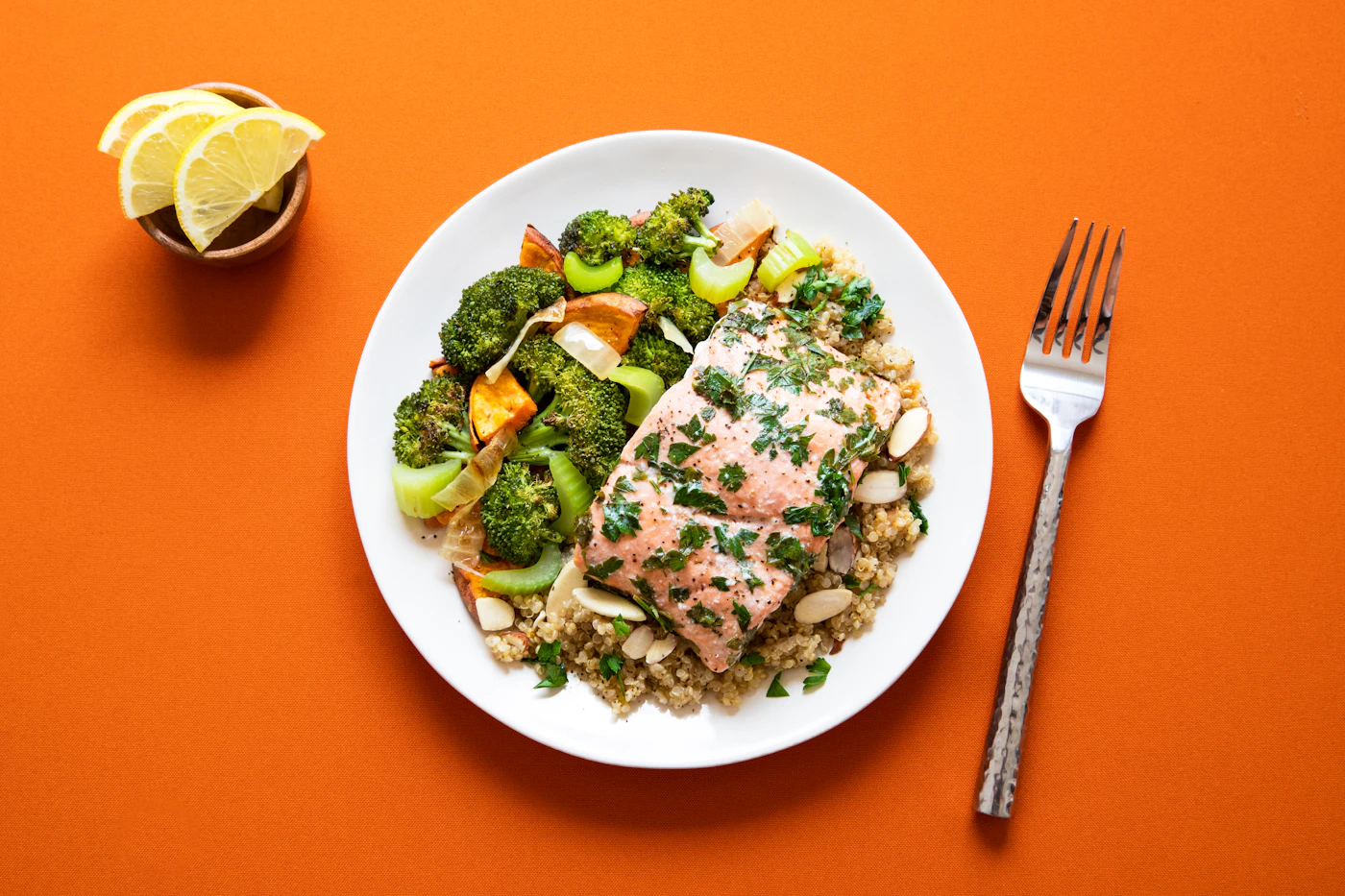
11. Salmon, Quinoa & Broccoli Plate
Approx. 39 g protein, 9 g fiber
Serve 4–5 ounces of baked salmon with 1/2 cup cooked quinoa, roasted broccoli, and a side of berries or a small pear. Salmon supplies protein and omega-3 fats, while quinoa, broccoli, and fruit raise the fiber.
Use lemon, garlic, dill, paprika, or black pepper for flavor instead of relying on heavy sauces.
12. Turkey Chili with Beans
Approx. 40 g protein, 13 g fiber
Cook lean ground turkey with kidney beans, black beans, tomatoes, onions, bell peppers, chili powder, cumin, and garlic. Chili is ideal for high-protein high-fiber meal prep because one pot can cover several lunches or dinners.
Top with plain Greek yogurt instead of a large amount of sour cream if you want a little extra protein.
13. Chicken Lentil Mediterranean Bowl
Approx. 43 g protein, 14 g fiber
Build a bowl with grilled chicken, cooked lentils, cucumber, tomato, parsley, greens, and a small scoop of hummus. Add lemon and herbs for brightness. Lentils make the bowl more filling without requiring a large serving of grains.
14. Shrimp Black Bean Taco Bowl
Approx. 38 g protein, 12 g fiber
Combine sautéed shrimp, black beans, cabbage slaw, pico de gallo, corn, avocado, and a small portion of brown rice or quinoa. Shrimp is lean and quick to cook, while beans, vegetables, corn, and avocado build fiber.
15. Tempeh, Brown Rice & Roasted Vegetable Bowl
Approx. 31 g protein, 13 g fiber
Use tempeh with roasted Brussels sprouts, peppers, onions, 1/2 cup brown rice, and a tahini-lemon drizzle. Tempeh tends to provide more protein and fiber than many other plant proteins, making it useful when you want a meatless dinner that still feels substantial.
How to Build Your Own High-Protein High-Fiber Meal
You do not need a special recipe every time. Use this simple formula:
- Choose a protein: chicken, turkey, fish, eggs, Greek yogurt, cottage cheese, tofu, tempeh, beans, lentils, or edamame.
- Add a fiber-rich carbohydrate: oats, quinoa, brown rice, barley, whole-grain bread, beans, lentils, or sweet potato.
- Add vegetables or fruit: aim for volume, color, and variety.
- Add a measured fat source: avocado, olive oil, nuts, seeds, tahini, or natural nut butter.
- Flavor it: herbs, spices, citrus, vinegar, salsa, garlic, ginger, or a modest amount of sauce.
This formula also works well alongside the ideas in our natural GLP-1 foods list, where the emphasis is on foods that support fullness rather than promising medication-like effects.
Are High-Protein High-Fiber Meals Good for Weight Loss?
They can be useful, but they are not automatically “weight-loss meals.” Protein and fiber may help some people feel fuller and make it easier to build satisfying meals with fewer highly refined foods. Research also supports paying attention to protein and fiber during weight-loss treatment, especially when preserving lean mass and maintaining digestive health are priorities.
However, weight loss still depends on your overall eating pattern and energy intake over time. A meal can be high in protein and fiber yet still be very calorie-dense if portions of oils, nuts, cheese, dressings, or grains are large.
A better approach is to use protein and fiber as meal-building tools, not as a guarantee. If your meals keep you comfortably full, fit your calorie needs, and are easy to repeat, they are more likely to be sustainable.
Meal Prep Tips
- Cook two proteins at once. For example, bake chicken and boil eggs on the same prep day.
- Batch-cook one legume. Lentils, black beans, or chickpeas can appear in several meals during the week.
- Prep vegetables in bulk. Roast a sheet pan of broccoli, peppers, onions, zucchini, and carrots.
- Keep fiber increases gradual. Jumping from a low-fiber diet to a very high-fiber diet can cause gas, cramping, or bloating.
- Drink enough fluids. Fiber works best when fluid intake is adequate.
- Measure calorie-dense extras. Nuts, seeds, oils, avocado, tahini, and dressings are nutritious but can add calories quickly.
Who Should Be More Careful?
People with kidney disease, certain gastrointestinal conditions, recent digestive surgery, or medically prescribed protein or fiber restrictions should not automatically follow high-protein or high-fiber targets from a general recipe article. Protein and fiber needs may also change during pregnancy, older age, athletic training, bariatric care, or treatment with medications that affect appetite or digestion.
If you are under medical care for weight loss, diabetes, kidney disease, or a gastrointestinal condition, use your clinician or registered dietitian’s targets instead of generic macro goals.
Frequently Asked Questions
What foods are both high in protein and fiber?
Beans, lentils, chickpeas, edamame, tempeh, peas, quinoa, some high-protein whole grains, nuts, and seeds provide meaningful amounts of both protein and fiber. Meals can also pair lean protein foods such as chicken, fish, eggs, Greek yogurt, or cottage cheese with vegetables, fruit, legumes, and whole grains.
How much protein and fiber should a meal have?
There is no single amount that is right for everyone. As a practical meal-planning range, many balanced main meals can land around 25 to 35 grams of protein and 8 to 12 grams of fiber, but individual needs vary by body size, age, activity, health conditions, and total daily intake.
Can high-protein high-fiber meals help with weight loss?
They may help by making meals more satisfying and supporting a nutrient-dense eating pattern, but they do not guarantee weight loss. Overall calorie intake, portions, activity, sleep, and consistency still matter.
What is an easy high-protein high-fiber breakfast?
A simple option is Greek yogurt with oats, berries, chia seeds, and a small amount of nuts. Another option is eggs with black beans, vegetables, and avocado.
What is a vegetarian high-protein high-fiber meal?
Try a bowl with tofu or tempeh, edamame, quinoa, vegetables, and a small amount of tahini. Lentil chili, bean bowls, and chickpea salads are also good options.
Can you eat too much fiber at once?
Yes. A sudden large increase in fiber can cause gas, bloating, cramping, or bowel changes. Increase fiber gradually and drink adequate fluids, especially if your usual diet has been low in fiber.
Bottom Line
The best high-protein high-fiber meals are not complicated: combine a reliable protein source with legumes, whole grains, vegetables, fruit, nuts, or seeds, then keep portions realistic. Chicken and black bean bowls, Greek yogurt with oats and berries, lentil soups, salmon with quinoa, and tofu-edamame bowls all make strong starting points.
If fiber is your main priority, continue with our 15 high-fiber recipes for weight loss. If protein is your bigger challenge, use our high-protein snack ideas to fill gaps between meals.
Sources
- American Diabetes Association Standards of Care in Diabetes—2026: Obesity and Weight Management
- The role of protein in weight loss and maintenance
- Dietary management of obesity: protein and fiber in satisfying meals
Disclaimer: This article is for general informational purposes and is not individualized medical or nutrition advice.
1 thought on “15 High-Protein High-Fiber Meals for Weight Loss”