
The sardine diet usually means eating only, or almost only, sardines for a short period, often three days. Sardines provide protein and omega-3 fats, but that does not make a sardine-only diet a proven weight-loss treatment. A more practical approach is to use them in satisfying meals with vegetables, beans, and other foods you enjoy.
If you came here after seeing a dramatic before-and-after video, start with this distinction: the nutritional value of sardines is well established; the promises attached to a three-day “sardine fast” are a separate question.
Below, you will find what the research actually studied, how to read a sardine label, who should avoid a restrictive challenge, and a lemony sardine and white bean salad you can make in about ten minutes.
What Is the Sardine Diet?
Online, “sardine diet” can describe several different things. Some versions allow little beyond canned sardines and water. Others simply encourage people to eat sardines more often. The name alone tells you very little about nutritional adequacy or likely results.
| Approach | What it means | What to know |
|---|---|---|
| Three-day sardine fast | Eating mainly or exclusively sardines for about 72 hours | Sardines contain calories, so this is not a calorie-free fast; it is a restrictive food challenge |
| Five-day sardine diet | A longer version of the same idea | A longer duration does not establish a greater benefit or make the plan nutritionally complete |
| Sardine-enriched diet | Adding sardines to a varied eating pattern | This is closer to the approach investigated in published nutrition studies |
| Mediterranean-style meals with sardines | Fish alongside vegetables, legumes, whole grains and olive oil | An adaptable way to use sardines without making them your only food |
There is no single standardized sardine-diet protocol. Advice about cans per day, oil, seasonings, and allowed drinks varies between promoters. That inconsistency is a good reason to look beyond the name and ask what the plan actually requires you to eat.
Does the Sardine Diet Work for Weight Loss?
Sardines can fit into a weight-management eating pattern. Their convenience makes it easier to assemble a protein-containing lunch instead of skipping a meal or relying on whatever is nearby. But adding sardines does not automatically create weight loss, and eating only sardines has not been established as a superior long-term strategy.
If a restrictive challenge reduces someone’s overall energy intake, their weight may fall. That observation cannot tell us whether sardines have a special effect or whether the change will last after normal eating resumes.
The NIDDK’s guidance on choosing a weight-loss program emphasizes a sustainable eating pattern, realistic goals, physical activity, and ongoing support. A useful meal is one you can adapt to your needs and keep making, rather than one that requires you to tolerate hunger or abandon whole food groups.
Why a quick scale drop is not the same as fat loss
Major changes in carbohydrate intake can change body water as well as body weight. In a controlled study of a ketogenic diet, an early additional drop in weight was largely attributed to water, while the corresponding change in body fat was much smaller. That study was not a sardine-diet trial, but it illustrates why short-term scale readings require caution. Read the original study.
Sardine diet before and after: what photos cannot show
A photograph cannot separate changes in body fat from changes in posture, lighting, hydration, or how much food is in the digestive tract. A personal account also rarely documents everything else that changed: exercise, medication, portion sizes, or the time between photographs.
There is no reliable number of pounds everyone should expect to lose on a three-day or five-day sardine diet. We do not use transformation photos or an invented personal success story to suggest otherwise.
What Does the Research on Sardines Actually Say?
Two published trials help put the online claims in perspective.
In a 2016 pilot randomized trial, 35 adults with type 2 diabetes were assigned either a standard diabetes diet or a similar diet that included 100 grams of sardines five days a week for six months. The sardines replaced other protein foods. There was no significant difference in glycemic control between groups at the end, although some other measures, including the omega-3 index, changed. This was a small study of sardines within a broader diet, not a three-day fast. Read the trial.
A 2021 randomized trial enrolled 152 adults aged 65 or older with prediabetes and investigated a sardine-enriched eating pattern over 12 months. Researchers reported improvements in several risk markers. The participants, duration, and diet differ substantially from an internet challenge, and risk-marker changes should not be presented as proof that a sardine-only diet prevents diabetes or produces rapid fat loss. Read the published study.
These studies are useful reasons to take sardines seriously as food. Neither establishes the effectiveness or safety of replacing every meal with sardines for three or five days.
Sardine Nutrition: Calories and Protein per Serving

Portion descriptions matter. A can’s total weight may include liquid, and different products have different drained weights.
The following figures use the USDA reference for Atlantic sardines canned in oil, drained, with bones. The 90-gram column is calculated from the 100-gram values; it is an example portion, not a claim about every can.
| Nutrient | Per 100 g drained | Per 90 g drained, calculated |
|---|---|---|
| Calories | 208 kcal | 187 kcal |
| Protein | 24.6 g | 22.2 g |
| Fat | 11.5 g | 10.3 g |
| Carbohydrate | 0 g | 0 g |
| Fiber | 0 g | 0 g |
| Calcium | 382 mg | 344 mg |
| Sodium | 307 mg | 276 mg |
Source: USDA Standard Reference, food 15088. These are reference values, not a substitute for your product label. Sauces, added salt, retained oil, and removing bones can change the nutritional profile.
Sardines also supply the long-chain omega-3 fats EPA and DHA. The NIH Office of Dietary Supplements identifies sardines among the fatty fish that contain substantial amounts of these fats. That nutritional benefit does not establish claims about “detoxing,” selectively burning belly fat, or resetting metabolism.
How to Choose Canned Sardines
You do not need an expensive specialty tin to make a good lunch. Start with flavor, portion size, and a label you can understand.
Water-packed or oil-packed?
Water-packed sardines can be convenient when you want to control how much oil goes into a recipe. Oil-packed sardines work well in salads and on toast, especially when you enjoy their richer texture.
Compare labels on an equivalent basis. One label may describe drained fish; another may account for contents as packaged. Do not assume that draining removes every gram of oil, or that all oil-packed products have identical calories.
For the salad below, drain the fish and measure the dressing separately. If you prefer to use some packing oil, measure one teaspoon instead of adding the separate olive oil.
Bones or boneless?
The small softened bones in canned sardines are generally edible. Mash them into a spread if their texture bothers you. Boneless sardines are another option, but do not assign them the calcium value in the bone-in nutrition table above.
Plain or flavored?
Tomato, chili, and lemon versions can simplify a meal. Check sodium, added sugar, and the ingredient list rather than assuming that one style is always better. If you follow halal dietary requirements, also check sauces and flavorings for ingredients you avoid.
Compare price per drained weight when that information is available. A lower-priced can is not necessarily a better value if it contains much less fish.
Sardine Diet Risks: Who Should Be Especially Cautious?
Eating sardines as part of a meal is different from undertaking an exclusive food challenge. The main concern with the challenge is the restriction, alongside individual issues such as fish allergy, purines, and medication needs.
Fish allergy: Avoid sardines if you have a fish allergy unless your allergy specialist has specifically advised otherwise.
Gout: Sardines are one of the seafoods the NIAMS gout guidance advises avoiding as part of dietary management. If you have gout or have been told to limit purines, do not use a sardine challenge as a weight-loss experiment.
Diabetes medication: Abruptly reducing food or carbohydrate intake can cause low blood glucose in people taking certain medications. The NIDDK hypoglycemia guidance explains why meals, activity, and medication need to work together. Discuss major dietary changes with your diabetes team rather than changing medication yourself.
Kidney disease or a prescribed diet: Protein, sodium, and mineral requirements may need individual planning. Ask your clinician or renal dietitian how sardines fit your current advice.
Pregnancy, breastfeeding, childhood, or a history of disordered eating: A restrictive weight-loss challenge is not an appropriate default eating plan. Sardines may still have a place in suitable meals, depending on individual needs.
Sardines provide no fiber, so eating them alone displaces beans, fruit, vegetables, and whole grains. A short challenge does not automatically produce a clinical deficiency, but it is still an unnecessarily narrow way to eat.
What about mercury?
The FDA/EPA fish advice lists sardines as a Best Choice. For people who are pregnant or breastfeeding, the guidance recommends two to three four-ounce servings weekly from that category, with variety. Children’s portions are smaller and depend on age.
This is reassuring information about choosing fish. It is not permission to eat unlimited quantities or evidence in favor of a sardine-only diet.
Mediterranean Sardine and White Bean Salad
This no-cook recipe turns a can of sardines into a meal with creamy beans, crisp cucumber, sweet tomatoes, and a sharp lemon dressing. It is a Mediterranean-inspired recipe, not a therapeutic diet prescription.
Print
Mediterranean Sardine and White Bean Salad
- Total Time: 10 minutos
- Yield: 1 bowl 1x
Description
A quick Mediterranean-inspired sardine and white bean salad with cucumber, tomatoes, red onion, parsley, lemon and olive oil. Ready in about 10 minutes and ideal for a high-protein lunch.
Ingredients
- 90 g canned sardines, drained
- 1/2 cup cooked white beans, about 90 g, drained and rinsed
- 1/2 cup diced cucumber, about 75 g
- 1/2 cup halved cherry tomatoes, about 75 g
- 2 tablespoons finely chopped red onion, about 20 g
- 1 tablespoon lemon juice
- 1 teaspoon olive oil
- 1 tablespoon chopped parsley
- Black pepper, to taste
- Optional: lemon wedge for serving
Instructions
- Drain and rinse the white beans, then chop the cucumber, tomatoes, red onion and parsley.
- In a bowl, mix the lemon juice, olive oil, parsley and black pepper.
- Add the beans, cucumber, tomatoes and red onion. Toss gently.
- Add the drained sardines last and fold them in carefully so some larger pieces remain intact.
- Taste before adding any salt, then adjust with more lemon juice or black pepper if needed.
- Serve immediately. Add whole-grain bread on the side if you want a larger meal.
Notes
Chickpeas can replace the white beans. Basil or dill can replace parsley. Nutrition values are estimates and can vary depending on the sardine brand and packing liquid. Refrigerate leftovers promptly and use within 3 to 4 days. Contains fish.
- Prep Time: 10 minutos
- Cook Time: 0 minutes
- Category: Lunch
- Method: No-Cook
- Cuisine: Mediterranean-inspired
Nutrition
- Serving Size: 1 generous serving
- Calories: 395
- Sugar: 5g
- Sodium: 450mg
- Fat: 18g
- Saturated Fat: 2.5 g
- Unsaturated Fat: 15g
- Trans Fat: 0 g
- Carbohydrates: 29g
- Fiber: 7g
- Protein: 30g
- Cholesterol: 125 mg
Keywords: sardine diet, sardine salad, sardine recipe, white bean salad, high protein lunch, weight loss lunch
A Better 5-Day Plan with Sardines
If you searched for a 5 day sardine diet, use this as a meal-planning alternative to eating sardines at every meal. It includes two sardine lunches and different protein sources across the other days.
This is a menu of ideas, not a complete calorie prescription. Adjust portions and add snacks, fruit, or additional sides as needed. The table does not establish that everyone’s energy or nutrient requirements are met.
| Day | Breakfast | Lunch | Dinner |
|---|---|---|---|
| 1 | Oats with yogurt and berries | Sardine and white bean salad above | Chicken or tofu with brown rice and vegetables |
| 2 | Eggs, whole-grain toast and fruit | Lentil soup with a side salad | Chickpea and vegetable stew with couscous |
| 3 | Plain yogurt, oats and sliced pear | Hummus and roasted vegetable wrap | Turkey or bean chili with rice |
| 4 | Porridge with milk or fortified soy drink and berries | Sardine toast with tomato and cucumber | Tofu or chicken stir-fry with noodles and vegetables |
| 5 | Eggs or tofu scramble with toast | White bean and vegetable bowl | Lentil pasta with tomato sauce and a green salad |
For breakfasts you can prepare ahead, browse our overnight oats recipes. To build lunches around the combination of beans, vegetables, and a protein source, see these high-protein, high-fiber meals.
A useful shopping strategy is to choose ingredients that cross over between meals: canned beans for salad and chili, tomatoes for toast and pasta, and oats for several breakfasts. Keep unopened sardine cans in the pantry and open them when you are ready to eat, rather than making five days of fish salad at once.
More Easy Sardine Recipes and Serving Ideas
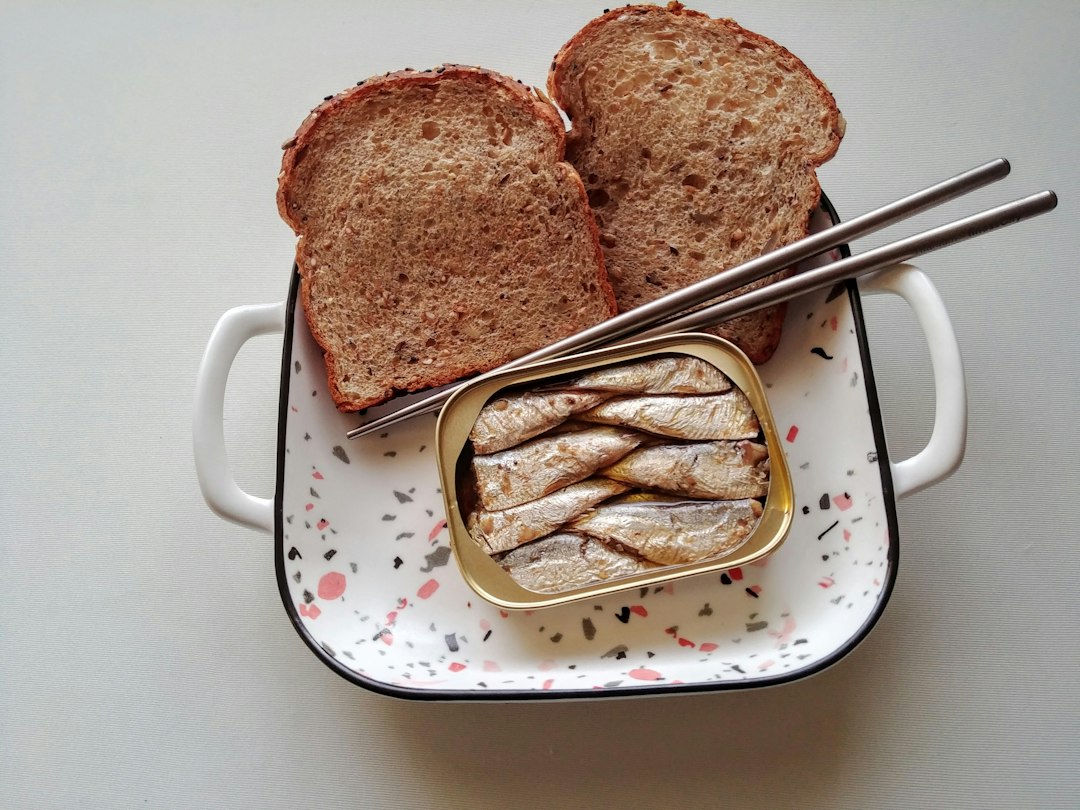
You can change the character of sardines with a few simple additions. These are serving ideas rather than separately tested recipes; quantities can be adjusted to your appetite.
For more complete meal ideas, see our 15 easy canned sardine recipes for toast, salads, pasta, bowls and snacks.
Lemon sardine toast: Mash drained sardines with lemon juice and parsley. Spread over whole-grain toast and top with chopped tomato. Start with one small can divided over two slices, then add cucumber or a side salad.
Tomato sardine pasta: Warm a tomato sauce, stir in cooked pasta, and fold in sardine pieces just before serving. Add spinach or peas for color and variety.
Sardine potato bowl: Combine cooked potatoes, green beans, and drained sardines. Dress with lemon and a little olive oil.
Sardine lettuce cups: Mix flaked fish with plain yogurt, lemon, and diced cucumber. Spoon into lettuce leaves and serve with bread or another side if you want a larger meal.
For more ways to include legumes and vegetables, our high-fiber recipe collection offers meal ideas beyond fish.
FAQs
What do you eat on the sardine diet?
The restrictive internet version involves mainly or exclusively sardines, often for three days. There is no universally agreed protocol. A sardine-enriched diet simply includes sardines within a wider range of foods and is a different approach.
Is a sardine fast actually fasting?
It is not a calorie-free fast: sardines supply energy, protein, and fat. “Sardine fast” is a popular label for a limited-food challenge, rather than an accurate description of abstaining from food.
How many cans of sardines should you eat a day?
There is no evidence-based daily can count for weight loss. Can sizes, drained weights, sodium, and individual needs vary. The recipe here uses 90 g of drained fish for one meal; that is a recipe quantity, not a daily prescription.
Can you lose belly fat by eating sardines?
Sardines have not been shown to selectively remove abdominal fat. They can be part of a varied eating pattern, but a particular food or a short challenge cannot promise a change in one body area.
Is a five-day sardine diet better than three days?
The research discussed here does not compare three-day and five-day sardine-only challenges. Extending the restriction cannot be assumed to improve results. The five-day menu above offers meal variety instead.
Are canned sardines good for weight loss?
They can be a convenient protein food in meals that suit your overall needs. Check the portion and label, particularly if using packing oil or sauces. Their presence in a meal does not guarantee weight loss.
Can you eat sardines straight from the can?
Commercially canned, ready-to-eat sardines can usually be eaten without further cooking. Follow the packaging instructions. Do not use leaking, bulging, or badly damaged cans, and refrigerate unused fish promptly.
Are sardines in olive oil better than sardines in water?
Neither is automatically best for everyone. Olive oil can add flavor; water-packed fish lets you add your own dressing. Compare actual labels and choose what works for the meal you are preparing.
Is the sardine diet keto?
Plain sardines are very low in carbohydrate, but the term “keto” does not validate a sardine-only challenge or guarantee ketosis. Sauces and accompanying foods also affect carbohydrate intake. The bean salad and varied menu in this article are not designed as ketogenic plans.
Can I replace sardines if I dislike them?
Yes. For the salad, use another suitable cooked or canned fish, or make a bean-based version. The flavor and nutrition will change. You do not need to eat a food you dislike to follow a balanced eating pattern.
Sardines earn their place in the kitchen through convenience, flavor, and nutritional value. Start with one meal you enjoy, such as the lemon and white bean salad, and let the rest of your menu remain varied.
1 thought on “Sardine Diet: Weight Loss, Risks & a Better 5-Day Plan”