

ColonBroom search interest has jumped sharply alongside the broader GLP-1 supplement trend, and there’s a reason the brand shows up in both categories: it started as a psyllium husk fiber powder for digestion, and more recently launched a separate “GLP-1 Booster” capsule aimed squarely at the appetite-control market. This guide separates what’s actually backed by evidence from what’s marketing language, for both products.
What Is ColonBroom?

ColonBroom is best known for its original product: a flavored psyllium husk fiber powder marketed for bloating relief, regularity, and gut health. Psyllium husk is a well-studied soluble fiber — it’s the same active ingredient covered in our psyllium husk guide, and it works by absorbing water in the stomach to promote fullness and slow digestion.
More recently, the brand introduced ColonBroom GLP-1 Booster, a separate capsule product built around a different ingredient set — berberine, chromium picolinate, saffron extract, 5-HTP, and bupleurum root, depending on the exact formulation and source you check. This is a distinct product from the original fiber powder, and it’s important not to conflate the two when comparing reviews or ingredient claims.
Does ColonBroom Actually Support GLP-1? What the Evidence Really Shows
This is where it’s worth slowing down, because a lot of the marketing language around the GLP-1 Booster overstates what the ingredients can do.
- Berberine has real clinical research behind it — primarily for blood sugar regulation and insulin sensitivity, which can indirectly affect appetite and cravings. It does not “activate” GLP-1 the way a prescription GLP-1 receptor agonist does.
- Saffron extract has some research connecting it to appetite reduction and mood, largely through serotonin pathways rather than a direct GLP-1 mechanism.
- Chromium picolinate is studied mainly for blood sugar stabilization, not appetite suppression directly.
- Psyllium husk (the original ColonBroom product) has the most straightforward, well-established mechanism: physical fullness from fiber expanding with water, not a hormonal effect.
None of these ingredients activate GLP-1 receptors the way medications like semaglutide or tirzepatide do. Framing them as a “GLP-1 booster” is a common industry marketing strategy right now, not a claim backed by the same level of evidence as the medications themselves.
What Customer Reviews Actually Say
Reviews for the original psyllium fiber product tend to focus on digestion — reduced bloating, more regularity, and a general sense of fullness before meals. Reported weight changes in reviews are typically modest (a few pounds), consistent with what a fiber supplement alone would be expected to do.
Reviews for the newer GLP-1 Booster capsule are less abundant and more mixed, with several sources noting that meaningful results tend to take six to eight weeks of consistent use, and that outcomes depend heavily on diet and consistency rather than the capsule alone. Be cautious of any review site presenting dramatic, fast results as typical — that pattern is common in affiliate marketing for this exact product category.
ColonBroom vs. Prescription GLP-1 Medications
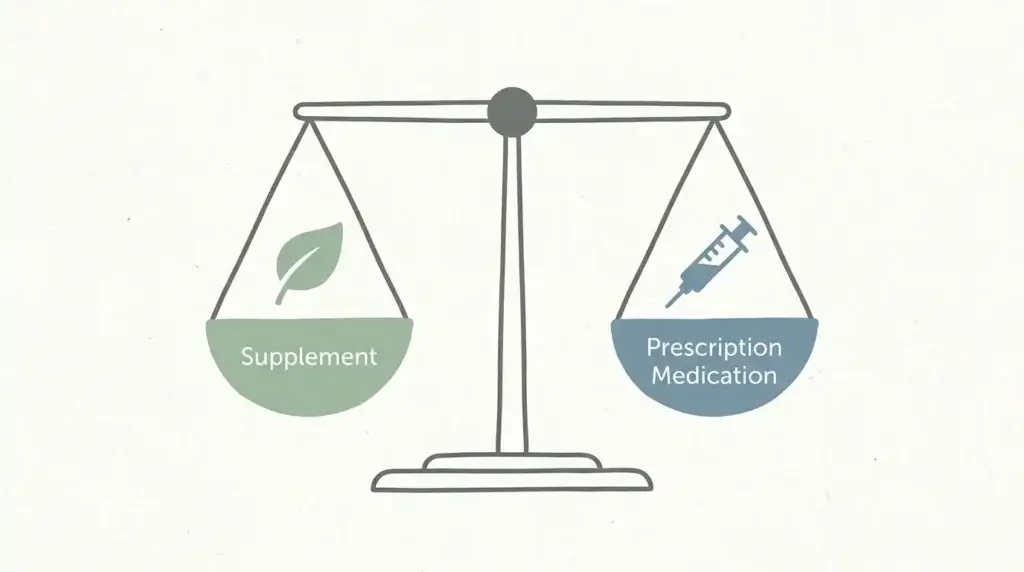
This comparison matters because a lot of ColonBroom’s newer marketing leans on the “natural alternative to Ozempic” framing. If you’re weighing the prescription route instead, see our reviews of Medvi and Embody for what that path actually involves. Here’s the honest gap:
| ColonBroom (Fiber or GLP-1 Booster) | Prescription GLP-1 Medications | |
|---|---|---|
| Mechanism | Fiber fullness / indirect blood sugar support | Direct GLP-1 receptor activation |
| Typical results | Modest, gradual | 15-20%+ body weight loss in clinical trials |
| Regulation | Dietary supplement, not FDA-reviewed for efficacy | FDA-approved (brand-name) or compounded |
| Cost | Lower, no prescription needed | Higher, requires prescription |
| Risk profile | Generally low for healthy adults | Requires medical supervision |
Who ColonBroom Might Work For
Might be worth trying:
- People looking for a low-cost, low-risk fiber supplement to support fullness and digestion
- People who prefer a gradual, supplement-based approach over medication
- People already eating a reasonably balanced diet who want extra appetite support, not a replacement for one
Should think twice or check with a doctor first:
- Anyone with IBS, Crohn’s disease, or other bowel conditions, since high-fiber supplements can worsen symptoms for some people
- Anyone taking medication for diabetes or blood pressure, due to potential interactions with berberine specifically
- Anyone expecting results comparable to prescription GLP-1 medications — the two categories aren’t close in effect size
How to Use ColonBroom Effectively

- Start with the original fiber powder if your main goal is fullness and digestion — it has the clearest, most direct mechanism of the two products.
- Drink plenty of water with any fiber supplement to avoid bloating or constipation.
- Give the GLP-1 Booster capsule a full 6-8 week trial before judging effectiveness, and track it alongside consistent diet habits, not as a stand-alone fix.
- Don’t stack multiple appetite-suppressing supplements at once — it makes it impossible to tell what’s actually working, and increases the chance of digestive side effects.
FAQ
Does ColonBroom actually help you lose weight?
The original fiber powder can support modest weight loss by increasing fullness, mainly as part of a broader healthy eating pattern. The newer GLP-1 Booster capsule has less independent evidence behind its specific claims, and its ingredients support blood sugar and appetite indirectly rather than replicating a GLP-1 medication’s effect.
Is ColonBroom the same as a GLP-1 medication?
No. ColonBroom is a dietary supplement, not a prescription drug, and doesn’t contain semaglutide, tirzepatide, or any pharmaceutical GLP-1 receptor agonist.
What’s the difference between ColonBroom and ColonBroom GLP-1 Booster?
ColonBroom is the original psyllium husk fiber powder for digestion and fullness. The GLP-1 Booster is a separate capsule product with a different ingredient profile (berberine, saffron, chromium, and others) marketed specifically around appetite and blood sugar support.
How long does it take to see results?
The original fiber powder can affect fullness within days of consistent use. The GLP-1 Booster capsule is generally described as needing 6-8 weeks of consistent use before noticeable effects.
This article is for informational purposes only and is not medical advice. Talk to a healthcare provider before starting any new supplement, especially if you have a digestive condition or take medication for diabetes or blood pressure.