

If you’ve searched for “best GLP-1 supplement,” you’ve probably noticed the same confusion everywhere: some sites use “GLP-1” to mean the injectable prescription drugs (Ozempic, Wegovy, Mounjaro, Zepbound), and others use it to mean over-the-counter supplements that claim to support your body’s natural GLP-1 production. These are not the same thing, and mixing them up is the fastest way to waste money or, worse, make an unsafe choice.
This guide breaks down exactly what GLP-1 supplements are, which ingredient categories have real research behind them, how to evaluate a product before buying it, and when a supplement makes sense versus when it doesn’t.
What Is a GLP-1 Supplement? (And How It’s Different From GLP-1 Medications)
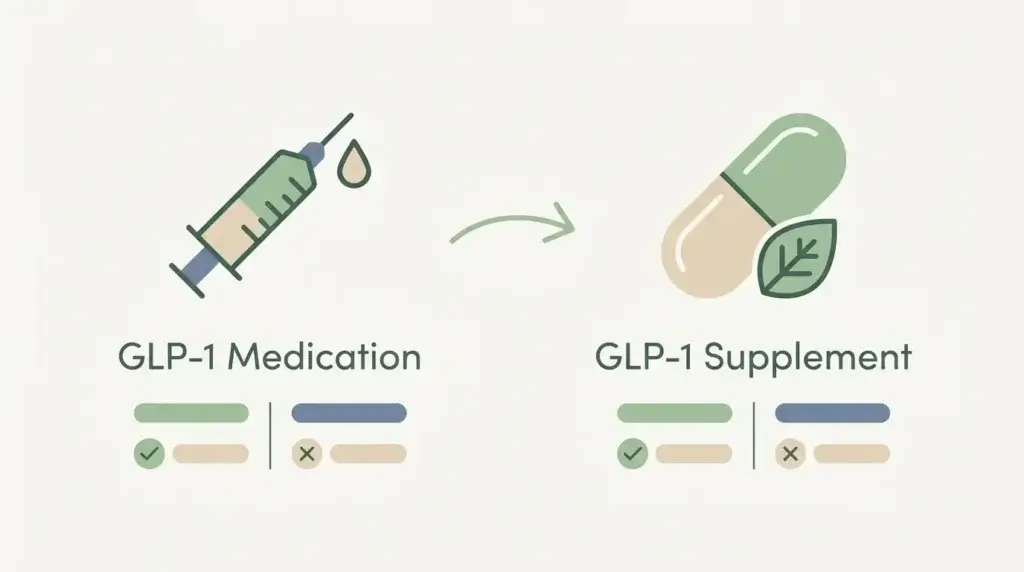
GLP-1 (glucagon-like peptide-1) is a hormone your gut naturally releases after eating. It slows digestion, reduces appetite, and helps regulate blood sugar. Prescription GLP-1 medications work by mimicking this hormone directly, at doses far beyond what your body produces on its own — which is why they require a prescription and medical supervision, typically through a telehealth provider like the ones we’ve reviewed in our Medvi and Embody breakdowns.
GLP-1 supplements are different. They don’t contain synthetic GLP-1. Instead, they typically contain:
- Soluble fibers (glucomannan, psyllium husk) that slow gastric emptying and increase fullness
- Plant compounds (berberine, green tea extract) studied for blood sugar and metabolic effects
- Amino acids and protein blends that can naturally trigger some GLP-1 release
- Probiotic strains marketed for gut-hormone support
None of these replicate the potency of prescription GLP-1 drugs. The honest way to think about them: supplements may support appetite control and digestion as part of a broader routine, but they are not a substitute for medication, and results vary far more than injectable drugs.
How We Evaluated These Supplement Categories
Rather than ranking specific brands based on marketing claims, this guide evaluates the ingredient categories you’ll find across the market, based on:
- Whether the active ingredient has published research behind its mechanism
- Typical dosage ranges and whether products disclose them clearly
- Common side effects and who should avoid the category
- How the category is usually marketed versus what it can realistically deliver
If you’re comparing named products, check for third-party testing, a full ingredient list with dosages (not a “proprietary blend”), and independent reviews outside the brand’s own website.
GLP-1 Supplement Categories Compared
| Category | Main Ingredient(s) | Best For | Watch Out For |
|---|---|---|---|
| Soluble fiber blends | Glucomannan, psyllium husk | Appetite control, fullness before meals | Needs to be taken with plenty of water; can cause bloating if increased too fast |
| Metabolic/blood sugar blends | Berberine, chromium | People focused on blood sugar alongside weight | Berberine can interact with certain medications |
| Multi-ingredient “GLP-1 support” formulas | Mix of fiber + plant extracts + amino acids | People wanting an all-in-one approach | Proprietary blends often hide actual dosages |
| High-protein/amino formulas | Whey or plant protein, specific amino acids | Supporting satiety around meals | Not a fiber or appetite suppressant on its own |
1. Soluble Fiber Supplements
This is the most researched category for appetite support without a prescription. Glucomannan and psyllium husk both absorb water in the stomach, expanding to promote fullness and slow digestion — mechanically similar to one effect of GLP-1, even though the pathway is different. These are generally the safest, most affordable starting point, and we’ve covered how to compare psyllium husk against other fiber options if you want the full picture. A well-known example in this category is ColonBroom, which built its reputation on psyllium husk before expanding into a separate multi-ingredient formula.
2. Berberine and Metabolic Blends
Berberine has drawn attention as a “nature’s Ozempic” in social media trends, largely because of its studied effects on blood sugar regulation. It’s a more active compound than fiber, which means more potential for interactions — check with a healthcare provider if you take medication for diabetes or blood pressure.
3. Multi-Ingredient Formulas
These combine several of the above into one capsule or powder, usually with add-ins like green tea extract or chromium. They’re the most heavily marketed category and the hardest to evaluate, because “proprietary blend” labeling often hides how much of each active ingredient you’re actually getting. If a product doesn’t disclose exact milligram amounts, treat marketing claims with skepticism.
4. Protein and Amino Acid Formulas
Less flashy, but backed by solid basic science: protein intake itself triggers natural GLP-1 and other satiety hormone release. A high-protein approach to meals — oatmeal, savory high-protein breakfasts, or snacks under 200 calories — often does more for appetite control than a supplement alone.
Natural Foods That Support GLP-1
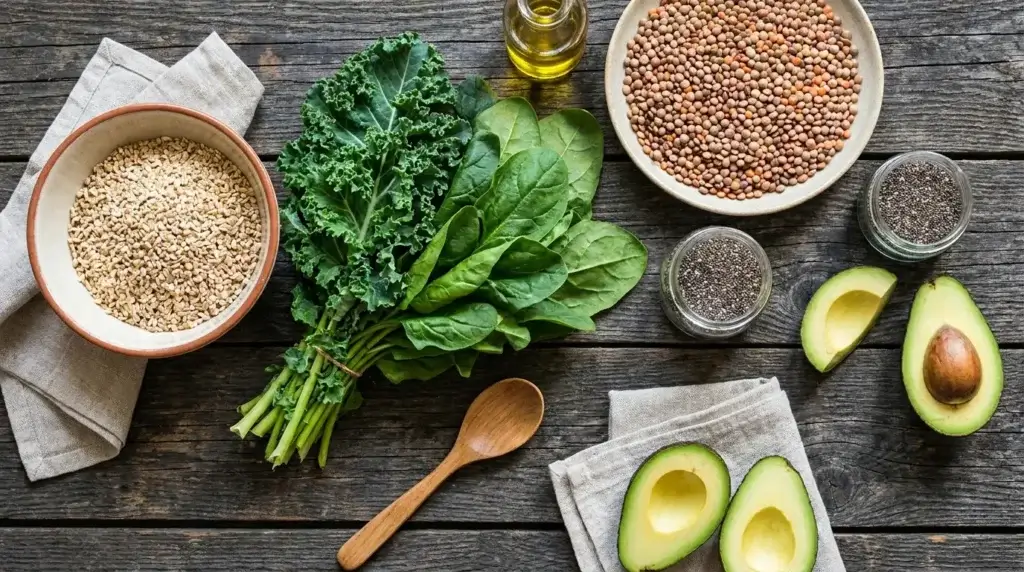
Before or alongside any supplement, diet is the foundation. We’ve put together a full breakdown of natural GLP-1 foods — foods that support the same appetite and blood-sugar pathways supplements are trying to influence, without an extra pill. Pairing that approach with something like a GLP-1 smoothie recipe is a low-risk way to start.
Do GLP-1 Supplements Actually Work? What the Evidence Says
The honest answer: it depends entirely on the ingredient and the dose.
- Fiber-based supplements have decent evidence for modestly increasing fullness and reducing calorie intake at meals, particularly when taken consistently before eating.
- Berberine has more clinical research behind it for blood sugar than for weight loss specifically, though the two are related.
- Proprietary blend products are the hardest to evaluate because underdosing is common — a product can legally list an ingredient without providing enough of it to match the studies cited in its marketing.
No over-the-counter supplement has been shown to produce weight loss in the range seen with prescription GLP-1 medications in clinical trials. Anyone telling you otherwise is selling something.
Who Should (and Shouldn’t) Consider a GLP-1 Supplement
Might be worth trying:
- People looking for extra appetite support alongside diet and exercise changes
- People who tolerate fiber well and want a low-cost, low-risk addition to their routine
- People not currently on GLP-1 medication or other appetite-affecting prescriptions
Should talk to a doctor first:
- Anyone currently taking prescription GLP-1 medication (combining isn’t automatically dangerous, but it should be supervised)
- Anyone with a history of digestive conditions, since fiber supplements can worsen certain issues
- Anyone taking medication for diabetes or blood pressure, due to potential interactions with active compounds like berberine
- Anyone with a history of disordered eating, since appetite-suppressing products can reinforce unhealthy patterns
How to Choose the Right One for You
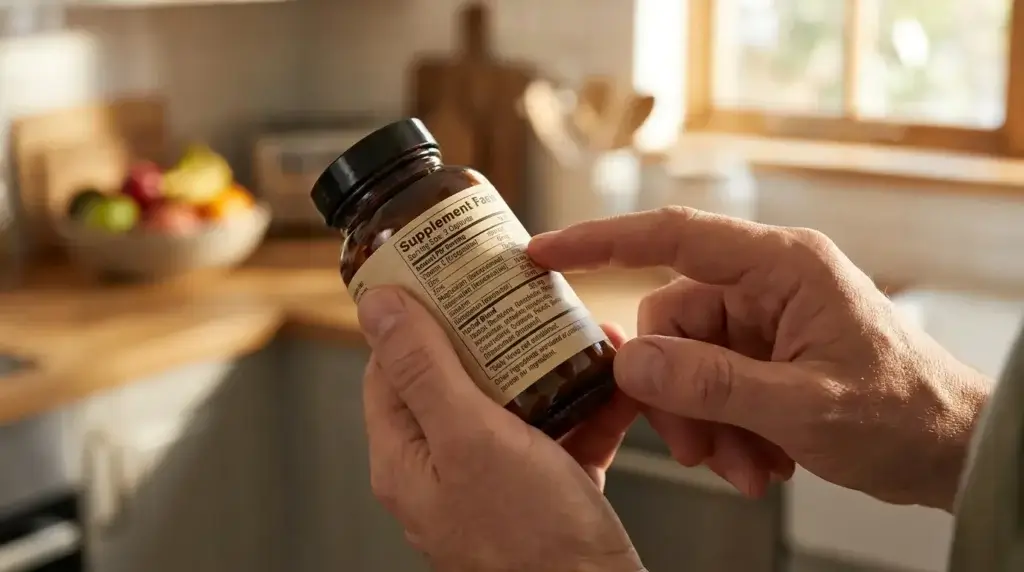
- Read the full ingredient panel, not just the front-of-bottle claims. Look for actual milligram doses.
- Match the ingredient to your goal. Fiber for fullness, berberine for blood sugar focus, protein blends for meal-time satiety.
- Start with one category at a time so you can actually tell what’s working.
- Check for third-party testing (look for a certificate of analysis or NSF/USP certification where applicable).
- Set a realistic timeline. Fiber and metabolic supplements typically need 4-8 weeks of consistent use before you’d notice an effect, if any.
FAQ
Are GLP-1 supplements safe?
Most fiber and protein-based supplements are considered low-risk for most healthy adults when taken as directed with adequate water. Ingredients like berberine carry more interaction risk and warrant a conversation with a healthcare provider first.
Can supplements replace Ozempic or Mounjaro?
No. No OTC supplement matches the mechanism or clinical results of prescription GLP-1 receptor agonists. Supplements may support appetite control as part of a broader routine, but they work through different, much weaker pathways.
How long does it take for a GLP-1 supplement to work?
Most fiber and metabolic-support ingredients are studied over periods of 8-12 weeks. Expecting rapid results in days is unrealistic and often a sign of overhyped marketing.
What’s the difference between GLP-1 supplements and GLP-1 foods?
Foods (like those in our GLP-1 foods list) support the same pathways through whole-food fiber, protein, and healthy fats, generally with fewer side effects and no risk of underdosed or mislabeled ingredients — but slower, less concentrated effects than a targeted supplement.
This article is for informational purposes only and is not medical advice. Talk to a healthcare provider before starting any new supplement, especially if you take medication or have an existing health condition.