
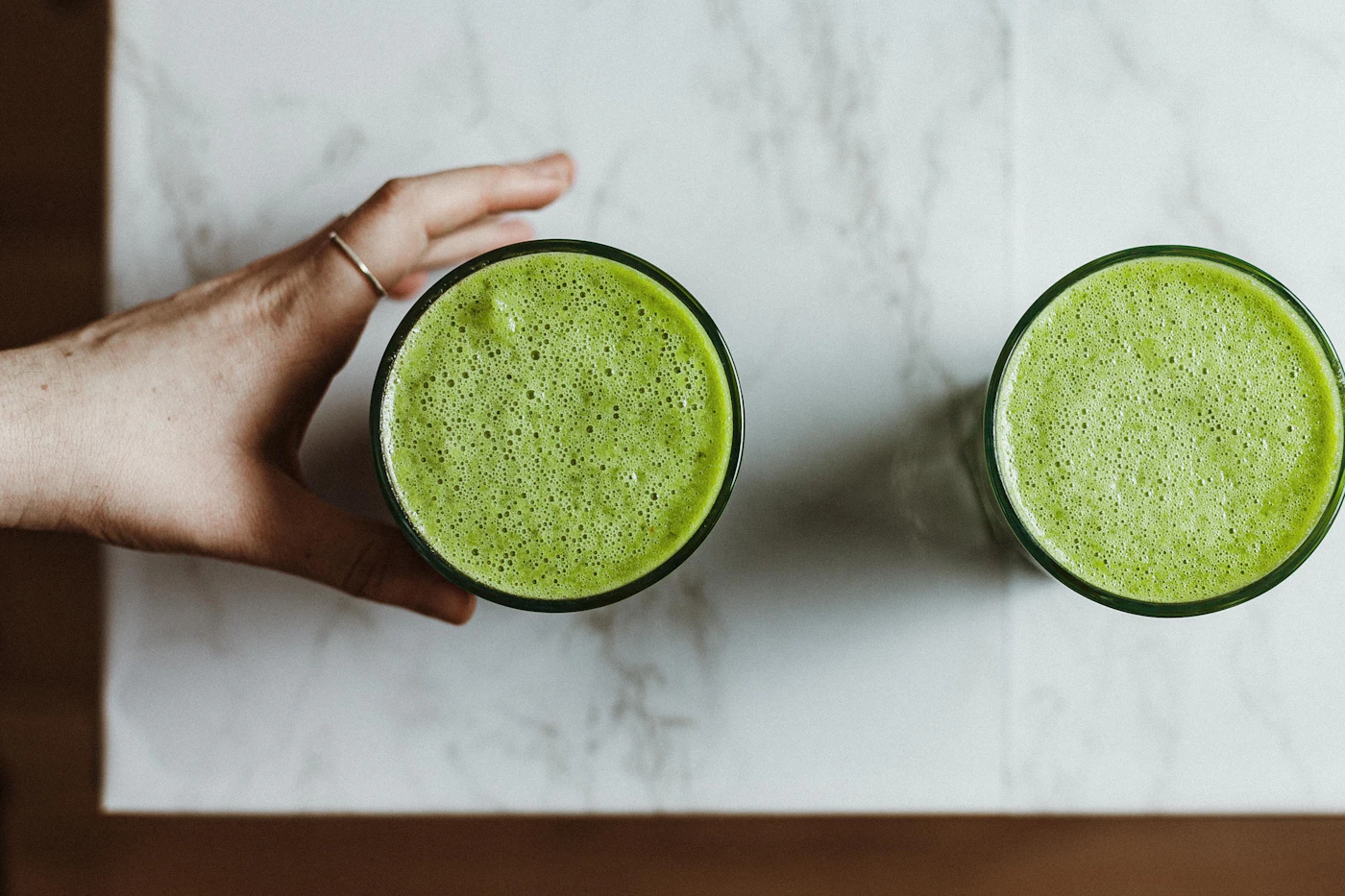
Quick answer: To make a matcha protein drink, whisk 1 teaspoon of matcha with 2 tablespoons of cool water, then blend with 1 cup of unsweetened soy milk, 1 scoop of vanilla protein powder and ice. This simple iced version is creamy without needing added sugar. The protein content depends on your milk and powder labels.
Print
Matcha Protein Drink (Iced Vanilla)
- Total Time: 5 minutes
- Yield: 1 drink 1x
Description
Five-minute iced matcha protein drink made with unsweetened soy milk and vanilla protein powder. A creamy, single-serving drink with no added sugar needed; sweetness and nutrition depend on the products you use.
Ingredients
- 1 teaspoon (about 2 g) culinary or drinking-grade matcha powder
- 2 tablespoons (30 ml) cool water
- 1 cup (240 ml) unsweetened soy milk
- 1 scoop vanilla protein powder (use the serving size on your label; commonly 25–35 g powder)
- ½ cup ice cubes
- Optional: ¼ teaspoon vanilla extract or a pinch of cinnamon
Instructions
- Sift the matcha into a small bowl to avoid dry lumps.
- Add the cool water and whisk until smooth.
- Pour soy milk into a blender, then add the protein powder, prepared matcha and ice.
- Blend for 15–25 seconds, just until smooth. Add a little extra milk if the drink is too thick.
- Taste before adding any sweetener; many vanilla protein powders are already sweetened.
Notes
Equipment: small bowl, whisk, measuring spoons, blender (or shaker bottle for the no-blender version), serving glass.
Serving and storage: Serve immediately for the best texture. If making ahead, refrigerate promptly in a covered container and shake or stir before drinking; follow the storage instructions on your milk and protein product.
Texture and sweetness: Sift and whisk the matcha first to avoid clumps. Add a little extra milk if needed. Taste before adding sweetener because many vanilla protein powders are already sweetened.
Milk and powder: Vanilla whey or a vanilla plant-based blend pairs well with matcha. For a dairy-free drink, use a dairy-free powder and check all allergen labels. Changing the milk or powder changes the nutrition.
No blender: Whisk the matcha with water. Shake the milk and powder thoroughly in a shaker bottle, pour over ice, then add the matcha. Never shake hot liquid in a sealed shaker.
Nutrition: Exact calories, protein, sugar and other nutrients depend on the specific milk and protein powder. Use the nutrition labels for the products and amounts you actually use; no fixed nutrient values are provided.
Matcha contains caffeine. This is a protein drink containing matcha, not a scientifically proven fat-burning drink.
- Prep Time: 5 minutes
- Cook Time: 0 minutes
- Category: Beverage
- Method: Blending
Nutrition
- Serving Size: 1 drink
Keywords: matcha protein drink, iced vanilla matcha, matcha protein shake
What Is a Matcha Protein Drink?
A matcha protein drink combines green tea powder with milk and a protein source. This iced vanilla version tastes like a creamy matcha latte, with the powder supplying most of the added protein. Matcha contributes an earthy tea flavor; vanilla softens its bitterness.
The base is pourable rather than spoon-thick. Adding frozen fruit makes it more like a smoothie. Use the measured recipe card above for the starting ratio, then change one ingredient at a time so you can adjust sweetness and texture.
Ingredients: How to Choose Matcha, Protein Powder and Milk
Choose plain matcha powder
Look for an ingredient list that says matcha or green tea powder, without a pre-sweetened latte mix. A blend containing sugar or milk powder changes the recipe. Culinary or drinking-grade matcha can work here; choose one whose taste you enjoy with milk. A higher price alone does not guarantee a better shake.
Choose a powder that works in cold drinks
Vanilla whey and vanilla plant-based powders both suit the recipe. Choose a product intended for mixing into drinks and follow its label serving size. A scoop measures powder, not pure protein: different products have different scoop weights and protein amounts. Unflavored powder also works, but you may want the optional vanilla extract.
Start with one serving rather than doubling the powder. Some formulas become thick or chalky when concentrated. Check the sweeteners and allergen statements, especially if you need to avoid milk or soy. For other combinations, browse our protein shake ideas.
Choose milk for flavor and nutrition
| Milk choice | What changes |
|---|---|
| Unsweetened soy milk | The base recipe choice; check its protein, sugar and allergen labels. |
| Dairy or lactose-free dairy milk | A familiar creamy option when milk suits your needs; lactose-free does not mean dairy-free. |
| Unsweetened almond or oat milk | Different flavor and texture; protein varies, so recalculate the drink rather than assuming an equal swap. |
| Canned coconut milk | Much richer than a carton beverage; it is not a like-for-like replacement. |
How to Make a Smooth Matcha Protein Drink
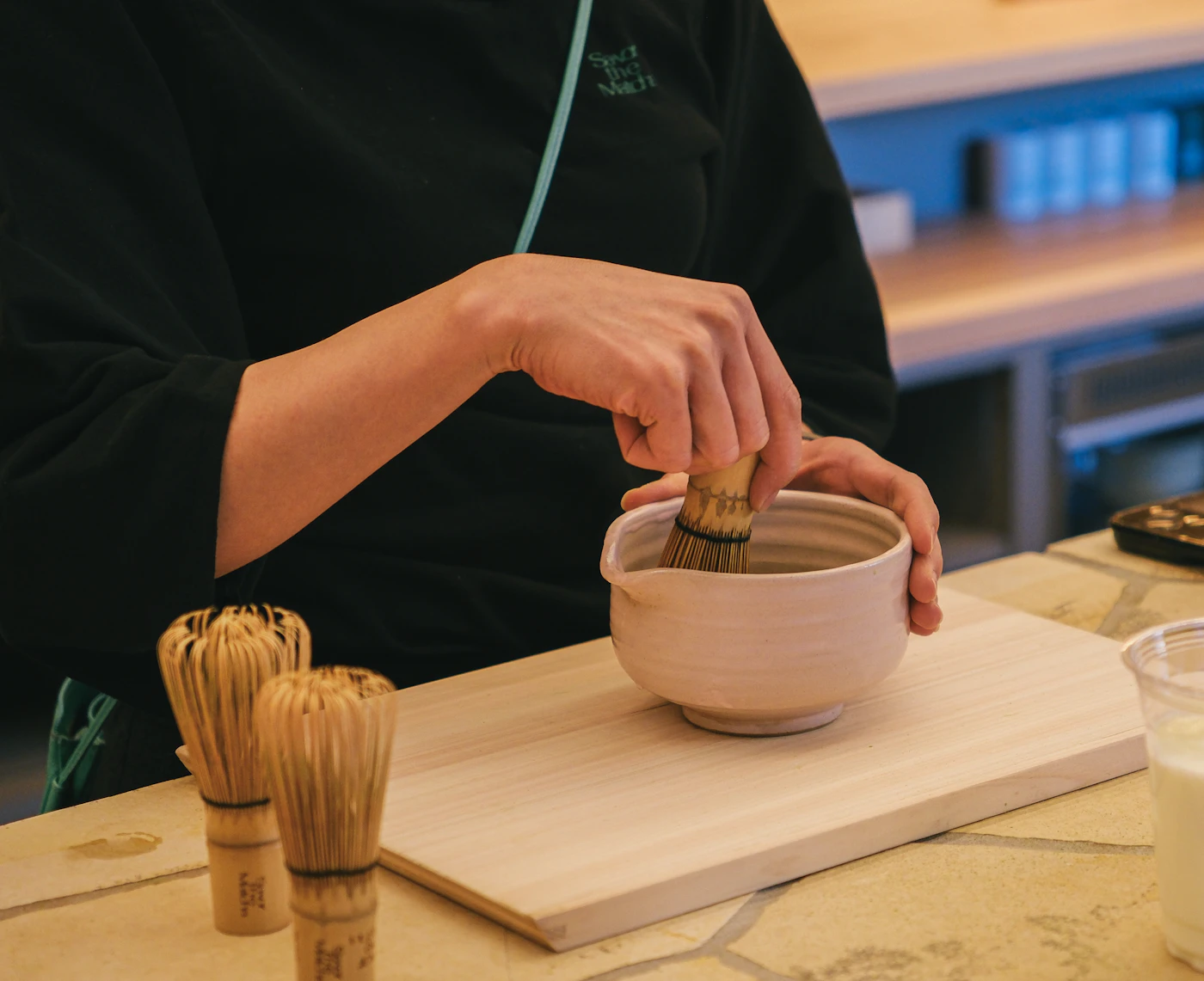
Prepare the matcha separately. Sift it into the bowl, then whisk with the measured cool water until no dry pockets remain. This small step helps prevent green specks and lumps that a quick blend may miss. Tea producer Ippodo also recommends sifting matcha to break up clumps before whisking.
Add liquid before protein powder. Pour milk into the blender first, followed by the powder, prepared matcha and ice. Blend for the recipe’s 15–25 seconds, stopping once smooth. Follow your blender’s capacity and loading instructions. A small single-serving container is convenient for this quantity.
Adjust after the first blend. If it is too thick, add milk one tablespoon at a time. If you prefer a thicker shake, add a little extra ice and blend briefly. Taste before sweetening: vanilla protein powders can already be quite sweet. These adjustments change the final volume and, when milk is added, the nutrition.
Make It Without a Blender
For a no-blender matcha protein latte, sift and whisk the matcha with water in a bowl. Separately, shake the milk and protein powder in a shaker bottle until the mixture looks smooth. Put ice into a glass, pour in the protein milk, then add the prepared matcha. Stir for an even flavor or leave the layers visible until serving.
Do not expect a shaker to crush ice or blend frozen fruit. Use this method for the plain iced version. Never put hot liquid into a sealed shaker.
Three Matcha Protein Drink Variations
Strawberry matcha protein smoothie
Add ½ cup frozen strawberries to the base recipe. Start with less ice because the berries also thicken the drink. Blend until the fruit is broken down, then loosen with a splash of milk if necessary. The result is fruitier and less like a plain latte.
Banana matcha breakfast shake
Blend in half a medium banana and a pinch of cinnamon. Frozen banana gives a thicker texture; fresh banana produces a softer shake. Taste before adding sweetener. The banana changes the carbohydrates and calories, so include it when calculating nutrition.
Chocolate matcha protein shake
Start with 1 teaspoon unsweetened cocoa powder blended into the vanilla base. Taste before adding more: both cocoa and matcha can be bitter. Chocolate protein powder can replace vanilla if you prefer, but its sweetness may differ. Keep the same label-based serving size.
Troubleshooting: Clumps, Bitterness and Texture
| Problem | What to try |
|---|---|
| Green clumps | Sift and whisk the matcha with water before combining it with milk. |
| Protein lumps | Add milk first, then powder. Use a shaker ball for the no-blender version. |
| Too bitter | Use a milder-tasting matcha or less matcha next time; taste before adding sweetener. |
| Chalky or too thick | Add milk gradually. If the texture persists, try a powder you prefer in cold drinks. |
| Too foamy | Blend only until smooth, then let the foam settle briefly before drinking. |
| Watery or separated | Use less ice next time, serve promptly, and stir or shake after refrigeration. |
Change one thing at a time. Adding fruit, more powder and extra milk together makes it difficult to identify what improved the drink. Some settling is expected with a drink made from powders; appearance alone does not establish whether a stored drink is safe.
How Much Protein and How Many Calories?
There is no single accurate nutrition label for every version of this recipe. Calculate the whole serving from the milk, the actual powder portion, matcha and any extras. Use the amounts on your packages, adjusting when a label’s serving size differs from the amount you use.
Protein per drink = protein in the milk used + protein in the powder used + protein from any other ingredients. Apply the same approach to calories, carbohydrates, fat and sugar. If you split the batch into two equal portions, divide the batch totals by two.
Do not count a 30 g scoop of powder as 30 g protein. Likewise, unsweetened milk and no added syrup do not guarantee a sugar-free drink: the powder or milk may still contain sugar. The recipe card intentionally leaves unverified nutrient values blank. Our lighter matcha drink variations offer other preparation ideas.
Caffeine and When to Drink It
Matcha contains caffeine, and the amount in this drink depends on the powder and portion. Use a manufacturer’s caffeine information when available; do not apply an ordinary brewed-tea estimate to matcha. Also check whether your protein powder contains added caffeine.
The FDA’s caffeine guidance cites 400 mg daily as an amount not generally associated with negative effects for most adults, while emphasizing individual differences. That is not a target or suitable limit for everyone. Count other caffeine sources, avoid late servings if they affect sleep, and seek individual advice during pregnancy or when health conditions or medicines affect tolerance.
Can It Help With Weight Management?
This recipe is a way to include a protein-containing drink in your eating pattern, not a promise of weight loss. Adding it on top of your usual intake is different from using it in place of another drink. Portions and the complete diet matter.
NCCIH notes that green tea’s effects on body weight may be modest and vary by product and activity. That evidence does not establish a weight-loss effect for this particular shake. Choose it for its flavor and ingredients, without relying on fat-burning claims.
Storage and Make-Ahead Tips
Serve immediately for the best texture. If preparing ahead, mix without ice, transfer to a clean covered container and refrigerate promptly. Add ice just before serving and shake or stir after storage. For best quality, make only what you plan to drink that day; follow any shorter preparation or storage limit on the milk and protein powder.
Keep the drink at 40°F (4°C) or below. FoodSafety.gov’s refrigeration guidance sets a two-hour limit outside refrigeration for perishable foods, shortened to one hour above 90°F (32°C). Keep a take-along serving chilled with ice packs rather than leaving it in a warm car.
FAQS
Can I put protein powder directly into hot matcha?
You can combine them, but some protein powders clump in very hot liquid. Mix the powder into cool or lukewarm milk first and follow its preparation directions. Never shake hot liquids in a sealed bottle.
Does matcha have much protein by itself?
A teaspoon of matcha is not the main protein source in this recipe. Most of the protein comes from the milk and protein powder. Use their labels to calculate the amount in your drink.
Can I make a dairy-free matcha protein shake?
Yes. Use a dairy-free protein powder with a suitable plant-based milk. Check all ingredient and allergen labels; whey, casein and lactose-free dairy milk are still milk-derived.
When should I drink a matcha protein shake?
Choose a time that fits your meals and caffeine tolerance. There is no special time required for this recipe. Avoid it near bedtime if caffeine affects your sleep.
Can I use a ready-to-drink protein shake?
Yes. For an adaptation, use a suitable vanilla ready-to-drink shake in place of the milk and powder together. Check its serving volume, sweetness and caffeine information, then recalculate nutrition from the bottle label.
Can I make it without protein powder?
Yes, but it becomes a matcha milk drink with a different protein total. Keep the matcha-water mixture, milk and ice, then adjust sweetness to taste. Do not use the powder-based recipe’s nutrition for that version.
Can I use regular green tea instead of matcha?
Brewed green tea is a different ingredient and does not make the same recipe. It adds liquid instead of powdered tea, so the flavor, color and milk-to-tea ratio will change.