
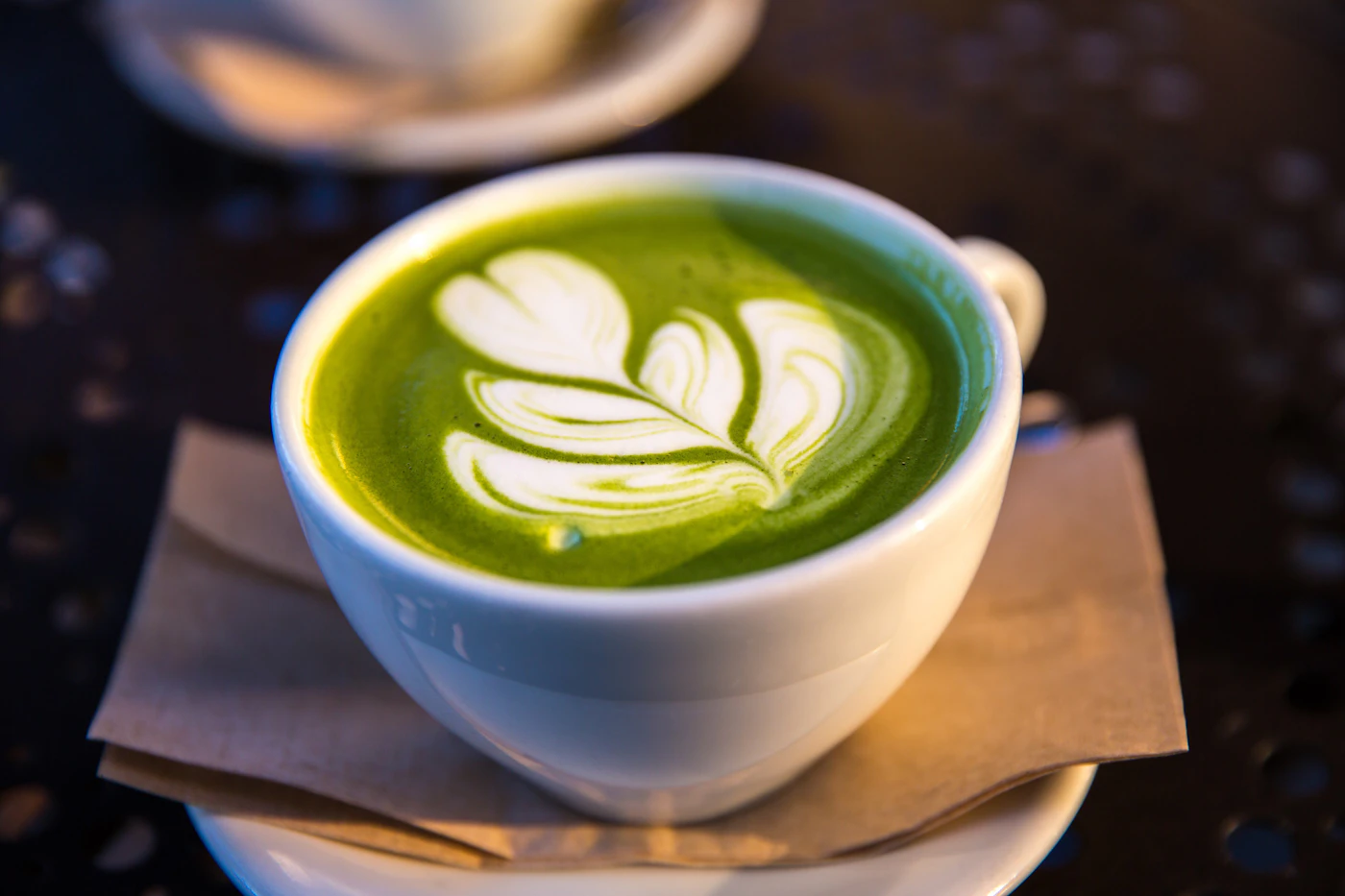
This matcha recipe for weight loss is designed as a simple, low-calorie drink you can use in place of a sugary latte, soda, or high-calorie coffee drink. Matcha itself is not a proven fat-loss treatment, but an unsweetened matcha drink can fit well into a weight-conscious eating pattern because it can be prepared with very few calories and still provides a flavorful, caffeinated beverage.
The easiest version is simple: whisk 1 teaspoon matcha with a small amount of warm water, then add more water or unsweetened milk. From there, you can turn it into an iced lemon matcha, a low-calorie latte, a protein smoothie, or a chia drink depending on what you want from the recipe.
If you already enjoy matcha, the most useful strategy is to focus less on “metabolism hacks” and more on what the drink replaces. Swapping a heavily sweetened café drink for a homemade version with little or no added sugar can reduce calorie intake without requiring a complicated routine.
Basic Matcha Recipe for Weight Loss
This is the version I would start with if your goal is a low-calorie matcha drink that is easy to make every day.
Ingredients
- 1 teaspoon matcha powder
- 2 ounces warm water, not boiling
- 6–8 ounces cold or warm water
- Ice, optional
- Zero-calorie or small amount of sweetener, optional
- Squeeze of lemon, optional
Instructions
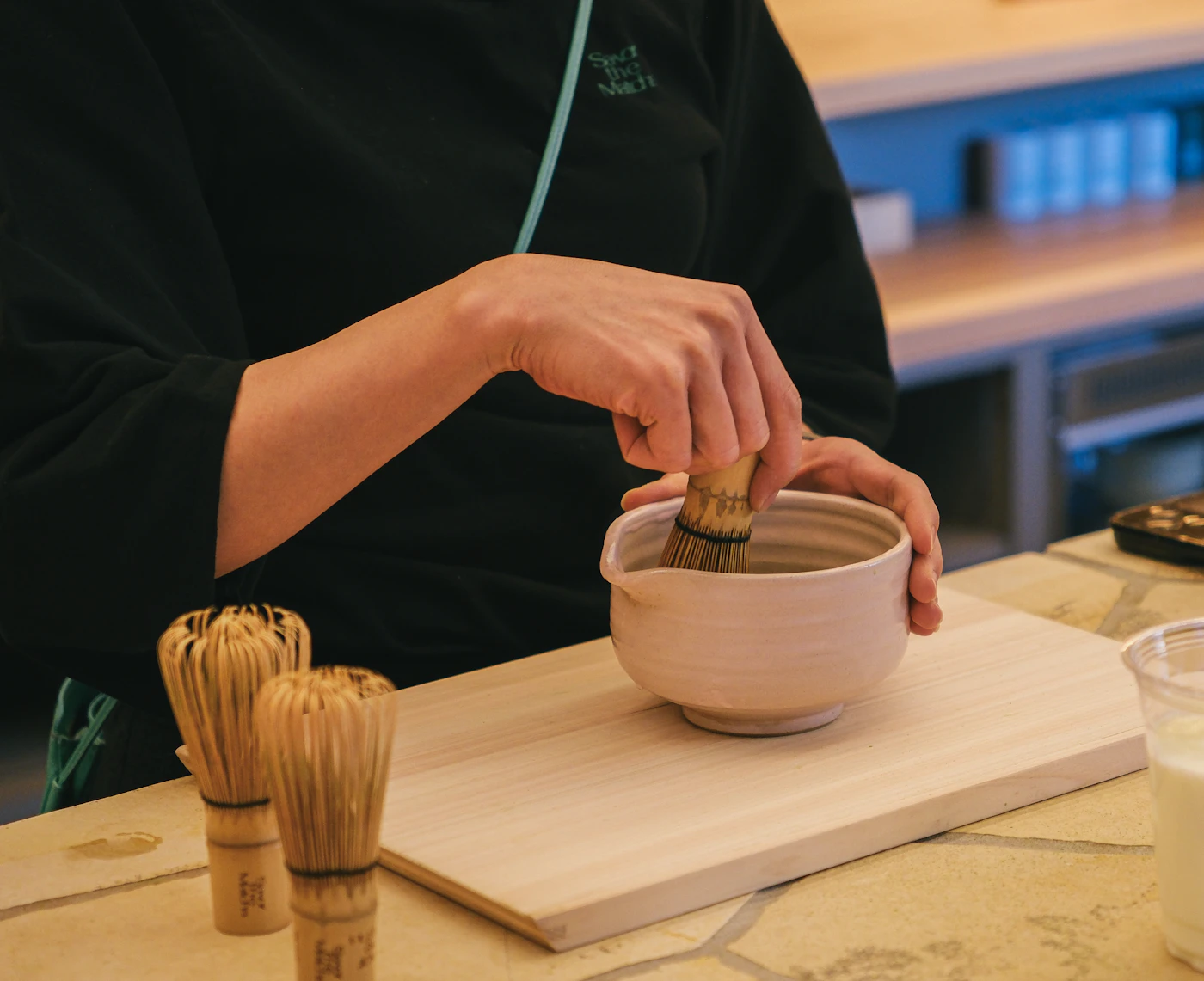
- Sift the matcha into a cup or small bowl to reduce clumps.
- Add the warm water.
- Whisk briskly until the matcha is smooth and lightly foamy.
- Add the remaining water.
- Serve warm or pour over ice.
- Add lemon or a small amount of sweetener if desired.
Estimated calories: about 5–10 calories when made with water and no caloric sweetener.
That low calorie count is what makes the basic drink useful in a weight-loss routine. The benefit is not that matcha “melts fat”; it is that the drink can replace beverages that contain much more sugar, cream, or syrup.
Does Matcha Actually Help With Weight Loss?
Matcha contains caffeine and catechins, including EGCG, compounds that have been studied in green tea research. However, it is important not to turn that into a stronger claim than the evidence supports. Drinking matcha does not automatically produce meaningful weight loss, and no single beverage replaces an overall calorie deficit, adequate protein, fiber-rich foods, sleep, physical activity, and sustainable eating habits.
A 2024 analysis of matcha found that matcha powder contains caffeine and several phenolic compounds, but the composition varies depending on the product and how it is grown and processed. A more recent review also notes that a typical matcha serving can contain a substantial amount of caffeine, although the exact amount differs by brand and serving size.
In practical terms, matcha can support a weight-conscious routine in three ways:
- It can replace higher-calorie drinks. A homemade matcha made with water or unsweetened milk can contain far fewer calories than a sweetened coffee-shop latte.
- It provides caffeine. Some people find a caffeinated drink useful for alertness or before exercise, though caffeine tolerance varies.
- It can be combined with filling foods. Matcha works well in protein smoothies, yogurt bowls, and chia drinks when you want a more substantial snack or breakfast.
For more meal ideas built around satiety rather than quick fixes, see our high-protein high-fiber meals guide.
5 Easy Matcha Recipes for Weight Loss
1. Classic Low-Calorie Matcha Water
Best for: the lowest-calorie option
Ingredients:
- 1 teaspoon matcha
- 2 ounces warm water
- 6–8 ounces additional water
- Ice if desired
Estimated calories: 5–10
This is the simplest recipe and the easiest one to keep low in calories. It works well in the morning or early afternoon if caffeine does not interfere with your sleep.
If you are unsure whether matcha should be served hot, our guide on drinking matcha hot explains temperature, preparation, and flavor in more detail.
2. Iced Lemon Matcha
Best for: a refreshing soda or lemonade alternative
Ingredients:
- 1 teaspoon matcha
- 2 ounces warm water
- 6 ounces cold water
- Juice from 1/4 to 1/2 lemon
- Ice
- Optional non-caloric sweetener
Estimated calories: 10–15
Whisk the matcha with warm water first, then pour it over ice with cold water and lemon juice. The lemon does not transform matcha into a fat-burning drink; it simply changes the flavor and can make unsweetened matcha easier to enjoy.
3. Low-Calorie Matcha Latte
Best for: replacing a sweet coffee-shop latte
Ingredients:
- 1 teaspoon matcha
- 2 ounces warm water
- 6 ounces unsweetened almond milk or another lower-calorie milk
- Optional vanilla extract
- Optional sweetener
Estimated calories: roughly 35–80, depending on the milk and sweetener used
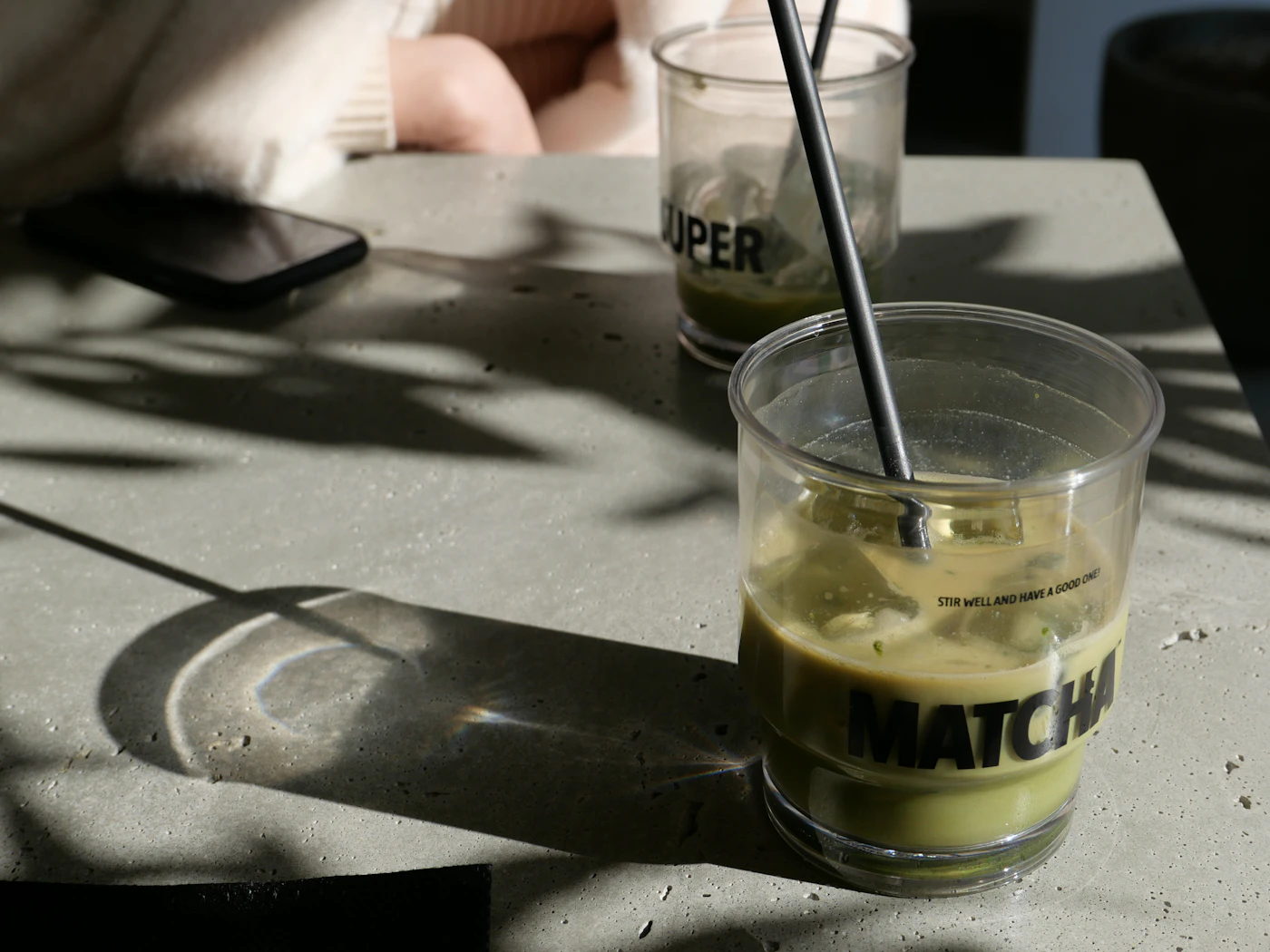
Whisk the matcha with water, warm or froth the milk separately, then combine. This variation becomes much more calorie-dense if you add syrups, sweetened milk, honey, sugar, whipped cream, or large amounts of flavored creamer.
For weight management, the easiest approach is to control the ingredients at home rather than assuming any drink labeled “matcha” is automatically light or healthy.
4. Matcha Protein Smoothie
Best for: breakfast or a more filling snack
Ingredients:
- 1 teaspoon matcha
- 3/4 cup unsweetened milk
- 1/2 cup plain Greek yogurt
- 1/2 cup frozen berries or 1/2 small banana
- Handful of spinach
- Ice
- Optional protein powder if needed
Estimated calories: about 180–280 depending on ingredients
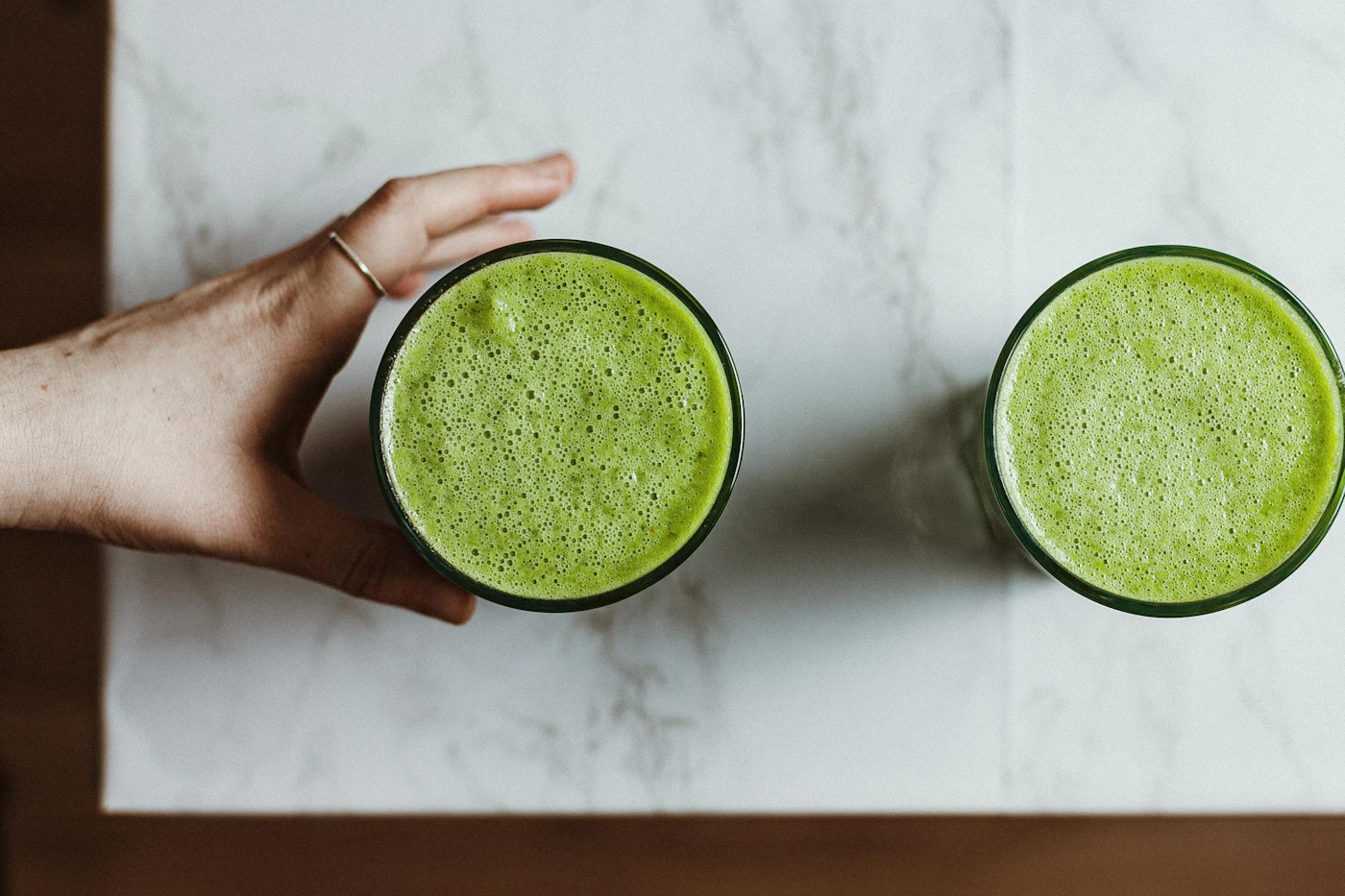
This variation is higher in calories than plain matcha, but it is also much more substantial. Greek yogurt provides protein, fruit adds flavor and fiber, and spinach increases volume without adding many calories.
If you are using matcha as part of breakfast rather than just as a drink, this type of recipe makes more sense than trying to rely on matcha alone to control hunger.
For more blended options, see our best smoothie recipes for weight loss.
5. Matcha Chia Drink
Best for: adding fiber and texture
Ingredients:
- 1 teaspoon matcha
- 8 ounces water or unsweetened milk
- 1 tablespoon chia seeds
- Ice
- Optional lemon
- Optional sweetener
Estimated calories: about 65–110 depending on the liquid used
Whisk the matcha with a small amount of warm water. Stir in the remaining liquid and chia seeds, then allow the mixture to sit for 10–15 minutes so the seeds can hydrate.
Chia adds calories, but it also adds fiber and changes the drink from a simple beverage into something more substantial. If you are new to chia, start with a modest portion and increase fiber gradually.
You can learn more about hydrated chia in our chia seed water and chia jello guide.
Which Matcha Recipe Is Best for Weight Loss?
| Recipe | Estimated Calories | Best Use |
|---|---|---|
| Classic matcha water | 5–10 | Lowest-calorie drink |
| Iced lemon matcha | 10–15 | Refreshing drink |
| Low-calorie matcha latte | 35–80 | Café-style replacement |
| Matcha protein smoothie | 180–280 | Breakfast or filling snack |
| Matcha chia drink | 65–110 | Fiber-focused drink |
If the goal is simply to reduce beverage calories, the classic matcha water or iced lemon matcha is the best fit. If the goal is to replace breakfast or create a more filling snack, the protein smoothie or chia version makes more sense.
How to Make Matcha Taste Better Without Adding Lots of Calories
Many people dislike matcha the first time because it can taste grassy, bitter, or overly concentrated. You do not need to cover that taste with large amounts of sugar.
- Use less matcha at first, then increase gradually.
- Do not use aggressively boiling water, which can make the flavor harsher.
- Sift the powder to prevent clumps.
- Add cinnamon, vanilla, lemon, or mint.
- Use a small amount of unsweetened milk for creaminess.
- If needed, use a modest amount of sweetener rather than turning the drink into dessert.
For flavor pairing ideas beyond weight loss, see what pairs nicely with matcha.
Matcha Latte vs Homemade Matcha for Weight Loss
The word “matcha” does not automatically mean low calorie. A homemade matcha made with water may contain almost no calories, while a large café matcha latte can contain much more because of sweetened milk, syrups, flavorings, and toppings.
If you are trying to manage calories, pay attention to:
- Milk type and quantity
- Added sugar
- Sweetened matcha mixes
- Syrups
- Whipped cream
- Serving size
Some commercial matcha powders are already mixed with sugar. Check the ingredient list before assuming the powder is pure matcha.
How Much Matcha Should You Use?
For most homemade drinks, about 1 teaspoon is a practical starting point. You do not need several spoonfuls to make the drink “work better.” More matcha also means more caffeine and a stronger flavor.
Matcha contains caffeine, and the amount can vary substantially between products. Research has reported wide differences depending on origin, preparation, and serving size. That is one reason it is better to pay attention to how your body responds than to assume every teaspoon has exactly the same caffeine content.
If you are sensitive to caffeine, pregnant, breastfeeding, taking medications that interact with caffeine, or have a medical reason to limit caffeine, discuss your intake with a qualified healthcare professional.
When Is the Best Time to Drink Matcha for Weight Loss?
There is no scientifically established “fat-burning time” for matcha. The best time is the time that fits your routine and does not interfere with sleep or cause discomfort.
Common options include:
- Morning: as an alternative to coffee or a sugary latte.
- With breakfast: especially if paired with protein and fiber.
- Before exercise: if you tolerate caffeine well.
- Early afternoon: for people who want a caffeinated drink but can still sleep normally later.
Avoid turning timing into a complicated rule. If drinking matcha late in the day affects your sleep, that can work against weight-management efforts because sleep quality is itself important for appetite regulation and overall health.
Common Mistakes With Matcha for Weight Loss
Adding Too Much Sugar
A drink can begin with nearly zero calories and become calorie-dense quickly once you add sugar, honey, syrup, sweetened creamer, or condensed milk.
Assuming “Healthy” Means Unlimited
Nut milks, oat milk, nuts, chia, and avocado can all fit a healthy diet, but calories still add up. Portion awareness matters.
Using Matcha Instead of Eating
Plain matcha is not a balanced meal. If you are hungry, pair it with protein, fiber, and a proper meal rather than using caffeine to repeatedly delay eating.
Expecting Matcha to Target Belly Fat
Matcha does not selectively burn belly fat. Body-fat loss occurs across the body according to genetics, hormones, energy balance, and other factors.
Drinking It Too Late
Caffeine close to bedtime can disrupt sleep in sensitive people. Poor sleep can make hunger and food choices harder to manage the next day.
Can Matcha Fit a GLP-1-Friendly Eating Pattern?
Matcha can fit into many eating patterns, including one used by people taking GLP-1 medications, but the drink itself is not a substitute for medical treatment and should not be described as “natural Ozempic.” If appetite is reduced, nutrient-dense meals with adequate protein, fiber, fluids, and micronutrients become especially important.
Our natural GLP-1 foods list focuses on foods that may support fullness and overall diet quality without claiming they reproduce the effects of prescription medications.
Frequently Asked Questions
What is the best matcha recipe for weight loss?
The simplest option is matcha whisked with warm water and then diluted with more water or poured over ice. It contains very few calories when made without sugar. For a more filling option, combine matcha with Greek yogurt or a protein-rich milk in a smoothie.
Does matcha burn belly fat?
No drink has been proven to selectively burn belly fat. Matcha contains caffeine and catechins, but meaningful fat loss still depends on the overall eating pattern, calorie balance, activity, sleep, and other individual factors.
Can I drink matcha every day for weight loss?
Many adults can include matcha as a regular beverage, but it contains caffeine and individual tolerance varies. Drinking matcha every day does not guarantee weight loss. Pay attention to caffeine intake, added sugar, and how the drink fits into your overall diet.
Is matcha better with water or milk for weight loss?
Matcha with water is lower in calories. Milk can make the drink more filling and may add protein, but the calorie content depends on the type and amount of milk used. Either can fit a weight-loss diet when portions are appropriate.
Should I drink matcha before or after breakfast?
There is no proven weight-loss advantage to a specific timing. Drink it when it fits your routine and does not interfere with sleep or cause stomach discomfort. If matcha makes you feel jittery on an empty stomach, have it with food.
How many calories are in homemade matcha?
Matcha made with water and no sugar may contain only about 5 to 10 calories. A latte or smoothie can contain much more depending on milk, fruit, protein powder, syrup, and other ingredients.
Bottom Line
A useful matcha recipe for weight loss is one that fits your calorie needs and replaces a higher-calorie drink you would otherwise consume. The classic water version is the lowest-calorie choice, while a matcha protein smoothie or chia drink can be more appropriate when you need something filling.
Matcha can be a flavorful part of a healthy diet, but it is not a shortcut to fat loss. Focus on the full eating pattern: adequate protein, fiber-rich foods, sensible portions, hydration, movement, and sleep.
Sources
- Matcha Green Tea: Chemical Composition, Phenolic Acids, Caffeine and Fatty Acid Profile (2024)
- Influence of Origin, Harvest Time, and Cultivation Method on Matcha Bioactive Compounds
- Matcha as a Source of Bioactive Compounds: Review of Health-Promoting Properties
Disclaimer: This article is for general informational purposes only and is not medical advice. If you have a medical condition, take medications, are pregnant or breastfeeding, or need to limit caffeine, ask a qualified healthcare professional what is appropriate for you.