
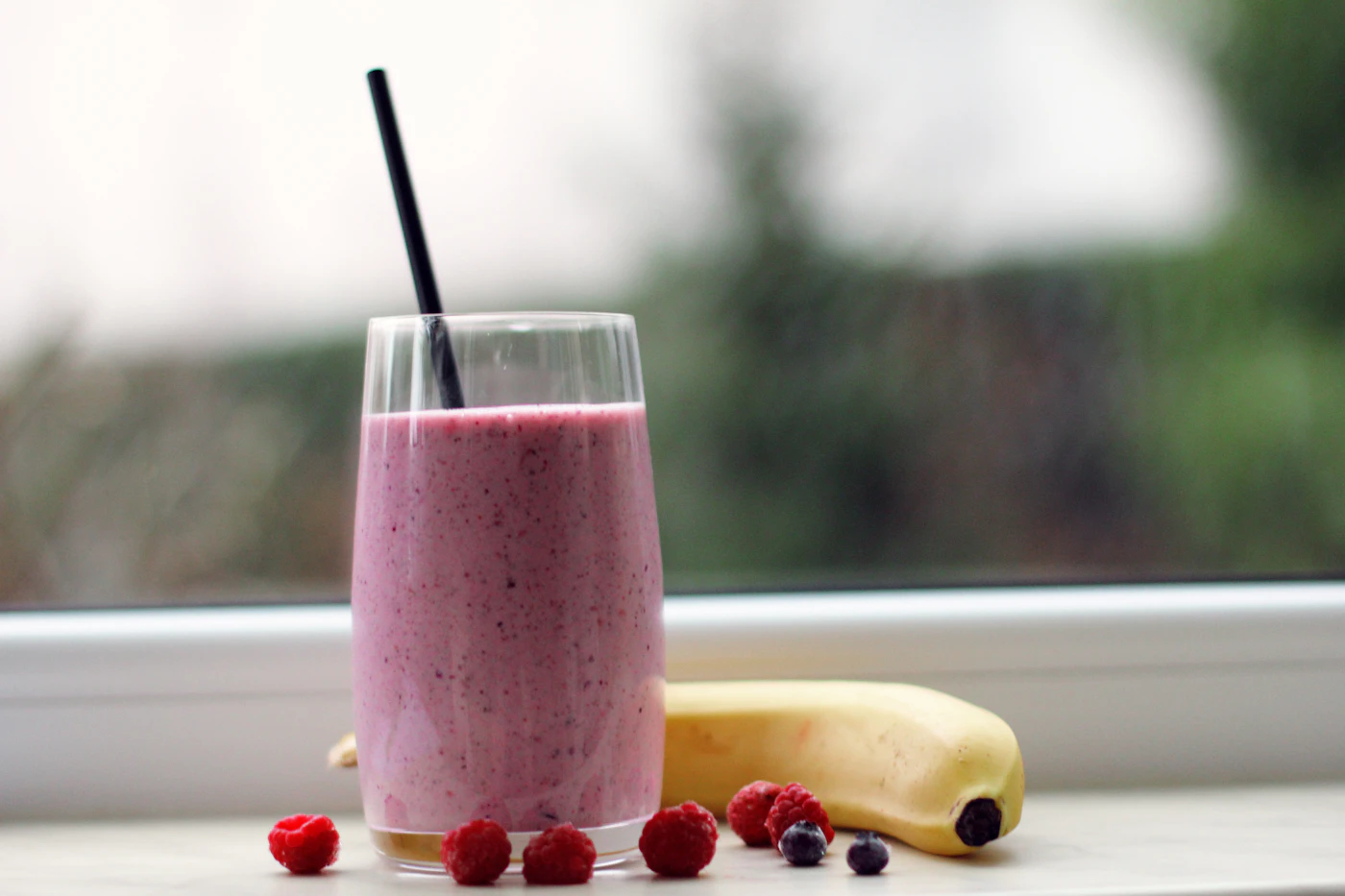
The best protein shakes for weight loss are the ones that give you enough protein to feel satisfied without turning into a high-calorie dessert. A useful shake usually contains roughly 20–35 grams of protein, modest added sugar, and a calorie level that fits your day. Protein shakes do not cause fat loss by themselves, but they can make it easier to replace a less balanced snack, build a quick breakfast, or hit your protein target when whole-food meals are inconvenient.
This guide includes 10 easy protein shake ideas for weight loss, with approximate calories and protein, plus tips for choosing protein powder, avoiding common mistakes, and deciding when a shake makes sense versus a full meal. Nutrition values are estimates and will vary by brand, ingredient amounts, and preparation.
If you are looking for fruit- and vegetable-focused blends rather than protein-first drinks, use our best smoothie recipes for weight loss. This article focuses specifically on shakes where protein is the main nutrition priority.
What Makes a Protein Shake Good for Weight Loss?
A protein shake can fit a weight-loss plan when it helps you manage hunger and calories more easily. The most useful shakes tend to have four characteristics:
- Enough protein: often around 20–35 grams per serving.
- Controlled calories: commonly around 150–350 calories depending on whether it is a snack or meal.
- Limited added sugar: sweetness can come from fruit, cocoa, cinnamon, vanilla, or a small amount of sweetener.
- Some fiber when possible: berries, chia, flax, oats, or vegetables can make the shake more satisfying.
The best shake is not necessarily the lowest-calorie one. A 100-calorie shake with very little protein or fiber may leave you hungry quickly, while a 250-calorie shake with 30 grams of protein and some fiber may work better as a breakfast or snack.
Protein is especially useful during weight loss because adequate intake can support fullness and help preserve lean mass when calories are reduced. That does not mean “more is always better.” Total daily intake matters more than forcing huge amounts of protein into one drink.
10 Best Protein Shakes for Weight Loss
| Shake | Approx. Calories | Approx. Protein |
|---|---|---|
| Berry Greek Yogurt Protein Shake | 220 | 28 g |
| Chocolate Banana Protein Shake | 260 | 30 g |
| Vanilla Cinnamon Protein Shake | 190 | 27 g |
| Green Protein Shake | 210 | 29 g |
| Peanut Butter Protein Shake | 290 | 32 g |
| Coffee Protein Shake | 180 | 28 g |
| Strawberry Cottage Cheese Shake | 240 | 30 g |
| High-Fiber Chia Protein Shake | 270 | 29 g |
| Chocolate Cherry Protein Shake | 250 | 30 g |
| Simple 3-Ingredient Protein Shake | 160 | 25 g |
All nutrition values are estimates. Check the label of your protein powder, milk, yogurt, and other ingredients for exact numbers.
1. Berry Greek Yogurt Protein Shake
Approx. 220 calories, 28 g protein
- 1/2 cup plain Greek yogurt
- 1/2 cup mixed berries
- 1 scoop vanilla protein powder
- 3/4 cup unsweetened milk
- Ice
Blend until smooth. This shake combines protein from Greek yogurt and protein powder with berries for flavor, color, and fiber. It is a good breakfast or post-workout option when you want something filling without a lot of added sugar.
For more berry-based ideas, you can also adapt recipes from our weight-loss smoothie guide by increasing the protein source and keeping calorie-dense add-ins measured.
2. Chocolate Banana Protein Shake
Approx. 260 calories, 30 g protein
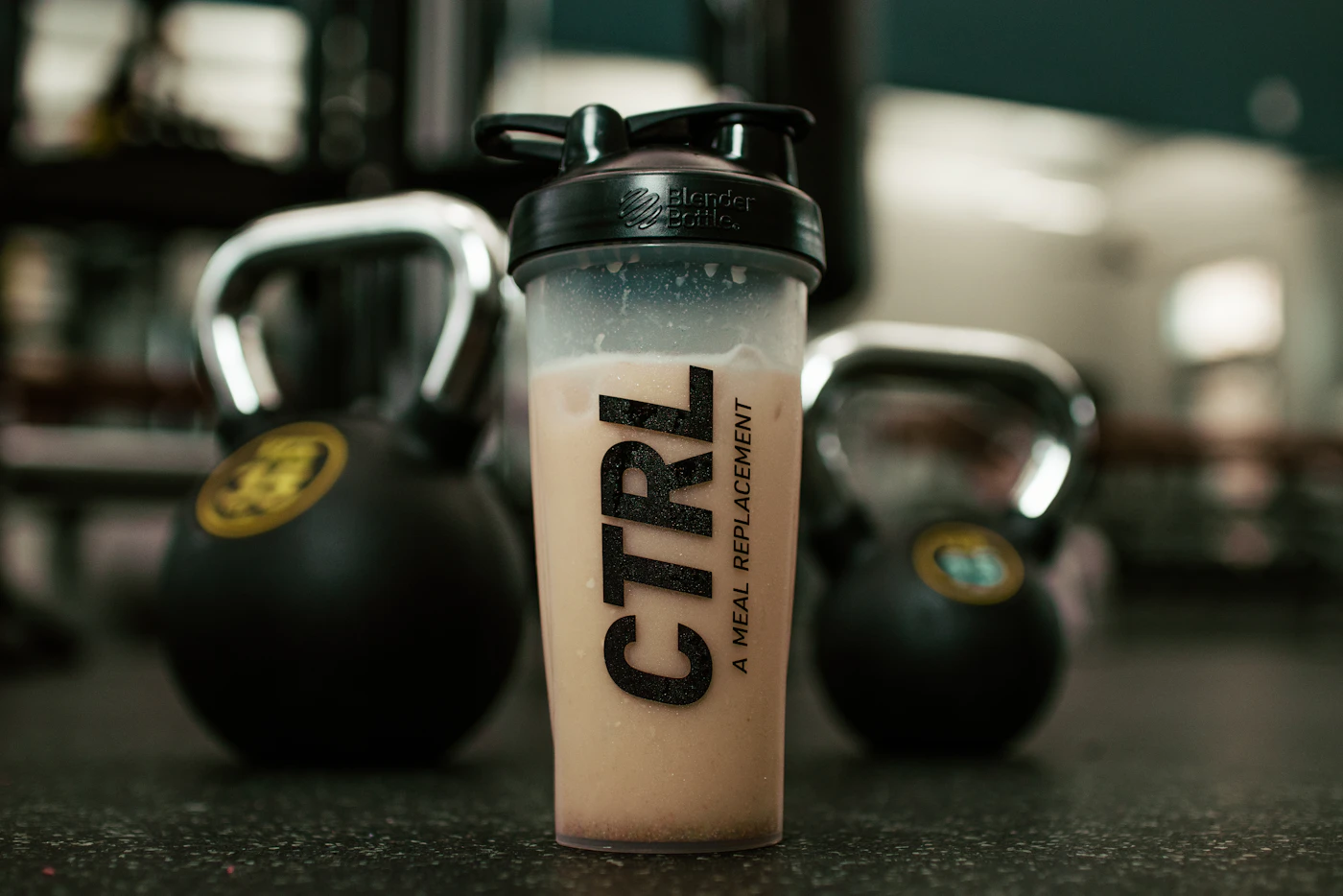
- 1 scoop chocolate protein powder
- 1/2 small banana
- 1 cup unsweetened milk
- 1 teaspoon unsweetened cocoa powder
- Ice
Banana makes the shake creamier and sweeter without needing syrup. Using half a banana keeps the calorie load moderate while still improving texture.
3. Vanilla Cinnamon Protein Shake
Approx. 190 calories, 27 g protein
- 1 scoop vanilla protein powder
- 1 cup unsweetened almond milk or another light milk
- 1/2 teaspoon cinnamon
- 1/2 teaspoon vanilla extract
- Ice
This is one of the lowest-calorie options on the list. Cinnamon and vanilla add flavor without adding much energy. If the shake feels too thin, add a few tablespoons of Greek yogurt rather than a large amount of nut butter.
4. Green Protein Shake
Approx. 210 calories, 29 g protein
- 1 scoop vanilla or unflavored protein powder
- 1 handful spinach
- 1/2 cup frozen berries or 1/2 green apple
- 1 cup unsweetened milk
- Ice
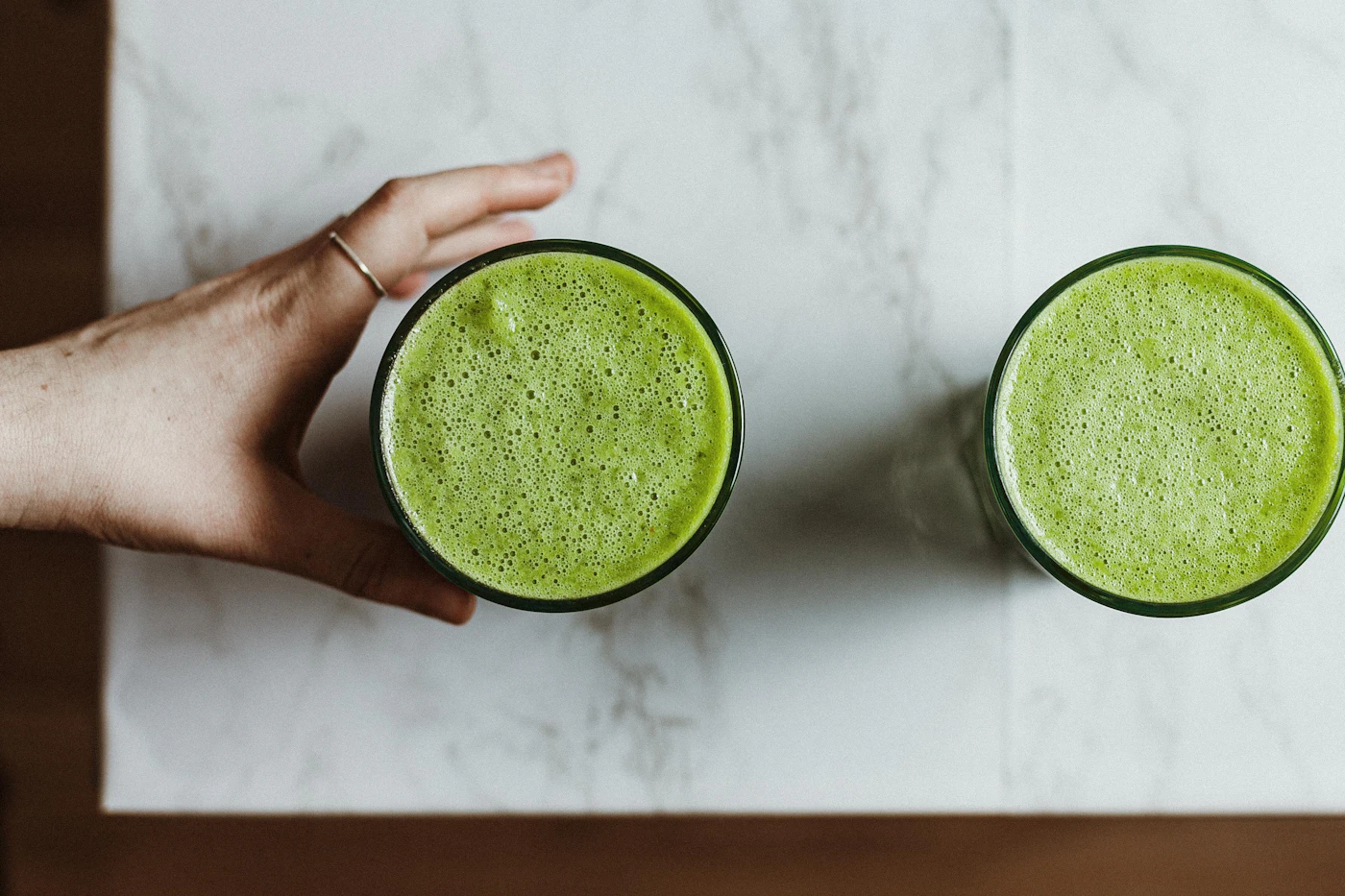
Spinach adds volume and micronutrients without dramatically changing the calories. Fruit keeps the flavor balanced. This is a good example of how a protein shake can borrow the best parts of a smoothie while staying protein-first.
5. Peanut Butter Protein Shake
Approx. 290 calories, 32 g protein
- 1 scoop chocolate or vanilla protein powder
- 1 cup unsweetened milk
- 1 tablespoon peanut butter
- 1/2 small banana
- Ice
Peanut butter adds flavor and texture, but it is calorie-dense. One measured tablespoon is usually enough. Avoid adding multiple spoonfuls if your main goal is calorie control.
6. Coffee Protein Shake
Approx. 180 calories, 28 g protein
- 1 scoop vanilla or chocolate protein powder
- 1/2 cup chilled coffee
- 1/2 cup unsweetened milk
- Ice
- Cinnamon, optional
This works well for people who already drink coffee in the morning. It can replace a sweetened iced coffee while adding protein. Remember that the shake contains caffeine, so timing matters if caffeine affects your sleep.
7. Strawberry Cottage Cheese Shake
Approx. 240 calories, 30 g protein
- 3/4 cup low-fat cottage cheese
- 1 cup strawberries
- 1/2 cup unsweetened milk
- Vanilla extract
- Ice
Cottage cheese blends surprisingly smoothly and can replace protein powder in some recipes. It also gives the shake a creamy texture. If you already enjoy cottage cheese recipes, see our cottage cheese wrap recipe for another high-protein option.
8. High-Fiber Chia Protein Shake
Approx. 270 calories, 29 g protein
- 1 scoop protein powder
- 1 tablespoon chia seeds
- 1/2 cup berries
- 1 cup unsweetened milk
- Ice
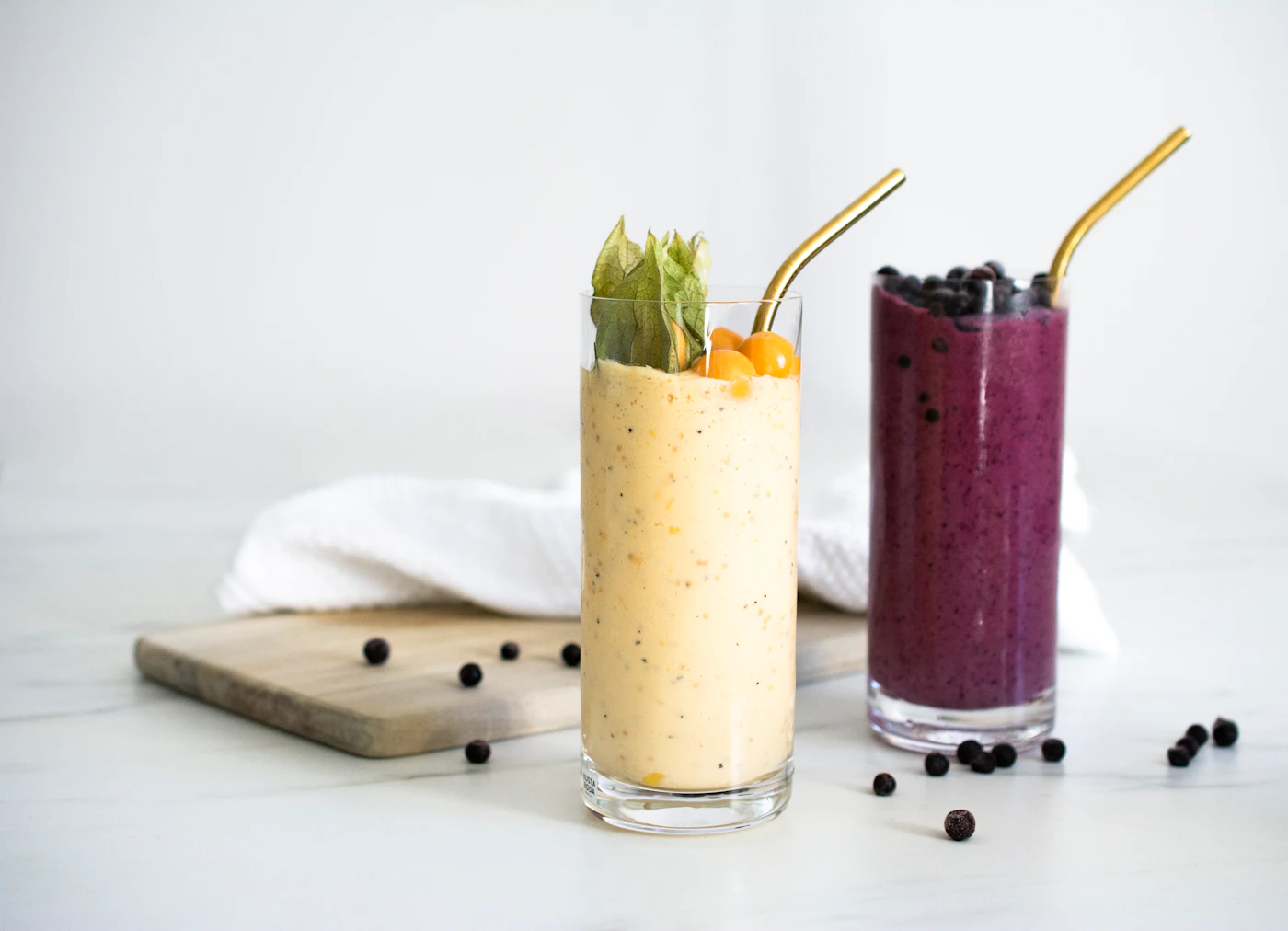
Chia adds fiber and thickness. It also adds calories, so one tablespoon is enough for most shakes. If you want more high-fiber meal ideas, use our high-protein high-fiber meals guide.
9. Chocolate Cherry Protein Shake
Approx. 250 calories, 30 g protein
- 1 scoop chocolate protein powder
- 1/2 cup frozen cherries
- 1 cup unsweetened milk
- 1 teaspoon cocoa powder
- Ice
Frozen cherries give the shake a dessert-like flavor without relying on chocolate syrup or ice cream. Keep the fruit portion measured if calorie control is important.
10. Simple 3-Ingredient Protein Shake
Approx. 160 calories, 25 g protein
- 1 scoop protein powder
- 1 cup unsweetened milk
- Ice
This is the easiest option when convenience matters most. It is not as high in fiber as the fruit-based shakes, but it can work well as a quick protein supplement alongside a piece of fruit or another fiber-rich food.
Protein Shake vs Smoothie: What Is the Difference?
The terms overlap, but the nutritional emphasis is usually different.
A protein shake is built around a concentrated protein source such as protein powder, Greek yogurt, cottage cheese, milk, or soy. A smoothie is often built primarily around fruit, vegetables, juice, yogurt, or milk.
Neither is automatically better. A fruit-heavy smoothie can be nutritious but low in protein, while a protein shake can be high in protein but low in fiber. The strongest weight-loss option often combines the two ideas: adequate protein plus some fruit, vegetables, chia, flax, or oats.
How Much Protein Should a Weight-Loss Shake Have?
For many adults, around 20–35 grams of protein in a shake is a practical range. That is enough to make the drink meaningful without turning it into an extreme protein load.
Your ideal amount depends on total daily protein needs, body size, age, activity level, medical conditions, and whether the shake is a snack or meal. People with kidney disease or other medical conditions may need individualized protein targets from a clinician or registered dietitian.
How Many Calories Should a Protein Shake Have for Weight Loss?
There is no universal number. A shake used as a snack may fit best around 150–250 calories, while a shake replacing a meal may need 250–400 calories or more depending on your needs.
The main question is: what is the shake replacing?
- If it replaces a 500-calorie café drink, a 200-calorie protein shake may reduce intake.
- If it is added on top of your normal meals when you are not hungry, it may increase calories.
- If it replaces a balanced meal but leaves you hungry an hour later, it may not be sustainable.
For more foods that help keep calorie density manageable, see our low-calorie food list.
Best Protein Powder for Weight-Loss Shakes: What to Look For
You do not need a special “weight-loss protein powder.” Instead, compare the nutrition label.
- Protein: around 20–30 grams per serving is common.
- Calories: often 100–160 per scoop, depending on the product.
- Added sugar: lower is usually easier to fit into a calorie-controlled plan.
- Ingredient list: choose a product you digest well and can use consistently.
- Protein type: whey, casein, soy, pea, and blended plant proteins can all work.
If you prefer whole foods, protein powder is optional. Greek yogurt, cottage cheese, milk, soy milk, and tofu can all provide protein in a blended drink.
Common Protein Shake Mistakes That Can Slow Weight Loss
Adding Too Many Calorie-Dense Extras
Nut butter, oats, seeds, coconut, honey, dates, avocado, and granola can all fit a healthy diet, but combining several in one shake can easily turn a 200-calorie drink into a 600-calorie meal.
Using Juice as the Main Liquid
Juice can add a lot of sugar and calories without the same fiber as whole fruit. Water or unsweetened milk is usually easier to control.
Assuming More Protein Is Always Better
A 60-gram protein shake is not automatically more useful than a 25-gram one. Spread protein across the day and match intake to your actual needs.
Drinking Calories Without Paying Attention to Hunger
Some people find liquids less satisfying than solid meals. If a shake leaves you hungry, pair it with fruit, vegetables, or another whole-food source of fiber, or choose a regular meal instead.
Using a Shake as a “Detox”
A protein shake is simply food in liquid form. It does not detox the body, reset metabolism, or cancel out overeating.
Are Protein Shakes Good for GLP-1 Users?
Protein shakes can be useful for some people taking GLP-1 medications, especially when appetite is reduced and eating enough protein becomes difficult. However, they should not replace individualized medical or nutrition advice.
People using GLP-1 medications may also experience nausea, fullness, reflux, or other digestive symptoms, so shake size and ingredients may need adjustment. A smaller, simple shake can sometimes be easier than a very large blended drink.
For food-based ideas around fullness and nutrient density, see our natural GLP-1 foods list.
Frequently Asked Questions
What is the best protein shake for weight loss?
A useful weight-loss protein shake usually provides about 20 to 35 grams of protein, keeps added sugar modest, and fits your calorie needs. A berry Greek yogurt shake, green protein shake, or simple protein powder shake can all work depending on whether you need a snack or meal.
Can I drink a protein shake every day for weight loss?
You can include a protein shake regularly if it fits your overall diet and nutrition needs, but drinking one every day does not guarantee weight loss. Total calorie intake, meal quality, activity, sleep, and consistency still matter.
How much protein should be in a weight-loss shake?
For many adults, roughly 20 to 35 grams of protein is a practical amount for a shake, but needs vary by body size, age, activity, health conditions, and total daily intake.
Should I use water or milk in a protein shake for weight loss?
Water is the lowest-calorie option. Unsweetened milk can add creaminess and sometimes extra protein. Either can work as long as the total calories fit your plan.
Are protein shakes better than meals for weight loss?
Not necessarily. Whole-food meals can provide more chewing, fiber, variety, and satisfaction. Protein shakes are mainly useful for convenience, quick breakfasts, snacks, or situations where eating enough protein is difficult.
Can protein shakes make you gain weight?
Yes, if they add more calories than you need. Protein shakes are not automatically low-calorie, especially when made with large amounts of nut butter, oats, sweeteners, juice, or other calorie-dense ingredients.
Bottom Line
The best protein shakes for weight loss are simple, protein-rich, and moderate in calories. A shake with 20–35 grams of protein, little added sugar, and some fiber can be a practical breakfast or snack, but it works best as part of an overall eating pattern rather than as a shortcut.
Start with a basic formula: protein source + unsweetened liquid + fruit or vegetables + ice. Then add extras only when they serve a purpose. If you want more full-meal options instead of drinks, use our high-protein high-fiber meals for weight loss.
Disclaimer: This article is for general informational purposes and is not individualized medical or nutrition advice. If you have kidney disease, diabetes, digestive conditions, are pregnant or breastfeeding, or use medications that affect appetite or blood sugar, ask a qualified healthcare professional about appropriate protein intake.