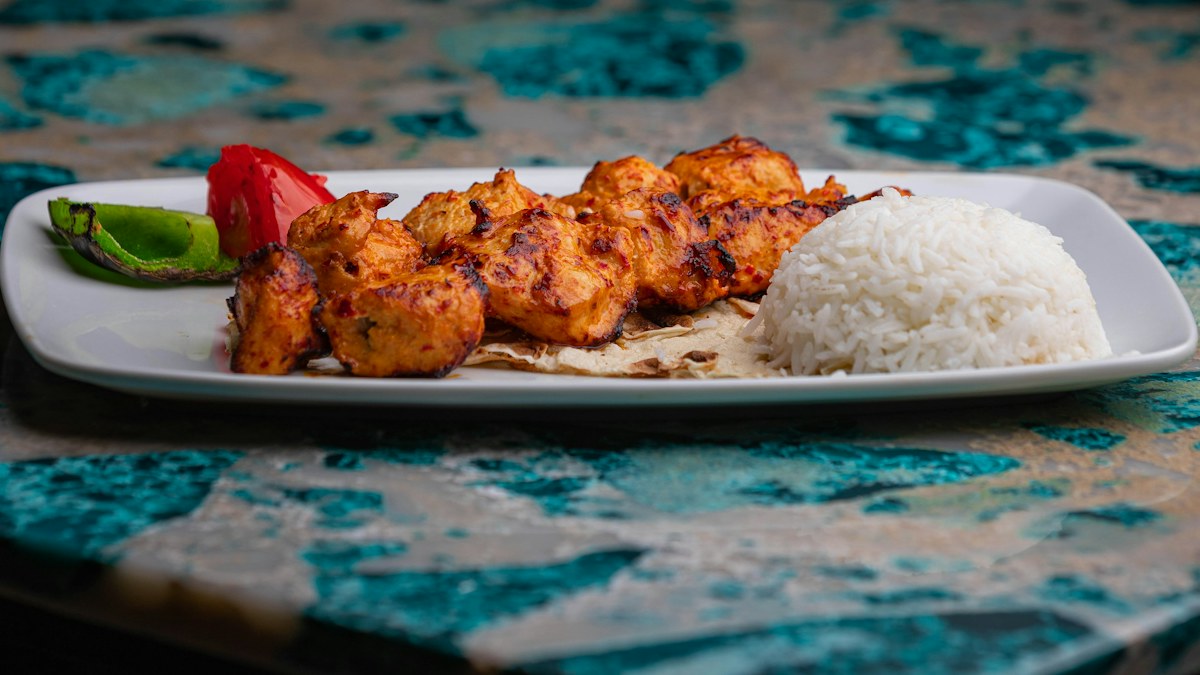
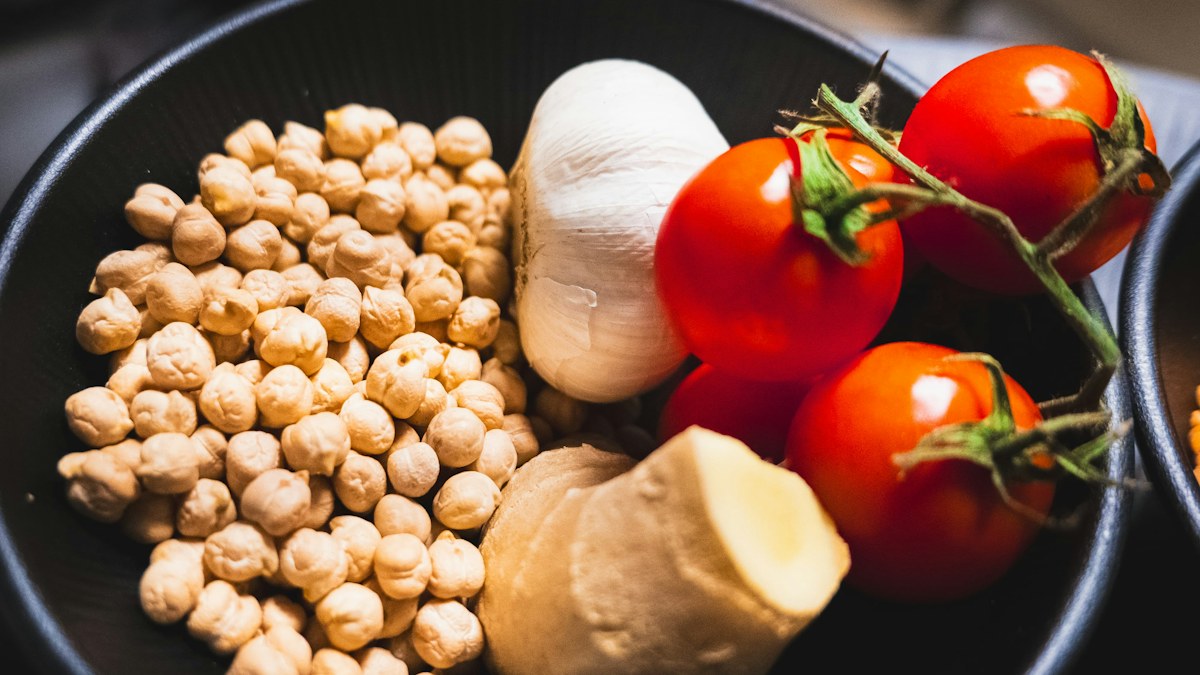
Good Mediterranean diet lunches are easy to build around beans, vegetables, whole grains, olive oil, and a protein you enjoy. For meal prep, the useful part is choosing dishes that hold their texture, share ingredients, and fit the equipment you have at lunchtime.
These 15 recipes include cold salads, warm bowls, wraps, soups, and one sardine lunch. Each recipe makes two servings, with clear quantities and packing notes. You will also find a five-lunch schedule and a matching shopping list, so you can start with three recipes instead of buying ingredients for all fifteen.
For the easiest first week, make the lemon chicken chickpea bowls and lentil carrot salad on Sunday, then prepare the hummus wraps on Wednesday. Freeze one lentil portion promptly for later and keep dressings separate until serving.
Mediterranean Lunch Ideas at a Glance
All times are approximate. Recipes that list cooked beans, grains, fish, or chicken assume those ingredients are already prepared. Time to cook them from dry or raw is additional unless stated otherwise.
Protein figures are rounded ingredient-based estimates per serving, not laboratory measurements. Brands, drained weights, bread size, and substitutions affect the result. Optional sides are excluded. Not every lunch here is intended to be high-protein.
| Lunch | Time | Estimated protein | Serve | Best meal-prep approach |
|---|---|---|---|---|
| Lemon chicken chickpea bowls | 15 min with cooked chicken | 38–43 g | Cold | Refrigerate components; dress at lunch |
| Lentil and roasted carrot salad | 35 min | 18–22 g | Cold or warm | Freeze lentil-carrot base; add greens later |
| Hummus roasted vegetable wraps | 30 min | 10–15 g | Cold | Store filling separately; roll on eating day |
| White bean tuna parsley salad | 10 min | 29–34 g | Cold | Refrigerate; add herbs near serving |
| Chickpea quinoa cucumber bowls | 15 min with cooked quinoa | 17–21 g | Cold | Drain vegetables and pack dressing separately |
| Chicken bulgur stuffed peppers | 35 min with cooked chicken/bulgur | 35–40 g | Hot | Refrigerate or freeze portions |
| Tomato white bean spinach soup | 25 min | 13–18 g | Hot | Refrigerate or freeze individual portions |
| Salmon potato green bean bowls | 30 min | 28–33 g | Cold or hot | Keep the yogurt sauce separate |
| Egg hummus pita boxes | 20 min | 21–26 g | Cold | Pack pita separately |
| Lentil zucchini whole-wheat pasta | 25 min | 19–24 g | Hot | Refrigerate; loosen with water when reheating |
| Sardine couscous pepper bowls | 15 min | 29–34 g | Cold | Open fish on serving day for best quality |
| Roasted eggplant chickpea plates | 35 min | 14–18 g | Cold or warm | Freeze roasted base; make dressing separately |
| Turkey meatball tomato bowls | 35 min with cooked barley | 28–34 g | Hot | Freeze meatballs and sauce in portions |
| White bean avocado crunch wraps | 15 min | 14–18 g | Cold | Add avocado and roll close to eating |
| Savory yogurt chickpea lunch plates | 10 min | 27–32 g | Cold | Pack bread and vegetables separately |
For other meal combinations built around similar ingredients, browse our high-protein, high-fiber meals.
What Makes a Lunch Mediterranean-Style?
There is no single menu shared by every Mediterranean country. The American Heart Association’s overview describes a pattern centered on plant foods and olive oil, with fish, poultry, eggs, and dairy in varying amounts.
For this collection, that becomes a practical formula: a generous vegetable component, beans or another protein source, a grain or potato where it suits the dish, and a measured dressing. These are Mediterranean-inspired recipes rather than claims of regional authenticity. None requires pork or alcohol. Choose halal-certified meat and suitable cheese where needed.
You do not need to buy unusual ingredients. Canned beans, frozen spinach, whole-wheat bread, and ordinary olive oil make useful lunches. Pick ingredients that you will use again rather than purchasing a different grain or condiment for every recipe.
1. Lemon Chicken Chickpea Bowls
Makes: 2 lunches. Time: 15 minutes using cooked chicken.
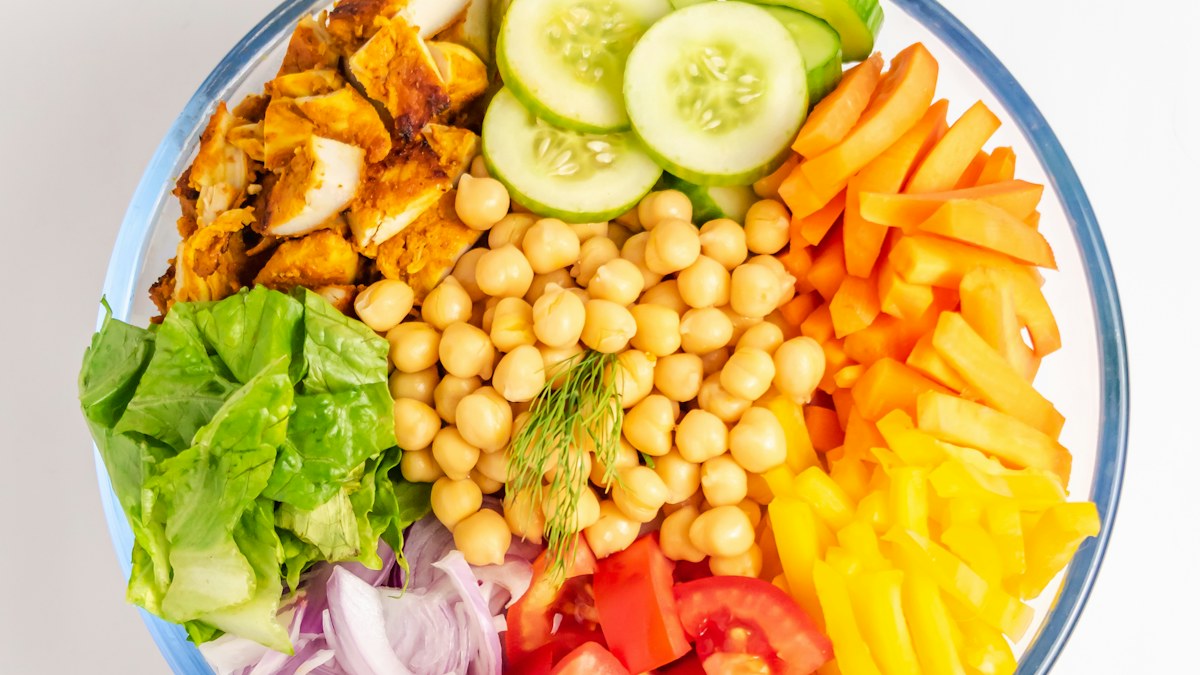
This is the main make-ahead recipe: a lemony bowl with chickpeas, crisp vegetables, parsley, and chicken. Use plain cooked chicken so you can control the seasoning.
Print
Lemon Chicken Chickpea Bowls
- Total Time: 15 minutes
- Yield: 2 servings 1x
Description
Two lemon chicken chickpea lunch bowls with cucumber, tomatoes and parsley. Prepare with cooked chicken and keep the dressing separate until serving.
Ingredients
- 200 g cooked skinless chicken breast, sliced
- 200 g cooked chickpeas, drained and rinsed
- 150 g cucumber, diced
- 150 g cherry tomatoes, halved
- 2 tablespoons chopped parsley
- 2 tablespoons lemon juice, about 30 ml
- 2 teaspoons olive oil, about 10 ml
- 1 small garlic clove, finely grated
- 1/4 teaspoon black pepper
- Salt, optional, after tasting
Instructions
- Drain the chickpeas thoroughly. Wash and dry the vegetables, then chop them.
- Stir the lemon juice, olive oil, garlic, black pepper and parsley together in a small bowl.
- Divide the chicken, chickpeas, cucumber and tomatoes between two lunch containers.
- Divide the dressing between two small sealed pots. Refrigerate everything promptly.
- At lunchtime, pour over the dressing and toss. Taste before adding salt.
Notes
Refrigerate at or below 40°F / 4°C. Count the 3–4 day storage window from when the chicken was cooked, not from when the bowls were assembled. If you start with raw chicken, the cooking time is additional. Optional sides are not included. The recipe contains no pork or alcohol; use halal-certified chicken if needed.
- Prep Time: 15 minutes
- Cook Time: 0 minutes
- Category: Lunch
- Method: No-cook assembly
- Cuisine: Mediterranean-inspired
Nutrition
- Serving Size: 1 bowl, half the recipe
Keywords: mediterranean diet lunches, chicken chickpea bowl, meal prep lunch
Packing and storage: Refrigerate for up to three to four days, counted from when the chicken was cooked, not from when the bowls were assembled. For a fresher texture, chop cucumber and tomatoes closer to serving. The assembled salad does not freeze well; chicken and chickpeas can be frozen separately.
If starting with raw chicken: Cook it using your preferred plain preparation method to 165°F/74°C, then weigh 200 g cooked meat for this recipe. Allow extra time and chill promptly if preparing a cold lunch. Raw and cooked weights are not interchangeable.
Serving note: Add bread or another side if you want a larger meal. The estimated protein is about 38–43 g per bowl. This recipe is not a personalized calorie prescription.
2. Lentil and Roasted Carrot Salad
Makes: 2 lunches. Time: about 35 minutes.
Ingredients: 350 g cooked brown or green lentils, drained; 250 g carrots, cut into small chunks; 60 g baby spinach; 50 g crumbled feta made with suitable rennet; 2 teaspoons olive oil; 2 tablespoons lemon juice; 2 tablespoons chopped parsley; ½ teaspoon ground cumin; black pepper.
Heat the oven to 425°F/220°C. Toss the carrots with the oil, cumin, and pepper, spread on a tray, and roast for 20–25 minutes, turning once. Mix with the lentils and lemon juice. Divide between two containers. Add spinach, parsley, and feta once the mixture has cooled for a cold salad, or serve immediately as a warm dish.
Prep note: Refrigerate up to three to four days. For freezing, portion the lentil-carrot mixture separately from the feta and raw greens. Add those after thawing. This gives the salad a better texture than freezing the fully assembled bowl.
3. Hummus Roasted Vegetable Wraps
Makes: 2 wraps. Time: about 30 minutes.
Ingredients: 2 whole-wheat tortillas, about 60 g each; 120 g hummus; 200 g zucchini, sliced lengthwise; 150 g bell pepper, cut into strips; 40 g spinach; 2 teaspoons olive oil; ½ teaspoon dried oregano; black pepper.
Heat the oven to 425°F/220°C. Toss the zucchini and pepper with the oil, oregano, and pepper. Roast in a single layer for 18–22 minutes, turning once, until tender. Let excess steam escape briefly and refrigerate promptly if packing for later.
Spread each tortilla with half the hummus. Add spinach and half the vegetables, fold in the sides, and roll. Keep the roasted filling chilled for up to three to four days, respecting a shorter hummus label date. For best texture, assemble on the day you eat. Freeze roasted vegetables separately; thawed wraps can be soggy.
4. White Bean Tuna Parsley Salad
Makes: 2 lunches. Time: 10 minutes.
Ingredients: 180 g canned light tuna, drained; 250 g cooked white beans, drained and rinsed; 150 g chopped tomatoes; 100 g chopped celery; 20 g finely chopped red onion; 2 tablespoons lemon juice; 2 teaspoons olive oil; 3 tablespoons chopped parsley.
Mix the lemon juice and oil in a bowl. Add the beans, vegetables, and parsley and toss. Fold in the tuna in large flakes, then divide into two containers.
Prep note: Refrigerate up to three to four days from opening the tuna, with any earlier ingredient limit taking precedence. Freezing the finished salad is not recommended for texture. For a milder onion flavor, soak the chopped onion briefly in cold water, then drain well.
5. Chickpea Quinoa Cucumber Bowls
Makes: 2 lunches. Time: 15 minutes with cooked quinoa.
Ingredients: 250 g cooked quinoa; 250 g cooked chickpeas, drained and rinsed; 150 g diced cucumber; 150 g cherry tomatoes; 30 g feta with suitable rennet; 2 teaspoons olive oil; 2 tablespoons lemon juice; 2 tablespoons chopped parsley.
Combine the quinoa and chickpeas. Fold in the vegetables and parsley, then divide between two containers. Pack the oil and lemon dressing separately and crumble the feta over the bowls before eating.
Prep note: Keep refrigerated for up to three to four days from cooking the quinoa. Freeze the grain-and-chickpea base separately if needed. Add cucumber, tomatoes, and feta after thawing. This is a cold lunch, but it still needs refrigeration during transport.
6. Chicken Bulgur Stuffed Peppers
Makes: 2 lunches, each with 2 pepper halves. Time: about 35 minutes with cooked chicken and bulgur.
Ingredients: 2 large bell peppers; 200 g cooked chicken breast, diced; 250 g cooked bulgur; 150 g plain tomato passata; 50 g chopped spinach; 1 teaspoon dried oregano; black pepper.
Heat the oven to 400°F/200°C. Halve and deseed the peppers, place cut-side up in a baking dish with a splash of water, and bake for ten minutes. Mix the chicken, bulgur, passata, spinach, oregano, and pepper. Fill the pepper halves, cover loosely, and bake for another 20 minutes or until tender and hot throughout. Check that the filling reaches 165°F/74°C.
Prep note: Refrigerate up to three to four days, counting from the earliest cooked component. Freeze individual portions if you need longer storage. Thaw in the refrigerator and reheat thoroughly.
7. Tomato White Bean Spinach Soup
Makes: 2 generous bowls. Time: about 25 minutes.
Ingredients: 350 g cooked white beans, drained; 400 g canned chopped tomatoes; 400 ml low-sodium vegetable broth; 100 g diced carrot; 80 g chopped onion; 80 g spinach; 2 teaspoons olive oil; 1 minced garlic clove; ½ teaspoon dried oregano.
Warm the oil in a saucepan. Cook the onion and carrot for five minutes, stirring. Add garlic for 30 seconds, then add the tomatoes, broth, beans, and oregano. Simmer for 12–15 minutes until the carrot is tender. Stir in the spinach until wilted.
Prep note: Divide into shallow containers and refrigerate promptly. Keep up to three to four days or freeze in individual portions. Leave expansion space in freezer-safe containers. Reheat to 165°F/74°C, stirring to eliminate cold spots.
8. Salmon Potato Green Bean Bowls
Makes: 2 lunches. Time: about 30 minutes.
Ingredients: 2 raw salmon fillets, 120 g each; 350 g potatoes, cut into small pieces; 200 g green beans; 80 g plain Greek yogurt; 2 teaspoons olive oil; 1 tablespoon lemon juice; 1 tablespoon chopped dill; black pepper.
Heat the oven to 400°F/200°C. Brush the salmon with the oil, season with pepper, and bake until it reaches 145°F/63°C, checking from about 12 minutes depending on thickness. Meanwhile, boil the potatoes until tender, adding green beans for the last few minutes. Mix yogurt, lemon, and dill for the sauce.
Prep note: Divide into two containers and chill promptly for cold lunches, storing the sauce separately. Refrigerate up to three to four days. For better texture, eat earlier in that window. Freeze the cooked salmon separately; potatoes and yogurt sauce may change texture after thawing.
9. Egg Hummus Pita Boxes
Makes: 2 lunch boxes. Time: about 20 minutes.
Ingredients: 4 large eggs; 2 whole-wheat pitas, about 60 g each; 100 g hummus; 150 g cucumber sticks; 150 g cherry tomatoes; black pepper.
Hard-cook the eggs until both whites and yolks are firm, then cool promptly. Divide the eggs, hummus, and vegetables between two containers. Pack the pitas separately and fill them at lunch, or use pieces to scoop the hummus.
Prep note: Use the assembled boxes within three days for this meal plan, and respect any shorter hummus instruction. Do not freeze the assembled boxes. An egg’s storage allowance does not extend the life of the vegetables or dip packed beside it.
10. Lentil Zucchini Whole-Wheat Pasta
Makes: 2 lunches. Time: about 25 minutes.
Ingredients: 120 g dry whole-wheat pasta; 250 g cooked lentils, drained; 200 g diced zucchini; 300 g plain tomato passata; 2 teaspoons olive oil; 1 minced garlic clove; ½ teaspoon dried basil or oregano.
Cook the pasta according to the package. In a skillet, heat the oil and cook the zucchini for five minutes. Add garlic, then passata, herbs, and lentils. Simmer for eight minutes. Fold in the drained pasta, adding a little reserved pasta water if the sauce is thick.
Prep note: Refrigerate promptly and use within three to four days. Reheat with a splash of water to 165°F/74°C. The dish can be frozen, although pasta softens after thawing. Slightly firm pasta holds up better than pasta cooked until very soft.
11. Sardine Couscous Pepper Bowls
Makes: 2 lunches. Time: about 15 minutes.
Ingredients: 100 g dry quick-cooking whole-wheat couscous; water according to the package; 180 g canned sardines, drained; 150 g diced bell pepper; 150 g cucumber; 2 tablespoons lemon juice; 2 teaspoons olive oil; 2 tablespoons chopped parsley.
Prepare the couscous according to its package. Fluff with a fork and cool promptly for a cold bowl. Mix with the vegetables and parsley, then divide into two containers. Pack dressing separately. Add half the sardines to each bowl when ready to eat.
Prep note: Keep the prepared base refrigerated and use within three days for this plan. Opening the fish at lunchtime is convenient, but it does not reset the age of the couscous. Freeze couscous separately if needed; add raw vegetables and fish after thawing.
For more fish-based lunch ideas, browse our easy canned sardine recipes for salads, toast, pasta, bowls and snacks.
12. Roasted Eggplant Chickpea Plates
Makes: 2 lunches. Time: about 35 minutes.
Ingredients: 350 g eggplant, cut into small cubes; 300 g cooked chickpeas, drained; 200 g cherry tomatoes; 2 teaspoons olive oil; ½ teaspoon cumin; 30 g tahini; 2 tablespoons lemon juice; water to thin; chopped parsley.
Heat the oven to 425°F/220°C. Toss the eggplant and tomatoes with oil and cumin. Roast for about 25 minutes, adding chickpeas for the last ten minutes. Stir tahini with lemon juice, then add water a teaspoon at a time until pourable.
Prep note: Refrigerate the roasted mixture up to three to four days and keep the dressing separate. The roasted base can be frozen. Stir the tahini dressing again before serving, because it may thicken in the refrigerator. Add a pita if you want a larger lunch.
13. Turkey Meatball Tomato Bowls
Makes: 2 lunches. Time: about 35 minutes with cooked barley.
Ingredients: 250 g raw lean ground turkey; 20 g whole-wheat breadcrumbs; 1 tablespoon water; 1 minced garlic clove; ½ teaspoon oregano; 250 g plain tomato passata; 100 g chopped spinach; 250 g cooked barley; 1 teaspoon olive oil.
Mix turkey, breadcrumbs, water, garlic, and oregano. Form eight small meatballs. Heat the oil in a nonstick skillet and brown the meatballs gently, turning. Add the passata and a splash of water, cover, and simmer until each meatball reaches 165°F/74°C. Stir in spinach to wilt. Divide over the cooked barley.
Prep note: Refrigerate up to three to four days from cooking. Freeze the meatballs and sauce in portions, with barley separately if preferred. This recipe uses no egg binder; compact the meatballs gently and avoid moving them too early while browning.
14. White Bean Avocado Crunch Wraps
Makes: 2 wraps. Time: about 15 minutes.
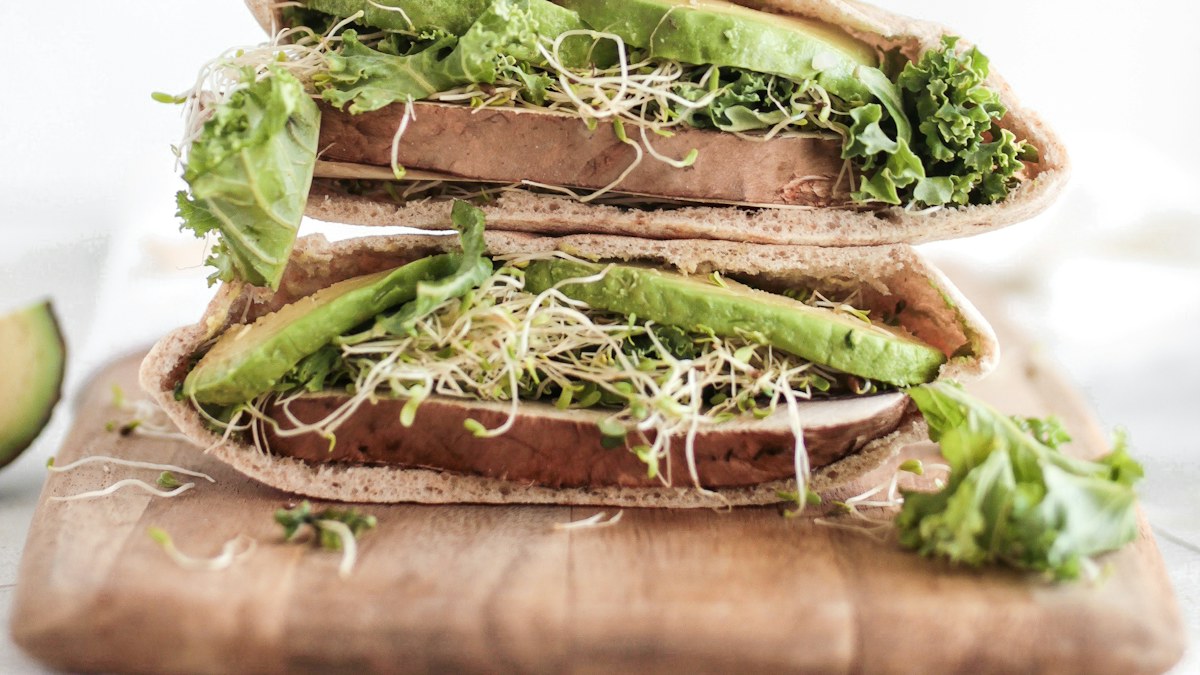
Ingredients: 250 g cooked white beans, drained; 100 g avocado flesh; 2 tablespoons lemon juice; 100 g shredded carrot; 50 g spinach; 2 whole-wheat tortillas, about 60 g each; black pepper.
Mash the beans with lemon juice and pepper, leaving some texture. Divide between the tortillas, then add avocado, carrot, and spinach. Fold in the sides and roll tightly.
Prep note: Keep the bean mixture refrigerated up to three days for this plan. Cut the avocado and assemble close to eating for the best color and texture. Freeze only the plain bean mash if needed. These wraps contain no dairy; check the tortilla label if avoiding other allergens.
15. Savory Yogurt Chickpea Lunch Plates
Makes: 2 lunches. Time: about 10 minutes.
Ingredients: 300 g plain nonfat Greek yogurt; 200 g cooked chickpeas, drained; 150 g cucumber; 150 g tomatoes; 2 slices whole-grain bread, about 70 g total; 2 teaspoons olive oil; 1 tablespoon lemon juice; chopped mint or parsley; black pepper.
Stir the yogurt with lemon and pepper. Divide into two containers, with chickpeas and vegetables alongside. Add half the oil and herbs to each serving. Pack bread separately and use it for dipping or scooping.
Prep note: Follow the yogurt’s label after opening, and use assembled plates within three days for this plan or sooner if an ingredient requires it. Freezing the assembled meal is not recommended for texture. Choose an unsweetened yogurt; vanilla yogurt will not give the intended flavor.
A Five-Lunch Meal-Prep Plan
You do not need fifteen different meals in one week. This schedule uses recipes 1, 2, and 3 and makes six portions: five work lunches and one extra wrap for another meal or another person.
| Day | Lunch | Preparation and storage |
|---|---|---|
| Monday | Lemon chicken chickpea bowl | Prepare Sunday using freshly cooked chicken |
| Tuesday | Second chicken chickpea bowl | Keep refrigerated; add dressing at lunch |
| Wednesday | Lentil carrot salad | Prepare Sunday; add spinach and feta at serving |
| Thursday | Hummus roasted vegetable wrap | Roast vegetables Wednesday; assemble Thursday |
| Friday | Second lentil carrot salad | Freeze the plain lentil-carrot portion Sunday; thaw Thursday in the fridge and add fresh toppings Friday |
Eat the second wrap on Thursday or share it. Alternatively, make half of recipe 3 for one wrap. If the Sunday lentils or chicken were cooked earlier, count storage from that earlier date. Freezing pauses storage; it does not rescue food already kept too long.
Shopping list for the full three-recipe batch
The quantities below match two portions each of recipes 1, 2, and 3, not all fifteen recipes.
- Protein and legumes: enough raw chicken to yield 200 g cooked breast; 200 g cooked/drained chickpeas; 350 g cooked/drained lentils; 120 g hummus; 50 g suitable feta.
- Vegetables: 150 g cucumber; 150 g cherry tomatoes; 250 g carrots; 100 g spinach; 200 g zucchini; 150 g bell pepper.
- Bread: 2 whole-wheat tortillas, about 60 g each.
- Dressing and herbs: 60 ml lemon juice total; 30 ml olive oil total; 4 tablespoons chopped parsley; 1 small garlic clove; ½ teaspoon cumin; ½ teaspoon oregano; black pepper.
Buy by the drained weights needed rather than assuming all cans have the same contents. Check what is already in your pantry before shopping. The list deliberately reuses lemon, parsley, olive oil, and spinach across meals.
Packing, Refrigerating, and Reheating
Keep perishable lunches at 40°F/4°C or below. Use a chilled insulated lunch bag with ice packs if a refrigerator is unavailable. “No reheating needed” does not mean a meal can sit on a desk until lunchtime.
Refrigerate cooked food promptly in shallow containers, within two hours, or within one hour in temperatures above 90°F/32°C. Most cooked leftovers have a three-to-four-day refrigerated window. Shorter limits in these recipes help meal planning and texture; always respect an earlier ingredient or package deadline. See the FoodSafety.gov storage chart and USDA leftover guidance.
Reheat leftovers to 165°F/74°C, stirring or turning to avoid cold spots. Raw poultry also needs 165°F/74°C; fish needs 145°F/63°C. Use a thermometer rather than relying only on appearance. These targets follow the FoodSafety.gov temperature chart.
If you substitute cooked rice for one of the grains, use the shorter rice guidance: cool quickly, ideally within one hour, refrigerate for no more than one day before reheating, and reheat only once until steaming hot throughout. The Food Standards Agency explains rice handling.
Simple Ways to Adapt the Lunches
For a lower-cost week, choose canned legumes, seasonal vegetables, and one grain you already use. Swapping quinoa for bulgur or barley changes the flavor and nutrition, but can reduce the number of packages you buy. Follow the cooking directions for whichever grain you choose.
For vegetarian meals, start with the lentil salad, bean soup, chickpea bowls, or wraps, and check cheese rennet where relevant. For dairy-free meals, skip feta or choose a suitable alternative and replace yogurt sauces. Gluten-free needs require more than removing bread: bulgur, barley, couscous, standard pasta, and breadcrumbs usually contain gluten.
For larger appetites, add an appropriate side rather than assuming every listed portion fits everyone. For more legume and vegetable ideas, see our high-fiber recipe collection. You can also prepare breakfast separately with these overnight oats recipes.
FAQs
What can I eat for lunch on the Mediterranean diet?
Try beans or lentils with vegetables, a whole-grain bowl with chicken or fish, a hummus wrap, or a vegetable-and-bean soup. There is no single required lunch. A range of plant foods and a protein source you enjoy gives you plenty of options.
Can I meal prep Mediterranean lunches for five days?
Plan five lunches, but do not assume every cooked dish stays suitable in the fridge for five days. Prepare a second batch midweek or freeze later portions promptly. The schedule above uses both methods.
Which lunches do not need reheating?
The chicken chickpea bowls, bean tuna salad, quinoa bowls, egg pita boxes, couscous bowls, wraps, and yogurt plates can be eaten cold when safely prepared. They still require cold storage before eating.
Which Mediterranean lunches freeze well?
Soups, meatballs with sauce, stuffed peppers, and plain cooked grain or legume bases are useful options. Freeze cucumber, leafy salads, yogurt sauces, and assembled wraps only if you accept significant texture changes; packing them fresh is usually preferable.
Are these lunches suitable for weight loss?
They can be adapted to different eating needs, but no recipe guarantees weight loss. Portions, added oil, sides, and the rest of the day's food all matter. This collection is a set of lunch recipes, not an individualized weight-loss plan.
Do I have to eat fish every day?
No. This collection offers poultry, eggs, dairy, legumes, and fish options. Rotate the meals you enjoy and adapt them to any dietary guidance you have been given.
Can I use canned beans and lentils?
Yes. Use the cooked, drained weights listed. Rinse and drain before mixing. Dry legumes require cooking first; their dry weight is not a direct substitute for the cooked weight in a recipe.
How do I keep wraps and salads from getting soggy?
Dry washed vegetables, drain beans thoroughly, and keep dressings separate. Let cooked fillings cool safely before assembling cold wraps. Pack bread separately and add juicy ingredients close to serving.
Are these lunches halal-friendly?
The recipes contain no pork or alcohol. Choose halal-certified chicken or turkey and check cheese rennet, broth, bread, and prepared sauces according to your requirements. A Mediterranean-style meal does not require wine.
Do I need special meal-prep containers?
No. Clean, food-safe containers with secure lids are sufficient. Small separate pots help protect salad and wrap texture. Use freezer-safe containers for frozen portions and microwave-safe containers when reheating.
Choose two recipes for the start of the week and one for later. A small rotation of lunches you enjoy is easier to repeat than an overfilled refrigerator of dishes you never had time to eat.