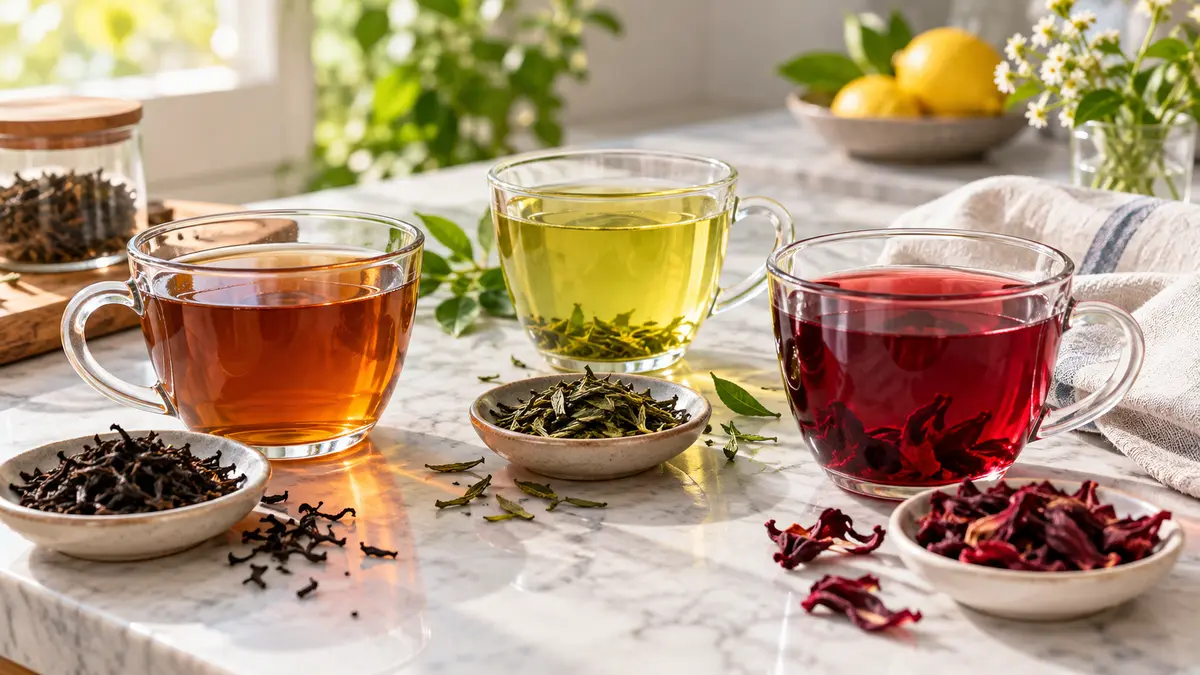
Tea can fit into a heart-conscious eating pattern, but no tea is a proven treatment for heart disease, high blood pressure, or palpitations. The practical choice depends on caffeine, added sugar, medicines, and any fluid limit you have been given. There is no single best tea for every heart patient.
Recent headlines have made the question more interesting. An October 2026 study linked habitual tea drinking with lower vascular disease risk. That finding describes an association, not a guarantee that drinking tea prevents a heart attack.
Here is how to read the new research and choose an everyday drink without confusing a pleasant cup with medical treatment. Sources checked October 29, 2026.
If palpitations come with chest pain, breathlessness, or fainting, seek emergency help. In the United States, call 911. Do not wait to see whether tea helps. NHLBI’s heart-attack guidance explains why prompt assessment matters.
Jump to: New study · Tea comparison · Milk tea · Palpitations.
What Did the New Study Find About Daily Tea Drinking and Heart Health?
A study published October 21, 2026, in the Journal of Internal Medicine followed 485,934 participants in the China Kadoorie Biobank. Over a mean 9.05 years, habitual consumption was associated with roughly 11% lower relative risk.
Black tea showed more consistent inverse associations than green tea. Moderate-strength tea was associated with lower risk, while tea described as burning hot was associated with higher risk. The lowest estimated risk appeared around six to eight cups daily among weekly drinkers.
Those findings do not establish a recommended daily dose. This was an observational study, not a trial assigning people to drink a set amount. Residual confounding and differences in drink preparation limit how directly the results apply to an individual reader.
The reported relative difference also is not an 11-percentage-point reduction in your personal risk. It does not establish a treatment.
How to interpret a tea headline
Before changing your routine, ask what the researchers measured. A study of future disease occurrence answers a different question from a trial of blood-pressure treatment. A statistical association cannot identify the right drink for someone taking several heart medicines.
Also distinguish a published paper from an advertisement discussing it. A tea brand has not demonstrated that its product reproduces a study’s findings simply by mentioning the study on its packaging.
Which Tea Is Good for Heart Patients?
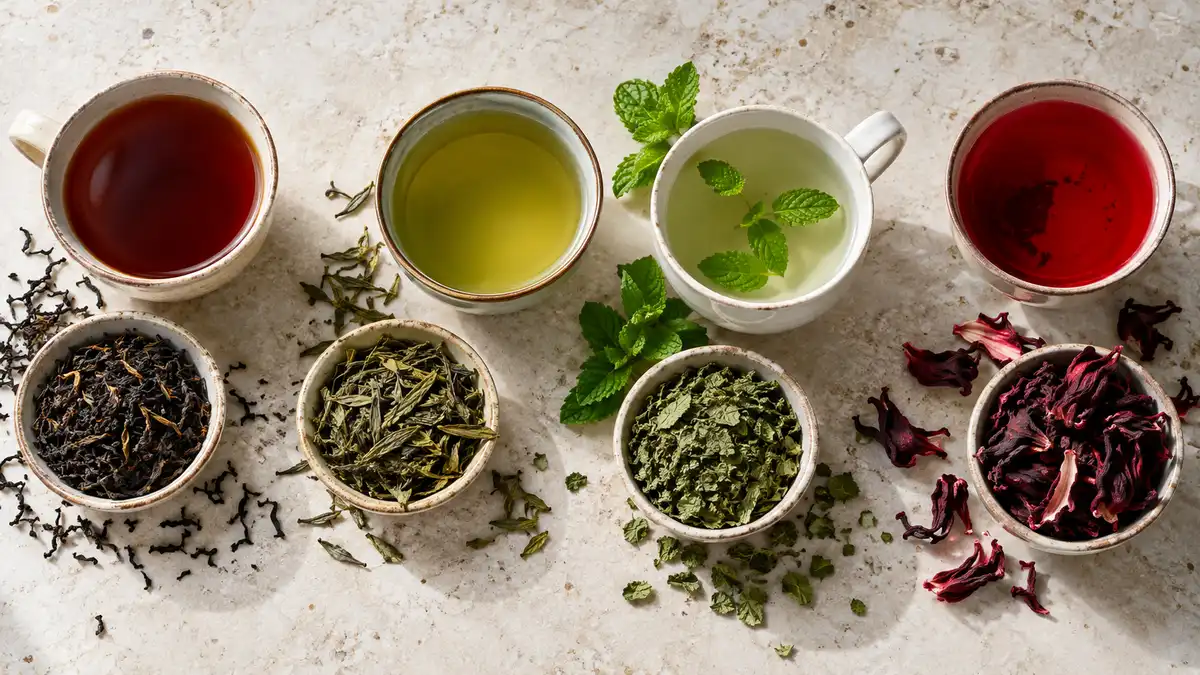
Start with your treatment plan rather than a ranking. Someone with caffeine-triggered symptoms has a different decision to make from someone concerned mainly about sugary drinks. A person with a prescribed fluid restriction has another consideration altogether.
The comparison below is a guide to questions, not a prescription.
| Drink | Main consideration | What not to assume |
|---|---|---|
| Plain green tea | Caffeine and possible medicine interactions | That it treats coronary disease |
| Plain black tea | Caffeine, strength, serving size, and additions | That the newest study proves it is best for everyone |
| Decaffeinated tea | Residual caffeine and individual tolerance | That decaf always means zero caffeine |
| Pure peppermint tea | Full ingredient list and suitability | That it treats an abnormal rhythm |
| Hibiscus tea | Blood-pressure context and medication review | That it replaces blood-pressure medicine |
| Milk tea | Tea strength, milk choice, sugar, toppings, and portion | That all milk teas have the same nutritional profile |
| Mixed herbal tea | Every ingredient, not just the front label | That caffeine-free means free of interactions |
Take a photograph of the ingredient label to your pharmacist if you are unsure. That is more useful than asking about a product described only as “heart tea,” because that name does not identify its contents.
Green Tea and Heart Health
Green tea attracts attention because it is studied both as a drink and as a concentrated supplement. These forms should not be treated as interchangeable.
NCCIH’s green tea overview reports small reductions in total and LDL cholesterol across research that largely evaluated extracts. That is different from showing that a particular home-brewed cup prevents heart attacks. It also does not establish green tea as an alternative to a prescribed cholesterol-lowering treatment.
The same overview identifies an interaction concern with nadolol: high amounts of green tea can reduce the medicine’s blood levels and effectiveness. Concentrated extracts have additional safety concerns, including uncommon liver injury.
If you take nadolol, ask your prescriber or pharmacist about green tea before making it a daily habit. Do not try to solve an interaction by changing your medicine’s dose or timing yourself.
For anyone comparing products, “more concentrated” should not be read as “better for the heart.” An extract capsule, a bottled drink, matcha, and a lightly brewed cup can be very different exposures. Check what the product actually contains before applying findings from one form to another.
Hibiscus Tea for Heart Health and Blood Pressure
Hibiscus makes a tart, red infusion, often sold alone or in fruit-flavored blends. Its color and flavor can make an unsweetened drink appealing, but appearance says nothing about a medical effect.
NCCIH’s blood-pressure guidance includes hibiscus among products with limited evidence of a small blood-pressure benefit. It emphasizes that supplements have not shown effects comparable to blood-pressure medicines.
That distinction is essential for readers searching for the best tea for heart and blood pressure. Evidence involving blood-pressure readings is not automatically evidence that a drink prevents a heart attack, reverses artery disease, or treats heart failure.
If you take blood-pressure medicine, have low readings, or feel dizzy, discuss regular hibiscus use with your care team. A drink promoted for lowering pressure is not automatically appropriate when pressure is already low. Keep taking prescribed treatment unless your clinician changes it.
For its flavor, ingredients, and preparation context, see our separate guide to hibiscus tea benefits. This article stays focused on cardiovascular questions rather than repeating that full ingredient guide.
Is Peppermint Tea Good for Heart Health?
Pure peppermint leaf tea is a caffeine-free beverage option, but there is insufficient evidence to recommend it as a heart treatment. Check blends: a mint-flavored product may also contain black tea, green tea, or other ingredients.
NCCIH’s peppermint overview explains that peppermint leaf research is limited. Research on peppermint oil capsules for digestive symptoms does not establish cardiovascular benefits from peppermint tea.
Choose it for its taste if it suits you, rather than expecting it to stop palpitations or protect against a heart attack. Do not add essential oil to a cup as a substitute for a product intended to be brewed as tea.
The distinction between a food and an extract is useful here too. A familiar plant name can appear on products with different concentrations and intended uses. Read the label rather than relying on the word “natural.”
Is Milk Tea Good for Heart Patients?
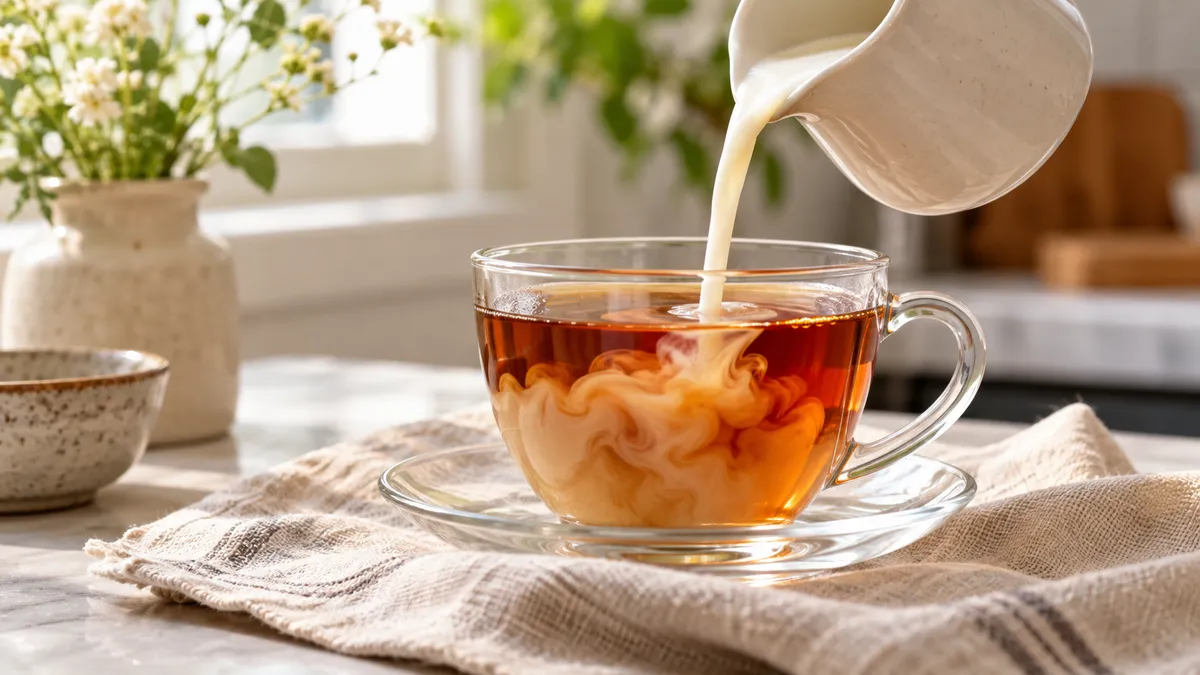
There is no single answer because milk tea describes many drinks. A modest cup of brewed tea with a little milk differs considerably from a large beverage containing sweetened condensed milk, syrup, cream, and toppings.
Evaluate the finished drink:
- Identify the tea base and whether it contains caffeine.
- Check the actual serving size, including whether one bottle contains multiple servings.
- Look for added sugar in syrups, sweetened milk, powders, and toppings.
- Compare the saturated-fat content of the milk or creamer used.
- Check whether the whole serving fits any prescribed fluid limit.
The American Heart Association’s 2026 dietary guidance favors eating patterns with less added sugar and sodium and with unsaturated fats replacing saturated fats. It does not support judging an entire diet by the presence or absence of one splash of milk.
At a cafe, ask what the standard recipe contains before choosing modifications. “Less sweet” may still include sweetened powders or condensed milk. “Plant-based” identifies the source of a milk alternative, not its sugar or saturated-fat content.
For home preparation ideas, our chai tea guide explains a different culinary question. Its recipe is not a special prescription for heart patients.
Does Milk Tea Cause a Heart Attack?
The evidence reviewed here does not justify the blanket claim that milk tea causes heart attacks. It also would be wrong to promise that every formulation is harmless for every person.
Long-term dietary patterns, individual health, medicines, and stimulant exposure matter. A symptom beginning after a drink deserves attention, but timing alone cannot establish whether it was a heart attack or what caused it.
Palpitations are not synonymous with a heart attack. However, do not dismiss chest discomfort, shortness of breath, faintness, or other concerning symptoms as “just the tea.” Follow the emergency advice above if symptoms suggest a heart attack.
Avoid testing the theory by drinking the same beverage again after a serious episode. Keep the product details for your clinician and seek assessment instead of trying to diagnose the cause at home.
What Tea Is Good for Heart Palpitations?
No tea is established as a treatment for unexplained palpitations. The first task is identifying the cause, not finding the strongest herb.
The NHS guide to palpitations lists caffeine among possible triggers, alongside causes that require different management. Recurrent episodes, episodes lasting more than a few minutes, or palpitations in someone with a known heart condition warrant medical advice.
If caffeine appears to trigger your symptoms, ask whether reducing it or choosing a suitable caffeine-free drink makes sense. This is a way to avoid a possible trigger, not evidence that the replacement drink treats an arrhythmia.
A short record can help the discussion: note the time, symptoms, drink name, serving size, other caffeine that day, and any medication or supplement changes. Do not postpone care while collecting information, and do not deliberately provoke symptoms to complete the record.
Is Tea Good for Heart Failure Patients?
Tea is not a treatment for heart failure. Whether it fits your routine depends on your care plan, symptoms, medicines, and any prescribed fluid allowance.
The American Heart Association’s heart-failure guide explains that some patients are advised to limit fluids. If that applies to you, tea counts toward the allowance, including caffeine-free tea. Do not assume an herbal drink sits outside a fluid restriction because it contains no caffeine.
Fluid limits are individualized; not everyone with heart failure receives the same instruction. Ask your team what counts and what your own allowance is, rather than adopting a number from a general article.
Bring herbal products into the medication discussion as well. “Heart failure” should not become a reason to add several supposedly heart-strengthening herbs without checking them. If your symptoms change, follow your clinical action plan rather than adjusting tea intake as a substitute for treatment.
Is It Safe to Drink Tea Every Day?
Many adults can include tea in their daily routine, but safety depends on the type, amount, caffeine sensitivity, and health context. A daily habit does not need to become a high-volume challenge.
The FDA’s caffeine guidance cites 400 milligrams per day as an amount not generally associated with adverse effects for most adults. This is not a target, a guarantee, or a personalized limit for someone with heart symptoms. Individual sensitivity and medicines can change what is appropriate.
Count caffeine from all sources. Tea size and brewing vary, so an unspecified “cup” is a poor measuring unit. Packaged drinks may supply information that helps; a cafe can sometimes provide product details too.
What happens if you drink tea every day?
There is no universal sequence of changes or guaranteed number of days before a benefit appears. Your experience depends partly on what the tea replaces. Switching from a sugary drink to unsweetened tea changes your intake differently from adding sweetened tea on top of an unchanged routine.
Pay attention to sleep, symptoms, additions, and portion size. A drink you enjoy without troublesome effects may fit your routine, but enjoyment is different from evidence that it is treating a condition.
Is There a Strongest Herb for Heart Health?
There is no established universal winner, and strength is not a useful safety standard. A more potent product may bring more interaction risk rather than more benefit.
Licorice illustrates the problem. NCCIH’s licorice guidance warns of serious effects, including irregular heartbeat, and particular risks for people with hypertension or heart or kidney conditions. Some herbal blends contain licorice for sweetness.
Read every ingredient on a mixed product. A front label showing mint, berries, or flowers does not tell you what else is present. Keep the packaging if you need a pharmacist to assess it.
Do not combine multiple herbal products to imitate a supposed heart tonic. The number of ingredients is not evidence of effectiveness, and a wellness marketing claim is not a substitute for a medicine review.
Three Food Categories to Limit Alongside Your Tea Choice
There is no authoritative universal list of three foods that cardiologists say nobody should ever eat. A more accurate approach is to look at patterns and substitutions.
Three useful categories to review are sugar-sweetened drinks, high-sodium packaged foods, and foods that repeatedly add substantial saturated fat. Consider how often you have them, portion sizes, and what could replace them within your needs.
For example, compare a cafe’s sweetened drink with its unsweetened option, read sodium labels across similar packaged meals, or consider a source of unsaturated fat where it works in your cooking. These are practical applications of dietary guidance, not a forbidden-food test.
Our Mediterranean diet lunch ideas offer meal inspiration. Adapt recipes to any sodium or other restrictions you have received. A named eating pattern does not make every recipe suitable for every cardiac condition.
A Simple Checklist for Your Next Cup

Choose the drink first as a food preference, then check the details relevant to you. You do not need an elaborate supplement routine to make a more informed beverage choice.
- Read the ingredients and identify the caffeine source.
- Check serving size and additions rather than relying on a healthy-sounding name.
- Let hot tea cool until it is comfortable to sip.
- Include it in any fluid tracking your care team has prescribed.
- Ask about interactions before introducing a regular herbal product.
- Treat new or recurrent symptoms as a reason for assessment, not an opportunity to experiment with herbs.
For an everyday culinary option, our iced tea preparation guide explains brewing choices. Use it as a kitchen resource and keep any personal medical instructions in place.
FAQS
Is drinking tea good for heart health?
Tea may fit a heart-conscious diet, and observational research reports associations with lower cardiovascular risk. It is not a proven treatment for heart disease or a guarantee against a heart attack.
What did the new study find about daily tea drinking and heart health?
The October 2026 study linked habitual tea consumption with lower vascular disease risk. It did not establish causation or prescribe a daily number of cups for readers.
What is the number one tea for heart health?
There is no proven best tea for everyone. Caffeine tolerance, medicines, added sugar, and any fluid restrictions are more useful considerations than a universal ranking.
Is milk tea good for heart patients?
It depends on the finished drink and the person’s care plan. Check caffeine, sugar, milk or creamer, portion size, and whether it fits a prescribed fluid allowance.
Does milk tea cause a heart attack?
A blanket claim is not supported by the evidence reviewed here. Do not use that reassurance to dismiss chest pain, breathlessness, or fainting; symptoms suggesting a heart attack need emergency assessment.
What tea is good for heart palpitations?
No tea is established as a treatment. Caffeine can be a trigger, but palpitations have other causes. Seek advice for recurring episodes and emergency help for associated warning symptoms.
Is hibiscus the best tea for heart and blood pressure?
Limited evidence suggests a small blood-pressure benefit, not superiority for every patient. It should not replace prescribed treatment, and regular use deserves a medication review if you have hypertension or low readings.
Is peppermint tea good for heart health?
Pure peppermint tea offers a caffeine-free option, but it is not an established heart treatment. Check mixed products for other ingredients and avoid applying peppermint oil research directly to tea.
Is tea good for heart failure patients?
Tea does not treat heart failure. It may fit an individual plan, but it counts toward a prescribed fluid allowance. Ask your care team about caffeine and herbal ingredients as well.
How many cups of tea can kill you?
There is no reliable universal cup count, and trying to calculate one is unsafe. Caffeine concentration, other ingredients, speed of consumption, and individual health vary. Suspected poisoning needs urgent help, not a cup-count calculation.