
📅 Last fact-checked: June 2026
Baking soda has become famous in 2026 for viral weight loss drinks — but its real superpower has always been in the kitchen. Long before anyone added it to lemon water, sodium bicarbonate was quietly doing essential work in cakes, cookies, marinades, and even your vegetable rinse water.
This guide covers what baking soda actually does in cooking, the science behind each use, and the most practical ways to use it beyond the viral drink trend.
For the full breakdown of the weight loss trend itself, see Baking Soda Weight Loss Recipe: Exact Method + What Works.
What Baking Soda Actually Does in Cooking
Baking soda is sodium bicarbonate — a base. In the kitchen, its usefulness comes down to one core property: it reacts with acids and heat, producing carbon dioxide gas. This is the foundation of almost everything below, whether it’s making a cake rise or tenderizing a tough cut of meat.
1. Leavening: Why Your Baked Goods Rise
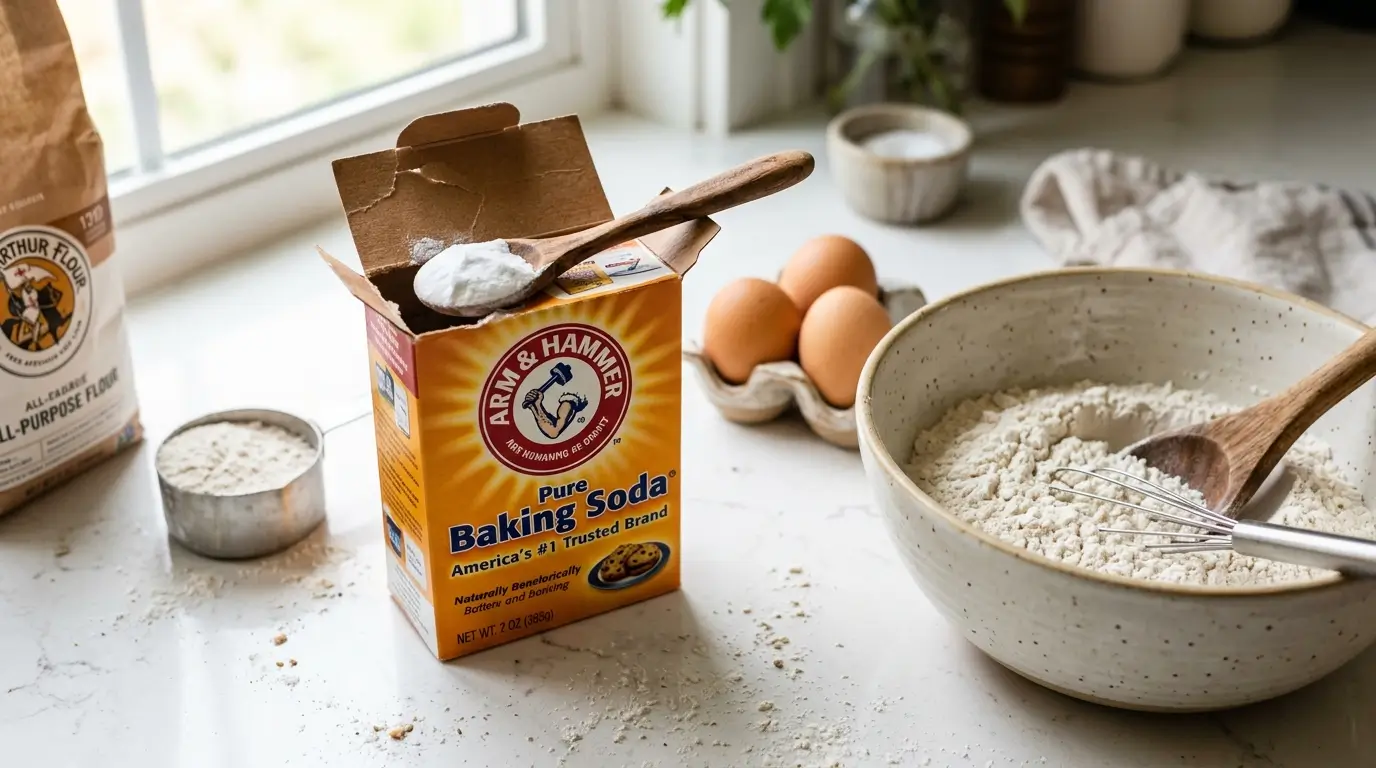
This is baking soda’s best-known kitchen job. When it’s combined with an acidic ingredient — buttermilk, yogurt, lemon juice, brown sugar, cocoa powder, or vinegar — it releases carbon dioxide bubbles that get trapped in the batter, creating lift.
Key detail most home bakers miss: baking soda needs an acid to activate. If a recipe calls for baking soda but has no acidic ingredient, the soda won’t do its job properly — this is usually a sign the recipe actually needs baking powder instead, which contains its own built-in acid.
Practical tip: Once baking soda is mixed into a wet batter with an acid present, the reaction starts immediately. Get your batter into the oven promptly rather than letting it sit on the counter, or you’ll lose some of the rise.
2. Tenderizing Meat
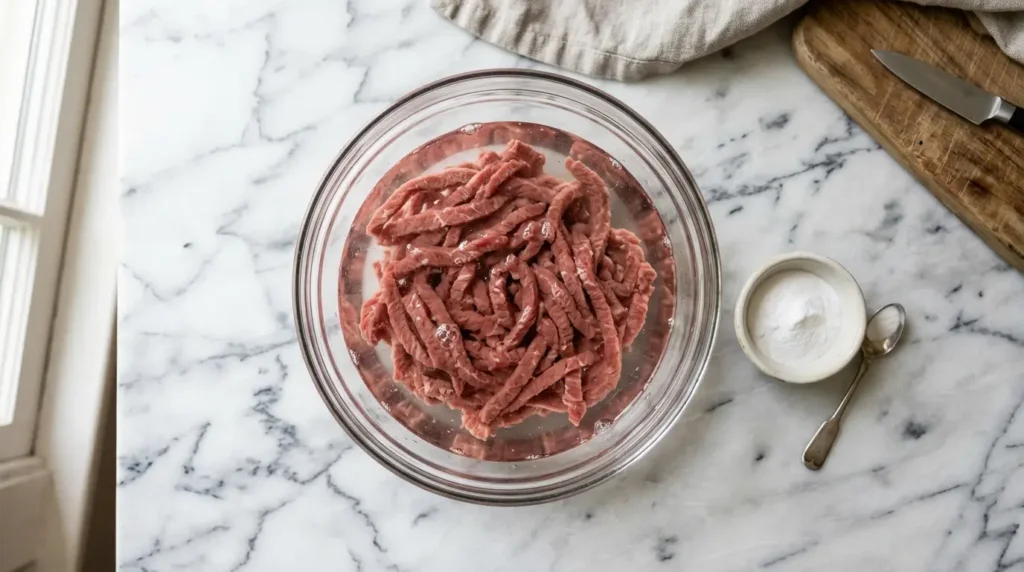
Baking soda is a genuinely effective, science-backed meat tenderizer — particularly for tougher cuts or thin-sliced proteins like flank steak or stir-fry beef. Its alkalinity raises the pH at the surface of the meat, which makes it harder for the proteins to bond tightly together, resulting in a more tender texture after cooking.
How to use it: Dissolve 1 teaspoon of baking soda in ½ cup of water per pound of meat. Soak thin-sliced beef or chicken for 15–20 minutes, then rinse thoroughly before cooking. This is the technique behind the velvety texture in many Chinese stir-fry dishes.
3. Browning and Crisping
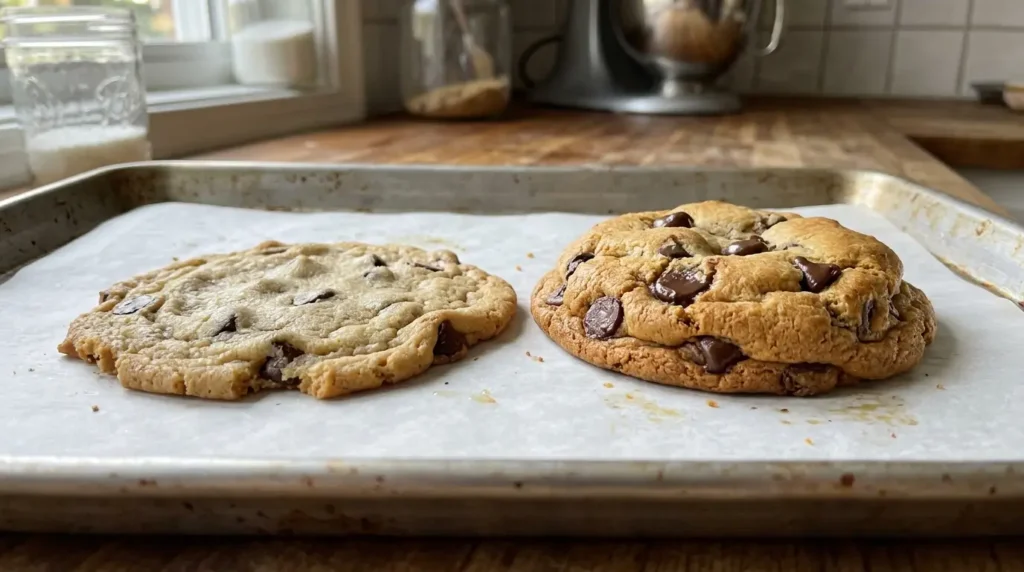
Because baking soda raises the pH of whatever it touches, it speeds up the Maillard reaction — the browning process responsible for crispy, golden exteriors. This is why some recipes for crispy roasted potatoes or extra-crisp cookies call for a small amount of baking soda in the prep water or dough.
Classic example: Boiling pretzels or bagels briefly in baking soda water before baking gives them their signature deep brown, chewy crust — the same principle used in a smaller way for crispy roast potatoes.
4. Neutralizing Acidity in Recipes
Baking soda can balance out overly acidic dishes. A pinch added to tomato sauce, for example, can soften sharp acidity without needing to add sugar. The same principle applies to fruit-based desserts that taste too tart.
How to use it: Add baking soda in tiny increments — a pinch at a time — to acidic sauces, tasting as you go. Too much will leave a soapy, metallic aftertaste.
5. Keeping Beans Tender (and Reducing Cook Time)
A small amount of baking soda added to the soaking or cooking water for dried beans softens their skins faster by breaking down pectin, which means shorter cooking times and more evenly tender beans — especially useful for older, drier beans that tend to cook unevenly.
How to use it: Add ¼ teaspoon of baking soda per cup of dried beans to the soaking water, or to the pot if cooking without soaking.
6. Cleaning Fruits and Vegetables
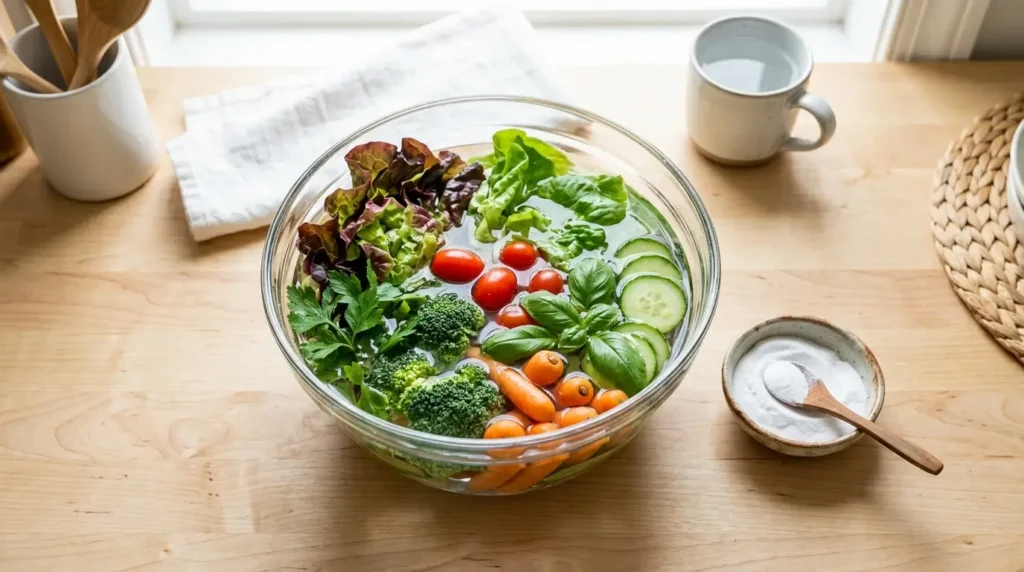
A baking soda rinse is more effective at removing surface residue and wax from produce than plain water alone, due to its mild alkalinity helping to lift residue from the surface.
How to use it: Add 1 teaspoon of baking soda to a bowl of cold water, soak produce for 5–10 minutes, then rinse thoroughly under running water.
7. Keeping Vegetables Vibrant When Cooking
A tiny pinch of baking soda added to the water when blanching green vegetables can help preserve their bright color, since it neutralizes the natural acids that cause chlorophyll to dull during cooking.
Caution: Use the smallest possible amount — too much baking soda breaks down vegetables’ texture and creates a slightly slimy result, plus it destroys vitamin C content. This is a technique to use sparingly and only when color matters more than nutrition (like for a dinner party presentation).
Common Baking Soda Mistakes in the Kitchen
Using expired baking soda. Baking soda loses potency over time. Test it by adding a pinch to vinegar — if it doesn’t fizz vigorously, it’s time to replace it.
Substituting baking soda for baking powder (or vice versa) without adjusting the recipe. Baking soda is roughly 3-4 times stronger than baking powder and needs an acidic ingredient to work. Swapping them 1:1 in a recipe usually fails.
Adding too much. Excess baking soda creates a bitter, metallic, soapy taste — a common reason “healthy” recipes that add extra baking soda for browning or tenderizing taste off.
Not dissolving it fully. Undissolved clumps of baking soda create bitter pockets in finished baked goods. Always sift it with dry ingredients or fully dissolve it in liquid before adding.
Baking Soda vs. Baking Powder: Quick Reference
| Baking Soda | Baking Powder | |
|---|---|---|
| Composition | Pure sodium bicarbonate | Sodium bicarbonate + acid + cornstarch |
| Needs acid to activate? | Yes | No (acid already included) |
| Strength | About 3-4x stronger | Milder, pre-balanced |
| Common uses | Recipes with buttermilk, yogurt, citrus, brown sugar | Recipes with milk or no acidic ingredient |
FAQs
Can I use baking soda instead of baking powder?
Not directly in a 1:1 swap. Baking soda is much stronger and requires an acidic ingredient to activate properly. If a recipe calls for baking powder and you only have baking soda, you’d need to add an acid (like cream of tartar or lemon juice) and adjust the quantity significantly.
Why does my cake taste like soap or metal?
This usually means too much baking soda was used, or it wasn’t fully dissolved into the batter. Excess baking soda creates a distinctly bitter, soapy aftertaste that’s hard to mask.
Does baking soda really tenderize meat?
Yes. Baking soda raises the surface pH of meat, which interferes with protein bonding and results in a more tender texture — this is a well-documented culinary technique, especially common in Chinese cooking for stir-fry beef and chicken.
How much baking soda should I use to tenderize meat?
A standard ratio is 1 teaspoon of baking soda dissolved in ½ cup of water per pound of meat, with a 15–20 minute soak followed by a thorough rinse before cooking.
Is it safe to eat foods cooked with baking soda?
Yes, in normal cooking quantities. The amounts used in baking, tenderizing, and other cooking applications are far below any level of concern, even for daily consumption through a typical diet.
Can baking soda go bad?
Baking soda doesn’t spoil, but it does lose potency over time, especially once opened and exposed to moisture or odors in the pantry. Test old baking soda with a splash of vinegar — vigorous fizzing means it’s still active.
Baking Soda vs Baking Powder: What’s the Difference?
Baking soda is pure sodium bicarbonate and requires an acidic ingredient (buttermilk, lemon juice, yogurt, vinegar) to activate. Baking powder already contains both sodium bicarbonate and a built-in acid, so it activates with moisture and heat alone — no acidic ingredient needed. Baking soda is about 3–4 times stronger than baking powder, so you use much less of it. If a recipe calls for baking soda but has no acidic ingredient, the recipe is likely wrong — or it actually needs baking powder.
Can I substitute baking soda for baking powder?
Not directly. To substitute baking soda for baking powder, use ¼ teaspoon of baking soda for every 1 teaspoon of baking powder, and add an acidic ingredient (like ½ teaspoon cream of tartar or 1 teaspoon lemon juice) to activate it. Going the other way — substituting baking powder for baking soda — requires using 3x the amount, and the result is rarely as good because baking powder contains less pure sodium bicarbonate.
Conclusion
Baking soda’s real value has never been about weight loss drinks — it’s in the kitchen, where a pinch can transform texture, color, and flavor across dozens of recipes. From velvety stir-fry beef to perfectly golden pretzels, understanding how this simple ingredient reacts with heat and acid opens up techniques that professional cooks rely on daily.
Keep a fresh box on hand, measure carefully, and you’ll get far more consistent results from your baking soda than any viral drink trend could promise.