
Quick Answer
| Occasional use (adults under 60) | Up to six ½-teaspoon doses in 24 hours, spaced at least 2 hours apart |
| Adults 60 and older | No more than three ½-teaspoon doses in 24 hours |
| Daily, ongoing use | Not recommended — even at “safe” single doses, regular use raises real risks |
| Maximum duration | No more than 2 weeks without medical supervision |
| Who should avoid it entirely | Anyone with kidney disease, heart disease, high blood pressure, or on a sodium-restricted diet, pregnant women, and children |
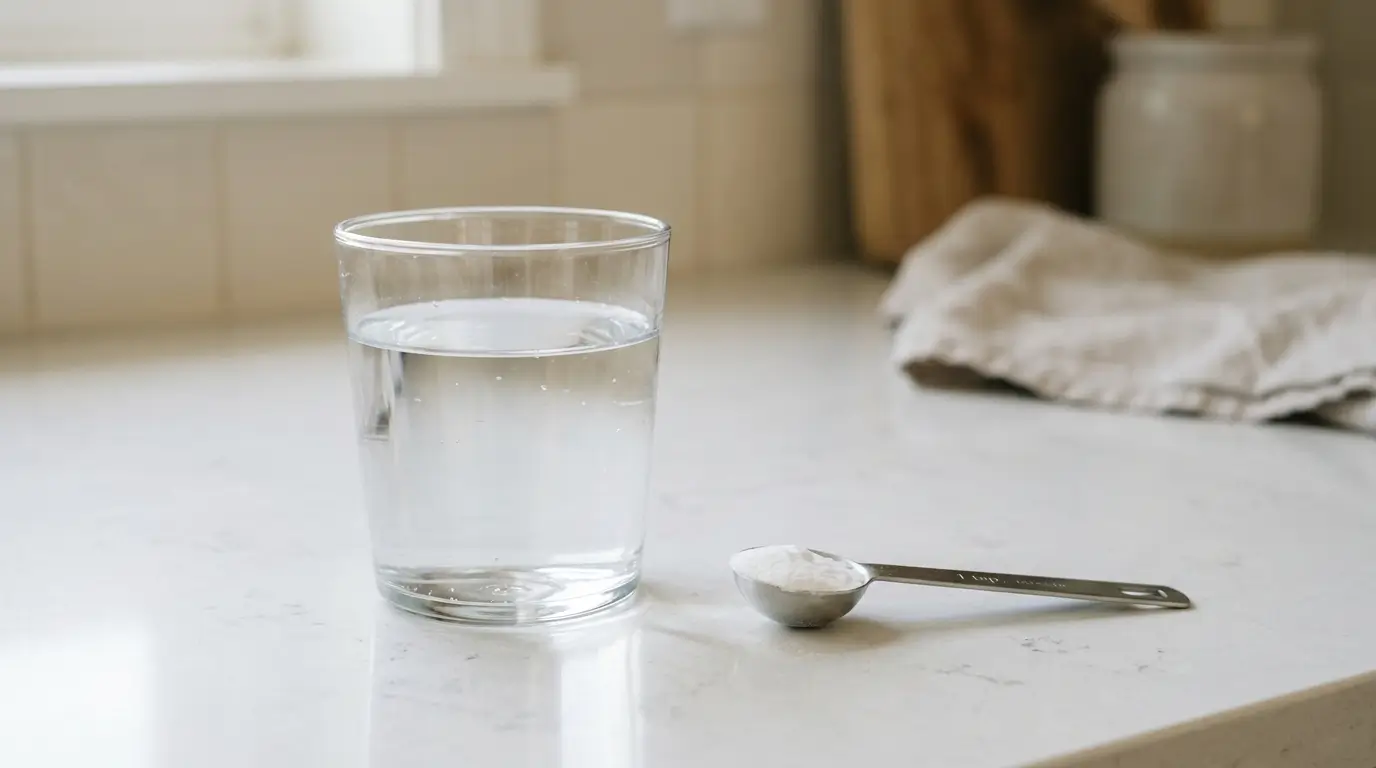
How much baking soda is safe to drink daily — the honest answer is that “daily” and “safe” don’t really belong in the same sentence here. Baking soda dissolved in water is an FDA-approved short-term antacid for occasional heartburn, not something meant for regular, ongoing use. The dosing limits below come from manufacturer guidance and medical sources, but the more important point is what happens when those limits get ignored — which is exactly what tends to happen when baking soda gets treated as a daily wellness ritual instead of an occasional remedy.
The Actual Dosing Limits
For occasional relief of heartburn or indigestion in healthy adults, the standard guidance is:
- ½ teaspoon dissolved completely in at least ½ cup (4 oz) of water
- Adults under 60: up to six of these doses in a 24-hour period, spaced at least 2 hours apart
- Adults 60 and older: no more than three doses in 24 hours
- Maximum duration: this is meant for short-term, occasional use — not longer than 2 weeks without talking to a doctor
These numbers come from manufacturer dosing guidance and medical sources discussing sodium bicarbonate as an over-the-counter antacid — they are not a framework for daily supplementation, and doctors generally advise against using baking soda as a daily habit at all.
Why “Daily” Is the Part That Matters Most
A single occasional dose, taken correctly, is generally low-risk for a healthy adult. The real danger shows up with regular, ongoing use — which is exactly the pattern behind a lot of viral “morning baking soda drink” trends. Two mechanisms explain why:
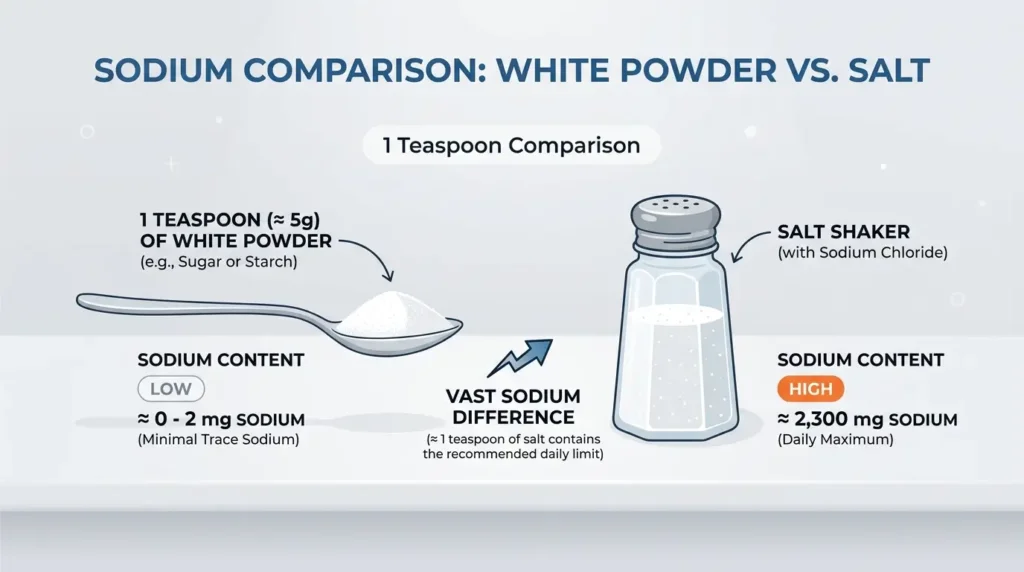
Sodium overload. A single teaspoon of baking soda contains roughly 1,260 mg of sodium — more than half the American Heart Association’s recommended daily sodium limit, before you’ve eaten anything else that day. Regular use compounds this, raising blood pressure risk and worsening conditions like heart failure, kidney disease, or edema.
Metabolic alkalosis. Baking soda is alkaline, and taking it regularly pushes the blood’s pH away from its tightly regulated normal range. This condition, called metabolic alkalosis, can cause symptoms ranging from mild weakness and dizziness to, in documented emergency room cases, seizures, dangerous heart rhythm changes, and loss of consciousness. One published case involved a man who developed serious symptoms after just one week of regular baking soda use, related to depleted potassium and elevated sodium levels in his blood.
Who Should Avoid It Entirely
Several groups face meaningfully higher risk and should not use baking soda as a drink without a doctor’s direct guidance:
- People with kidney disease
- People with heart disease, high blood pressure, or heart failure
- Anyone on a sodium-restricted diet
- Pregnant women
- Children — baking soda should never be given to a child as a home remedy
What About Baking Soda in Actual Food?
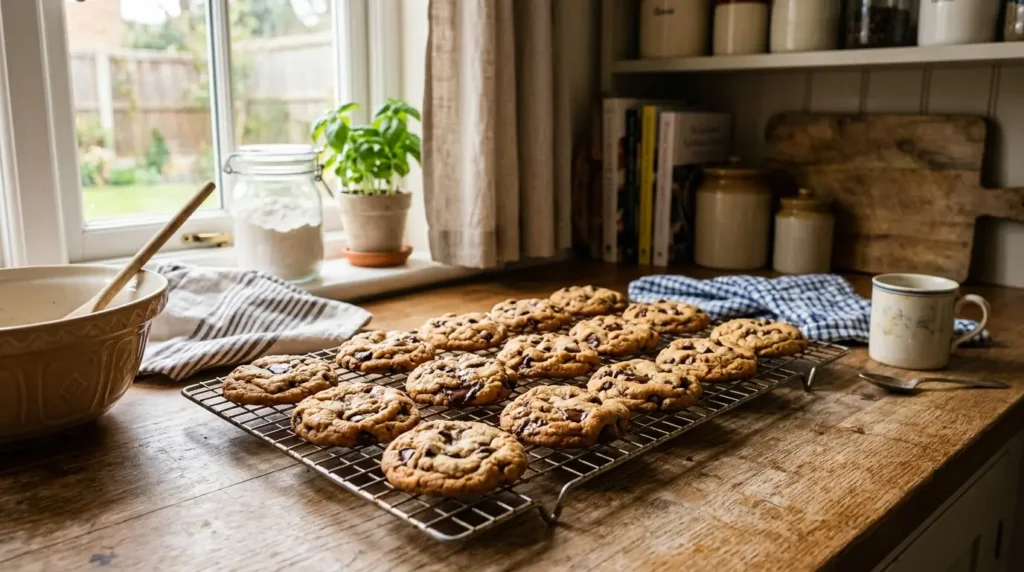
This is worth separating clearly, because it’s a completely different exposure level. The amount of baking soda in a normal recipe — a batch of cookies, a loaf of bread — is a small fraction of a teaspoon per serving, and the FDA recognizes sodium bicarbonate as safe for food use at these levels. Eating a slice of cake made with baking soda is not remotely comparable to drinking a dissolved dose of it regularly. The risks discussed here are specific to deliberately consuming baking soda dissolved in water as a supplement or remedy, not to its ordinary use in cooking and baking.
If You Think You’ve Taken Too Much
Signs of overdose can include nausea, vomiting, diarrhea, muscle spasms or weakness, irritability, and in severe cases, seizures or loss of consciousness. If you or someone else has consumed a large amount of baking soda and is showing any of these symptoms, contact Poison Control immediately at 1-800-222-1222 (US) or seek emergency medical care. Don’t induce vomiting unless specifically instructed to by poison control or a healthcare provider.
Frequently Asked Questions
Is it safe to drink baking soda every morning for digestion or weight loss?
No — this is exactly the pattern that carries the most risk. Occasional, correctly dosed use for heartburn is different from a daily habit, which meaningfully increases the risk of sodium overload and metabolic alkalosis over time.
What does a baking soda overdose feel like?
Early symptoms include nausea, vomiting, diarrhea, and muscle weakness. More severe cases can involve seizures, irregular heartbeat, and loss of consciousness — these require emergency medical attention.
Can baking soda interact with medications?
Yes — it can change stomach acidity in ways that affect how certain medications, including some antibiotics, are absorbed or eliminated. If you take regular medication, talk to a doctor or pharmacist before using baking soda as an antacid.
Is baking soda in baked goods dangerous in the same way?
No. The amount used in normal recipes is far below the threshold associated with any of these risks, and is recognized as safe for food use by the FDA.
Is there a safer alternative for occasional heartburn?
Over-the-counter antacid products (like Tums) are generally considered a lower-risk option than home-mixed baking soda, since they’re formulated and dosed specifically for that purpose.
Disclaimer: This article is for general informational purposes only and is not medical advice. It does not replace guidance from a qualified healthcare provider. If you are considering using baking soda as an antacid or for any health purpose, talk to your doctor first — especially if you have a pre-existing health condition or take regular medication. In case of a suspected overdose, contact Poison Control (1-800-222-1222 in the US) or seek emergency care immediately.
For a genuinely useful, non-ingestion use of this pantry staple, see our guide on baking soda and ground beef, and for the everyday cooking and baking science behind it, our baking soda in cooking and baking guide covers its role in recipes without any of the risks discussed here.