
Quick Answer
| Is gelatin made from horse hooves? | No — hooves physically can’t produce gelatin at all |
| Why not? | Hooves are made of keratin, not collagen — and collagen is the only thing gelatin can be made from |
| What is gelatin actually made from? | Collagen from the skin, bones, and connective tissue of pigs (most common), cattle, and fish |
| Are horses ever involved at all? | Historically and in some regions, yes — horse bones and hides have been used, but never hooves specifically |
| Where did the hoof myth come from? | Likely confusion with horse hoof glue, a real but completely different product |
Is gelatin made from horse hooves — this is one of the most persistent food myths out there, and the honest answer is a clear no, verified by fact-checkers including Snopes. But the reason it’s false isn’t just “that’s not where gelatin comes from” — it’s that hooves are physically incapable of producing gelatin in the first place, regardless of which animal they’re from.
Why Hooves Specifically Can’t Make Gelatin
This is the part most explanations skip over: it’s not just that manufacturers don’t use hooves, it’s that they couldn’t even if they wanted to. Gelatin is made by extracting and processing collagen, a specific structural protein found in skin, bones, tendons, and connective tissue. Hooves, by contrast, are made almost entirely of keratin — the same protein found in hair, nails, and horns. Keratin has a completely different molecular structure than collagen, and it doesn’t break down into gelatin no matter how it’s processed. So the myth isn’t just unlikely, it’s chemically impossible.
What Gelatin Is Actually Made From
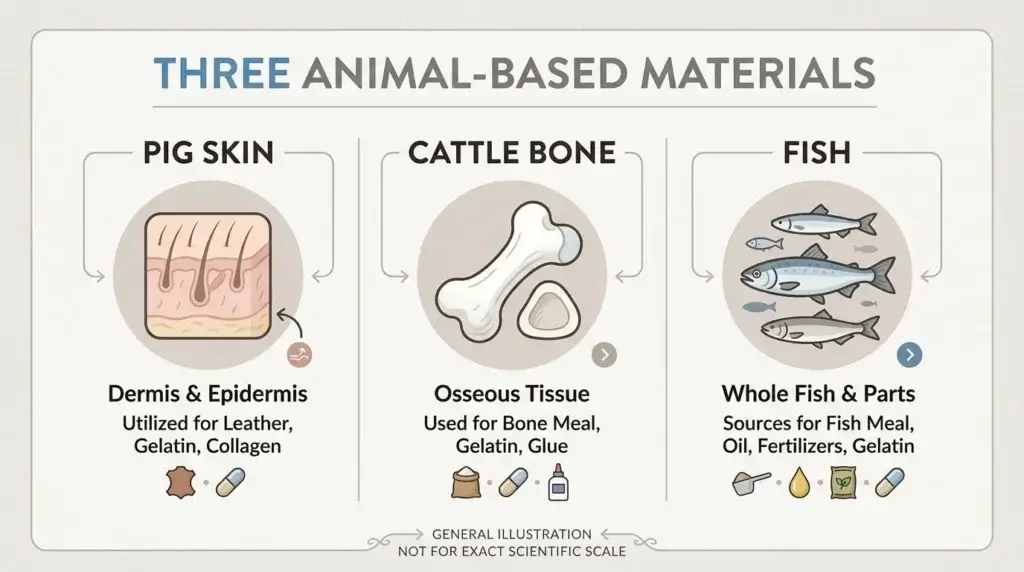
Real gelatin comes from boiling down collagen-rich animal byproducts — primarily:
- Pig skin — the single most common source of commercial gelatin worldwide
- Cattle bones and hides — the second most common source
- Fish skin and bones — used for marine gelatin, often preferred for religious dietary certifications since it doesn’t require ritual slaughter
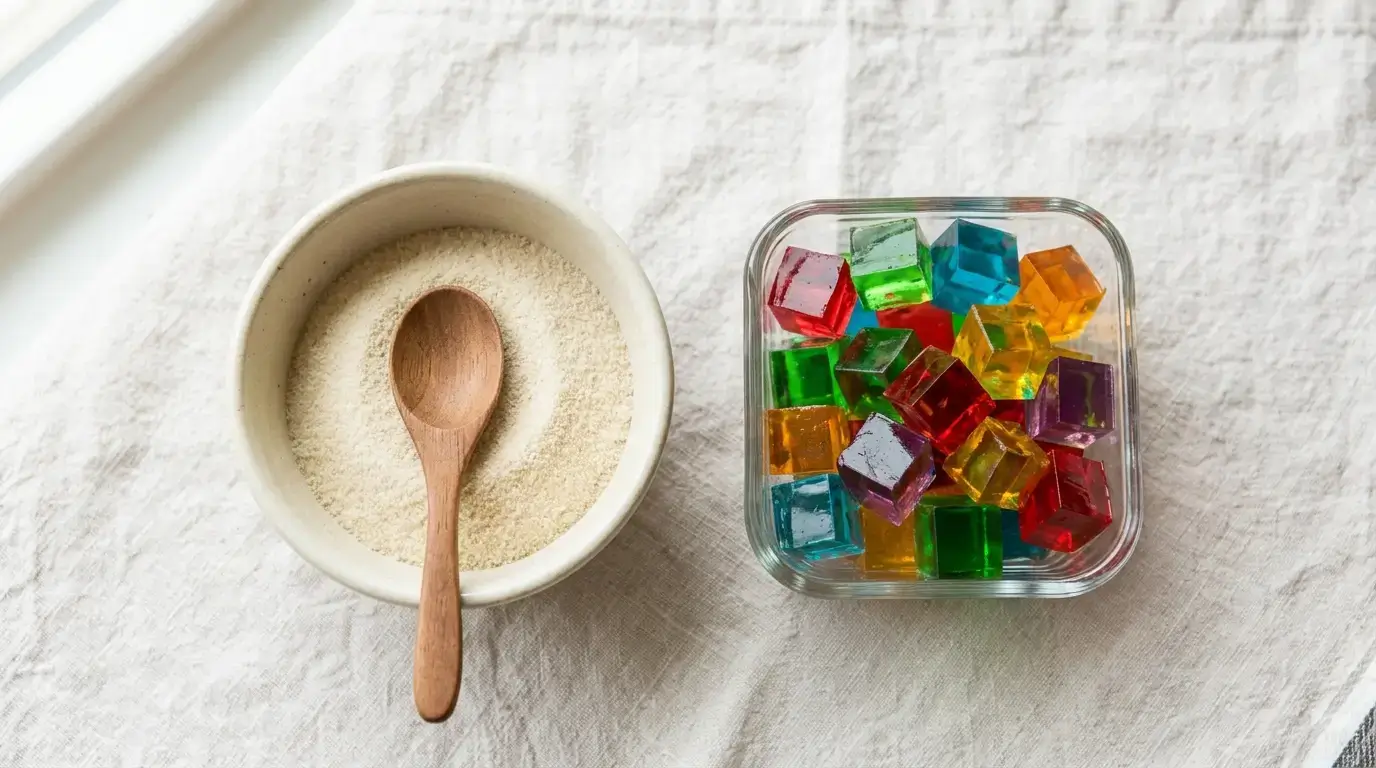
The collagen is extracted through a long process of boiling, filtering, and drying, which converts it into the flavorless, colorless powder or sheets sold as gelatin.
So Where Do Horses Actually Come Into This?
Here’s the nuance worth knowing: while hooves are never used, horse bones and hides have historically been used as a gelatin source in some regions, particularly in parts of Europe, alongside the far more common pork and cattle sources. So it’s not entirely accurate to say horses have nothing to do with gelatin production — it’s specifically the hooves that are the impossible part of the myth, not the animal itself. If you’re curious about horse-derived gelatin specifically as it relates to some current wellness trends, our guide on horse gelatin for men covers that topic in more depth.
Where the Hoof Myth Actually Came From
The confusion almost certainly traces back to a real, but entirely separate, product: horse hoof glue. Long before modern adhesives existed, glue really was made by boiling down horse hooves and other keratin-rich animal parts — a technique going back thousands of years, historically used for things like woodworking, violin-making, and even stiffening bows for arrows. That product is real, it does involve hooves, and it’s still made today in small quantities for specialty woodworking. Somewhere along the way, the “boiled-down animal parts create a gelling substance” concept for glue got conflated with gelatin, a completely different product made from a completely different part of the animal.
Why This Myth Has Lasted So Long
Gelatin’s actual ingredient list — bones, skin, and connective tissue from pigs and cattle — is already unappetizing enough for a lot of people to not question it further once they hear it, which may be part of why the more dramatic “horse hooves” version stuck around instead of getting corrected. It’s also just a good story: specific, visual, and slightly grotesque in a way that “processed pig skin” doesn’t quite match, even though the pig skin version is the one that’s actually true.

Frequently Asked Questions
Is Jell-O made from horse hooves?
No. Jell-O’s gelatin comes from the same collagen sources as other commercial gelatin — primarily pork and cattle byproducts, not hooves from any animal.
Do any gelatin products actually use horse parts?
Some gelatin production has historically used horse bones and hides, mainly in parts of Europe, though pork and cattle sources are far more common globally today. Hooves specifically are never used, regardless of the animal.
Why can’t hooves be turned into gelatin?
Hooves are made of keratin, a structural protein with a different composition than collagen. Only collagen — found in skin, bones, and connective tissue — can be processed into gelatin.
Is horse hoof glue a real product?
Yes — hoof glue is a genuine adhesive product with an ancient history, still produced today in smaller quantities for specialty applications like woodworking and instrument making. It’s unrelated to food-grade gelatin.
If I want to avoid animal-derived gelatin entirely, what should I use?
Agar-agar, a seaweed-derived gelling agent, is a common plant-based substitute that works in many of the same recipes. Our vegan gelatin substitutes guide covers several options in more depth.
Disclaimer: Gelatin production methods and sourcing can vary by manufacturer and region. This article reflects widely corroborated, fact-checked information about typical commercial gelatin production.
For more on what actually goes into gelatin and how to identify it on a label, see our guide to what foods and products contain gelatin, and if the source of your gelatin matters for religious dietary reasons, our halal gelatin guide and is gelatin kosher guide both cover what to check for specifically.