
Quick Answer
| Top nutrients that matter | Protein, iron, zinc, biotin, omega-3s, and vitamin D |
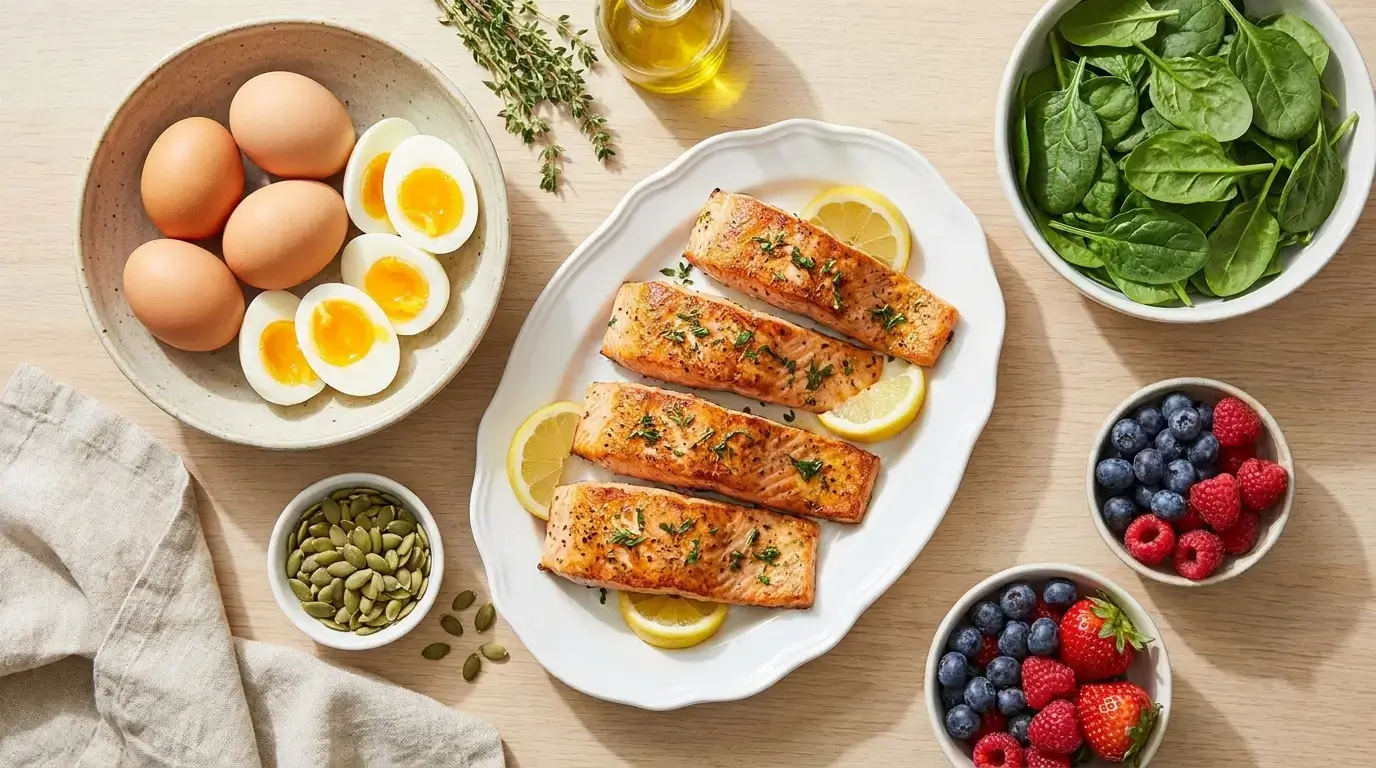
| Best foods overall | Eggs, salmon, pumpkin seeds, lentils, spinach, berries |
| Is biotin as important as marketing suggests? | Not really — it mainly helps if you’re actually deficient, which is uncommon |
| Can too much of a “good” nutrient hurt? | Yes — excess selenium, vitamin A, and iron can all cause hair loss instead of preventing it |
| How fast will diet changes show results? | Hair grows slowly; expect months, not weeks, before noticing a difference |
Hair is built almost entirely from a protein called keratin, so the best food for hair growth ultimately comes down to giving your body a steady supply of the raw materials — protein, key minerals, and specific vitamins — that keep hair follicles cycling through their active growth phase properly. No single food works miracles, but a consistent pattern of the right nutrients, over months rather than days, genuinely supports thicker, stronger hair.
Understanding Why Diet Affects Hair at All
Each hair follicle cycles through a growth phase (called anagen, lasting two to six years), a rest phase, and a shedding phase. The growth phase specifically requires a steady supply of amino acids, minerals, and vitamins to build each strand. When your body runs short on key nutrients, it prioritizes vital organs over hair maintenance — which is why nutritional deficiencies so often show up first as hair thinning or shedding before other symptoms appear.
The Foods and Nutrients With the Strongest Evidence
Protein — Since hair is built almost entirely from protein, chronically under-eating it can starve follicles of their basic building blocks, a pattern that shows up commonly during aggressive dieting. Aim for a protein source at most meals: eggs, Greek yogurt, fish, chicken, tofu, or legumes.
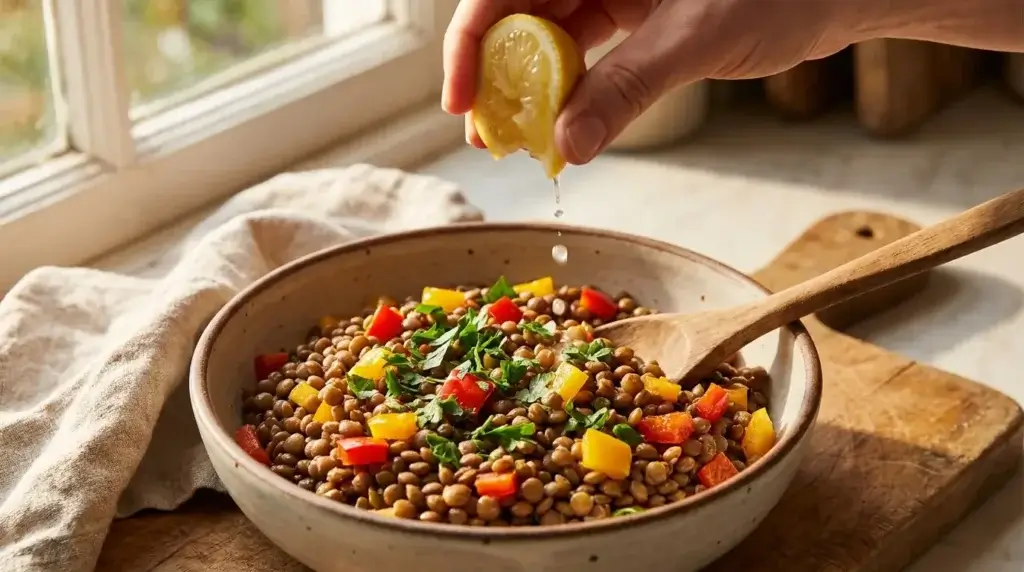
Iron — Found in red meat, lentils, beans, tofu, and spinach, iron deficiency is specifically linked to hair shedding in research on women experiencing unexplained hair loss, who tend to show measurably lower iron stores than women without hair loss. Pairing plant-based iron sources with vitamin C (like a squeeze of lemon over lentils) meaningfully improves how much iron your body actually absorbs.
Zinc — Found in oysters, beef, pumpkin seeds, and lentils, zinc supports follicle health and scalp repair. The clearest evidence for zinc specifically benefiting hair comes from studies on people who were already zinc-deficient, where supplementing brought about real improvement — it’s less clear that extra zinc helps people who aren’t deficient in the first place.
Omega-3 fatty acids — Found in salmon, walnuts, and flaxseed, omega-3s support scalp health, though the direct evidence for hair growth specifically is less robust than for the nutrients above.
Vitamin C — Found abundantly in berries and citrus, vitamin C is both an antioxidant that may protect follicles from damage and a nutrient your body needs to produce collagen, which helps keep hair strands strong and less prone to breaking. It also significantly improves how well your body absorbs iron from plant sources.
The Nutrient That’s More Overhyped Than the Marketing Suggests: Biotin
Biotin (vitamin B7) is probably the single most heavily marketed “hair growth” nutrient — hair, skin, and nail gummies are built almost entirely around it. Here’s the honest picture: a real biotin deficiency can genuinely cause hair loss and thinning, and correcting that deficiency helps. But true biotin deficiency is actually uncommon in people eating a reasonably varied diet, and there’s no solid evidence that taking extra biotin beyond what your body needs provides any additional hair benefit if you aren’t deficient to begin with. If you want biotin from food rather than a supplement, eggs, nuts, and sweet potatoes are good sources.
One more practical note: taking biotin in excess can interfere with certain lab test results, including some thyroid function tests — worth mentioning to a doctor if you take biotin supplements before any blood work.
The Part Almost Nobody Mentions: More Isn’t Always Better
This is worth taking seriously rather than assuming “more nutrients equals better hair” across the board. A few specific examples where excess can backfire:
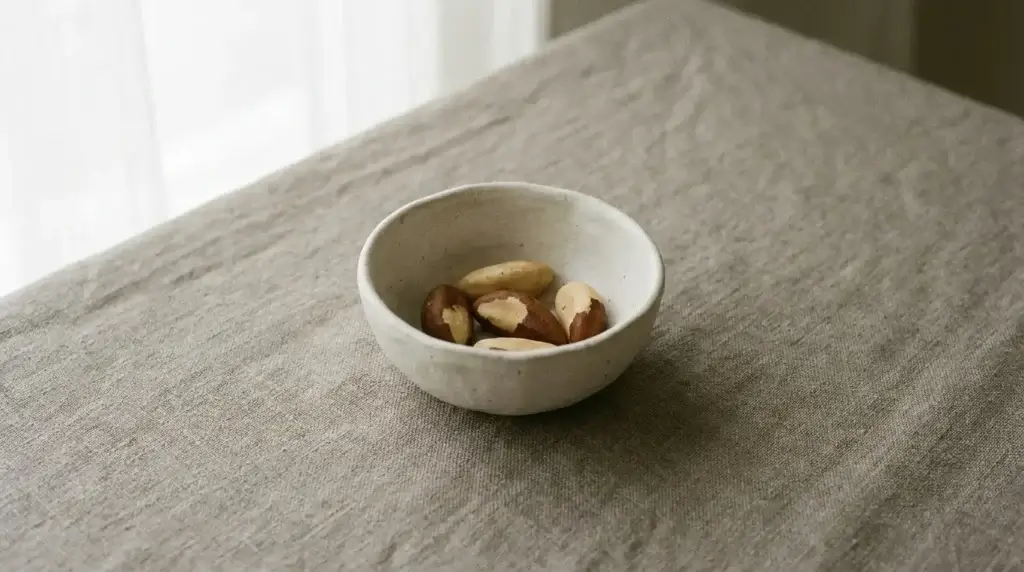
- Selenium — found in Brazil nuts, among the richest natural sources. A single Brazil nut can contain 68-91 micrograms of selenium, and the upper recommended daily limit for adults is around 400 micrograms — meaning it doesn’t take many nuts to approach that ceiling. Too much selenium can actually cause hair loss rather than prevent it.
- Vitamin A — your body converts beta carotene (found in sweet potatoes and carrots) into vitamin A only as needed, so eating beta-carotene-rich foods is generally safe in any amount. But getting excess preformed vitamin A specifically through high-dose supplements can become toxic and cause hair to fall out.
- Iron — while deficiency is linked to hair loss, megadosing iron supplements without an actual confirmed deficiency (ideally checked through bloodwork) isn’t a good idea, since excess iron carries its own health risks.
A Practical Way to Build Meals Around This
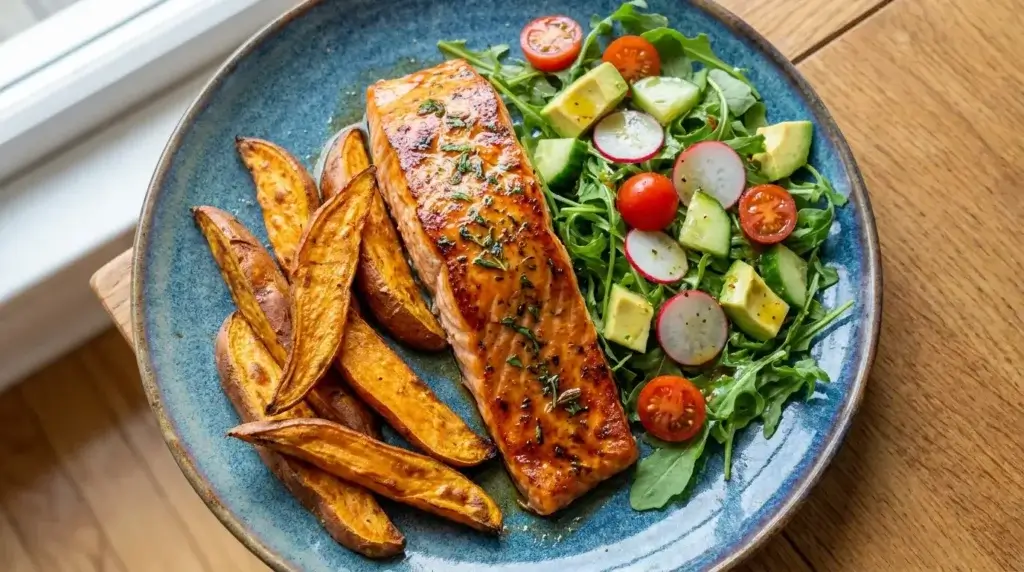
Rather than trying to track every individual nutrient, it’s more realistic to build meals around a few foods that cover multiple hair-supporting nutrients at once:
- Eggs — protein, biotin, and some vitamin D
- Salmon — protein, omega-3s, biotin, and vitamin D
- Pumpkin seeds — zinc and iron
- Lentils with bell peppers — iron, with the vitamin C boosting absorption
- Sweet potatoes — biotin and vitamin A precursors (beta carotene)
- Berries — vitamin C and antioxidants
If you follow a plant-based diet, it’s worth paying particular attention to iron, zinc, and omega-3 intake specifically, since these are the nutrients most commonly harder to get in sufficient amounts without animal products.
How Long Before You’d Actually Notice a Difference
Hair grows slowly, and the growth phase of a single follicle lasts years, not weeks — so dietary changes realistically take months, not days, to show up as a visible difference in thickness or growth rate. If you’re addressing an actual nutrient deficiency, that timeline can still apply, since existing hair still has to grow out under improved conditions rather than instantly changing.
Frequently Asked Questions
Can diet alone fix significant hair loss?
Diet can meaningfully help if a nutrient deficiency is part of the cause, but hair loss has many possible causes — genetics, hormones, certain medications, and medical conditions among them — that diet alone won’t resolve. If hair loss is significant or sudden, it’s worth talking to a doctor rather than assuming diet changes alone will fix it.
Do I need supplements, or can food alone provide enough of these nutrients?
For most people without a diagnosed deficiency, a varied diet covering the foods above is generally sufficient. Supplements make more sense when an actual deficiency has been identified, ideally through bloodwork rather than guessing.
Is rice water for hair growth backed by evidence?
This is a topical treatment rather than a dietary one, and the evidence for rice water specifically promoting hair growth is limited and mostly anecdotal rather than robustly studied.
What foods should I limit if I’m concerned about hair loss?
There’s no single food proven to directly cause hair loss in most people, though an overall poor diet lacking in protein, iron, and zinc is the more relevant concern than any specific food to avoid.
Are hair growth foods different for men and women?
The core nutrients (protein, iron, zinc, biotin, omega-3s) matter for both, though iron deficiency-related hair loss is documented more specifically in women, likely related to menstruation-related iron loss.
Disclaimer: This article is for informational purposes only and does not constitute medical advice. Significant or sudden hair loss should be evaluated by a doctor, since it can have causes unrelated to diet. Always consult a qualified healthcare provider before starting any new supplement, particularly at doses above typical dietary amounts.
For more on building balanced, nutrient-dense meals, see our guides to high protein snacks under 200 calories and savory breakfast ideas, both of which feature several of the foods mentioned here.