
Quick Answer
| What “maxxing” means | Internet slang for aggressively optimizing one specific thing — in this case, protein intake |
| What protein maxxing involves | Eating as much protein as possible, often following a “1 gram per pound of body weight” rule |
| Is it backed by science? | Partially — protein is genuinely important, but “more is automatically better” isn’t supported |
| Main risk | Excess protein can strain the kidneys over time and often means cutting fiber and carbs |
| Who should be extra cautious | Anyone with existing kidney concerns, or anyone replacing whole foods with heavily processed high-protein products |
Protein maxxing means aggressively maximizing your protein intake, based on the idea that if a moderate amount of protein is good for you, an extreme amount must be even better. It’s part of a broader online trend of “maxxing” — optimizing one specific thing as intensely as possible — and while the underlying interest in protein isn’t misguided, the extreme version of this trend has drawn real pushback from doctors and dietitians.
What “Maxxing” Actually Means as a Term
The “-maxxing” suffix is internet slang meaning to optimize or maximize a specific quality or activity as much as possible. It originated in gaming and game-theory communities, was later adopted by online communities focused on physical appearance in the 2010s, and has since spread broadly across TikTok and social media in the 2020s, often applied to everyday habits — sleep, productivity, nutrition, and more. Protein maxxing is simply that same “maximize it” mentality applied specifically to protein intake.
What Protein Maxxing Actually Looks Like
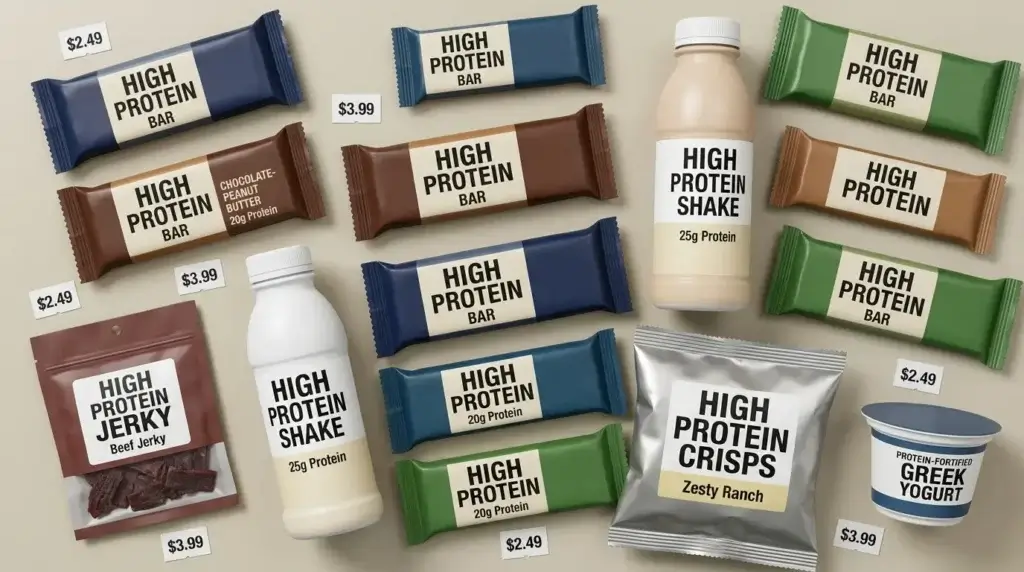
The trend typically centers on a viral rule of thumb — eating around 1 gram of protein per pound of body weight per day, a target well above standard nutritional guidelines for most people. To reach that number, followers of the trend often significantly reduce carbohydrates and fiber, replacing them with heavy amounts of animal protein, protein powders, or highly processed protein-fortified snacks and drinks. Food companies have leaned into the trend too, adding “high protein” labels to everything from cereal to bottled water — creating what nutrition writers have called a “health halo” effect, where a product feels automatically healthy simply because protein is mentioned on the label.
What’s Actually True and What Isn’t

Protein genuinely matters — it supports muscle repair, satiety, and a range of bodily functions, and many people don’t get quite enough of it. That part of the underlying interest is reasonable. Where the trend overreaches is in the assumption that eating far beyond what your body can actually use will produce proportionally better results.
Physicians interviewed on the topic, including an internist and physician-scientist at Rush University who studies lifestyle interventions in aging, have pointed out that excess protein alone doesn’t build muscle — muscle growth requires resistance training as the actual driver, with protein supporting that process rather than replacing it. Amino acids the body can’t use for muscle repair don’t simply get “banked” for later; they’re broken down and processed as nitrogen waste, primarily by the kidneys.
The Main Health Concern Worth Knowing
This is the part worth taking seriously rather than dismissing as internet noise: consistently eating far more protein than your body needs places additional long-term strain on the kidneys as they process that extra nitrogen waste, which may raise the risk of complications like high blood pressure or kidney problems over time — a concern that matters most for people who already have reduced kidney function, even if it hasn’t been formally diagnosed. Separately, cutting fiber and carbohydrates to make room for all that extra protein can create its own problems, since fiber plays an important, well-established role in digestion, blood sugar regulation, and overall gut health.
A More Reasonable Approach
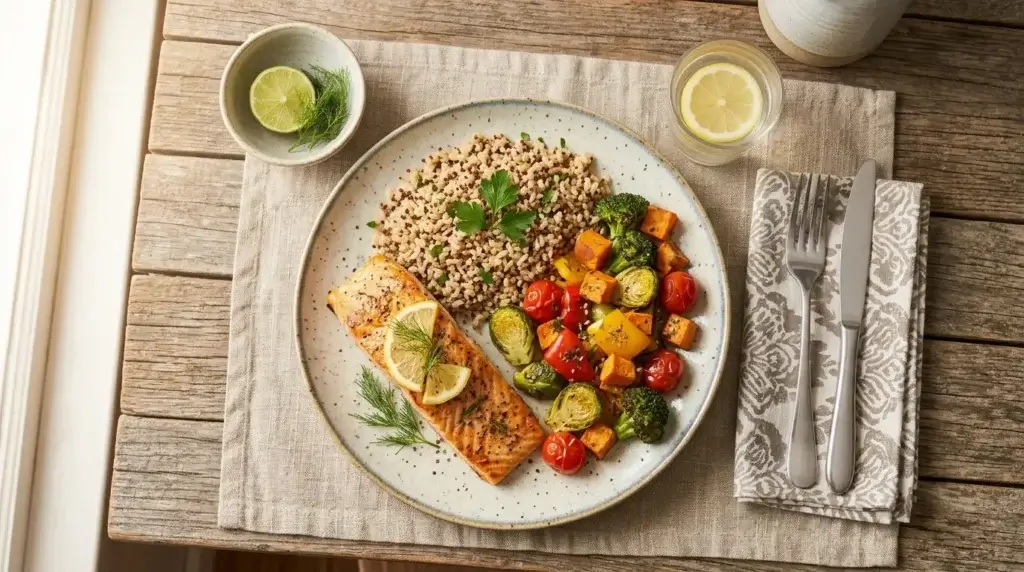
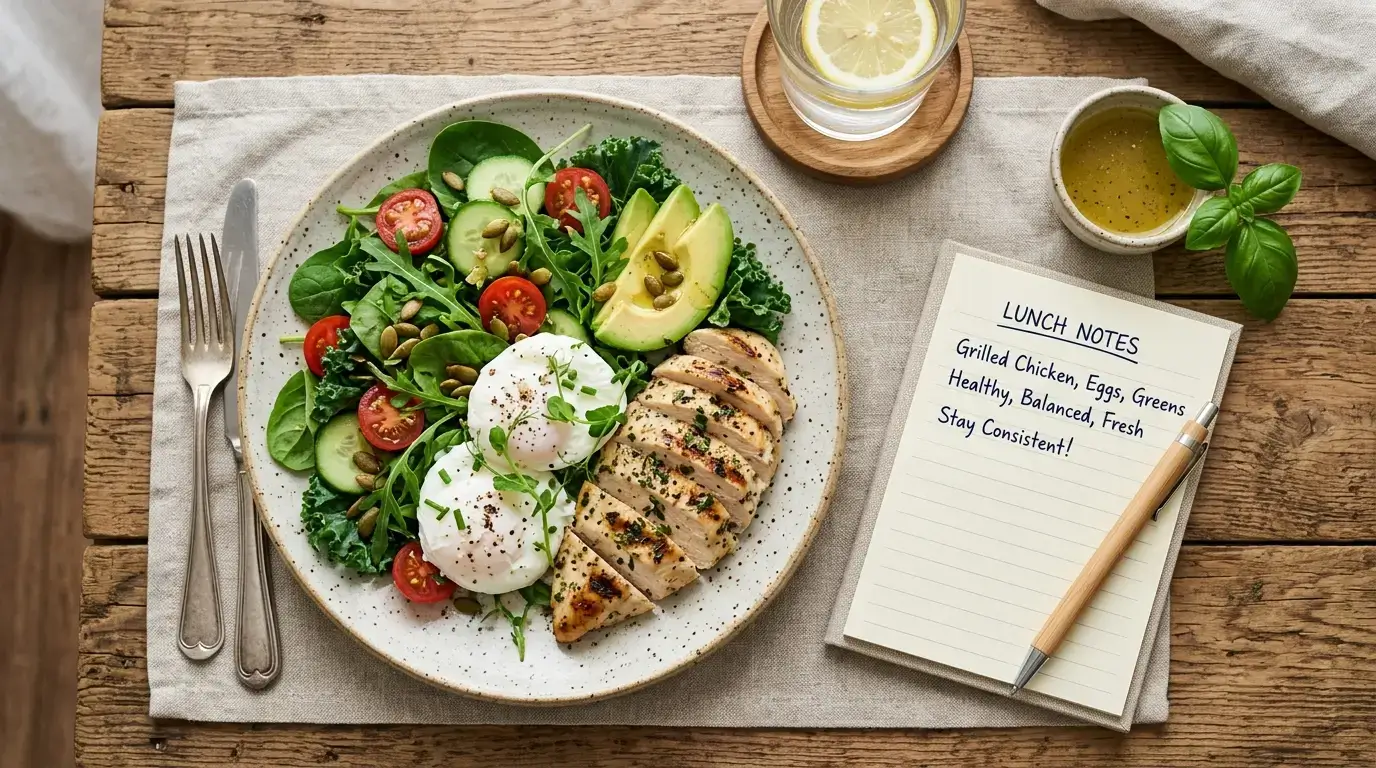
If the underlying goal is simply making sure you get enough protein — which is a legitimate, worthwhile goal for a lot of people — the evidence-based approach looks less extreme than “maxxing” implies: prioritizing protein at each meal, spacing it out through the day, and pairing it with resistance training if muscle building is the specific goal, all while keeping fiber-rich foods in the mix rather than eliminating them. If you’re looking for practical ideas along these lines, our guides to high protein snacks under 200 calories and savory breakfast ideas focus on genuinely balanced, whole-food ways to increase protein without swinging to an extreme.
Frequently Asked Questions
Is 1 gram of protein per pound of body weight too much?
For most people not engaged in serious strength training, it’s well above what’s typically needed. Even for athletes, most nutrition guidelines land meaningfully lower than that figure for sustained, safe intake.
Can too much protein actually hurt a healthy person?
For someone with normal kidney function, the research is more reassuring than alarming in the short term, but doctors generally advise against extreme, sustained excess, particularly since kidney issues can be present without obvious symptoms.
What other “maxxing” trends exist?
The suffix has been applied to all kinds of things — sleep (“sleepmaxxing”), overall nutrition (“nutrientmaxxing”), and various appearance-focused trends. The common thread is the “optimize this one thing intensely” framing, for better or worse depending on the specific version.
Are high-protein packaged foods actually healthy just because they say “high protein”?
Not automatically. A product can be high in protein while still being highly processed or containing other less desirable ingredients — the protein content alone doesn’t make something a healthy choice on its own.
Is there a safer way to increase protein intake gradually?
Yes — focusing on whole food protein sources (eggs, dairy, lean meats, legumes) spread across meals, alongside continued fiber intake, is a more balanced approach than an abrupt, extreme shift.
Disclaimer: This article is for informational purposes only and does not constitute medical advice. Always consult a qualified healthcare provider before making significant changes to your diet, particularly around protein intake if you have any kidney or metabolic health concerns.
For practical, balanced ways to add more protein to your day, see our guides to high protein snacks under 200 calories, savory breakfast ideas, and high protein oatmeal.