
Quick Answer
| What GLP-1 stands for | Glucagon-like peptide-1 |
| What it is | A natural hormone made in your small intestine after you eat |
| What it does | Triggers insulin release, blocks glucagon, slows stomach emptying, and increases fullness |
| Why it’s in the news | Medications like Ozempic and Wegovy work by mimicking this natural hormone |
| Can food influence it? | Yes — certain foods are believed to support the body’s natural GLP-1 activity |
What is GLP-1 — short for glucagon-like peptide-1, it’s a hormone your body already makes naturally, in your gut, every time you eat. It’s become a household term recently mostly because of medications like Ozempic and Wegovy, which work by mimicking this hormone’s effects — but GLP-1 itself isn’t a drug or a brand name. It’s something your body has been producing on its own long before any of these medications existed.
Where GLP-1 Comes From and When It’s Released

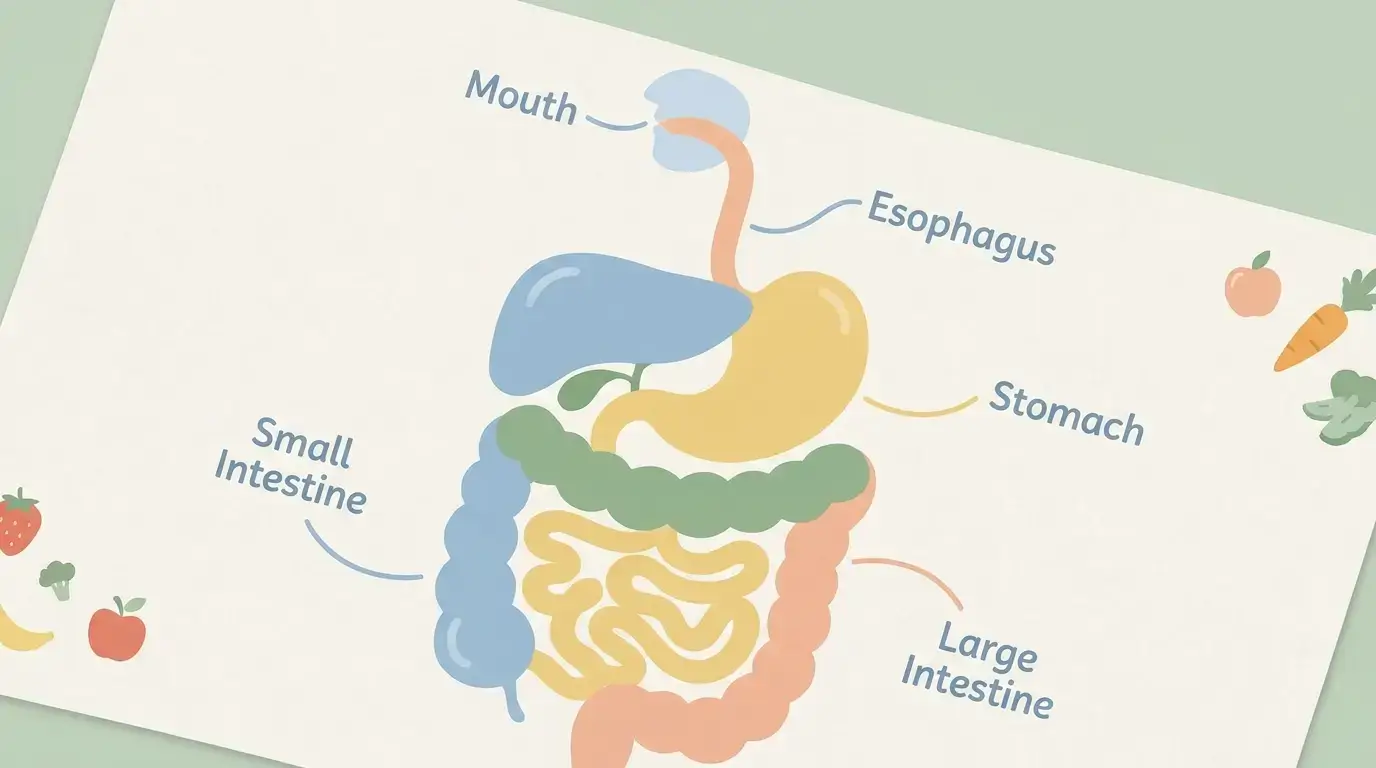
GLP-1 belongs to a category of hormones called incretins, which are released by cells in your small intestine specifically in response to eating. Specialized cells called L cells, located mainly in the lower part of the small intestine and the colon, release GLP-1 into your bloodstream after a meal, where it has a very short natural lifespan — it’s broken down by an enzyme within just a couple of minutes. That short natural duration is actually one of the key engineering challenges that pharmaceutical GLP-1 medications were designed to solve, since a longer-lasting version of the hormone’s effects is what makes those medications useful for ongoing treatment.
What GLP-1 Actually Does in Your Body
Despite its short lifespan, GLP-1 has several distinct, well-documented roles once it’s released:
- Triggers insulin release — specifically when blood sugar is elevated, GLP-1 signals your pancreas to release insulin, which helps clear glucose from your bloodstream
- Blocks glucagon — glucagon is a hormone that raises blood sugar, and GLP-1 suppresses its release, working as a kind of counterbalance
- Slows gastric emptying — food stays in your stomach longer, which flattens the speed at which sugar enters your bloodstream after a meal
- Increases satiety — GLP-1 acts on areas of the brain involved in hunger and fullness, contributing to the feeling of being satisfied after eating
Together, these effects are why GLP-1 plays a central role in blood sugar regulation and why it’s closely tied to appetite and how full you feel after a meal.
Why GLP-1 Became a Household Name
GLP-1 receptor agonist medications — including semaglutide (sold as Ozempic and Wegovy) and tirzepatide (sold as Zepbound and Mounjaro) — are drugs designed to mimic natural GLP-1’s effects, but in a form that lasts much longer than the two-to-three-minute lifespan of the hormone your body makes on its own. These medications were originally developed to help manage type 2 diabetes, and their appetite-reducing and gastric-slowing effects later led to their use for weight management as well.
This article is specifically about the natural hormone and how it works — for questions about GLP-1 medications themselves, including whether one might be appropriate for you, that’s a conversation for a doctor, not something we’re covering here.
Can You Influence GLP-1 Naturally, Without Medication?
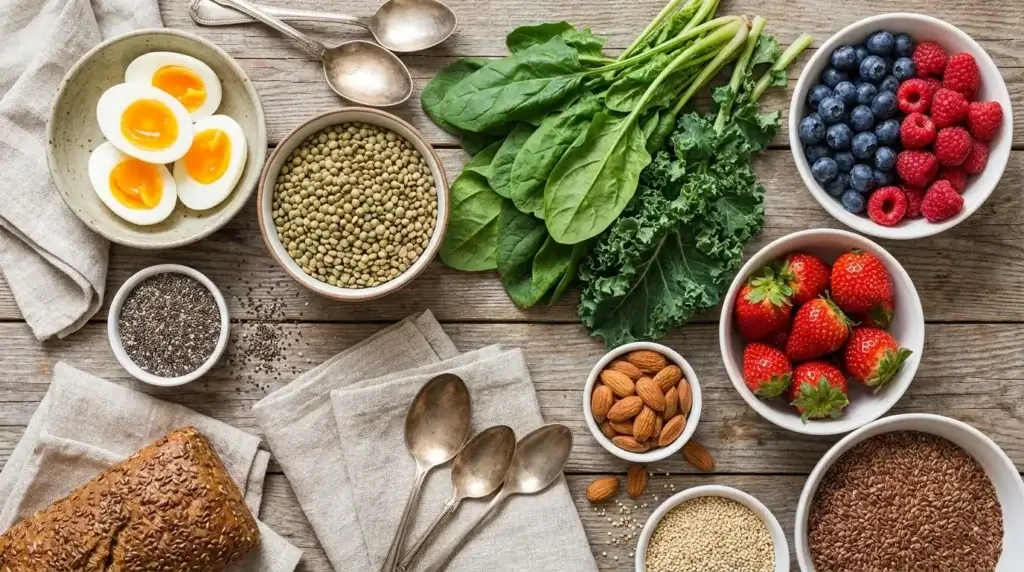
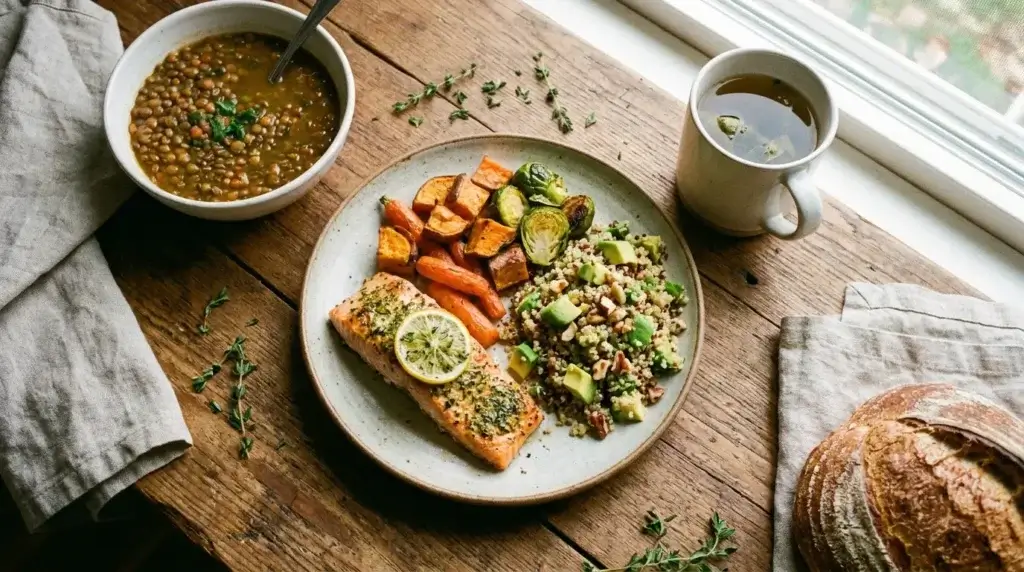
Since GLP-1 is released in response to eating, what and how you eat can influence its natural release to some degree — though the effect is much milder and shorter-lived than what a medication designed specifically to extend and amplify GLP-1 activity can achieve. Certain foods and eating patterns are believed to support the body’s natural GLP-1 response, including protein-rich foods, fiber, and some fermented foods. If you’re interested in this food-based angle specifically, our guide to natural GLP-1 foods covers this in more depth.
Frequently Asked Questions
Is GLP-1 the same thing as insulin?
No — they’re different hormones with related but distinct roles. GLP-1 helps trigger insulin release from the pancreas when blood sugar is elevated, rather than being insulin itself.
Does everyone naturally produce GLP-1?
Yes — it’s a normal part of digestion in everyone, released after eating regardless of whether someone takes a GLP-1 medication or not.
Why does natural GLP-1 wear off so quickly?
It’s broken down rapidly by an enzyme called DPP-4 within a couple of minutes of being released — part of the body’s normal regulatory system, though it’s also the specific limitation that GLP-1 medications are engineered to work around.
Is low GLP-1 a diagnosable medical condition?
GLP-1 function can be reduced in people with type 2 diabetes specifically, contributing to blood sugar regulation difficulties, though it’s not typically framed as a standalone diagnosis the way a vitamin deficiency might be.
Does exercise affect GLP-1 levels?
Some research suggests physical activity may influence GLP-1 and related metabolic hormones, though this is a less central factor than the direct effect of eating itself, which is what triggers its release in the first place.
Disclaimer: This article is for general educational purposes about GLP-1 as a natural hormone and does not constitute medical advice. Questions about GLP-1 medications, their appropriateness for you, dosing, or side effects should be directed to a qualified healthcare provider.
For a food-based look at supporting your body’s natural GLP-1 activity, see our guide to natural GLP-1 foods, and for practical high-protein and high-fiber meal ideas that align with this, see our high protein snacks under 200 calories guide.