
To make an espresso tonic, fill a tall glass with ice, add 4 oz (120 ml) of chilled tonic water, then slowly pour 1 double espresso (about 2 oz or 60 ml) over the ice. Finish with an orange or lemon twist if you like. It is a sparkling, bittersweet coffee drink that takes about five minutes to prepare.
The key is the order: ice first, tonic second, espresso last. A slow pour helps prevent the bubbles from rising over the rim. This easy homemade version needs no syrup, although you can add a little if the coffee and tonic taste too bitter together.
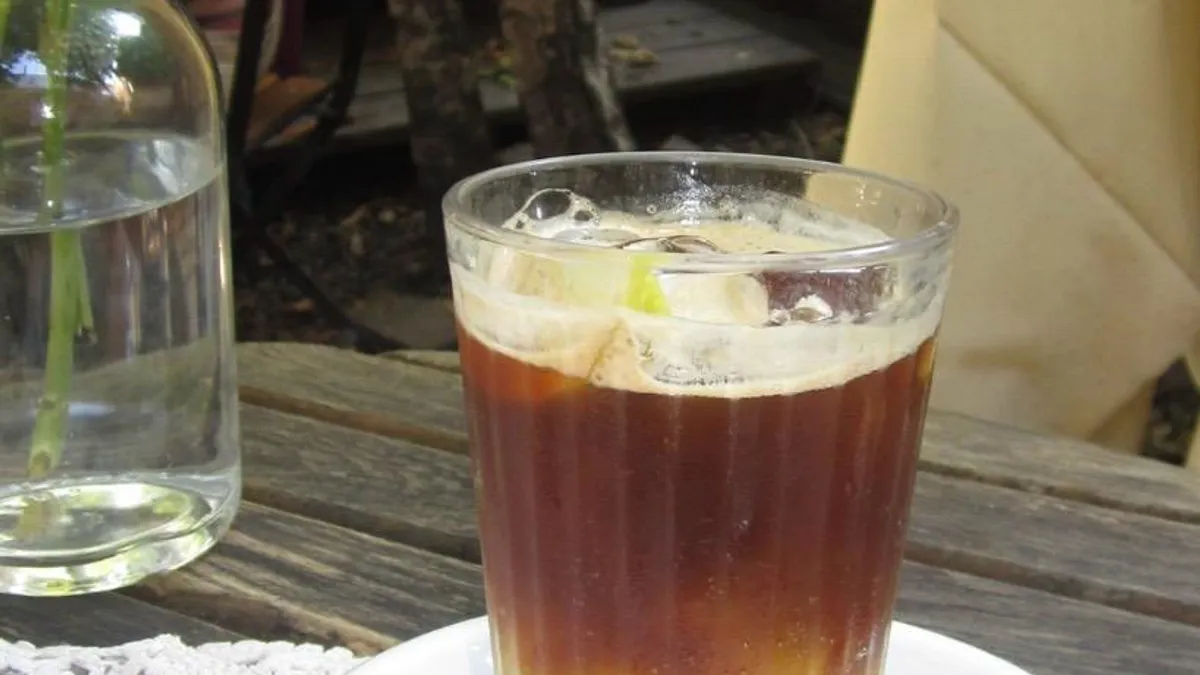
What Is an Espresso Tonic?
An espresso tonic combines freshly brewed espresso with carbonated tonic water and ice. Unlike a creamy iced latte, it has a crisp, bubbly texture and a bittersweet finish. The quinine in tonic gives it a distinctive bitterness, while the espresso contributes roast, fruit and chocolate notes depending on your beans.
It contains no alcohol. Although it looks like a coffee mocktail, it is simply a coffee-and-tonic drink. Regular tonic usually contains some sugar, so the final sweetness depends on the bottle you choose.
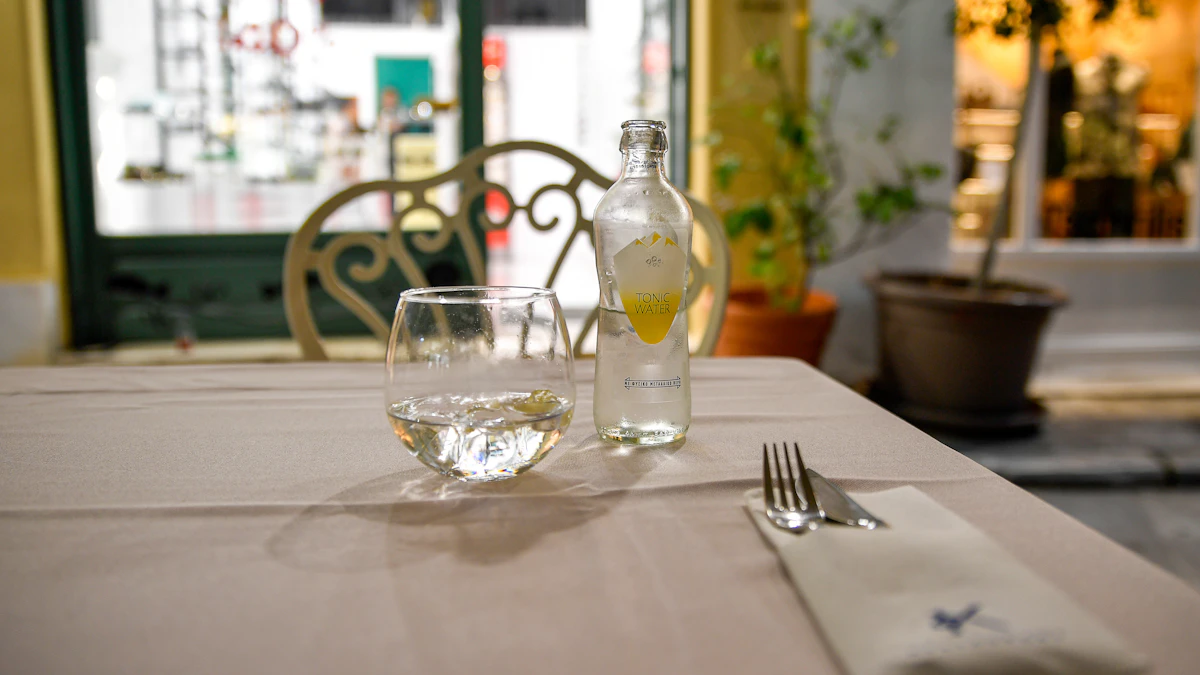
Espresso Tonic Ingredients
- 4 oz (120 ml) chilled tonic water: start with a citrus-forward tonic if available.
- 1 double espresso: roughly 2 oz (60 ml), or use a smaller 1–1.5 oz shot for a lighter coffee flavor.
- 1 cup ice: large cubes help keep the drink cold without rapidly diluting it.
- Optional garnish: one orange or lemon twist.
- Optional sweetness: 1–2 teaspoons simple syrup, only after tasting.
Yield: one serving. Prep time: about 5 minutes. Equipment: espresso machine or another method for brewing a small amount of strong coffee, a tall glass and a spoon.
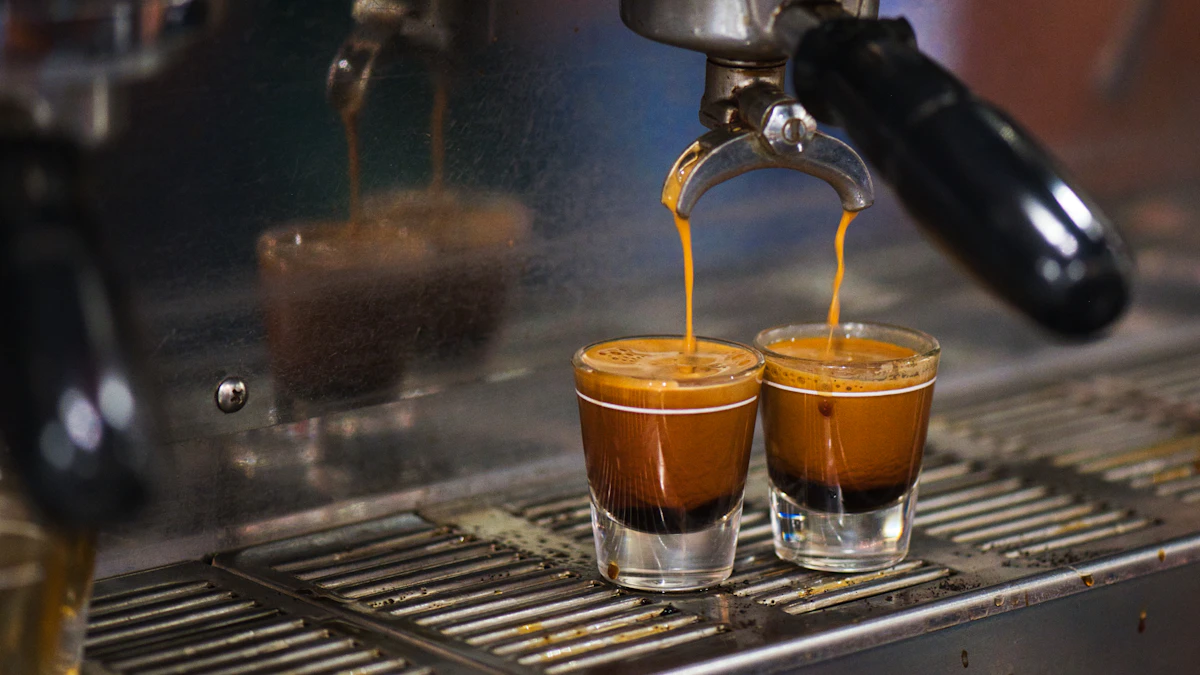
How to Make Espresso Tonic Step by Step
- Chill the tonic. Refrigerate the bottle before preparing the drink. Cold tonic keeps its carbonation better in the glass.
- Fill the glass with ice. Use a tall glass with plenty of empty space above the liquid to accommodate bubbling.
- Add the tonic water. Measure 4 oz (120 ml) over the ice and let the bubbles settle for a few seconds.
- Brew the espresso. Pull a fresh double shot. If it is very hot, allow it to stand briefly so the temperature difference is less extreme.
- Pour slowly. Drizzle the espresso over an ice cube or the back of a spoon, rather than dumping it into the tonic all at once.
- Garnish and serve. Express a twist of orange or lemon peel over the glass. Taste and gently stir before sipping if you prefer a combined flavor.
Serve immediately. Letting it stand for a long time reduces the sparkle and changes the balance as the ice melts.
Best Espresso-to-Tonic Ratio
For a bright, easy-drinking version, start with 1 part espresso to 2 parts tonic by approximate drink volume: a 2 oz shot with 4 oz tonic. The ratio is not a fixed rule. For a lighter, less coffee-forward drink, use 1–1.5 oz espresso with 4–5 oz tonic. For a stronger drink, use a double shot with 3 oz tonic. Adjust based on the intensity of your beans and how sweet or bitter your tonic tastes.
| Style | Espresso | Tonic water |
|---|---|---|
| Light and sparkling | 1 oz | 4 oz |
| Balanced starting point | 2 oz | 4 oz |
| Coffee-forward | 2 oz | 3 oz |
All measurements are approximate because espresso shots vary by machine and recipe.
Which Coffee and Tonic Work Best?
A light- to medium-roast espresso with citrus, berry or floral notes can pair particularly well with the sharp taste of tonic. Dark roasts can also work, but they may produce a more intensely bitter result. If the drink tastes harsh, try changing the beans or using slightly more tonic before adding sweetener.
Choose a tonic you enjoy on its own. Classic tonic tends to taste bitter and lightly sweet; flavored tonics can bring citrus or herbal notes. Check the label if you are comparing sugar content. Diet tonic can be used, but its sweetness may taste different.
Why Does Espresso Tonic Foam So Much?
Espresso and fizzy tonic can produce a fast-rising foam when mixed, especially if the espresso is poured rapidly into a small or overfilled glass. To reduce overflow, use cold tonic, a tall glass, enough headroom and a gentle pour over ice. Do not shake the ingredients in a sealed container. A small layer of foam is normal and does not mean the recipe failed.
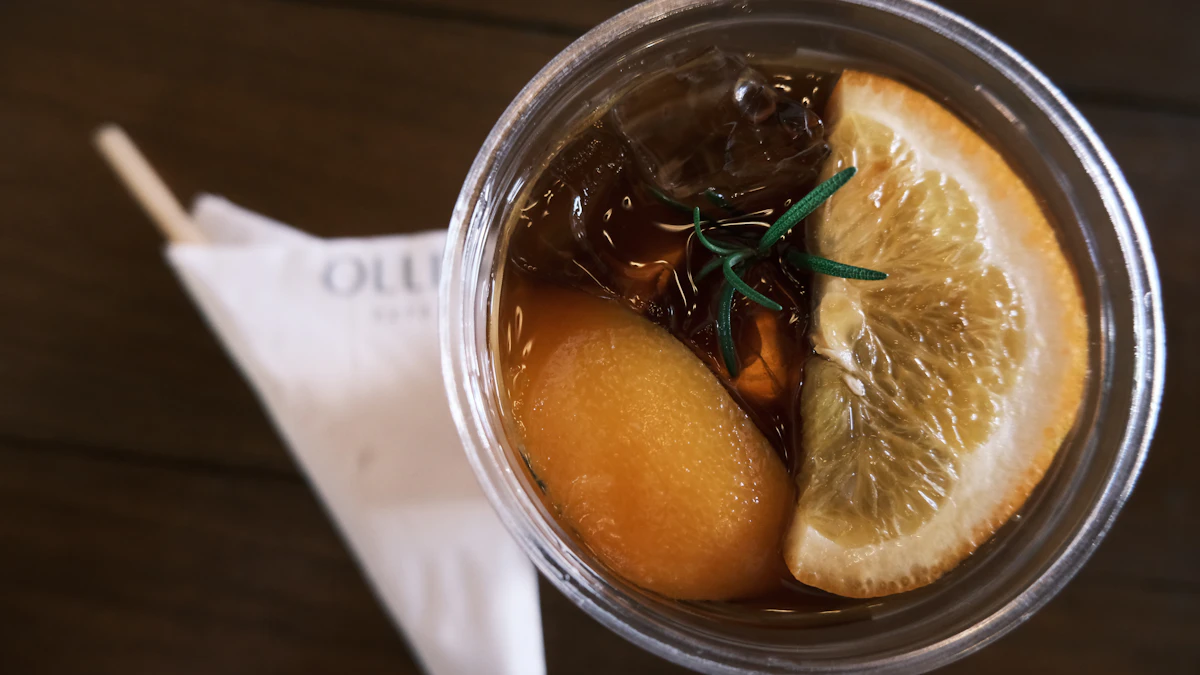
Five Espresso Tonic Variations
Orange Espresso Tonic
Finish the classic recipe with a strip of orange peel. For a sweeter orange version, add 1 teaspoon orange syrup and taste before adding more.
Lemon Espresso Tonic
Use a lemon twist instead of orange. Start with the peel rather than a large amount of juice so the drink stays balanced.
Grapefruit Espresso Tonic
Add 1 tablespoon grapefruit juice to the tonic, then pour the espresso. It will taste brighter and more tart.
Decaf Espresso Tonic
Use a decaffeinated espresso shot with the same method. Decaf still contains some caffeine, though typically much less than regular espresso.
Less-Sweet Espresso Tonic
Try a no-added-sugar tonic and omit syrup. Taste the result before serving because quinine bitterness may be more pronounced.
Can You Make Espresso Tonic Without an Espresso Machine?
Yes. Brew a small, concentrated serving of coffee using a moka pot or an AeroPress, and use 1–2 oz of the strong brew instead of a double espresso. The drink will taste different because these methods produce a different concentration and texture, but the cold-tonic method still works. Avoid using a full mug of ordinary drip coffee: that much liquid can make the finished drink taste watered down.
For a different citrus-coffee approach, see our lemon ginger coffee recipe. It is a separate drink, not an espresso tonic substitute.
For another easy coffee recipe with a completely different flavor, see our cowboy coffee brewing guide. To prepare a seasonal spiced coffee-style drink, browse the iced banana bread chai recipe.
Serving Tips and Storage
Espresso tonic is best made one glass at a time. Keep tonic refrigerated until serving and brew the espresso just before assembly. You can prepare citrus twists ahead of time, but do not mix the finished drink in advance: carbonation fades and melting ice dilutes the coffee. If you are serving guests, set out ice-filled glasses and pour each drink as requested.
Espresso Tonic FAQs
Do you pour espresso or tonic first?
Pour chilled tonic over ice first, then slowly add the espresso. This helps manage the foam and can create a layered look.
What is the best espresso tonic ratio?
Start with about 2 oz (60 ml) espresso and 4 oz (120 ml) chilled tonic. Adjust the tonic to suit your preferred coffee strength.
Is espresso tonic sweet?
The sweetness depends on the tonic water. Many regular tonics contain sugar, while quinine adds bitterness; taste before adding syrup.
Does espresso tonic contain caffeine?
Regular espresso contains caffeine; the amount varies by shot, coffee beans and preparation. Decaf espresso is an option for less caffeine.
Can you use sparkling water instead of tonic?
Yes, but plain sparkling water lacks the characteristic quinine bitterness and sweetness of tonic water, so the drink will taste different.
Why does espresso tonic foam?
Pouring hot espresso quickly into carbonated tonic releases bubbles. Use a tall glass with headroom, cold tonic and a gentle pour.
Make-Ahead Espresso Tonic for a Crowd
For a small gathering, plan one double espresso and four ounces of tonic per person, with extra ice on hand. Chill the tonic bottles and prepare citrus twists before guests arrive. Pull the espresso shots as each glass is assembled, rather than combining a large pitcher in advance: carbonated drinks lose their fizz when stirred and refrigerated. If you need to prepare several drinks in a row, keep the espresso portions in separate small cups for a minute or two, then pour carefully over ice-filled glasses.
If a guest prefers a milder coffee flavor, use a single espresso shot with the same volume of tonic. For those who prefer a stronger coffee taste, reduce the tonic slightly rather than adding hot coffee to an already full glass. Leave enough headspace to make pouring safe and easy.
Common Espresso Tonic Mistakes and How to Fix Them
The drink tastes too bitter
Tonic itself is bitter, and a strongly roasted espresso can intensify that taste. Try a different tonic first. A less bitter or more citrus-forward variety may make a bigger difference than adding sugar. Next, try a medium-roast espresso and a 1:3 coffee-to-tonic ratio. Adding an orange twist can brighten the aroma without making the beverage noticeably sweeter. If you still want sweetness, dissolve a teaspoon of simple syrup into the tonic before the espresso is added.
The drink is flat
Open the tonic just before use, serve it cold and do not stir vigorously. Pre-mixing a pitcher may be convenient but sacrifices the characteristic sparkle. A fresh bottle and a quick, gentle assembly work better than trying to revive an already flat drink.
The drink is watery
Use a short, concentrated espresso rather than a large cup of drip coffee. Add fresh, firm ice cubes and serve promptly. A tiny espresso shot can disappear beneath a generous amount of tonic, so try the balanced ratio before increasing the mixer.
The glass overflows with foam
Choose a tall glass with spare space near the rim. Do not pour hot espresso quickly into fizzy tonic. Instead, let the shot cool briefly and drizzle over ice or the back of a spoon. Pouring slowly may also preserve attractive layers, although stirring before drinking is fine.
Espresso Tonic Compared with Other Iced Coffee Drinks
| Drink | Main ingredients | Texture | Typical taste |
|---|---|---|---|
| Espresso tonic | Espresso, tonic, ice | Sparkling | Bittersweet, citrus-friendly |
| Iced americano | Espresso, still water, ice | Still | Clean coffee flavor |
| Iced latte | Espresso, milk, ice | Creamy | Mild and milky |
| Cold brew | Cold-steeped coffee, water, ice | Still | Smooth, bean-dependent |
Espresso tonic is the natural choice when you want fizz rather than a creamy or still coffee drink. It is not necessarily lower in sugar than an iced latte: tonic water may contain added sugar, while plain milk adds its own naturally occurring sugars. Always compare the actual products and portions you use.
What to Serve with Espresso Tonic
Because the drink has a bright, slightly bitter taste, it pairs well with simple pastries, nutty cookies, fresh fruit and lightly sweetened breakfast dishes. A citrus cake can echo an orange garnish, while almond biscotti offers a crunchy contrast. For a more substantial breakfast, enjoy it alongside a protein-rich meal rather than using a coffee drink as a meal replacement.
For a warm alternative with warming spices, explore our homemade chai tea recipe. If you prefer a colorful non-coffee beverage, our hibiscus tea guide explains another tart drink; neither should be treated as a weight-loss shortcut.
Espresso Tonic Recipe Card
Easy Espresso Tonic
Prep: 5 minutes | Cook: 0 minutes | Total: 5 minutes | Yield: 1 drink
Ingredients
- 4 oz (120 ml) chilled tonic water
- 2 oz (60 ml) freshly brewed double espresso
- 1 cup ice cubes
- Optional: orange or lemon peel
- Optional: 1–2 teaspoons simple syrup
Instructions
- Fill a tall glass with ice, leaving room for bubbles.
- Add the chilled tonic water and let the initial fizz settle.
- Brew a double espresso and allow it to cool very briefly.
- Pour the espresso slowly over ice or the back of a spoon.
- Garnish with citrus peel, taste and serve immediately.
Note: Regular tonic water often contains added sugar. Caffeine varies according to the beans and shot size.
How to Adjust the Recipe to Your Taste
Keep a small notebook of the espresso and tonic brands you try. A coffee with bright acidity may taste lively with citrus tonic, while a chocolatey coffee may pair better with a milder tonic. Make one change at a time so you can reproduce the combinations you like. If you have an espresso machine, start with your usual double-shot setting rather than adjusting the grind solely for this drink. The espresso should taste balanced before it meets the tonic.
For presentation, clear ice and a transparent tall glass show off the contrast between the golden tonic and dark coffee. An orange peel is optional; a heavy garnish can overpower the aroma of the espresso. Add the garnish at the last moment, and keep a napkin nearby because cold glasses develop condensation quickly. The finished drink is ideal for serving immediately after preparation, not for transporting or storing overnight.
Final Tips
Start with a well-chilled tonic, a fresh espresso and lots of ice. Pour gently and leave space for the foam. Once you like the classic version, try changing just one element at a time—the tonic, citrus garnish or coffee roast—so you can tell which variation you prefer.
Which espresso tonic variation would you try first? Share your favorite pairing in the comments.