
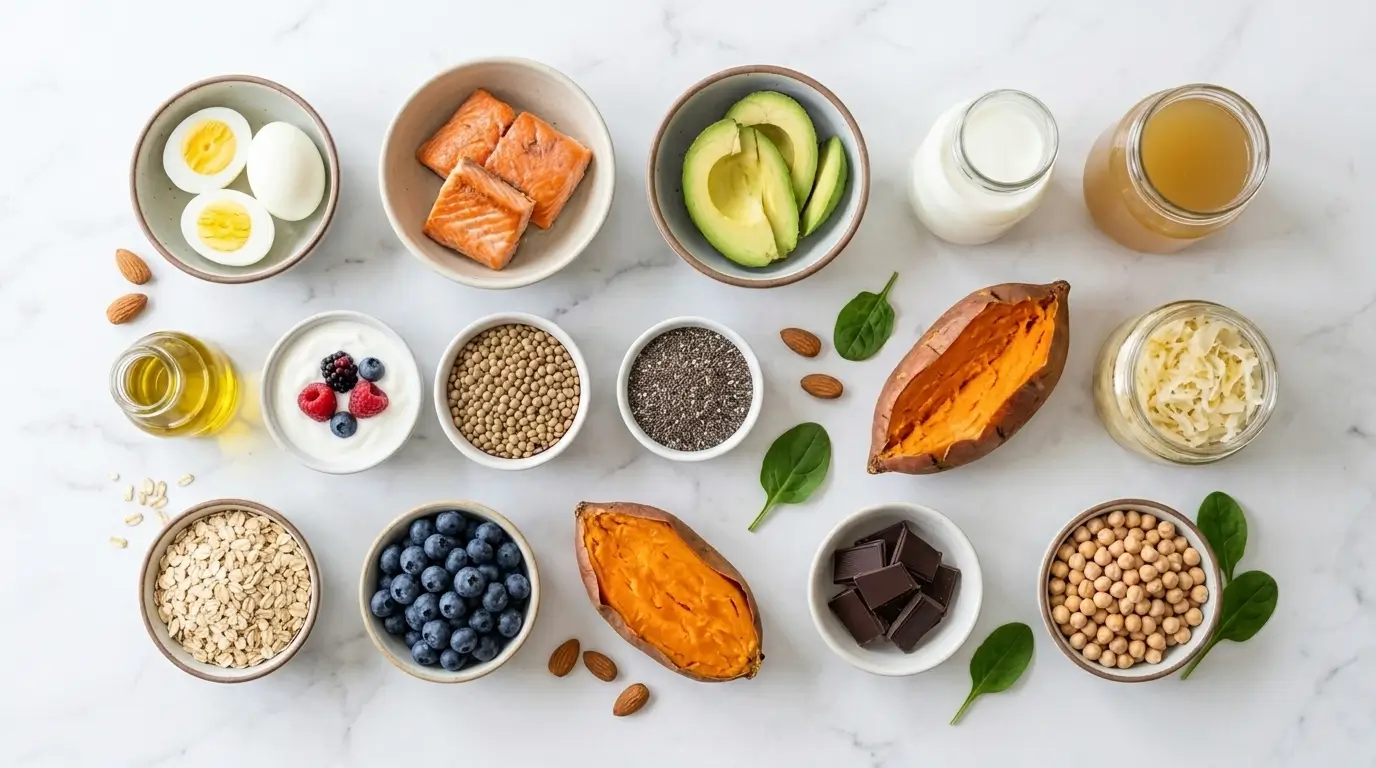
GLP-1 is the hormone that prescription medications like Ozempic and Wegovy are designed to mimic. But your body makes it naturally — every time you eat the right foods. The difference is that drugs keep GLP-1 active for days at a time, while food-triggered GLP-1 works in shorter windows. That doesn’t make food useless. It makes choosing the right foods one of the most practical, affordable tools for appetite control.
This list covers 15 foods proven to stimulate natural GLP-1 release, how each one works, and how to use them together for maximum effect. No supplements. No injections. Just real food that works with your body’s own fullness signals.
If you want to pair this approach with a specific pre-meal habit that directly supports GLP-1 activity, the gelatin trick weight loss recipe uses glycine — one of the most studied natural GLP-1 stimulants — in a simple 5-minute routine.
How Food Triggers GLP-1 Naturally
GLP-1 (glucagon-like peptide-1) is released by L-cells in your small intestine and colon when food arrives. Three nutrients trigger its release most reliably:
- Protein — amino acids bind to receptors that signal L-cells to release GLP-1
- Soluble fiber — fermented by gut bacteria into short-chain fatty acids (SCFAs), which stimulate GLP-1 secretion in the colon
- Healthy fats — particularly long-chain unsaturated fatty acids like omega-3s, which increase GLP-1 and slow gastric emptying
The more of these three nutrients your meal contains, the stronger and longer-lasting your natural GLP-1 response. Ultra-processed foods, refined carbs, and excess sugar actively blunt GLP-1 activity over time — which is why the same diet that causes weight gain also makes hunger harder to control.
The Natural GLP-1 Foods List
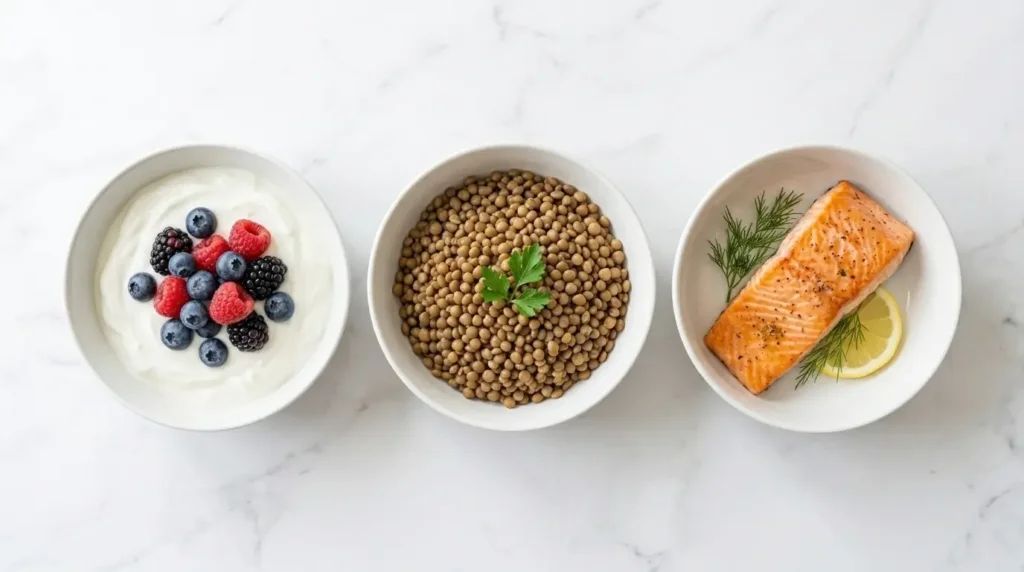
1. Eggs
Eggs are one of the most effective protein sources for GLP-1 stimulation. A single egg provides about 6g of complete protein, and the amino acid profile — particularly leucine and glycine — is especially well-suited to triggering gut satiety signals.
How to use them: Eat 2–3 eggs at breakfast. A spinach and mushroom omelet is one of the simplest GLP-1 breakfasts you can make. The combination of protein from eggs and fiber from vegetables produces a strong, sustained fullness response.
2. Greek Yogurt
Greek yogurt delivers 15–20g of protein per cup alongside probiotics that support gut health. A healthy gut microbiome is directly linked to stronger GLP-1 production — gut bacteria ferment fiber into SCFAs that stimulate GLP-1 release in the colon.
How to use it: Plain, full-fat or 2% Greek yogurt with chia seeds and berries at breakfast. Avoid flavored versions with added sugar, which counteract the GLP-1 benefit.
3. Salmon
Salmon provides two distinct GLP-1 triggers: high-quality protein (22g per 3oz) and omega-3 fatty acids (DHA and EPA). Research shows that long-chain polyunsaturated omega-3s increase GLP-1 levels and slow gastric emptying more effectively than saturated fats.
How to use it: Baked or poached salmon with roasted vegetables 2–3 times per week. Avoid heavy cream sauces that add unnecessary calories and can irritate digestion.
For a complete dinner built around lean protein, this hot honey chicken recipe is ready in 30 minutes with a sweet-spicy glaze.
For a complete dinner built around this ingredient, this hot honey salmon recipe combines salmon’s GLP-1 benefits with a 20-minute sweet-spicy glaze.
4. Lentils
Lentils are one of the most GLP-1-dense plant foods available. One cooked cup provides 18g of protein and 15g of fiber — both primary GLP-1 triggers — at very low caloric cost. The soluble fiber in lentils is fermented by gut bacteria into butyrate, one of the most potent natural stimulants of GLP-1 secretion.
How to use them: A simple lentil soup with carrots and ginger is one of the most effective GLP-1 dinners you can prepare. It also fits well with a GLP-1 gelatin diet routine as a complementary evening meal.
5. Oats
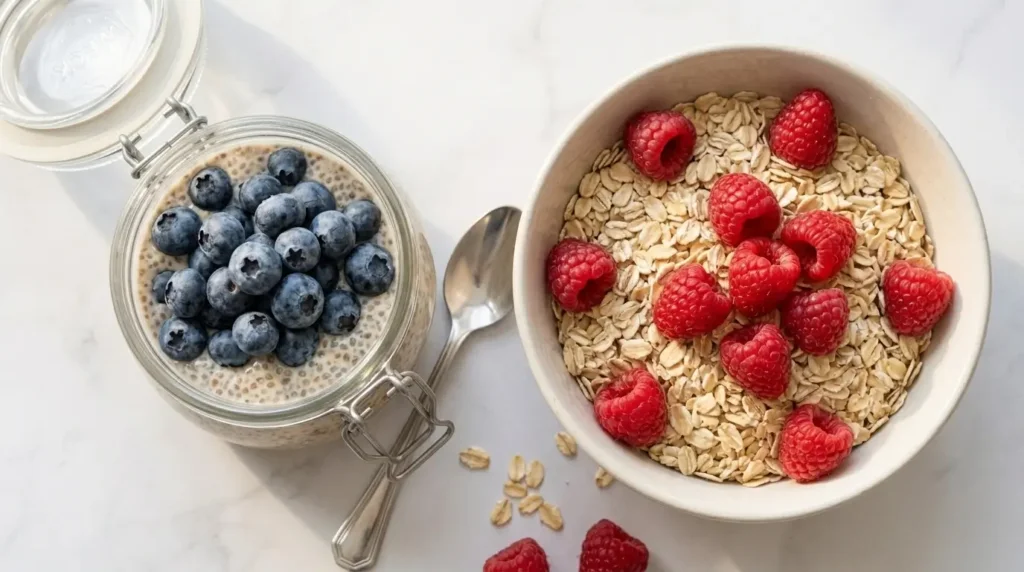
Oats are rich in beta-glucan, a soluble fiber with strong evidence for GLP-1 stimulation. Beta-glucan slows stomach emptying, reduces post-meal blood sugar spikes, and feeds gut bacteria that produce GLP-1-stimulating SCFAs.
How to use them: Steel-cut or rolled oats with chia seeds and berries. Avoid instant oat packets with added sugar — they replace beta-glucan’s benefit with a blood sugar spike that blunts GLP-1 activity.
6. Chia Seeds
Chia seeds are 40% fiber by weight, almost entirely soluble. When mixed with liquid, they form a gel — physically slowing digestion and producing the gut fermentation that drives GLP-1 release. Two tablespoons provide 10g of fiber and 5g of protein.
How to use them: Add to Greek yogurt, oatmeal, or smoothies. Chia pudding made the night before is a practical pre-meal snack. Vegan readers can also explore the agar agar weight loss recipe as a fiber-based pre-meal alternative with a similar satiety mechanism.
7. Avocado
Avocado provides monounsaturated fats — the type of healthy fat most strongly associated with GLP-1 stimulation. Oleic acid, the primary fat in avocado, triggers fat receptors in the gut that signal GLP-1 release and slow gastric emptying. Half an avocado also provides 5g of fiber.
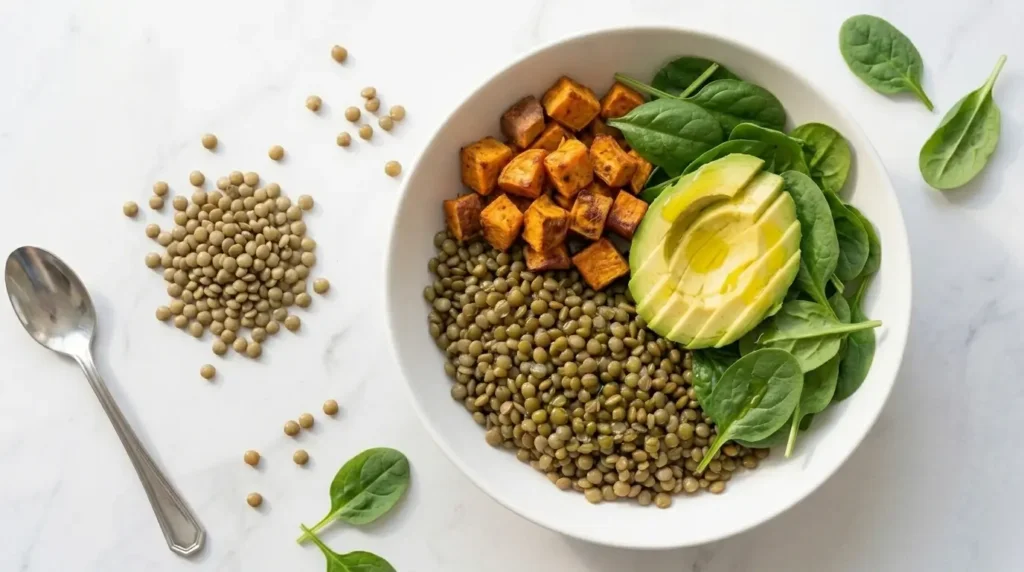
How to use it: Add to lunch bowls, salads, or eggs. A chickpea and avocado bowl combines three natural GLP-1 triggers — fiber from chickpeas, monounsaturated fat from avocado, and plant protein from both.
8. Chickpeas
Chickpeas combine plant protein (15g per cooked cup) with high soluble fiber content and resistant starch. Resistant starch passes undigested to the colon, where it ferments into SCFAs and stimulates GLP-1 production hours after eating — creating a prolonged fullness effect that extends well past the meal.
How to use them: Chickpea salads, soups, or roasted as a snack. Cooled cooked chickpeas have higher resistant starch content than freshly cooked ones.
9. Gelatin
Gelatin is 33% glycine by weight. Glycine is an amino acid with direct evidence for GLP-1 stimulation — it acts as a signaling molecule in the gut, triggering L-cells to produce and release GLP-1. Gelatin also contains peptides that inhibit DPP-IV, the enzyme that breaks down GLP-1, extending its active window in the bloodstream.
This dual mechanism — stimulating GLP-1 production while protecting it from degradation — is what makes gelatin unique among natural GLP-1 foods. For the most effective way to use it, the bariatric gelatin recipe shows how to prepare it as a structured pre-meal habit.
How to use it: 1 tablespoon of unflavored gelatin dissolved in warm water or herbal tea, 15–20 minutes before your largest meal.
10. Olive Oil
Extra virgin olive oil is rich in oleocanthal and oleic acid — compounds that stimulate GLP-1 release and reduce inflammation in the gut lining. Research shows meals cooked with olive oil produce higher GLP-1 levels than meals cooked with butter or refined oils.
How to use it: Use as your primary cooking fat. Drizzle over vegetables, salads, and soups. Even a small amount (1–2 tablespoons) added to a meal meaningfully increases the GLP-1 response.
11. Fermented Foods (Kefir, Sauerkraut, Kimchi)
Fermented foods supply probiotics — live bacteria that maintain and strengthen the gut microbiome. A healthy, diverse gut microbiome produces more SCFAs from fiber fermentation, which directly stimulates GLP-1 secretion. Poor gut microbiome diversity is associated with lower GLP-1 levels and weaker satiety signaling.
How to use them: Add a small portion of fermented food to one meal daily. Kefir works well in smoothies or as a breakfast drink. Kimchi and sauerkraut pair naturally with grain bowls and eggs.
12. Sweet Potatoes
Sweet potatoes provide soluble fiber, resistant starch, and a moderate amount of protein. Their natural sweetness satisfies cravings without triggering the blood sugar spike that blunts GLP-1 activity. Cooled sweet potatoes have higher resistant starch content — eating them in a room-temperature grain bowl maximizes their GLP-1 benefit.
How to use them: Roast in olive oil and serve with Greek yogurt and herbs as a gentle dinner. Their soft texture makes them especially well-tolerated when appetite is reduced.
13. Berries
Berries are among the lowest-sugar fruits and among the highest in soluble fiber and polyphenols. Polyphenols — particularly anthocyanins in blueberries and raspberries — have been shown to increase GLP-1 secretion and improve gut microbiome diversity.
How to use them: Add to Greek yogurt, oatmeal, or eat as a snack with nuts. Frozen berries work just as well as fresh and are significantly cheaper year-round.
14. Dark Chocolate (70%+ Cacao)
Dark chocolate at 70% cacao or higher contains flavanols — antioxidants that support GLP-1 activity and improve insulin sensitivity. This doesn’t make dark chocolate a diet food, but a small serving (about 28g / 1oz) after a meal can support the GLP-1 response without derailing calorie balance.
How to use it: One square after dinner as a deliberate, portion-controlled finish to a meal — not as a snack throughout the day.
15. Bone Broth
Bone broth is rich in glycine and other amino acids that directly stimulate GLP-1 production. It also provides electrolytes and hydration in a warm, soothing format that slows eating pace — slower eating itself increases GLP-1 response by giving the hormone time to signal fullness before a meal ends.
How to use it: Drink a warm cup of bone broth 15 minutes before dinner as a pre-meal GLP-1 habit, or use it as the base for soups and stews to layer multiple GLP-1 triggers in a single meal.
For a structured short-term reset built around vegetables and broth, the cabbage soup diet recipe is a 7-day plan that pairs naturally with GLP-1 supporting foods.
How to Combine These Foods for Maximum Effect
Individual foods stimulate GLP-1. Meals built from multiple triggers produce a stronger, longer-lasting response. The most effective structure is:
Protein + Soluble Fiber + Healthy Fat = sustained GLP-1 response
Practical examples:
- Greek yogurt + chia seeds + berries (breakfast)
- Salmon + roasted vegetables + olive oil (lunch)
- Lentil soup + bone broth base + avocado (dinner)
- Gelatin drink + herbal tea (pre-meal habit)
Eating order also matters. Starting a meal with protein and fiber before carbohydrates produces a stronger GLP-1 response than starting with bread or refined carbs. A small salad or vegetable soup before your main course is one of the simplest ways to apply this.
What Blunts Natural GLP-1
Equally important is what reduces your body’s GLP-1 response:
- Ultra-processed foods and refined carbohydrates eaten regularly
- High added sugar intake
- Eating too fast (GLP-1 needs time to signal fullness)
- Chronic stress (raises cortisol, which impairs GLP-1 release)
- Poor sleep (disrupts circadian GLP-1 rhythm, which peaks during daytime)
Removing these patterns matters as much as adding GLP-1 foods.
FAQs
What foods increase GLP-1 naturally?
The strongest natural GLP-1 stimulants are high-protein foods (eggs, salmon, Greek yogurt, lentils), soluble fiber sources (oats, chia seeds, chickpeas, berries), and healthy fats (avocado, olive oil, omega-3s). Gelatin is uniquely effective because its glycine content directly stimulates GLP-1 secretion and inhibits the enzyme that degrades it.
Can food boost GLP-1 as much as Ozempic?
No. Prescription GLP-1 medications produce a much stronger and more sustained hormonal response than food alone. However, natural GLP-1 foods can meaningfully reduce appetite, slow digestion, and improve satiety over weeks of consistent use — with no side effects and no cost.
How quickly do GLP-1 foods work?
Food-triggered GLP-1 peaks within 15–60 minutes after eating and gradually declines. This is why eating slowly matters — the hormone needs time to signal your brain. Repeated meals built around GLP-1 foods produce cumulative improvements in gut microbiome health and baseline satiety over weeks.
Is gelatin a natural GLP-1 food?
Yes. Gelatin contains glycine, an amino acid with direct evidence for GLP-1 stimulation in the gut. It also contains peptides that inhibit DPP-IV — the enzyme that degrades GLP-1 — which extends the hormone’s active window. This makes gelatin one of the most mechanistically specific natural GLP-1 foods on this list.
What is the best natural GLP-1 supplement?
Psyllium husk (soluble fiber), berberine, and curcumin are the most studied natural supplements for GLP-1 support. However, whole foods — particularly those on this list — provide GLP-1 benefits alongside essential nutrients that supplements cannot replicate.
Does dark chocolate boost GLP-1?
Yes, modestly. Dark chocolate at 70% cacao or higher contains flavanols that support GLP-1 activity. A 28g (1oz) serving provides this benefit without a significant caloric cost. Milk chocolate and sweetened varieties do not provide the same effect.
Conclusion
Natural GLP-1 foods don’t replace prescription medications. What they do is work with your body’s own appetite regulation system — reducing hunger, slowing digestion, and making it easier to eat less without feeling deprived.
The foods on this list are not exotic or expensive. Eggs, Greek yogurt, lentils, oats, salmon, chia seeds, avocado — they’re weekly staples that happen to align with how your gut’s fullness hormone actually works.
Start by adding two or three of these foods to your current meals. Pair them with a pre-meal GLP-1 habit like the gelatin trick recipe for an additional layer of appetite support. Give it three weeks and notice how hunger starts to quiet down.
Disclaimer: This article is for informational purposes only and does not constitute medical advice. Consult your healthcare provider before making changes to your diet, especially if you have a health condition or take medication.