
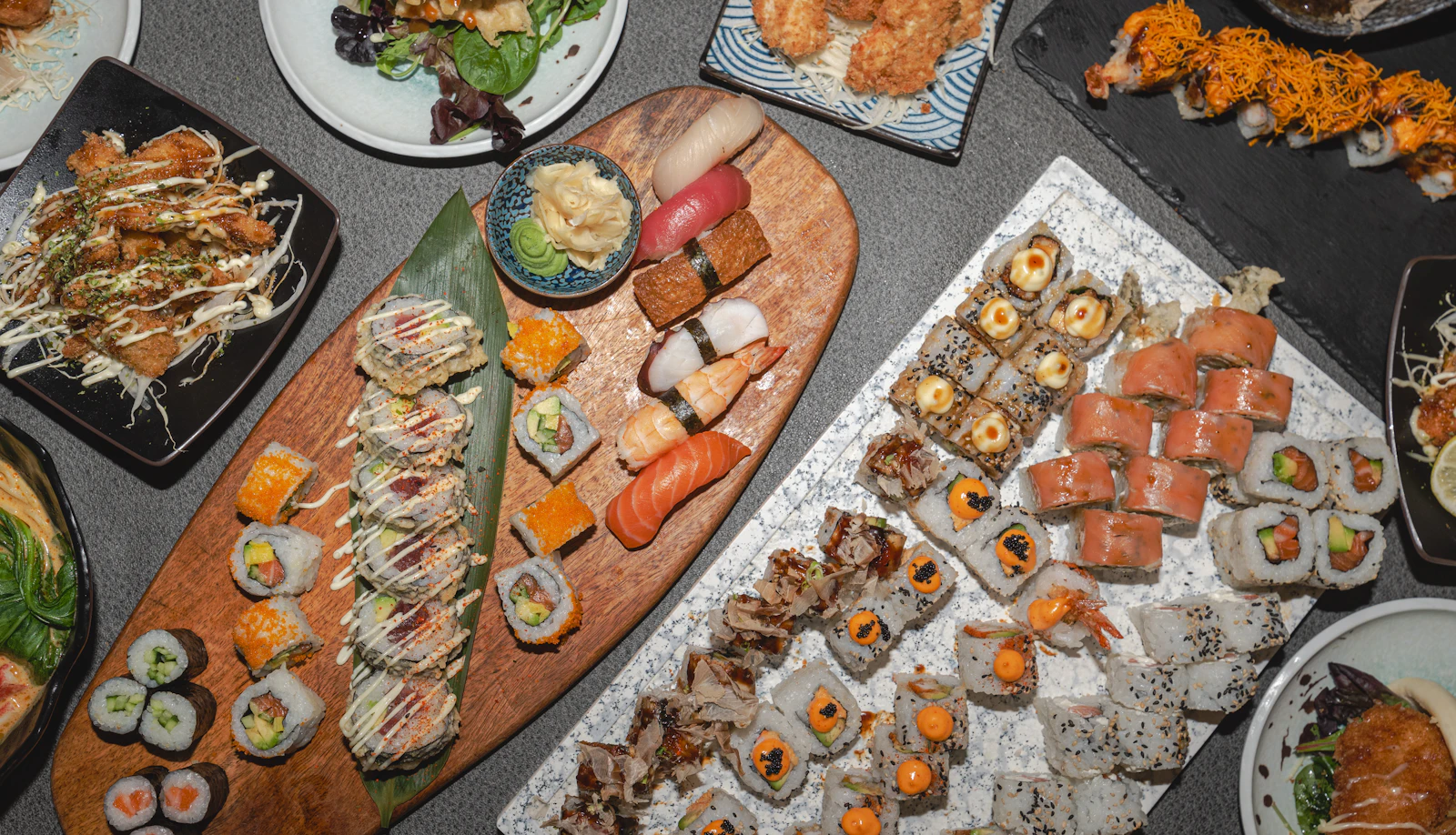
Nigiri is a type of Japanese sushi made by shaping a small portion of seasoned sushi rice by hand and placing a topping—usually fish or seafood—over it. The topping is called neta, while the prepared rice is often called shari. Unlike maki, nigiri is normally not rolled in seaweed.
Although many people associate nigiri with raw salmon or tuna, nigiri does not have to contain raw fish. It can also be topped with cooked shrimp, eel, egg, or other ingredients.
What Is Nigiri?
Nigiri—or nigirizushi—is a style of sushi in which vinegared sushi rice is shaped by hand into a compact oblong mound and topped with fish, seafood, egg, or another ingredient.
The basic structure is simple: sushi rice + topping = nigiri.
- seasoned short-grain sushi rice
- one piece of fish or another topping
- sometimes a tiny amount of wasabi between the rice and topping
- occasionally a thin strip of nori to help hold a topping in place
Nigiri is generally served as individual pieces rather than as a sliced roll. Its simplicity means the texture and quality of both the rice and topping matter greatly.
Why Is It Called Nigiri?
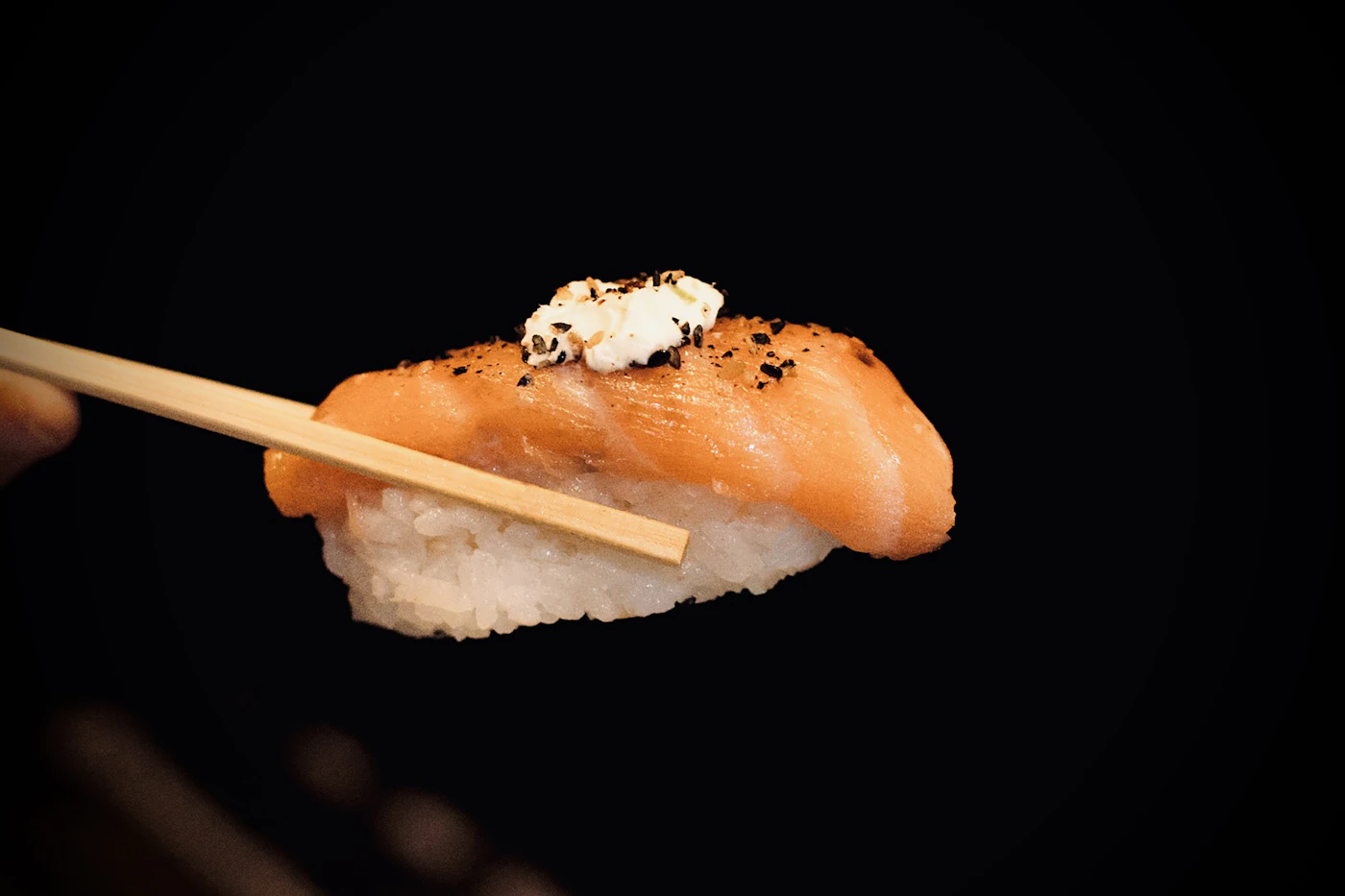
The name comes from the Japanese idea of gripping or forming something in the hand. That describes the traditional preparation technique: a sushi chef takes a small amount of rice, gently forms it with the fingers and palm, then places the topping over it.
This is also why nigiri looks very different from maki sushi: maki is rolled; nigiri is hand-shaped.
Is Nigiri Sushi?
Yes. Nigiri is sushi. Sushi is a broad category built around specially seasoned rice, and nigiri is one specific style within that category. Japan’s official tourism guide also distinguishes nigirizushi from rolled styles such as makizushi.
Other sushi styles include maki, temaki, chirashi, and inari. So the simplest way to remember it is: all nigiri is sushi, but not all sushi is nigiri.
What Does Nigiri Look Like?
Traditional nigiri is usually small enough to eat in one or two bites. The rice is shaped into an elongated oval and a thin slice of fish or another topping rests over the top.
Unlike a sushi roll, nigiri generally has no rice surrounding the fish, no large nori wrapper, and no multiple fillings packed into the center.
What Is Nigiri Made Of?
Sushi Rice
Nigiri normally uses Japanese short-grain rice seasoned after cooking. The seasoning commonly combines rice vinegar with small amounts of sugar and salt. The finished rice should hold together without becoming dense or mushy.
Neta
Neta is the topping placed over the rice. Popular options include salmon, tuna, yellowtail, shrimp, eel, scallop, squid, octopus, mackerel, and egg. The topping can be raw, cooked, cured, marinated, or lightly seared depending on the ingredient.
Does Nigiri Always Have Raw Fish?
No. This is one of the biggest misconceptions about nigiri. Raw fish is not what defines nigiri. The combination of shaped sushi rice and a topping is what makes it nigiri.
Cooked nigiri options can include cooked shrimp, cooked eel, tamago, cooked crab, and some octopus preparations.
Most Popular Types of Nigiri
Salmon Nigiri
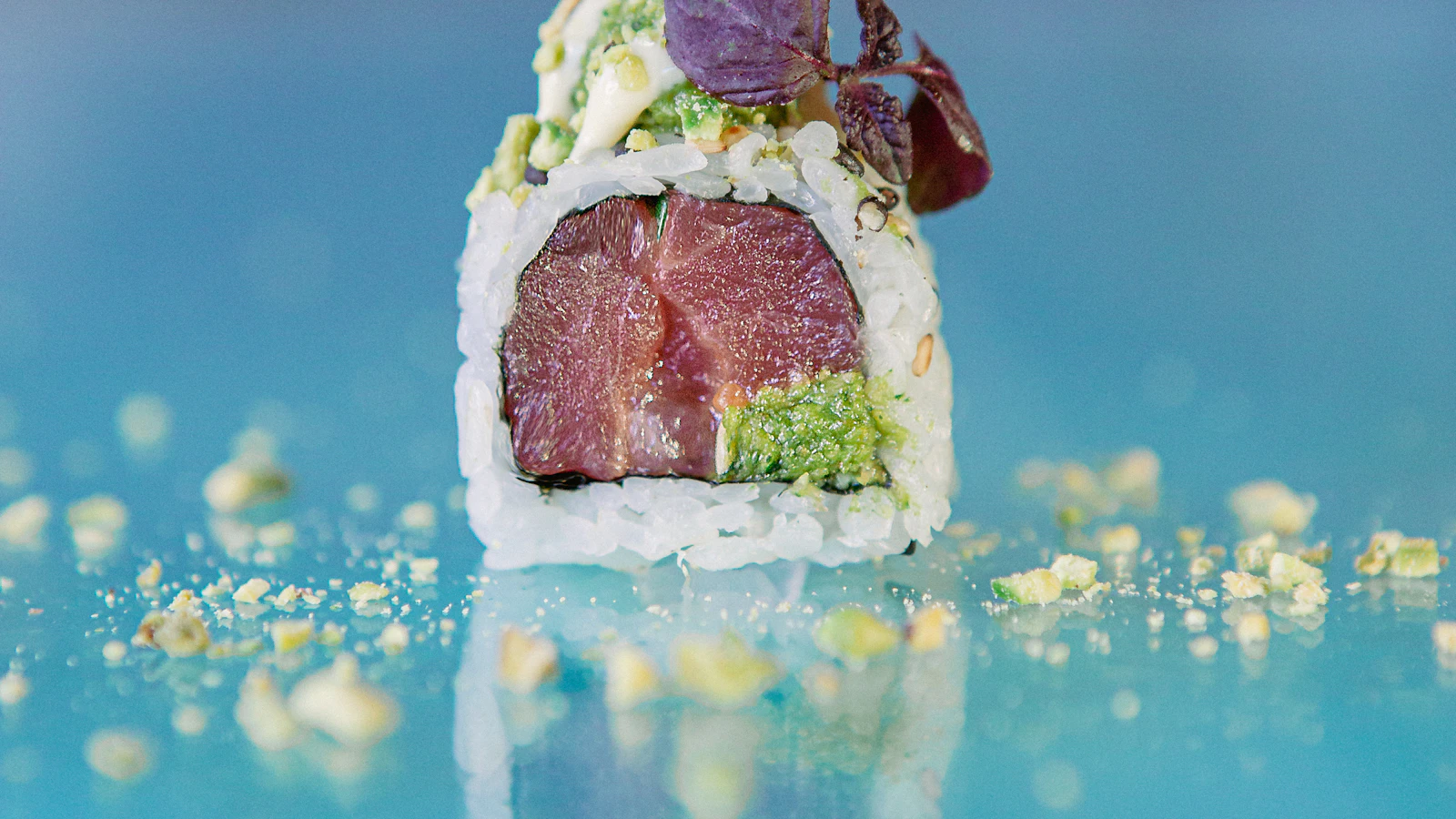
Salmon nigiri consists of sushi rice topped with salmon. It is often an approachable choice for sushi beginners because salmon has a soft texture and rich flavor. If you already enjoy salmon dishes, try our hot honey salmon recipe.
Tuna Nigiri
Tuna is another classic nigiri topping. Lean tuna is often listed as maguro or akami, while fattier tuna cuts may be called toro.
Toro Nigiri
Toro refers to fatty portions of tuna. Depending on the cut, you may encounter terms such as chutoro and otoro. These cuts tend to have a richer mouthfeel than lean tuna.
Shrimp Nigiri
Shrimp nigiri is often made with cooked shrimp positioned over seasoned rice, making it a useful option for people who want to try nigiri without beginning with raw fish.
Eel Nigiri
Eel nigiri typically uses cooked eel and may be brushed with a sweet-savory sauce before serving.
Scallop Nigiri
Scallop nigiri, often called hotate nigiri, uses scallop as the topping. Its mild taste and soft texture make it another popular seafood variation.
Ikura Nigiri
Ikura is salmon roe. Because fish eggs do not sit easily on rice, this style often uses a strip of nori around the rice to create a small cup that holds the roe.
Tamago Nigiri
Tamago nigiri uses Japanese rolled omelet as the topping. It is another clear example that nigiri does not necessarily mean raw fish.
Nigiri vs Sashimi vs Maki at a Glance
| Feature | Nigiri | Sashimi | Maki |
|---|---|---|---|
| Rice | Yes | No | Usually yes |
| Shape | Hand-shaped mound with topping | Sliced fish or seafood | Rolled and sliced |
| Nori | Usually no | No | Often yes |
| Typical serving | Individual pieces | Slices | Several pieces per roll |
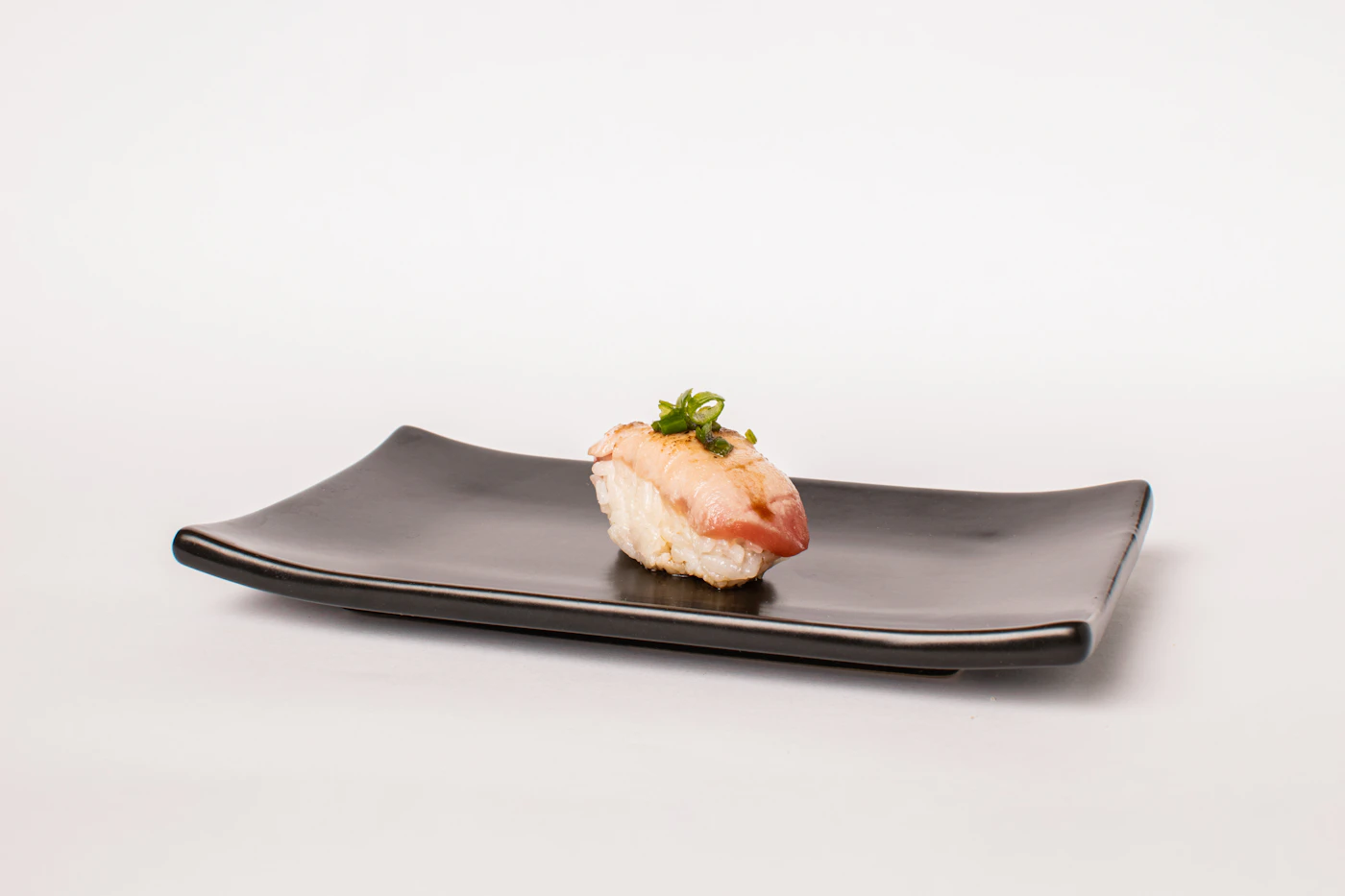
The quickest distinction is simple: nigiri is seasoned sushi rice with a topping, sashimi is sliced fish or seafood without sushi rice, and maki is rolled sushi.
Nigiri vs Sashimi: What’s the Difference?
The simplest difference is: nigiri includes rice; sashimi does not.
Nigiri combines seasoned sushi rice with a topping. Sashimi refers to slices of fish or seafood served without sushi rice. For example, salmon nigiri is salmon plus sushi rice, while salmon sashimi is sliced salmon without sushi rice.
Nigiri vs Maki
Nigiri and maki are both sushi, but they are prepared differently.
- Nigiri: hand-shaped sushi rice with a topping resting over it.
- Maki: rolled sushi, typically sliced into individual pieces.
A simple way to remember it is: nigiri = topping over rice; maki = rolled sushi.
Nigiri vs Sushi
Sushi is the broad food category, while nigiri is one specific sushi style. Other sushi types include maki, temaki, and chirashi.
Nigiri vs Sushi Rolls
American-style sushi rolls can contain rice, fish, avocado, cucumber, cream cheese, sauces, and crunchy toppings. Nigiri is usually much simpler and may contain only rice, fish, and perhaps a small amount of wasabi.
Is Nigiri Wrapped in Seaweed?
Usually, no. Most classic nigiri pieces have a slice of topping resting directly on the rice. Some loose toppings, such as salmon roe, may be surrounded by a strip of nori that forms a small vessel over the rice.
What Does Nigiri Taste Like?
The flavor depends primarily on the topping. Salmon nigiri can taste rich and buttery, lean tuna tends to be cleaner and milder, eel can be savory and slightly sweet, and scallop is often delicate and subtly sweet.
The seasoned rice contributes mild acidity, subtle sweetness, a little saltiness, and a soft but structured texture. Seafood can also provide protein and naturally occurring compounds such as astaxanthin; learn more in our guide to astaxanthin foods.
How Do You Eat Nigiri?
Eat the Piece Whole When Comfortable
Many pieces are intentionally prepared to be eaten in one bite. If a piece is too large, there is no need to force it.
Don’t Drown It in Soy Sauce
A little soy sauce is usually enough. Too much can overpower both the fish and seasoned rice.
Be Careful When Dipping
Because the rice can absorb soy sauce quickly and fall apart, excessive dipping can make the piece difficult to eat.
Wasabi May Already Be Included
Some nigiri is prepared with a small amount of wasabi between the topping and rice, so taste it before automatically adding more.
Can You Eat Nigiri With Your Hands?
Yes. Nigiri can be eaten with chopsticks or carefully with clean hands. The practical goal is to keep the rice and topping together while eating it comfortably.
Is Nigiri Healthy?
Nigiri can fit into a balanced diet, but its nutritional profile depends on the topping, amount of rice, added sauces, sodium from soy sauce, and total portion size.
A simple fish nigiri typically provides carbohydrate from rice and protein from seafood, with varying amounts of fat depending on the fish. For more balanced meal ideas, see our Mediterranean diet lunches. If you want more easy seafood ideas beyond sushi, browse these canned sardine recipes.
Is Raw Nigiri Safe?
Raw seafood deserves special attention because it can carry parasites or harmful microorganisms. The FDA seafood safety guidance notes that proper handling matters and that cooking seafood thoroughly is the lower-risk option. Freezing can reduce parasite risk in certain fish, but it does not eliminate every food-safety hazard.
Pregnant people, young children, older adults, and people with weakened immune systems should be especially cautious with raw or undercooked seafood. For homemade nigiri, do not assume an ordinary fresh fish fillet is automatically suitable for raw consumption.
Is Nigiri Gluten-Free?
Basic nigiri made from rice and plain fish may not contain gluten, but restaurant versions can include soy sauce, marinades, sauces, imitation seafood, or cross-contact. Anyone who must strictly avoid gluten should verify ingredients directly.
Is Nigiri Cooked or Raw?
It can be either. Salmon, tuna, yellowtail, and scallop are sometimes served raw, while shrimp, eel, egg, and some crab preparations are commonly served cooked.
Is Nigiri the Same as a Sushi Roll?
No. A sushi roll usually contains rice and fillings rolled together and sliced. Nigiri normally consists of one compact portion of rice with a topping placed over it.
Can You Make Nigiri at Home?
Yes. The two main skills are preparing properly seasoned sushi rice and handling the topping correctly. The rice should hold together without being packed too tightly.
For beginners, cooked shrimp, egg, or cooked fish can be easier toppings to start with. If using seafood raw, careful sourcing and food-safety practices are essential.
Common Nigiri Terms to Know
- Nigiri / Nigirizushi: hand-shaped sushi rice topped with another ingredient.
- Neta: the topping placed over the rice.
- Shari: prepared sushi rice.
- Maguro: tuna.
- Toro: fatty tuna.
- Ebi: shrimp.
- Hotate: scallop.
- Ikura: salmon roe.
- Tamago: egg omelet.
- Aburi: a style involving lightly searing the surface of an ingredient.
What Is Aburi Nigiri?
Aburi refers to sushi in which the surface of the topping is lightly seared. Instead of cooking the ingredient completely through, heat is applied mainly to the exterior. Aburi salmon nigiri is one of the best-known variations.
What Is the Best Nigiri for Beginners?
Approachable options include salmon, cooked shrimp, tamago, cooked eel, and tuna. People uncomfortable with raw seafood can begin with cooked shrimp, eel, or egg.
Quick Nigiri Summary
- Nigiri is a type of sushi.
- It usually consists of seasoned rice topped with fish, seafood, egg, or another ingredient.
- Nigiri does not always contain raw fish.
- Nigiri and sashimi are not the same: sashimi does not include sushi rice.
- Nigiri and maki are not the same: nigiri is hand-shaped while maki is rolled.
FAQS
What is nigiri?
Nigiri is a type of sushi made from a small hand-shaped portion of seasoned sushi rice topped with fish, seafood, egg, or another ingredient.
Is nigiri the same as sushi?
Nigiri is one type of sushi. Sushi is the broader category, which also includes styles such as maki, temaki, chirashi, and inari.
Is nigiri raw?
Not necessarily. Some nigiri uses raw fish such as salmon or tuna, while other varieties use cooked shrimp, eel, egg, or other cooked ingredients.
What is the difference between nigiri and sashimi?
Nigiri includes seasoned sushi rice underneath the topping. Sashimi is sliced fish or seafood served without sushi rice.
What is the difference between nigiri and maki?
Nigiri is made by placing a topping over hand-shaped sushi rice. Maki is rolled sushi that is normally sliced into several pieces.
Does nigiri have seaweed?
Most classic nigiri does not need seaweed, although some varieties use a strip of nori to hold loose toppings such as salmon roe.
Can you eat nigiri with your hands?
Yes. Nigiri can be eaten with chopsticks or carefully with clean hands.
Can I make nigiri at home?
Yes. You need properly prepared sushi rice and an appropriate topping. If using seafood raw, careful sourcing, temperature control, and food-safety practices are important; cooked toppings are another option.